

The Royal Bengal Tiger of the Sundarbans
Enter the mangrove realm of a legendary predator—felt more often than seen.
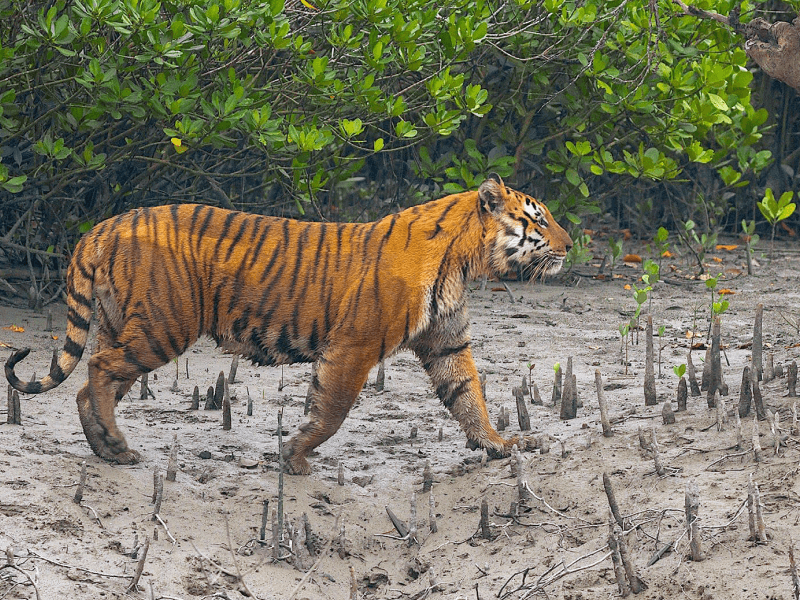
Travel through tiger country without turning the tiger into a chase.
The Royal Bengal tiger is the most powerful symbol of the Sundarbans, yet an ethical tiger journey begins by accepting that the animal may never appear. This predator moves through mangrove islands, swims tidal channels and rests within cover almost impossible for visitors to penetrate. Its presence is revealed more often through pugmarks, warning calls, scratch marks or the alert attention of an experienced forest guide. That uncertainty makes the landscape feel genuinely wild.
Travellers explore from an authorised vessel and at approved watchtowers or trails. Early morning light may reveal deer, wild boar, macaques, raptors and kingfishers—the web of life that supports tiger habitat. A guide can explain how tides, salinity, prey and forest structure shape the animal's range. There are no responsible tiger safaris that promise sightings here, and operators claiming guaranteed close encounters should be avoided.
Safety rules are absolute. Never leave the group, step ashore at an unapproved place, follow tracks, use bait or playback, or approach a tiger if one is seen. Remain calm, follow the forest staff's directions and keep a safe distance. Local communities live beside this predator and bear risks that tourists do not; their experience should be discussed with empathy, not romanticised as an adventure story.
Tiger conservation also protects a vast coastal ecosystem. Safeguarding mangrove habitat, prey, freshwater flows and river channels benefits dolphins, crocodiles, birds, fisheries and people facing cyclones. Choose registered operators, minimise plastic and noise, and support guides who teach ecology rather than stage wildlife. The annual June–August tourism closure must be respected. In the Sundarbans, the finest tiger experience may be a silent creek, fresh tracks on mud and the knowledge that a great cat passed unseen beyond the trees.
Ask the guide about tracks, prey and mangrove adaptations rather than only the chance of a tiger. That broader understanding makes every quiet hour in the forest part of the encounter.
Immersive Experience
No 360° Videos available
Destination Gallery
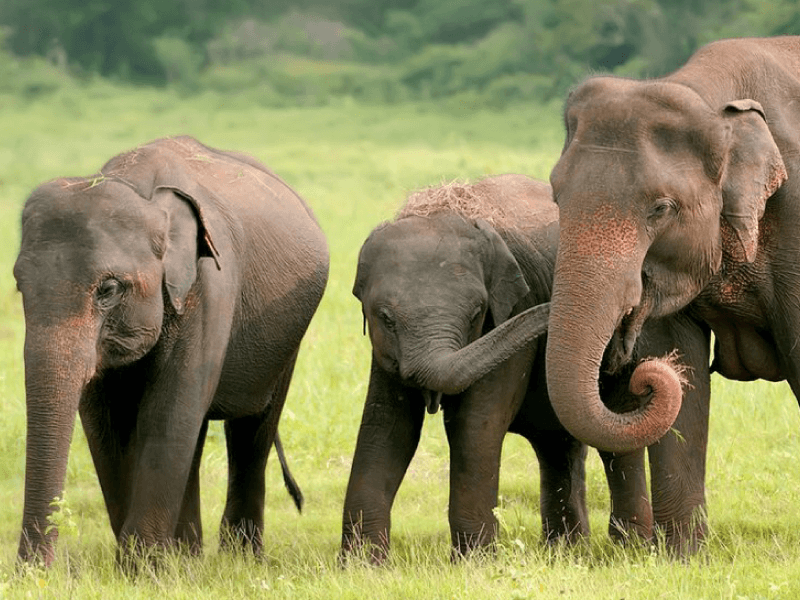
Asian Elephants of the Chittagong Hill Tracts
Discover elephant country across forest corridors where distance and restraint matter.
Explore More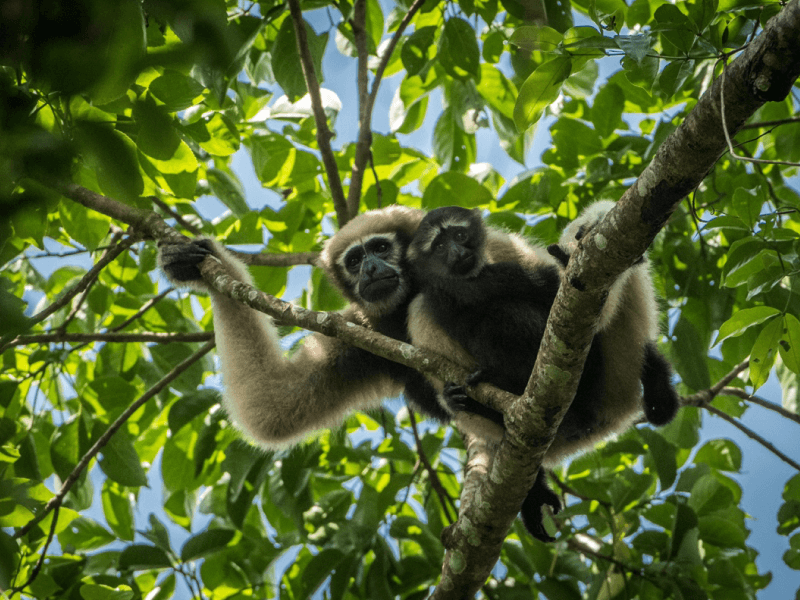
Hoolock Gibbons: Bangladesh's Only Ape Species
Wake to a wild duet rolling above the rainforest canopy.
Explore More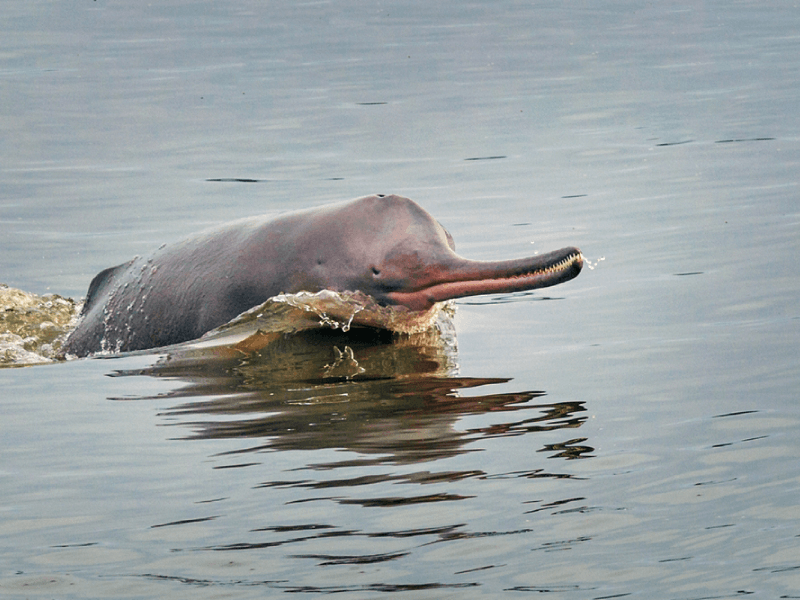
Ganges River Dolphins and Delta Aquatic Life
Scan the tide for a breath, a curved back and the hidden life of the delta.
Explore More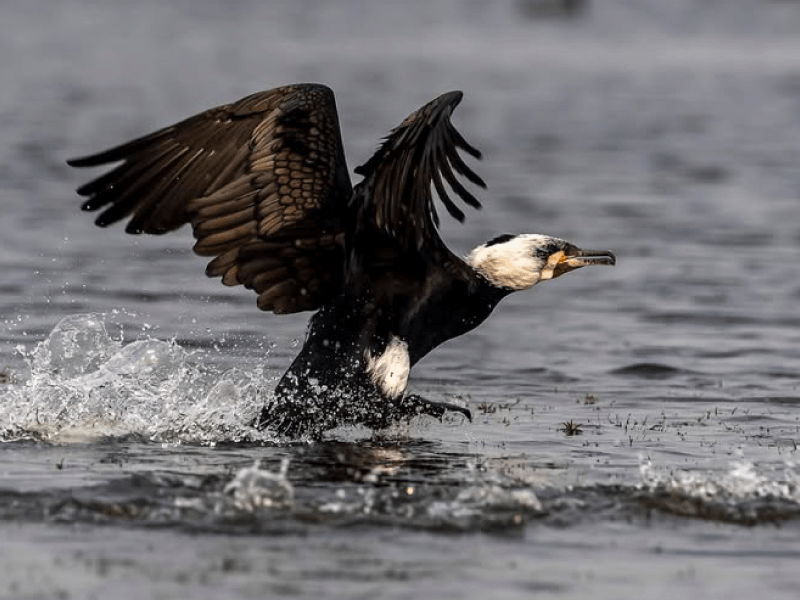
Migratory Birds of Tanguar Haor
Watch winter skies fill above one of Bangladesh's great wetland sanctuaries.
Explore More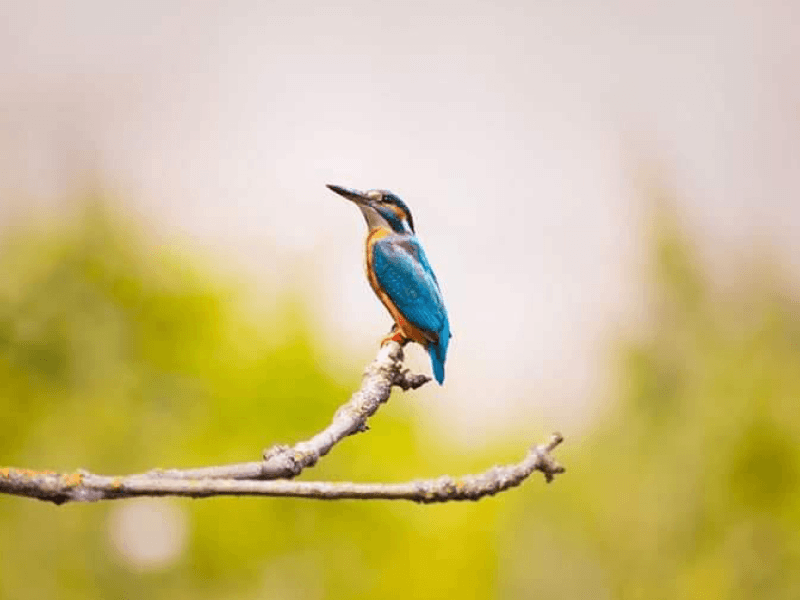
Kingfishers and Avian Diversity of Bangladesh
Chase flashes of electric blue from rainforest streams to mangrove creeks.
Explore More
Olive Ridley Sea Turtles of St. Martin's Island
Meet a fragile island night where turtles, tides and strict protection converge.
Explore More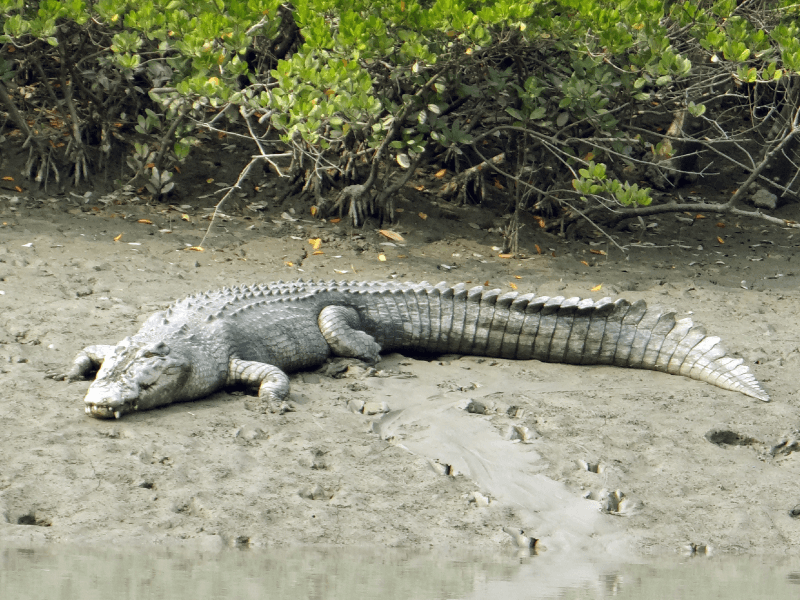
Saltwater Crocodiles and Estuarine Reptiles
Cruise the tidal frontier where ancient reptiles patrol mudbanks and creeks.
Explore More