

Kingfishers and Avian Diversity of Bangladesh
Chase flashes of electric blue from rainforest streams to mangrove creeks.
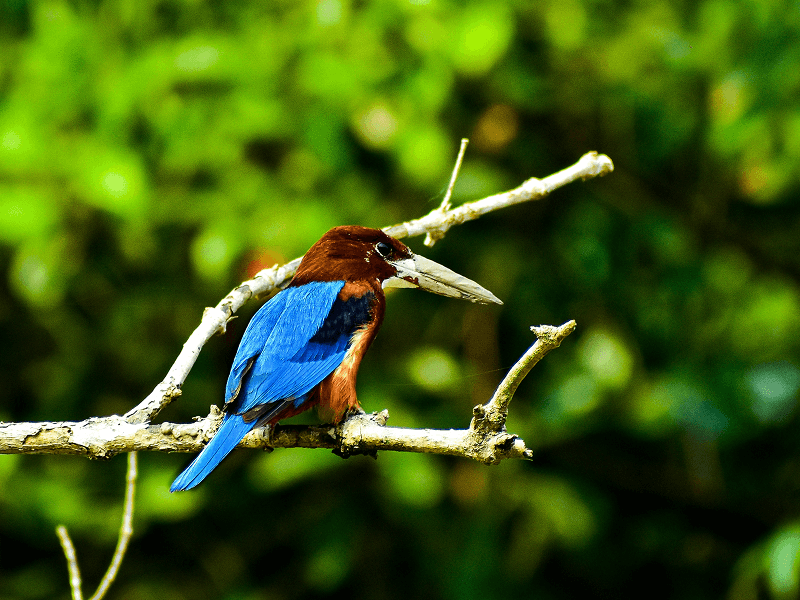
Bring binoculars—the next burst of colour will not wait.
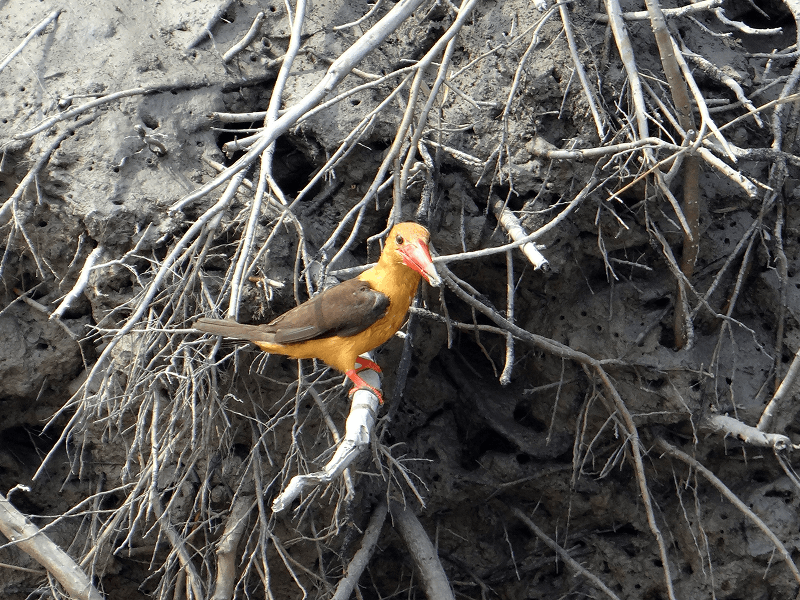
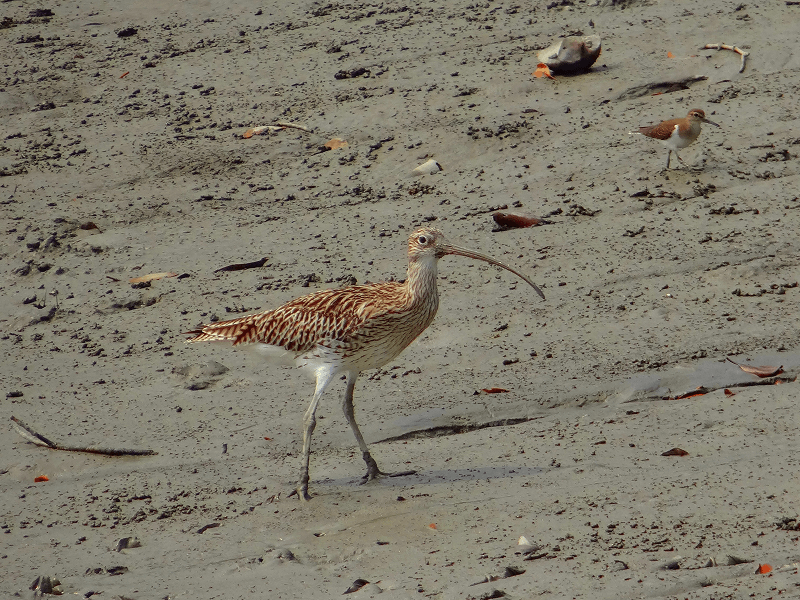
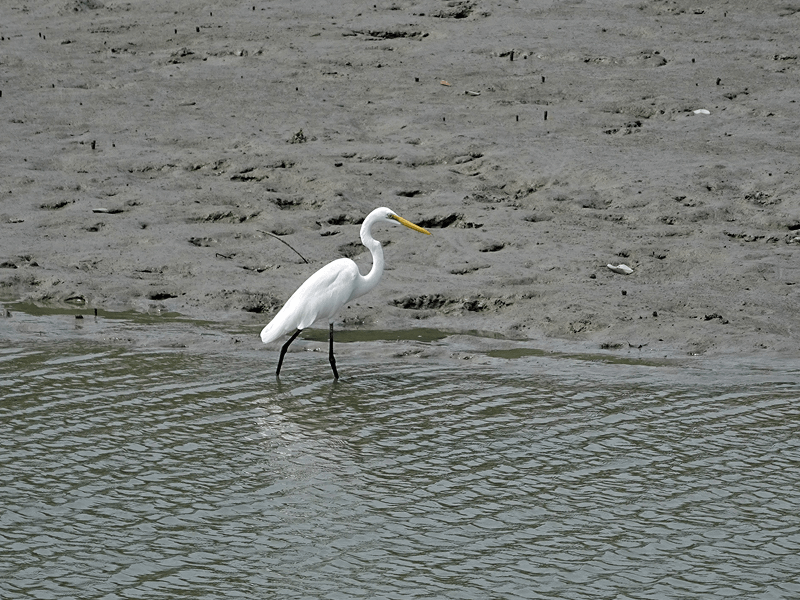
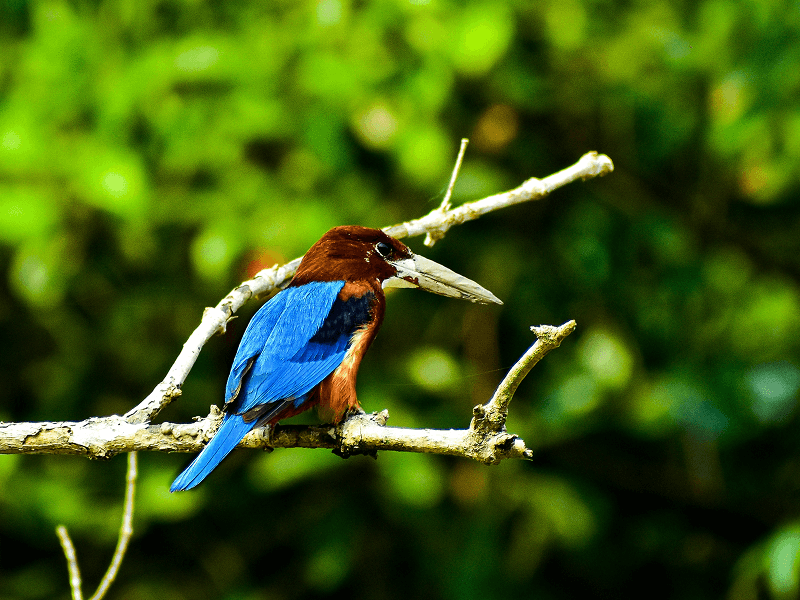
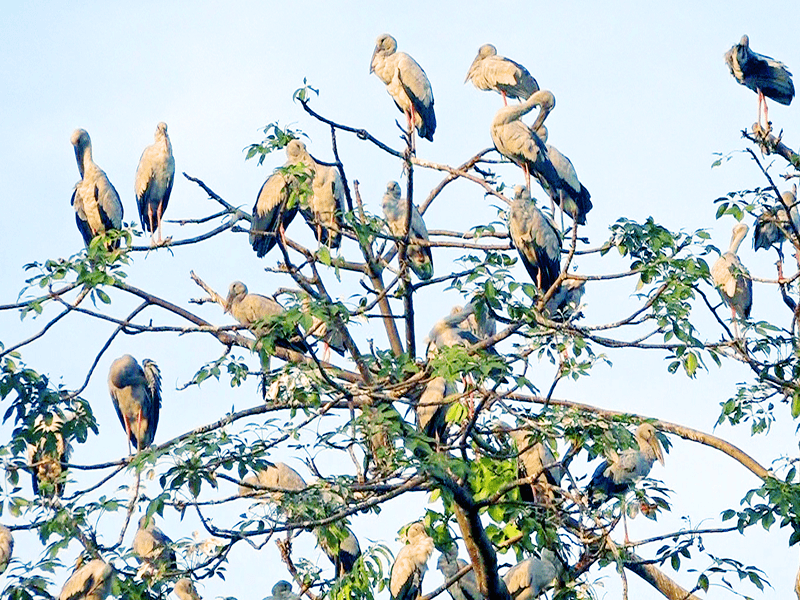
Bangladesh's rivers, ponds, haors, mangroves and forest streams create exceptional habitat for birds. Kingfishers are among the most dramatic: compact hunters that wait above water, then plunge or dart with startling speed. Their colours and habits make them an ideal doorway into the country's wider avian diversity, from wetland herons and raptors to forest hornbills, barbets and songbirds.
Lawachara National Park offers a strong all-round introduction. Early trails combine canopy birds with activity around streams and forest edges, while nearby tea-country wetlands add a contrasting habitat. Ratargul can also be rewarding when boating is lawful and safe, and the Sundarbans brings kingfishers into a vast tidal setting. Tanguar Haor is internationally important for birds, but tourist vessels are banned inside its Ecologically Critical Area as of August 2026; do not plan access there until authorities announce otherwise.
Good birding is quiet and unhurried. Start at dawn, use binoculars, wear muted colours and let a trained local guide identify calls and habitat. Do not use loud playback, surround a nest, cut vegetation for a clear photograph or pressure a boatman to approach a perched bird. Keep records honestly; distance, light and fast movement can make identification uncertain. Never handle feathers, eggs or chicks.
The experience changes by season. Winter brings migrants to wetlands, while breeding and rainfall alter forest activity. A kingfisher-focused day may yield only brief sightings, yet the search reveals far more: spider webs in morning light, raptors circling above tea gardens and small birds moving in mixed flocks. Choose an open destination with clear rules, support local guides and accept the pace of wildlife. The adventure lies in learning to notice a living landscape, not in forcing every species into the frame.
A short written checklist of place, time and behaviour can sharpen observation without disturbing anything. Share records responsibly and let uncertain identifications remain uncertain until an expert confirms them.
Immersive Experience
No 360° Videos available
Destination Gallery


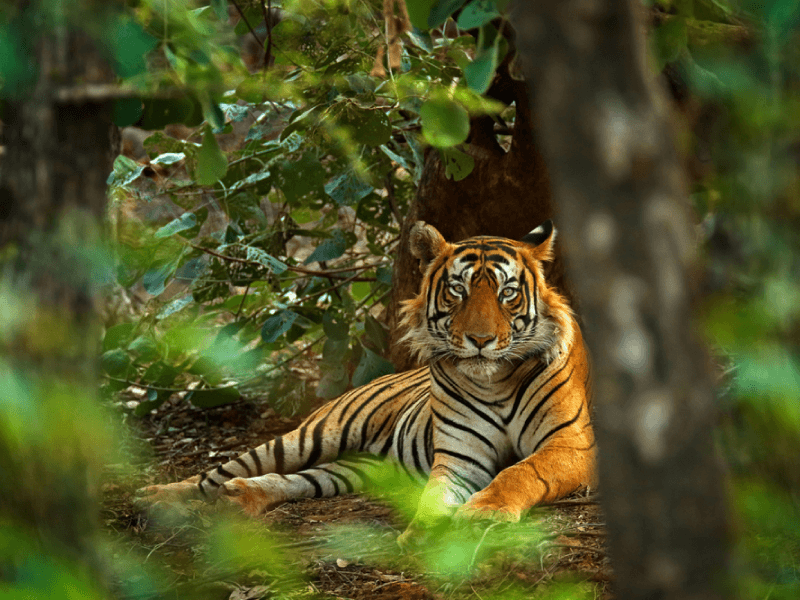
The Royal Bengal Tiger of the Sundarbans
Enter the mangrove realm of a legendary predator—felt more often than seen.
Explore More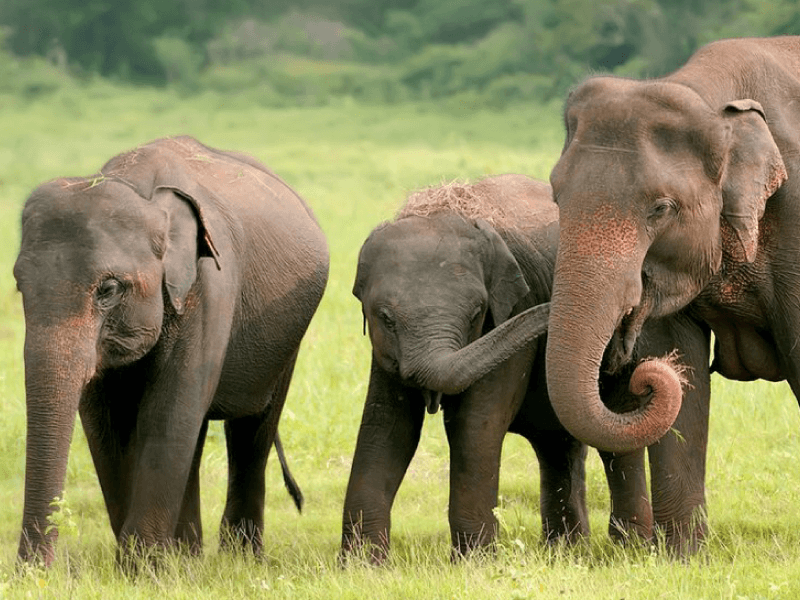
Asian Elephants of the Chittagong Hill Tracts
Discover elephant country across forest corridors where distance and restraint matter.
Explore More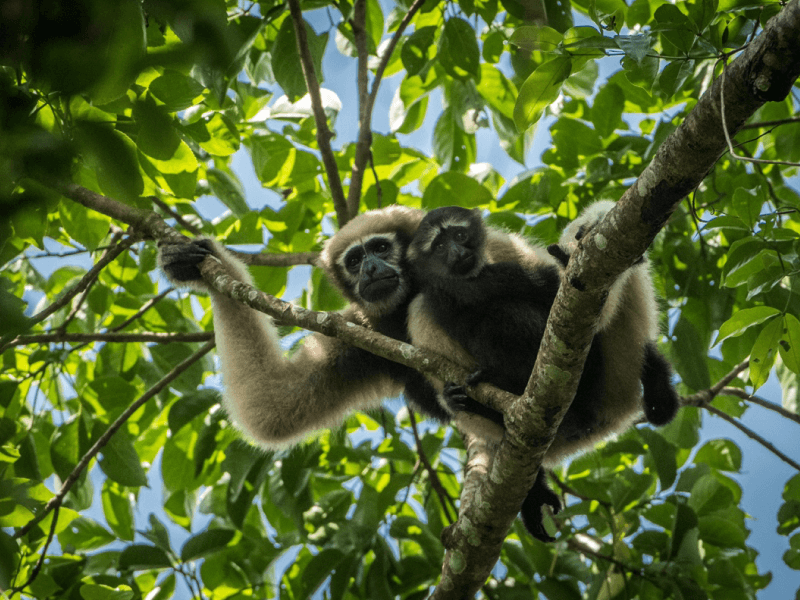
Hoolock Gibbons: Bangladesh's Only Ape Species
Wake to a wild duet rolling above the rainforest canopy.
Explore More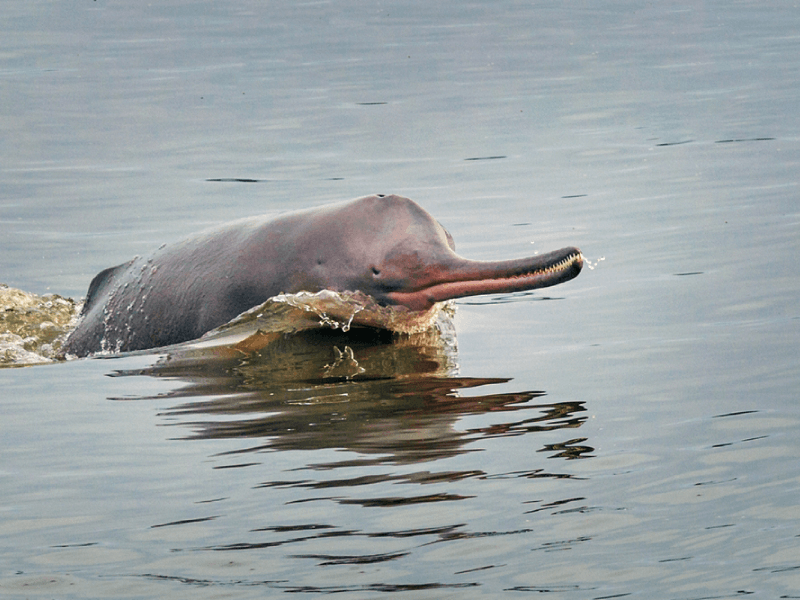
Ganges River Dolphins and Delta Aquatic Life
Scan the tide for a breath, a curved back and the hidden life of the delta.
Explore More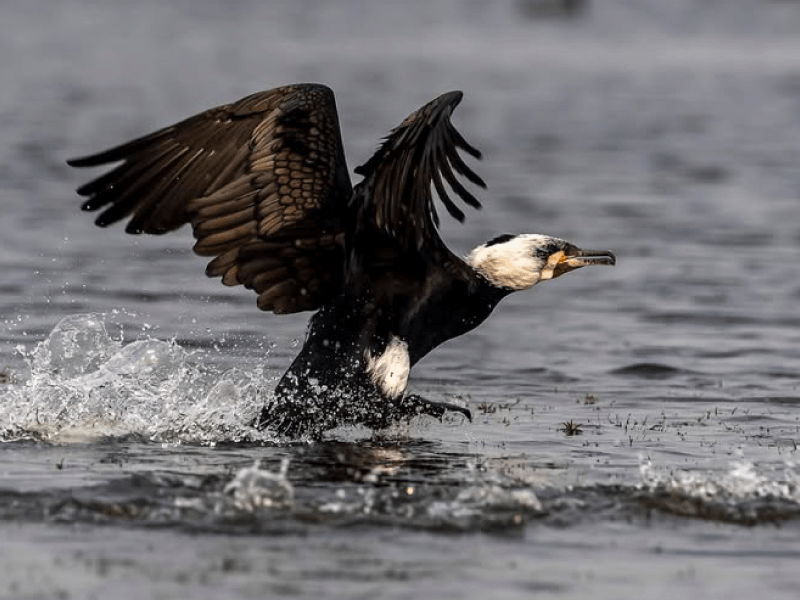
Migratory Birds of Tanguar Haor
Watch winter skies fill above one of Bangladesh's great wetland sanctuaries.
Explore More
Olive Ridley Sea Turtles of St. Martin's Island
Meet a fragile island night where turtles, tides and strict protection converge.
Explore More
Saltwater Crocodiles and Estuarine Reptiles
Cruise the tidal frontier where ancient reptiles patrol mudbanks and creeks.
Explore More