

Olive Ridley Sea Turtles of St. Martin's Island
Meet a fragile island night where turtles, tides and strict protection converge.
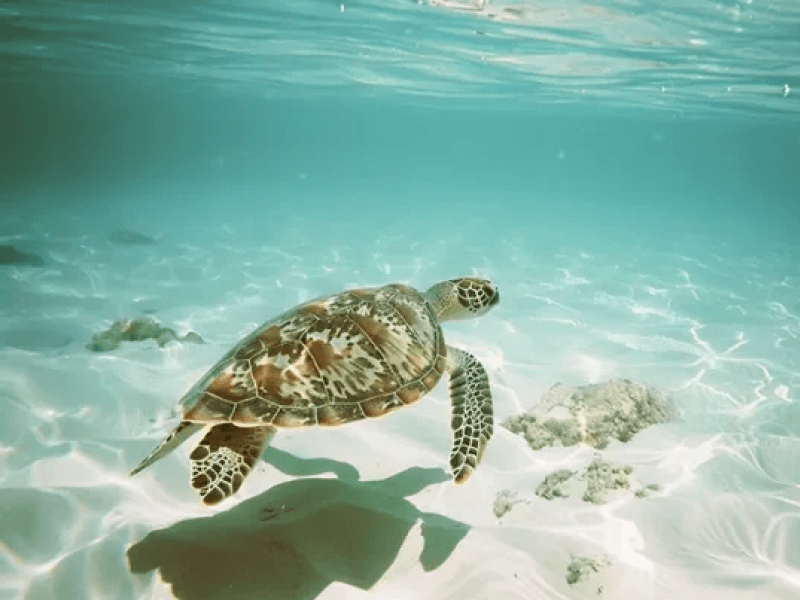
Protect the darkness—the beach is a nursery, not a stage.
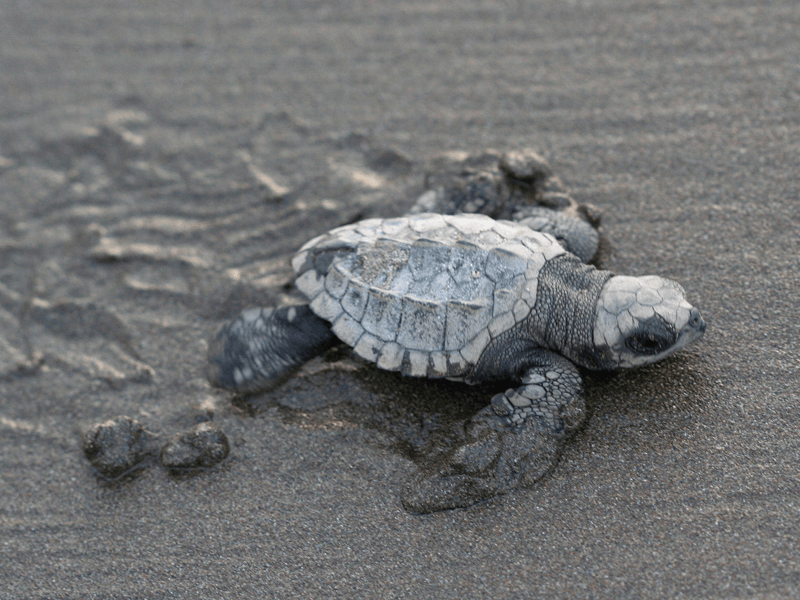
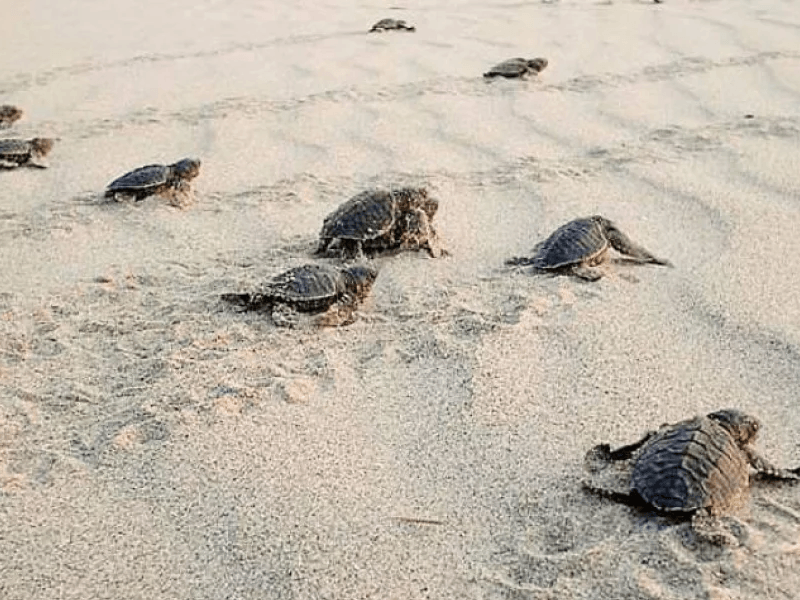
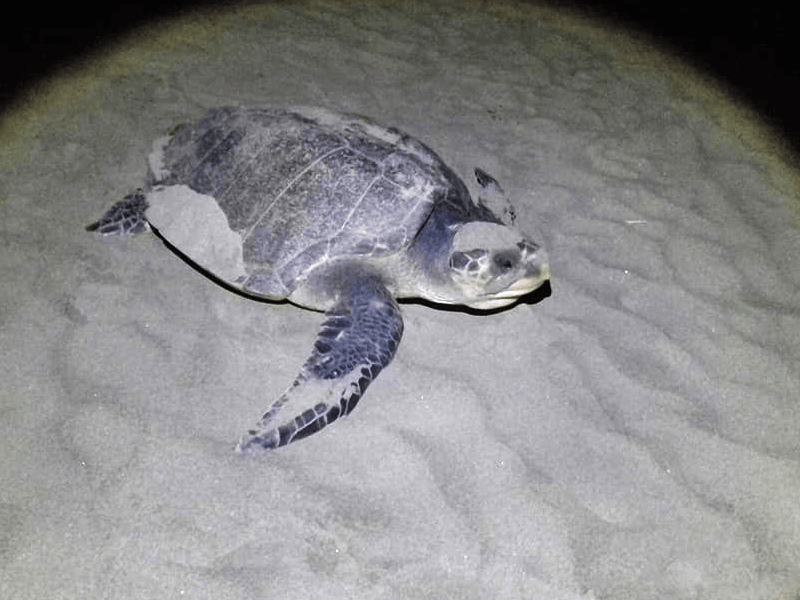
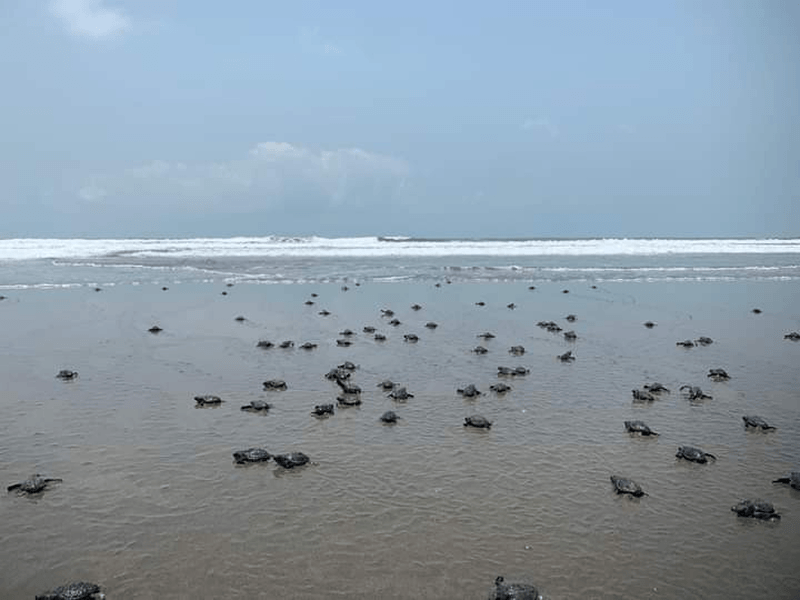
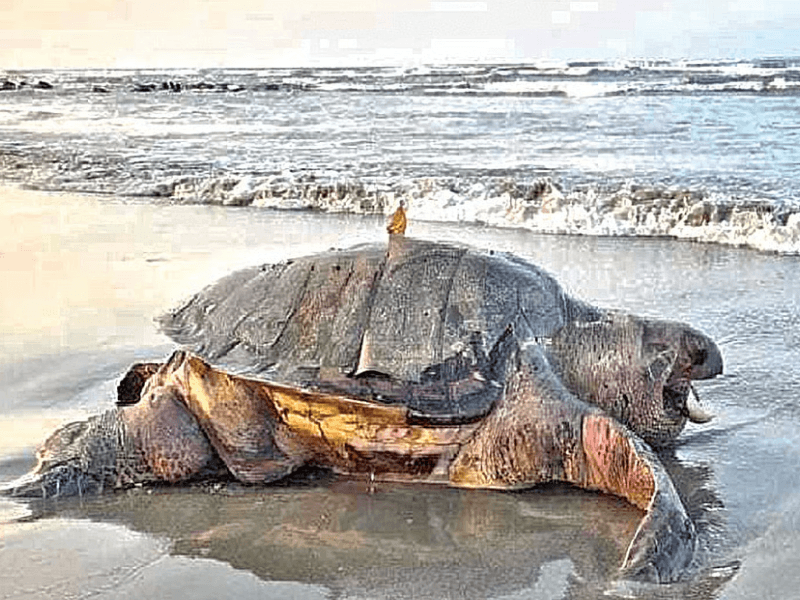
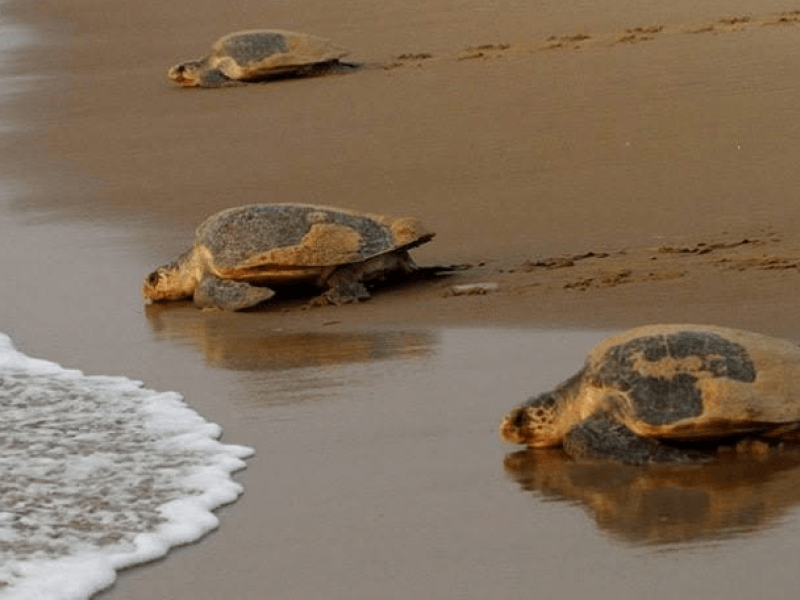
Olive Ridley sea turtles use beaches in Bangladesh for nesting, and St. Martin's Island is part of a sensitive marine landscape where turtles and other wildlife face intense pressure. A turtle encounter must never be promised. Nesting is seasonal, unpredictable and easily disrupted by light, noise, crowds, vehicles and handling. The responsible adventure is to visit only when the island is officially open and to place habitat protection above the hope of seeing an animal.
As of August 2026, St. Martin's is closed to tourists until the seasonal reopening planned for November. Under the most recently published rules, November permits day trips only, December and January allow regulated overnight stays, and February is closed. Official QR-coded travel passes are required, daily visitor numbers are capped, and access rules can be revised. Travellers must verify the Bangladesh Tourism Board portal and government notices before purchasing transport or accommodation.
On the island, night lighting, loud noise, beach barbecues and motorised vehicles are restricted. Visitors must not enter Keya forest, disturb marine life or collect coral, shells, starfish, eggs or hatchlings. If a turtle or nest is encountered, keep well away, use no flash or white torch, do not touch or block the route and follow authorised conservation staff. Never share a precise nest location publicly.
The journey to St. Martin's should be low-waste and self-disciplined: carry a reusable bottle, avoid single-use plastics and take non-biodegradable waste back to the mainland. Rough seas can cancel vessels, and authorised schedules must be respected. A turtle-focused visit succeeds even without a sighting when the beach remains dark, quiet and undamaged. In a place this fragile, restraint is the most adventurous and meaningful form of participation.
If authorised interpretation is unavailable, enjoy the island's seascape without searching nesting areas. Conservation succeeds when turtles can reach and leave the beach without becoming the centre of a crowd.
Immersive Experience
No 360° Videos available
Destination Gallery
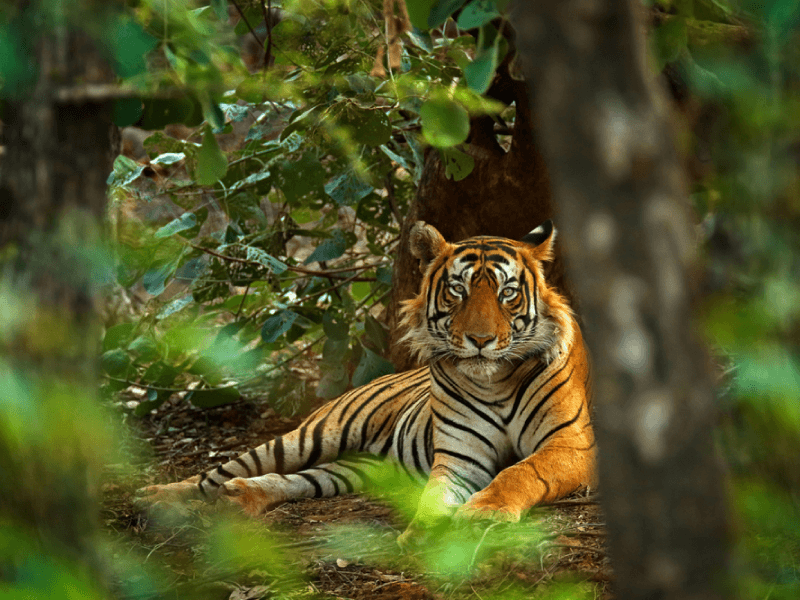
The Royal Bengal Tiger of the Sundarbans
Enter the mangrove realm of a legendary predator—felt more often than seen.
Explore More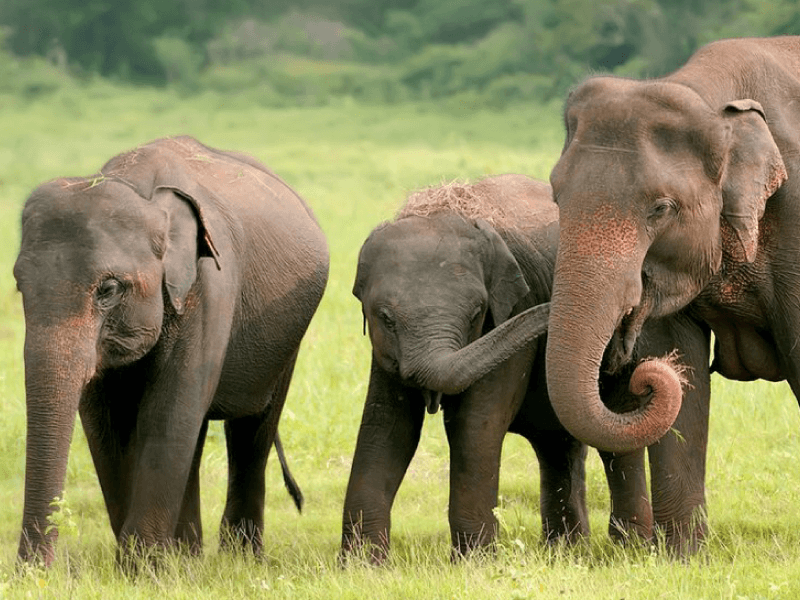
Asian Elephants of the Chittagong Hill Tracts
Discover elephant country across forest corridors where distance and restraint matter.
Explore More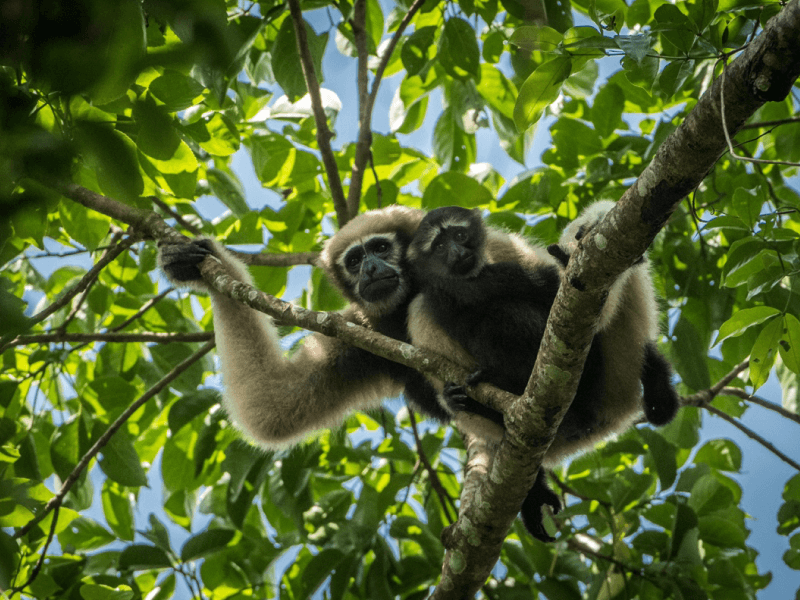
Hoolock Gibbons: Bangladesh's Only Ape Species
Wake to a wild duet rolling above the rainforest canopy.
Explore More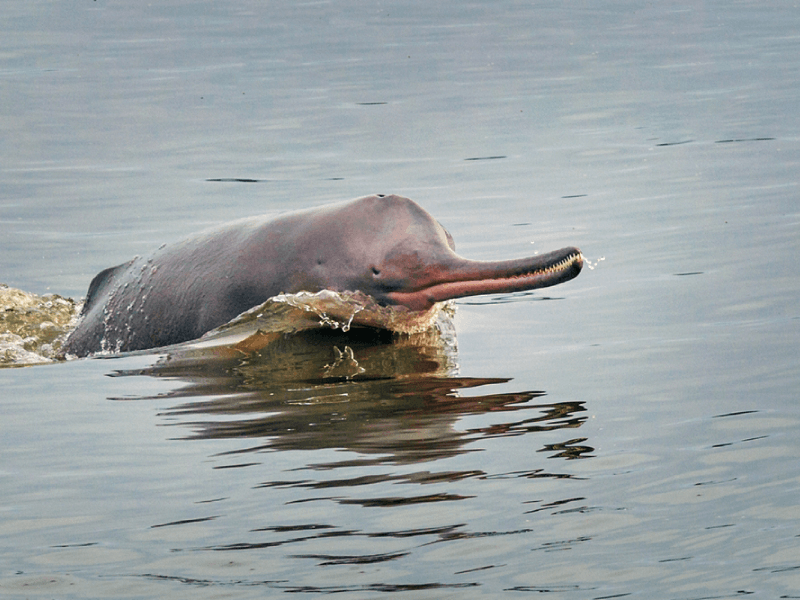
Ganges River Dolphins and Delta Aquatic Life
Scan the tide for a breath, a curved back and the hidden life of the delta.
Explore More
Migratory Birds of Tanguar Haor
Watch winter skies fill above one of Bangladesh's great wetland sanctuaries.
Explore More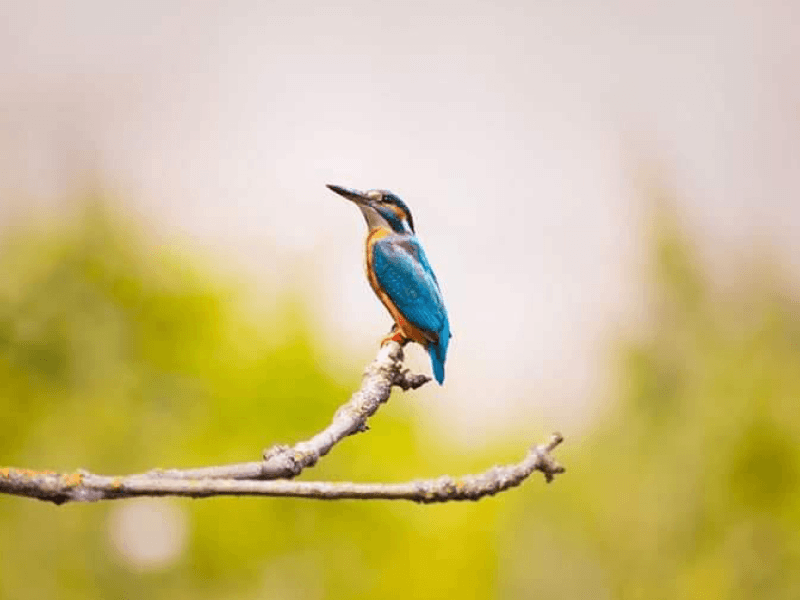
Kingfishers and Avian Diversity of Bangladesh
Chase flashes of electric blue from rainforest streams to mangrove creeks.
Explore More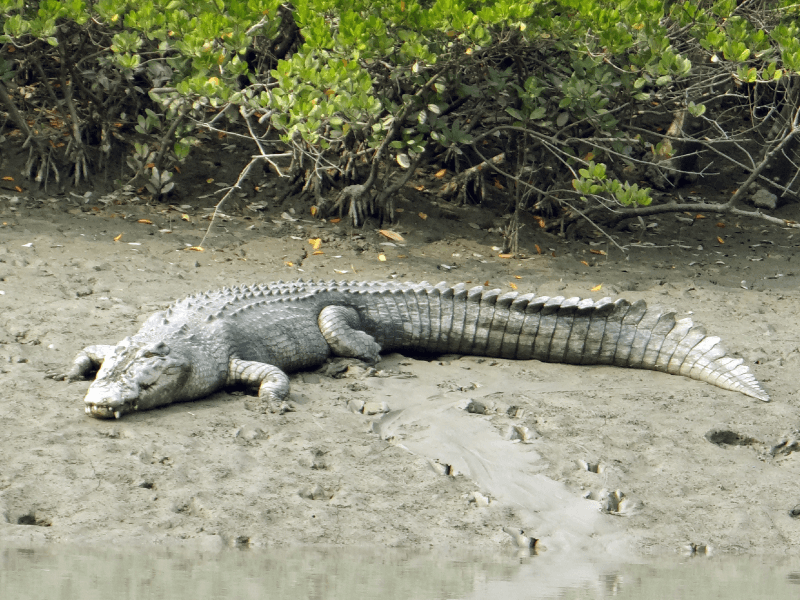
Saltwater Crocodiles and Estuarine Reptiles
Cruise the tidal frontier where ancient reptiles patrol mudbanks and creeks.
Explore More