

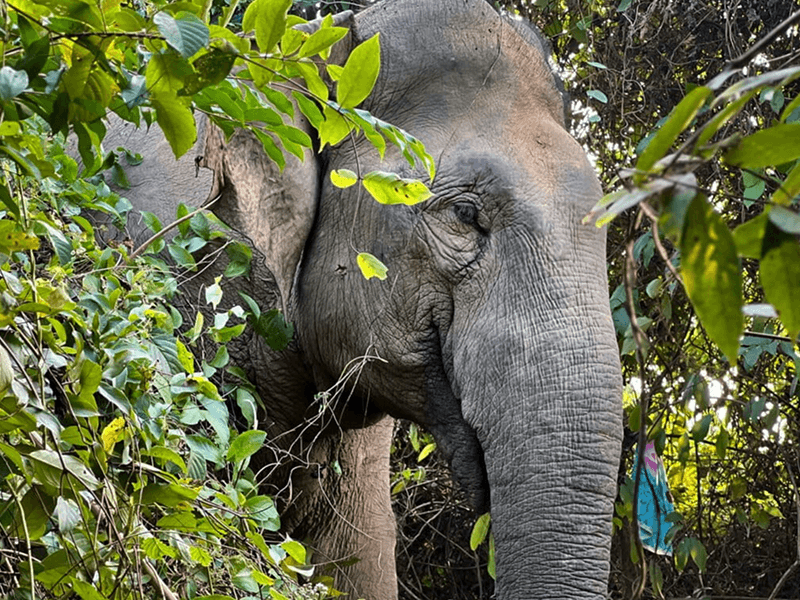
Asian Elephants of the Chittagong Hill Tracts
Discover elephant country across forest corridors where distance and restraint matter.
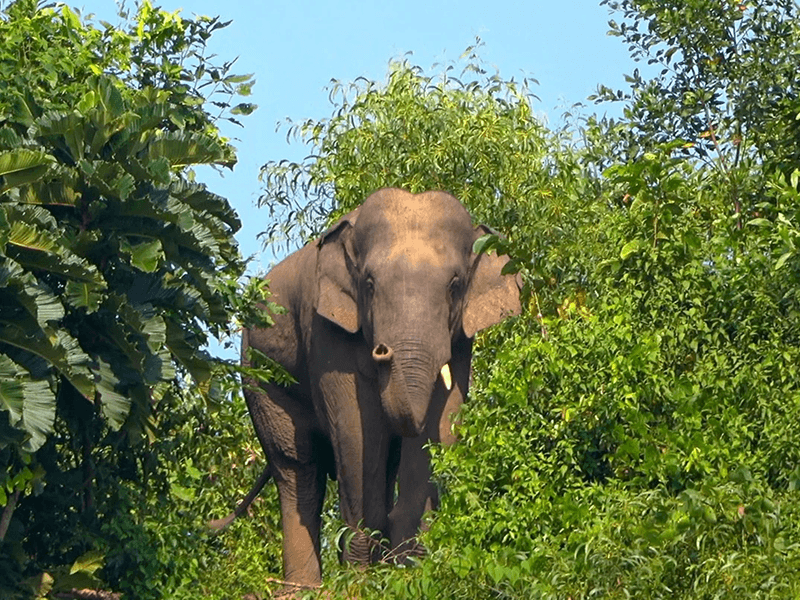
Respect the giant in the forest—observe signs, never pursue.
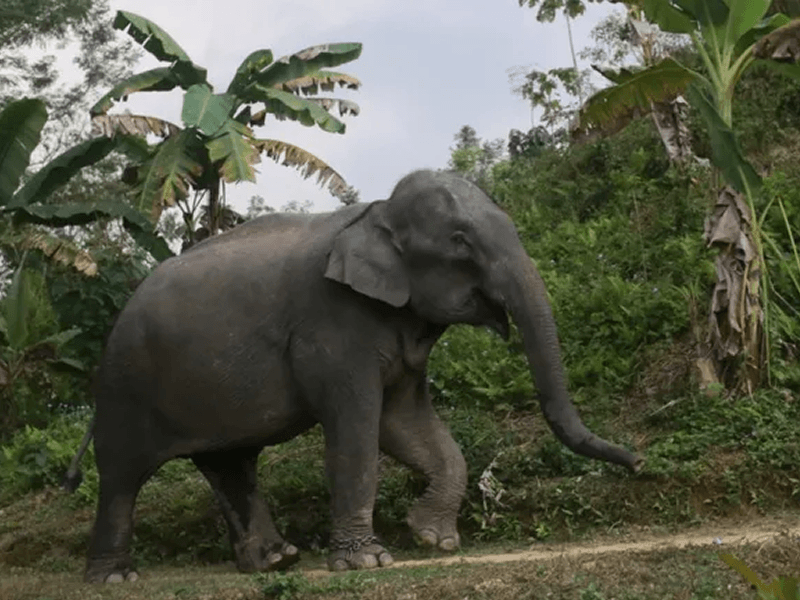
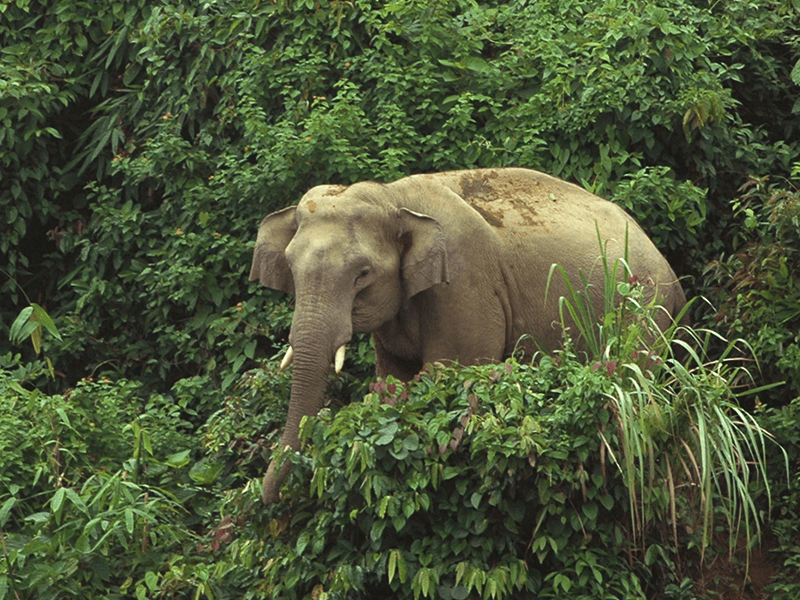
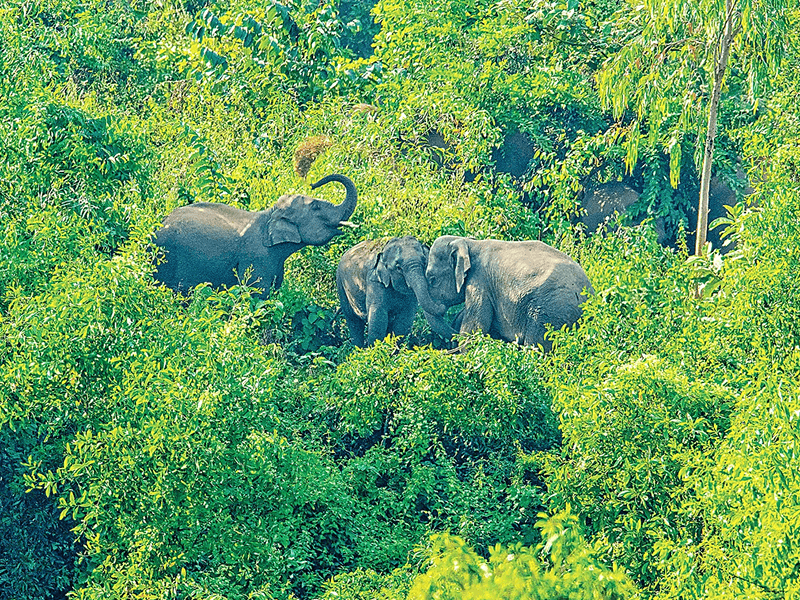
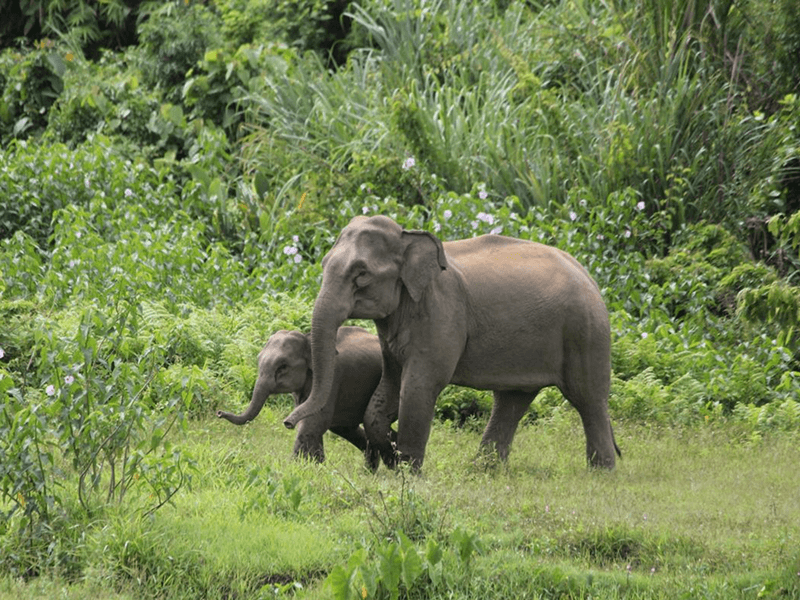
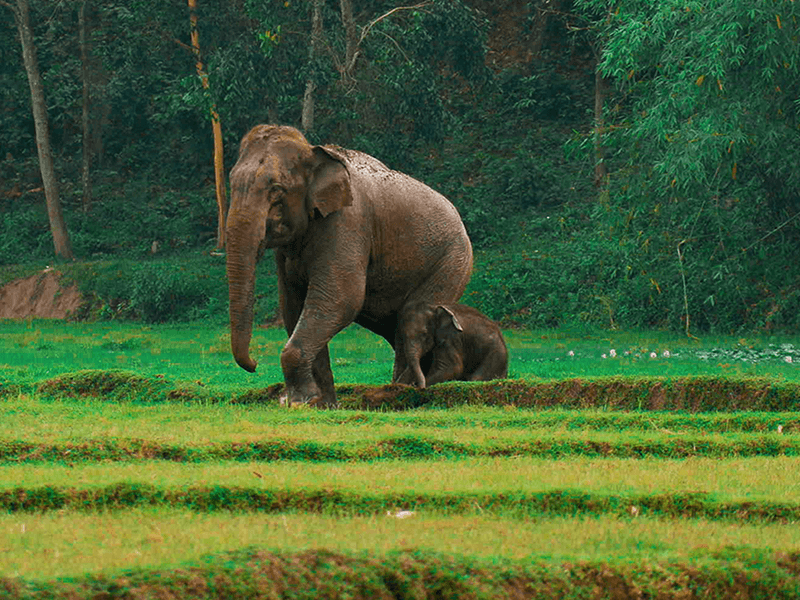
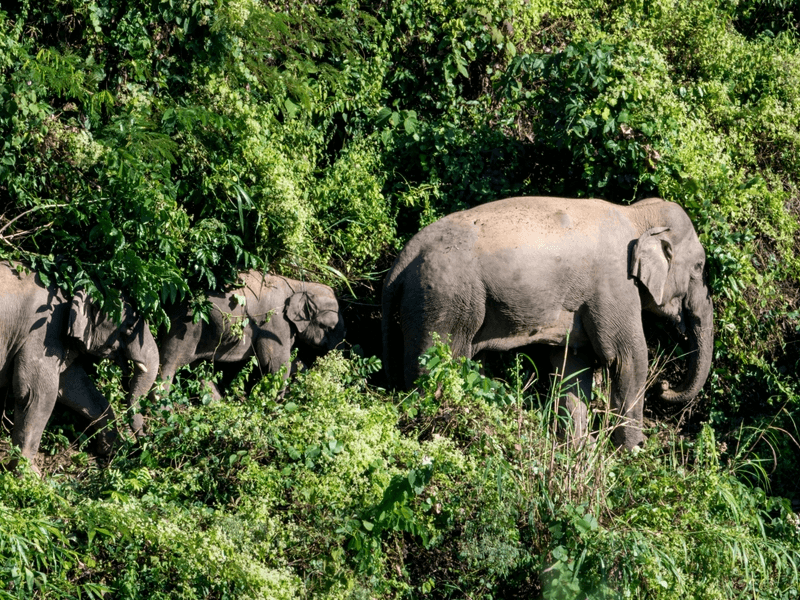
Asian elephants still move through parts of southeastern Bangladesh, including forest landscapes of the Chittagong Hill Tracts and adjoining areas. Their routes cross ridges, valleys, streams, plantations and settlements, reflecting a habitat far larger than any single protected site. For travellers, this is not an elephant-back attraction or a guaranteed wildlife excursion. It is an opportunity to understand a threatened species, its immense need for connected habitat and the challenges shared by communities living along its paths.
A trained guide may identify footprints, dung, feeding signs or broken vegetation from a safe route. Seeing a wild herd is uncommon and can be dangerous. Elephants can move quietly, react defensively and change direction quickly, especially where calves are present. Never block a path, approach for a photograph, use flash, follow an animal into vegetation or stand between members of a group. If elephants are reported nearby, follow local authority and guide instructions immediately.
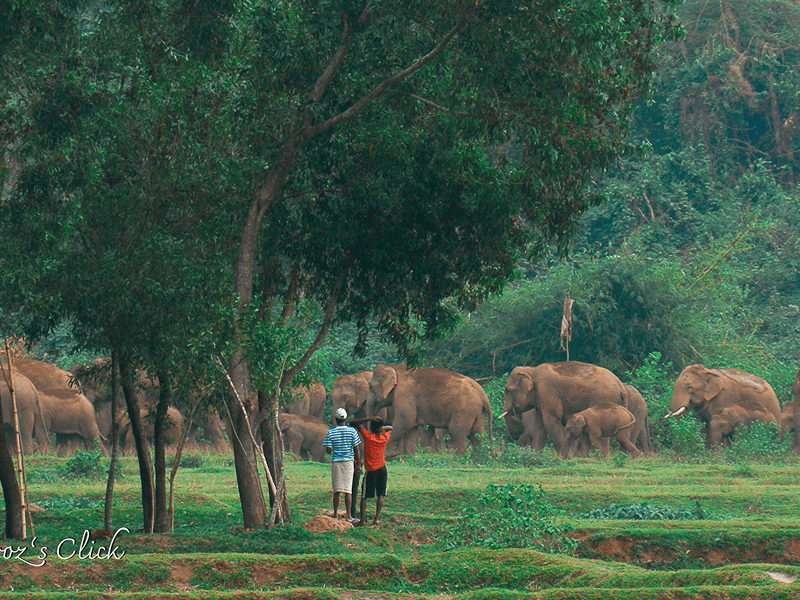
Human-elephant conflict is a serious conservation issue, not visitor entertainment. Crop damage, habitat fragmentation and encounters near homes can carry heavy costs for local people and elephants. Travellers should avoid sensational stories and instead support guides, community enterprises and conservation organisations that promote coexistence. No tourist should encourage crowding, chasing, shouting or vehicle pursuit.
Travel in the Hill Tracts also requires current security and access checks. Some Bandarban routes reopened under conditions in August 2026, but permissions can change. Use a registered operator, respect village consent and avoid remote travel during dangerous monsoon weather. The strongest elephant-focused journey may involve learning rather than sighting: reading a landscape with a guide, understanding why corridors matter and leaving the animals enough space to remain truly wild.
A strong itinerary may include a conservation briefing or corridor interpretation rather than a search. Learning how residents respond to elephant movement can be more honest and valuable than a distant glimpse.
Immersive Experience
No 360° Videos available
Destination Gallery
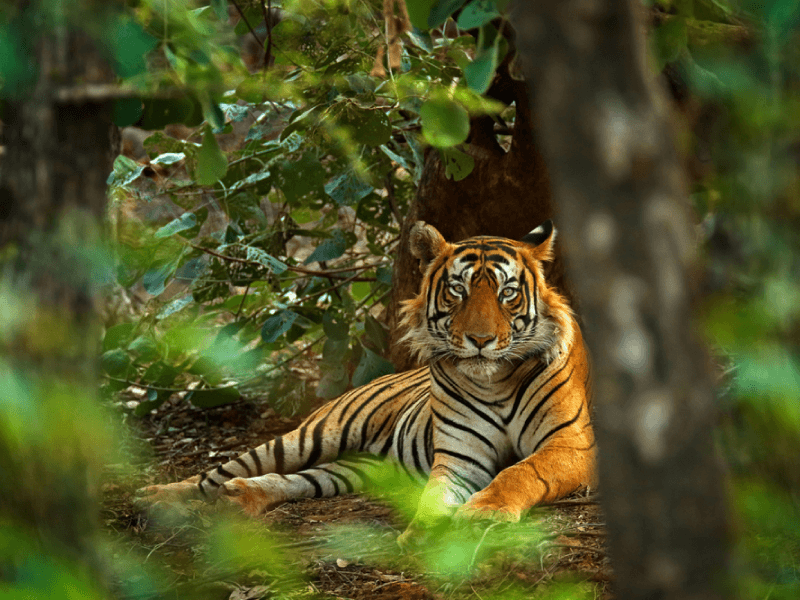
The Royal Bengal Tiger of the Sundarbans
Enter the mangrove realm of a legendary predator—felt more often than seen.
Explore More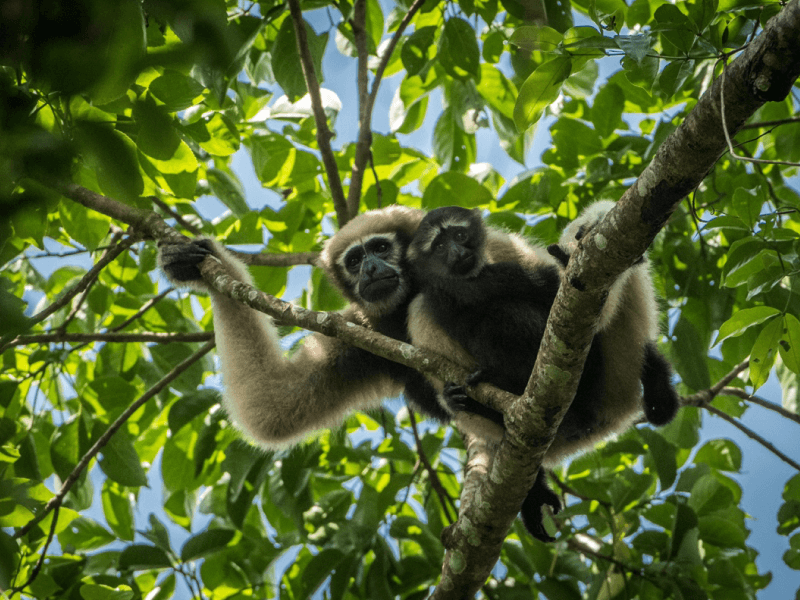
Hoolock Gibbons: Bangladesh's Only Ape Species
Wake to a wild duet rolling above the rainforest canopy.
Explore More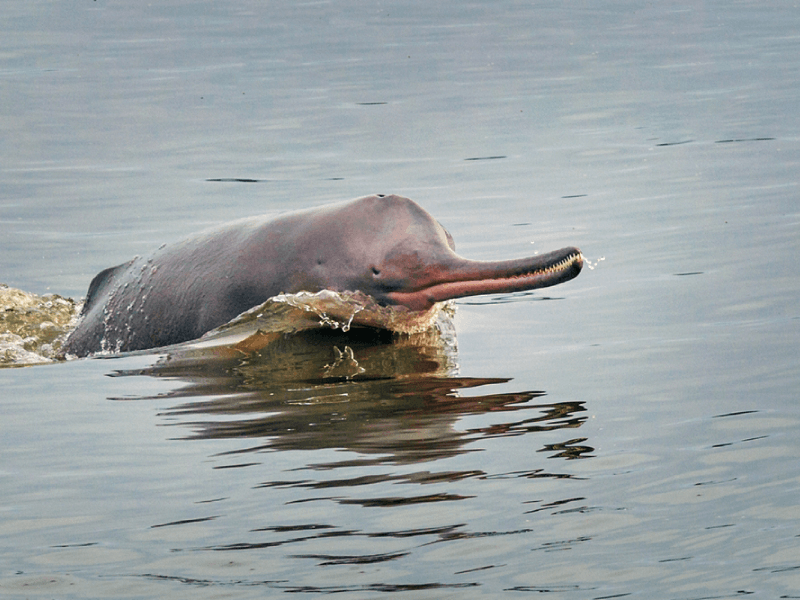
Ganges River Dolphins and Delta Aquatic Life
Scan the tide for a breath, a curved back and the hidden life of the delta.
Explore More
Migratory Birds of Tanguar Haor
Watch winter skies fill above one of Bangladesh's great wetland sanctuaries.
Explore More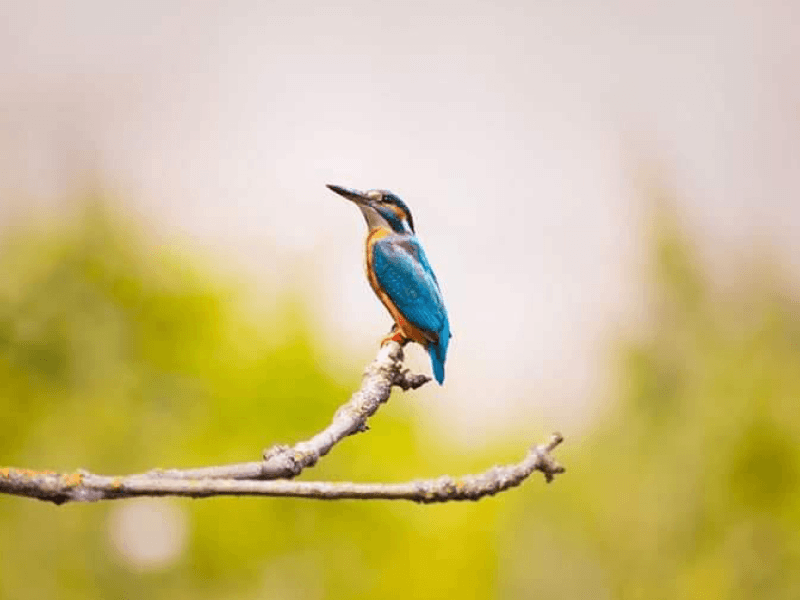
Kingfishers and Avian Diversity of Bangladesh
Chase flashes of electric blue from rainforest streams to mangrove creeks.
Explore More
Olive Ridley Sea Turtles of St. Martin's Island
Meet a fragile island night where turtles, tides and strict protection converge.
Explore More
Saltwater Crocodiles and Estuarine Reptiles
Cruise the tidal frontier where ancient reptiles patrol mudbanks and creeks.
Explore More