

Migratory Birds of Tanguar Haor
Watch winter skies fill above one of Bangladesh's great wetland sanctuaries.
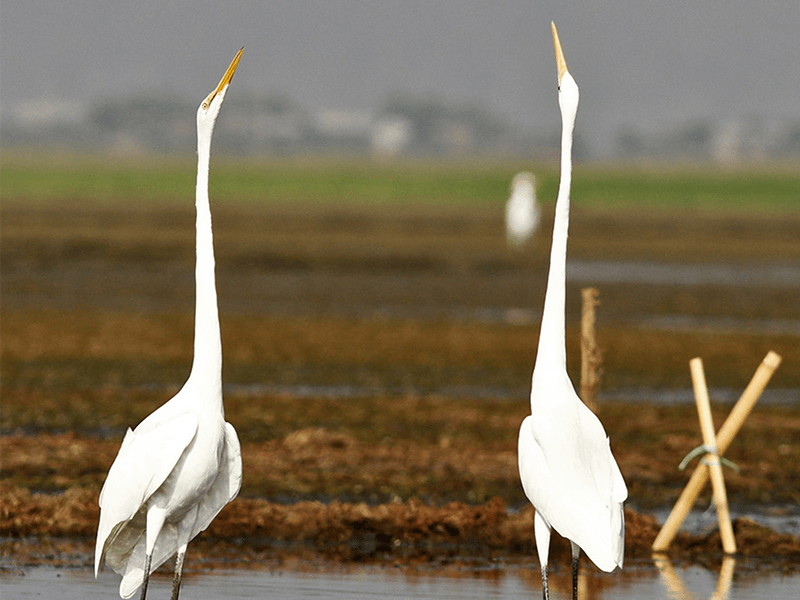
Come for the wings—but wait until lawful access returns.
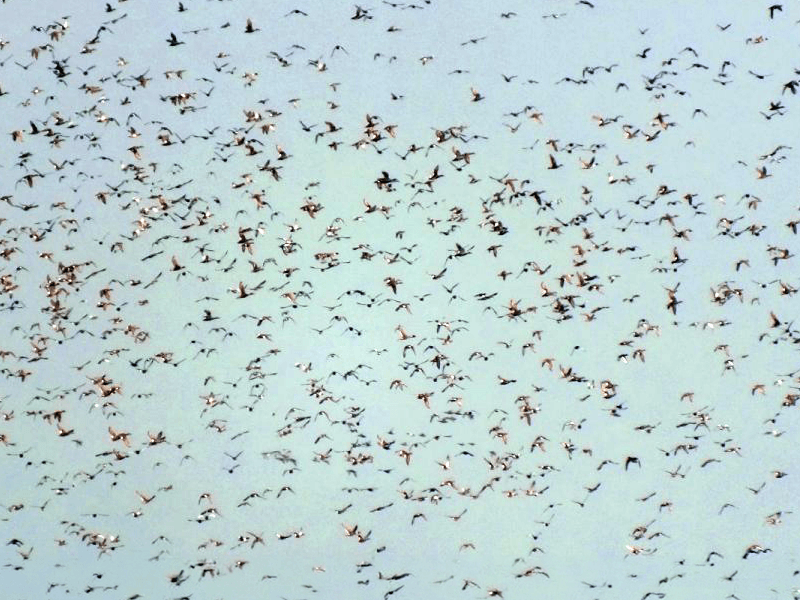
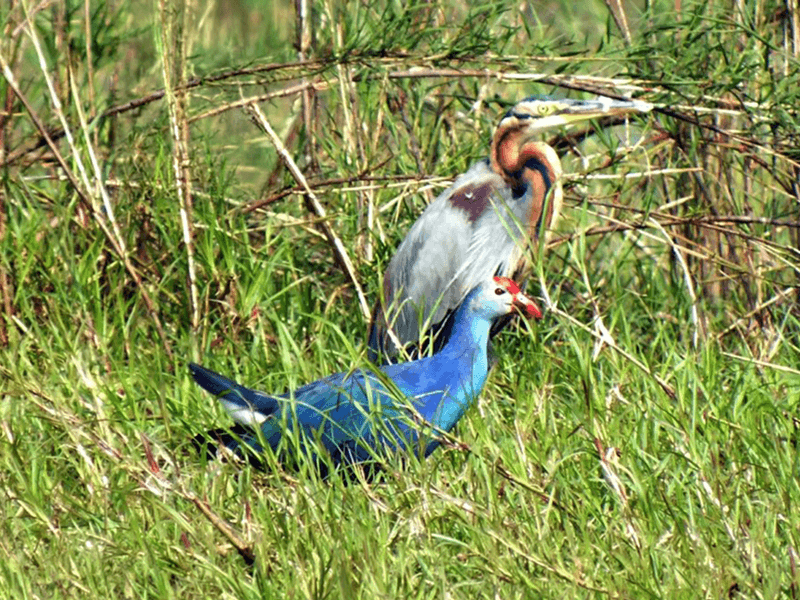
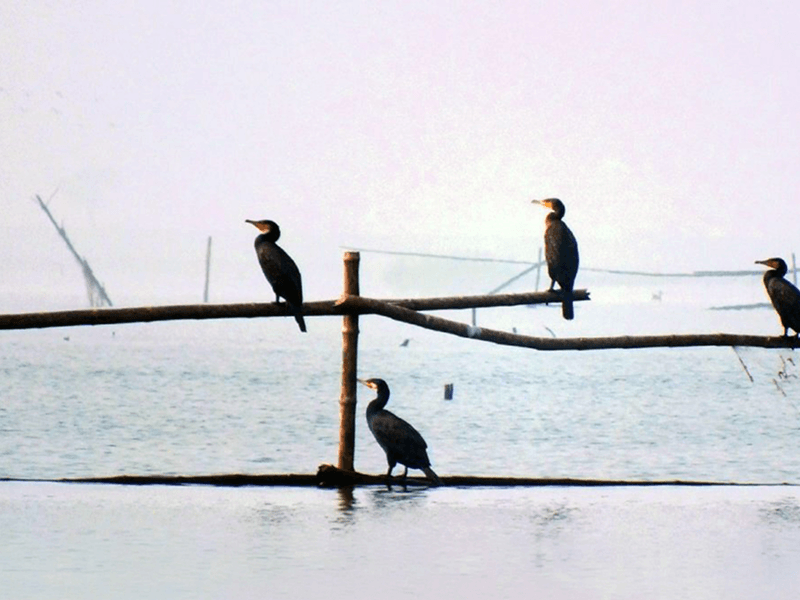
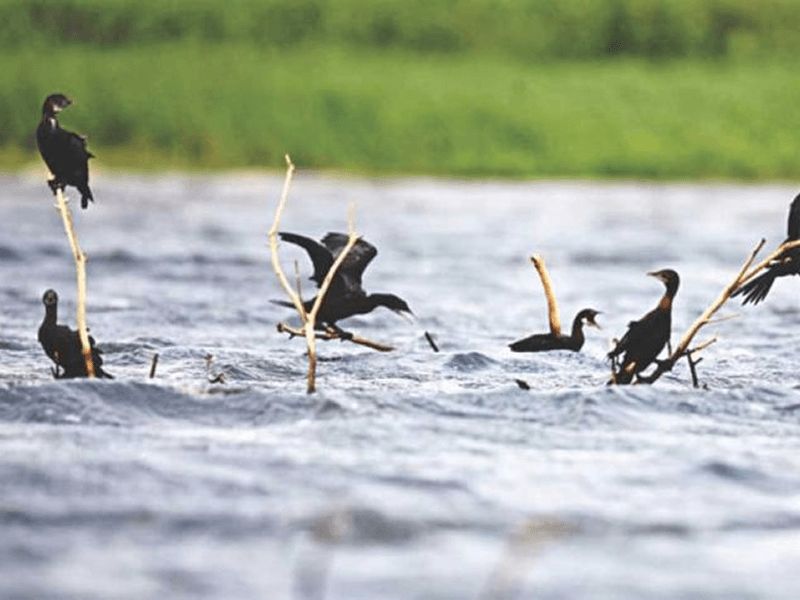
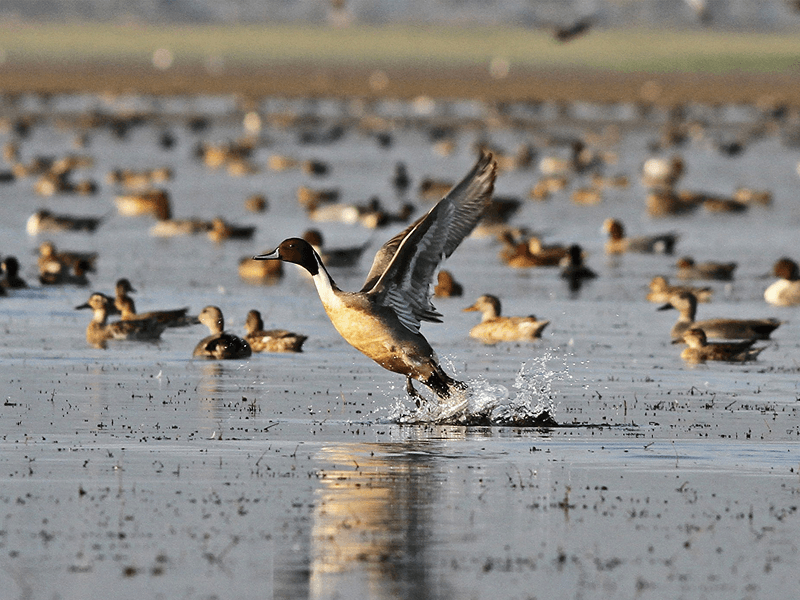
Tanguar Haor in Sunamganj is a Ramsar-listed wetland of international importance, covering about 9,500 hectares. In the northern winter, migratory waterbirds join resident species across open water, reedbeds, flooded grassland and village-edge habitat. The scale can be exhilarating: distant flocks shift like smoke above the haor while calls travel over a horizon almost level with the water. It is one of Bangladesh's defining bird landscapes.
Yet conservation must come before access. On 3 August 2026, the Sunamganj district administration banned houseboats and tourist vessels inside the Tanguar Haor Ecologically Critical Area until further notice. The order followed pressure from overcrowding, noise and pollution and included stronger controls on registration, safety equipment and single-use plastics. Travellers should not book or promote a houseboat journey while that ban remains in force. Confirm the latest district notice before planning any visit.
When authorised tourism resumes, winter mornings from November to February should offer the strongest migratory-bird context. Use a registered low-noise boat only on permitted routes, carry binoculars and observe from a distance. Never push through flocks, land on nesting or roosting areas, use playback, collect eggs or leave food and plastic behind. A local bird guide can help distinguish species without turning the wetland into a race for close photographs.
Until restrictions change, consider lawful shore-based viewpoints outside closed zones or choose another open wetland destination. Weather is also critical: haor storms can arrive quickly, and life jackets are essential whenever boating is allowed. Tanguar's wild beauty belongs to the birds, fishers and wetland communities before it belongs to tourism. Waiting for legal, low-impact access is not a lost adventure; it is part of protecting the spectacle travellers hope to see.
Follow the restriction even if informal sellers claim entry is possible. Supporting lawful operators and returning after reopening sends a clear signal that this internationally important wetland is worth protecting.
Immersive Experience
No 360° Videos available
Destination Gallery
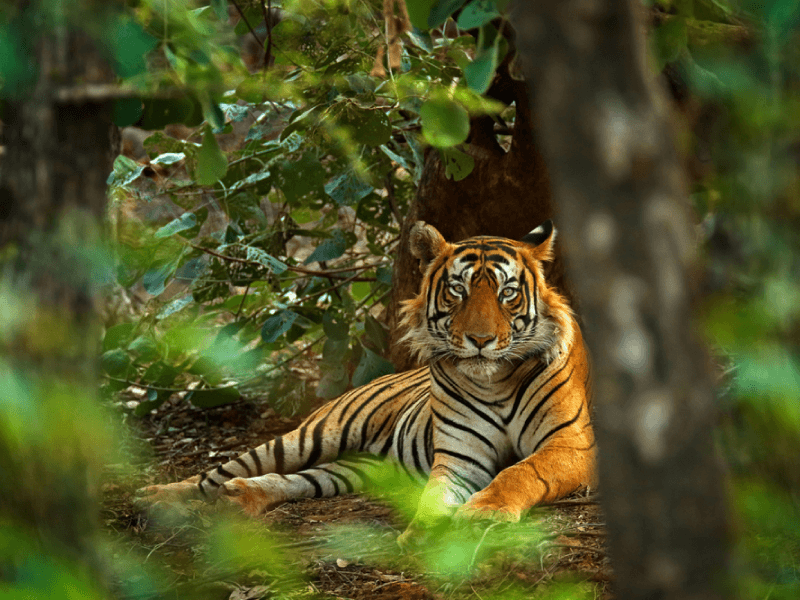
The Royal Bengal Tiger of the Sundarbans
Enter the mangrove realm of a legendary predator—felt more often than seen.
Explore More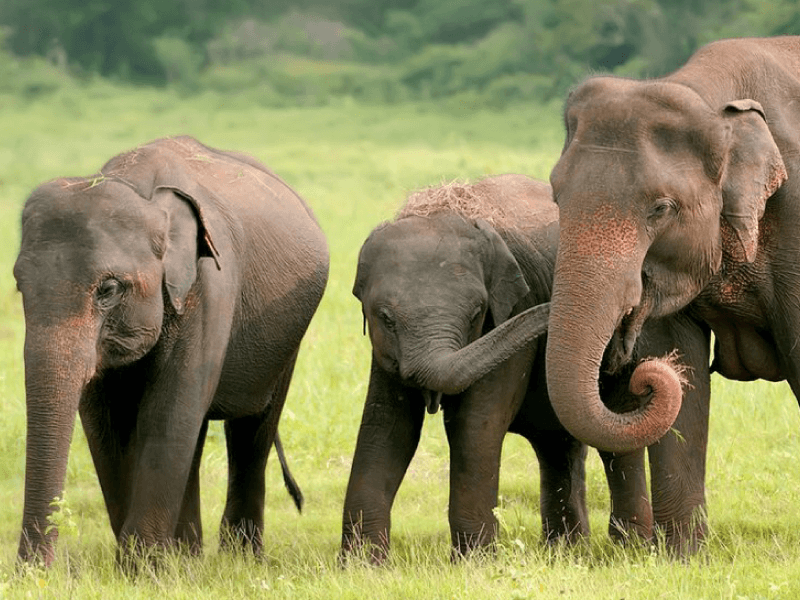
Asian Elephants of the Chittagong Hill Tracts
Discover elephant country across forest corridors where distance and restraint matter.
Explore More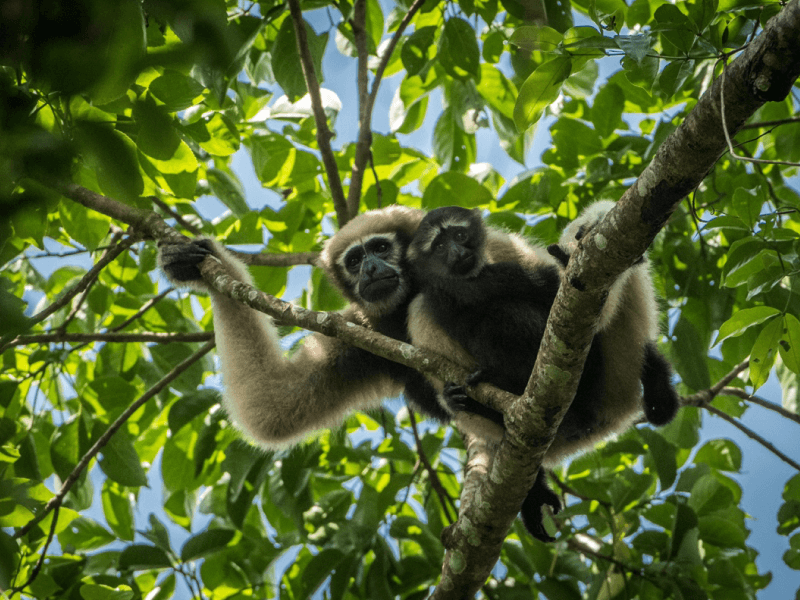
Hoolock Gibbons: Bangladesh's Only Ape Species
Wake to a wild duet rolling above the rainforest canopy.
Explore More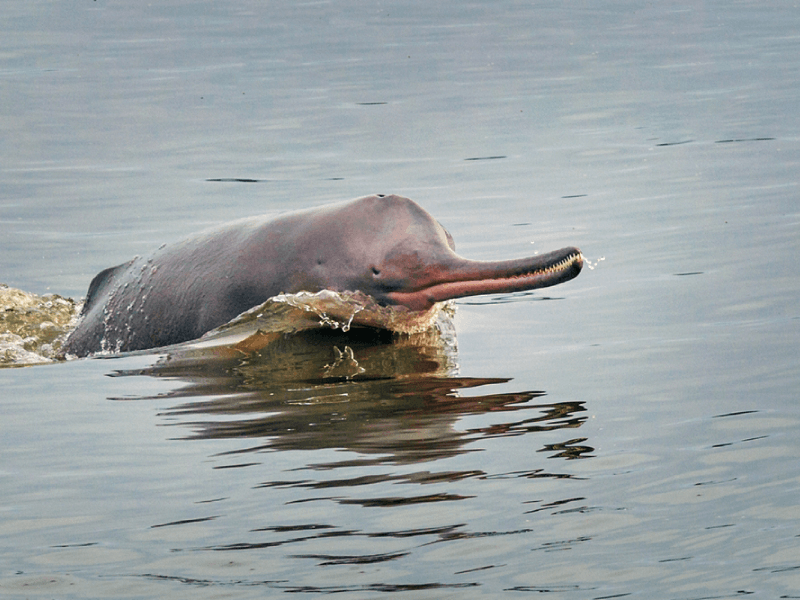
Ganges River Dolphins and Delta Aquatic Life
Scan the tide for a breath, a curved back and the hidden life of the delta.
Explore More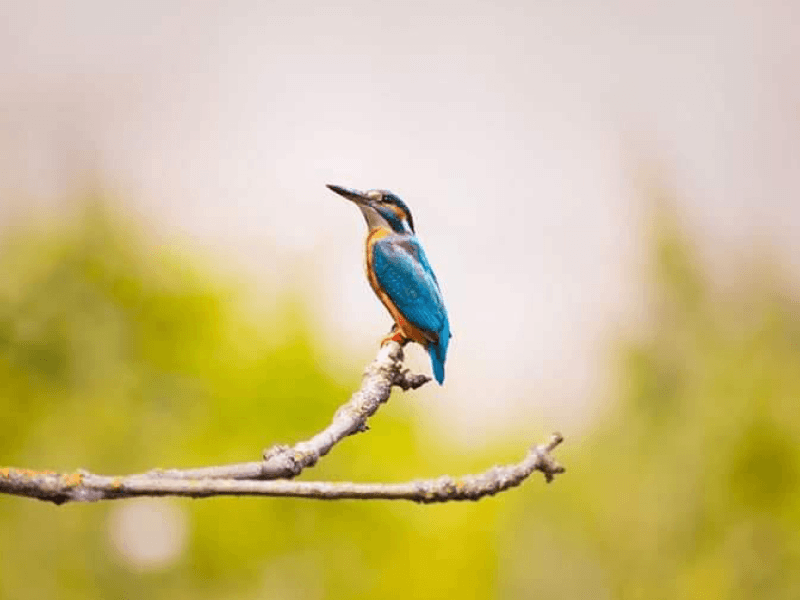
Kingfishers and Avian Diversity of Bangladesh
Chase flashes of electric blue from rainforest streams to mangrove creeks.
Explore More
Olive Ridley Sea Turtles of St. Martin's Island
Meet a fragile island night where turtles, tides and strict protection converge.
Explore More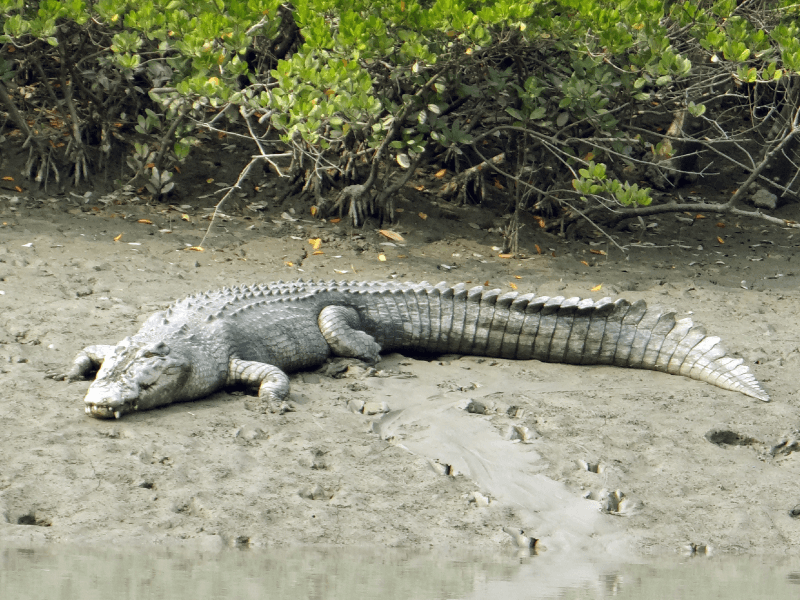
Saltwater Crocodiles and Estuarine Reptiles
Cruise the tidal frontier where ancient reptiles patrol mudbanks and creeks.
Explore More