

Hoolock Gibbons: Bangladesh's Only Ape Species
Wake to a wild duet rolling above the rainforest canopy.
Hear the forest sing before you see who is singing.
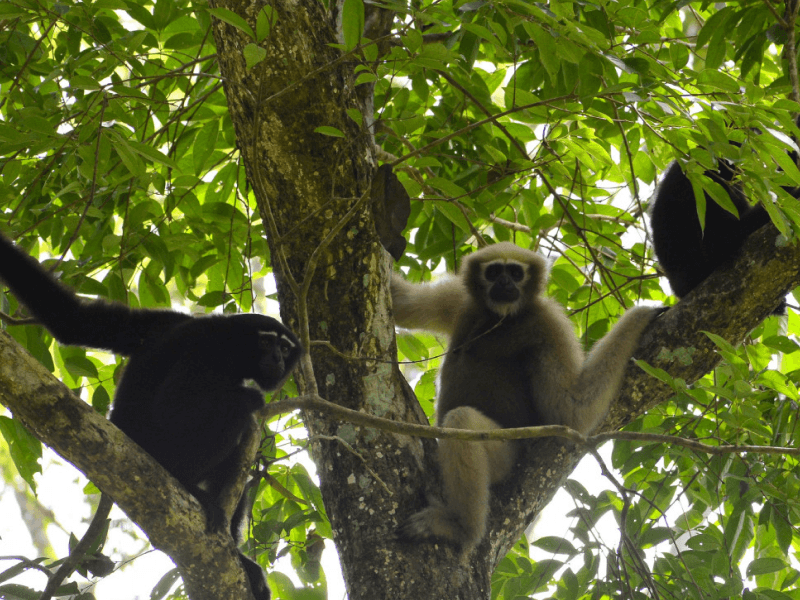
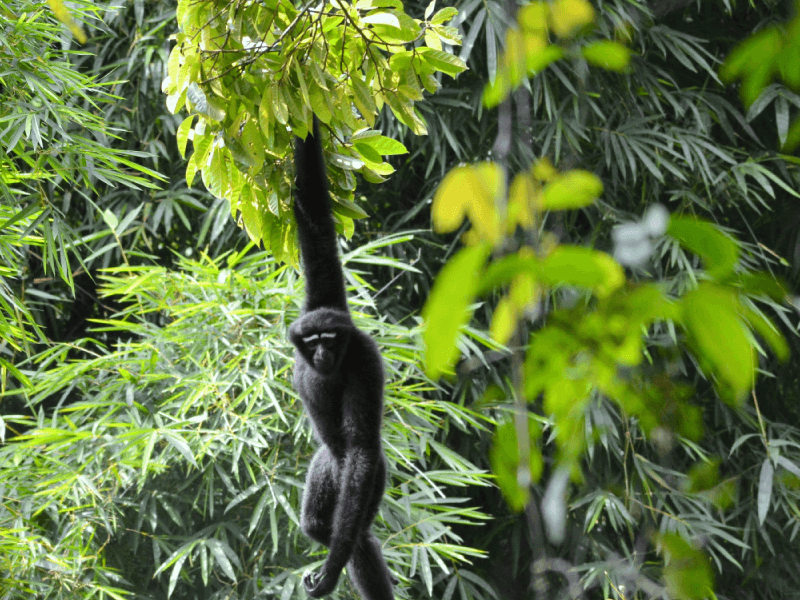
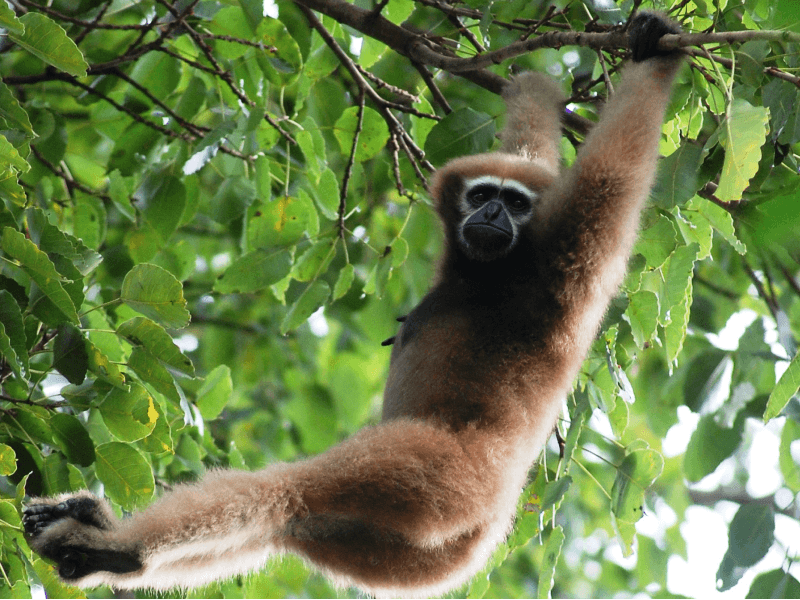
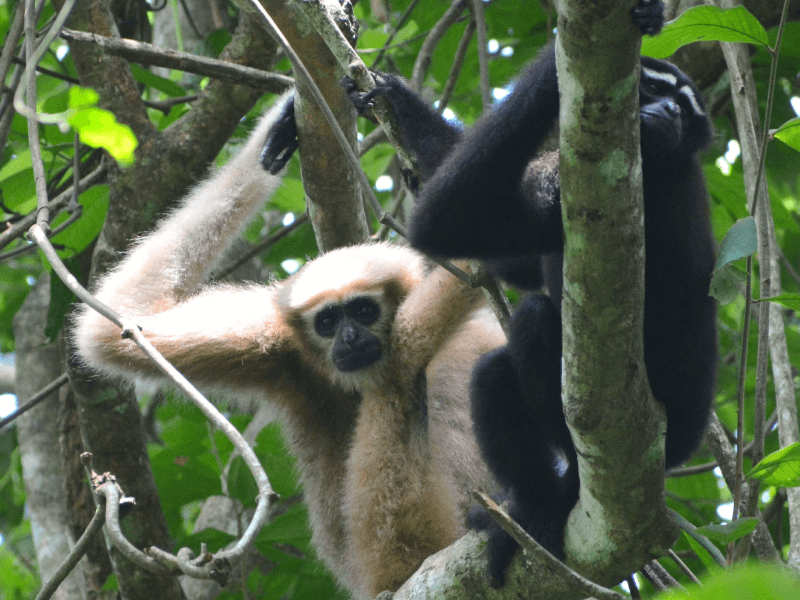
The western hoolock gibbon is Bangladesh's only ape, a canopy traveller whose ringing calls can carry across the forest. Family groups use vocal duets to communicate and defend their range, turning an early morning in Lawachara National Park into one of the country's most unforgettable wildlife experiences. A dark shape swinging between high branches may appear for seconds; more often, travellers hear the call first and search the leaves with a guide.
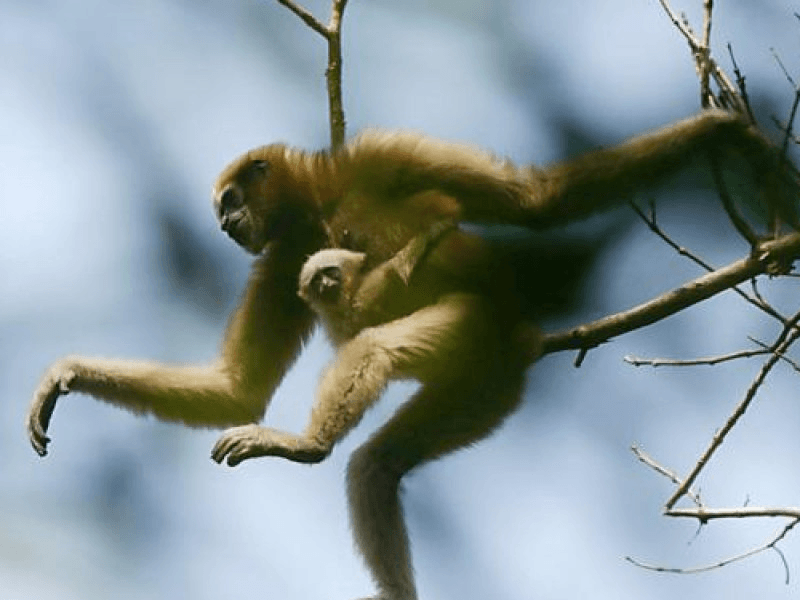
Lawachara near Sreemangal is the most practical destination for a respectful gibbon-focused visit. Start at dawn with a trained eco-guide, walk slowly on approved trails and pause often. Gibbons spend much of their lives above ground, moving hand over hand through connected crowns. Their dependence on continuous canopy helps explain why forest fragmentation, roads and other gaps are so damaging. The park's macaques, squirrels, hornbills, smaller birds and butterflies make the walk rewarding even when gibbons remain hidden.
Ethical observation protects both animals and visitors. Never use recorded calls to draw a group closer, shake branches, leave the trail, surround a feeding tree or follow gibbons beneath the canopy. Keep voices low and allow them an escape route. Telephoto photography is preferable to approaching. Sightings cannot be guaranteed, and a guide who promises contact is offering the wrong kind of experience.
The journey also supports people who help sustain the forest. Hire local guides through recognised arrangements, purchase locally produced goods when suitable and respect nearby communities' privacy. Ask before photographing residents. October to March offers comfortable walking, while monsoon forest is spectacular but more demanding. A hoolock adventure is measured in attention rather than distance: a sudden call, leaves trembling high overhead, and the realisation that an endangered ape is moving freely beyond the path.
Keep the group small and give other walkers space at listening points. When the forest is not crowded by human voices, the gibbon's duet becomes part of a much larger morning chorus.
Immersive Experience
No 360° Videos available
Destination Gallery
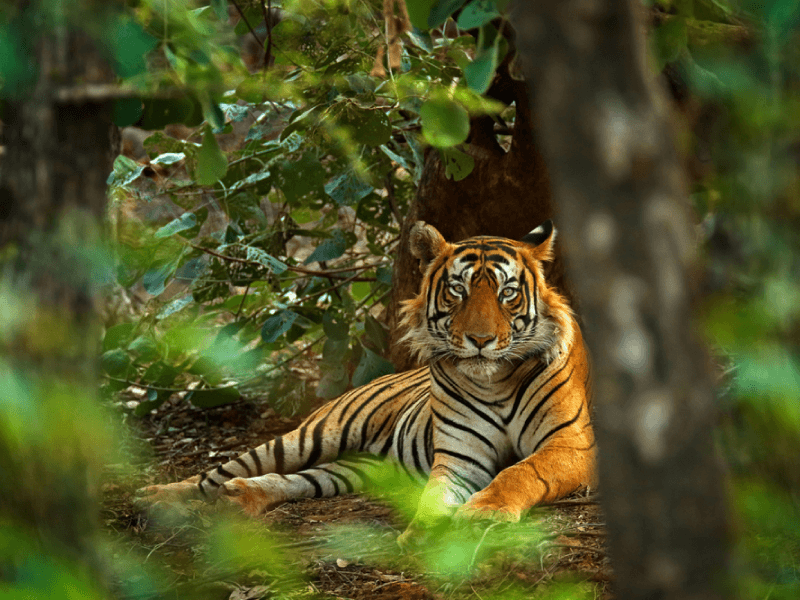
The Royal Bengal Tiger of the Sundarbans
Enter the mangrove realm of a legendary predator—felt more often than seen.
Explore More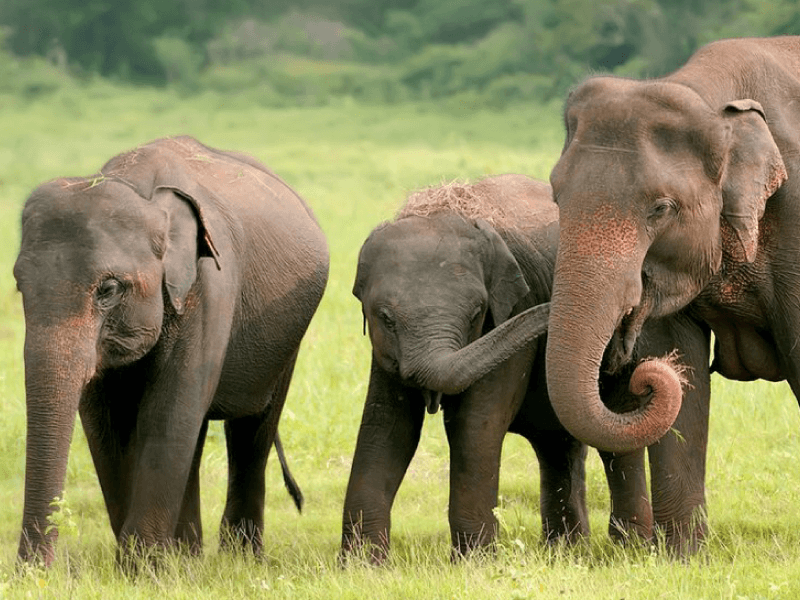
Asian Elephants of the Chittagong Hill Tracts
Discover elephant country across forest corridors where distance and restraint matter.
Explore More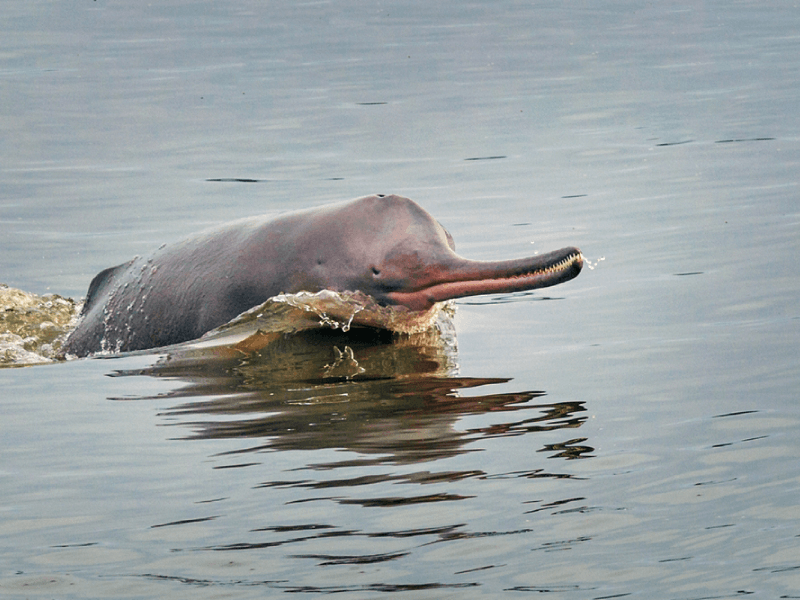
Ganges River Dolphins and Delta Aquatic Life
Scan the tide for a breath, a curved back and the hidden life of the delta.
Explore More
Migratory Birds of Tanguar Haor
Watch winter skies fill above one of Bangladesh's great wetland sanctuaries.
Explore More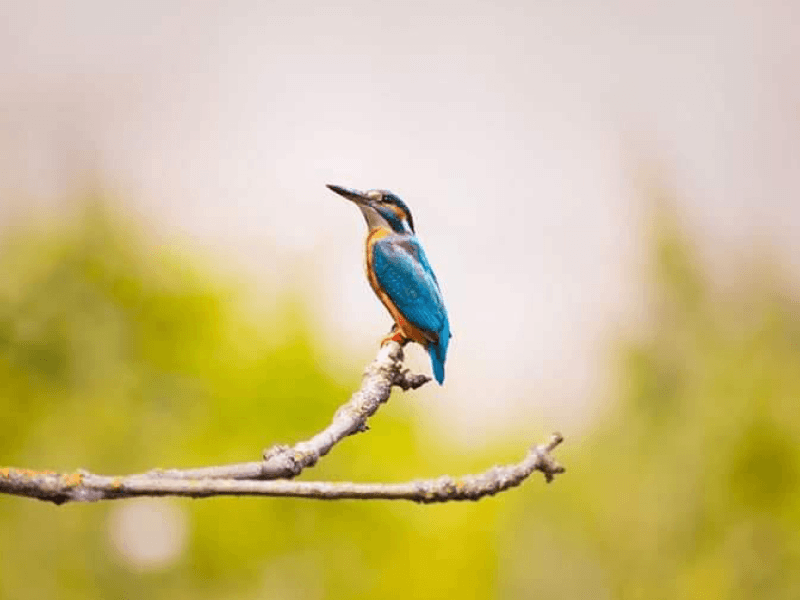
Kingfishers and Avian Diversity of Bangladesh
Chase flashes of electric blue from rainforest streams to mangrove creeks.
Explore More
Olive Ridley Sea Turtles of St. Martin's Island
Meet a fragile island night where turtles, tides and strict protection converge.
Explore More
Saltwater Crocodiles and Estuarine Reptiles
Cruise the tidal frontier where ancient reptiles patrol mudbanks and creeks.
Explore More