

Ganges River Dolphins and Delta Aquatic Life
Scan the tide for a breath, a curved back and the hidden life of the delta.
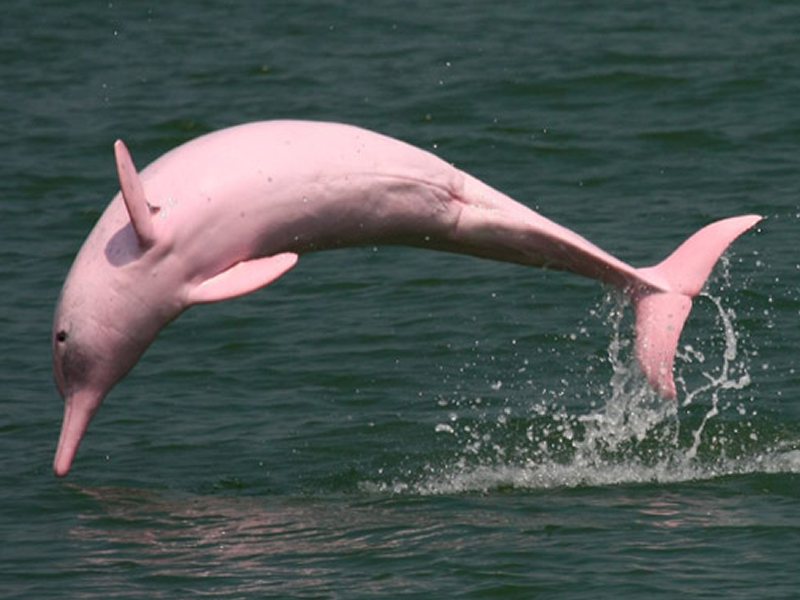
Follow the river quietly—dolphins may surface without warning.
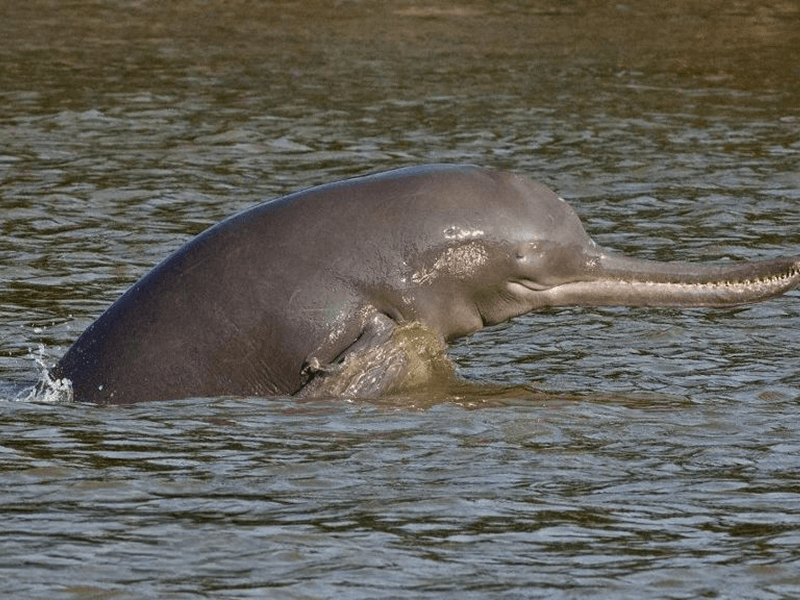
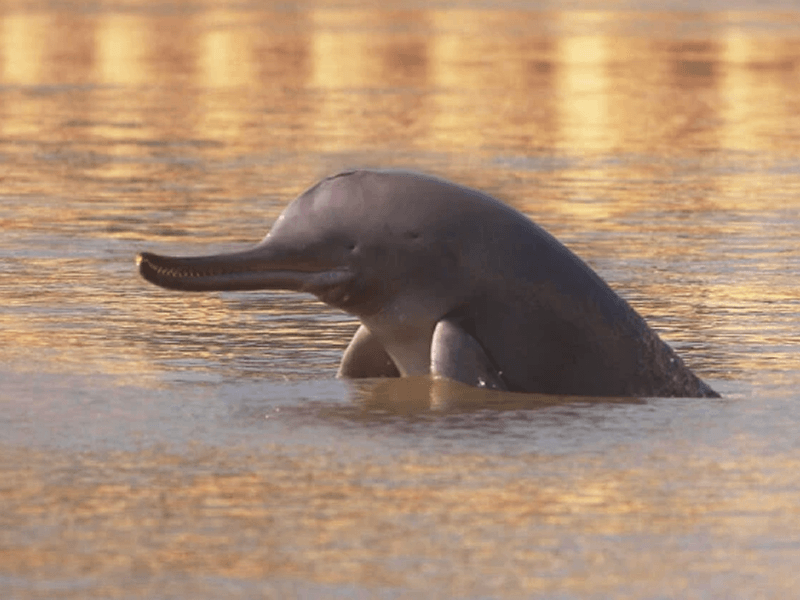
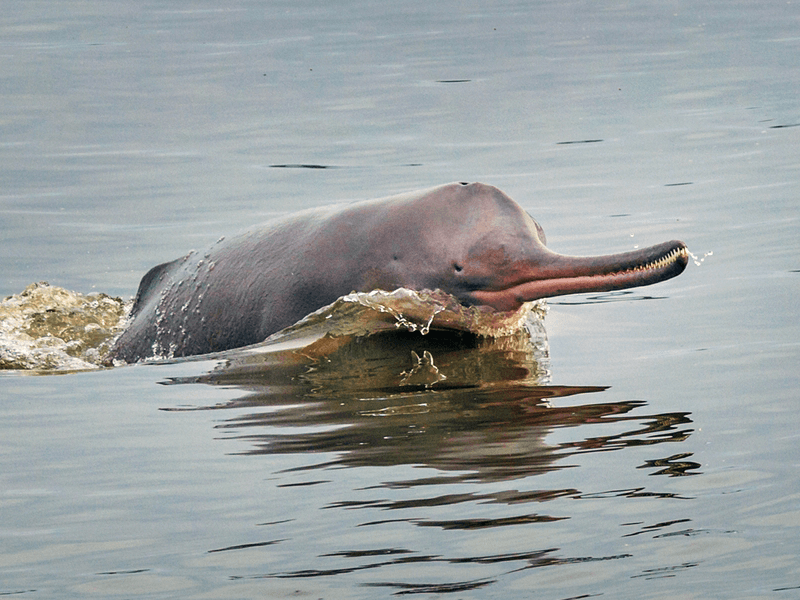
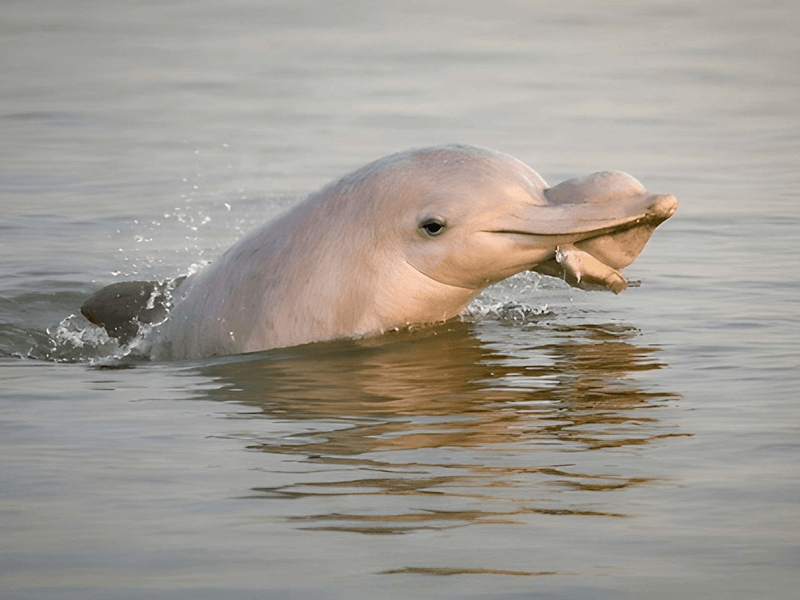
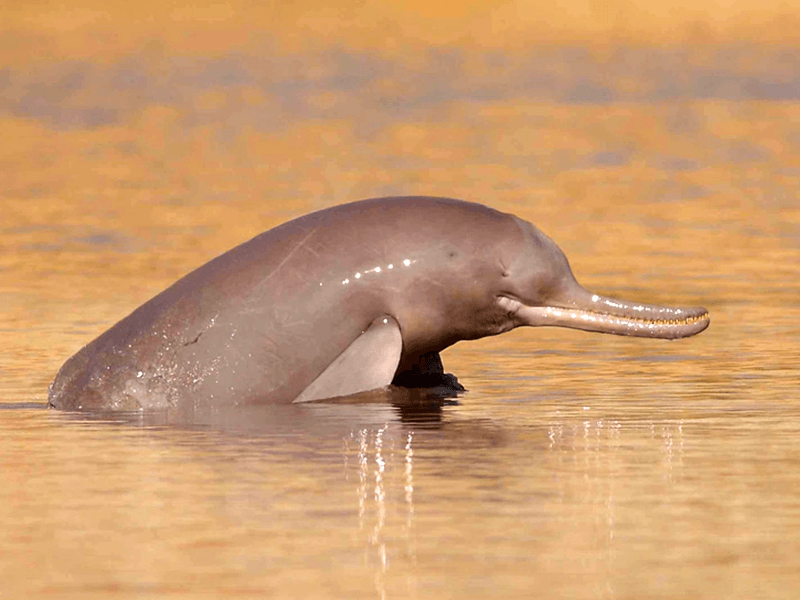
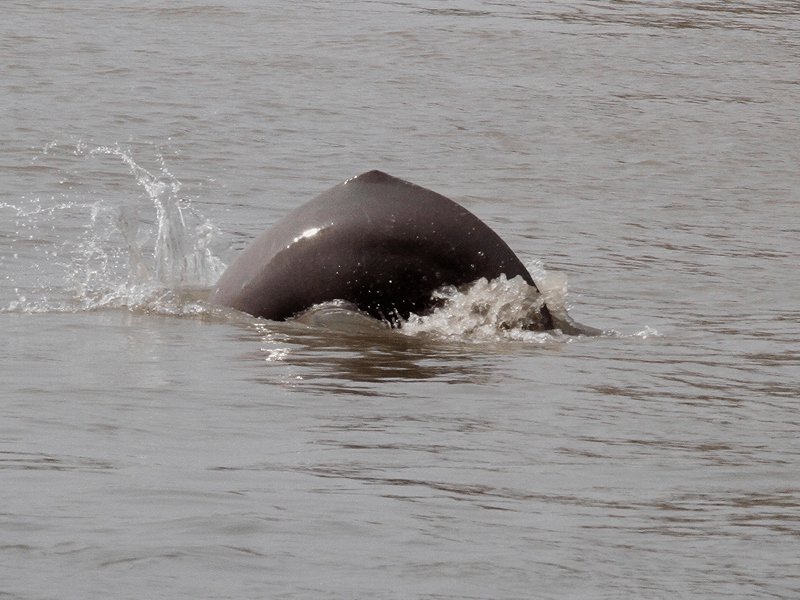
Bangladesh's great rivers and estuaries support threatened freshwater and coastal dolphins, including the Ganges river dolphin and the Irrawaddy dolphin. Both spend most of their lives beneath turbid water, surfacing briefly to breathe. In the Sundarbans and connected delta channels, a sudden exhalation or rolling back can transform an ordinary boat passage into a charged wildlife moment. The encounter is fleeting, which is exactly why patient, low-impact observation matters.
These dolphins navigate waters shaped by tides, sediment, freshwater flow and fisheries. They share the delta with fish, otters, crocodiles, turtles and countless aquatic organisms. A knowledgeable naturalist or forest guide can explain how channel depth, confluences and currents influence where dolphins may be seen. Identification can be difficult at a distance, so travellers should avoid confident guesses and treat every sighting as an opportunity to observe behaviour rather than collect a checklist.
Responsible vessels never chase, encircle or cut across a dolphin's path. Keep speed low in likely habitat, maintain distance, avoid sudden engine changes and never throw food or waste into the water. Bow-riding should not be encouraged, and drones should not be launched without explicit permission. Fishing gear and plastic pollution pose serious threats; choosing operators with good waste and navigation practices turns a tour into practical support for conservation.
The Sundarbans is the strongest traveller context because authorised multi-day journeys already pass through rich aquatic habitat. Entry rules, seasonal closure and cyclone warnings apply. Dolphins are wild and no sighting is guaranteed. Even without one, the delta delivers an adventure through tidal creeks, mudbanks and mangrove forest. Listen for a breath, watch the water with care and remember that the river's mystery depends on leaving its inhabitants undisturbed.
Carry binoculars and wait beside a broad, permitted channel rather than asking the boat to accelerate. A patient watch also reveals fishing eagles, mudbanks and the immense pulse of the estuary.
Immersive Experience
No 360° Videos available
Destination Gallery
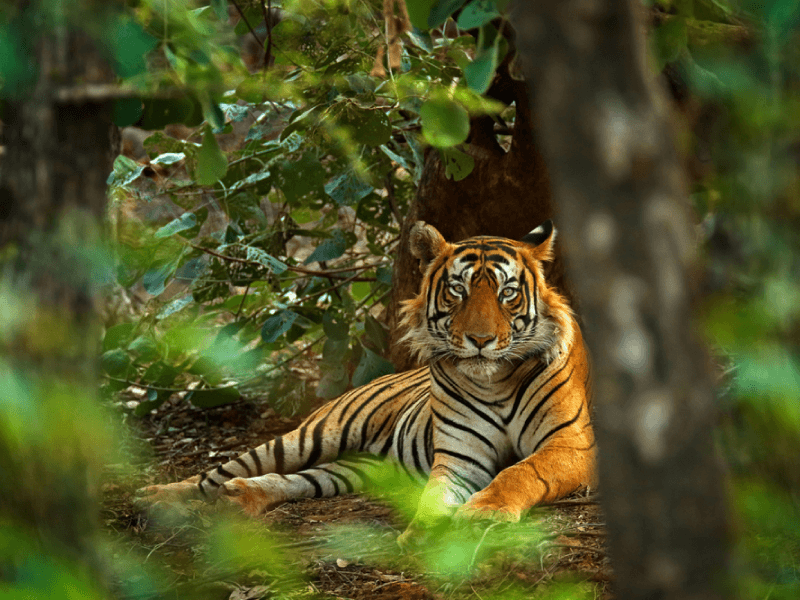
The Royal Bengal Tiger of the Sundarbans
Enter the mangrove realm of a legendary predator—felt more often than seen.
Explore More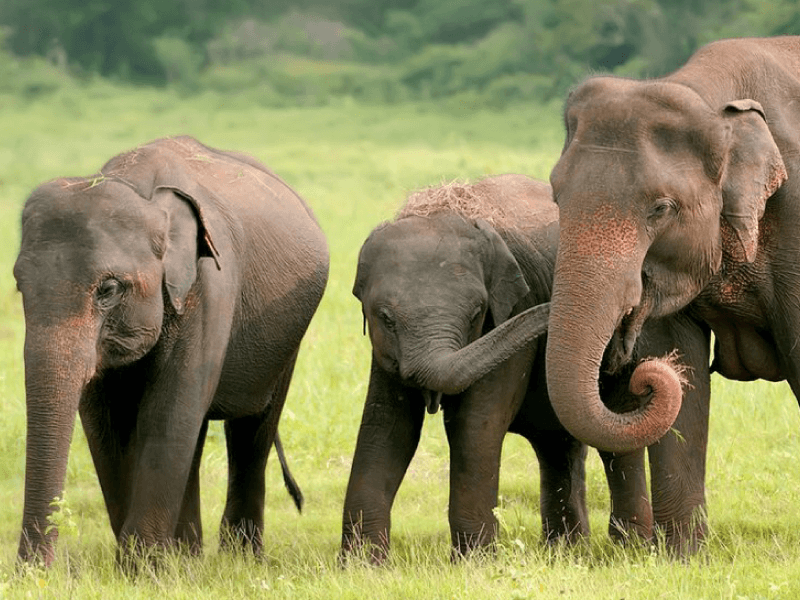
Asian Elephants of the Chittagong Hill Tracts
Discover elephant country across forest corridors where distance and restraint matter.
Explore More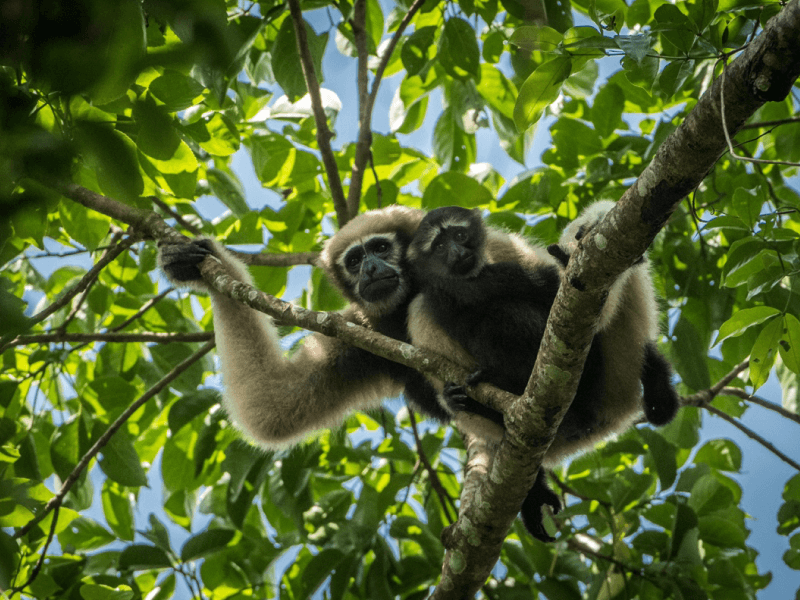
Hoolock Gibbons: Bangladesh's Only Ape Species
Wake to a wild duet rolling above the rainforest canopy.
Explore More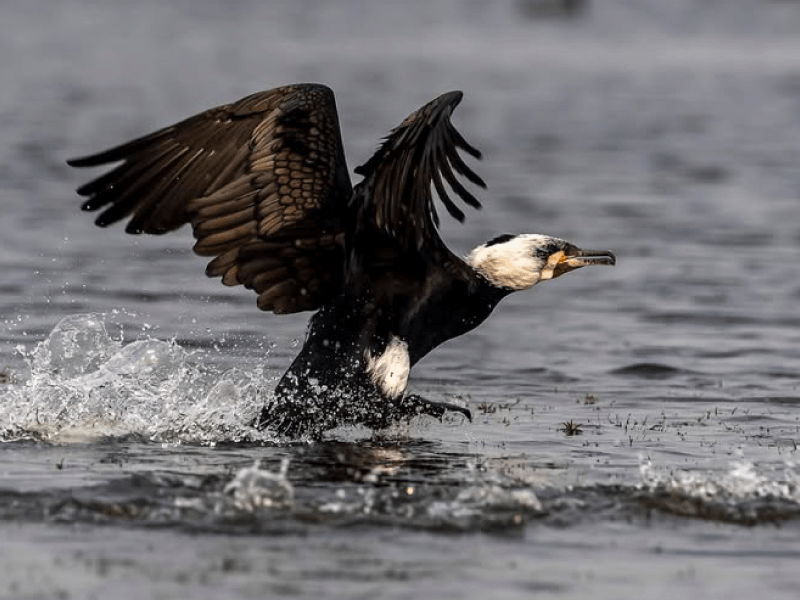
Migratory Birds of Tanguar Haor
Watch winter skies fill above one of Bangladesh's great wetland sanctuaries.
Explore More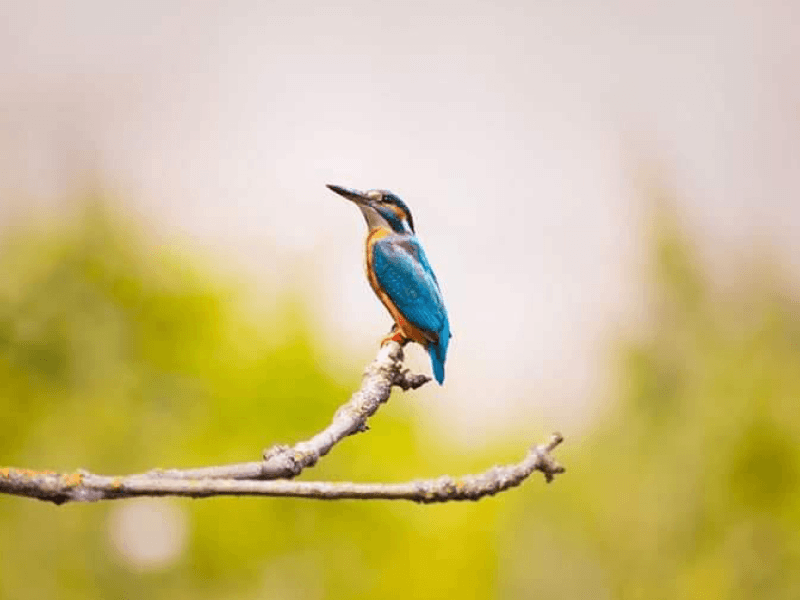
Kingfishers and Avian Diversity of Bangladesh
Chase flashes of electric blue from rainforest streams to mangrove creeks.
Explore More
Olive Ridley Sea Turtles of St. Martin's Island
Meet a fragile island night where turtles, tides and strict protection converge.
Explore More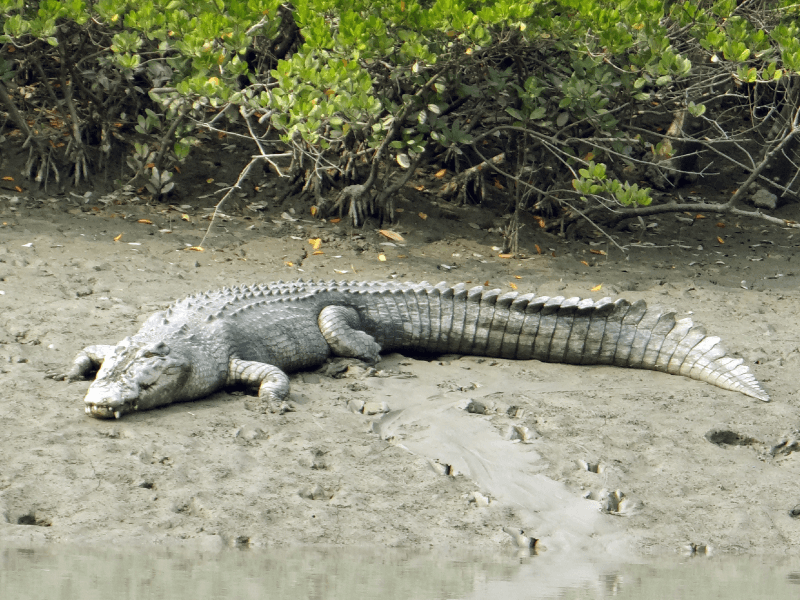
Saltwater Crocodiles and Estuarine Reptiles
Cruise the tidal frontier where ancient reptiles patrol mudbanks and creeks.
Explore More