

Tangail Saree
Handmade heritage, patient skill and a living design tradition from Tangail.
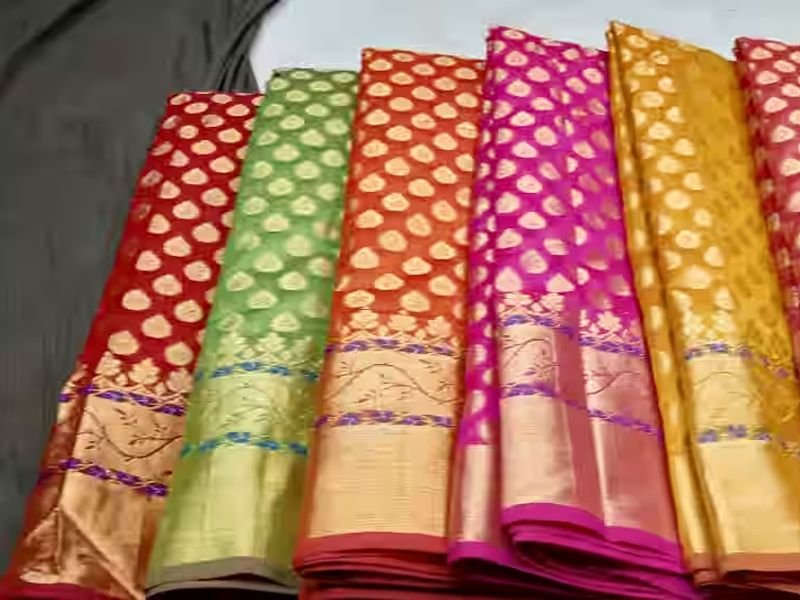
Follow the hands behind Tangail Saree and meet a craft that still moves to the rhythm of the loom.
The Tangail saree is a masterwork of indigenous craftsmanship, standing as a testament to the enduring skill of the region's artisan weavers. Named after the district of its origin, this textile is deeply ingrained in the sartorial elegance of Bengali culture, revered equally for its striking visual appeal and its profound comfort. The origins of this craft are intimately tied to the historic Basak community. Generations ago, these traditional weavers migrated from surrounding areas to settle in the fertile plains of Tangail, establishing renowned weaving hubs in villages like Pathrail and Delduar. The region offered a highly favorable environment for handloom weaving. The natural humidity of the local climate kept the fine cotton threads from snapping under tension, while the proximity to river routes facilitated a thriving textile trade.
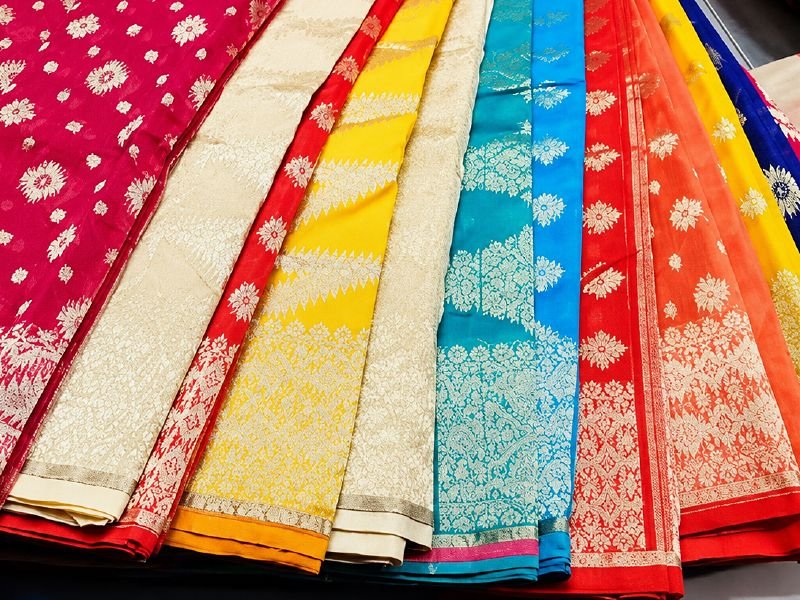
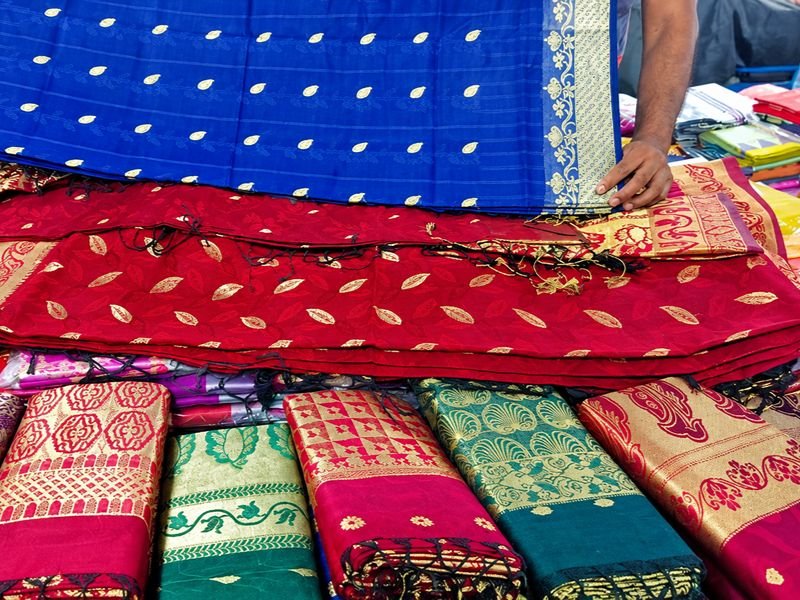
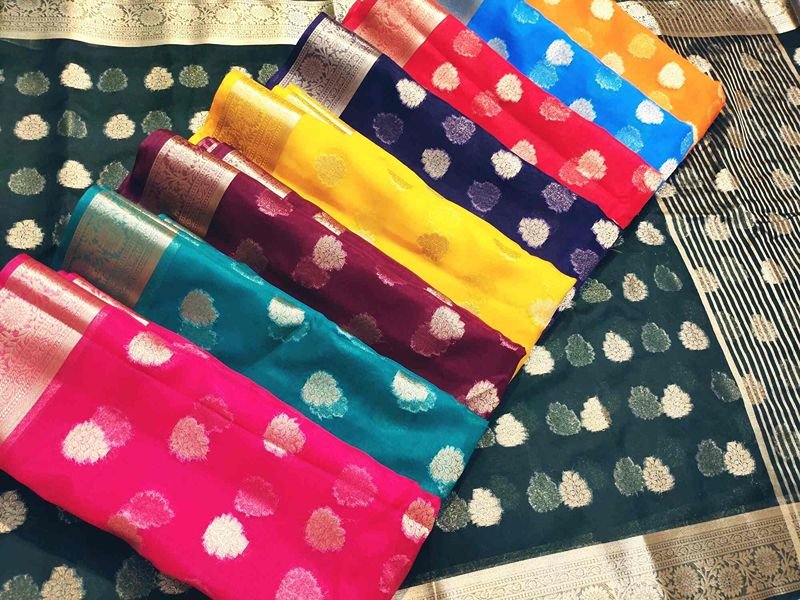
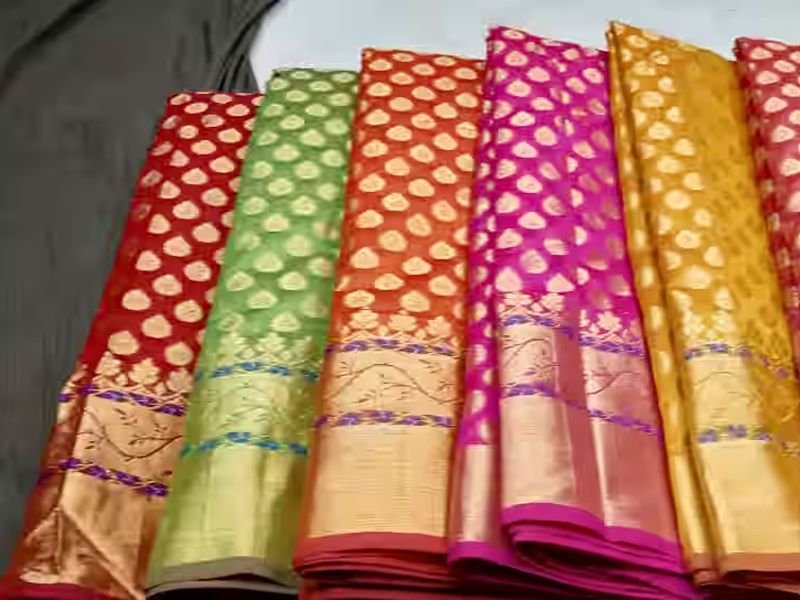
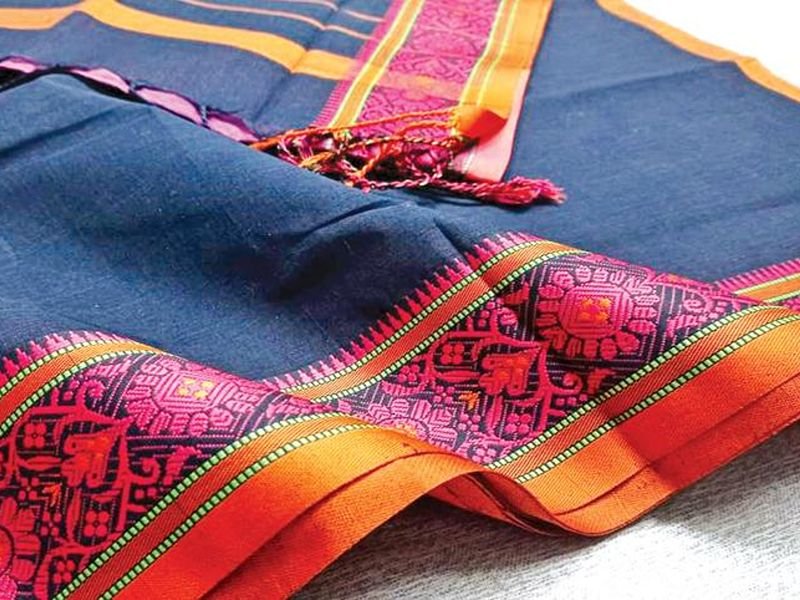
Over the decades, the artisans perfected a distinct style that set their creations apart from other regional garments. They transformed basic cotton and silk yarns into elaborate canvases of woven art, relying on knowledge passed down strictly through family lineages. What distinguishes a Tangail saree is the meticulous detailing of its borders and the exceptional breathability of its fabric. Traditional weavers utilize a specialized Jacquard loom technique to create intricate extra warp designs. This method allows them to weave wide, highly detailed borders adorned with motifs drawn directly from nature and local folklore. Common patterns include trailing floral vines, lotus blossoms, and traditional geometric shapes, all executed with remarkable precision. The main body of the fabric is often decorated with small, scattered motifs known as buti, adding a subtle elegance to the drape.
Preparing the yarn involves a lengthy manual process of starching and dyeing, ensuring the colors remain vivid and the threads gain the necessary strength to withstand the loom. The true brilliance of this textile lies in its structural composition. Woven primarily from fine cotton, the fabric is incredibly soft and light, making it perfectly suited for the warm and humid climate of the South Asian delta. Yet despite its delicate feel, it possesses remarkable durability.
Immersive Experience
No 360° Videos available
Destination Gallery
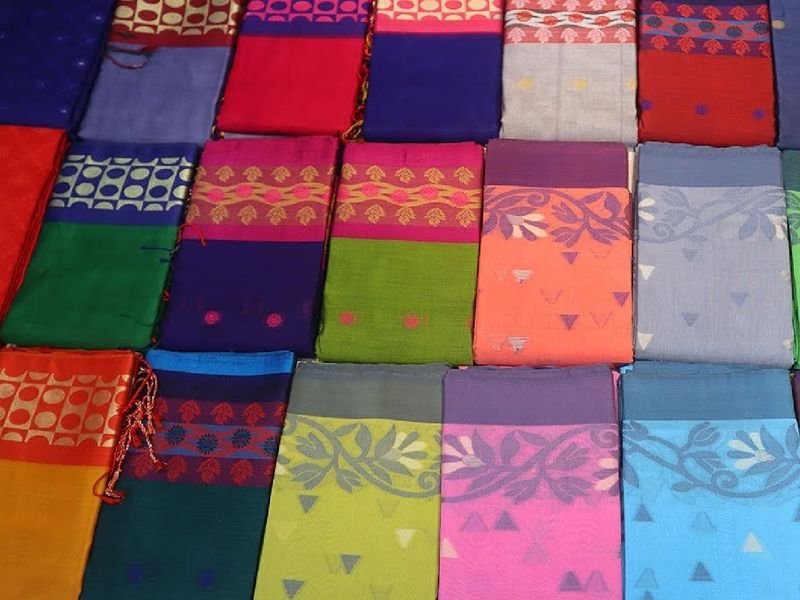
Jamdani Saree
Handmade heritage, patient skill and a living design tradition from Narayanganj
Explore More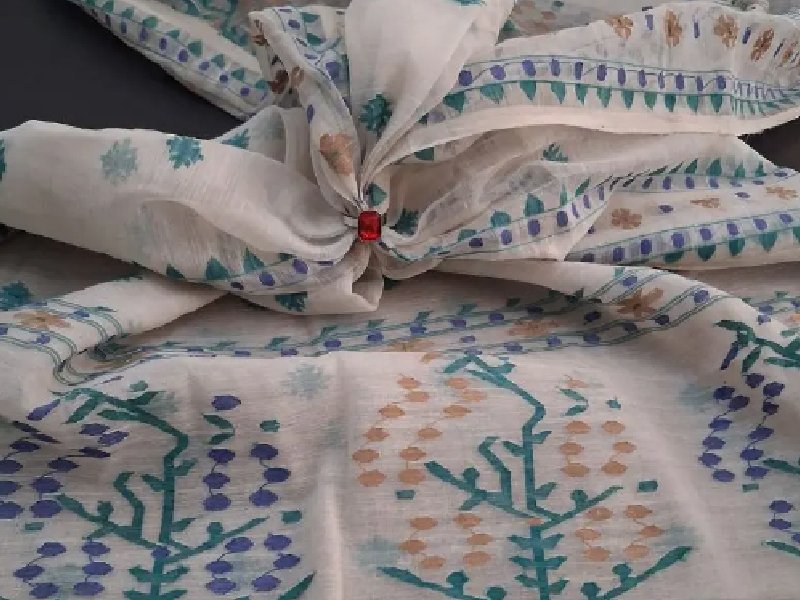
Dhakai Muslin
Handmade heritage, patient skill and a living design tradition from Dhaka.
Explore More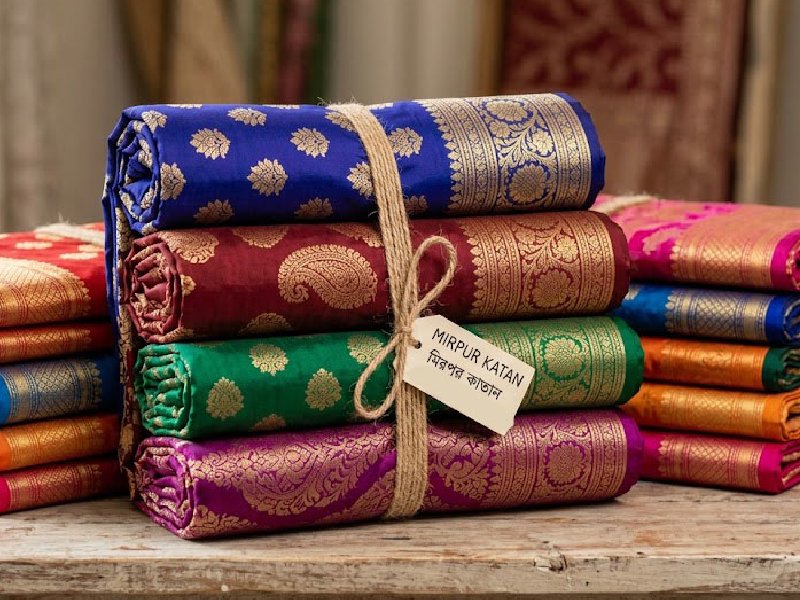
Mirpur Katan Saree
Handmade heritage, patient skill and a living design tradition from Dhaka.
Explore More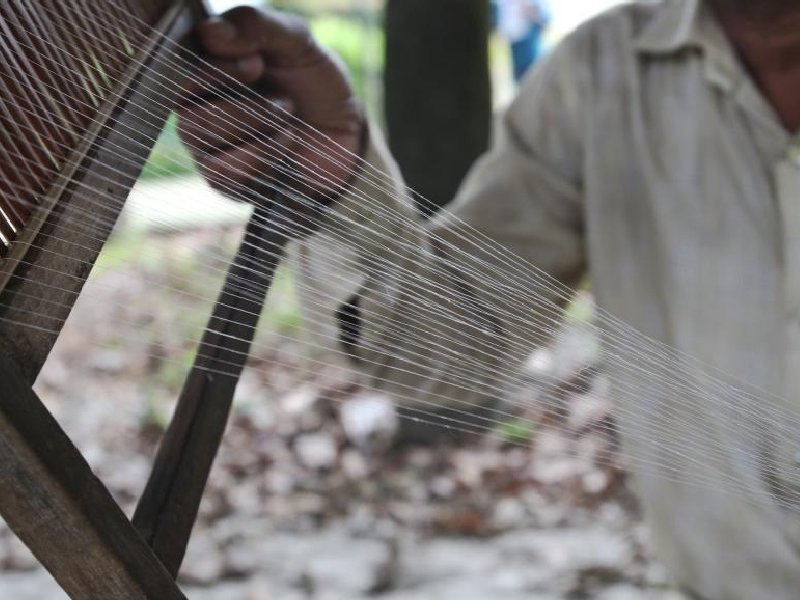
Dhakai Phuti Karpas Cotton
A distinctive crop shaped by local soil, farming knowledge and the seasons of Dhaka.
Explore More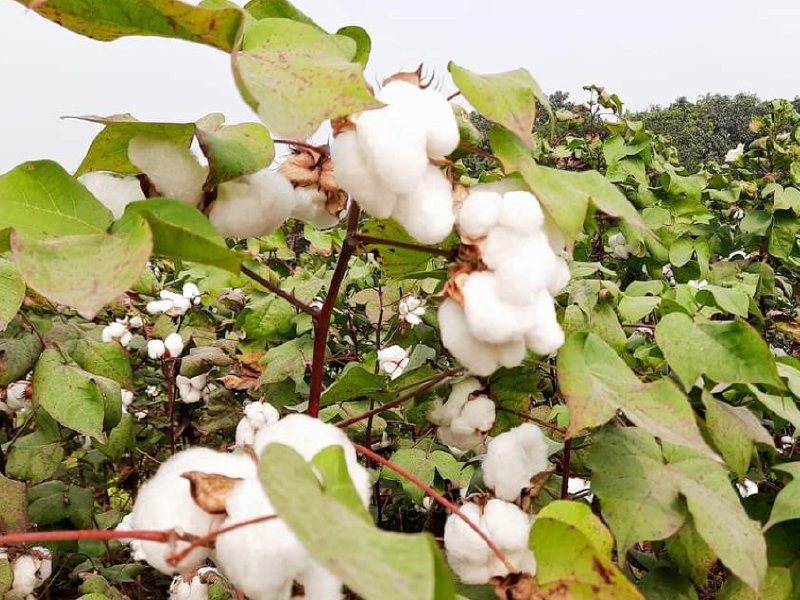
Dhakai Phuti Karpas Cotton Seed & Tree
A distinctive crop shaped by local soil, farming knowledge and the seasons of Dhaka.
Explore More
Tangail Porabari Chomchom
A celebrated local taste shaped by skilled makers and the food culture of Tangail.
Explore More
Tangail Mirzapur Jamurki Sandesh
A celebrated local taste shaped by skilled makers and the food culture of Tangail
Explore More
Madhupur Pineapple
A peak-season harvest that turns Tangail into a trail of colour, fragrance and flavour.
Explore More