

Jamdani Saree
Handmade heritage, patient skill and a living design tradition from Narayanganj
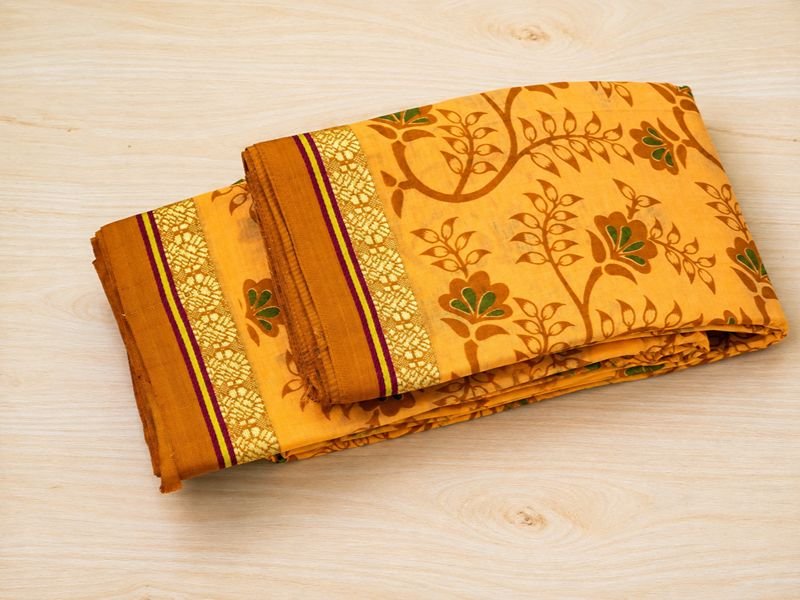
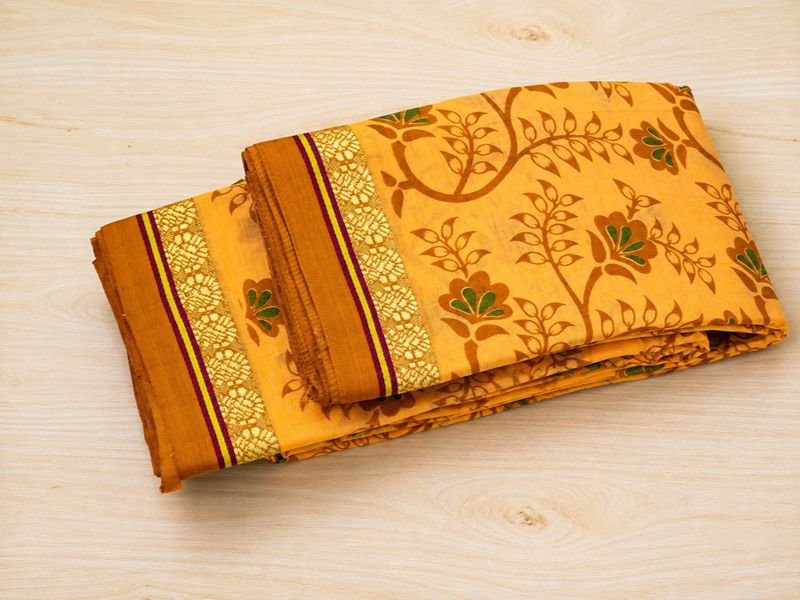
Content Head Copy: Follow the hands behind Jamdani Saree and meet a craft that still moves to the rhythm of the loom
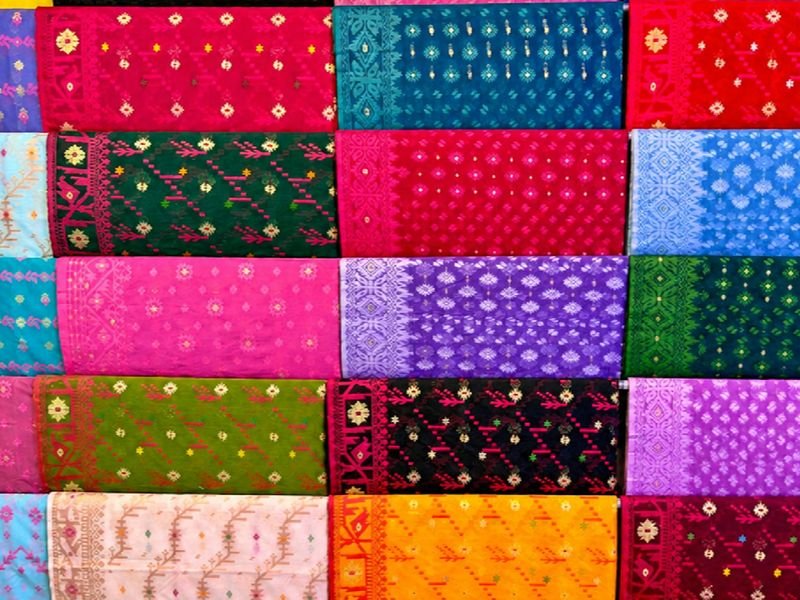
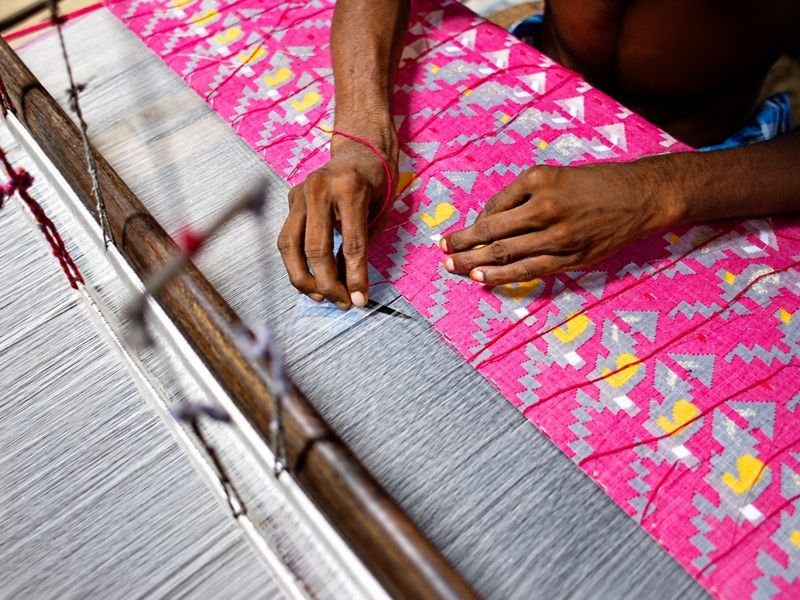
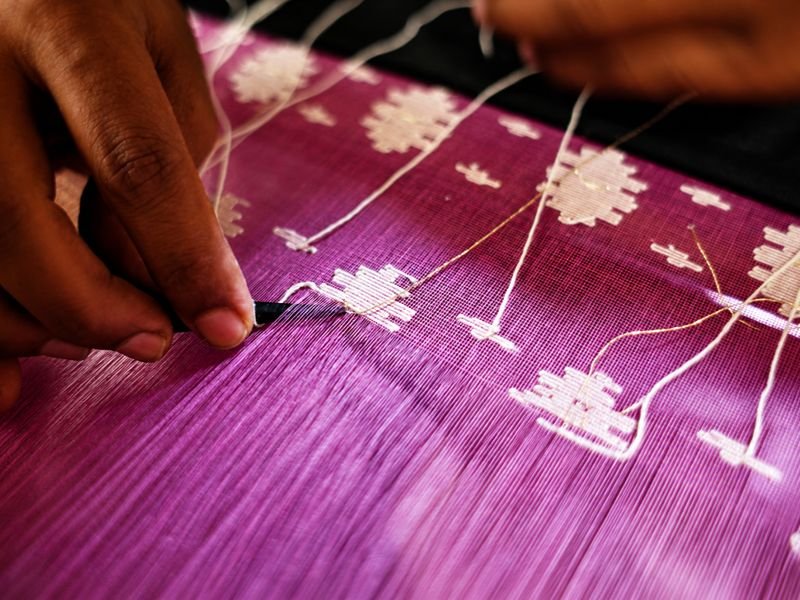
Along the misty banks of the Shitalakshya River in Narayanganj, an ancient rhythm echoes from the wooden looms of rural artisans. Here, the Jamdani Saree is not merely manufactured; it is conjured from memory. Known historically as the most exquisite surviving variety of Dhakai Muslin, Jamdani represents the pinnacle of Bengal’s textile heritage; a fabric so impossibly fine and intricately patterned that it was once patronized exclusively by Mughal royalty. What elevates Jamdani to the realm of art is its brilliant weaving technique. Using a supplementary weft process on traditional pit looms, artisans interlace thicker, ornamental threads directly into the sheer, gossamer-like warp. Remarkably, the intricate floral and geometric motifs are almost never sketched onto the fabric.
Instead, they are drawn entirely from the weaver's mind, passed down through generations from master to apprentice in a silent language of counting threads. As a result, the patterns appear to float effortlessly on the surface, shimmering with an ethereal lightness. The survival of this labor-intensive craft is deeply tied to the natural geography of the Dhaka region. The unique humidity of the air and the specific mineral content of the Shitalakshya River waters give the cotton yarn its required strength and flexibility. The resulting textile is so breathable, light as a cloud, and steeped in cultural prestige. To witness a Jamdani saree draped over a shoulder is to see centuries of history, human resilience, and unparalleled artistry woven into a single, seamless canvas.
The story of Jamdani is woven into the very fabric of South Asian history. Originating in the historic city of Sonargaon and the surrounding riverine villages, the craft reached its zenith under the patronage of the Mughal emperors in the 16th and 17th centuries. The word itself is of Persian origin; combining jam (flower) and dani (vase), a poetic nod to the scattered floral motifs that define its aesthetic. While the broader muslin trade collapsed under the weight of 19th-century British colonial policies favoring machine-milled textiles, the weavers of Narayanganj fiercely guarded the Jamdani technique, ensuring this specific, figured muslin survived the tides of industrialization.
Immersive Experience
No 360° Videos available
Destination Gallery
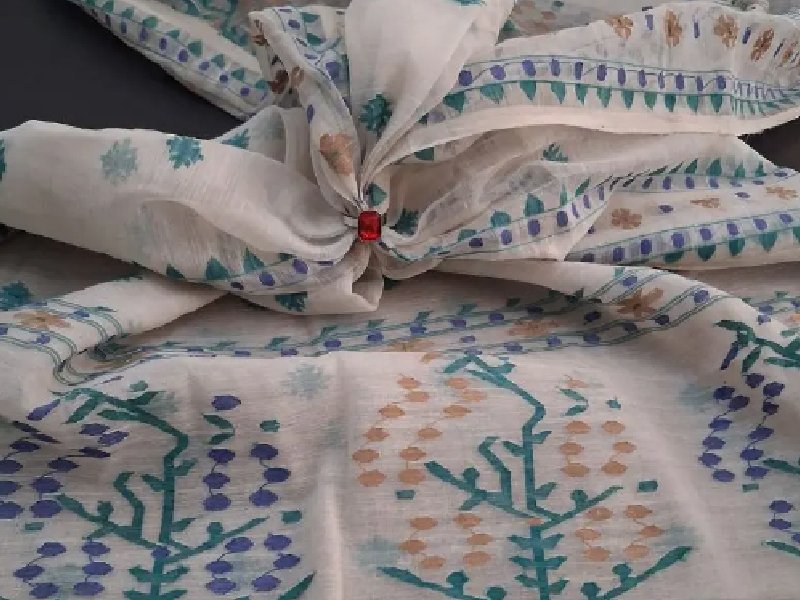
Dhakai Muslin
Handmade heritage, patient skill and a living design tradition from Dhaka.
Explore More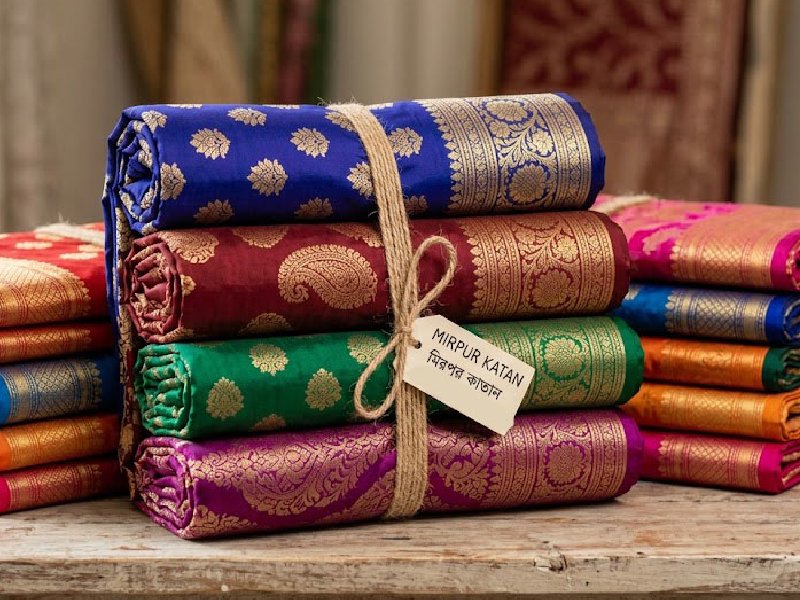
Mirpur Katan Saree
Handmade heritage, patient skill and a living design tradition from Dhaka.
Explore More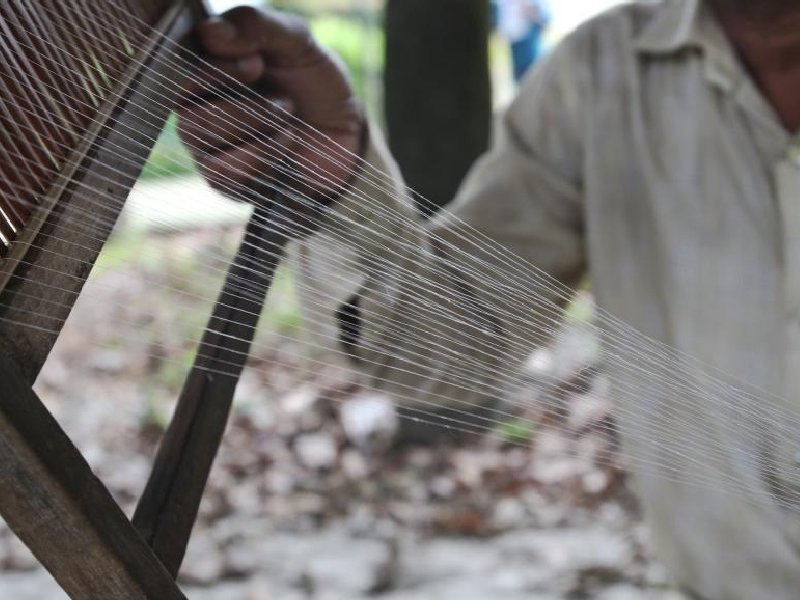
Dhakai Phuti Karpas Cotton
A distinctive crop shaped by local soil, farming knowledge and the seasons of Dhaka.
Explore More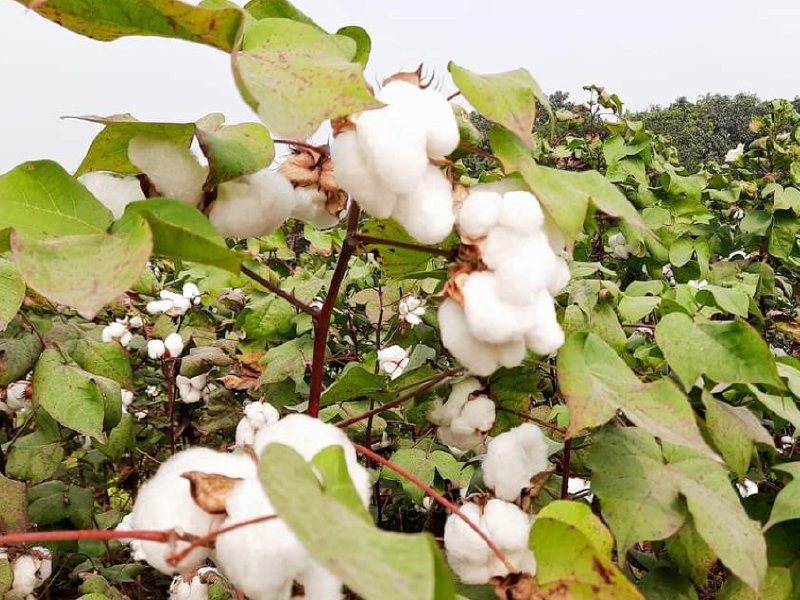
Dhakai Phuti Karpas Cotton Seed & Tree
A distinctive crop shaped by local soil, farming knowledge and the seasons of Dhaka.
Explore More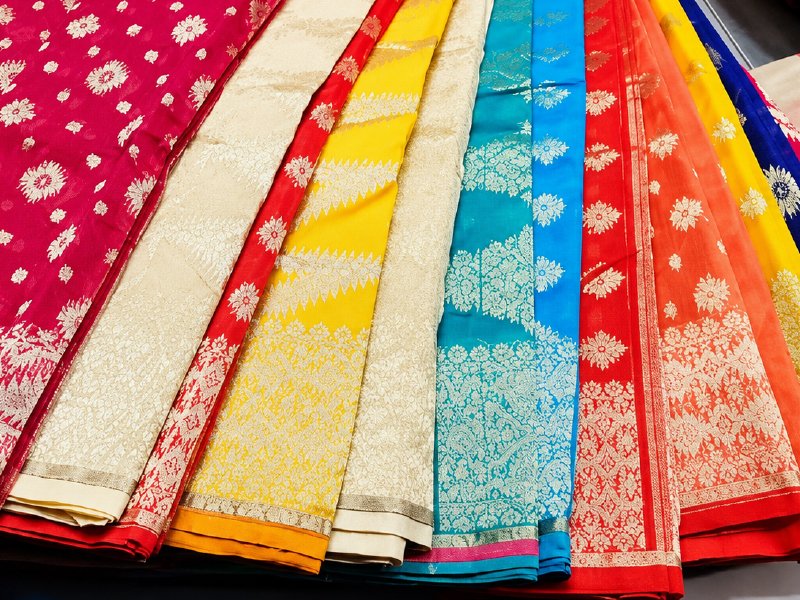
Tangail Saree
Handmade heritage, patient skill and a living design tradition from Tangail.
Explore More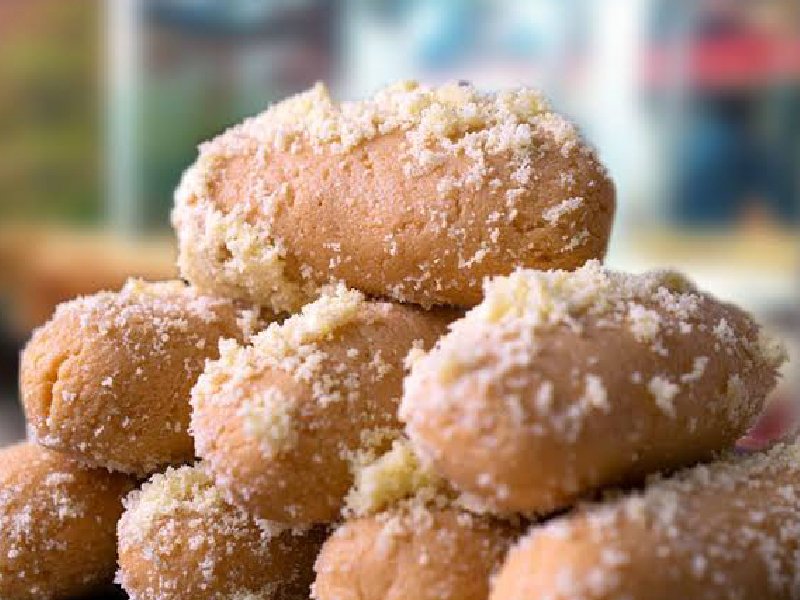
Tangail Porabari Chomchom
A celebrated local taste shaped by skilled makers and the food culture of Tangail.
Explore More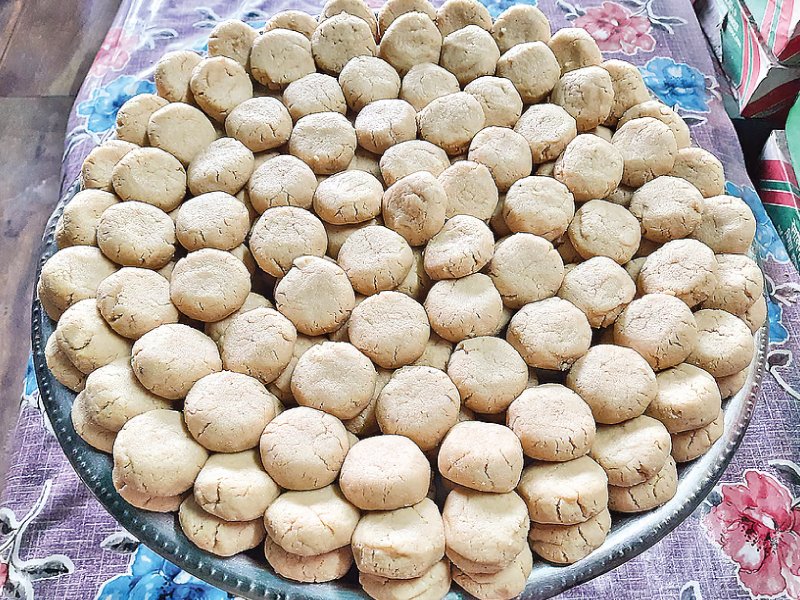
Tangail Mirzapur Jamurki Sandesh
A celebrated local taste shaped by skilled makers and the food culture of Tangail
Explore More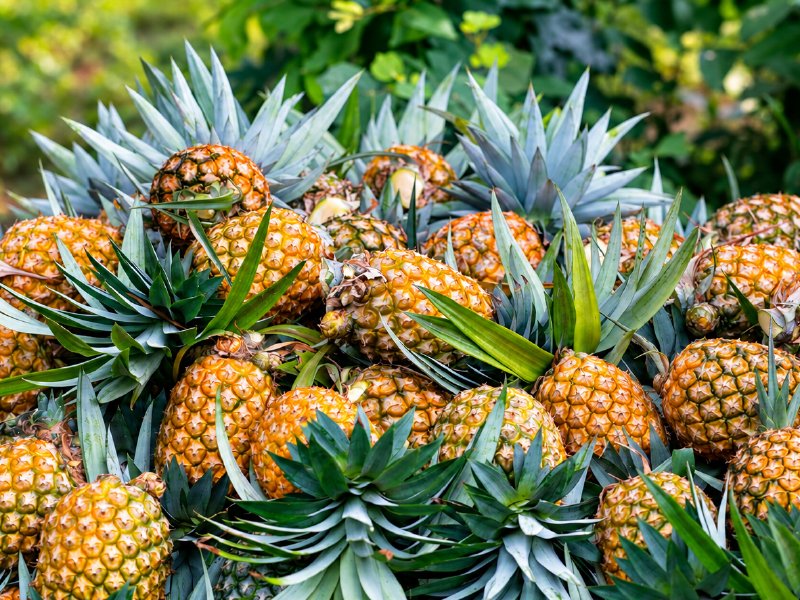
Madhupur Pineapple
A peak-season harvest that turns Tangail into a trail of colour, fragrance and flavour.
Explore More