

Dhakai Phuti Karpas Cotton Seed & Tree
A distinctive crop shaped by local soil, farming knowledge and the seasons of Dhaka.
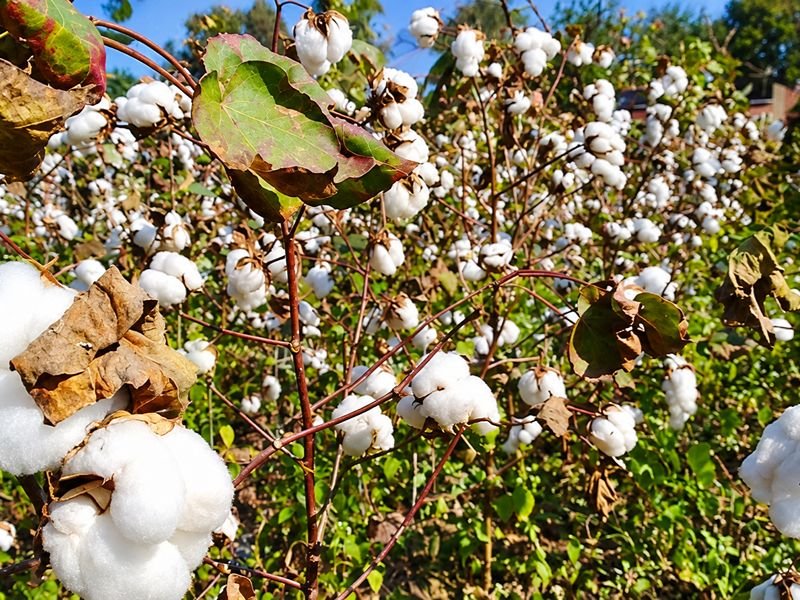
Leave the city behind and follow Dhakai Phuti Karpas Cotton Seed & Tree into its working landscape.
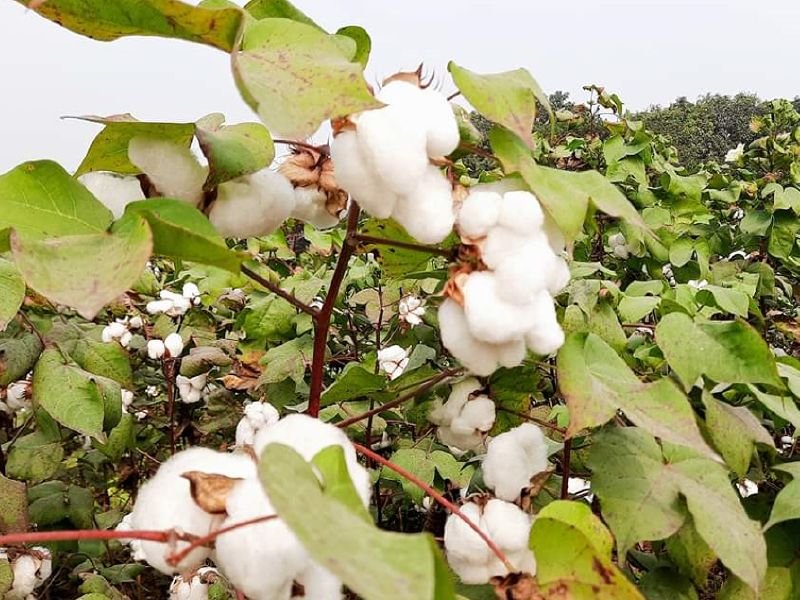
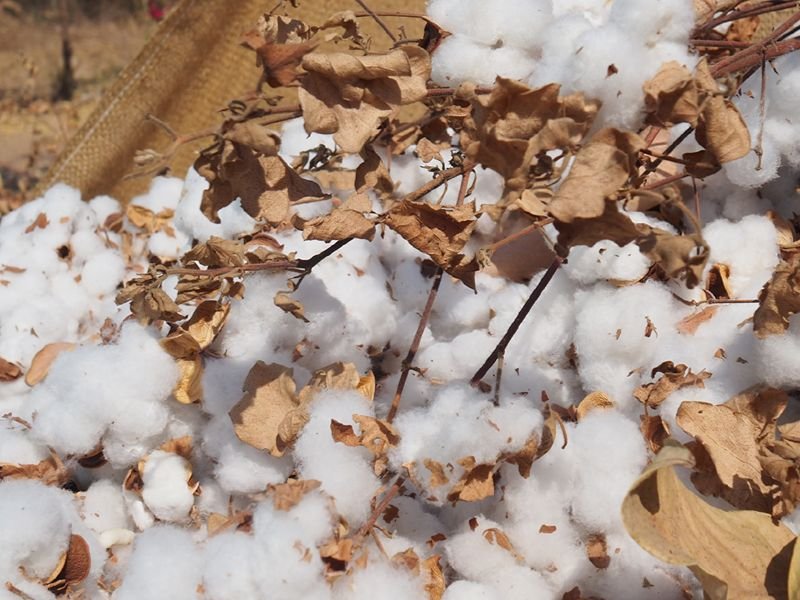
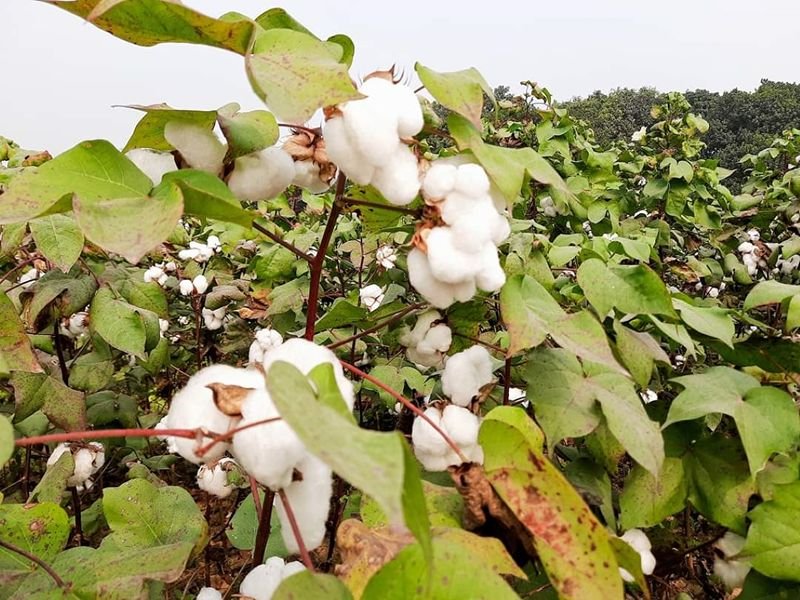
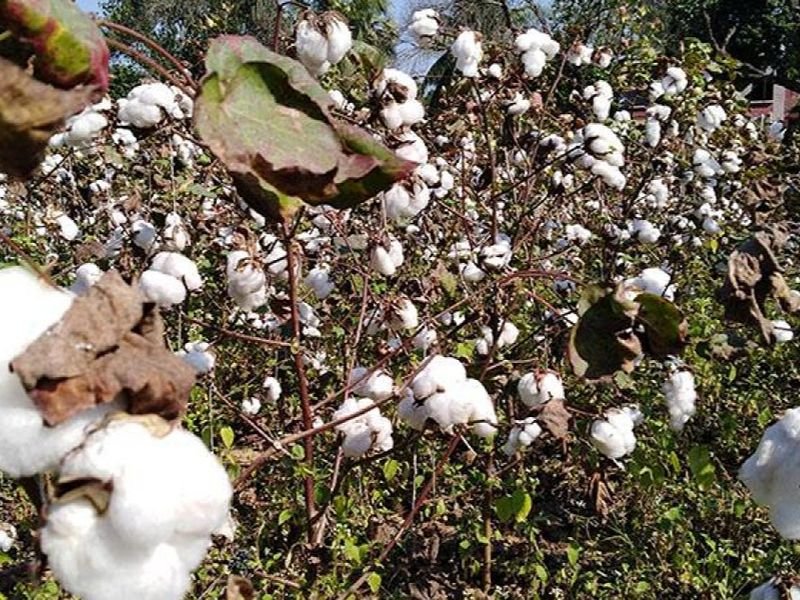
Behind the delicate transparency of the world's most famous textile lies a remarkable botanical specimen. The Dhakai Phuti Karpas cotton seed and tree represent an extraordinary chapter of agricultural heritage deeply rooted in the soil of central Bangladesh. Scientifically classified as a unique strain of Gossypium arboreum, this indigenous shrub is a masterclass in geographical exclusivity, refusing to yield its legendary fibers anywhere outside its ancestral riverine home. The true magic of the Phuti Karpas tree is bound entirely to the specific ecology of the region surrounding Dhaka. The plant thrives exclusively along the mineral rich banks of the Meghna and Shitalakshya rivers. The physical appearance of the shrub is striking, featuring vibrant yellow blossoms that eventually give way to tightly packed, sun baked bolls.
The annual monsoon floods deposit a unique composition of silt and nutrients into the soil, creating the exact chemical balance required for the tree to flourish. Coupled with the distinct temperature fluctuations and the heavy morning mists of the delta, this precise environment nurtures the cotton to its perfect state of maturity. The history of the Phuti Karpas seed is a compelling tale of profound loss and miraculous scientific resurrection. Following the collapse of the traditional handloom industry in the nineteenth century, the widespread cultivation of this specific tree was entirely abandoned. The seeds, once guarded like royal treasure by local farming communities, vanished from the agricultural landscape. It was only through recent, rigorous botanical research that the plant was rescued from extinction.
Scientists traced the genetic markers from antique textiles in foreign museums and successfully matched them to wild, uncultivated shrubs surviving in remote areas. Today, the successful germination and cultivation of the Phuti Karpas seed stands as a monumental triumph of cultural preservation. The living tree is not merely a source of agricultural produce but a vibrant, growing monument to Bengal's glorious past. Protecting the seed and nurturing the tree ensures that the biological foundation of the region's greatest artistic achievement remains firmly planted in the soil for future generations.
Immersive Experience
No 360° Videos available
Destination Gallery
Jamdani Saree
Handmade heritage, patient skill and a living design tradition from Narayanganj
Explore More
Dhakai Muslin
Handmade heritage, patient skill and a living design tradition from Dhaka.
Explore More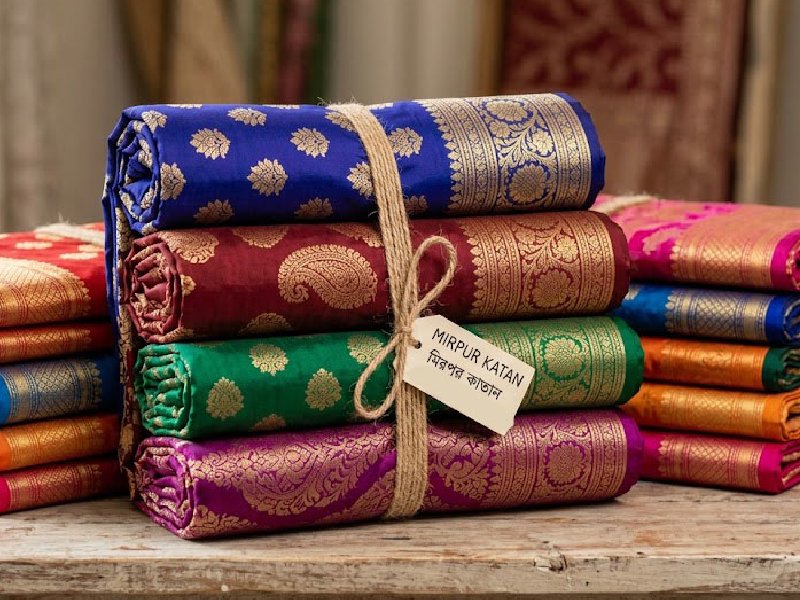
Mirpur Katan Saree
Handmade heritage, patient skill and a living design tradition from Dhaka.
Explore More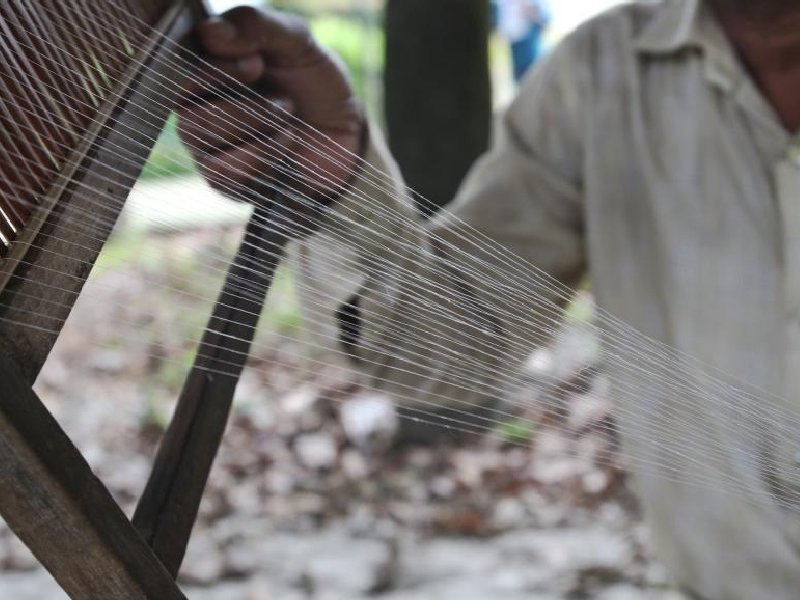
Dhakai Phuti Karpas Cotton
A distinctive crop shaped by local soil, farming knowledge and the seasons of Dhaka.
Explore More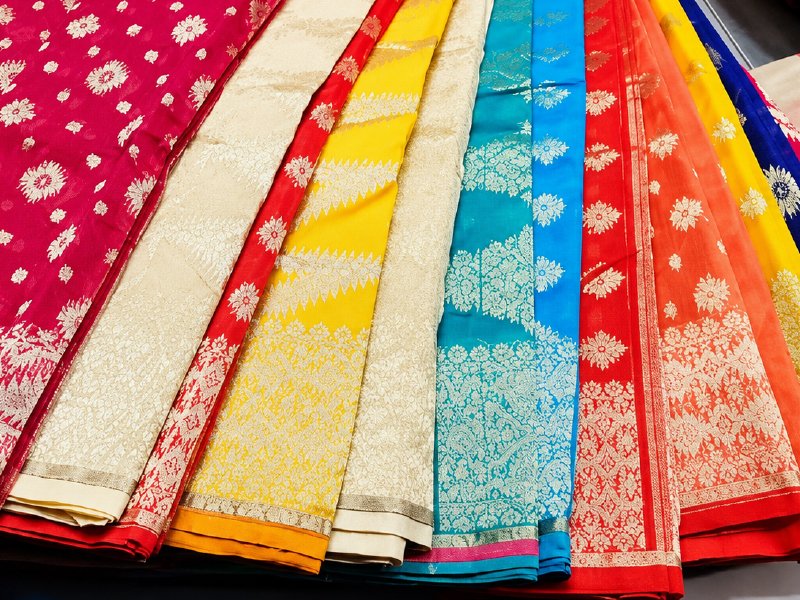
Tangail Saree
Handmade heritage, patient skill and a living design tradition from Tangail.
Explore More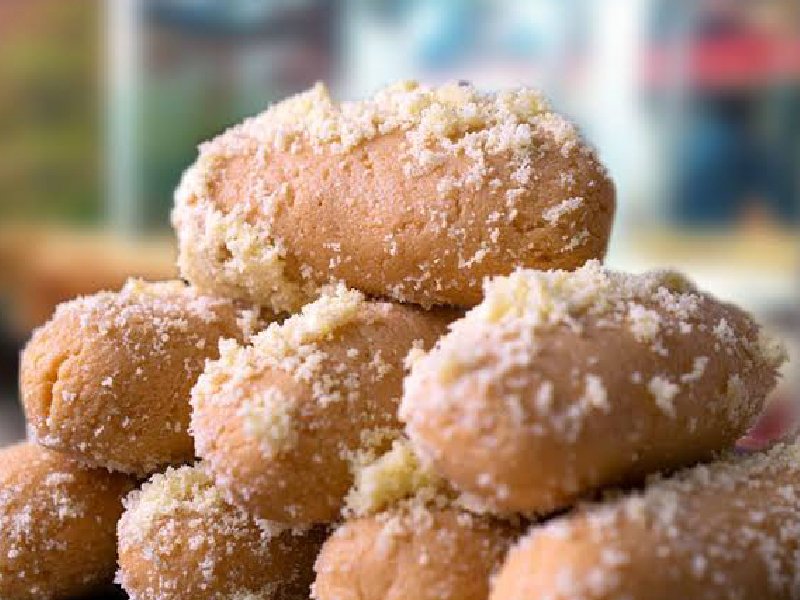
Tangail Porabari Chomchom
A celebrated local taste shaped by skilled makers and the food culture of Tangail.
Explore More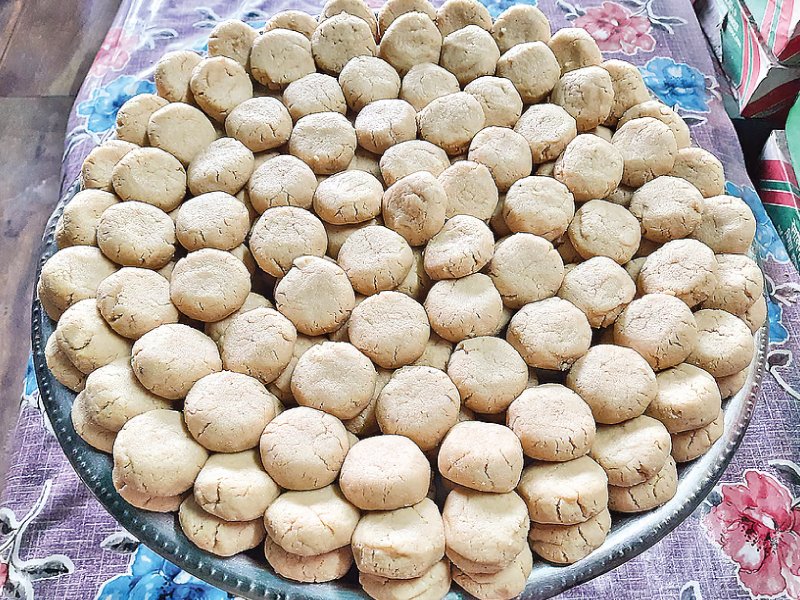
Tangail Mirzapur Jamurki Sandesh
A celebrated local taste shaped by skilled makers and the food culture of Tangail
Explore More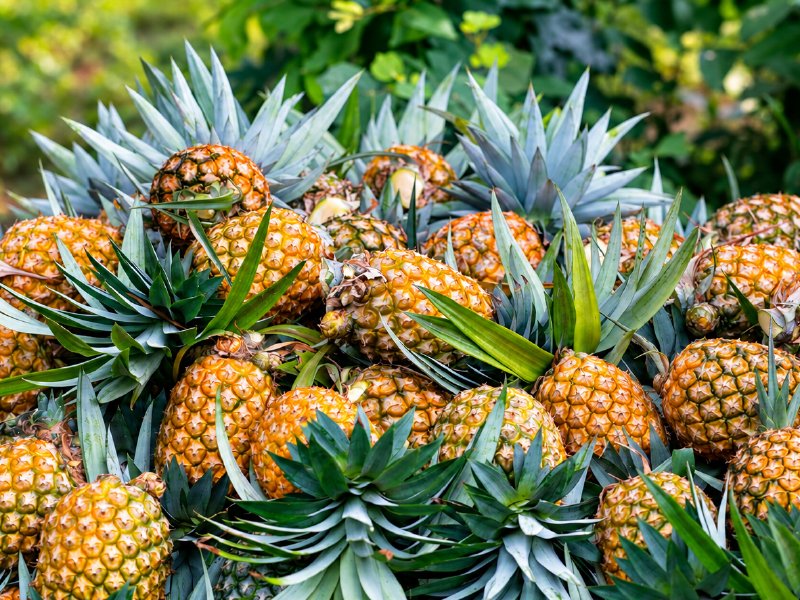
Madhupur Pineapple
A peak-season harvest that turns Tangail into a trail of colour, fragrance and flavour.
Explore More