

Dhakai Phuti Karpas Cotton
A distinctive crop shaped by local soil, farming knowledge and the seasons of Dhaka.
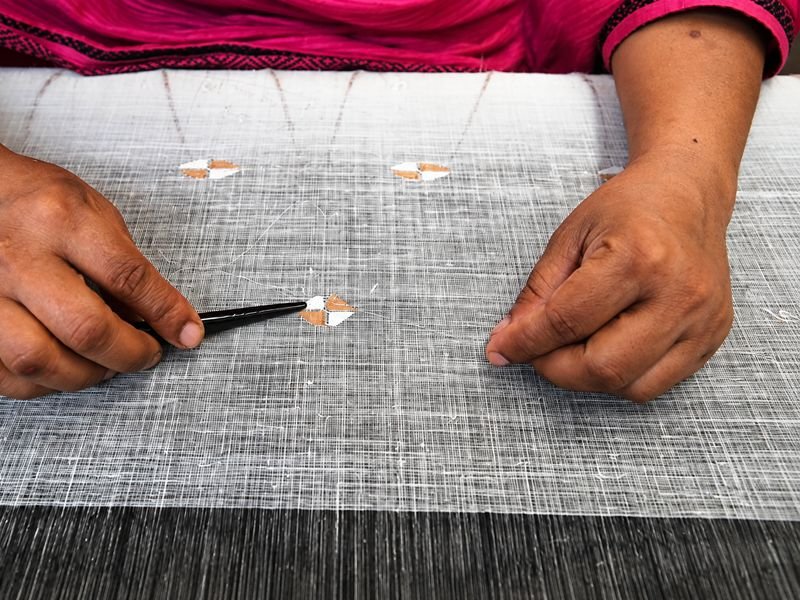
Leave the city behind and follow Dhakai Phuti Karpas Cotton into its working landscape.
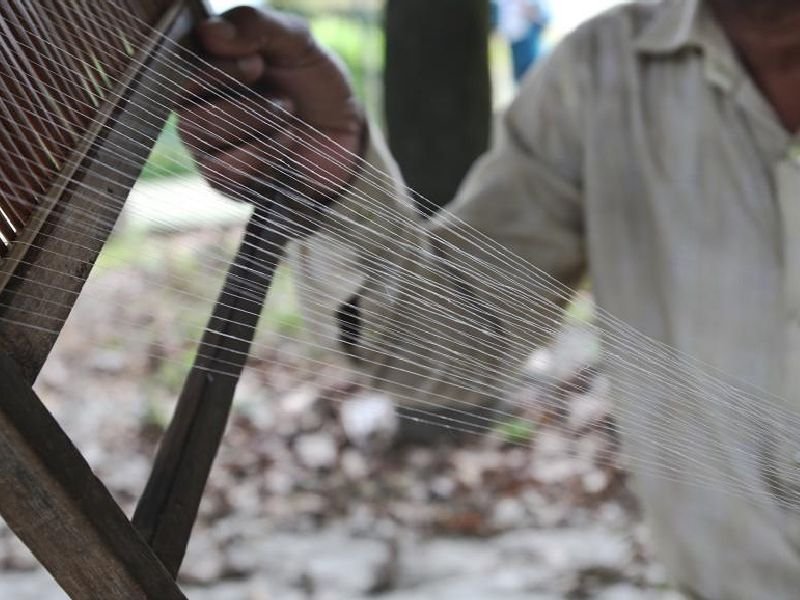
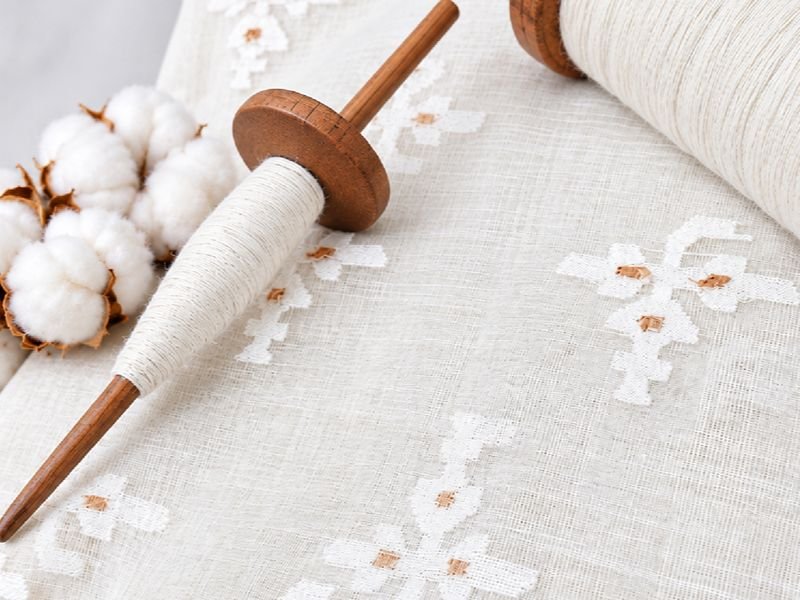
The historical supremacy of Bengal's textile heritage rests entirely on the delicate fibers of a single plant variety. Dhakai Phuti Karpas cotton is the legendary raw material that made the creation of woven air a reality. Unlike the long staple cotton varieties favored by modern industrial machinery, this indigenous fiber possesses a completely unique set of physical properties that distinguish it from any other cotton in the world. What makes the Phuti Karpas fiber so extraordinary is its contradictory nature. The individual cotton strands are remarkably short, yet they possess an unprecedented level of tensile strength and extreme fineness. When exposed to the heavy natural humidity of the Bengal delta, the fibers exhibit a rare clinging quality.
This specific characteristic allowed traditional spinners to twist the raw cotton into yarns of impossible thinness without the delicate threads snapping under tension. The fiber also possesses a natural brilliance, absorbing natural dyes with a profound depth while maintaining a soft, luminous sheen. The harvesting and preparation of this cotton was historically treated as an art form of its own. Cultivators carefully handpicked the bolls during specific times of the day, ensuring the pristine white fibers were not contaminated by dust or excessive heat. The subsequent processes of ginning and bowing were executed using specialized, miniature wooden tools designed to tease the fibers apart gently without breaking their fragile structure.
This meticulous manual preparation ensured that the cotton retained its natural elasticity and cloud like texture. For centuries, the spun yarn of the Phuti Karpas was the most valuable commodity in the global luxury trade, forming the literal foundation of the Mughal imperial wardrobes and European aristocratic fashion. To understand the legacy of this fiber is to appreciate a profound synergy between the natural ecology of the riverine plains and the unparalleled skill of indigenous artisans.
Immersive Experience
No 360° Videos available
Destination Gallery
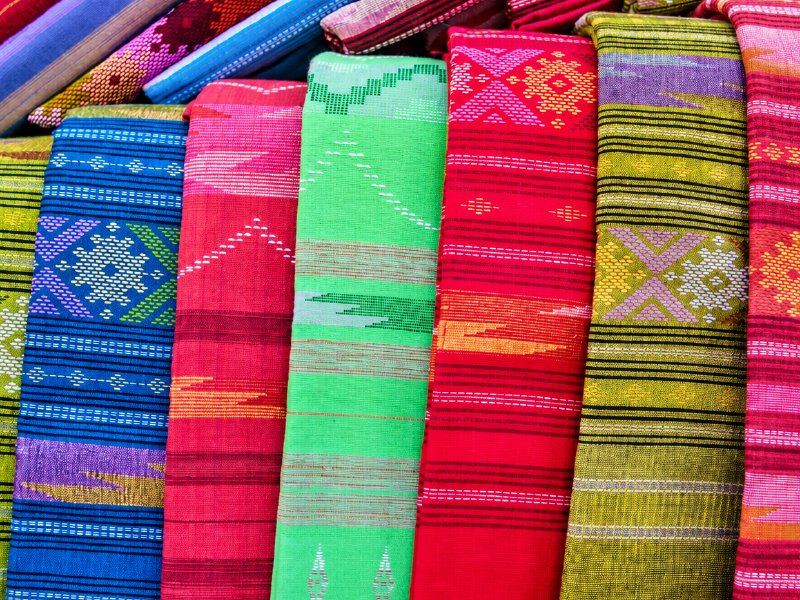
Jamdani Saree
Handmade heritage, patient skill and a living design tradition from Narayanganj
Explore More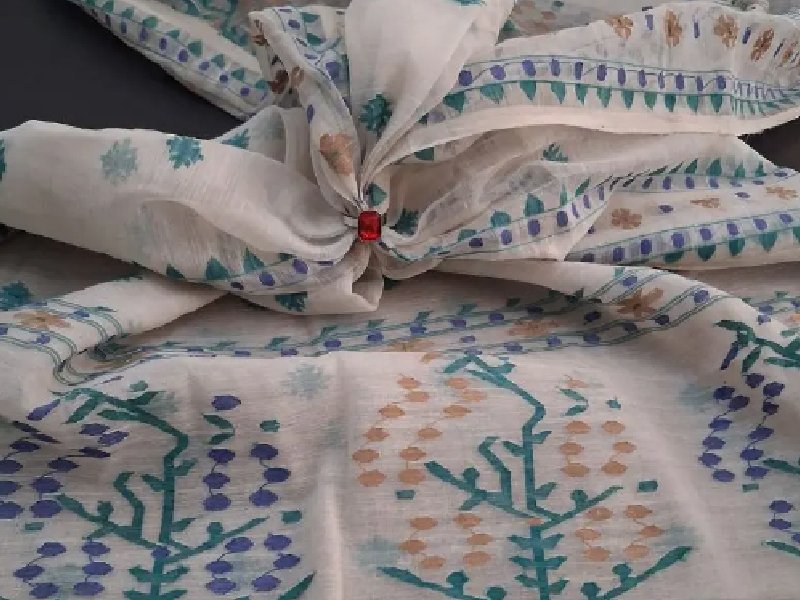
Dhakai Muslin
Handmade heritage, patient skill and a living design tradition from Dhaka.
Explore More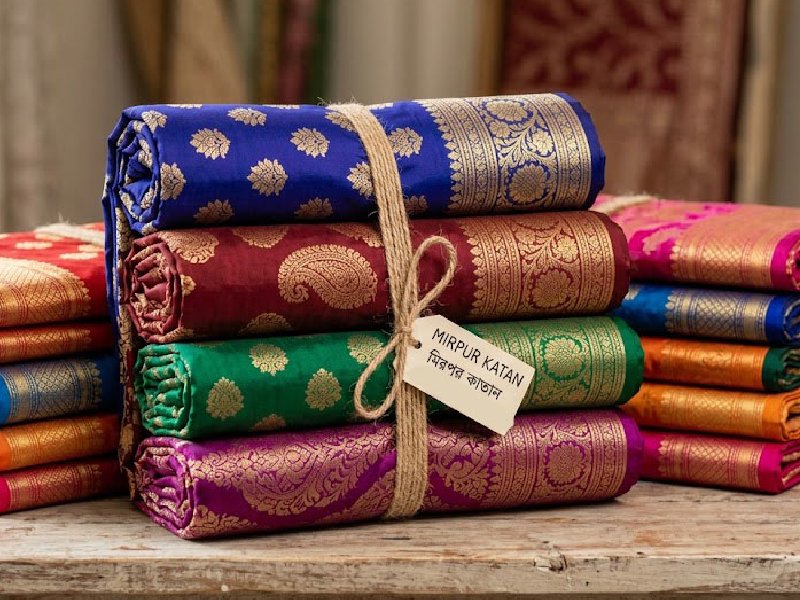
Mirpur Katan Saree
Handmade heritage, patient skill and a living design tradition from Dhaka.
Explore More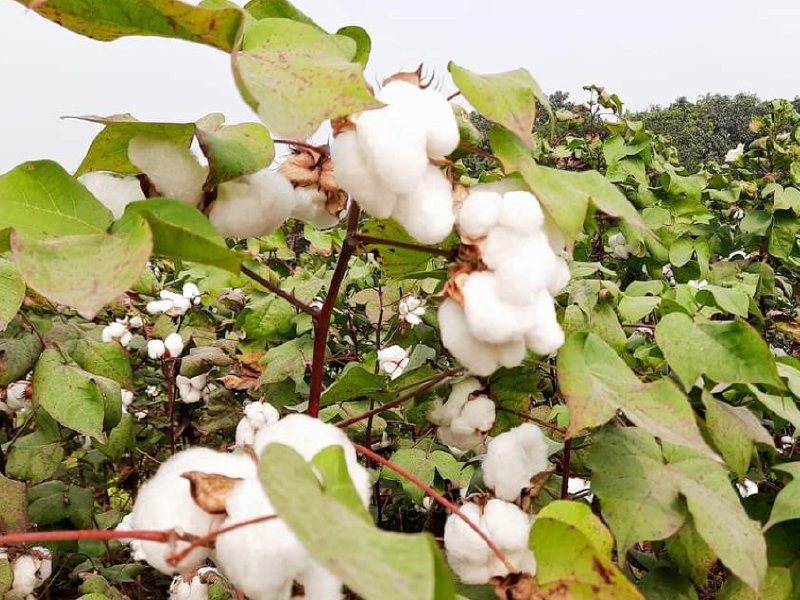
Dhakai Phuti Karpas Cotton Seed & Tree
A distinctive crop shaped by local soil, farming knowledge and the seasons of Dhaka.
Explore More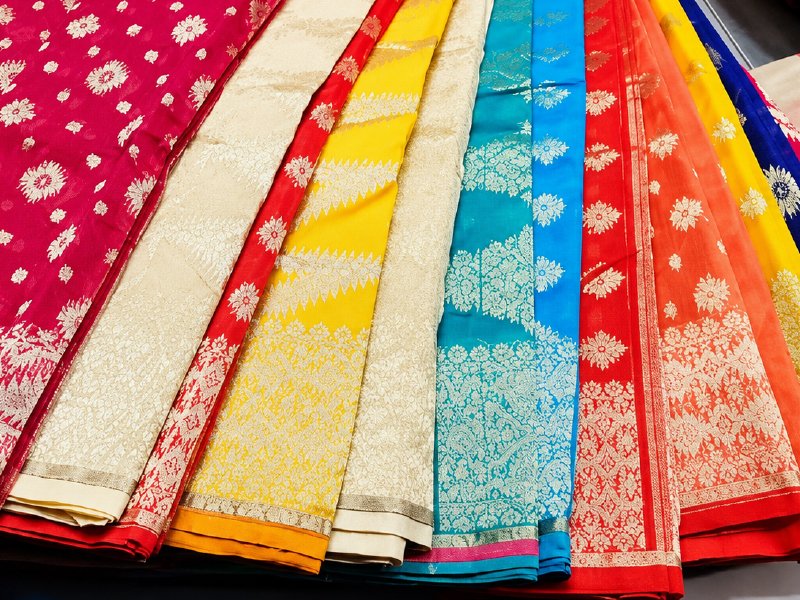
Tangail Saree
Handmade heritage, patient skill and a living design tradition from Tangail.
Explore More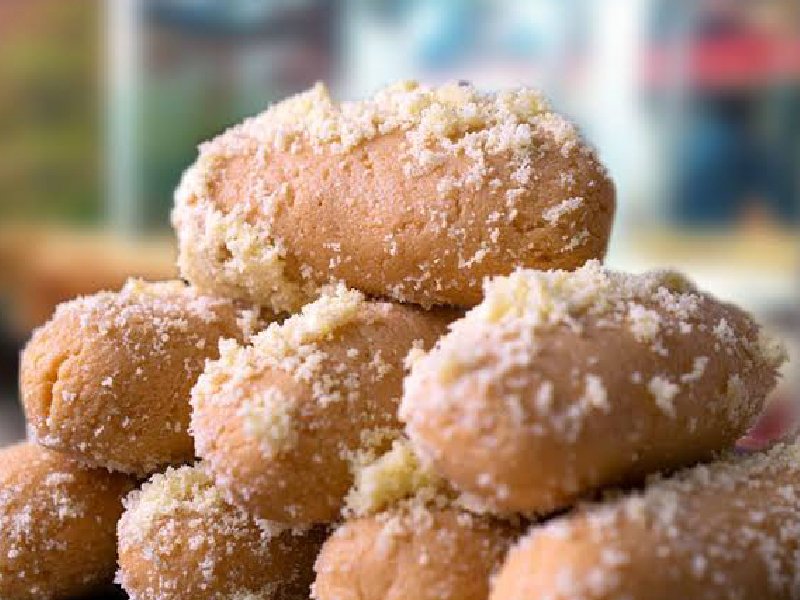
Tangail Porabari Chomchom
A celebrated local taste shaped by skilled makers and the food culture of Tangail.
Explore More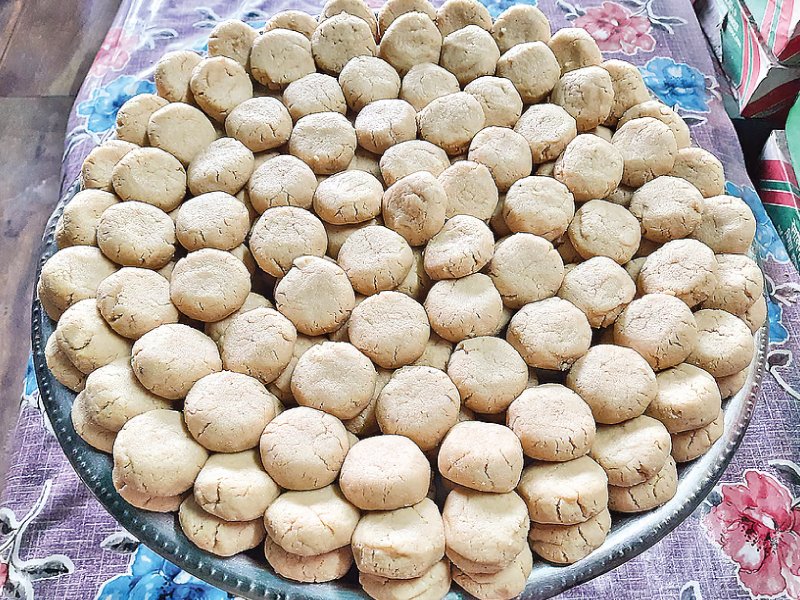
Tangail Mirzapur Jamurki Sandesh
A celebrated local taste shaped by skilled makers and the food culture of Tangail
Explore More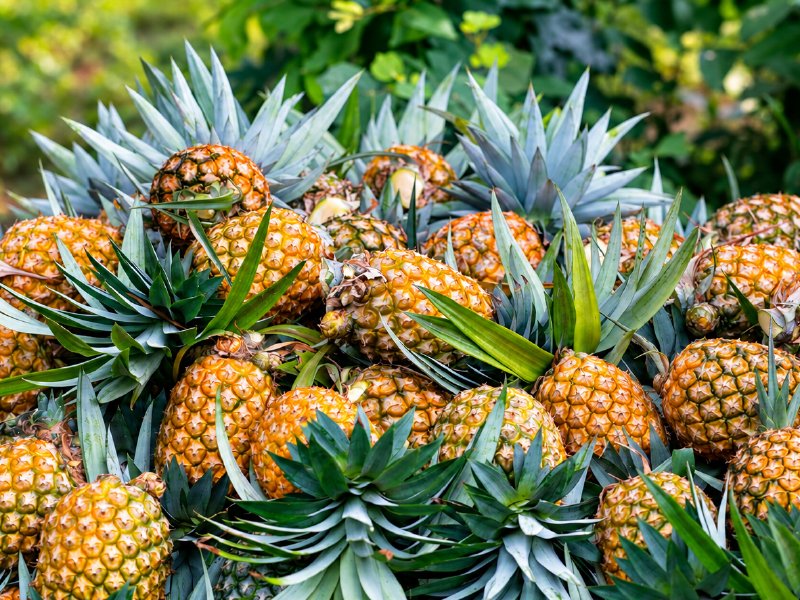
Madhupur Pineapple
A peak-season harvest that turns Tangail into a trail of colour, fragrance and flavour.
Explore More