

Mirpur Katan Saree
Handmade heritage, patient skill and a living design tradition from Dhaka.
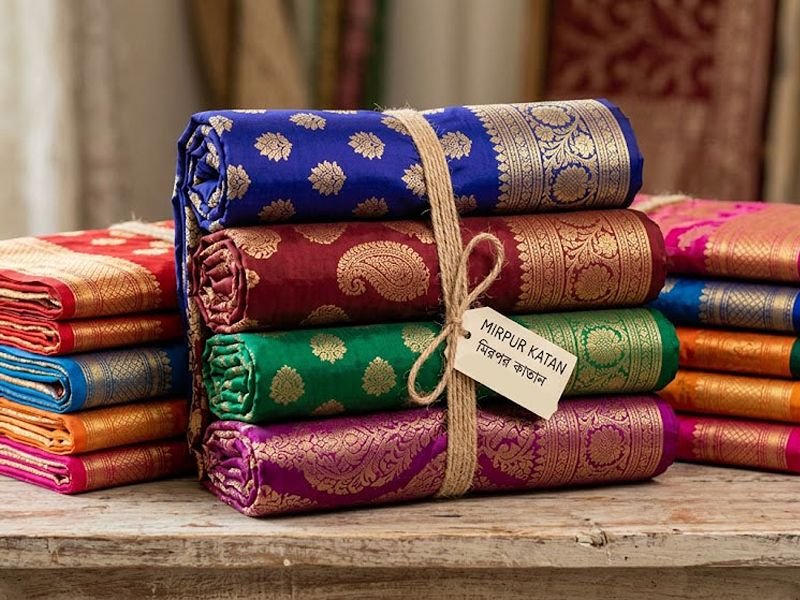
Follow the hands behind Mirpur Katan Saree and meet a craft that still moves to the rhythm of the loom.
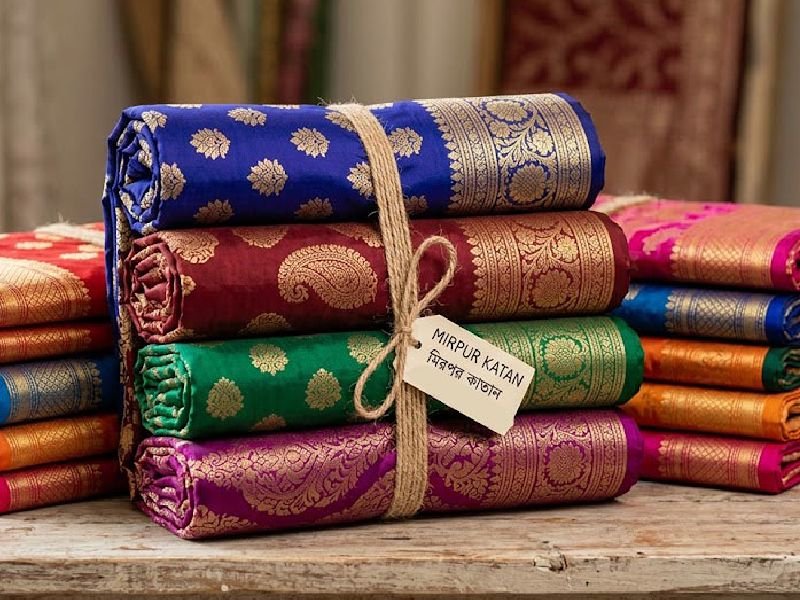
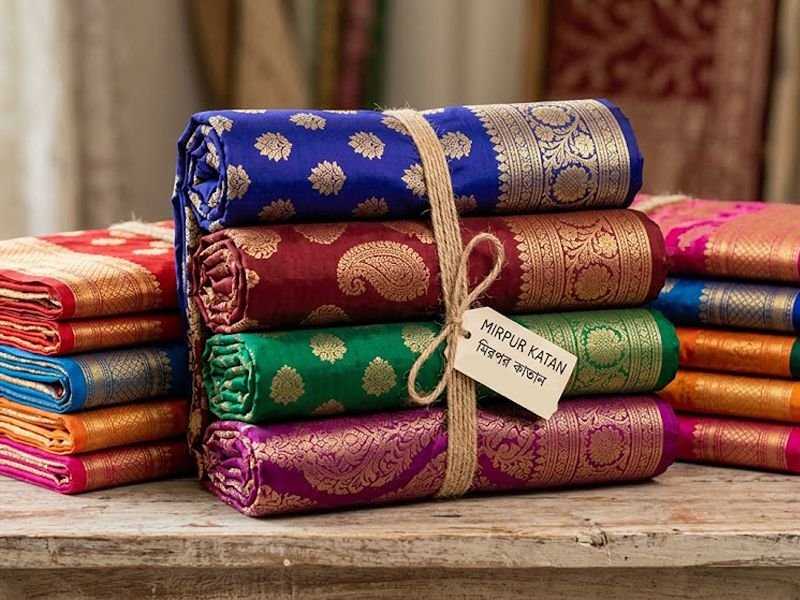
In the bustling neighborhood of Mirpur in Dhaka lies a vibrant enclave dedicated to one of the most celebrated textile traditions of the region. The Mirpur Katan saree represents a brilliant fusion of historical migration, masterful craftsmanship, and Bengali cultural identity. Renowned for its lustrous silk base and intricate metallic thread work, this textile has long been the centerpiece of bridal trousseaus and festive wardrobes across the country. The heritage of the Mirpur Katan is fundamentally a story of resilience and artistic preservation. Following the partition of the Indian subcontinent in 1947, communities of skilled weavers from renowned textile hubs like Benaras migrated to Dhaka. Many of these artisan families eventually established their roots in Mirpur, bringing with them their ancestral pit looms and a profound generational knowledge of silk weaving.
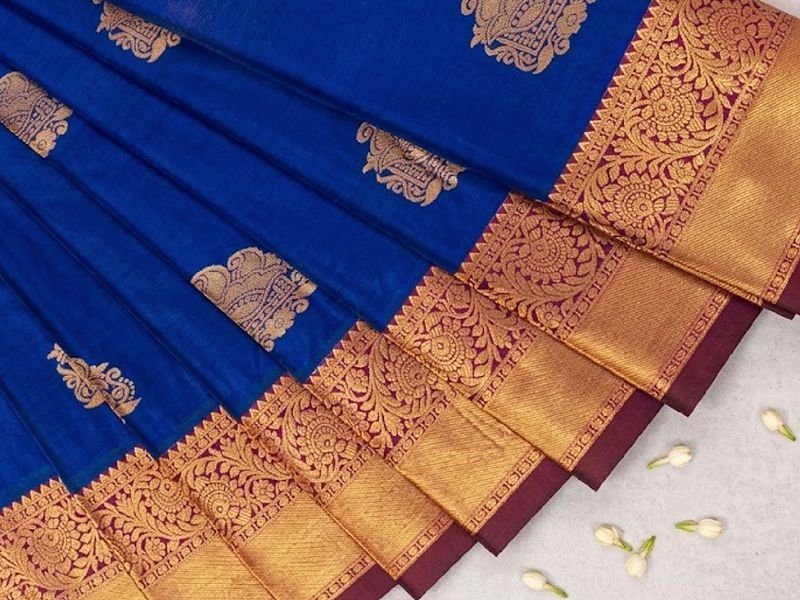
Over the ensuing decades, these craftsmen seamlessly adapted their traditional weaving techniques to align with local Bengali aesthetics. They began incorporating indigenous floral designs, paisley motifs, and intricate geometric patterns, gradually giving birth to a distinct and recognizable style that came to be known exclusively as the Mirpur Katan. The word Katan refers to the specific preparatory technique of twisting pure silk threads together before they are woven into the warp and weft. This careful preparation creates a highly durable yet exceptionally smooth and glossy fabric base. The true hallmark of the Mirpur Katan is its elaborate zari work. Artisans weave fine gold or silver metallic threads directly into the silk using the traditional Jacquard loom mechanism.
This manual interlacing allows them to create heavy ornate borders and detailed decorative patterns scattered elegantly across the body of the fabric. The entire weaving process requires immense precision and a deep understanding of textile architecture. A master weaver must synchronize their hand and foot movements perfectly on the wooden loom, often taking several weeks to complete a single highly detailed piece. The cultural significance of this textile is deeply ingrained in Bengali society. Its luxurious drape, brilliant jewel tones, and reflective metallic sheen make it the definitive attire for weddings, cultural festivals, and major celebrations.
Immersive Experience
No 360° Videos available
Destination Gallery
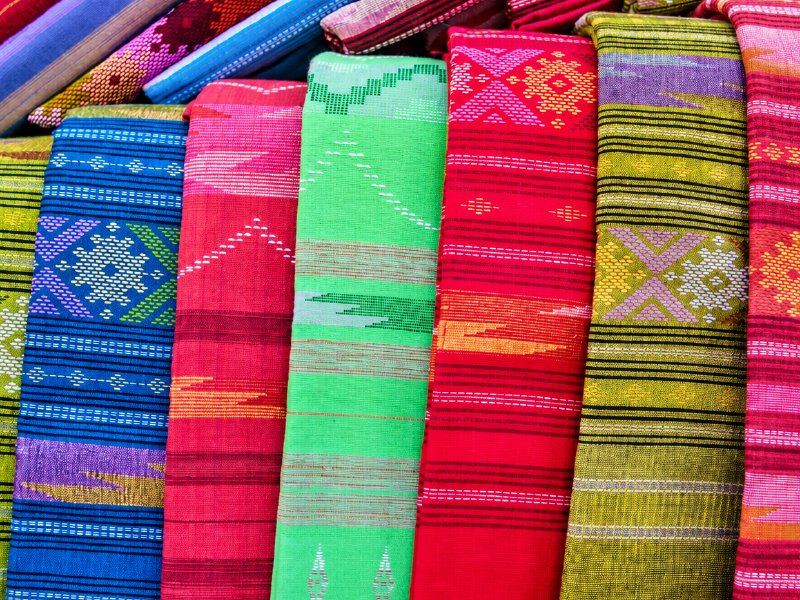
Jamdani Saree
Handmade heritage, patient skill and a living design tradition from Narayanganj
Explore More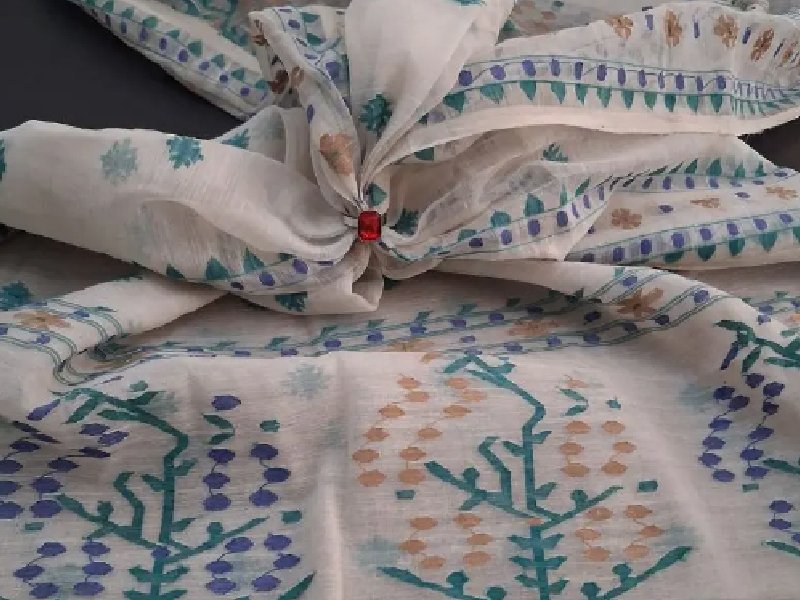
Dhakai Muslin
Handmade heritage, patient skill and a living design tradition from Dhaka.
Explore More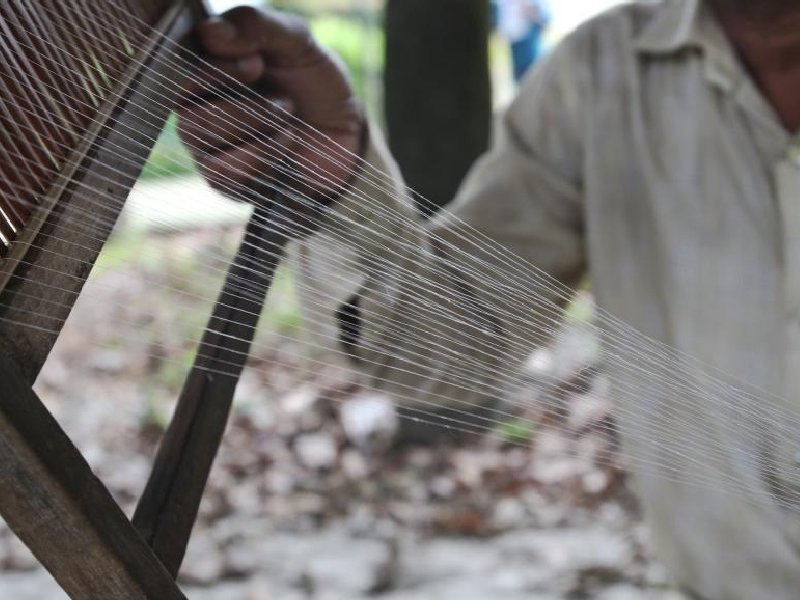
Dhakai Phuti Karpas Cotton
A distinctive crop shaped by local soil, farming knowledge and the seasons of Dhaka.
Explore More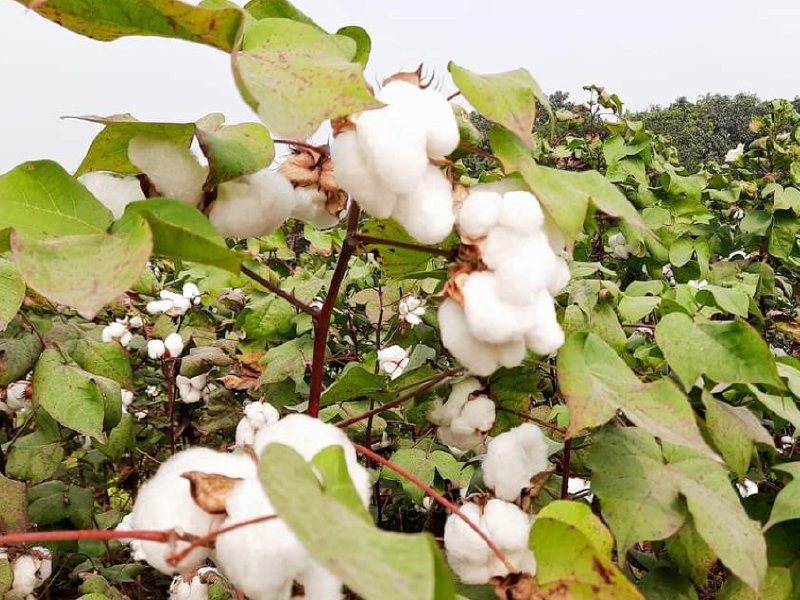
Dhakai Phuti Karpas Cotton Seed & Tree
A distinctive crop shaped by local soil, farming knowledge and the seasons of Dhaka.
Explore More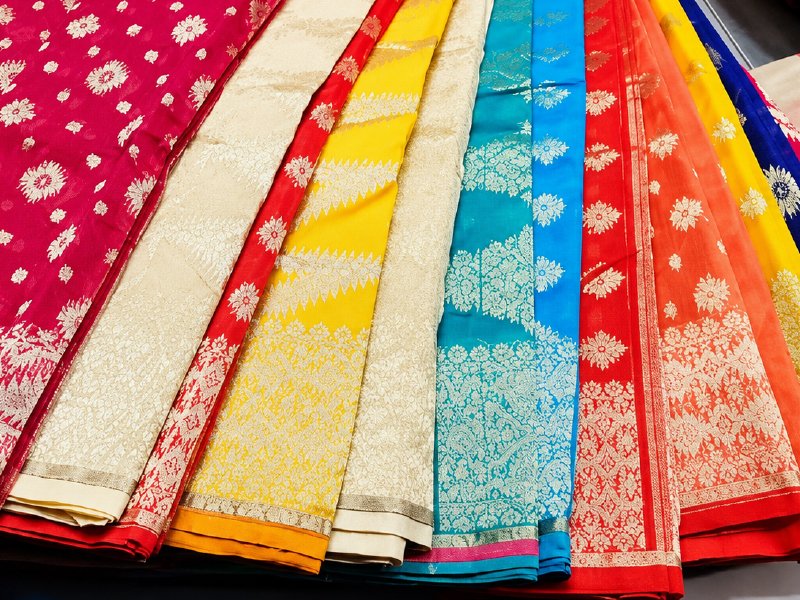
Tangail Saree
Handmade heritage, patient skill and a living design tradition from Tangail.
Explore More
Tangail Porabari Chomchom
A celebrated local taste shaped by skilled makers and the food culture of Tangail.
Explore More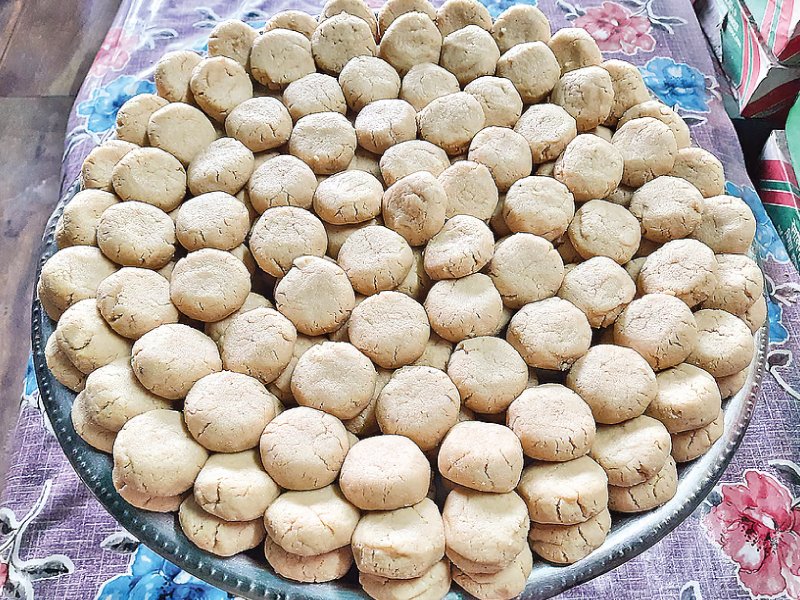
Tangail Mirzapur Jamurki Sandesh
A celebrated local taste shaped by skilled makers and the food culture of Tangail
Explore More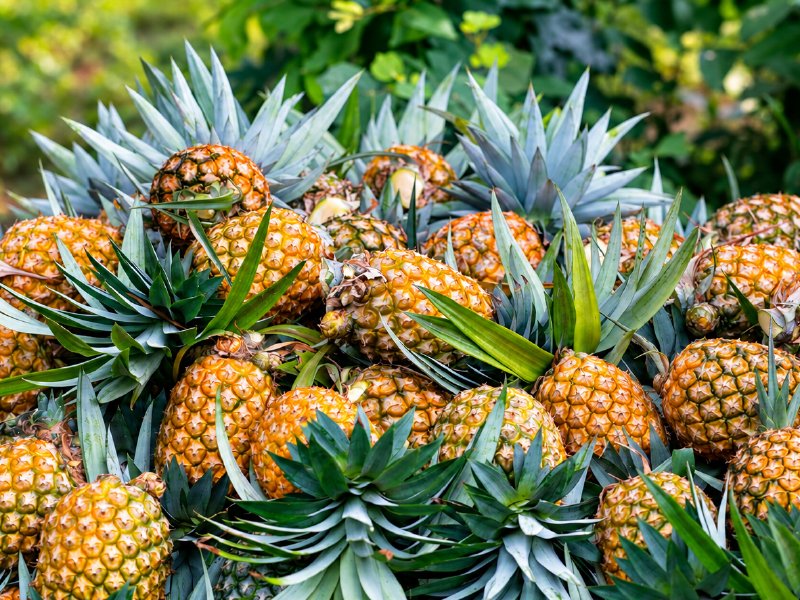
Madhupur Pineapple
A peak-season harvest that turns Tangail into a trail of colour, fragrance and flavour.
Explore More