

Madhupur Pineapple
A peak-season harvest that turns Tangail into a trail of colour, fragrance and flavour.
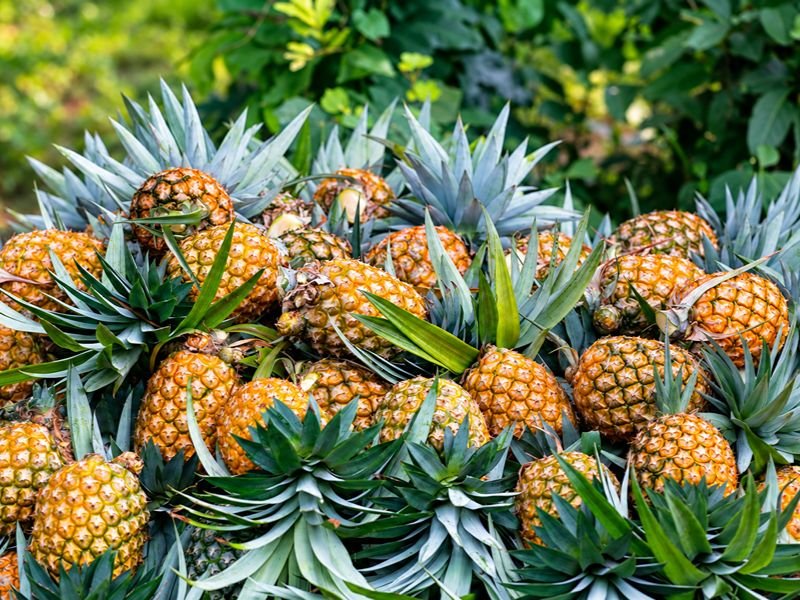
Chase the harvest to Tangail and taste Madhupur Pineapple where it grows.
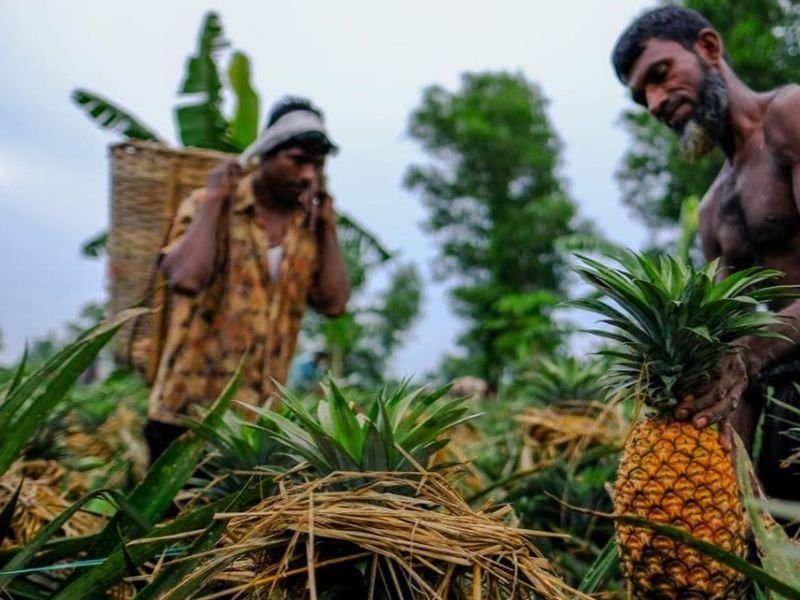
Madhupur Garh, a region defined by its undulating terrain and distinct, vibrant red soil. This ancient laterite earth is the birthplace of the Madhupur Pineapple, a fruit that has shaped the agricultural landscape and cultural identity of central Bangladesh. Far more than a simple tropical crop, this golden harvest is the result of a unique ecological synergy and a quiet revolution started by local indigenous communities. The origins of this celebrated cultivation trace back to the year 1942, deeply entwined with the heritage of the Garo community. A visionary woman named Mizi Dayamoyi Sangma, residing in the rural village of Idilpur, traveled to visit relatives in the neighboring hills of Meghalaya.
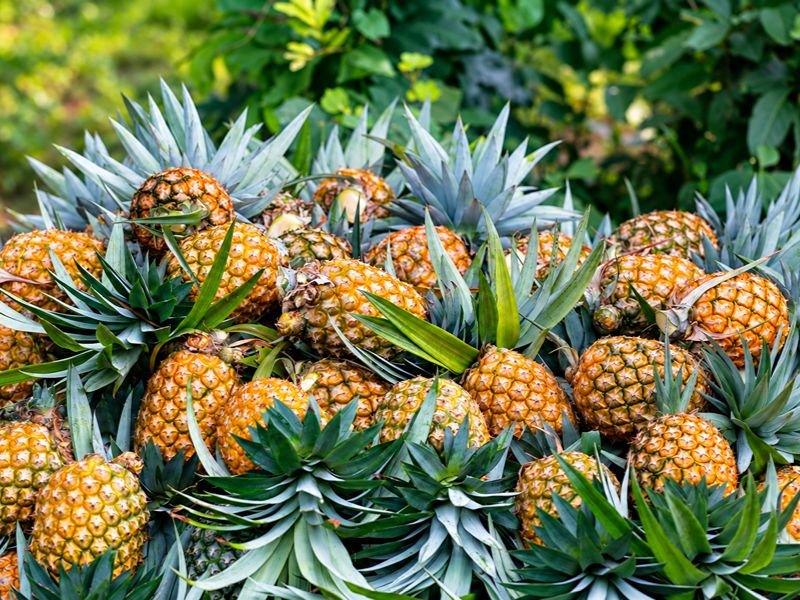
Upon her return, she brought back a modest collection of saplings. She planted them in her own courtyard, unaware that this small domestic garden would eventually transform the entire economic and agricultural trajectory of the Madhupur region. The plants flourished spectacularly, and soon, neighboring farmers adopted her methods, turning the undulating tracts into an expansive kingdom of pineapples. What makes the Madhupur Pineapple exceptional is its profound relationship with the local topography. The elevated hilly terrain ensures that rainwater drains perfectly, preventing any stagnation that might dilute the flavor of the fruit. Combined with the rich mineral composition of the red soil, this environment produces pineapples with an extraordinarily concentrated sweetness and a deeply fragrant aroma.
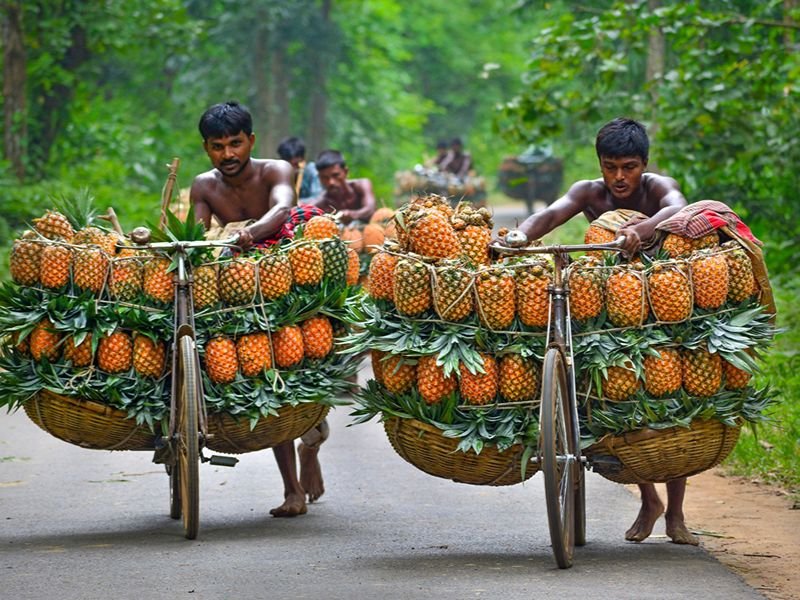
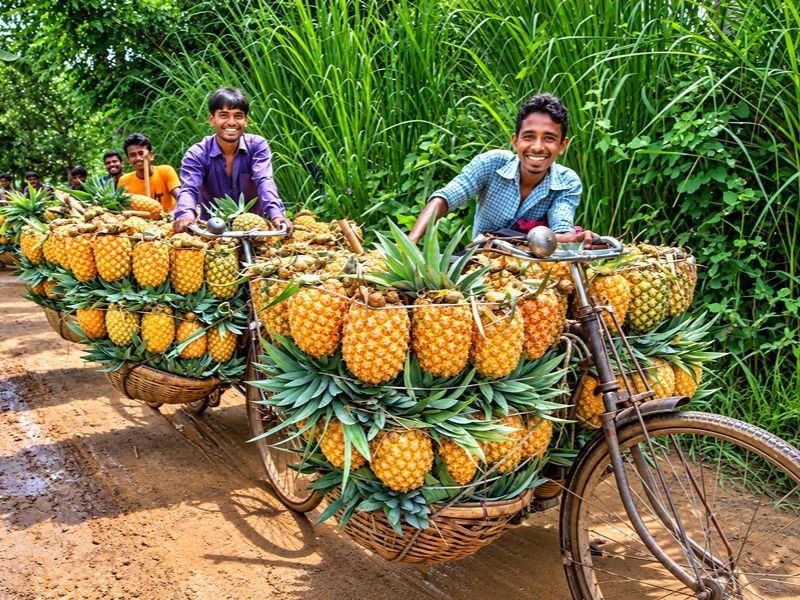
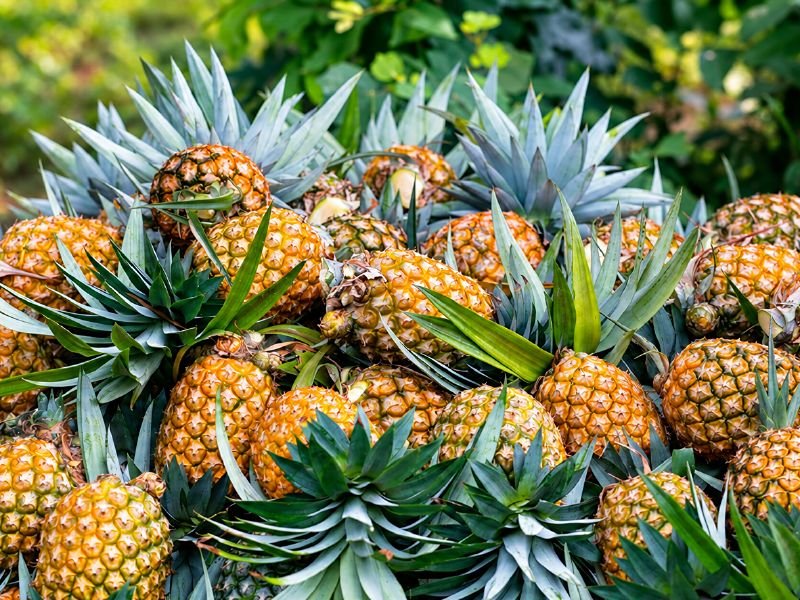
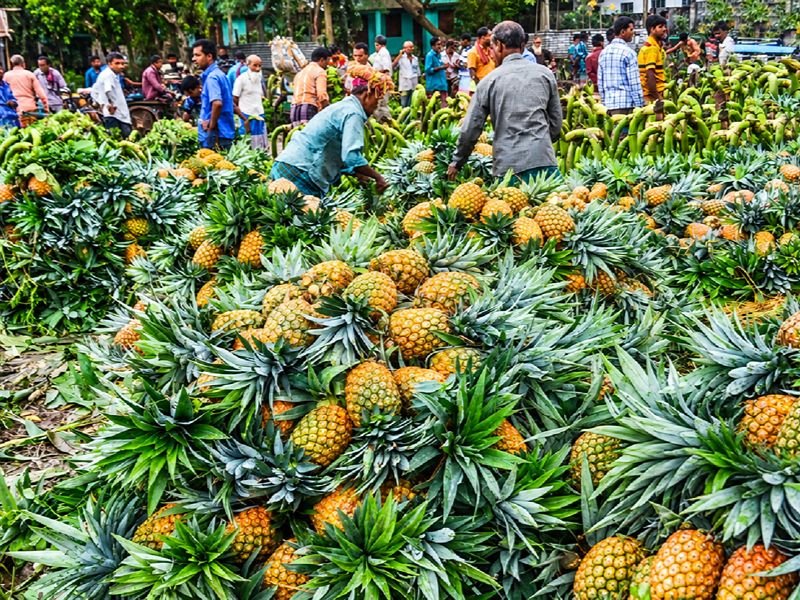
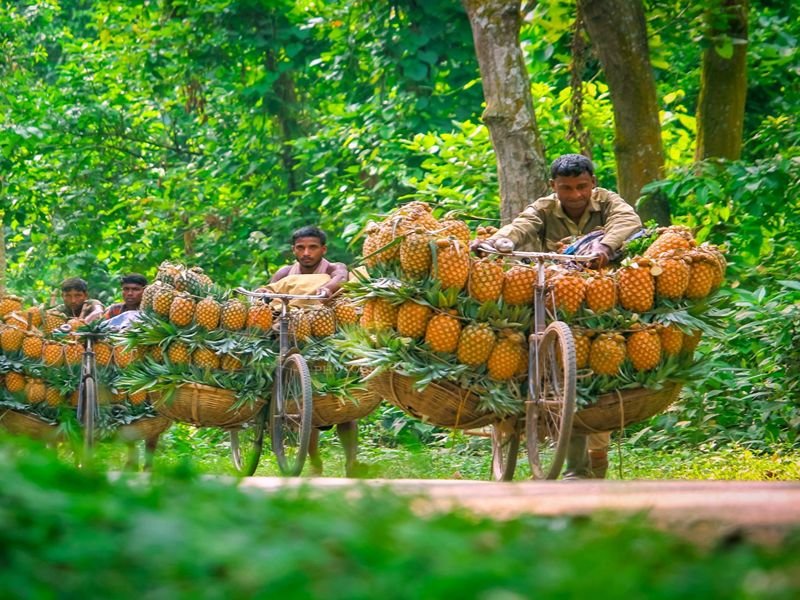
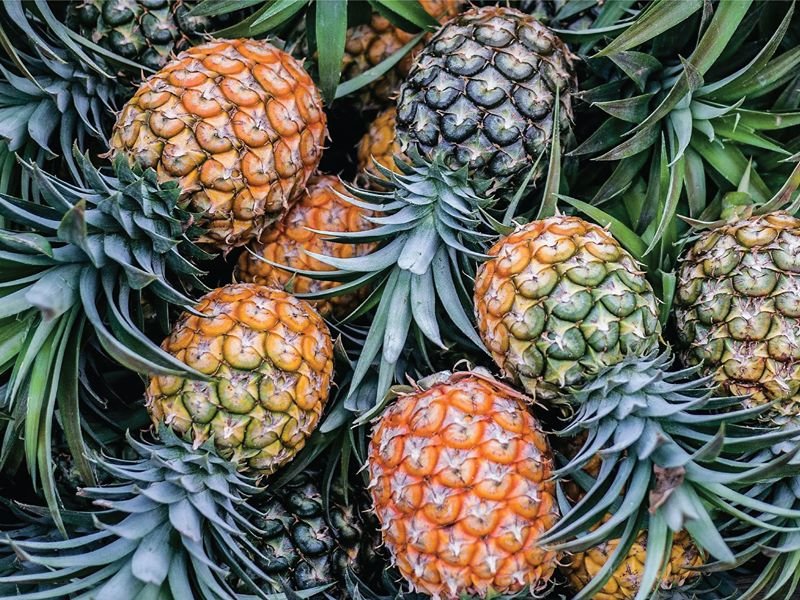
The region primarily cultivates two legendary varieties. The Giant Kew, known locally as Calendar, is prized for its substantial size and firm juicy flesh. The Honey Queen, locally called Jaldugi, offers a more delicate and intensely sweet profile that melts effortlessly on the palate. During the harvest season, the entire region transforms into a vibrant and bustling spectacle. Local trading hubs like the Jolchhatra market become alive with activity, where farmers transport mountains of freshly harvested pineapples on bicycles and wooden carts. The visual warmth of the golden fruits against the deep red earth creates a striking aesthetic that reflects the vitality of rural Bengal.
Immersive Experience
No 360° Videos available
Destination Gallery
Jamdani Saree
Handmade heritage, patient skill and a living design tradition from Narayanganj
Explore More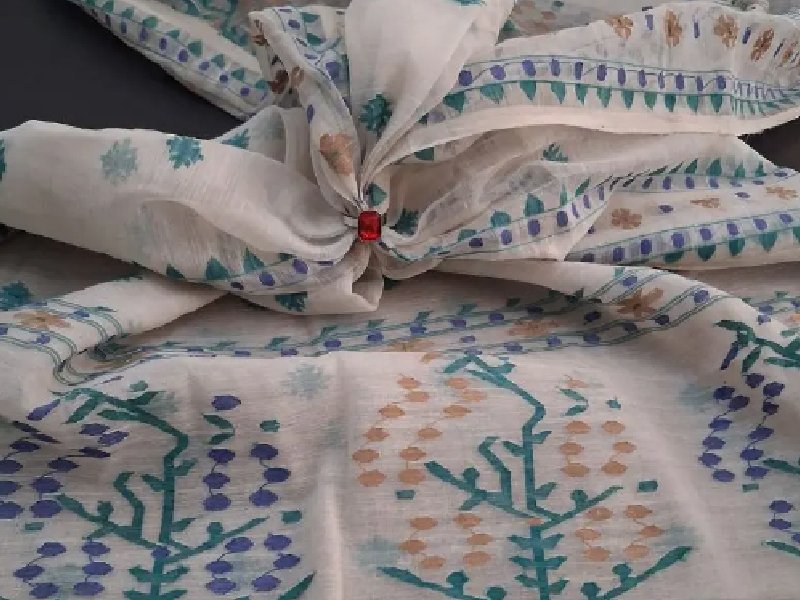
Dhakai Muslin
Handmade heritage, patient skill and a living design tradition from Dhaka.
Explore More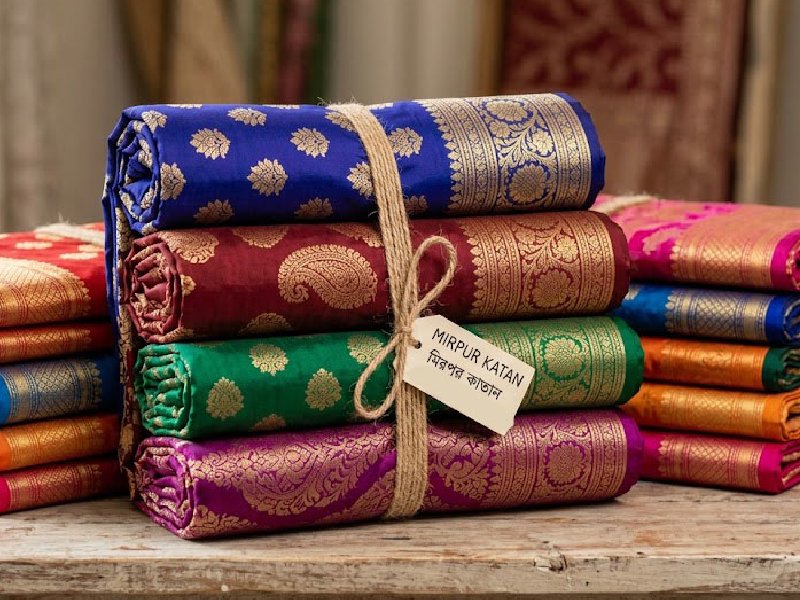
Mirpur Katan Saree
Handmade heritage, patient skill and a living design tradition from Dhaka.
Explore More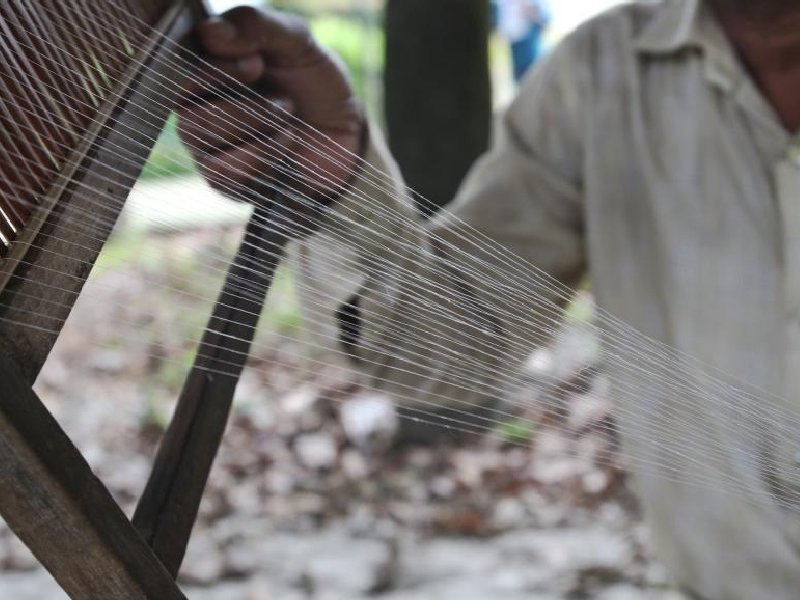
Dhakai Phuti Karpas Cotton
A distinctive crop shaped by local soil, farming knowledge and the seasons of Dhaka.
Explore More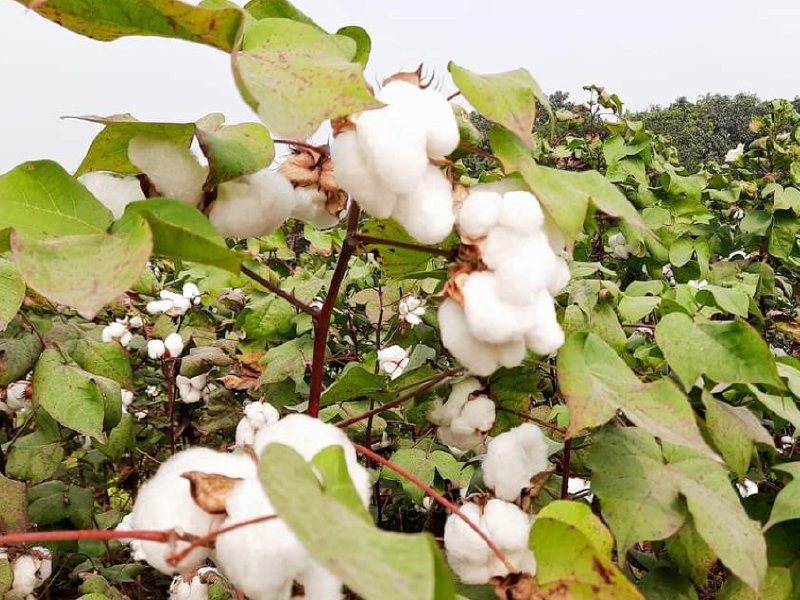
Dhakai Phuti Karpas Cotton Seed & Tree
A distinctive crop shaped by local soil, farming knowledge and the seasons of Dhaka.
Explore More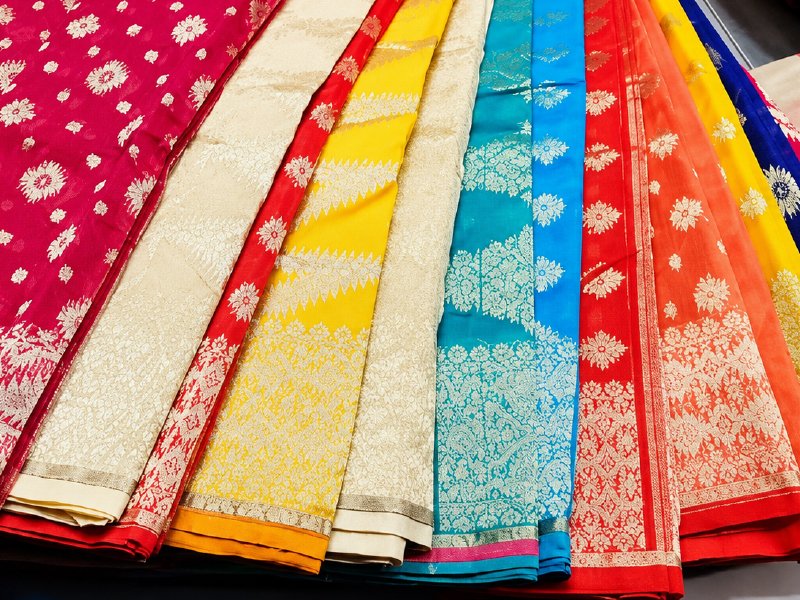
Tangail Saree
Handmade heritage, patient skill and a living design tradition from Tangail.
Explore More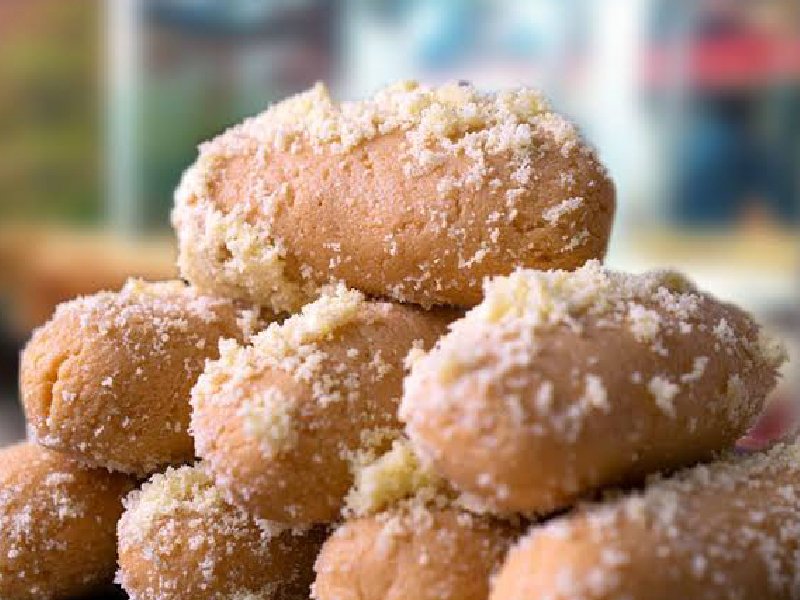
Tangail Porabari Chomchom
A celebrated local taste shaped by skilled makers and the food culture of Tangail.
Explore More
Tangail Mirzapur Jamurki Sandesh
A celebrated local taste shaped by skilled makers and the food culture of Tangail
Explore More