

Tangail Porabari Chomchom
A celebrated local taste shaped by skilled makers and the food culture of Tangail.
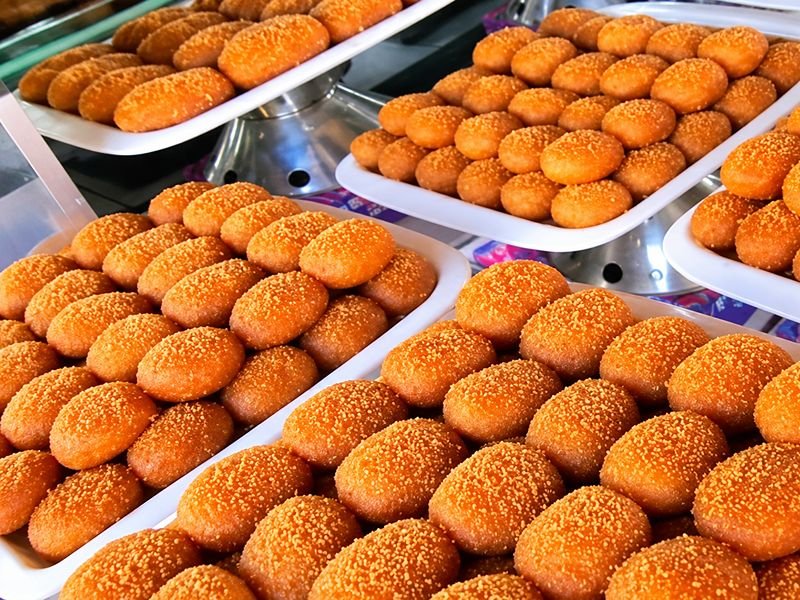
Go straight to the source in Tangail and taste Tangail Porabari Chomchom fresh.
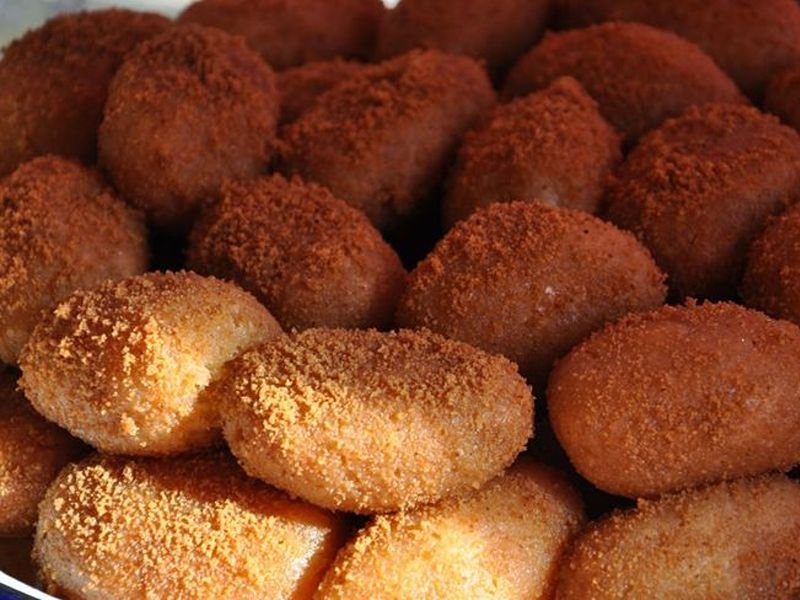
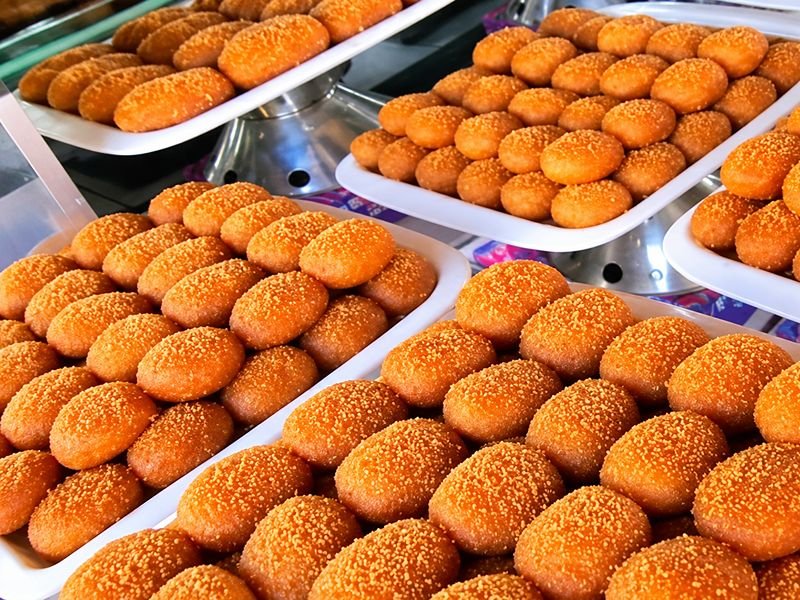
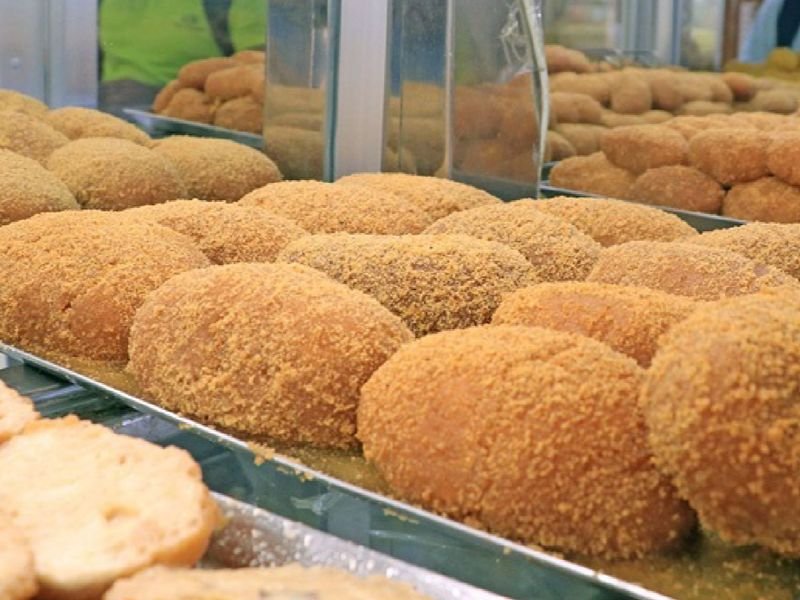
The district of Tangail is celebrated for two distinct masterpieces: its intricately handwoven textiles and an unforgettable dessert known as the Porabari Chomchom. Standing out dramatically from the pale, delicate confections typical of South Asia, this robust, amber-hued sweet commands immediate attention. Biting into a freshly made Chomchom is a masterclass in contrasting textures; a slightly firm, caramelized outer crust that surrenders to a highly porous, honeycomb-like interior completely saturated with rich, slow-cooked syrup. The visual appeal alone is enough to draw any food enthusiast in. Each oval-shaped delicacy is traditionally rolled in a generous, snowy dusting of mawa (crumbled, dried milk solids). This clever addition provides a savory, creamy counterbalance to the intense, roasted sweetness of the core.
If your travel itinerary includes wandering through the vibrant, rhythmic handloom villages of Tangail, pairing that visual experience with a serving of this dense, roasted-milk confection is absolutely essential. Served warm directly from the brass trays of local sweetmeat stalls, it offers a deeply satisfying, sugary rush that perfectly complements a cup of strong, black tea. It is not just a snack to fuel your travels; it is a profound, sensory introduction to the artisanal pride of the region. The deep, dark flavor profile of the Porabari Chomchom is no accident; it is the result of a fascinating 150-year-old legacy tied intrinsically to the waterways of the Bengal delta. In the mid-19th century, a visionary confectioner named Dasharath Gour arrived in Porabari, which was then a bustling, prosperous river port on the banks of the mighty Dhaleshwari.
Drawing inspiration from the vibrant trade hub, he began experimenting with fresh cow’s milk cottage cheese (chhana), boiling it relentlessly in thick sugar syrup over open wood fires. Local lore insists that the unparalleled flavor of the original Chomchom was a direct gift from nature. The water of the Dhaleshwari River, possessing a unique mineral composition at the time, was used to boil the sweets, imparting a subtle, irreplicable taste that could not be duplicated anywhere else.
Immersive Experience
No 360° Videos available
Destination Gallery
Jamdani Saree
Handmade heritage, patient skill and a living design tradition from Narayanganj
Explore More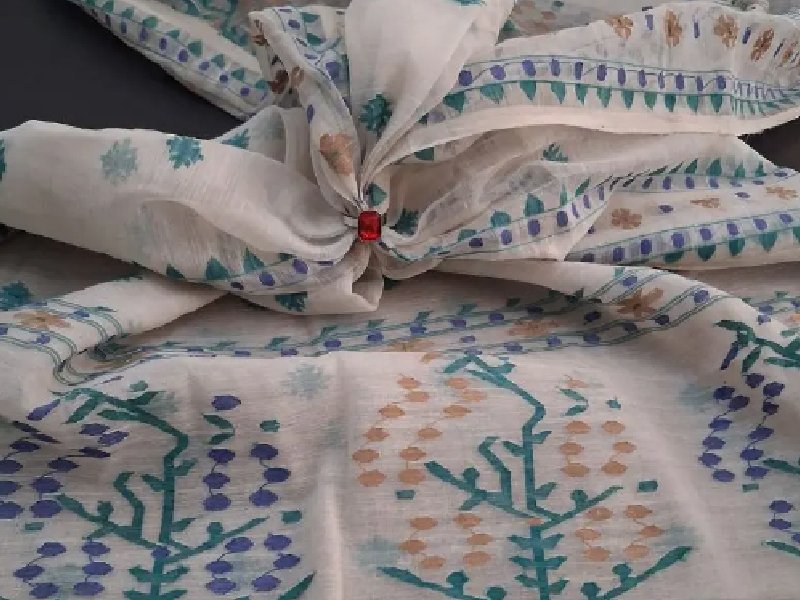
Dhakai Muslin
Handmade heritage, patient skill and a living design tradition from Dhaka.
Explore More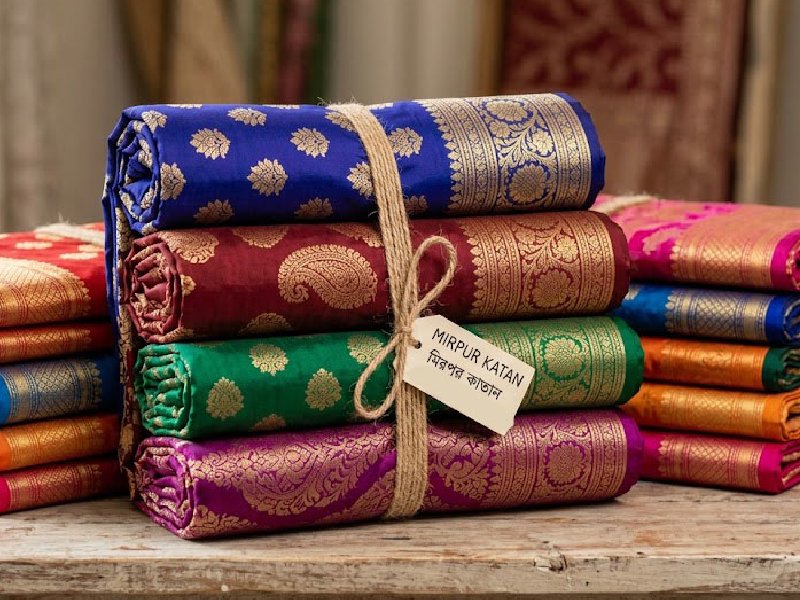
Mirpur Katan Saree
Handmade heritage, patient skill and a living design tradition from Dhaka.
Explore More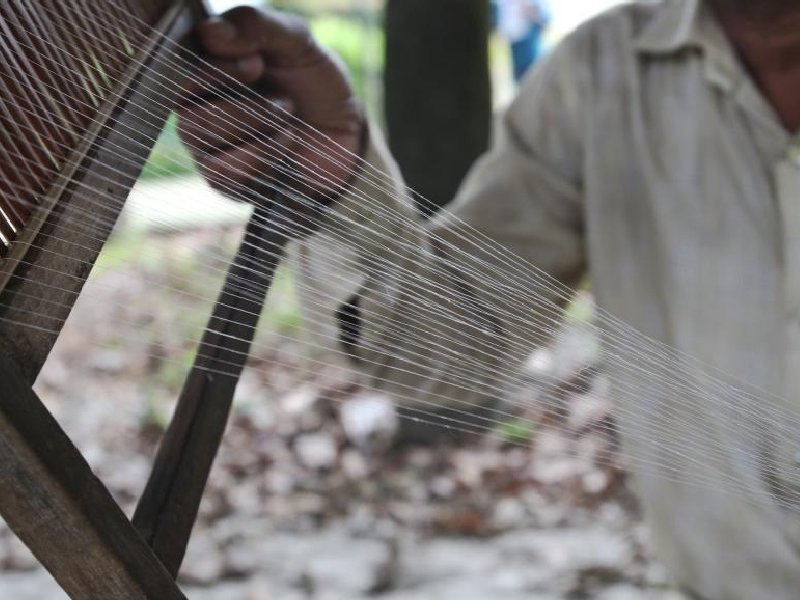
Dhakai Phuti Karpas Cotton
A distinctive crop shaped by local soil, farming knowledge and the seasons of Dhaka.
Explore More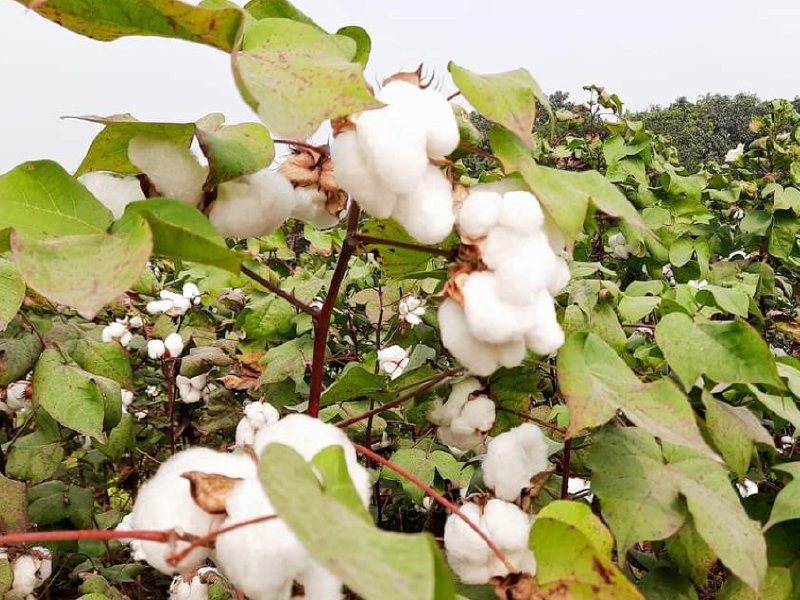
Dhakai Phuti Karpas Cotton Seed & Tree
A distinctive crop shaped by local soil, farming knowledge and the seasons of Dhaka.
Explore More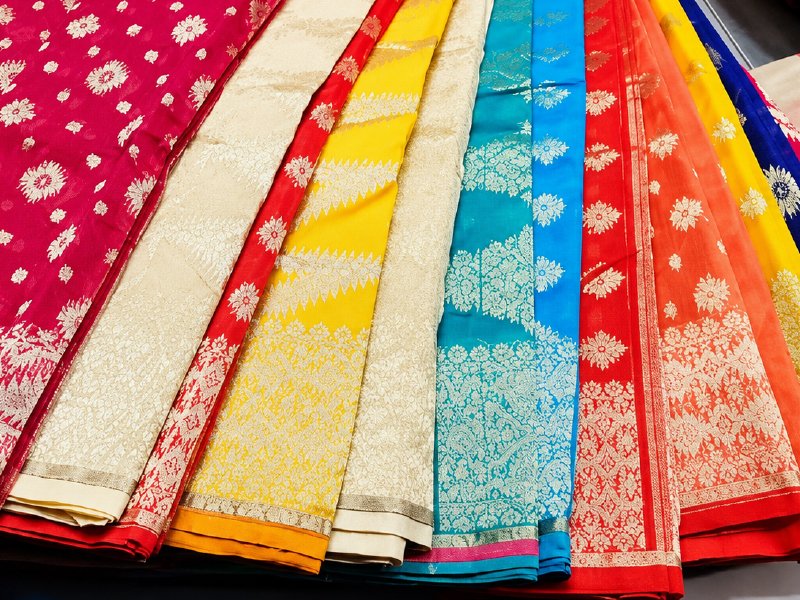
Tangail Saree
Handmade heritage, patient skill and a living design tradition from Tangail.
Explore More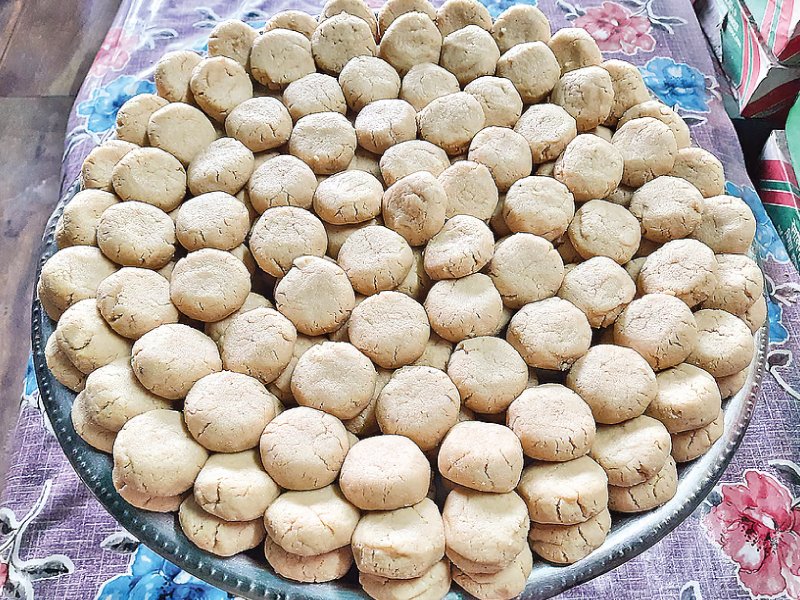
Tangail Mirzapur Jamurki Sandesh
A celebrated local taste shaped by skilled makers and the food culture of Tangail
Explore More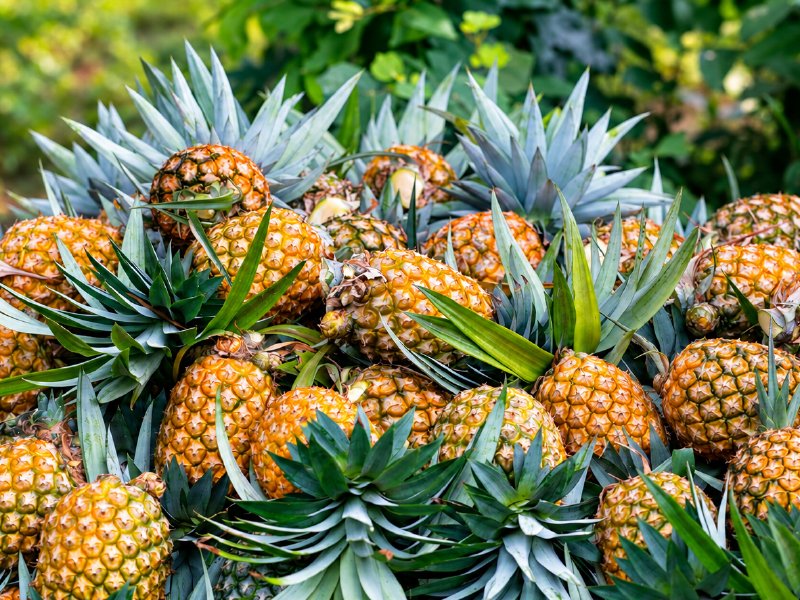
Madhupur Pineapple
A peak-season harvest that turns Tangail into a trail of colour, fragrance and flavour.
Explore More