

Janmashtami
Follow Krishna’s birthday from temple vigils to a vivid procession through Old Dhaka
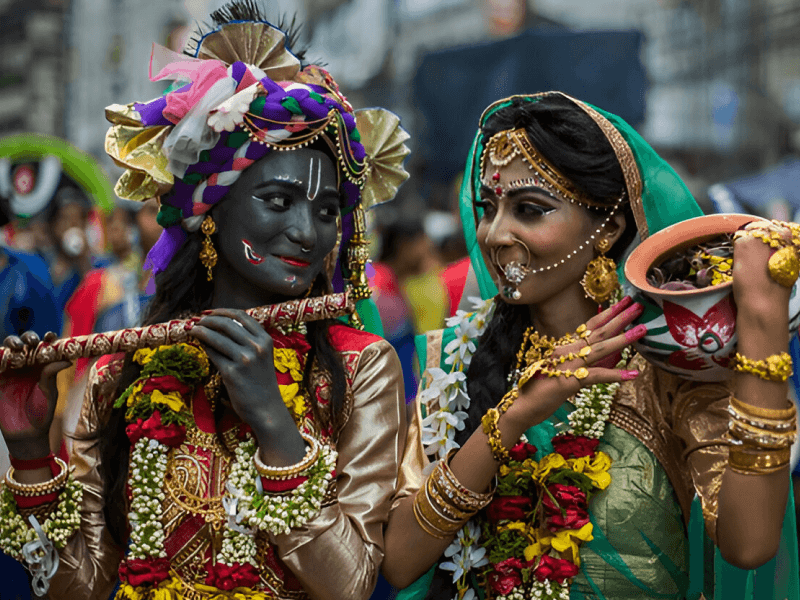
Immersed in colour, music, and centuries-old traditions, Janmashtami—the joyous celebration of Lord Krishna's birth—offers one of the most vibrant and culturally immersive street spectacles in Bangladesh. Falling in the humid, monsoon-kissed months of August or September, this auspicious day is celebrated with deep spiritual fervor by the Hindu community.
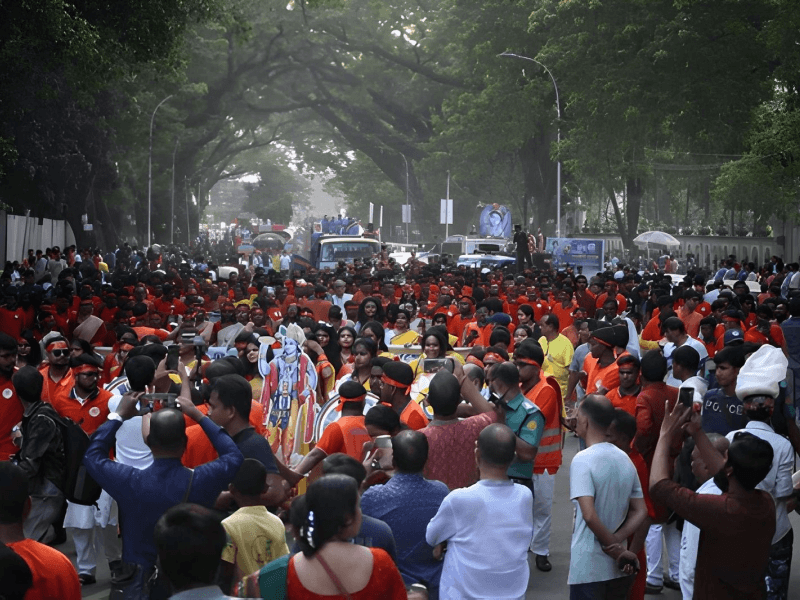
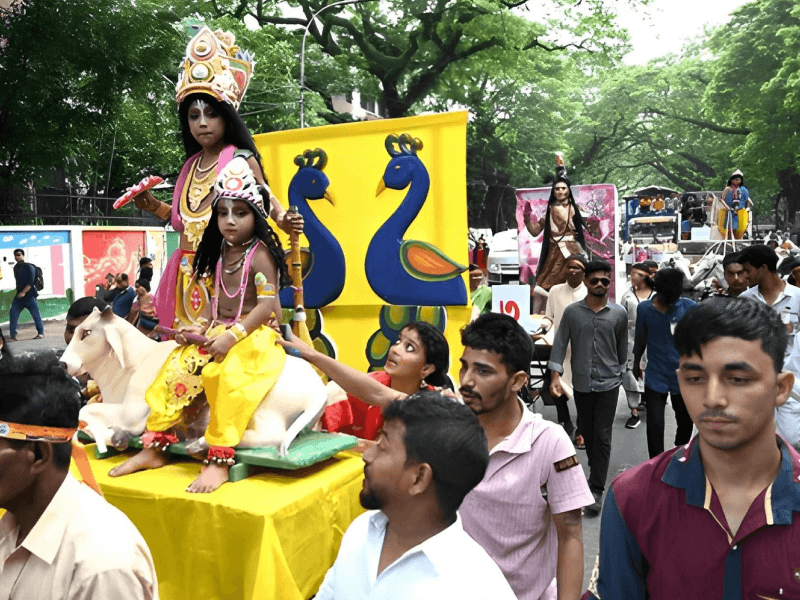
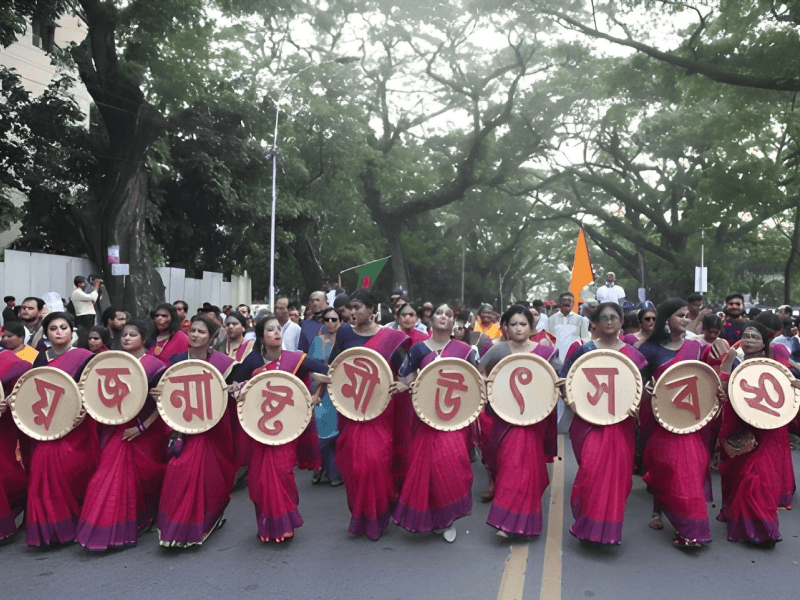
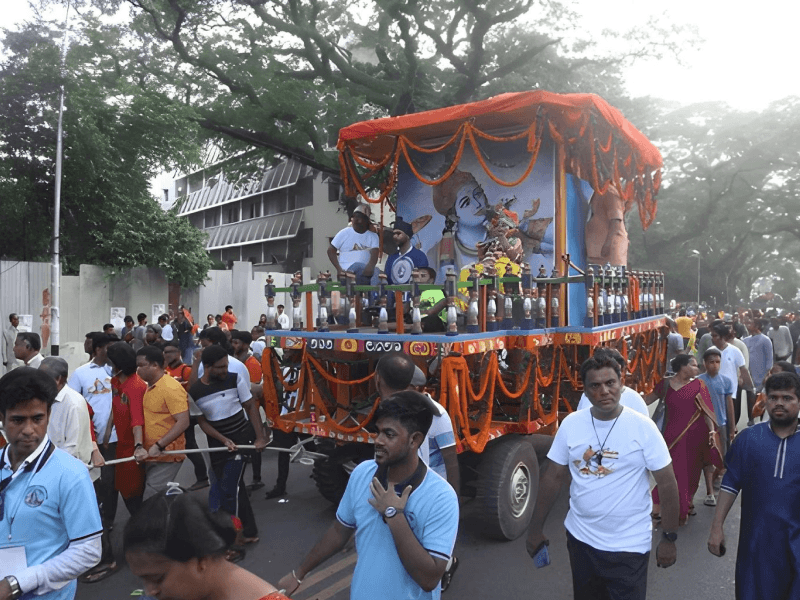
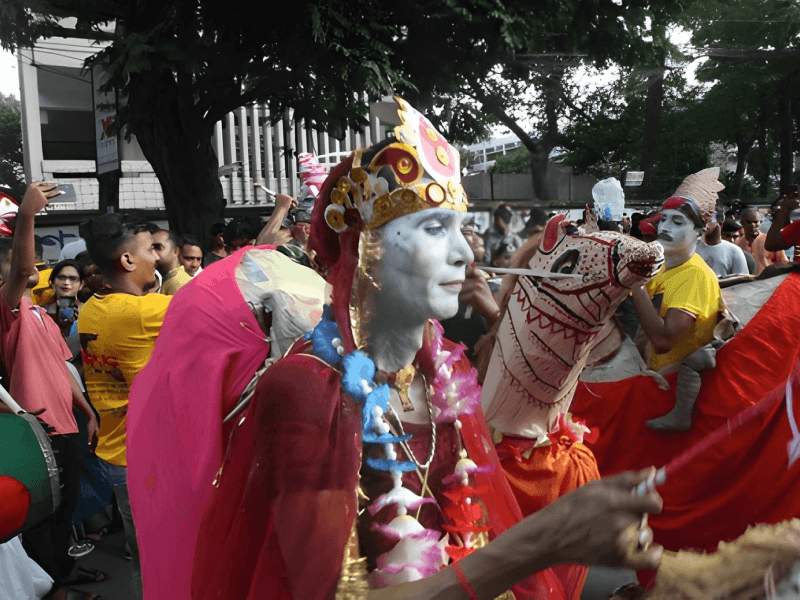
Today, it remains a roaring, joyful continuation of that heritage. As the afternoon sun begins to soften, the historic streets of Old Dhaka—particularly around the Dhakeshwari National Temple and Nawabpur Road—transform into a sprawling, kinetic river of celebration. These mobile stages depict dramatic, ancient scenes from the life of Krishna, crafted with a level of theatricality and artistic flair that is simply mesmerizing to witness.
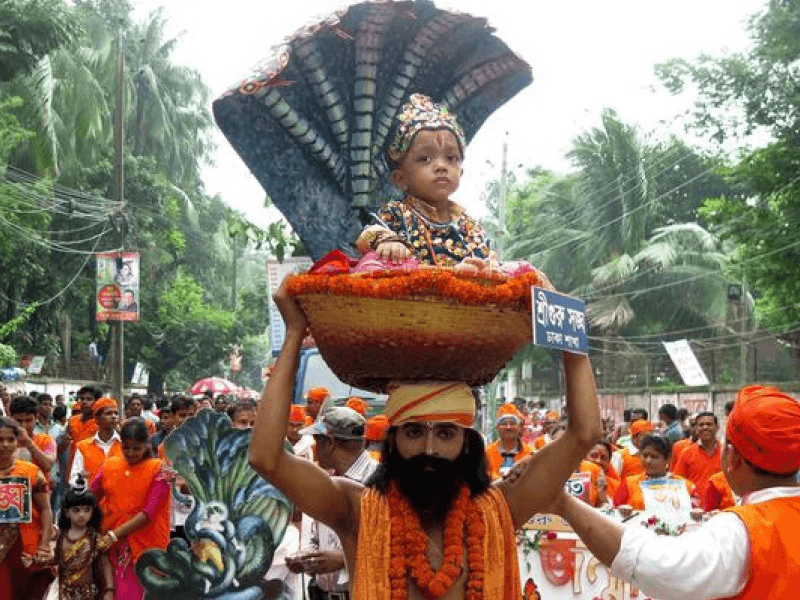
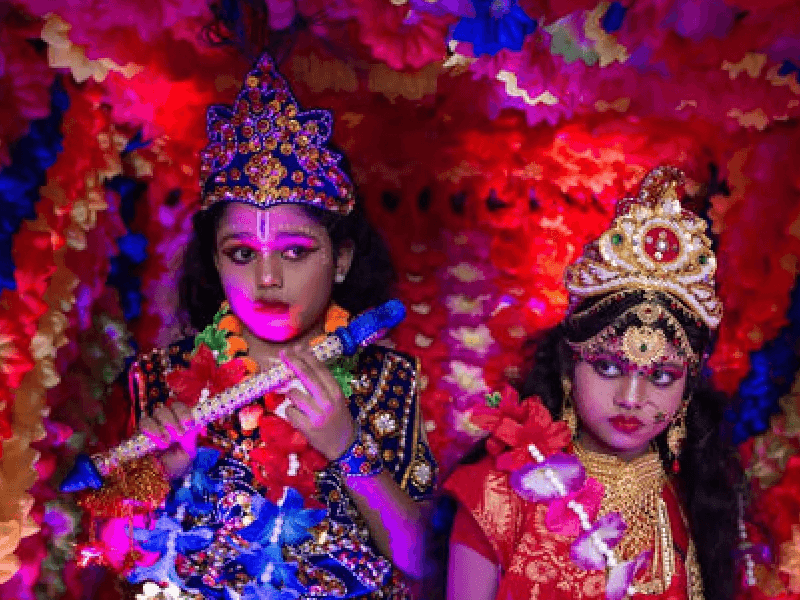
The sheer energy of the street parade is infectious. Devotees and onlookers line the streets as music, chanting and movement build along the route. The air vibrates with the continuous blowing of conch shells, the rhythmic striking of cymbals, and the chanting of devotional hymns. Perhaps the most charming and photogenic aspect of the entire festival is the sight of hundreds of young children dressed impeccably as the blue-skinned Krishna and his beloved Radha. Adorned with peacock feathers, bright silks, and floral garlands, these young participants ride the floats or walk hand-in-hand through the crowds, adding an undeniable layer of innocence and warmth to the grand spectacle.
Beyond the bustling streets, Janmashtami is also a time of intense midnight devotion. Temples across the country, beautifully illuminated and decorated with fresh flowers, host late-night prayer vigils leading up to the exact moment of Krishna's birth at midnight. Devotees break their day-long fasts with special vegetarian feasts and share blessed food with everyone present. Experiencing Janmashtami in Bangladesh is a thrilling journey into the heart of the country's pluralistic history.
The Dhaka procession is powerful precisely because it is a living religious event. Stand behind crowd-control lines, keep the route clear and ask before photographing children dressed as Krishna or Radha. Temple vigils may continue toward midnight, but interior access can tighten during worship. Road closures around Dhakeshwari and Old Dhaka can outlast the procession, so arrange a distant pickup point. Published claims about the rally’s exact age, length or crowd size vary; the page should focus on what visitors can responsibly experience now and reconfirm the annual route with organisers and police.
Immersive Experience
No 360° Videos available
Destination Gallery
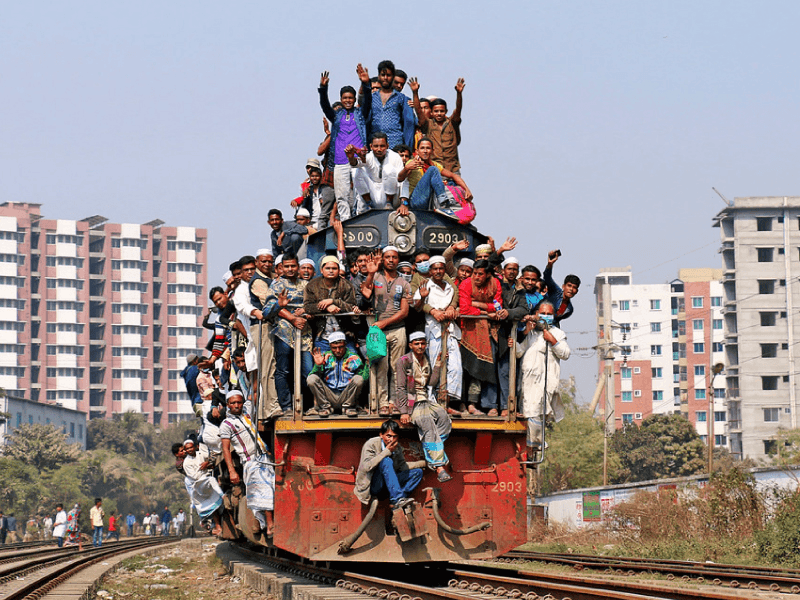
Biswa Ijtema
Witness one of the world’s largest Muslim congregations gather beside the Turag River.
Explore More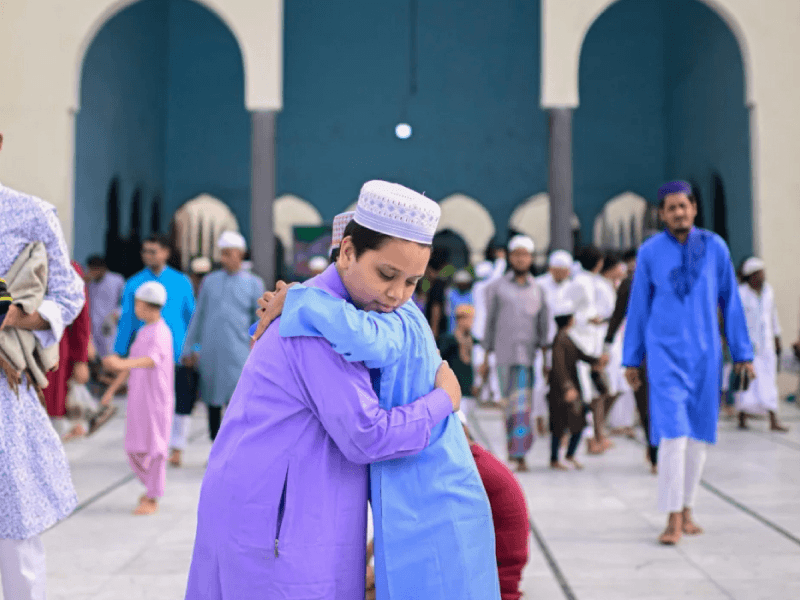
Eid-al-Fitr
Follow the Shawwal moon into a nationwide morning of prayer, semai and homecoming
Explore More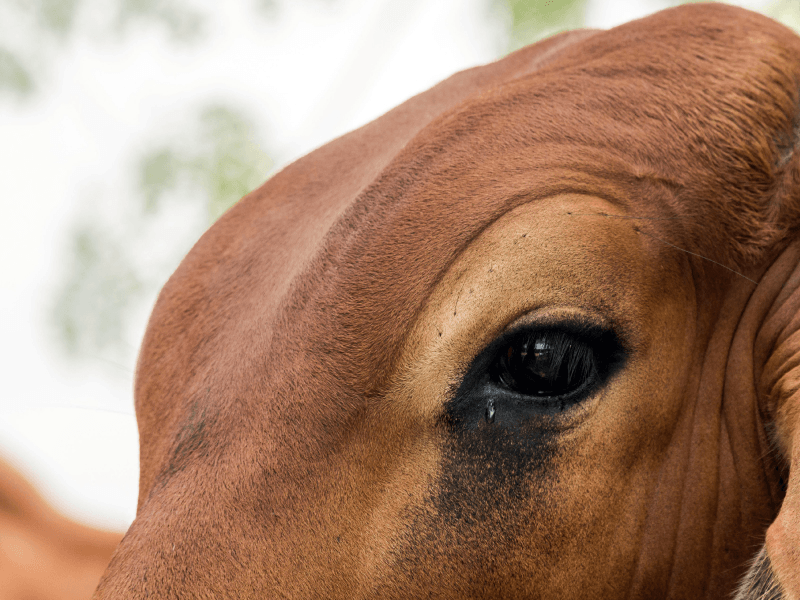
Eid-al-Adha
Experience a nationwide festival shaped by prayer, sacrifice and the sharing of food
Explore More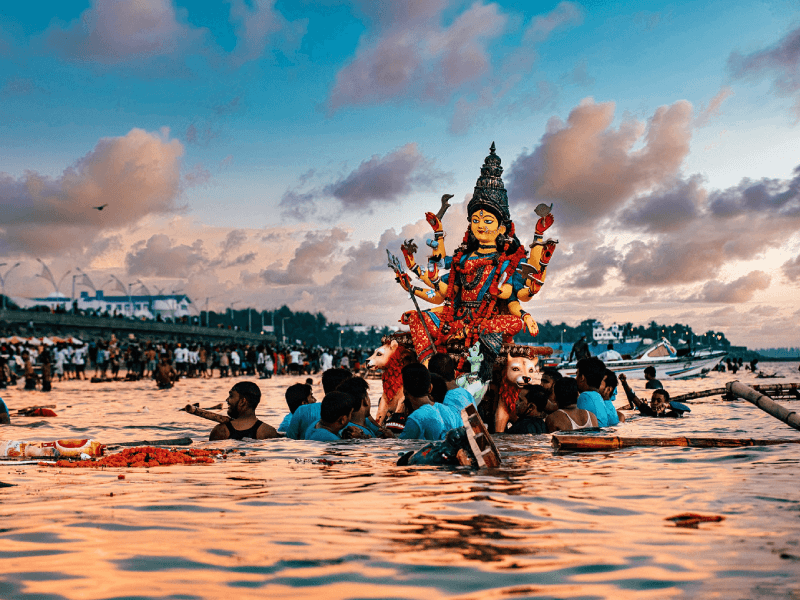
Durga Puja
Follow five autumn days of art, dhak rhythms and devotion toward Bijoya Dashami
Explore More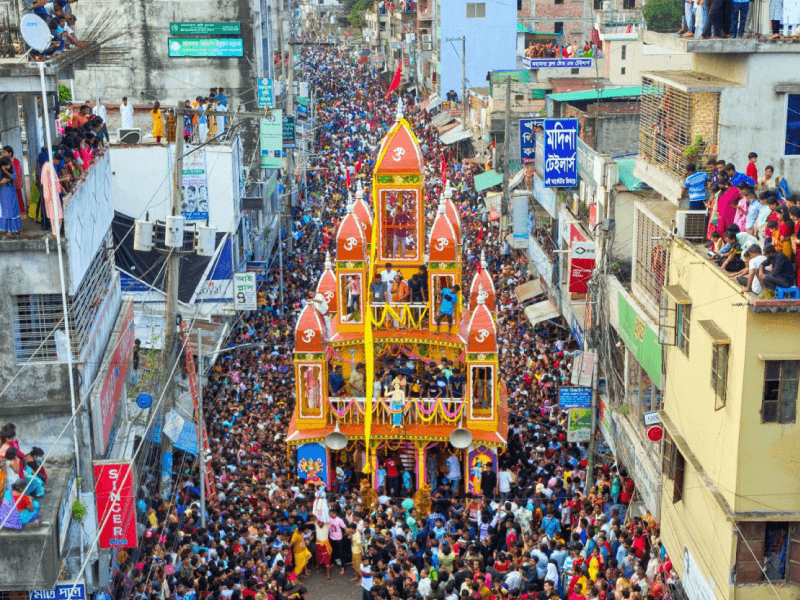
Chariot Festival (Rath Yatra)
Watch Dhamrai pull its historic Jagannath chariot through rain-washed streets
Explore More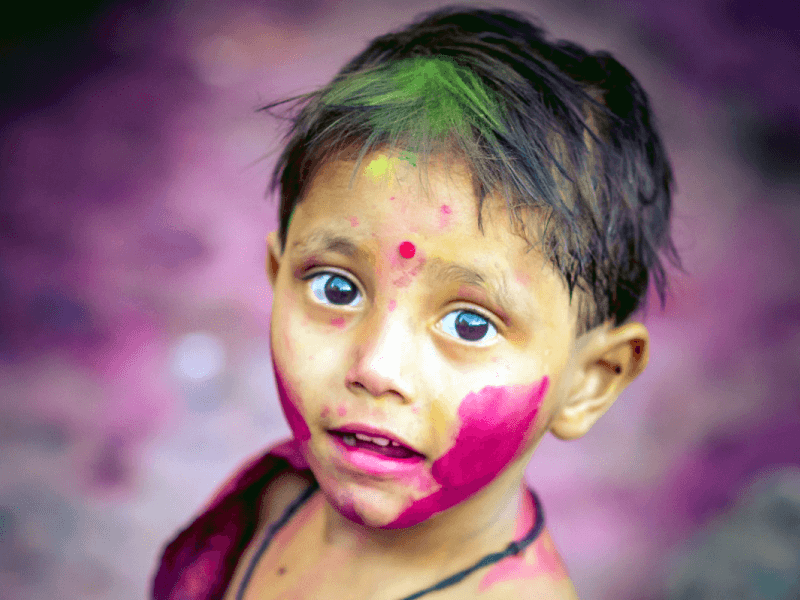
Doljatra
Meet spring on the full moon of Phalgun through colour, kirtan and Krishna devotion
Explore More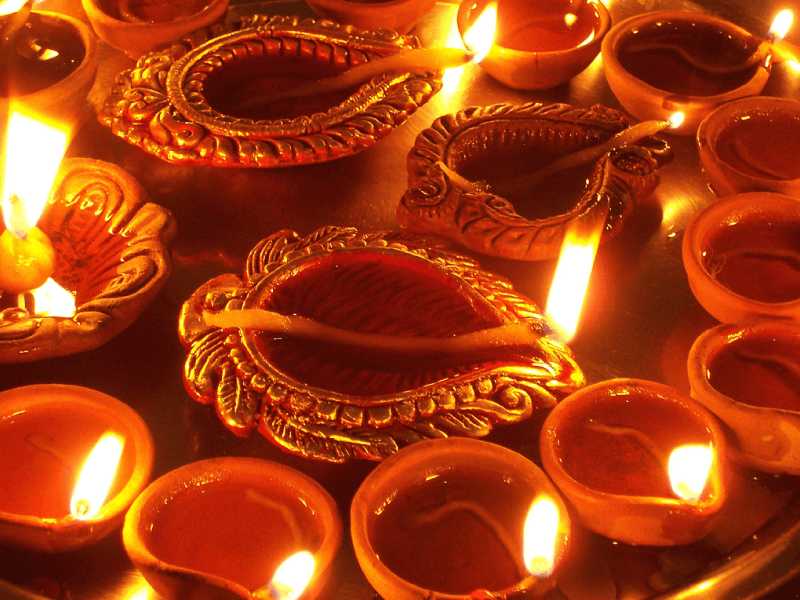
Diwali and Shyama Puja
Follow earthen lamps into a new-moon night of home ritual and Kali worship
Explore More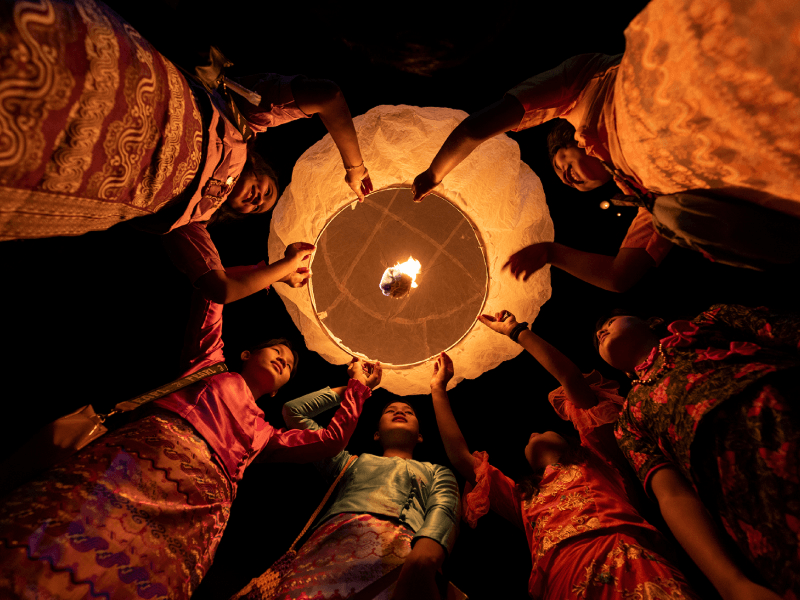
Buddha Purnima
Enter the full moon of Boishakh through chanting, candlelight and acts of compassion
Explore More