

Eid-al-Fitr
Follow the Shawwal moon into a nationwide morning of prayer, semai and homecoming
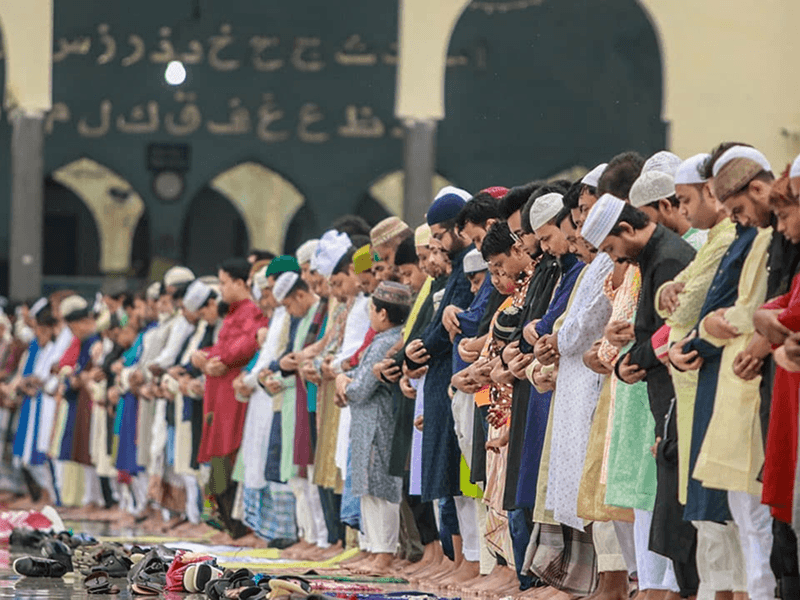
When the new crescent moon of Shawwal graces the night sky, Bangladesh awakens to a morning of unparalleled, infectious jubilation. Eid-al-Fitr, marking the triumphant end of the sacred month of Ramadan, is not merely a religious festival; it is the rhythmic heartbeat of the nation, pulsating with joy, boundless generosity, and an overwhelming sense of homecoming. The sheer scale of this celebration physically and emotionally transforms the entire country.
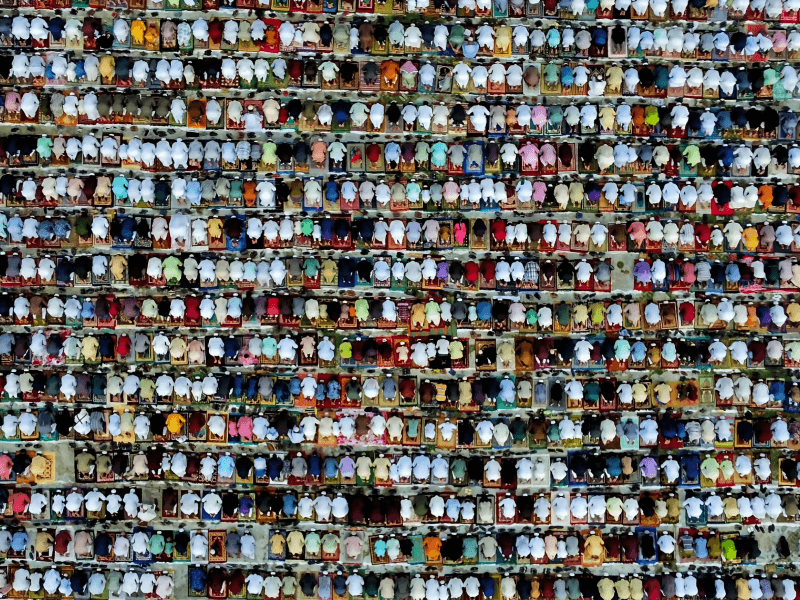
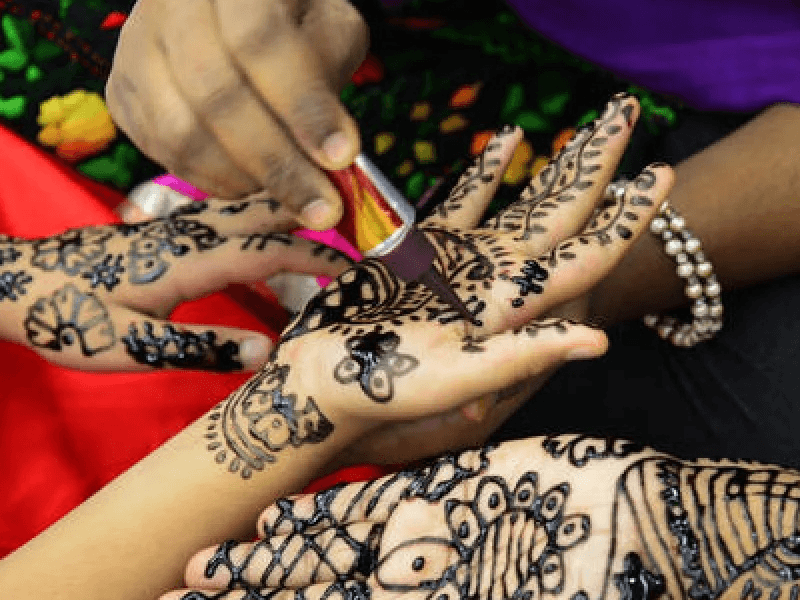
The morning of Eid is an unforgettable sensory delight. As dawn breaks, the air fills with the rich fragrance of traditional attar (perfume) and the sweet, comforting aroma of semai (vermicelli cooked in milk, sugar, and spices) wafting from every kitchen. Dressed in vibrant, newly tailored traditional attire—men in elegant, embroidered panjabis and women in dazzling sarees or salwar kameez—people flock to open-air prayer grounds. The visual spectacle of the Eid Jamaat (congregation) is breathtaking. It is a powerful, living display of egalitarianism where the wealthy and the working class pray side by side, united in profound gratitude.
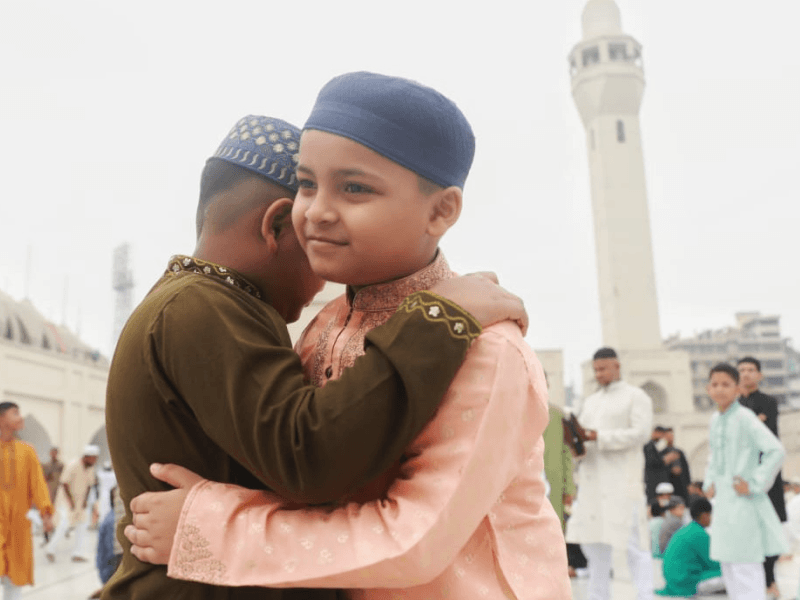
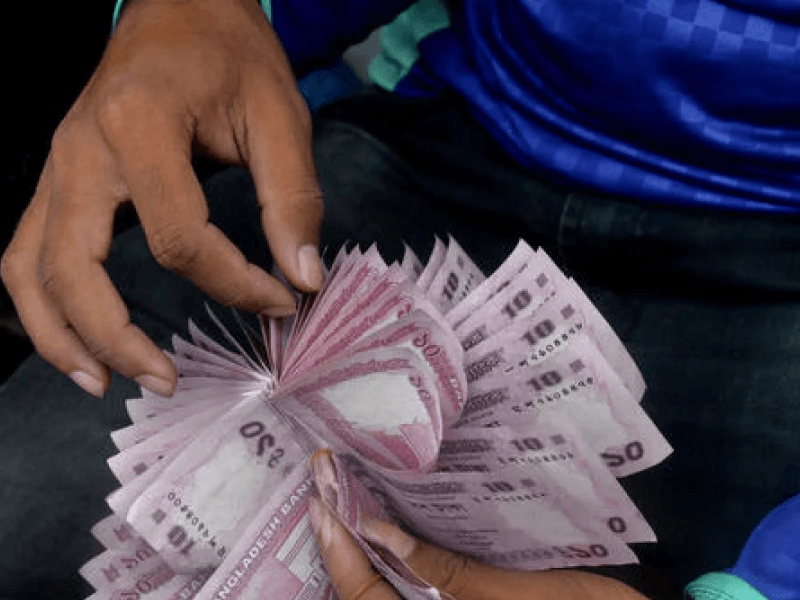
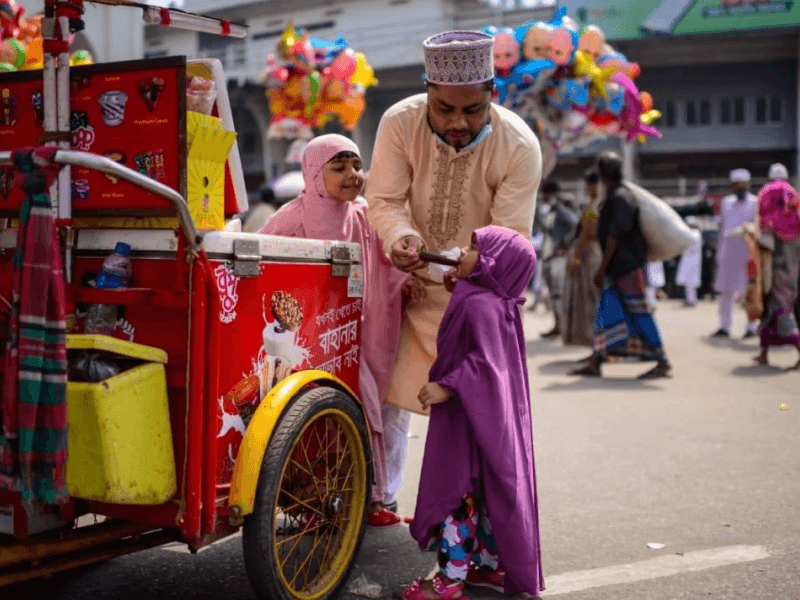
What makes Eid-al-Fitr in Bangladesh truly exceptional for any visitor is the unbounded, open-hearted hospitality. It is customary to visit friends, neighbors, and even casual acquaintances, where hosts lovingly insist on serving an endless array of rich, traditional delicacies. Children run through the streets, their pockets jingling with Eidi or Salami—crisp, new banknotes gifted by elders as a token of love and blessing.
Crucially, this tradition of giving extends far beyond the family unit; it is a time when charity flows freely to ensure that the less fortunate also partake in the magnificent festivities. To experience Eid in Bangladesh is to witness the vibrant soul of the country at its brightest. The streets are adorned with colourful flags and banners wishing "Eid Mubarak" in Bengali and Arabic.
For a visitor, the day works best through an invitation from friends, a hotel programme or an accessible public area near—but not inside—a prayer congregation. Dress modestly, avoid photographing worship and do not enter an Eidgah during prayer unless participating appropriately. Intercity terminals become extremely busy before and after the holiday, so avoid last-minute road travel. Many restaurants, museums and shops close or run reduced hours. If invited home, follow the host’s lead on shoes, seating and food, and remember that hospitality is a gift rather than a performance arranged for tourists.
Immersive Experience
No 360° Videos available
Destination Gallery
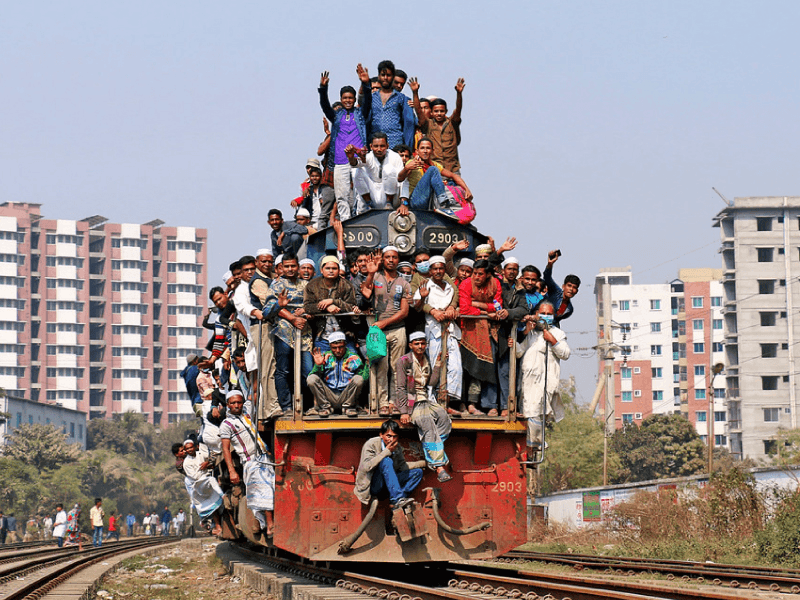
Biswa Ijtema
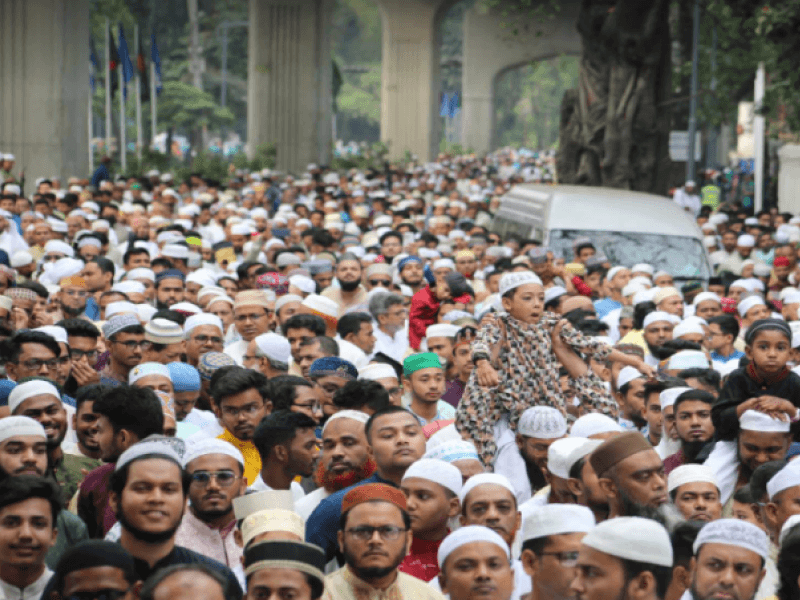
Witness one of the world’s largest Muslim congregations gather beside the Turag River.
Explore More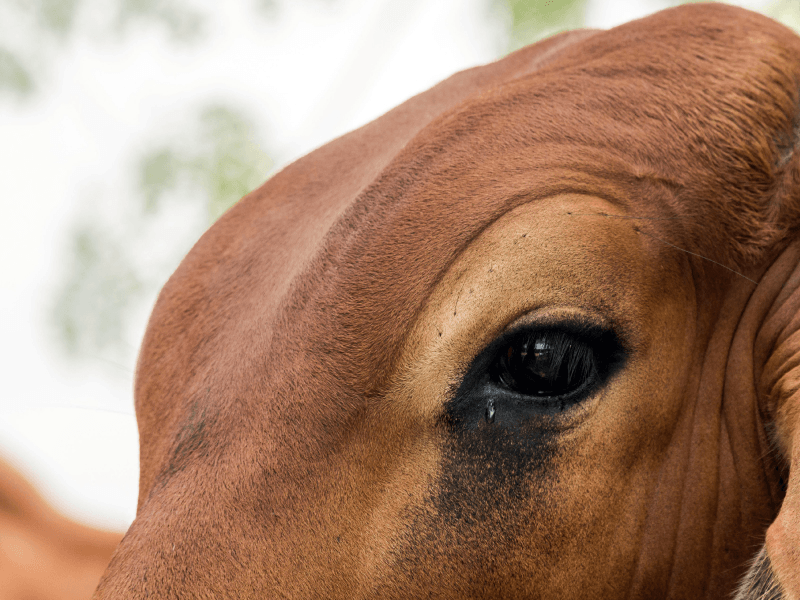
Eid-al-Adha
Experience a nationwide festival shaped by prayer, sacrifice and the sharing of food
Explore More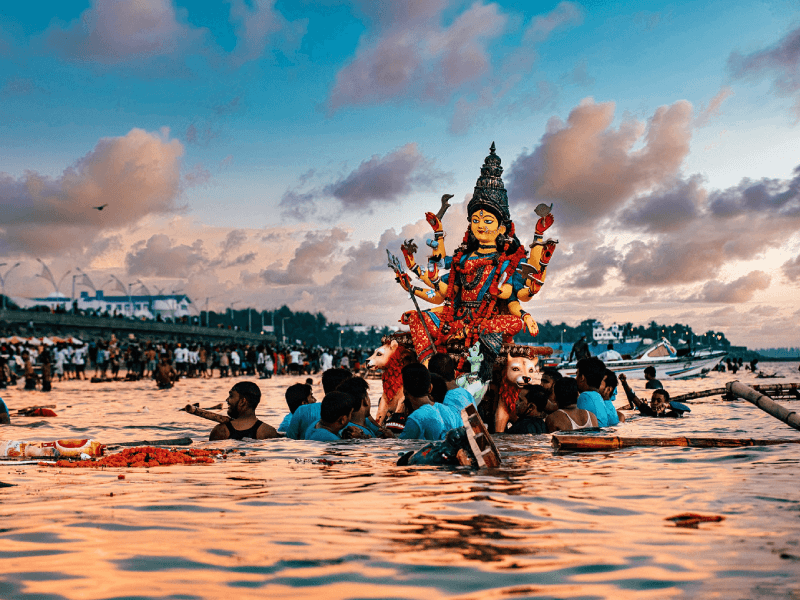
Durga Puja
Follow five autumn days of art, dhak rhythms and devotion toward Bijoya Dashami
Explore More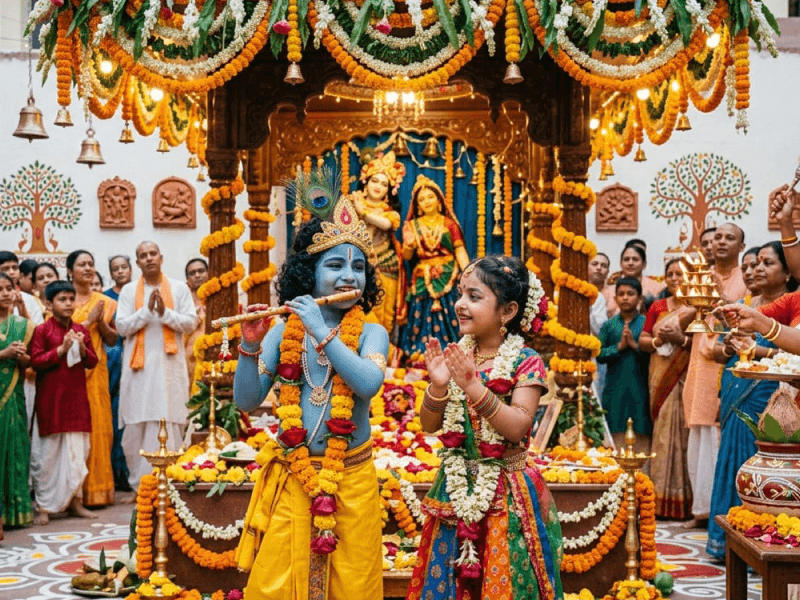
Janmashtami
Follow Krishna’s birthday from temple vigils to a vivid procession through Old Dhaka
Explore More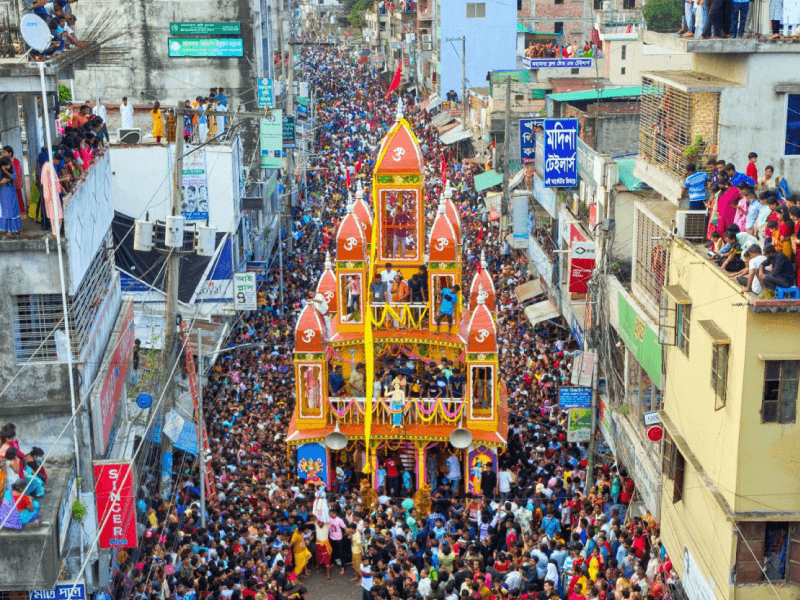
Chariot Festival (Rath Yatra)
Watch Dhamrai pull its historic Jagannath chariot through rain-washed streets
Explore More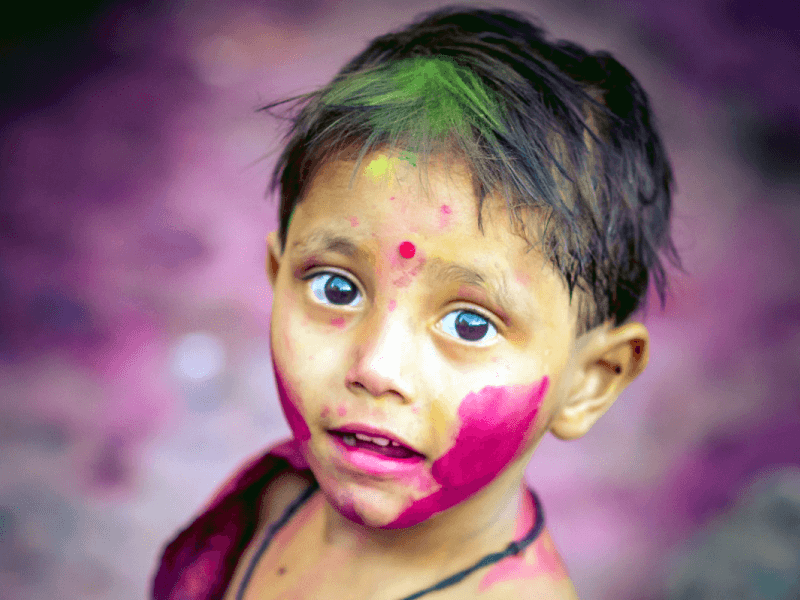
Doljatra
Meet spring on the full moon of Phalgun through colour, kirtan and Krishna devotion
Explore More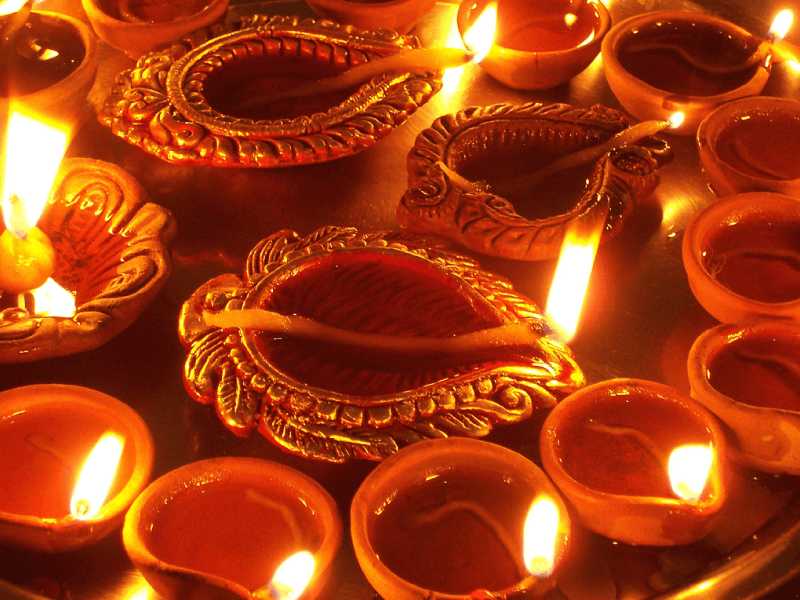
Diwali and Shyama Puja
Follow earthen lamps into a new-moon night of home ritual and Kali worship
Explore More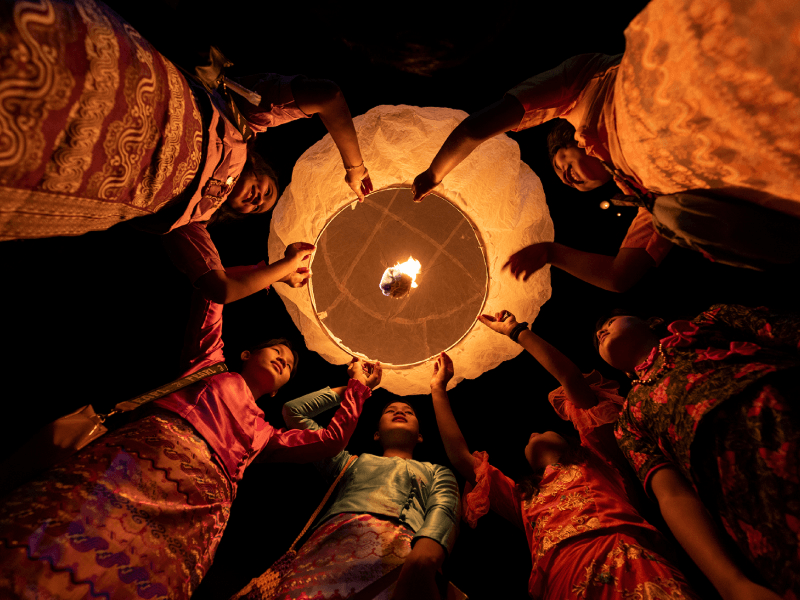
Buddha Purnima
Enter the full moon of Boishakh through chanting, candlelight and acts of compassion
Explore More