

Doljatra
Meet spring on the full moon of Phalgun through colour, kirtan and Krishna devotion
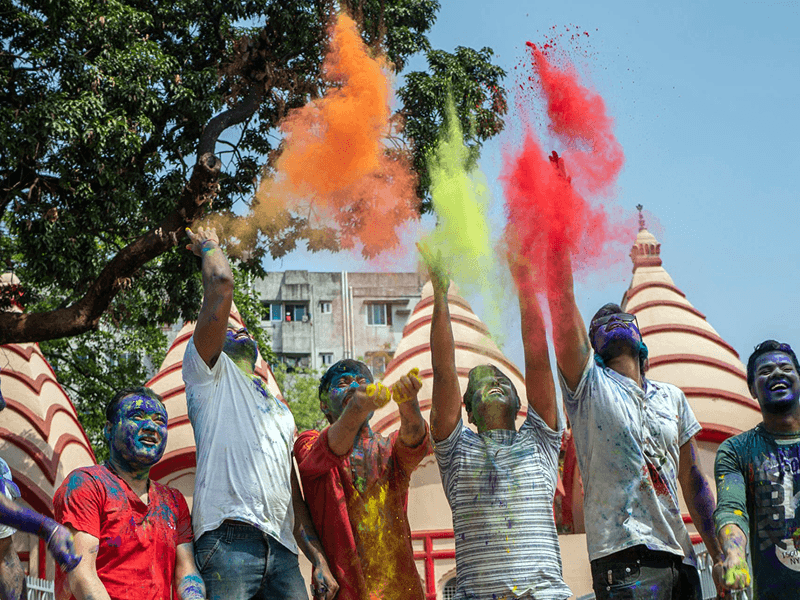
As the gentle warmth of spring awakens the lush landscapes of Bangladesh, the air fills with the sweet fragrance of blooming mango buds and the joyous anticipation of Doljatra. Often known globally as Holi, this mesmerizing festival of colours takes on a deeply soulful and poetic resonance in Bengal. Celebrated on the full moon day of the Bengali month of Phalgun, Doljatra marks the eternal, divine love of Lord Krishna and Radha. However, for the traveler seeking pure, unbridled joy, it offers an immersive explosion of colour, music, and an infectious street-level euphoria that is impossible to resist.
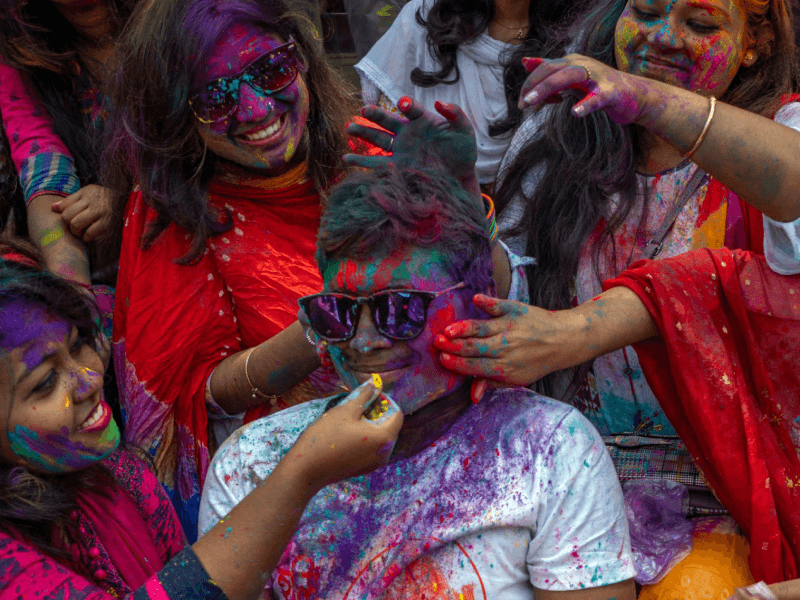
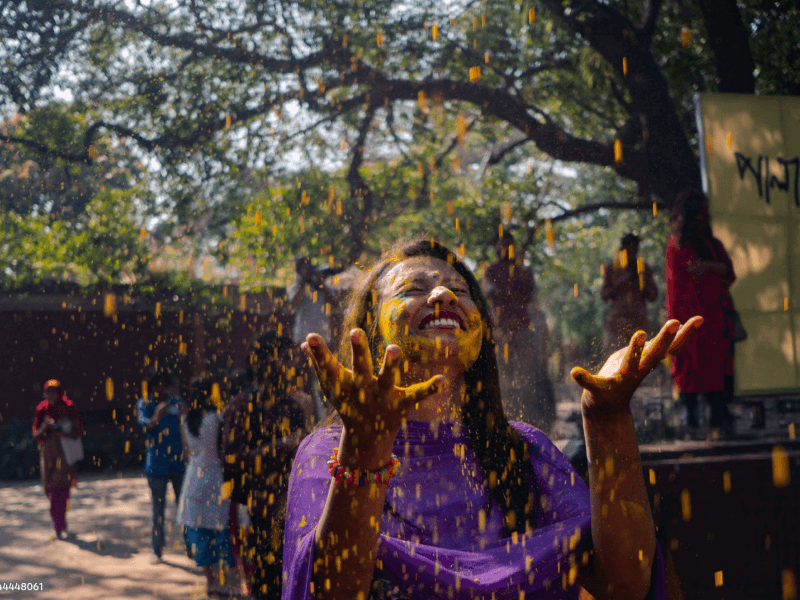
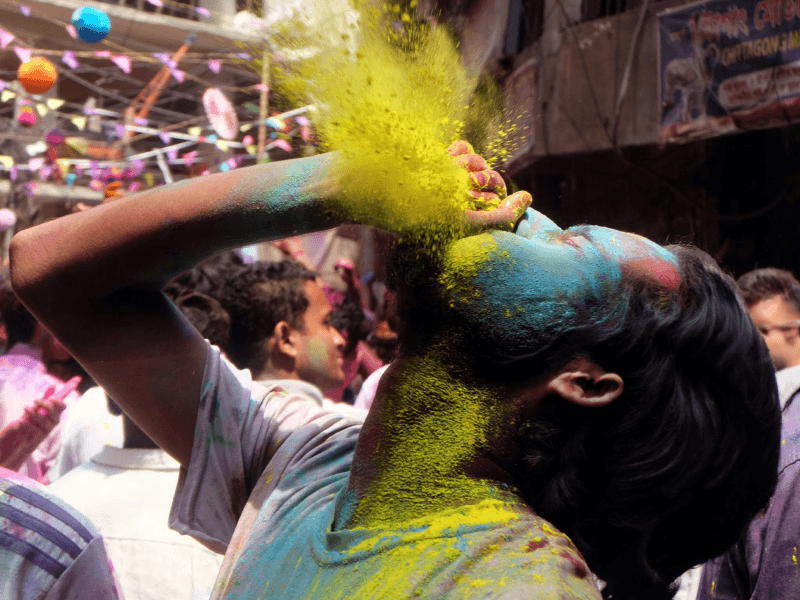
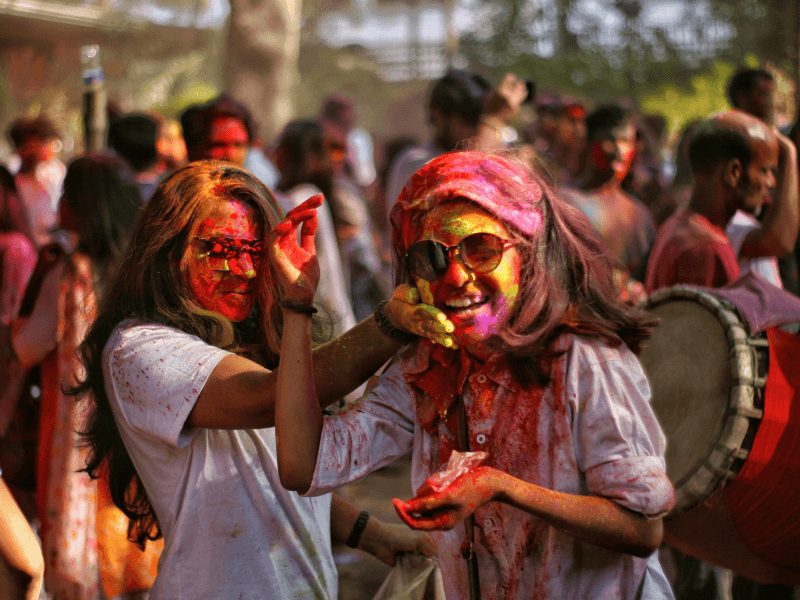
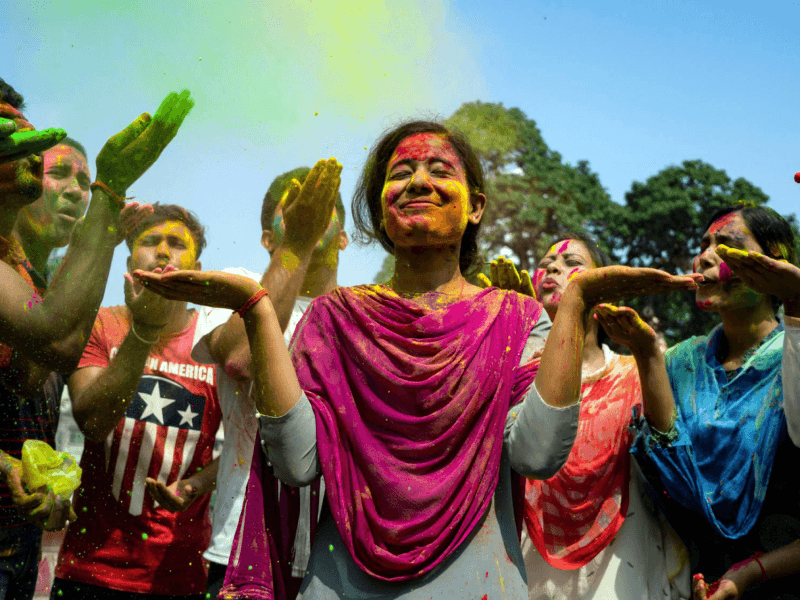
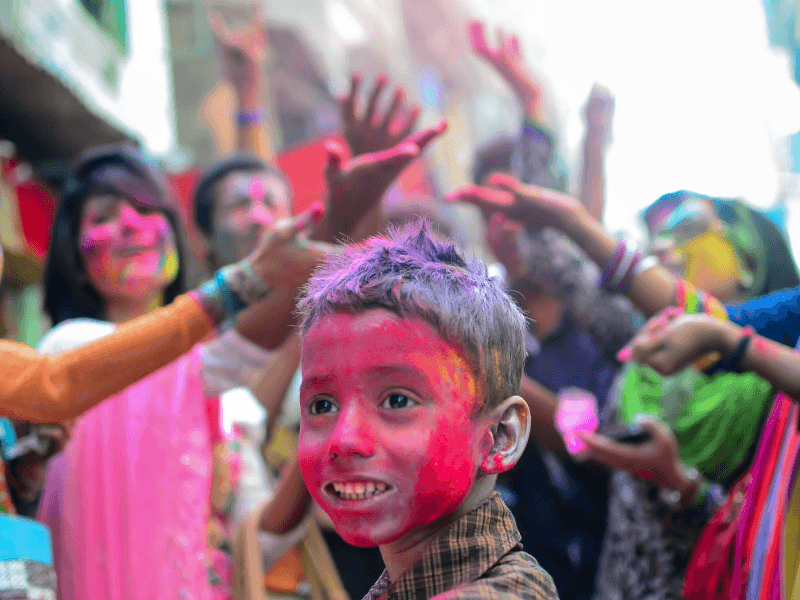
The visual transformation of the country during Doljatra is nothing short of magical. The historic streets of Old Dhaka, the serene courtyards of the Dhakeshwari Temple, and the tranquil rural ashrams become vibrant canvases. The air turns into a swirling, dreamlike mist of Abir and Gulal—finely powdered colours in brilliant shades of magenta, saffron, emerald, and azure. People of all ages, dressed in pristine white garments, step out of their homes only to return completely drenched in a kaleidoscope of hues. With wide smiles and respectful greetings, locals gently smear vivid colours on the cheeks of travellers, instantly weaving them into the fabric of the celebration.
Beyond the playful throwing of colours, Doljatra in Bangladesh is deeply anchored in captivating musical traditions. The rhythmic beats of the khol (a traditional clay drum) and the delicate chime of cymbals accompany hypnotic Kirtan—devotional folk songs that echo through the alleys and temple grounds. The melodies, sung with raw emotion, tell ancient tales of love and divine grace, elevating the festival from a mere visual spectacle to a profoundly spiritual experience.
The warmth of the festival extends well beyond the colourful revelry.
For travellers, a temple or publicly announced cultural programme is safer and more meaningful than searching for an uncontrolled street crowd. Ask clearly before touching anyone with colour, keep powder away from eyes and cameras, and avoid unknown liquid dyes. Dhakeshwari can provide a Dhaka focus, but worship schedules and visitor access change. Dress modestly beneath any white outer layer, protect valuables in a sealed pouch and use biodegradable colour only if hosts invite participation. The music, procession and shared food are as important as the colour; slow down enough to understand the devotional setting.
Immersive Experience
No 360° Videos available
Destination Gallery
Biswa Ijtema
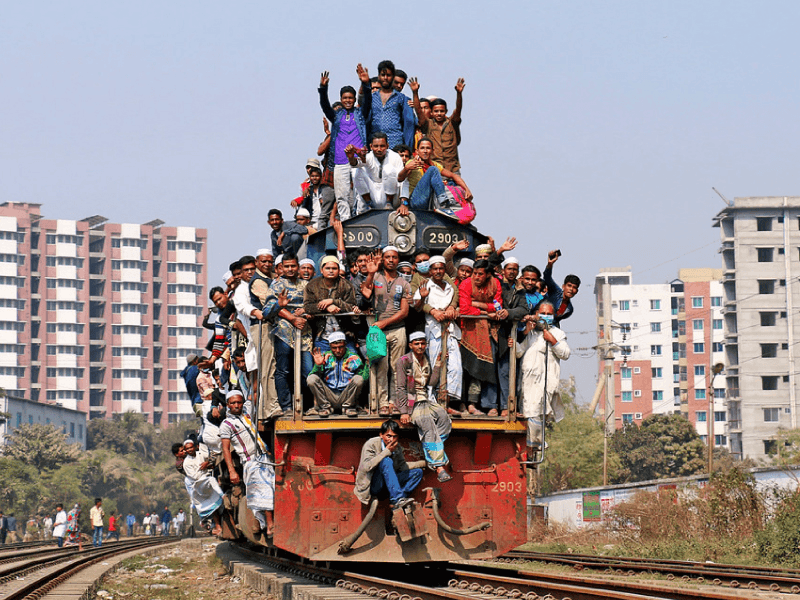
Witness one of the world’s largest Muslim congregations gather beside the Turag River.
Explore More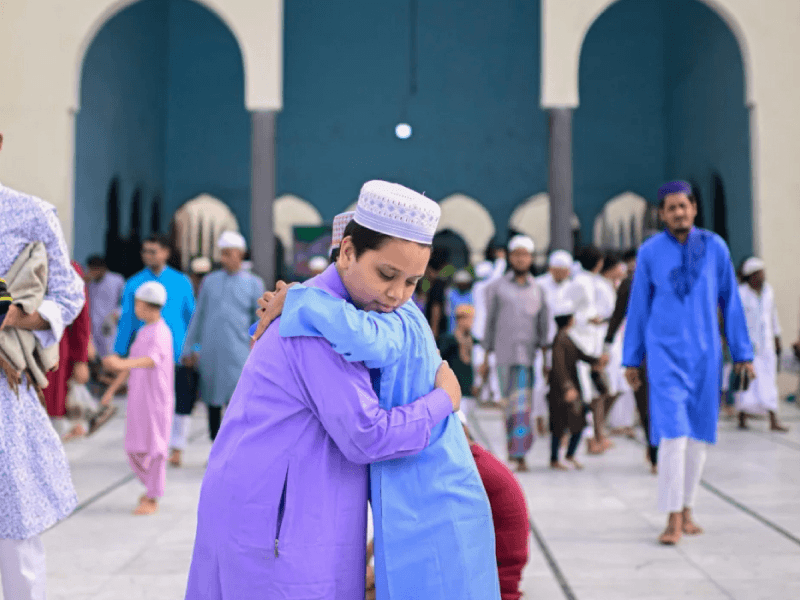
Eid-al-Fitr
Follow the Shawwal moon into a nationwide morning of prayer, semai and homecoming
Explore More
Eid-al-Adha
Experience a nationwide festival shaped by prayer, sacrifice and the sharing of food
Explore More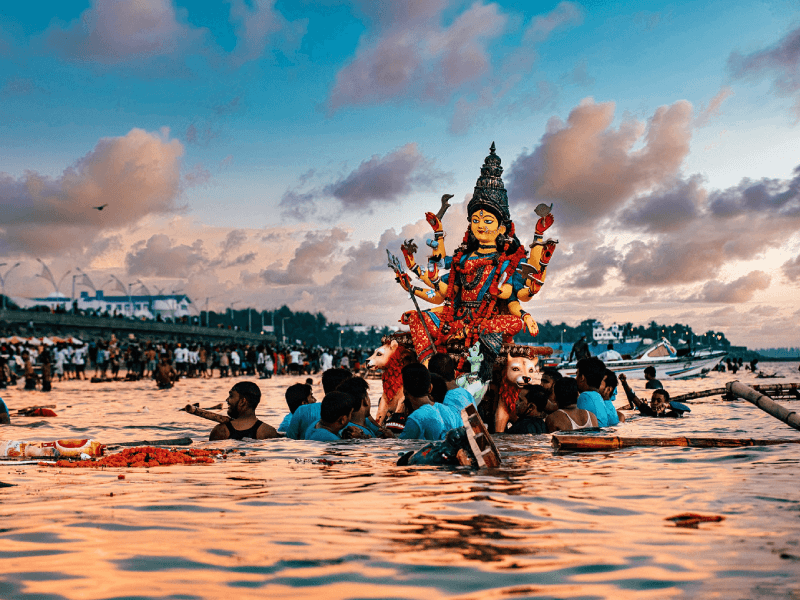
Durga Puja
Follow five autumn days of art, dhak rhythms and devotion toward Bijoya Dashami
Explore More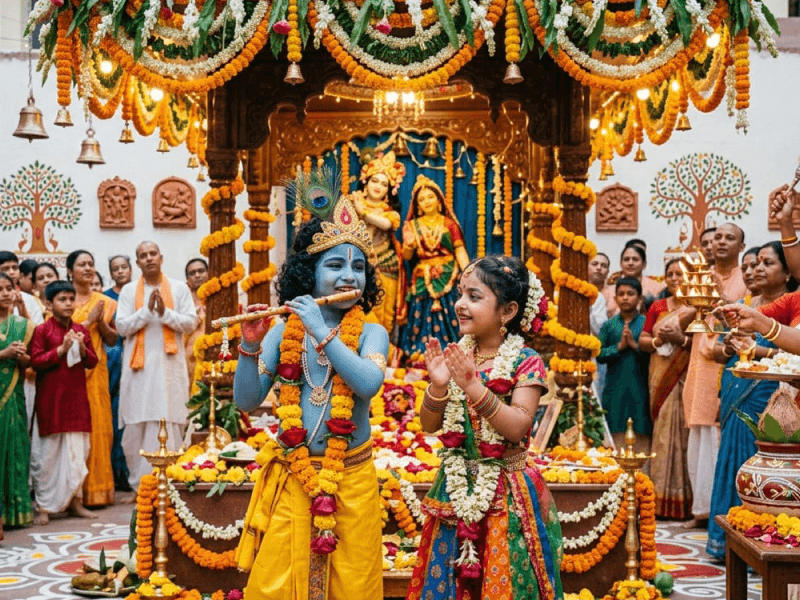
Janmashtami
Follow Krishna’s birthday from temple vigils to a vivid procession through Old Dhaka
Explore More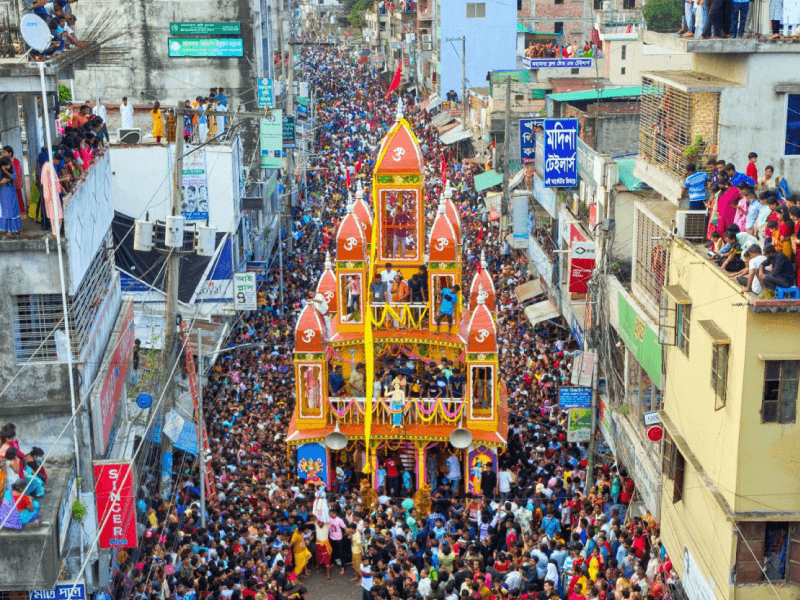
Chariot Festival (Rath Yatra)
Watch Dhamrai pull its historic Jagannath chariot through rain-washed streets
Explore More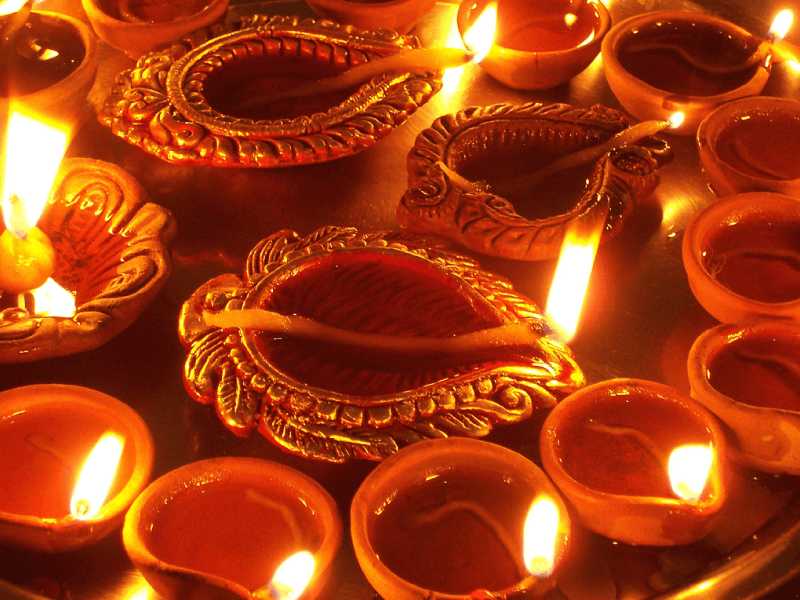
Diwali and Shyama Puja
Follow earthen lamps into a new-moon night of home ritual and Kali worship
Explore More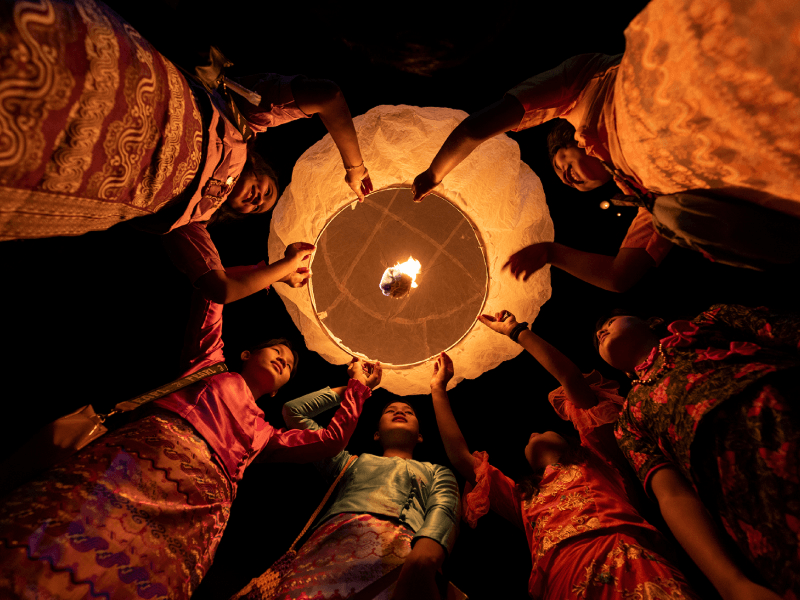
Buddha Purnima
Enter the full moon of Boishakh through chanting, candlelight and acts of compassion
Explore More