

Buddha Purnima
Enter the full moon of Boishakh through chanting, candlelight and acts of compassion
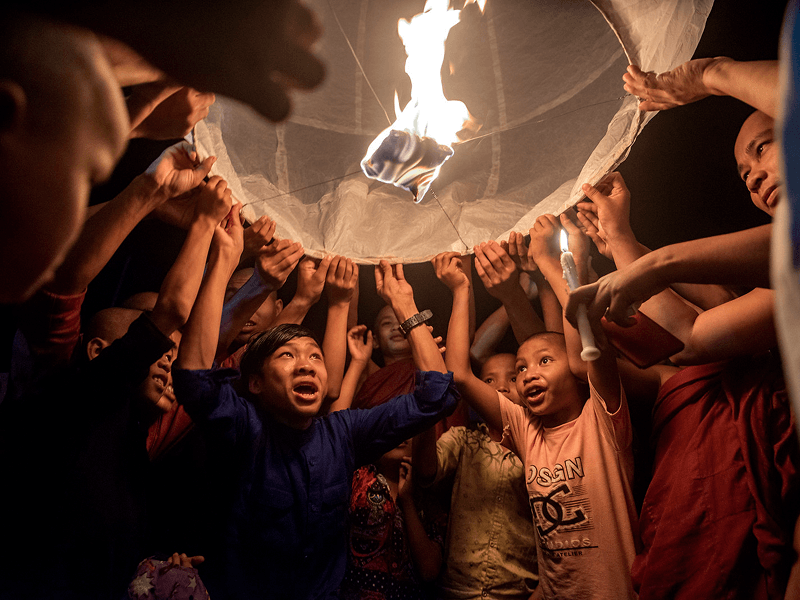
Slow the journey down and meet Bangladesh’s Buddhist communities in a night of reflection.
In striking contrast to the loud, rhythmic drumbeats of many subcontinental festivals, Buddha Purnima offers an oasis of serenity and breathtaking tranquility. Celebrated on the sacred full moon night of the Bengali month of Baisakh (May), this holiest of days for the Buddhist community commemorates the birth, enlightenment, and passing of Gautama Buddha. In Bangladesh, a country celebrated for its rich tapestry of faiths, Buddha Purnima unfolds as a profoundly moving, visually luminous event that invites travellers to pause, breathe, and experience unparalleled inner peace.
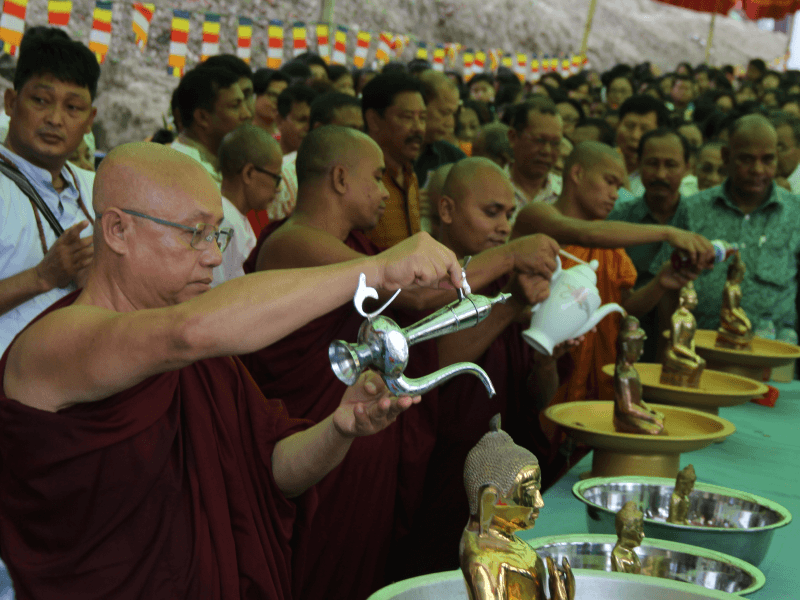
The epicentre of this visual and spiritual marvel lies in the majestic, mist-draped hills of the Chattogram Hill Tracts—such as Bandarban and Rangamati—as well as historic monasteries in Dhaka and Cox's Bazar. The heavy, fragrant smoke of sandalwood incense fills the air, mingling with the soft, hypnotic chanting of ancient Pali sutras. The architectural beauty of the monasteries, intricately decorated with colourful paper flags and vibrant floral garlands, creates an atmosphere of deep, restorative calm.
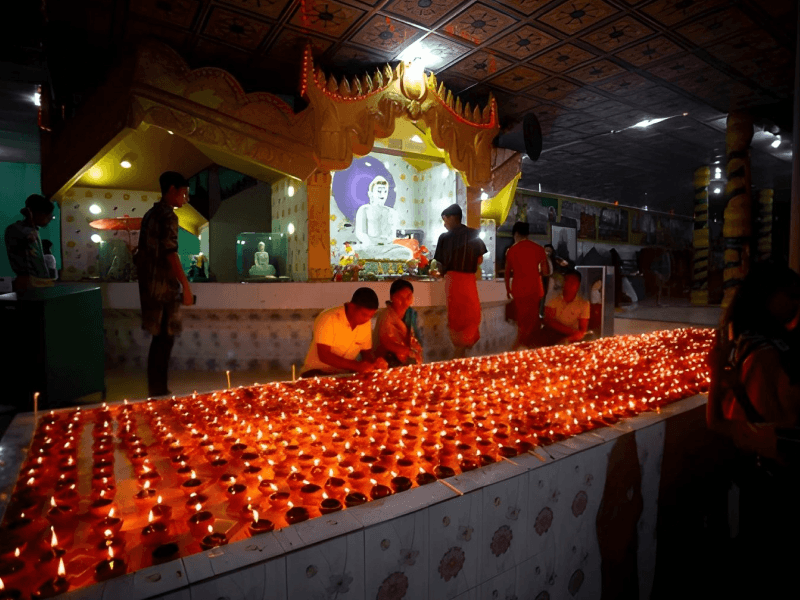
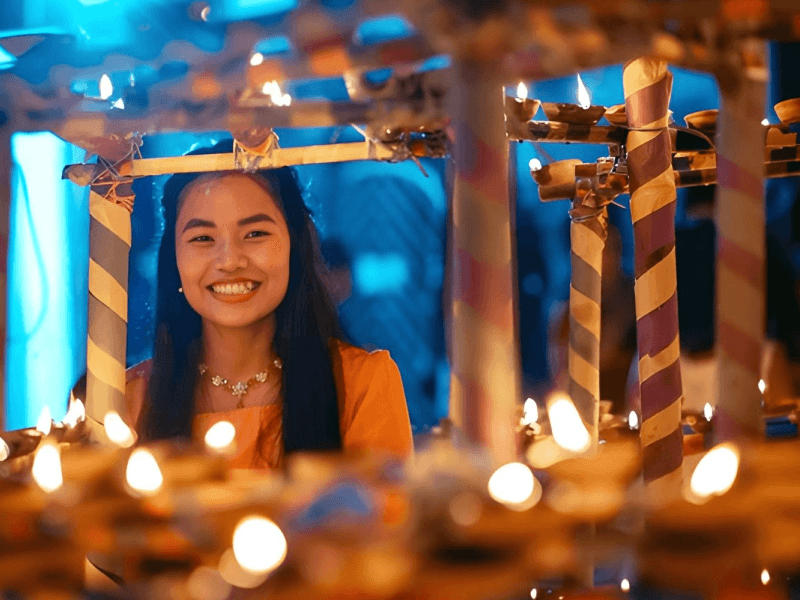
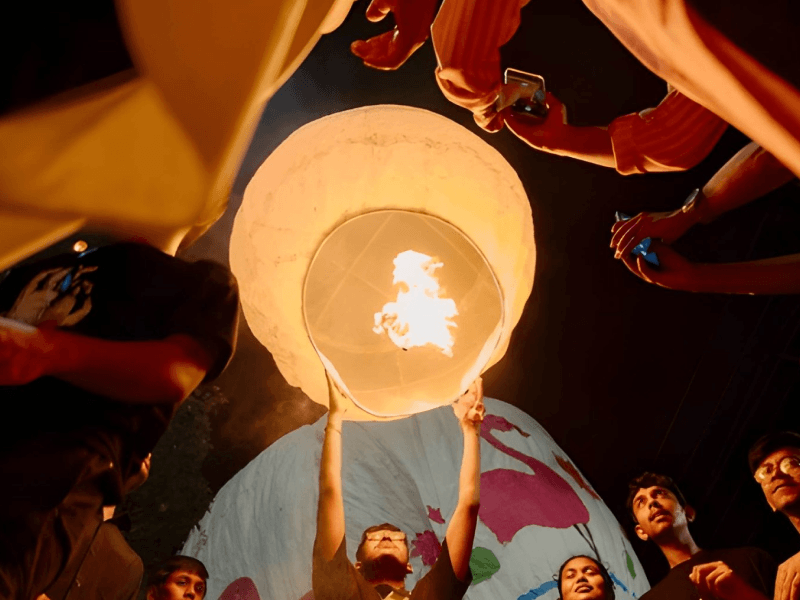
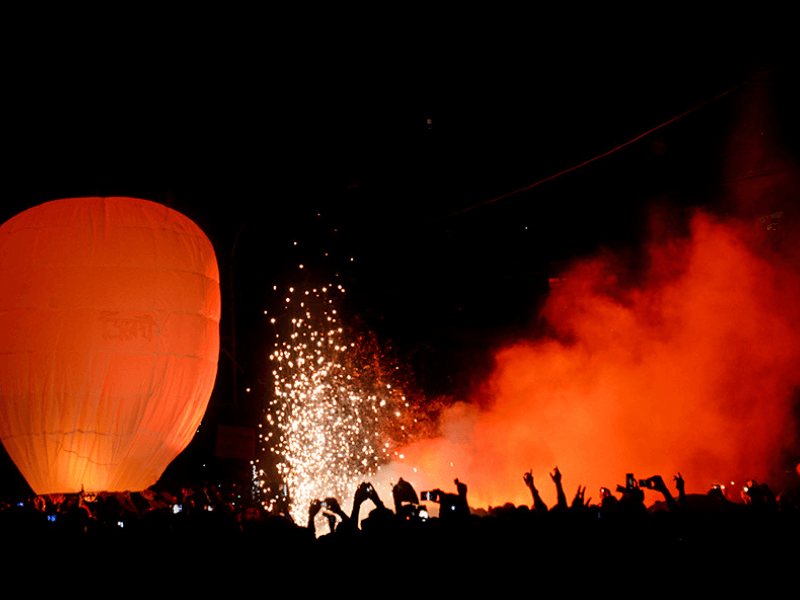
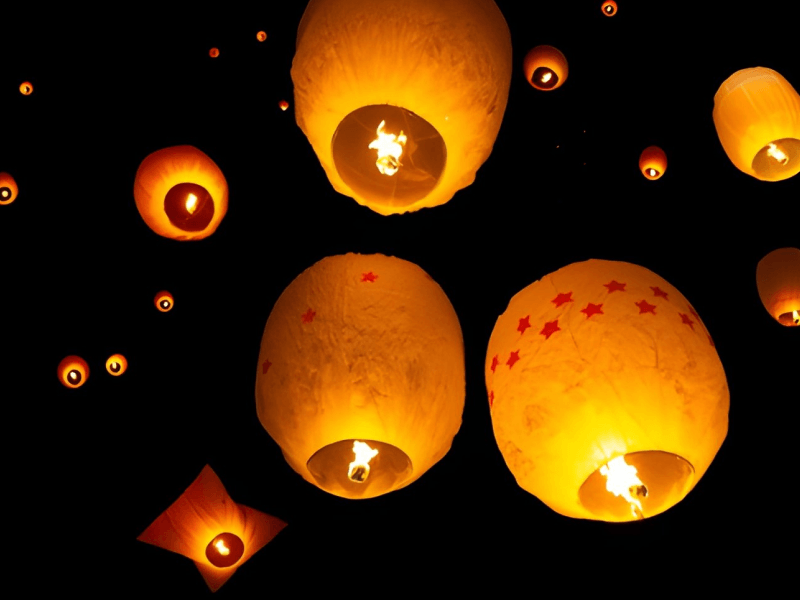
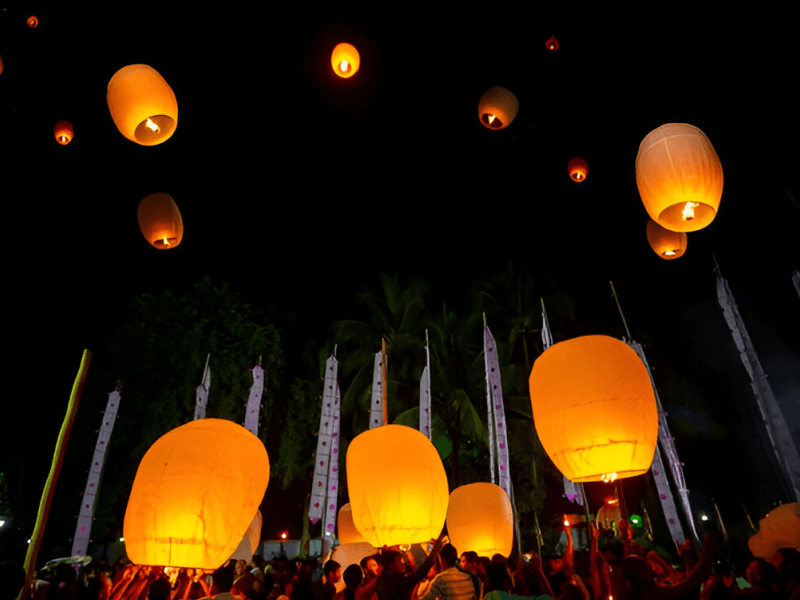
As the sun sets and the full moon rises, bathing the landscape in a silvery glow, the most visually spectacular element of the festival begins. At some monasteries, devotees light candles, giving the temple grounds a soft glow after sunset. But the true magic happens when they release Fanush—large, brilliantly coloured paper lanterns—into the night sky.
The spirit of Buddha Purnima is fundamentally rooted in compassion and universal harmony. For the international traveller, attending Buddha Purnima in Bangladesh is not just about witnessing a religious ritual; it is an invitation to slow down. Whether walking through a candle-lit pagoda or standing on a hilltop watching paper lanterns drift into the cosmos, this festival leaves a lasting, peaceful imprint on the soul.
Programmes differ between monasteries, so candle lighting, processions, lanterns, meals or service activities should never be promised as universal features. Contact the chosen vihara before travel, dress modestly and sit only where visitors are directed. In the Hill Tracts, check current permissions and transport conditions and never enter a community settlement unannounced. Fire lanterns may be restricted or unsafe; do not release one independently. Dhaka offers the simplest first encounter, while Bandarban, Rangamati and Cox’s Bazar require more planning. Silence, consent and patient observation are the essentials of the visit.
Immersive Experience
No 360° Videos available
Destination Gallery
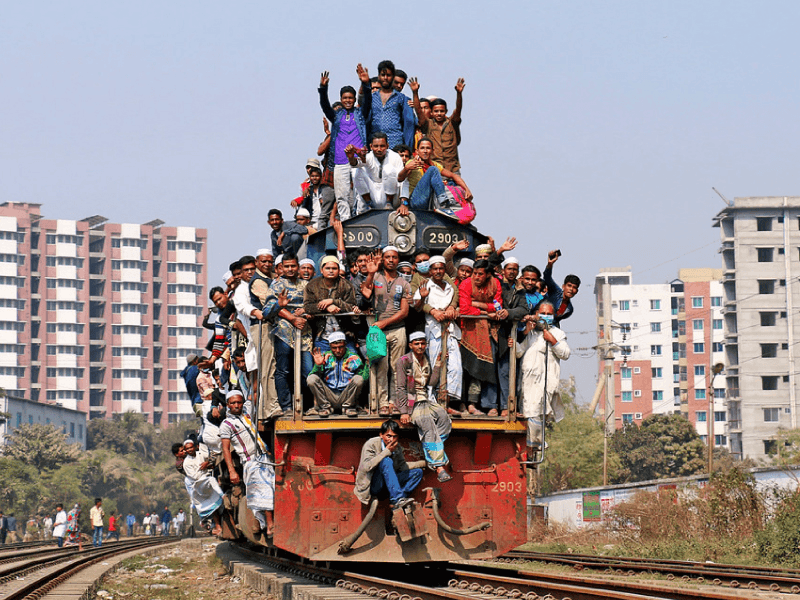
Biswa Ijtema
Witness one of the world’s largest Muslim congregations gather beside the Turag River.
Explore More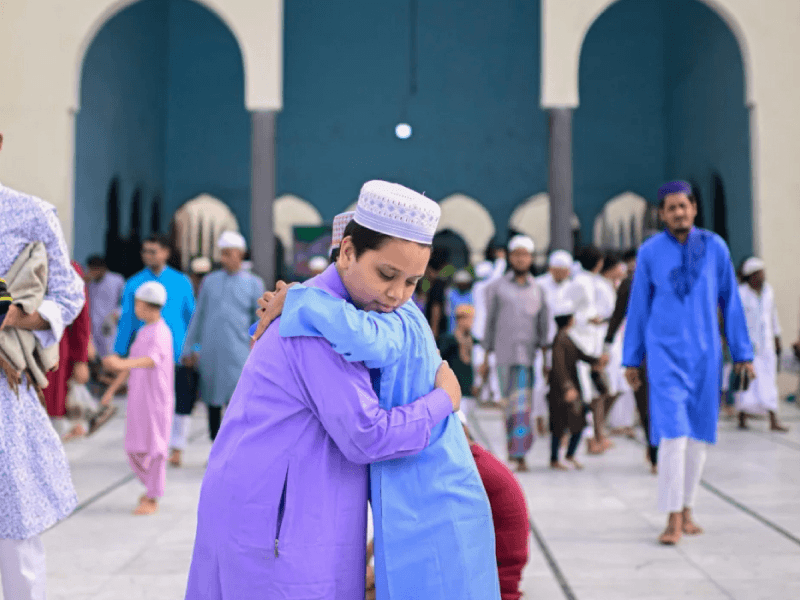
Eid-al-Fitr
Follow the Shawwal moon into a nationwide morning of prayer, semai and homecoming
Explore More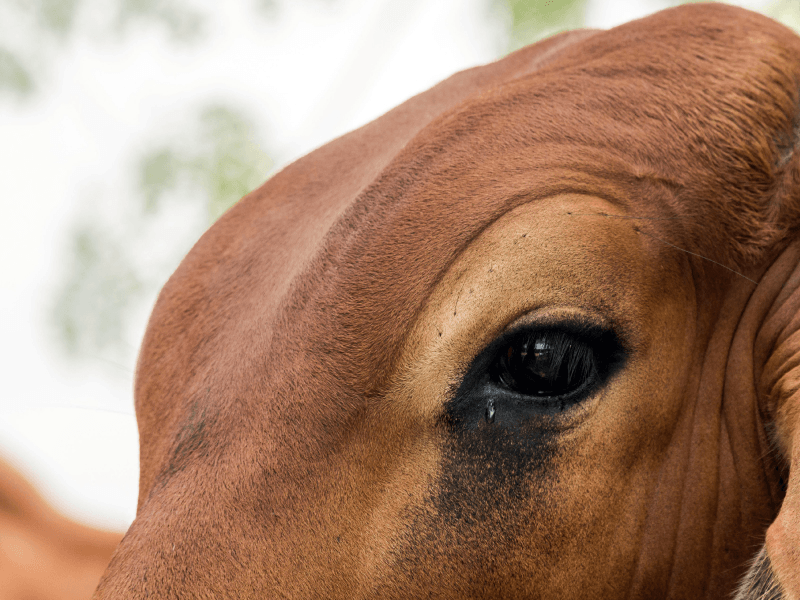
Eid-al-Adha
Experience a nationwide festival shaped by prayer, sacrifice and the sharing of food
Explore More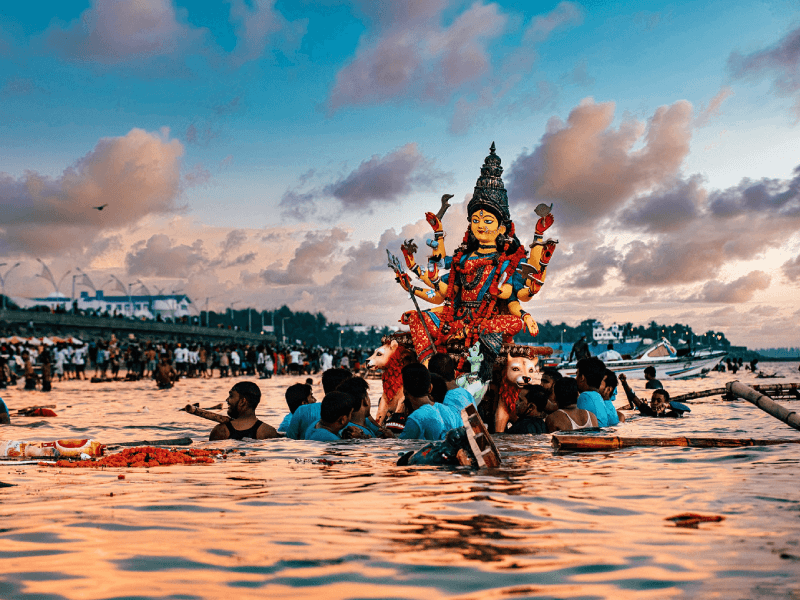
Durga Puja
Follow five autumn days of art, dhak rhythms and devotion toward Bijoya Dashami
Explore More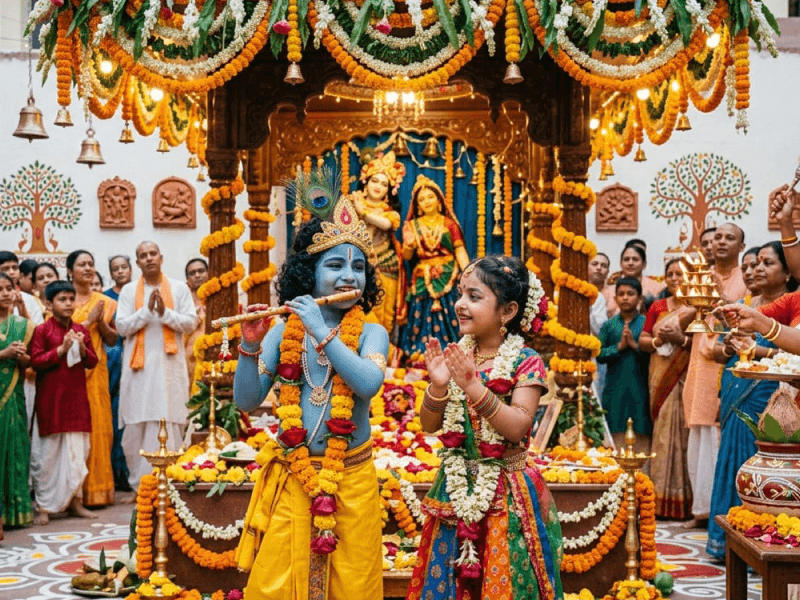
Janmashtami
Follow Krishna’s birthday from temple vigils to a vivid procession through Old Dhaka
Explore More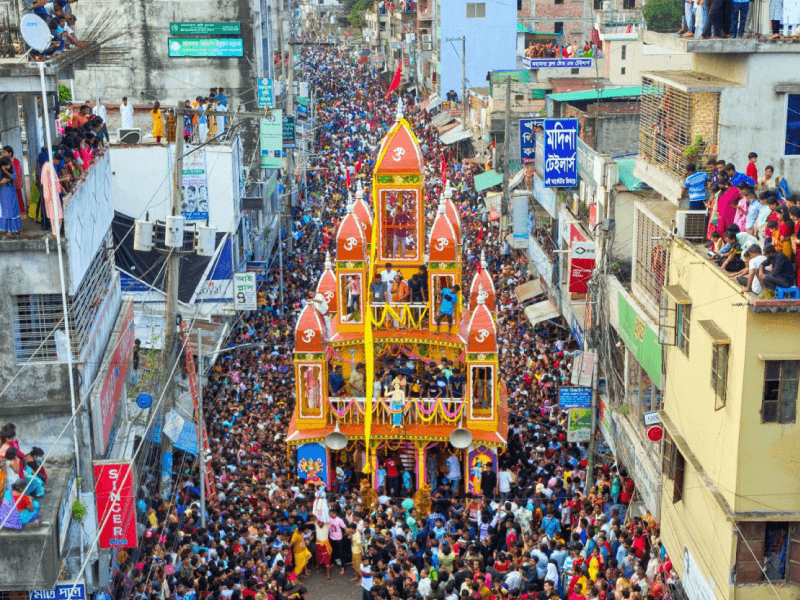
Chariot Festival (Rath Yatra)
Watch Dhamrai pull its historic Jagannath chariot through rain-washed streets
Explore More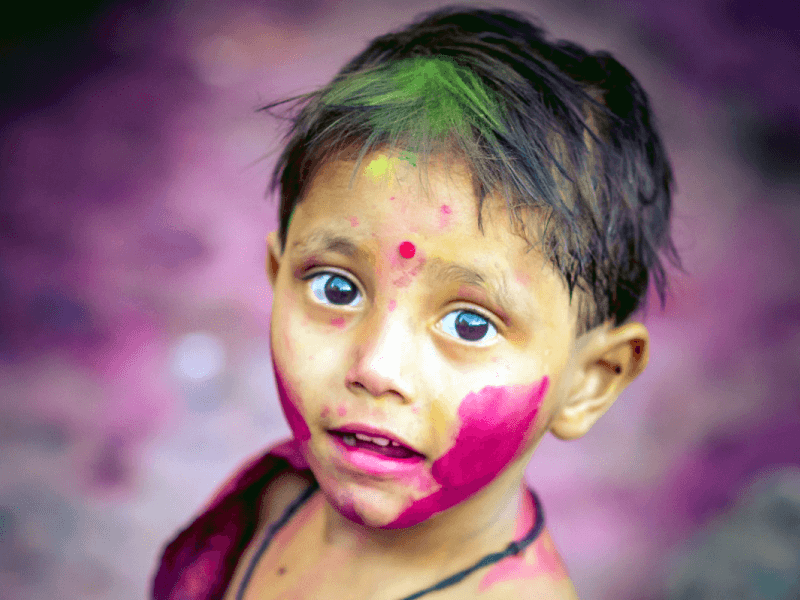
Doljatra
Meet spring on the full moon of Phalgun through colour, kirtan and Krishna devotion
Explore More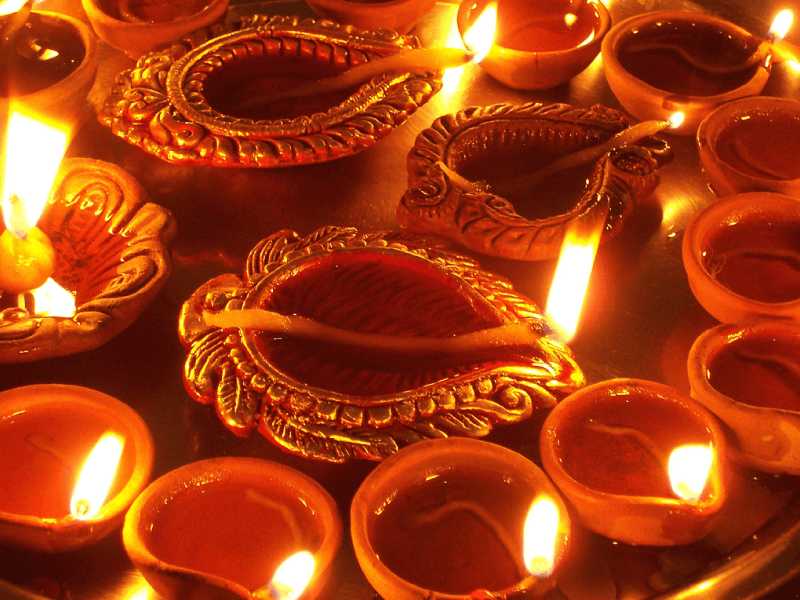
Diwali and Shyama Puja
Follow earthen lamps into a new-moon night of home ritual and Kali worship
Explore More