

Eid-al-Adha
Experience a nationwide festival shaped by prayer, sacrifice and the sharing of food
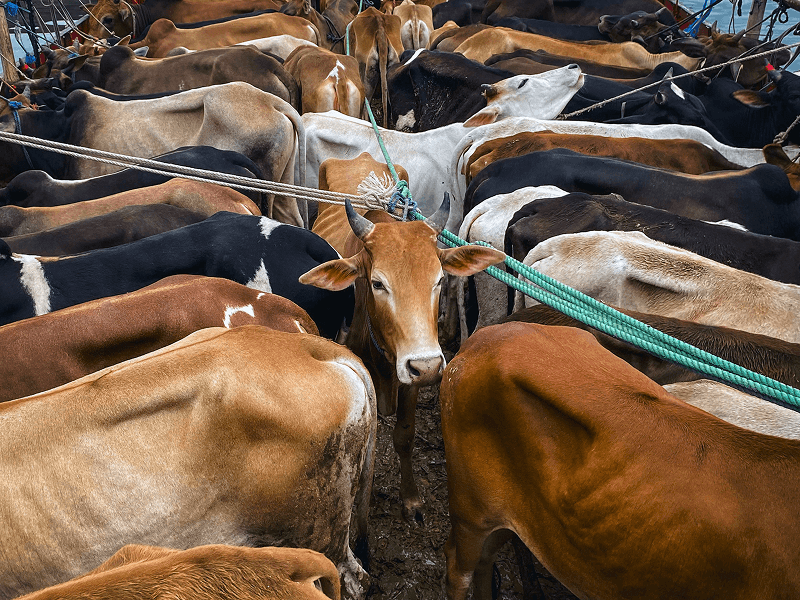
Occurring on the 10th day of the lunar month of Zilhajj, Eid-al-Adha—the magnificent Festival of Sacrifice—sweeps across Bangladesh with a profound spirit of devotion and egalitarianism. Commemorating the unwavering faith of Prophet Ibrahim, who was willing to sacrifice his beloved son in obedience to the Almighty, this festival is a powerful reflection on selflessness, compassion, and the ultimate triumph of faith. But beyond its deep religious roots, Eid-al-Adha in Bangladesh is a magnificent showcase of community bonding and the democratization of sustenance, offering international visitors a deeply moving and culturally rich experience.
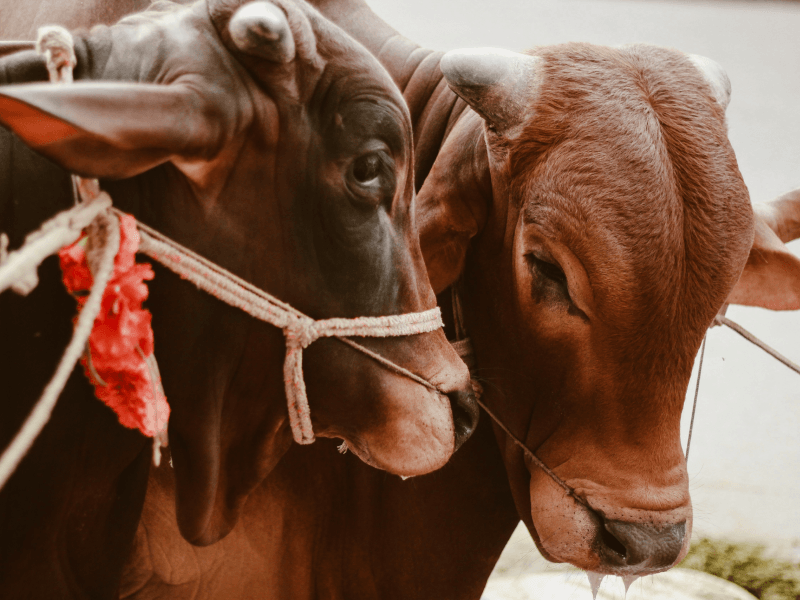
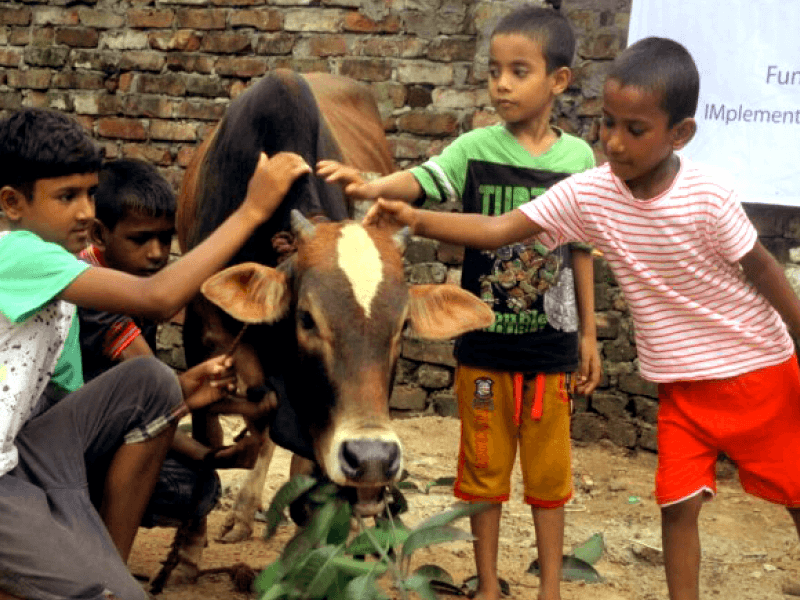
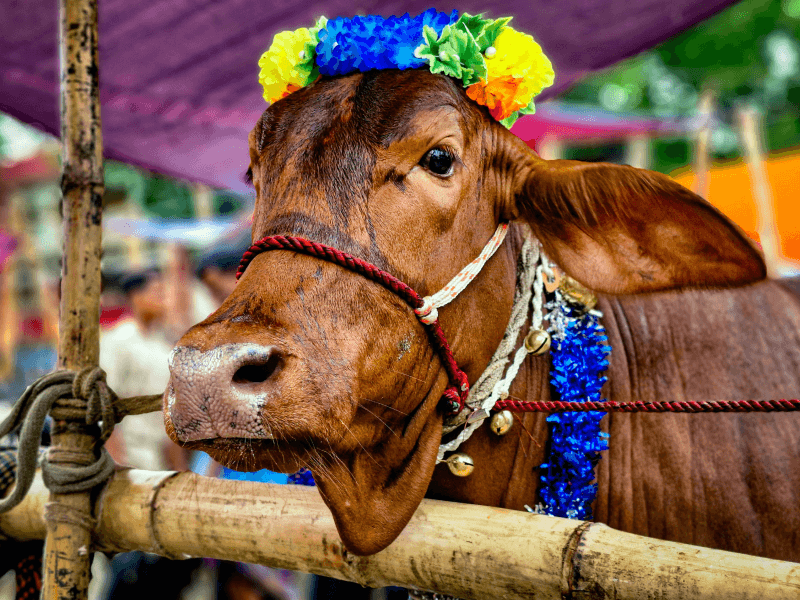
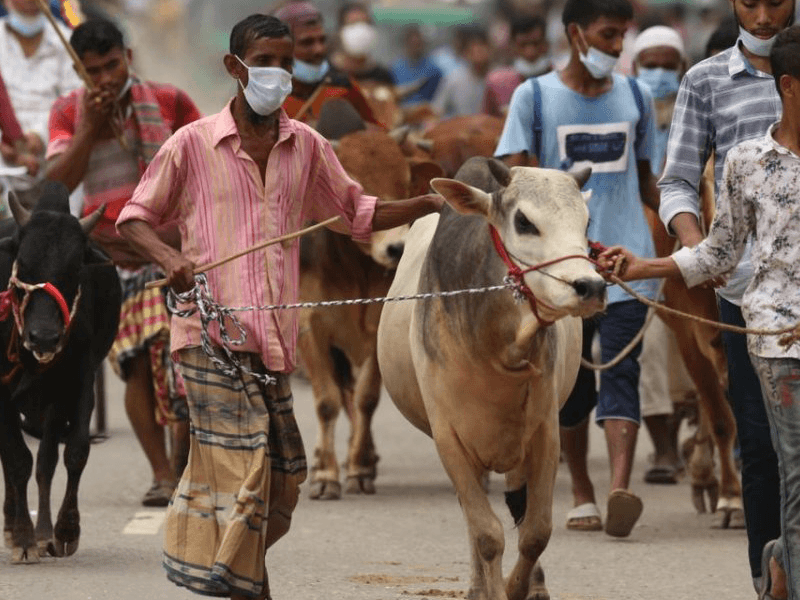
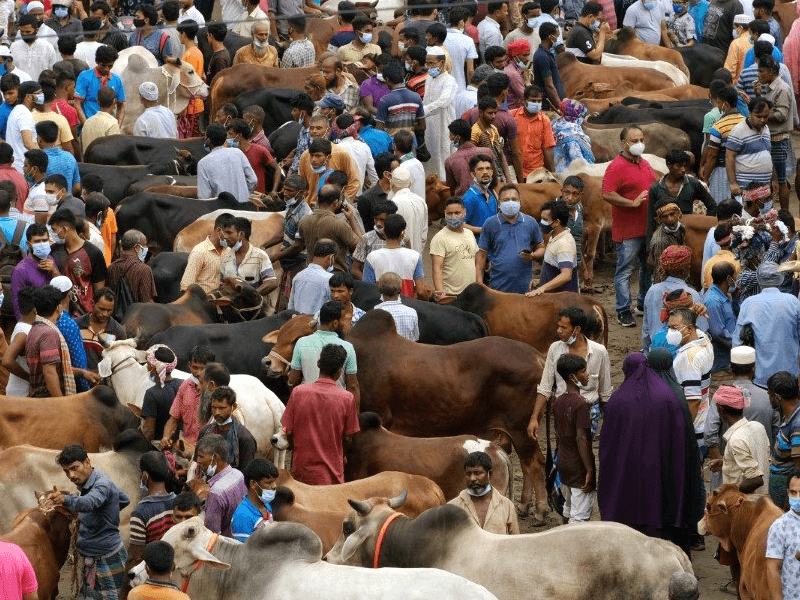
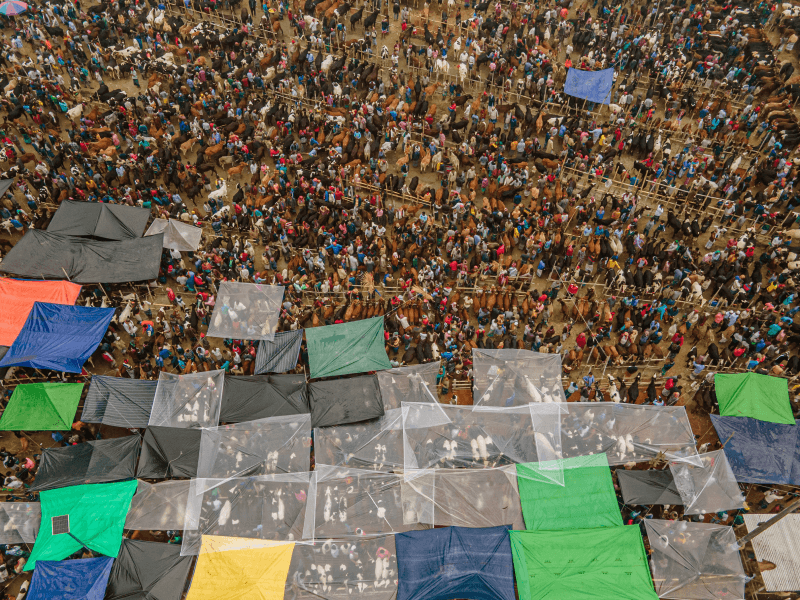
The anticipation begins weeks in advance as vibrant cattle markets, locally known as haats, spring up across the country. These bustling markets are a photographer's and cultural enthusiast's dream—a kaleidoscope of colour, raw energy, and fierce rural pride. Farmers from the deepest corners of the countryside bring their finest livestock to the cities, adorning them with colourful garlands, vivid paints, and bells. The air buzzes with spirited, yet respectful, negotiations. This rural-urban connection serves as a vital economic and cultural bridge, breathing vibrant life into the local economy while celebrating the deep agrarian roots of the nation.
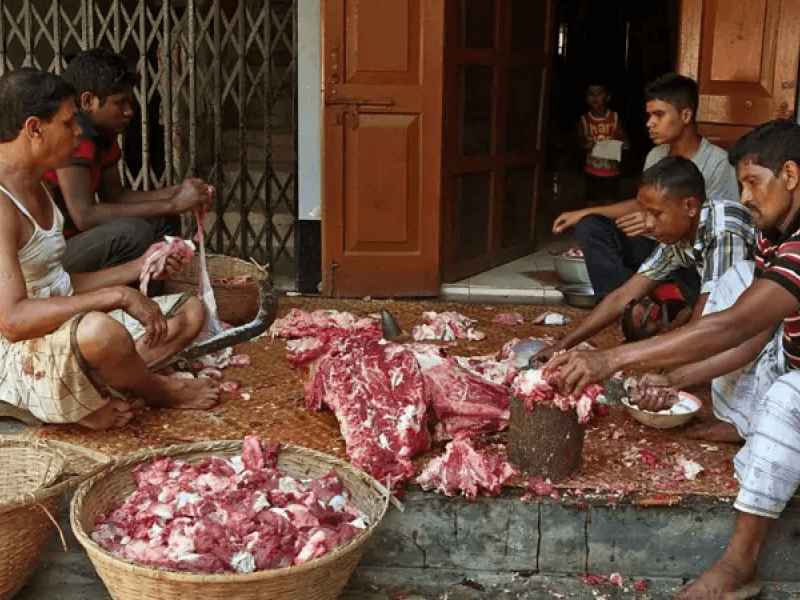
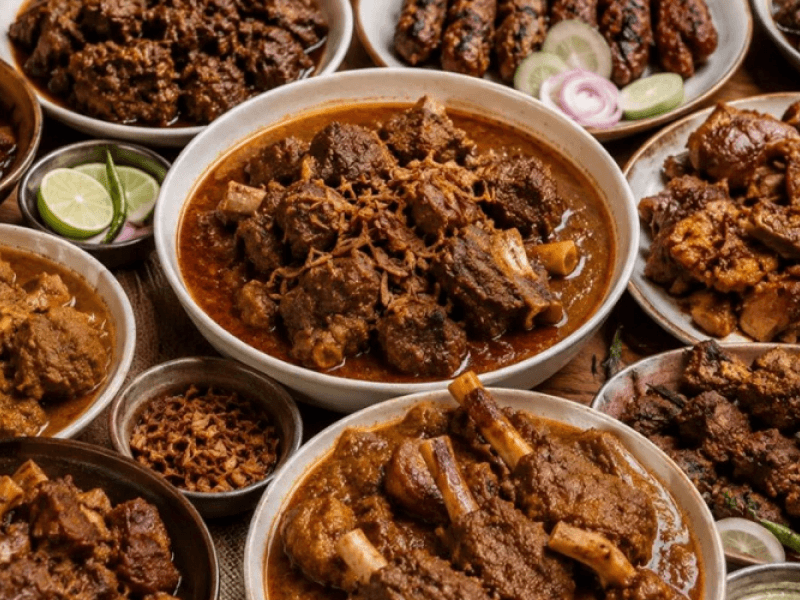
On Eid morning, worshippers gather for congregational prayer at major grounds such as Gor-e-Shaheed Maidan in Dinajpur and the National Eidgah in Dhaka. Immediately following the prayers, the solemn ritual of Qurbani (animal sacrifice) begins. What unfolds next is perhaps the most beautiful and defining aspect of the festival: the meticulous and equitable distribution of the meat. A widely followed practice is to share the meat among the household, relatives and neighbours, and people in need—one for the immediate family, one for relatives and friends, and crucially, one reserved entirely for the poor and destitute.
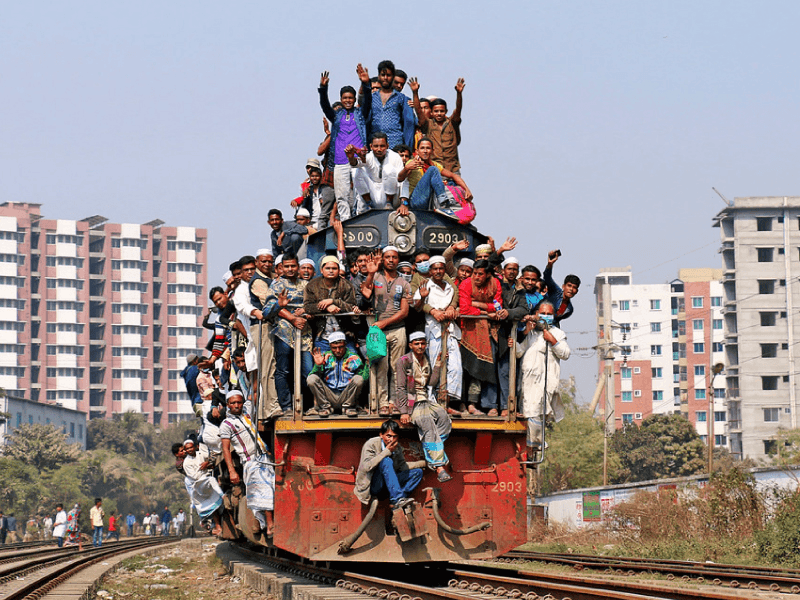
This is not an occasion for uninvited close-up viewing of sacrifice. Travellers should join only through a known host, remain outside working areas and avoid photographing people, animals or distribution without permission. Municipal rules, designated sites and clean-up arrangements differ by city and must be followed. The most meaningful visitor experience is often a meal or distribution activity arranged by trusted local contacts. Road and rail demand surges before the holiday, while many businesses close on the day. Plan conservatively, maintain hygiene and let the religious purpose lead the encounter.
Immersive Experience
No 360° Videos available
Destination Gallery
Biswa Ijtema
Witness one of the world’s largest Muslim congregations gather beside the Turag River.
Explore More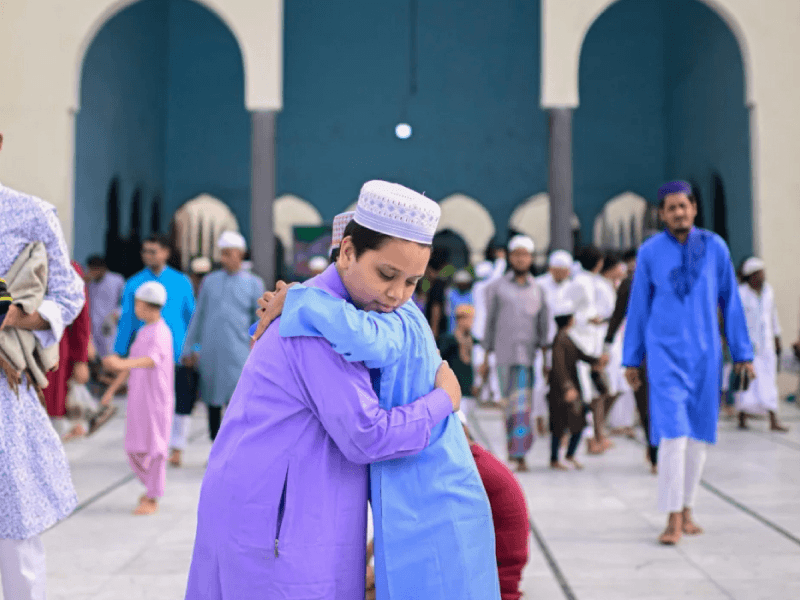
Eid-al-Fitr
Follow the Shawwal moon into a nationwide morning of prayer, semai and homecoming
Explore More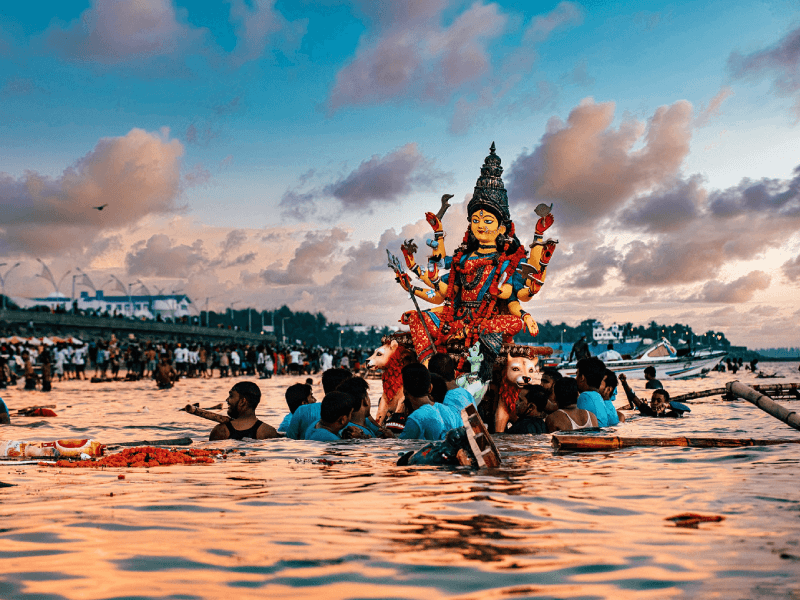
Durga Puja
Follow five autumn days of art, dhak rhythms and devotion toward Bijoya Dashami
Explore More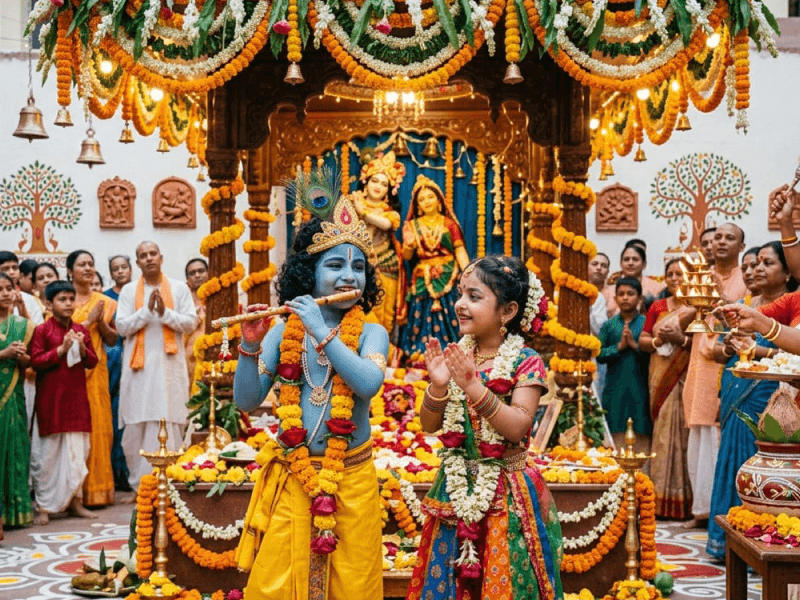
Janmashtami
Follow Krishna’s birthday from temple vigils to a vivid procession through Old Dhaka
Explore More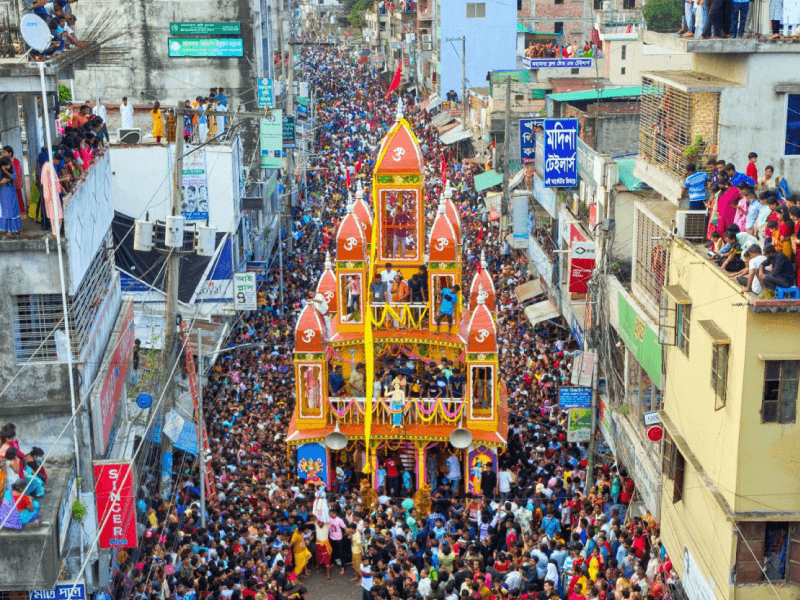
Chariot Festival (Rath Yatra)
Watch Dhamrai pull its historic Jagannath chariot through rain-washed streets
Explore More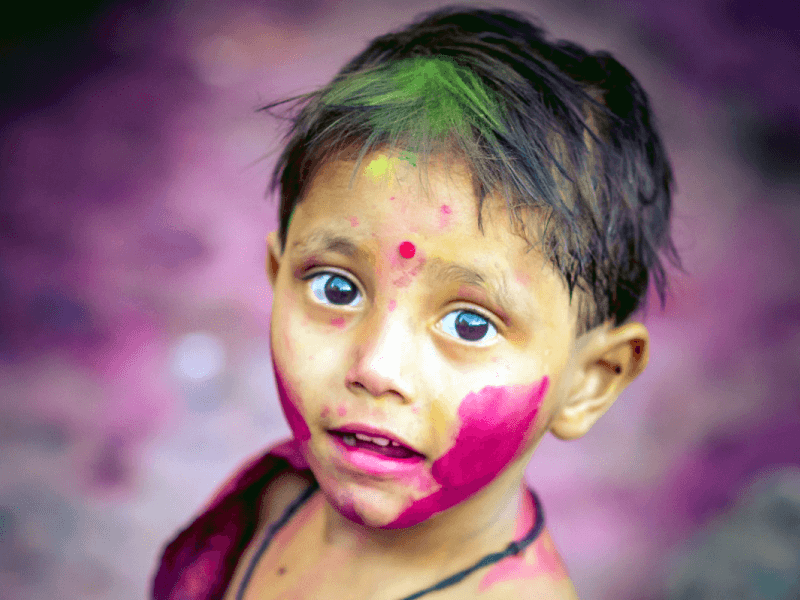
Doljatra
Meet spring on the full moon of Phalgun through colour, kirtan and Krishna devotion
Explore More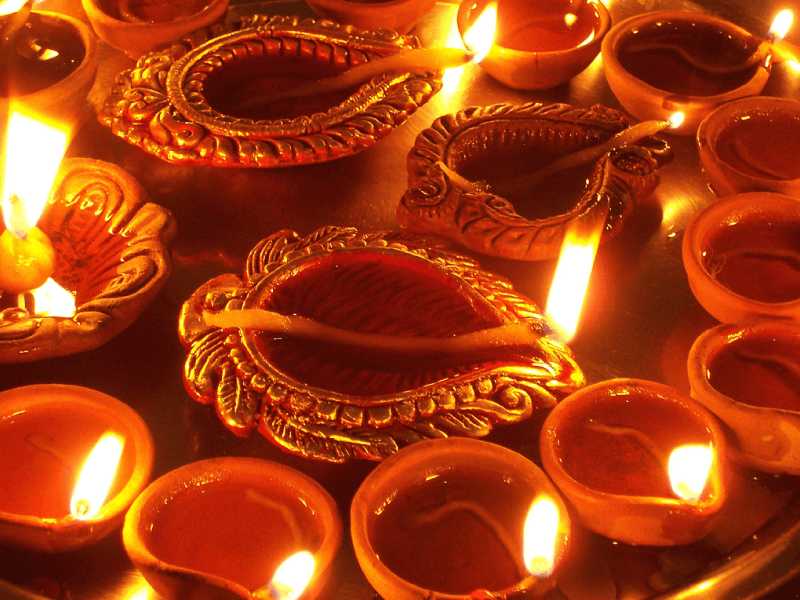
Diwali and Shyama Puja
Follow earthen lamps into a new-moon night of home ritual and Kali worship
Explore More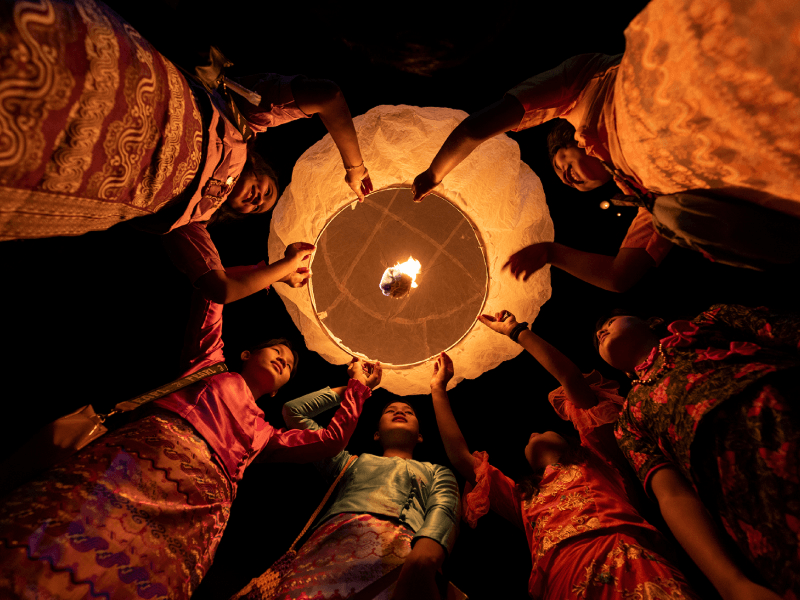
Buddha Purnima
Enter the full moon of Boishakh through chanting, candlelight and acts of compassion
Explore More