

Durga Puja
Follow five autumn days of art, dhak rhythms and devotion toward Bijoya Dashami
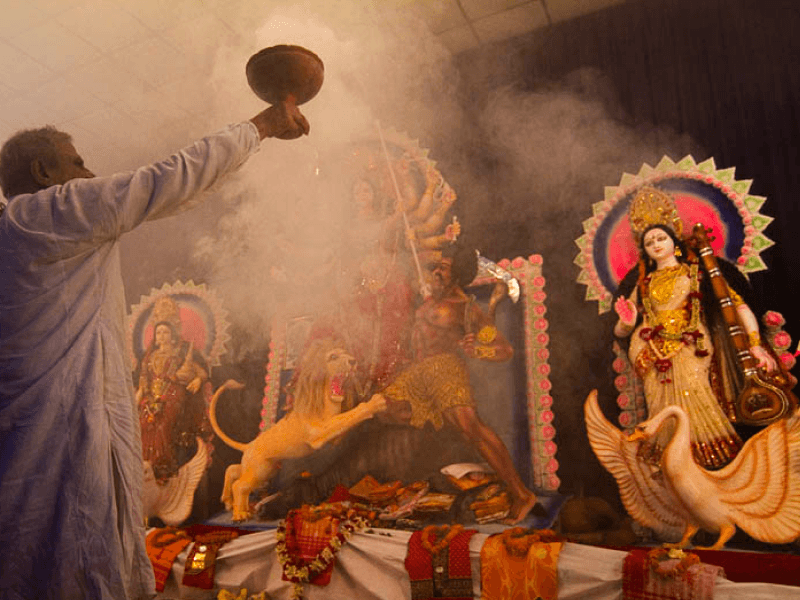
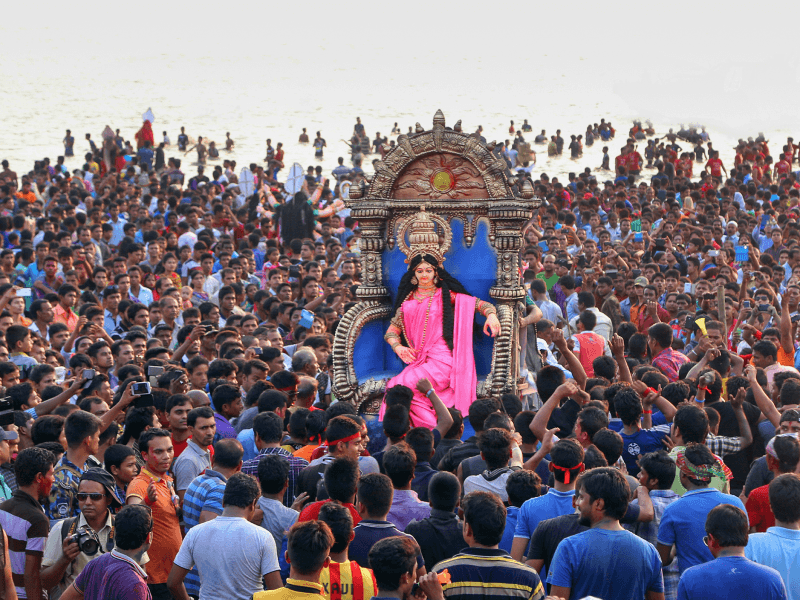
Autumn in Bangladesh brings with it a gentle, cooling breeze, endless fields of swaying white Kashful (wild sugarcane), and the grandeur of Durga Puja. Spanning five awe-inspiring days, this grand festival celebrates the triumphant descent of the Mother Goddess Durga to defeat the buffalo demon Mahishasura—a timeless narrative of light conquering darkness. Yet, in Bangladesh, Durga Puja transcends a strictly religious observance; it blossoms into a magnificent, nationwide carnival of art, culture, and a deeply moving display of communal harmony.
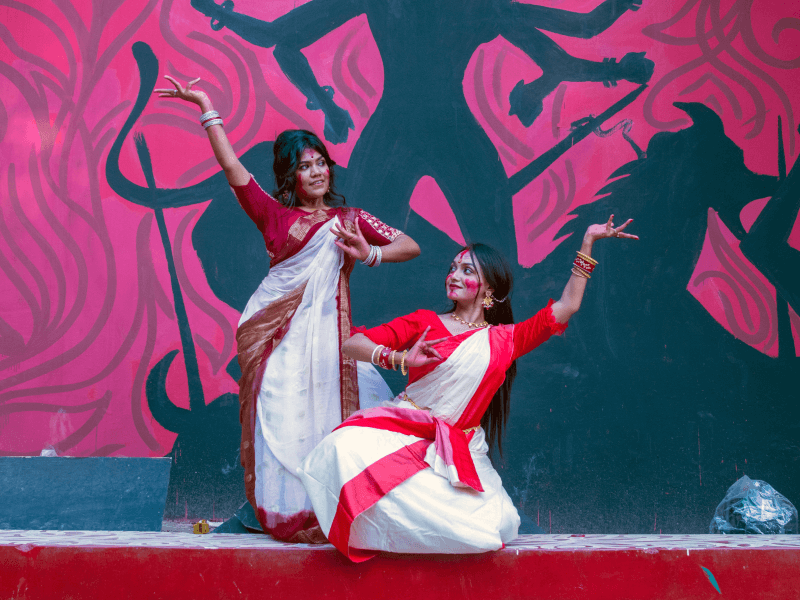
Long before the rhythmic drums begin to play, the narrow, ancient alleys of artisan quarters across the country come alive. Master craftsmen, generation after generation, breathe life into simple river clay, sculpting breathtaking, larger-than-life idols of the ten-armed Goddess with meticulous, loving precision. Each pavilion tells a unique story, often wrapped in stunning light displays that turn the night sky into a canvas of brilliant colours.
For an international traveller seeking pure cultural immersion, the atmosphere is electric. The crisp autumn air resonates constantly with the deep, primal, and hypnotic beats of the dhak (traditional drums), perfectly mingling with the sweet, lingering scent of incense, marigolds, and camphor. As twilight descends, the highlight for many unfolds: the mesmerizing Dhunuchi Naach. In this traditional devotional dance, men and women gracefully twirl to frenetic drumbeats, balancing earthen pots filled with burning coconut husks. It is a fiery, passionate display of faith that leaves onlookers completely mesmerized.
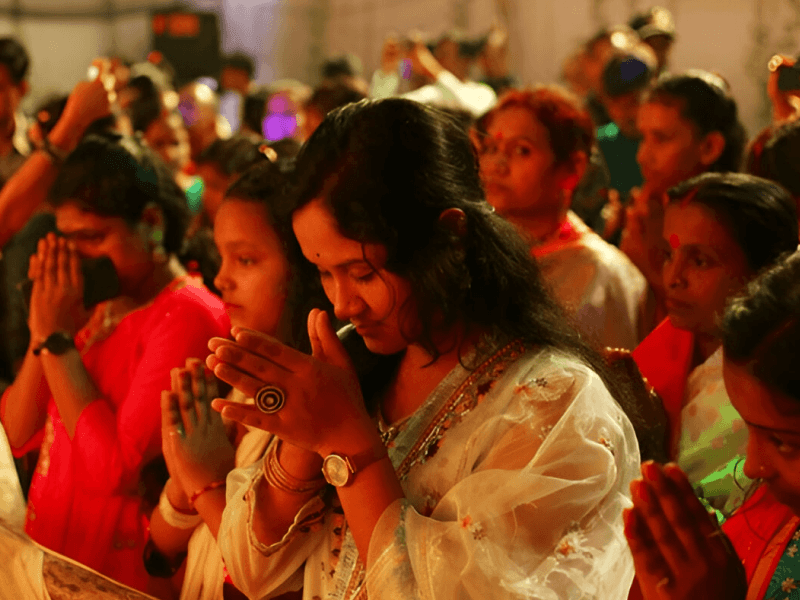
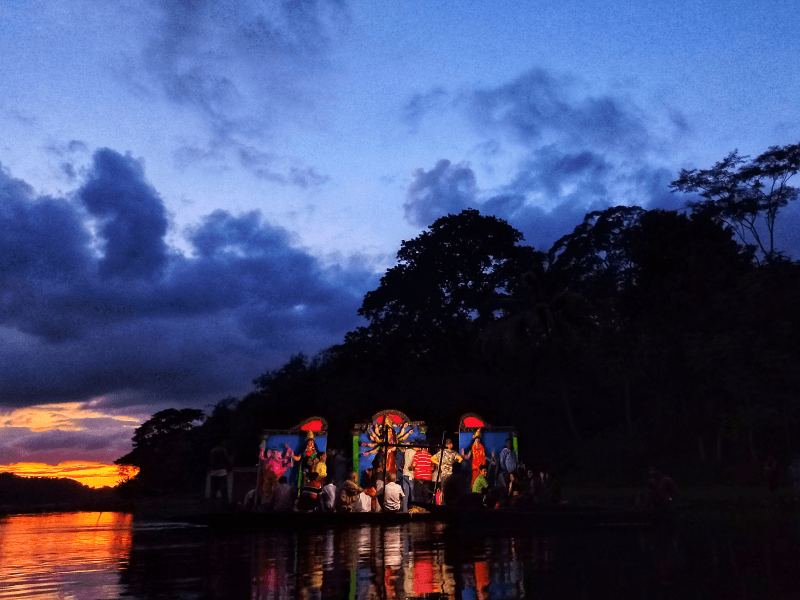
What truly sets Durga Puja apart in Bangladesh is its boundless, open-hearted inclusivity. People from all faiths wander seamlessly from pavilion to pavilion, marveling at the artistic architecture, sharing traditional Bengali sweets, and embracing the collective joy. The celebrations reach a dramatic, emotional crescendo on Bijoya Dashami. This poignant farewell is an unforgettable experience that beautifully captures the rich, pluralistic soul of Bangladesh.
A responsible mandap route begins early in the evening or on a weekday, before the busiest worship periods. Dress modestly, remove shoes when instructed and ask before photographing rituals, children or private offerings. Dhunuchi dance involves burning material and should be watched from the space set by organisers. Immersion routes are crowded and river edges can be hazardous; follow barricades rather than chasing the procession. Dhakeshwari offers a strong Dhaka focus, while district programmes vary. Confirm security, road closures and visiting hours each year and treat every mandap as an active sacred space.
Immersive Experience
No 360° Videos available
Destination Gallery
Biswa Ijtema
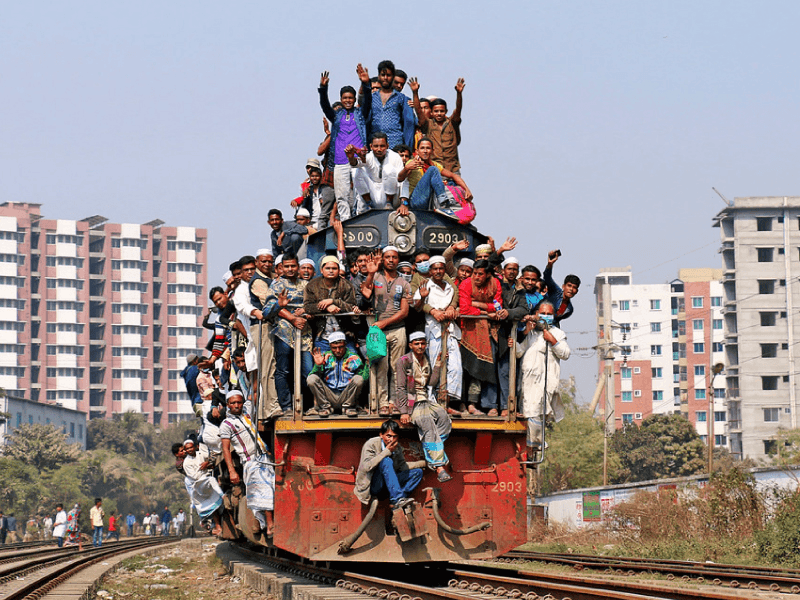
Witness one of the world’s largest Muslim congregations gather beside the Turag River.
Explore More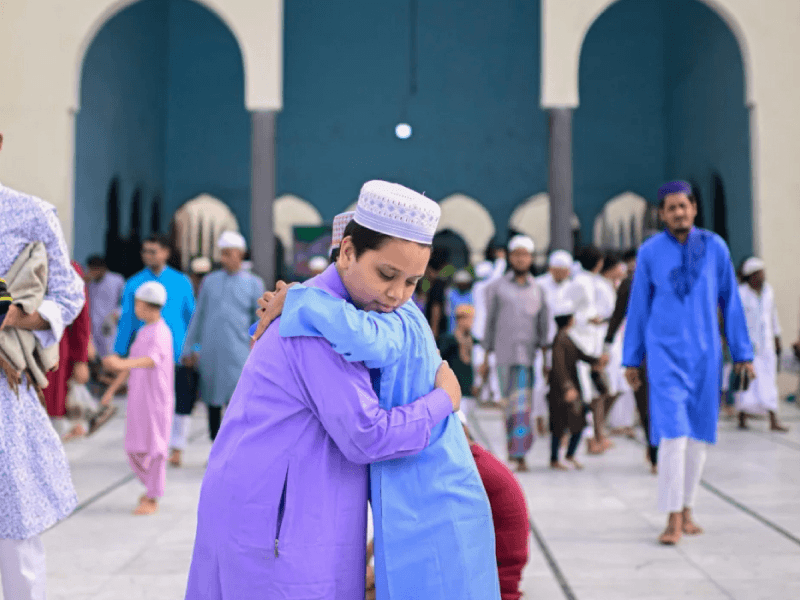
Eid-al-Fitr
Follow the Shawwal moon into a nationwide morning of prayer, semai and homecoming
Explore More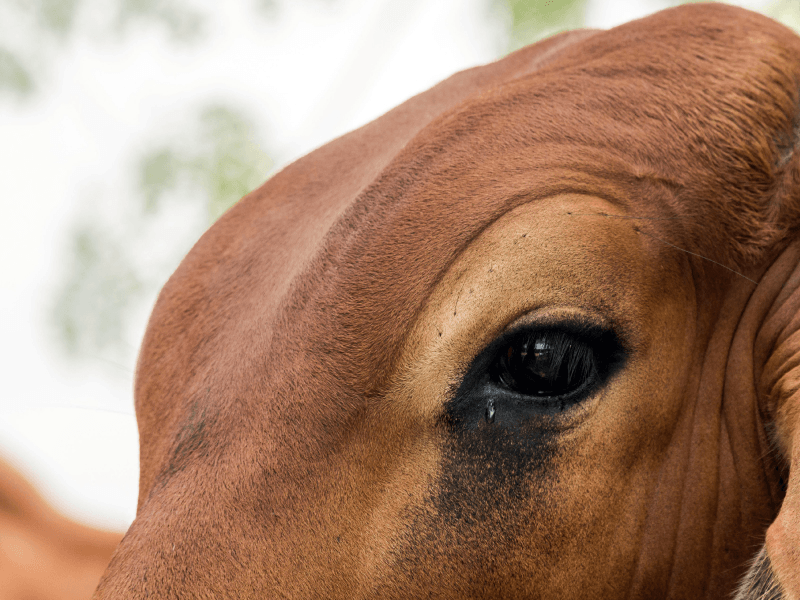
Eid-al-Adha
Experience a nationwide festival shaped by prayer, sacrifice and the sharing of food
Explore More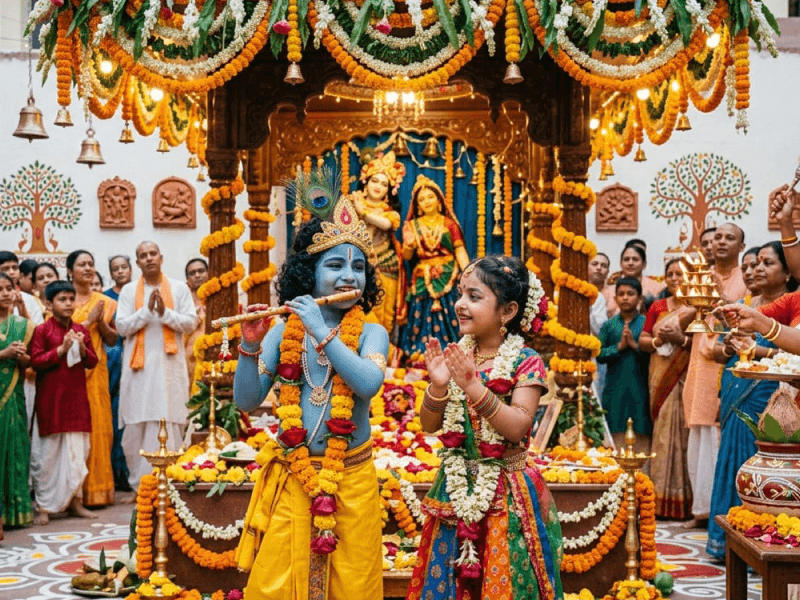
Janmashtami
Follow Krishna’s birthday from temple vigils to a vivid procession through Old Dhaka
Explore More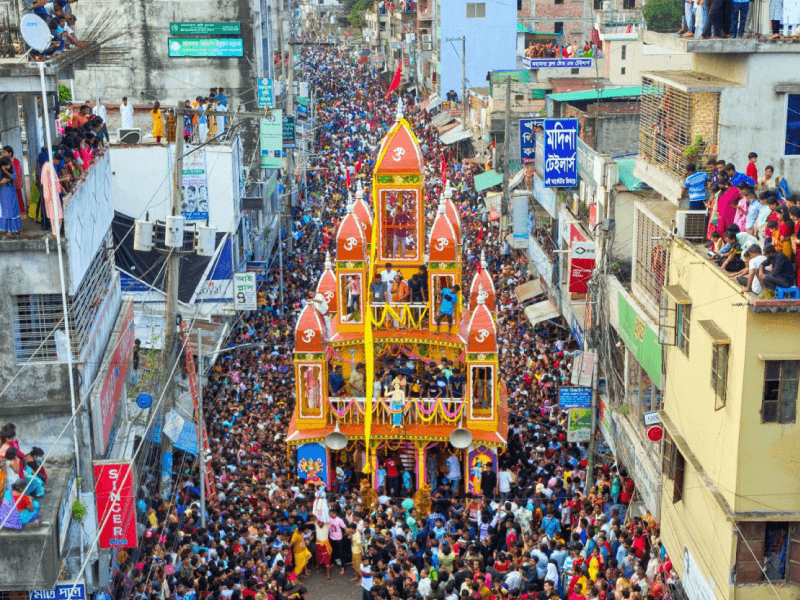
Chariot Festival (Rath Yatra)
Watch Dhamrai pull its historic Jagannath chariot through rain-washed streets
Explore More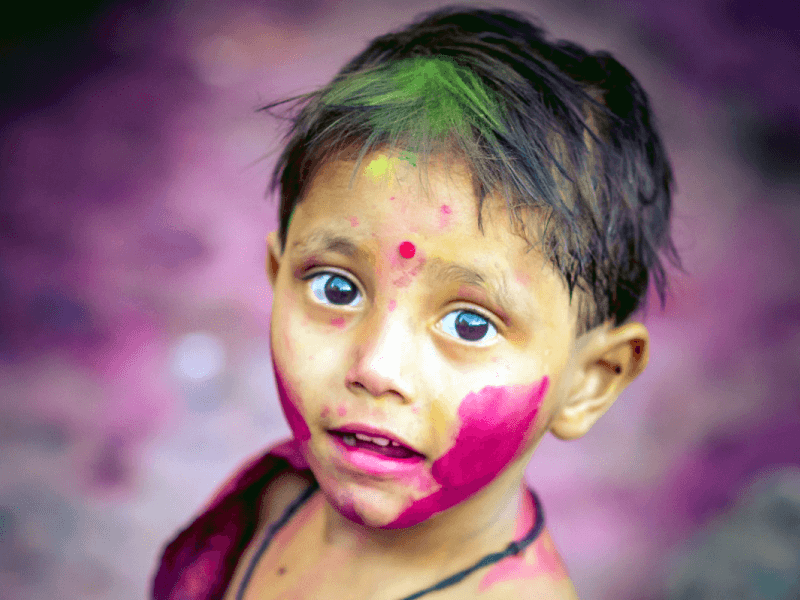
Doljatra
Meet spring on the full moon of Phalgun through colour, kirtan and Krishna devotion
Explore More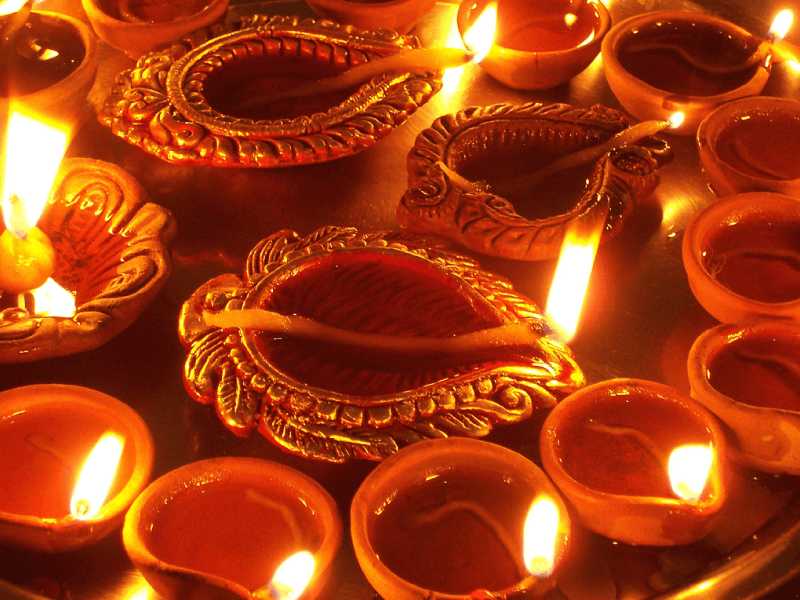
Diwali and Shyama Puja
Follow earthen lamps into a new-moon night of home ritual and Kali worship
Explore More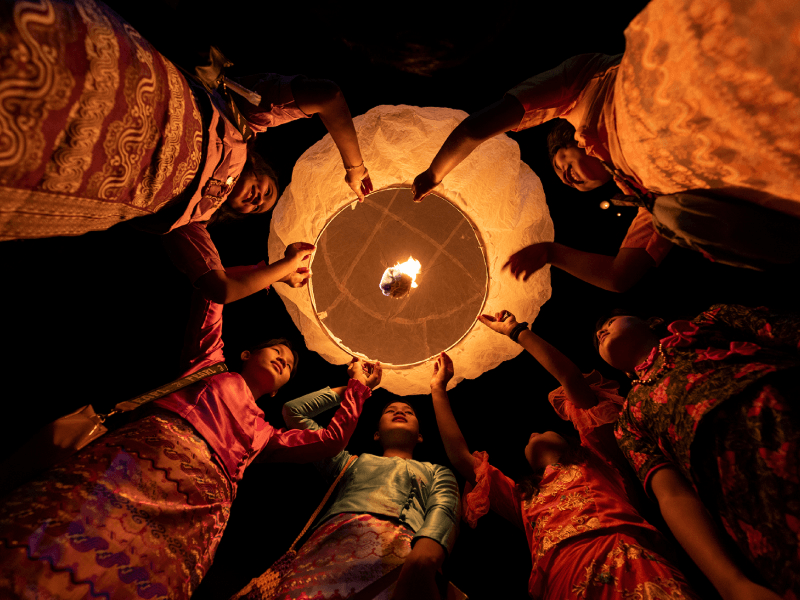
Buddha Purnima
Enter the full moon of Boishakh through chanting, candlelight and acts of compassion
Explore More