

Diwali and Shyama Puja
Follow earthen lamps into a new-moon night of home ritual and Kali worship
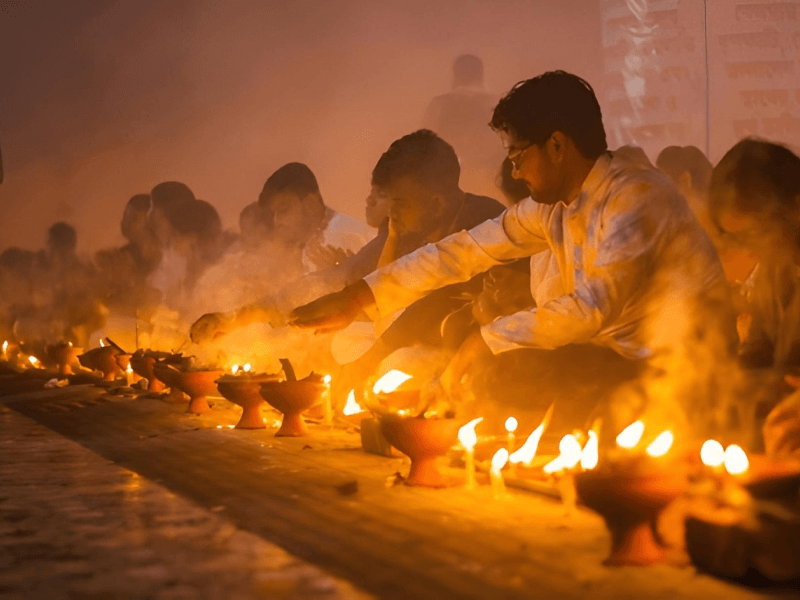
Enter the darkest night of Kartik and watch small flames redraw the city.
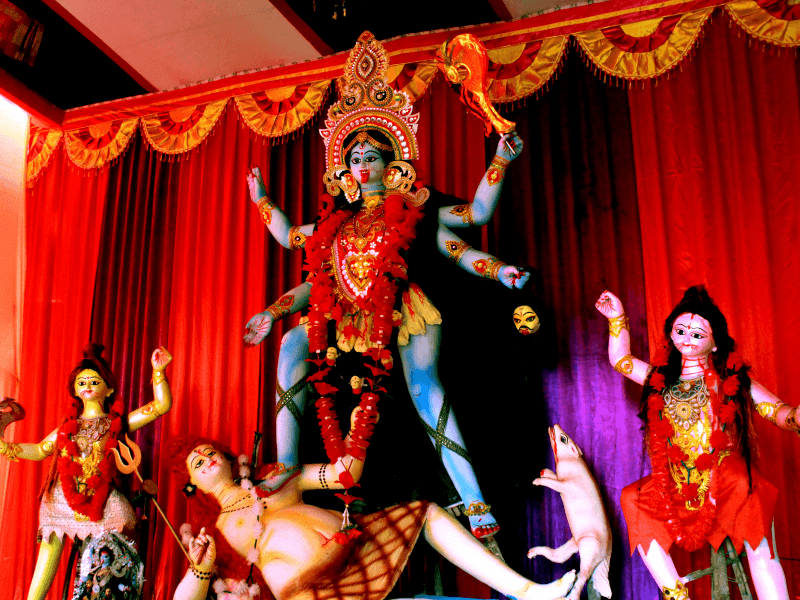
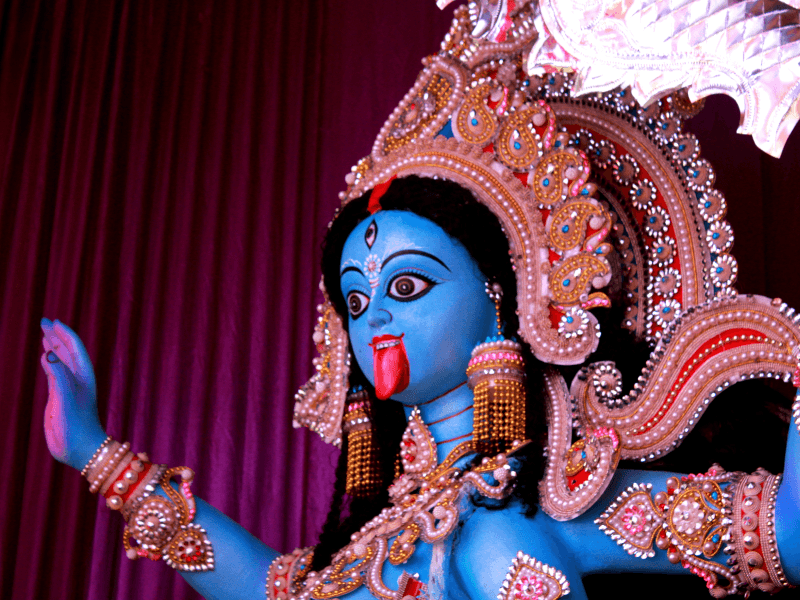
On the new moon night of the late autumn month of Kartik, when the sky is completely devoid of moonlight, Bangladesh glows with an otherworldly brilliance. Diwali, the Festival of Lights, is celebrated here with a deeply rooted, mystical charm. In Bangladesh, this dazzling festival is uniquely intertwined with Shyama Puja (the worship of Goddess Kali), offering a fascinating duality that captivates every traveler: the serene, glowing beauty of countless earthen lamps juxtaposed against the fierce, passionate devotion to the dark-skinned Goddess of time and change.
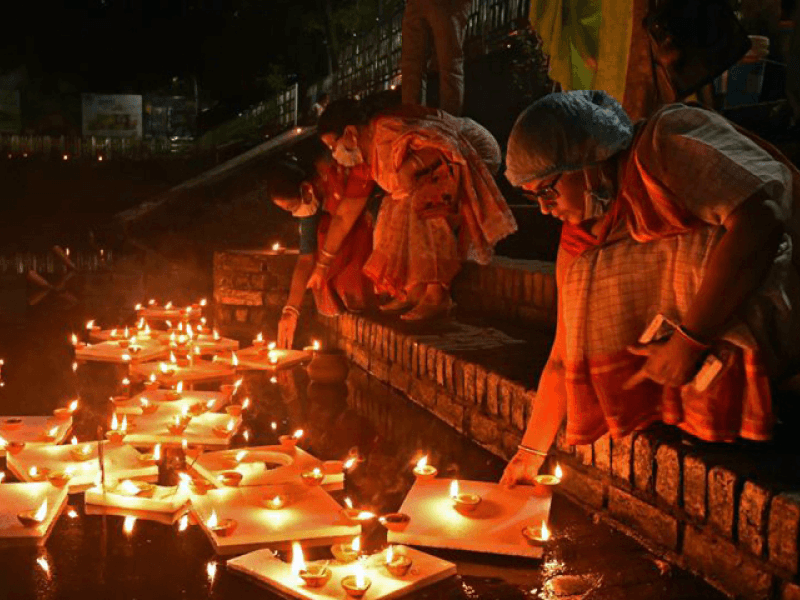
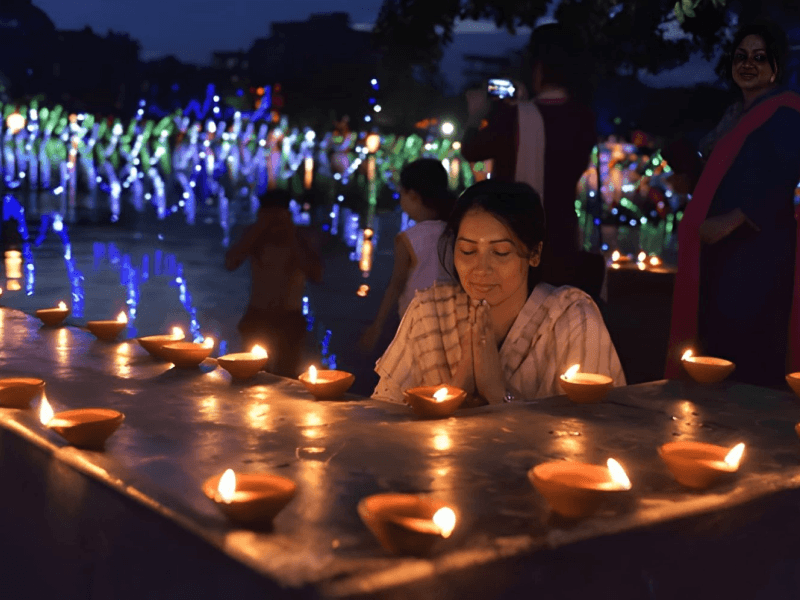
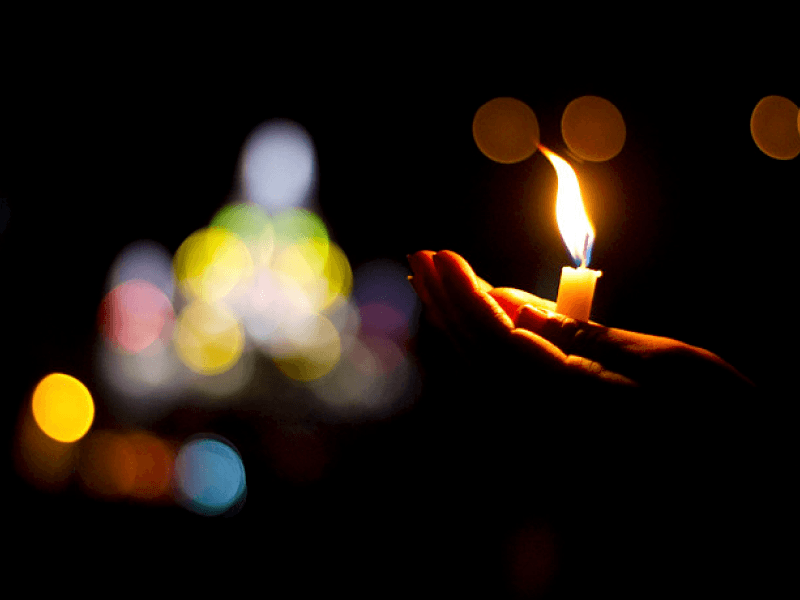
As twilight falls, an enchanting metamorphosis sweeps across the country. They line the edges of rooftops, balconies, temple courtyards, and ancient riverbanks, creating a mesmerizing, flickering sea of gold against the pitch-black night. Women carefully design intricate Alpana or Rangoli—vibrant, geometric floor art made from coloured rice flour and flower petals—at the entrances of homes to welcome prosperity and dispel all shadows. The sheer visual poetry of these glowing lamps, reflecting in the calm waters of local ponds and rivers, provides a photographer's paradise.
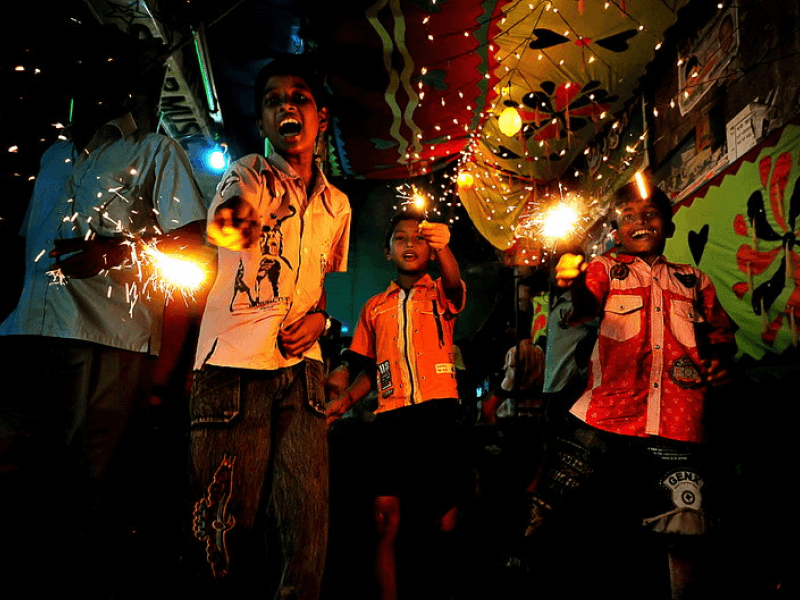
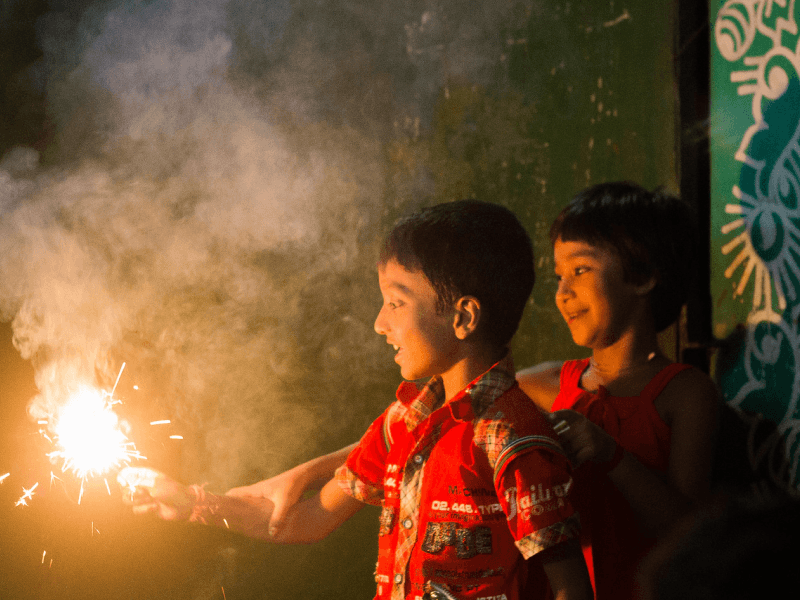
As the evening deepens, the atmosphere becomes electric. The quiet serenity of the glowing lamps gives way to roaring celebrations. Concurrently, the historic temples begin their midnight rituals for Goddess Kali. The air grows thick with the intoxicating scent of burning incense, red hibiscus flowers, and the hypnotic, primal beats of the dhak (traditional drums).
For a foreign visitor, Diwali in Bangladesh is an extraordinary sensory journey. It is a time when families open their doors to neighbors and guests, offering platters piled high with homemade sweets like sandesh, muri murki (sweetened puffed rice), and rich narikeler naru (coconut laddoos).
A visitor should choose a temple with an announced public programme or attend a home celebration only by invitation. Lamps and incense create heat and open flame, while fireworks may be restricted and can distress people, animals and birds. Observe from designated areas, keep loose clothing away from flames and never launch fireworks independently. Dhakeshwari and other major temples can be extremely busy around midnight worship. Ask before photographing the deity, offerings or worshippers, remove footwear where instructed and leave the quiet parts of the ritual free from flash, conversation and staged posing.
Immersive Experience
No 360° Videos available
Destination Gallery
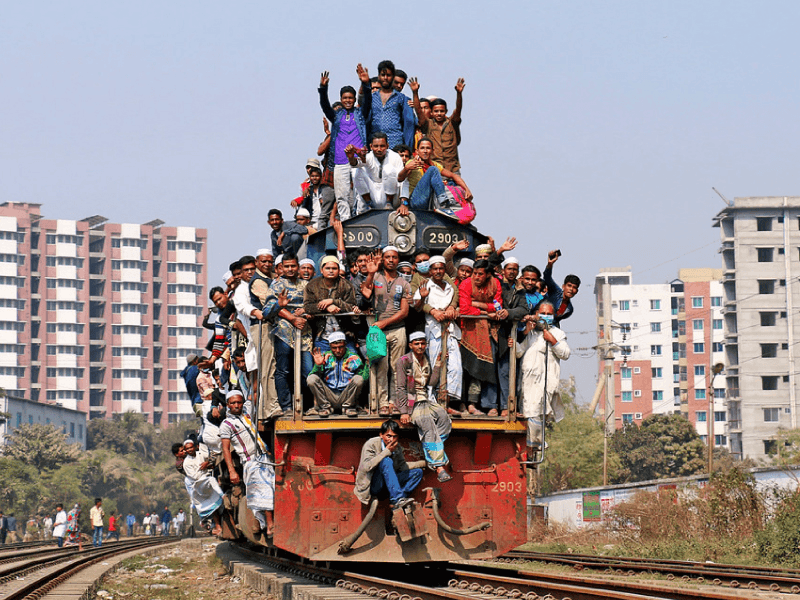
Biswa Ijtema
Witness one of the world’s largest Muslim congregations gather beside the Turag River.
Explore More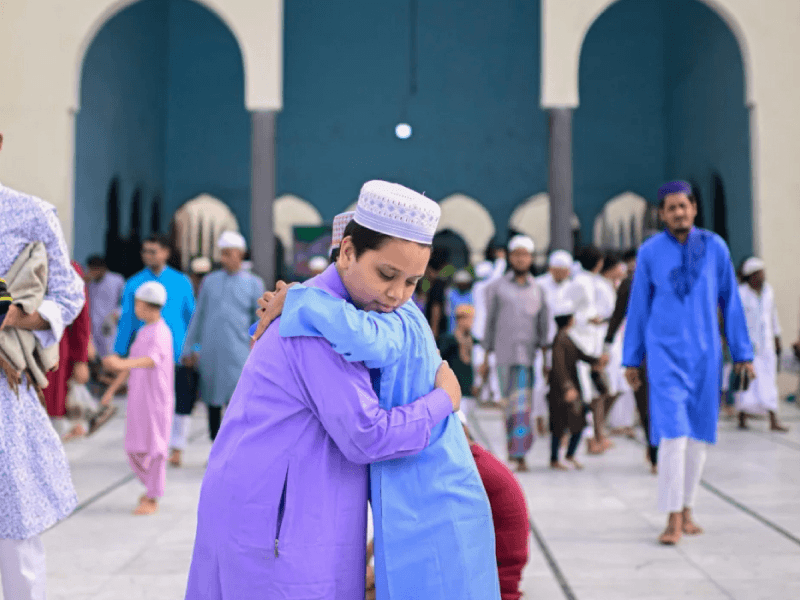
Eid-al-Fitr
Follow the Shawwal moon into a nationwide morning of prayer, semai and homecoming
Explore More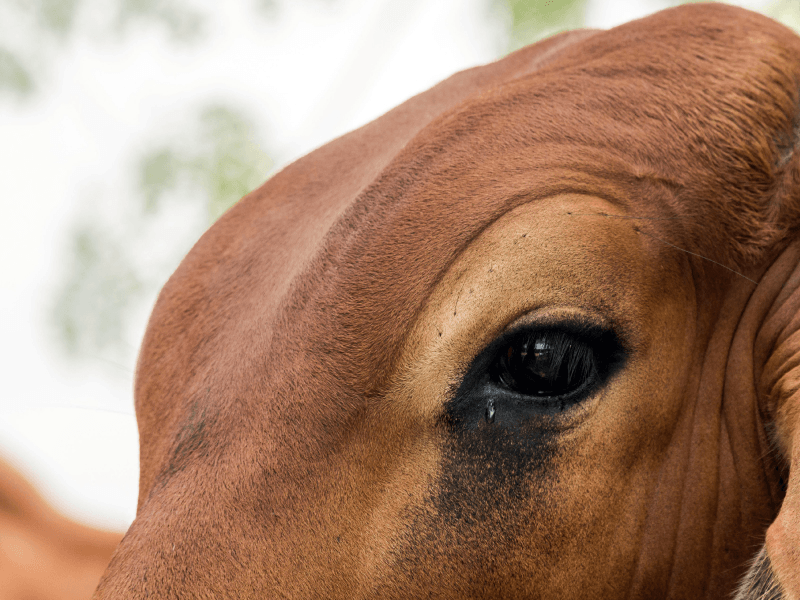
Eid-al-Adha
Experience a nationwide festival shaped by prayer, sacrifice and the sharing of food
Explore More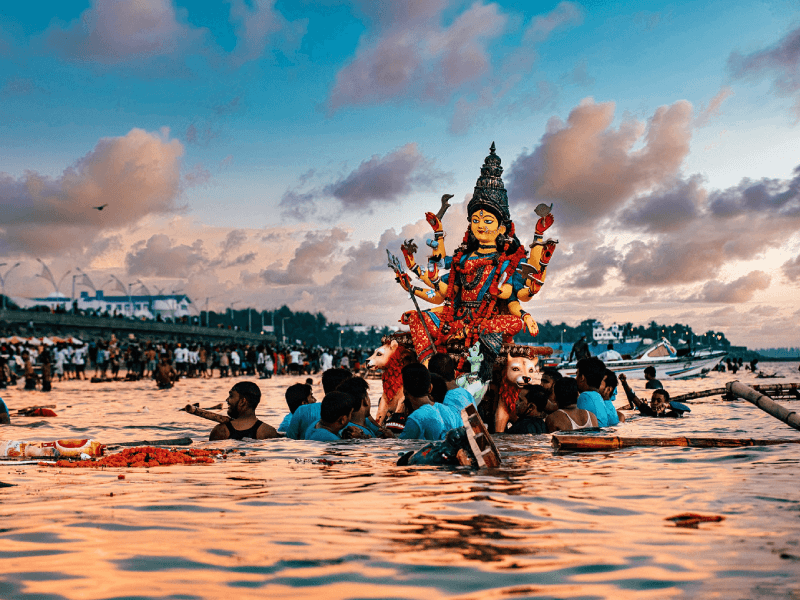
Durga Puja
Follow five autumn days of art, dhak rhythms and devotion toward Bijoya Dashami
Explore More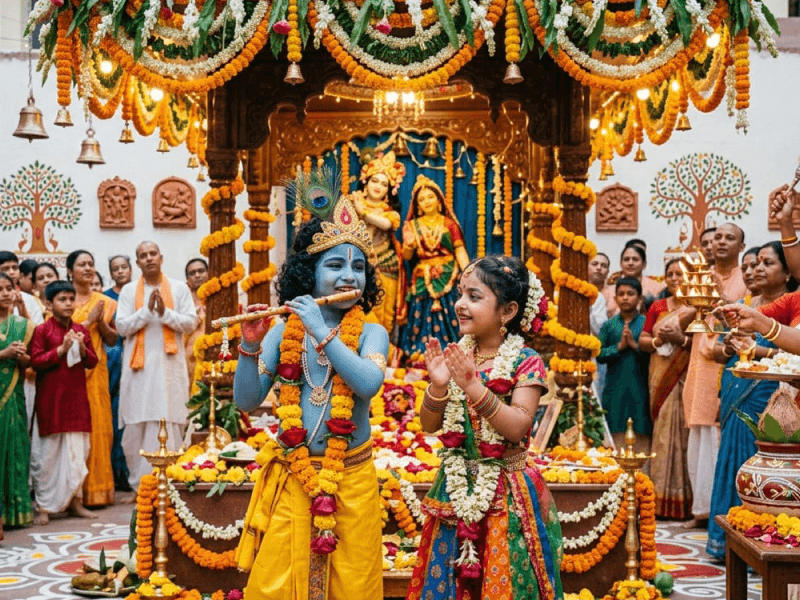
Janmashtami
Follow Krishna’s birthday from temple vigils to a vivid procession through Old Dhaka
Explore More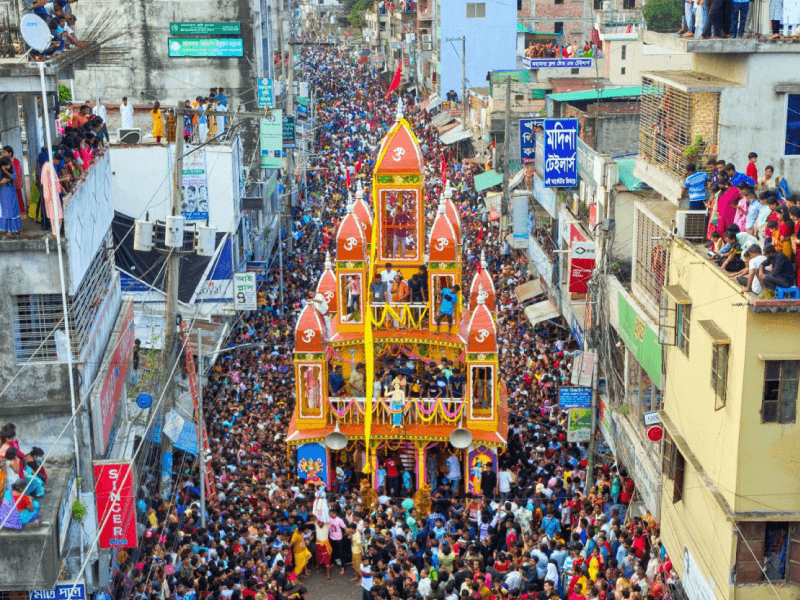
Chariot Festival (Rath Yatra)
Watch Dhamrai pull its historic Jagannath chariot through rain-washed streets
Explore More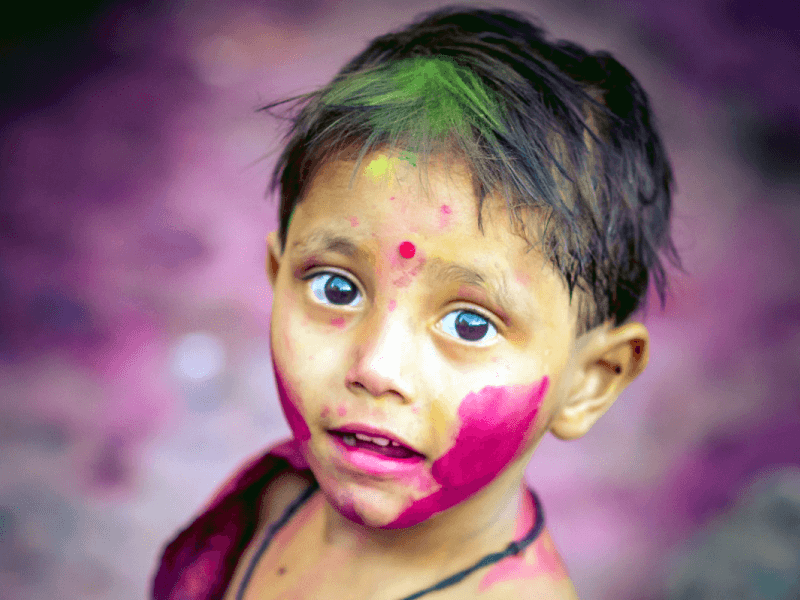
Doljatra
Meet spring on the full moon of Phalgun through colour, kirtan and Krishna devotion
Explore More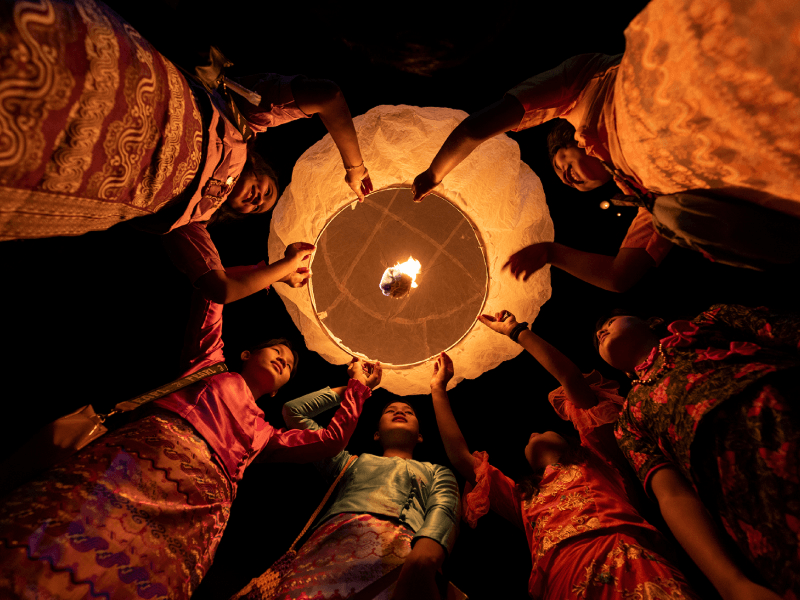
Buddha Purnima
Enter the full moon of Boishakh through chanting, candlelight and acts of compassion
Explore More