
Tangail Saree
A woven masterpiece of deltaic heritage
The Loom's Finest Poetry. Tradition Woven with Skill and Identity.
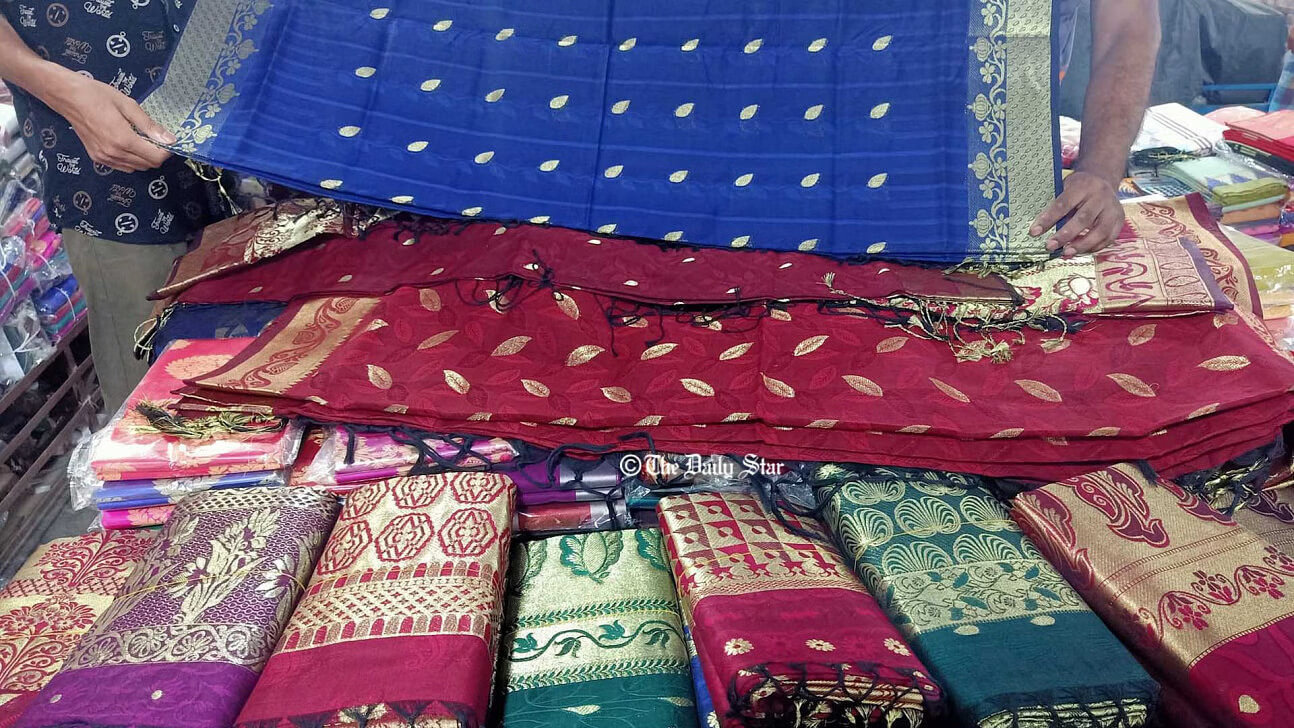
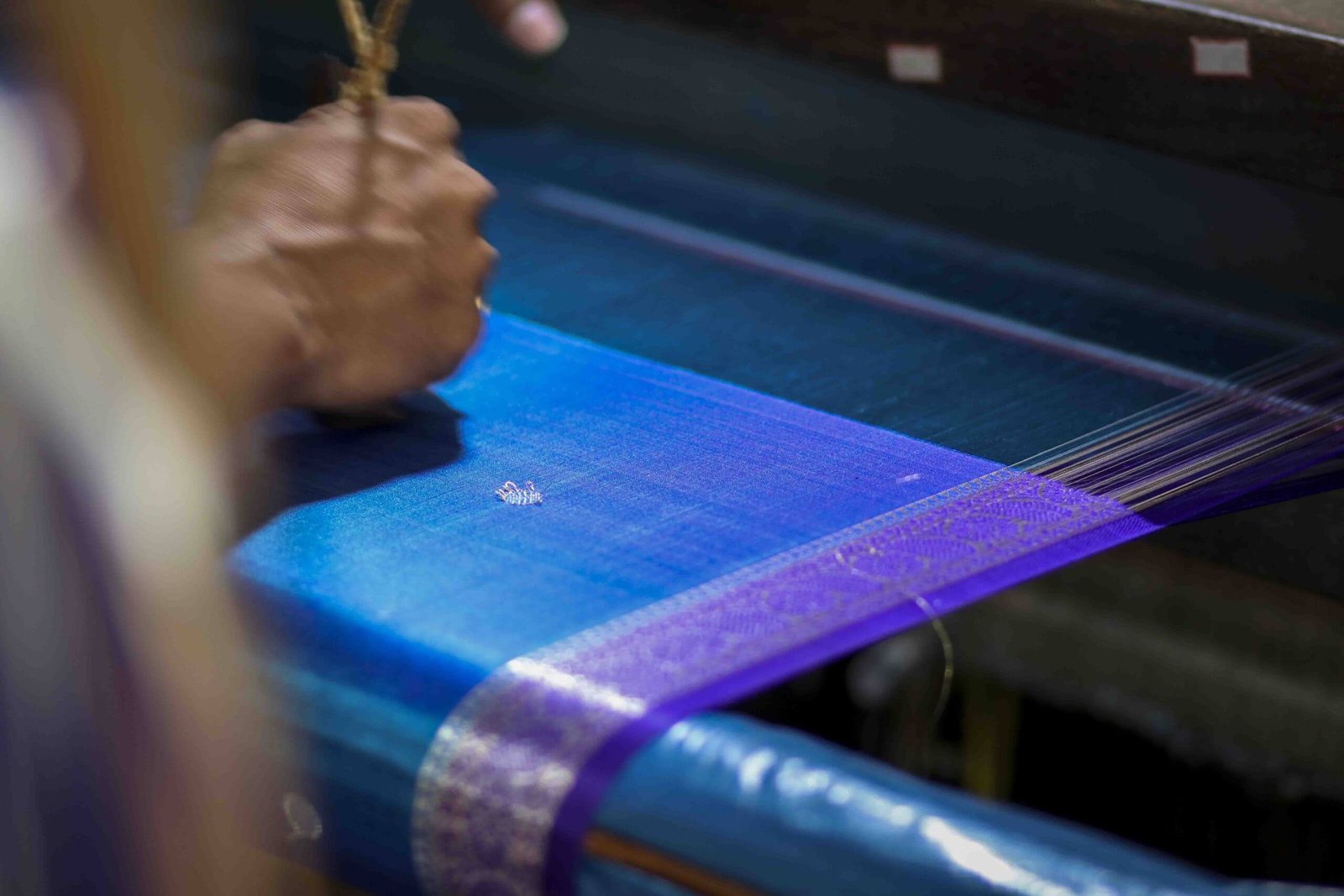
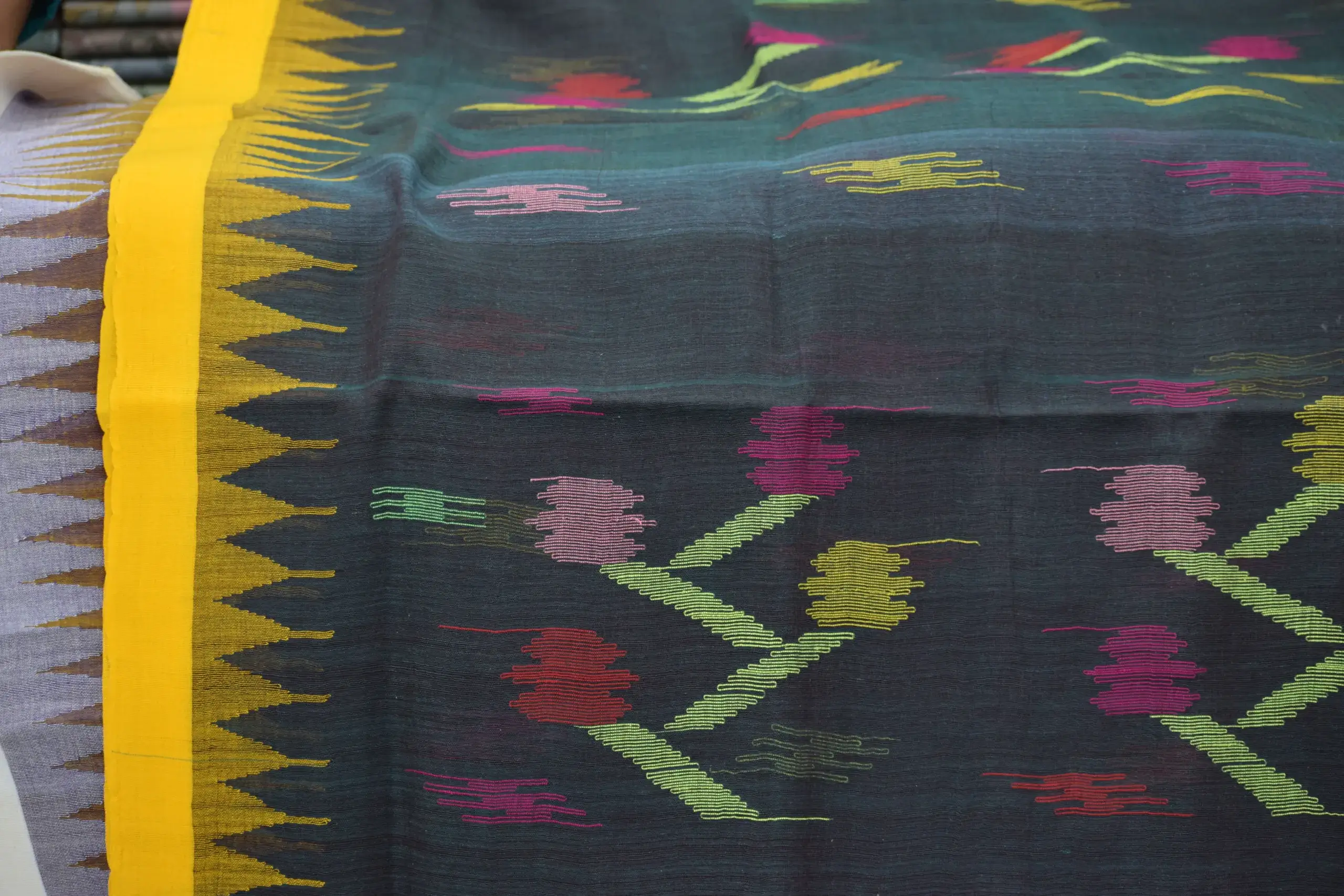
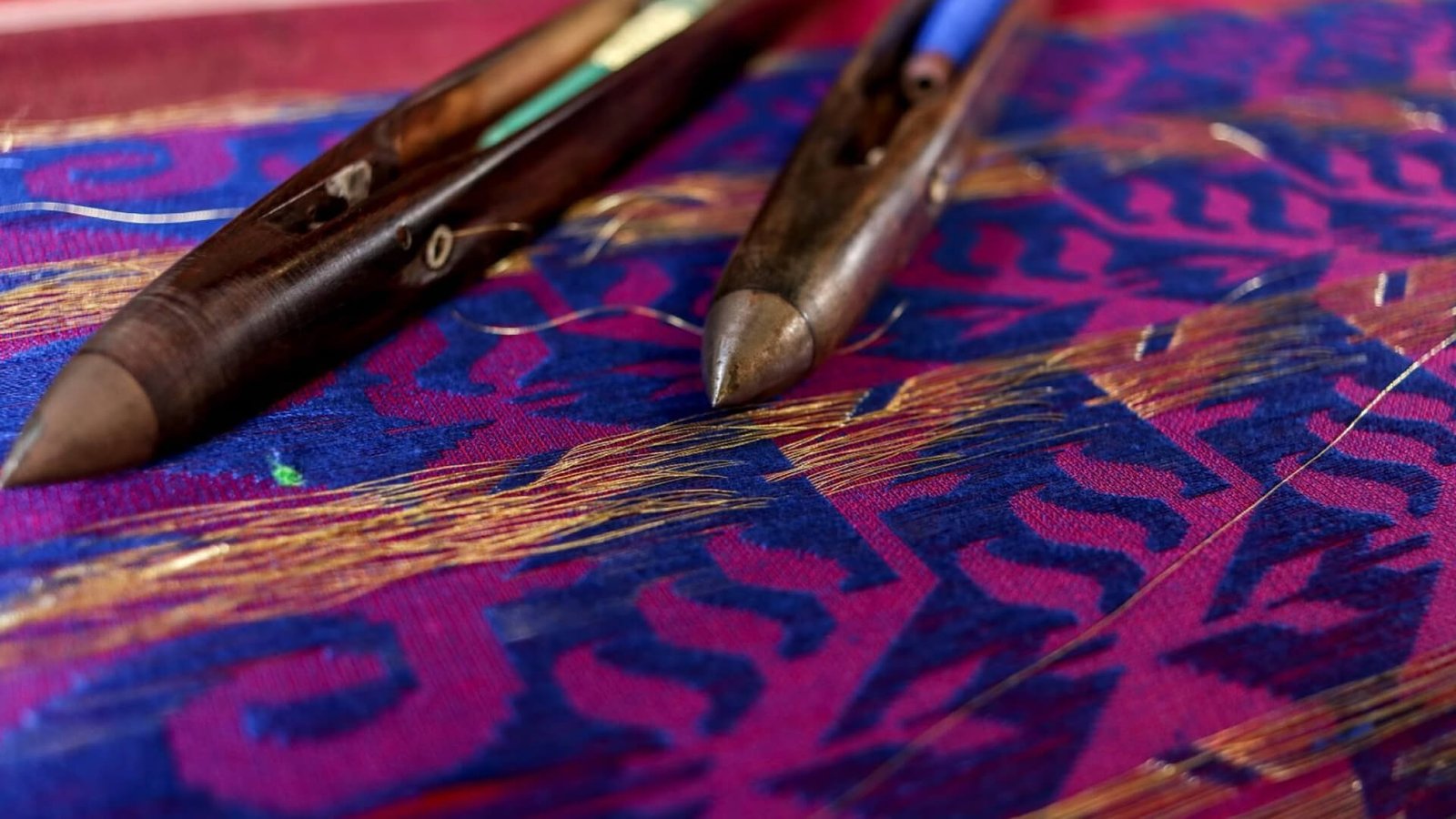
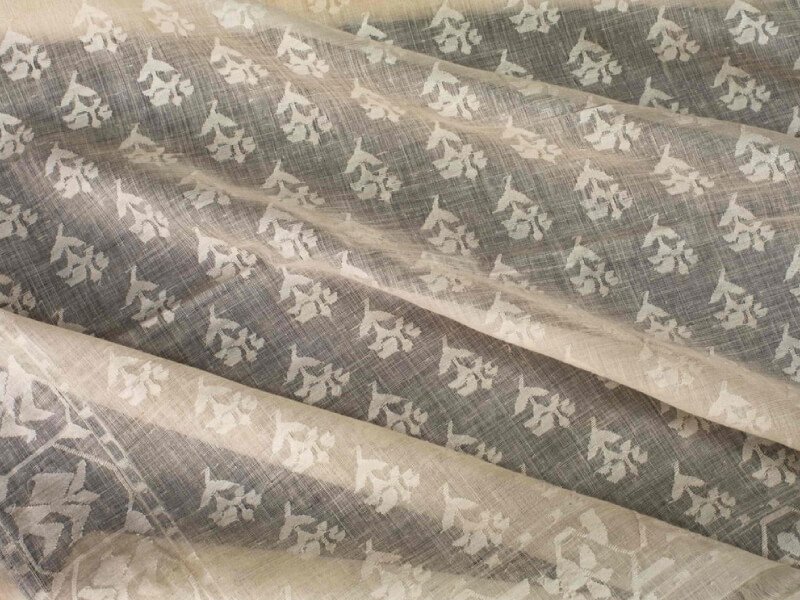
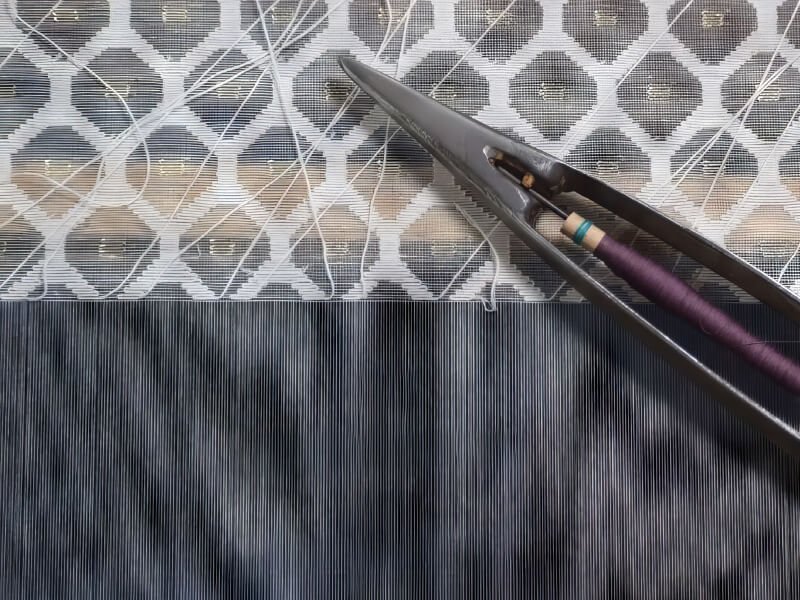
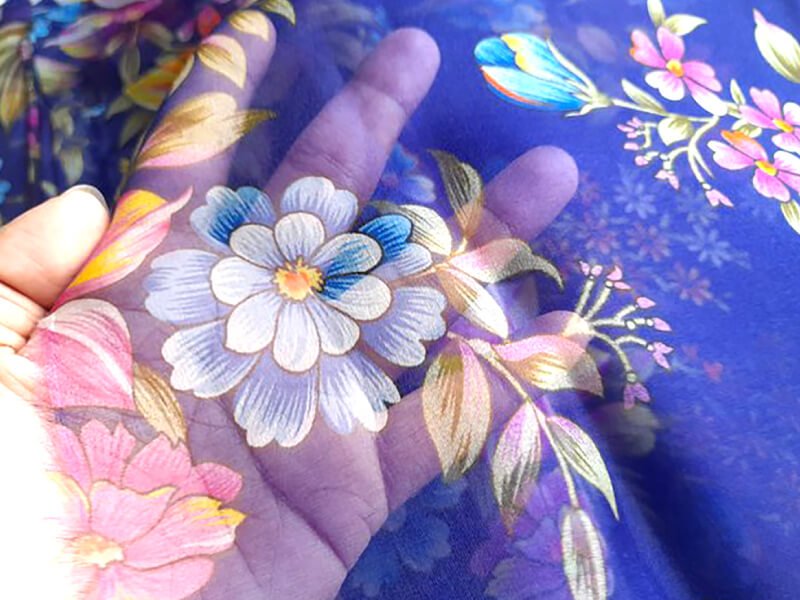
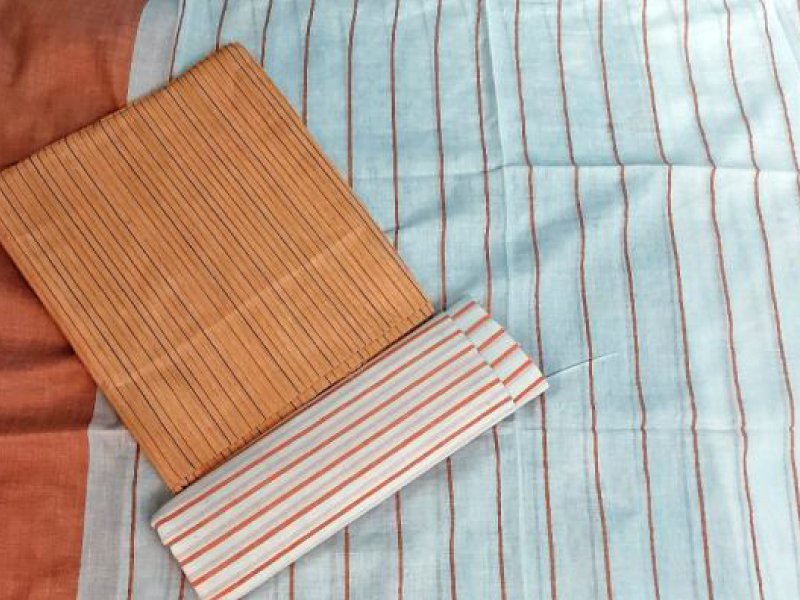
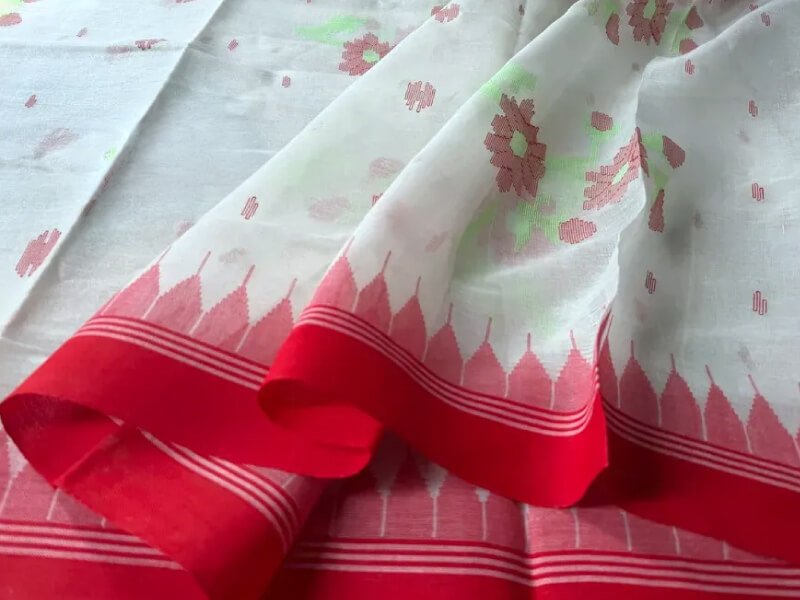
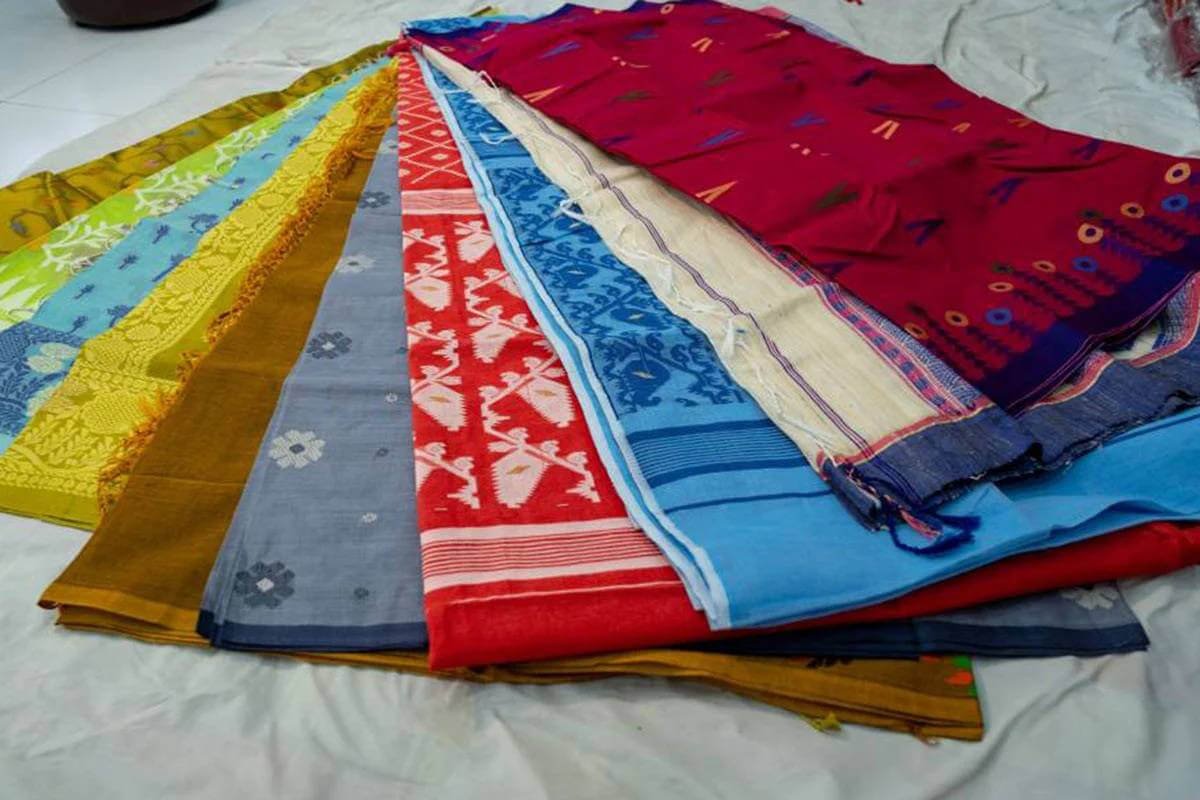
The Tangail Saree represents one of Bangladesh's most prominent handloom traditions. Generations of weavers in Tangail have developed its fine texture, detailed patterns, and elegant appearance through highly skilled handloom work.
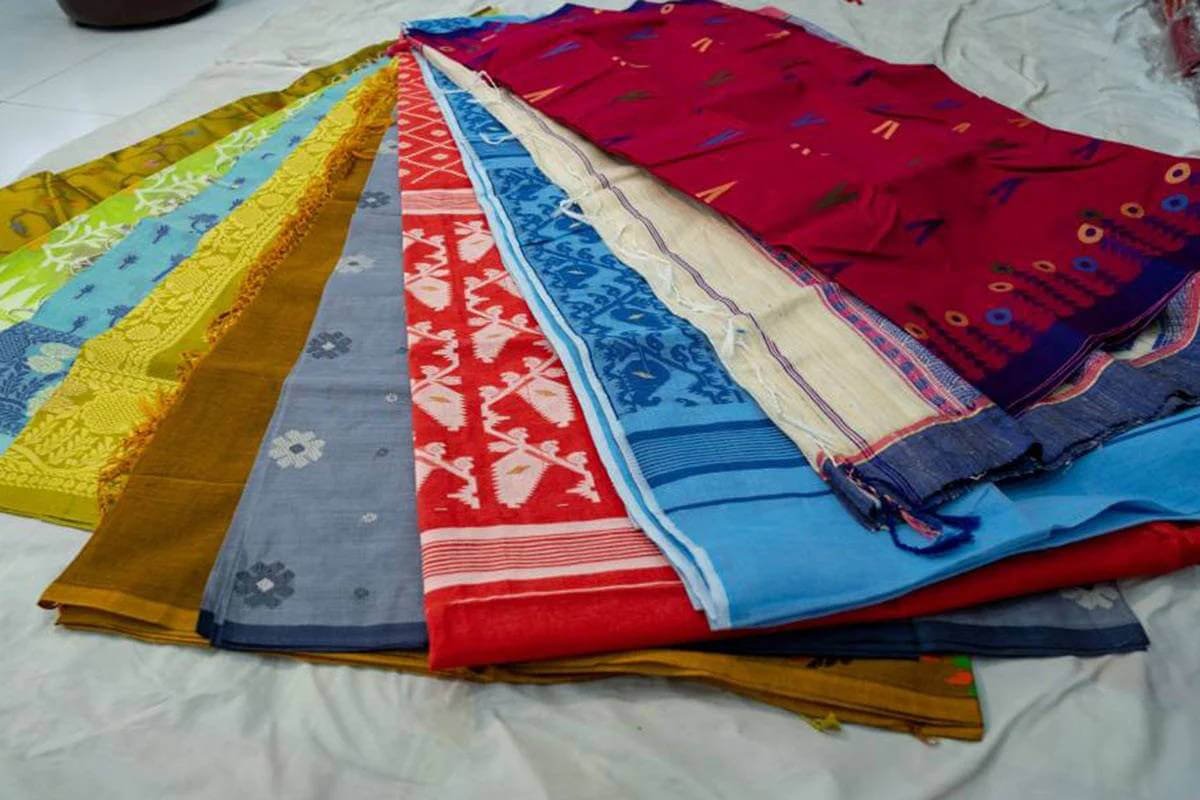
UNESCO identifies the tradition particularly with the Basak and Jhola weaving communities. Artisans work with cotton, silk, jute, and other suitable fibers to create sarees known for their lightness, decorative borders, and locally developed motifs.
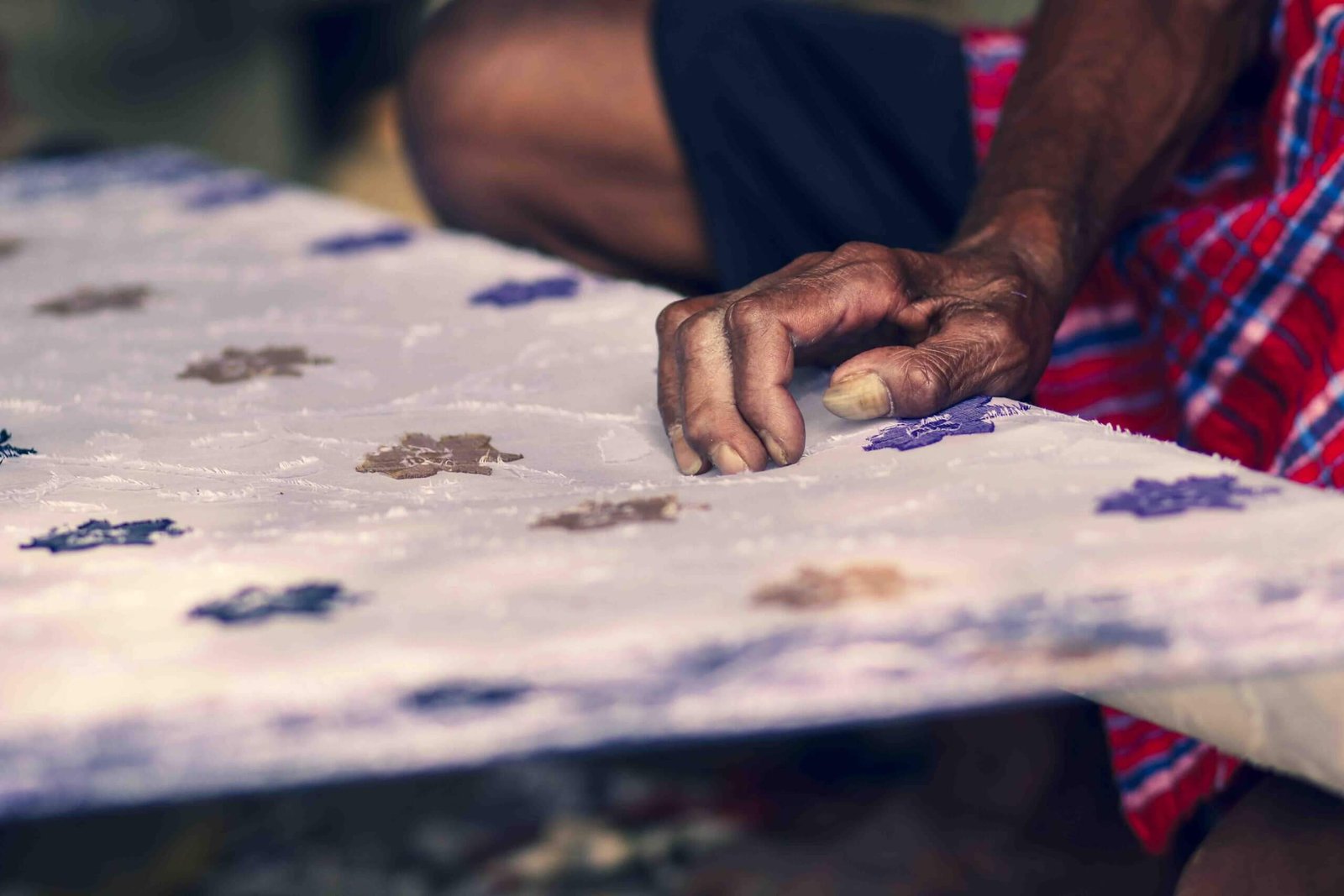
Different members of weaving households contribute to the production process. Men generally lead designing, yarn dyeing, and weaving on the traditional handloom. Women often contribute to thread preparation, rice starching, finishing, and other supporting stages. Younger family members also learn through observation and hands-on participation.
The saree holds an important place in social and cultural life. People wear Tangail sarees during festivals, weddings, celebrations, and other occasions, while artisans continue to adapt colors and designs for changing markets.
Bangladesh recognized the Tangail Saree as a Geographical Indication product in February 2024. The recognition established its protected geographical identity under Bangladesh's GI system.
The tradition gained further international recognition in 2025 when UNESCO inscribed the Traditional Saree Weaving Art of Tangail on the Representative List of the Intangible Cultural Heritage of Humanity.
Traditional handloom weaving still faces rising production costs, competition, changing markets, and difficulty attracting younger workers. Even so, the knowledge continues in weaving communities such as Pathrail, where visitors can observe one of Bangladesh's most important living textile traditions.
Immersive Experience
No 360° Videos available
Destination Gallery