Cumilla Khadi
Handwoven simplicity shaped by history and resistance
Cloth with a Conscience. Handspun Heritage from Cumilla.
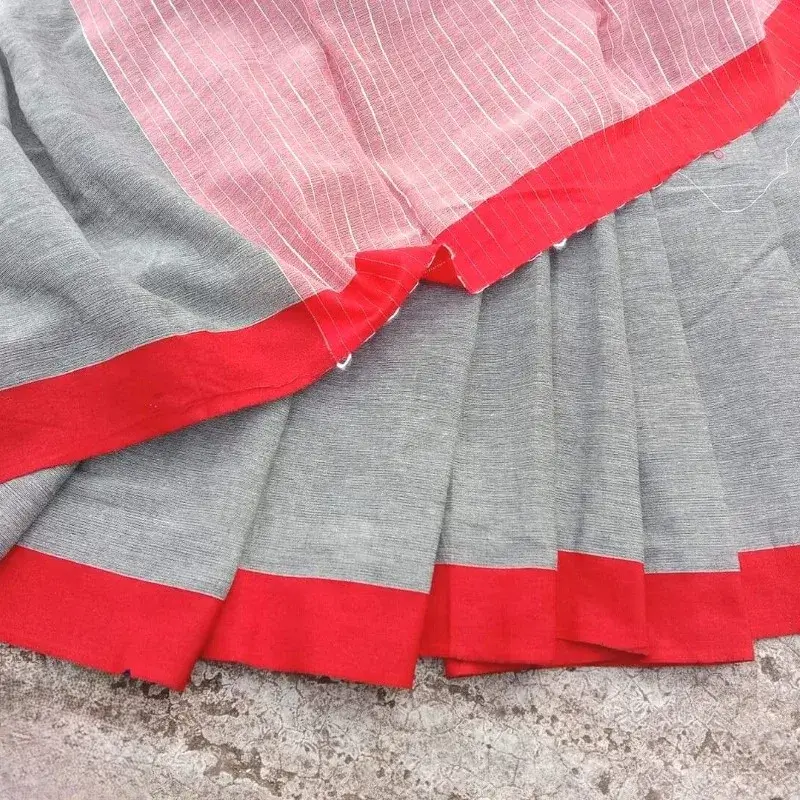
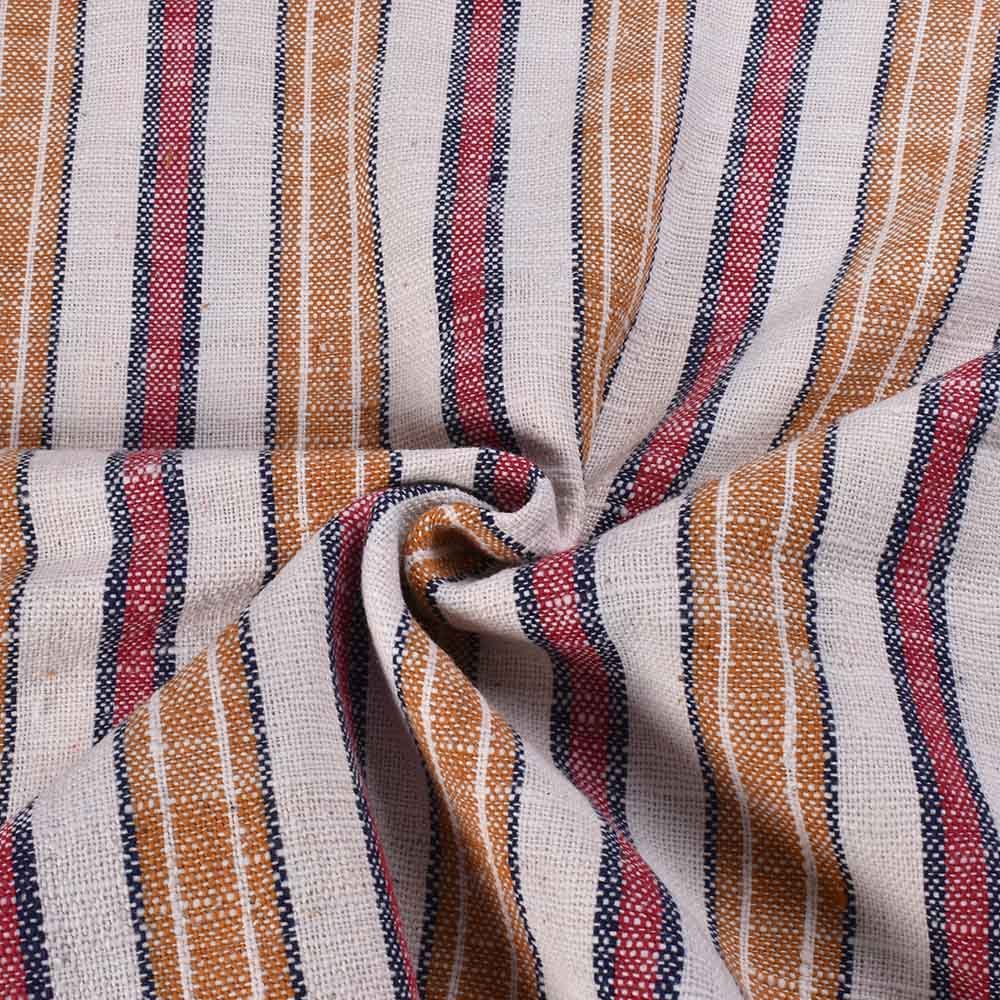
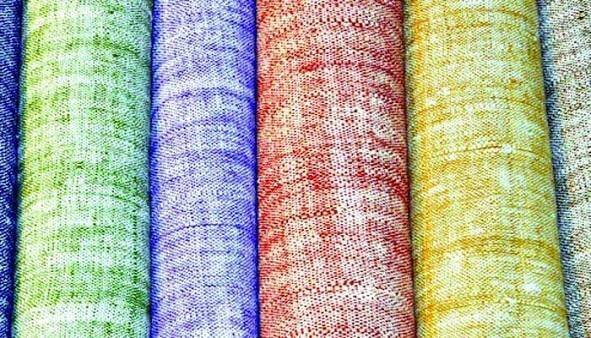
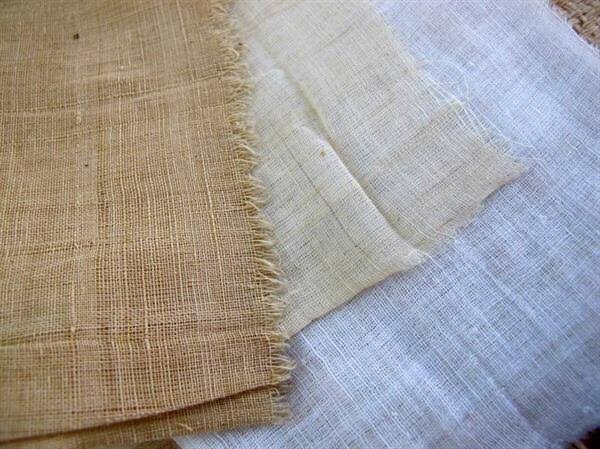
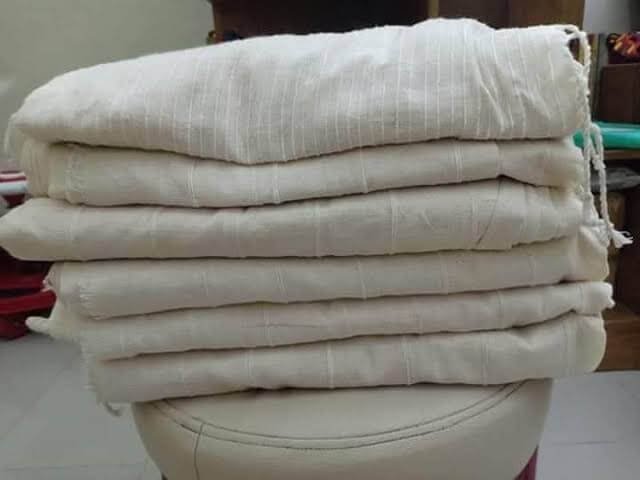
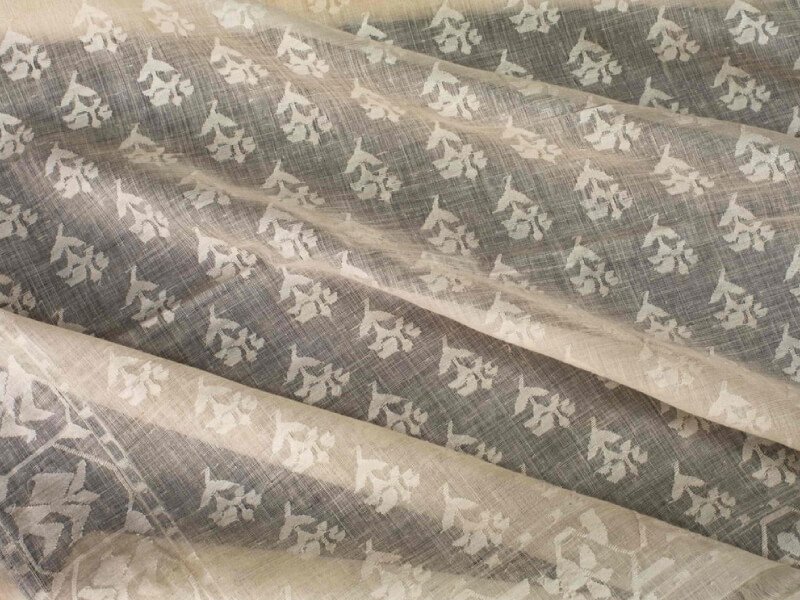
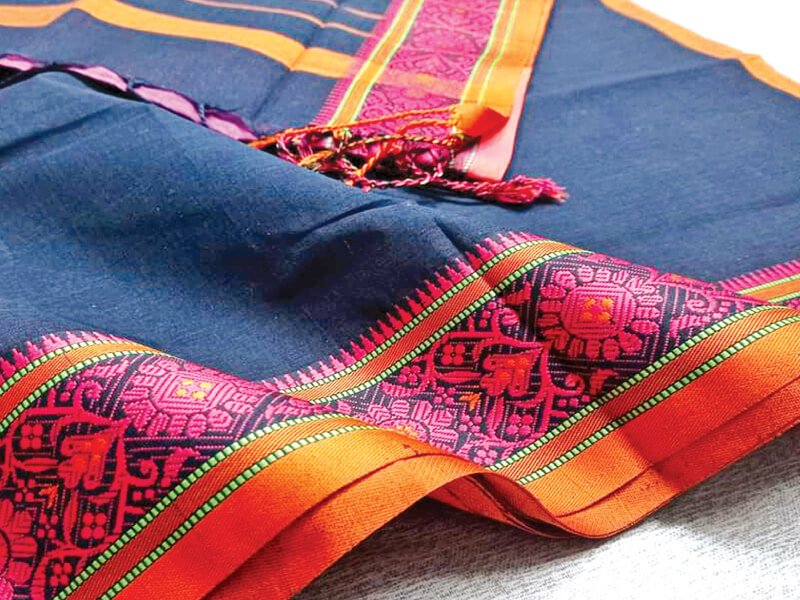
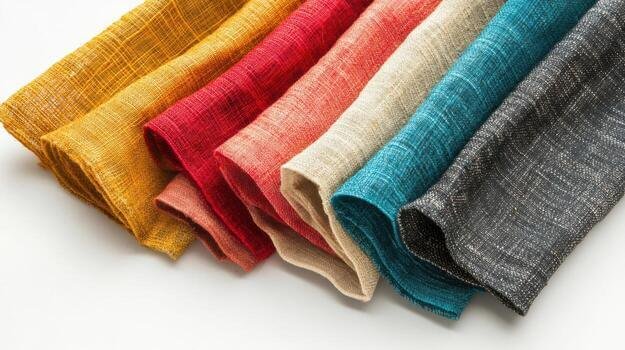
Cumilla preserves one of Bangladesh's most important khadi traditions. Traditional khadi combines hand-spun yarn with handloom weaving to create cloth with a distinctive texture, visible irregularities, and a strong connection to cottage-based production.
Khadi existed in Bengal before the twentieth-century nationalist movements, but the Swadeshi and non-cooperation movements gave the fabric a powerful new political meaning. Supporters encouraged people to use locally produced cloth instead of imported textiles.
Weaving communities in Cumilla, Feni, and Noakhali responded strongly to this movement. Areas such as Chandina and Debidwar became especially associated with khadi production in Cumilla.
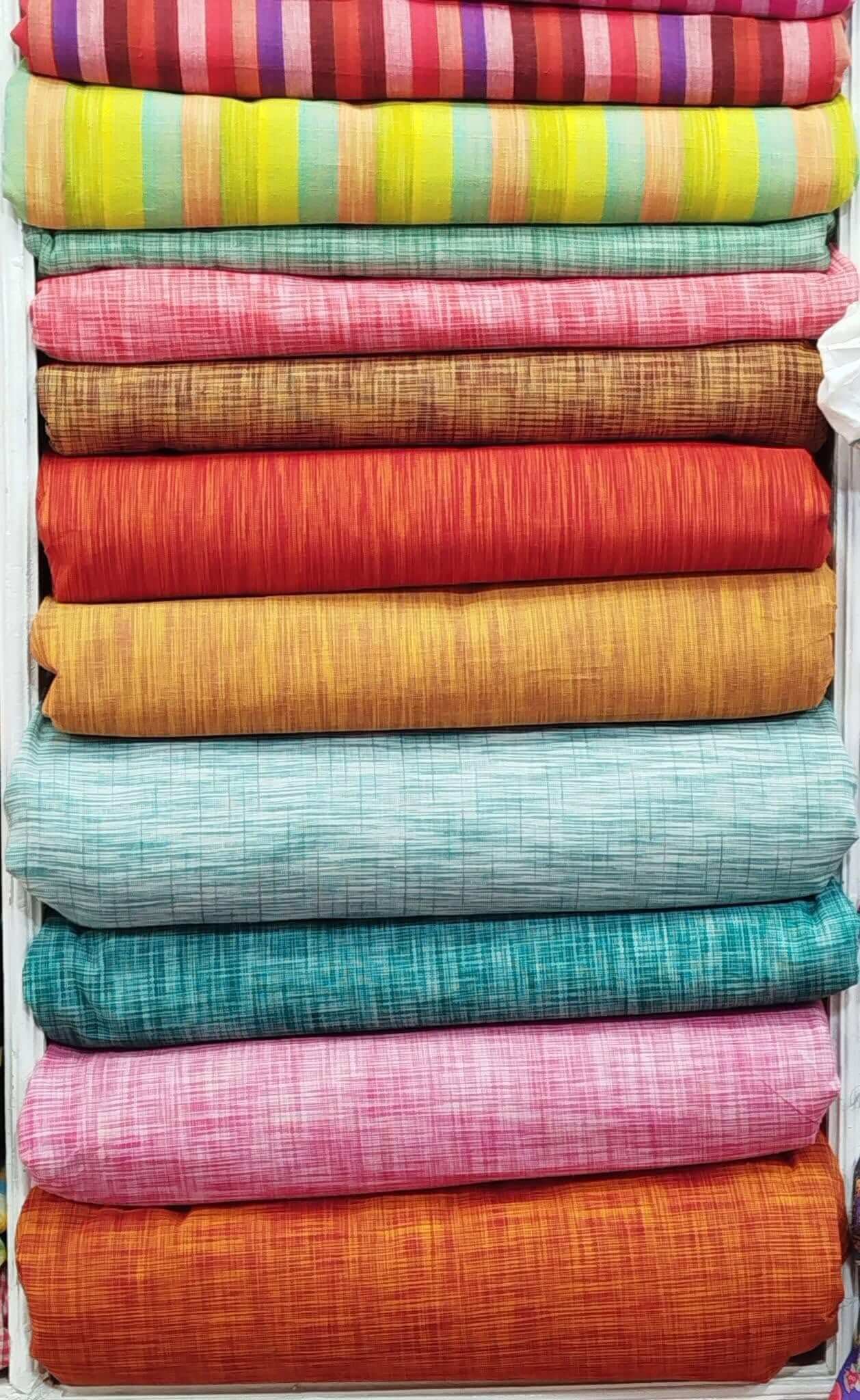
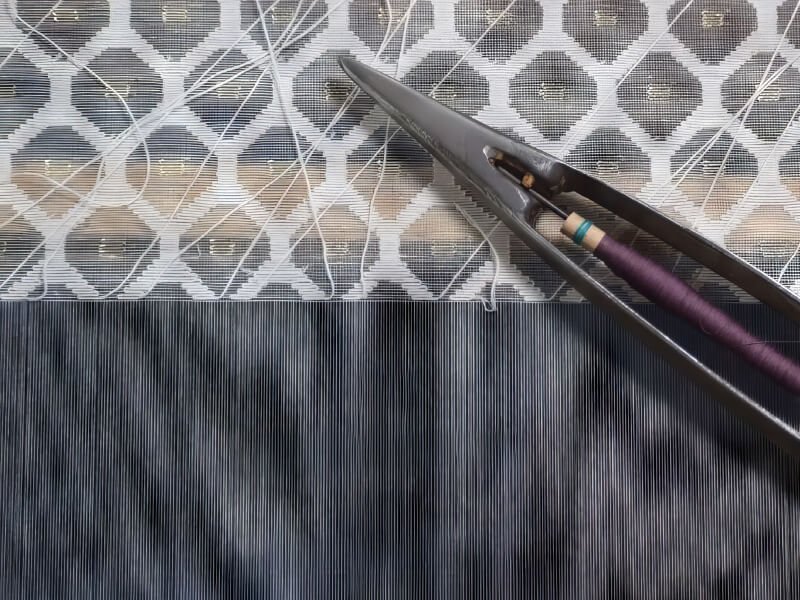
Traditional artisans used spinning wheels to prepare yarn and handlooms to weave the cloth. The fabric could vary from heavier material suitable for shawls and winter clothing to lighter cloth for shirts, panjabis, sarees, and contemporary fashion.
The craft declined as machine-made cloth became cheaper and younger generations moved toward other occupations. Traditional hand-spun and handwoven khadi now survives on a much smaller scale than it did in earlier generations. Products sold commercially under the name khadi may also vary in their methods of production, so genuine hand-spun and handwoven material deserves careful identification.
Cumilla Khadi received its Geographical Indication certificate in April 2025. The recognition gives the regional craft a new opportunity to strengthen its identity and support its artisans.
Designers have also brought khadi into contemporary fashion, proving that its textured surface can work in traditional garments as well as modern clothing and accessories.
Immersive Experience
No 360° Videos available
Destination Gallery