
Jamdani
Intricate motifs woven into the fine cotton tradition of Dhaka
Patterns Born on the Loom. The Living Art of Jamdani.
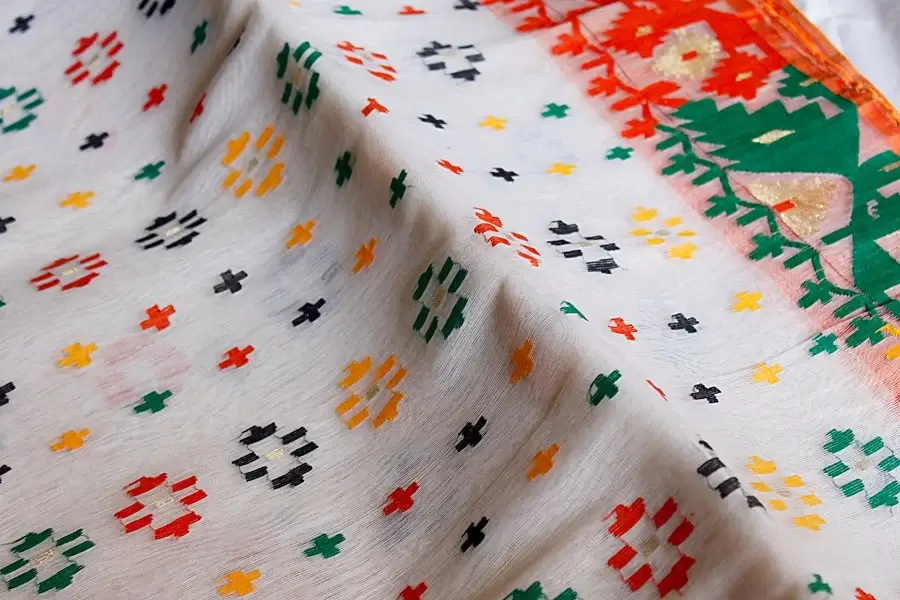
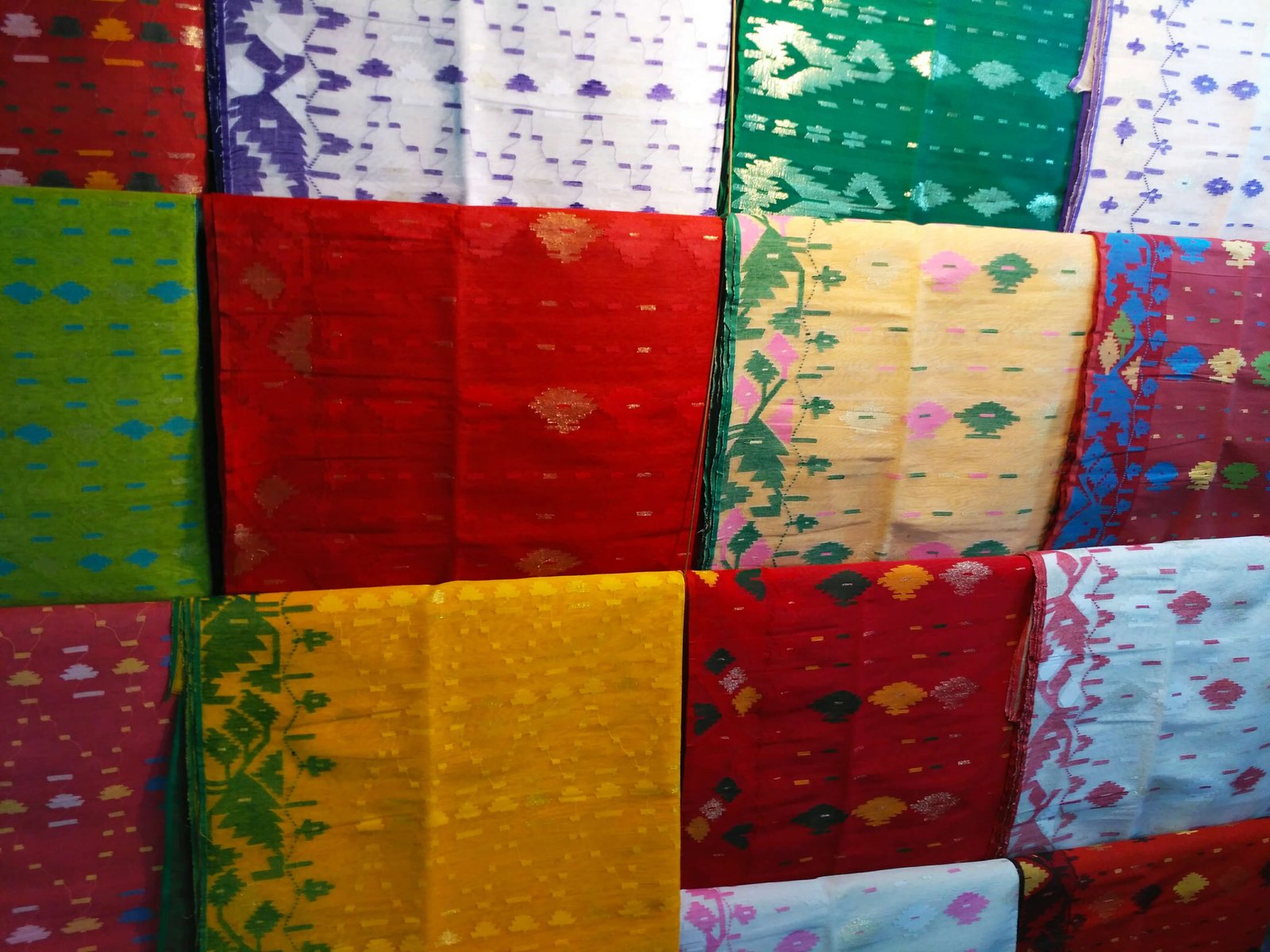
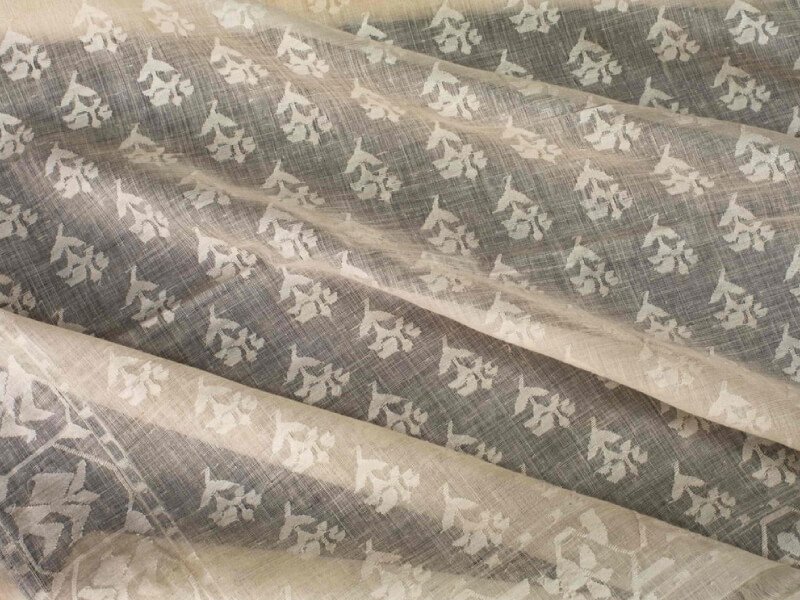
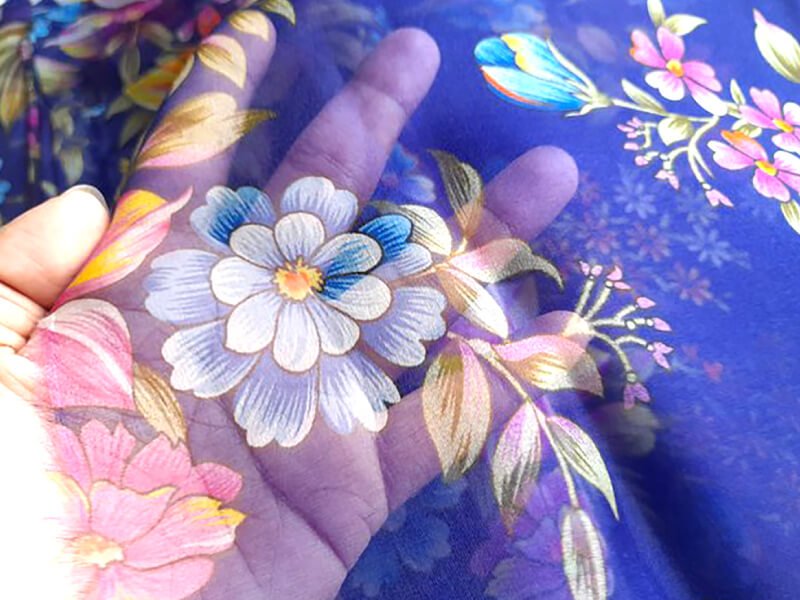
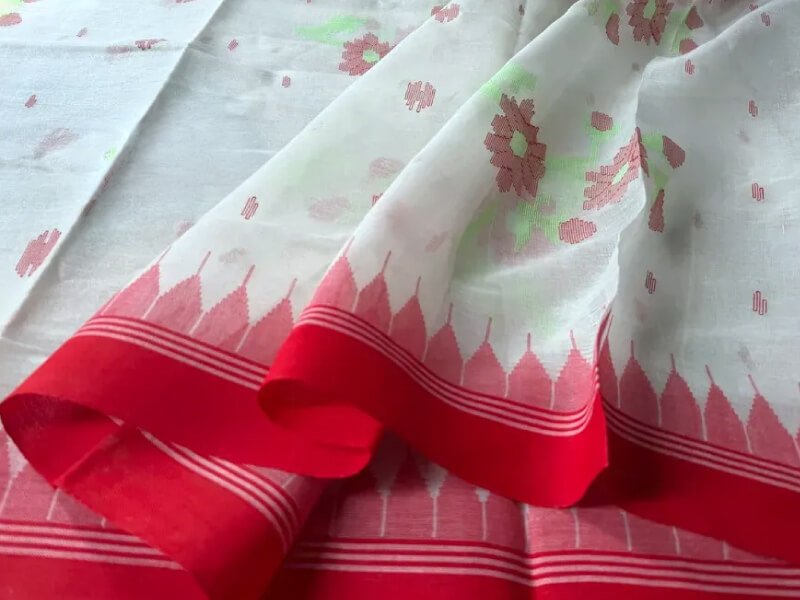
Jamdani stands among the most celebrated handwoven textiles of Bangladesh. Historically, it developed within the wider family of fine Dhaka muslins, but its richly patterned surface gave the fabric a distinctive identity of its own.
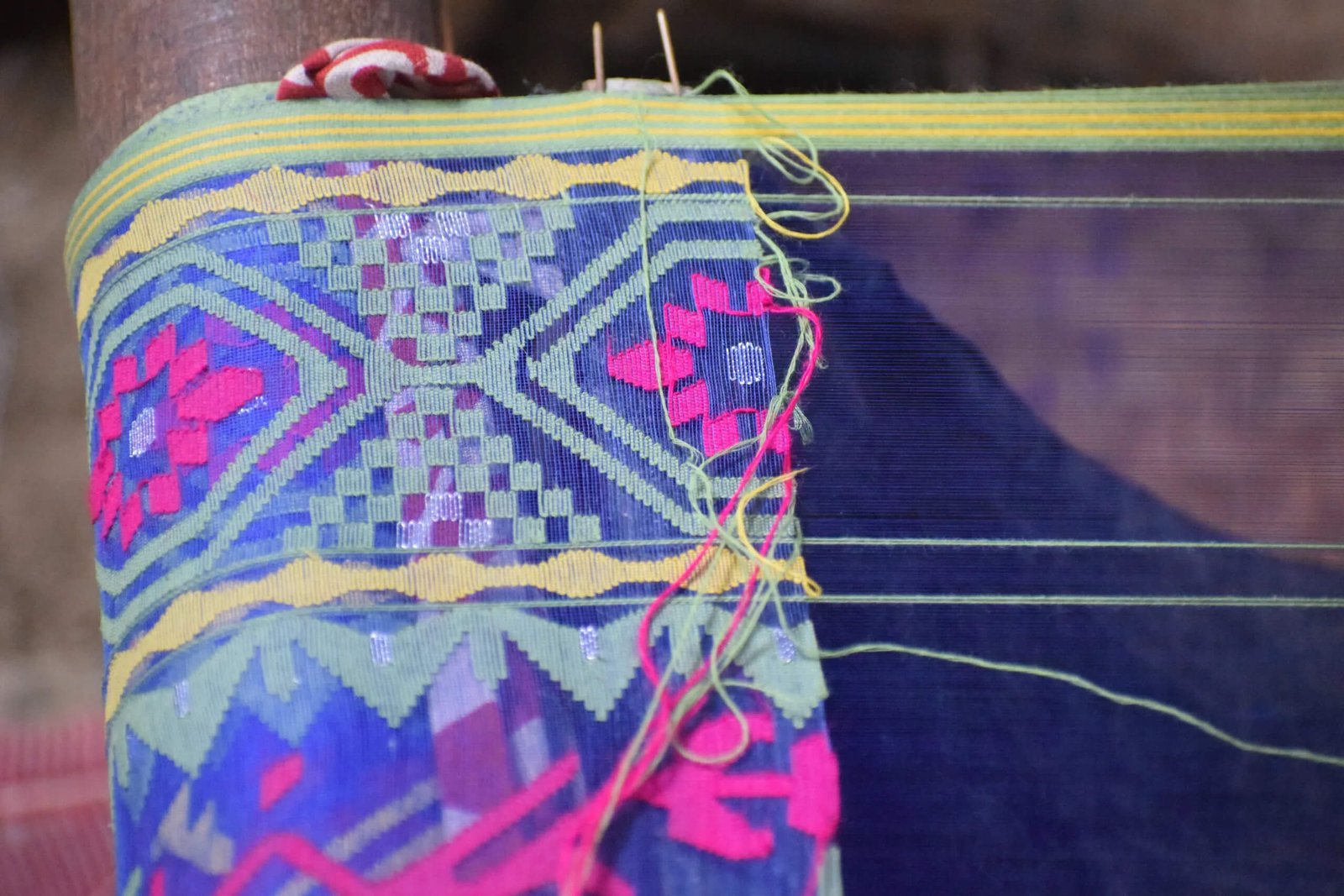
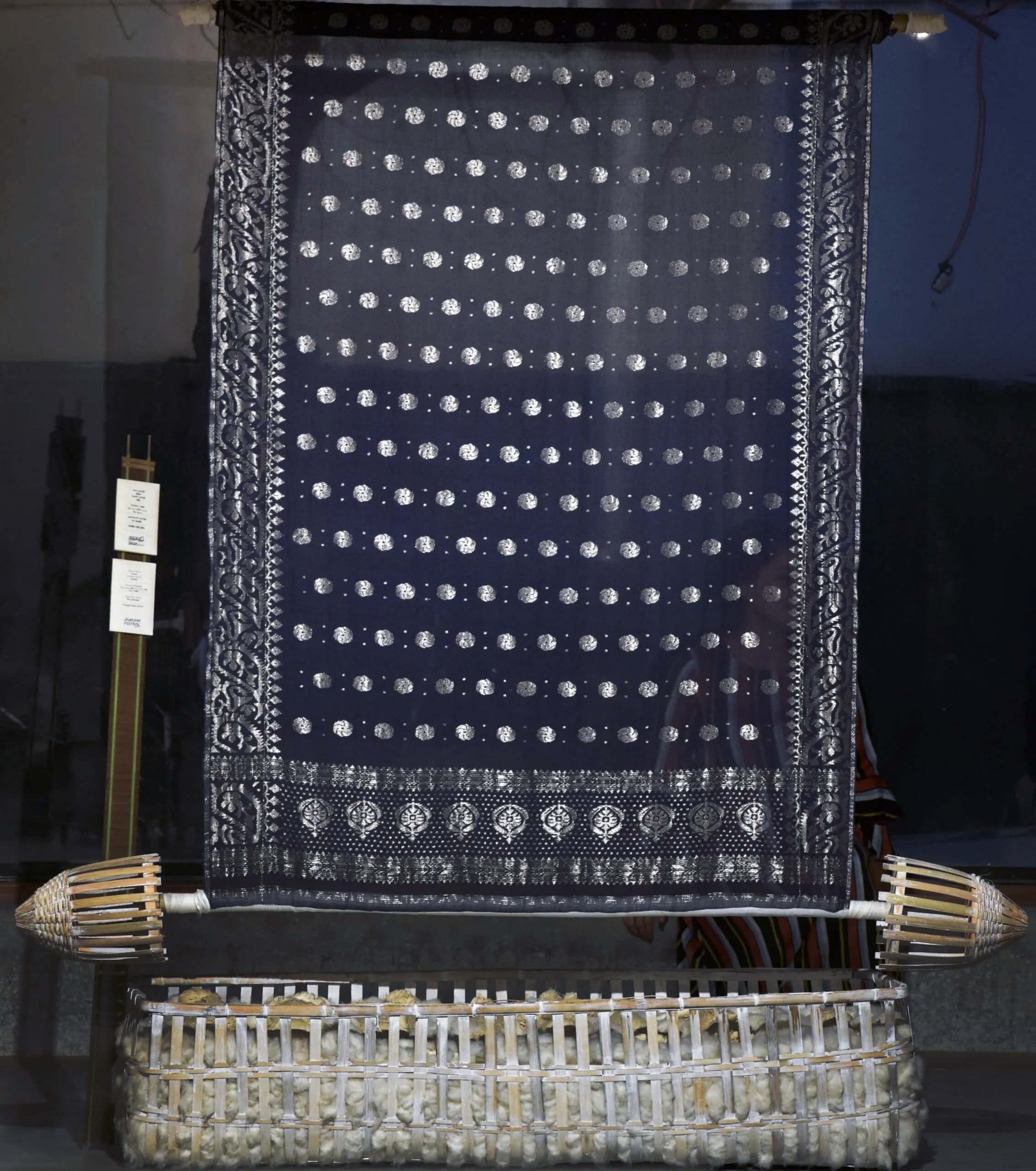
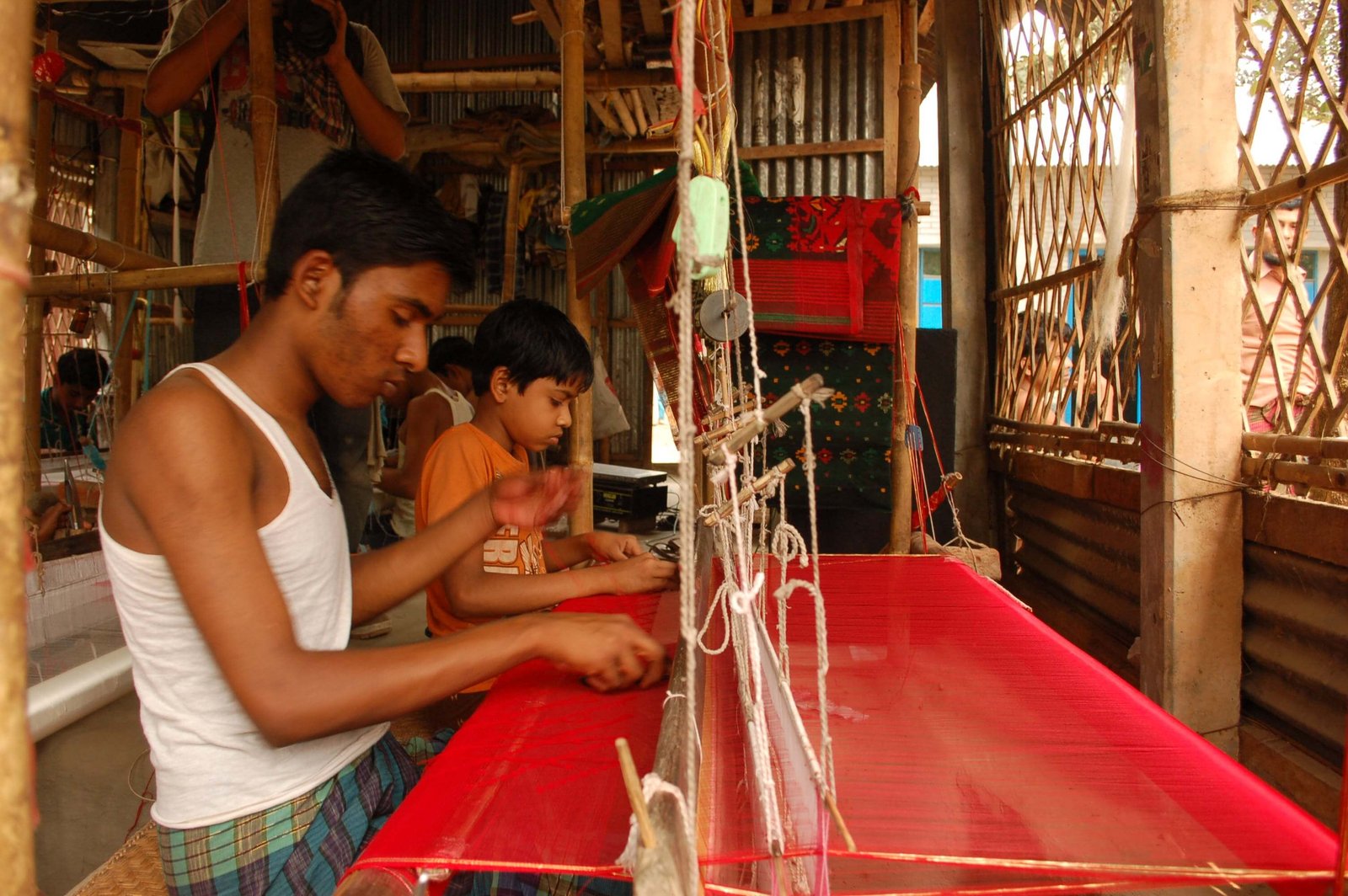
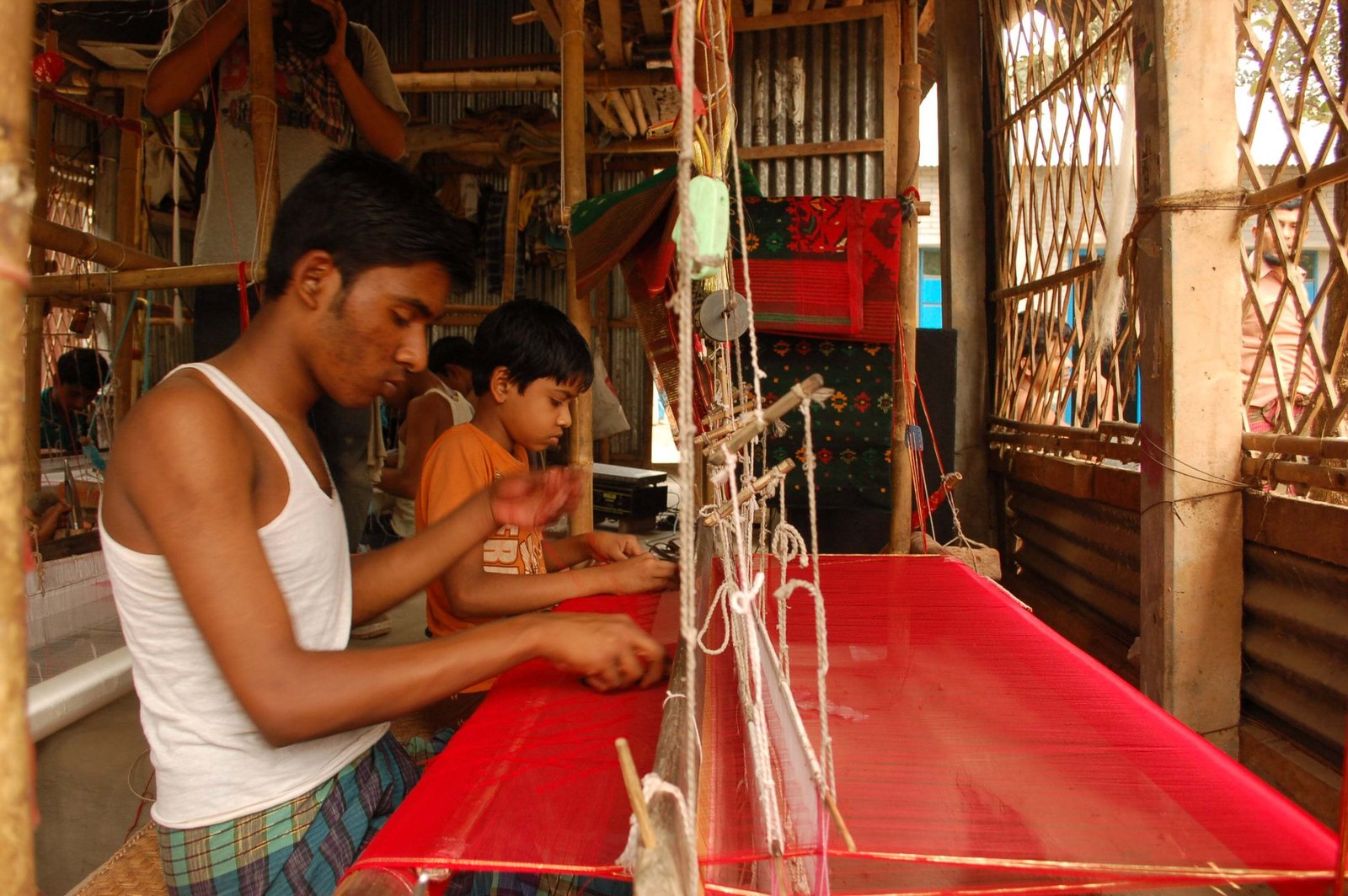
Artisans traditionally weave Jamdani on handlooms in and around Dhaka, particularly in the Narayanganj and Rupganj areas. The fabric combines a fine ground with decorative motifs that appear to float across its surface.
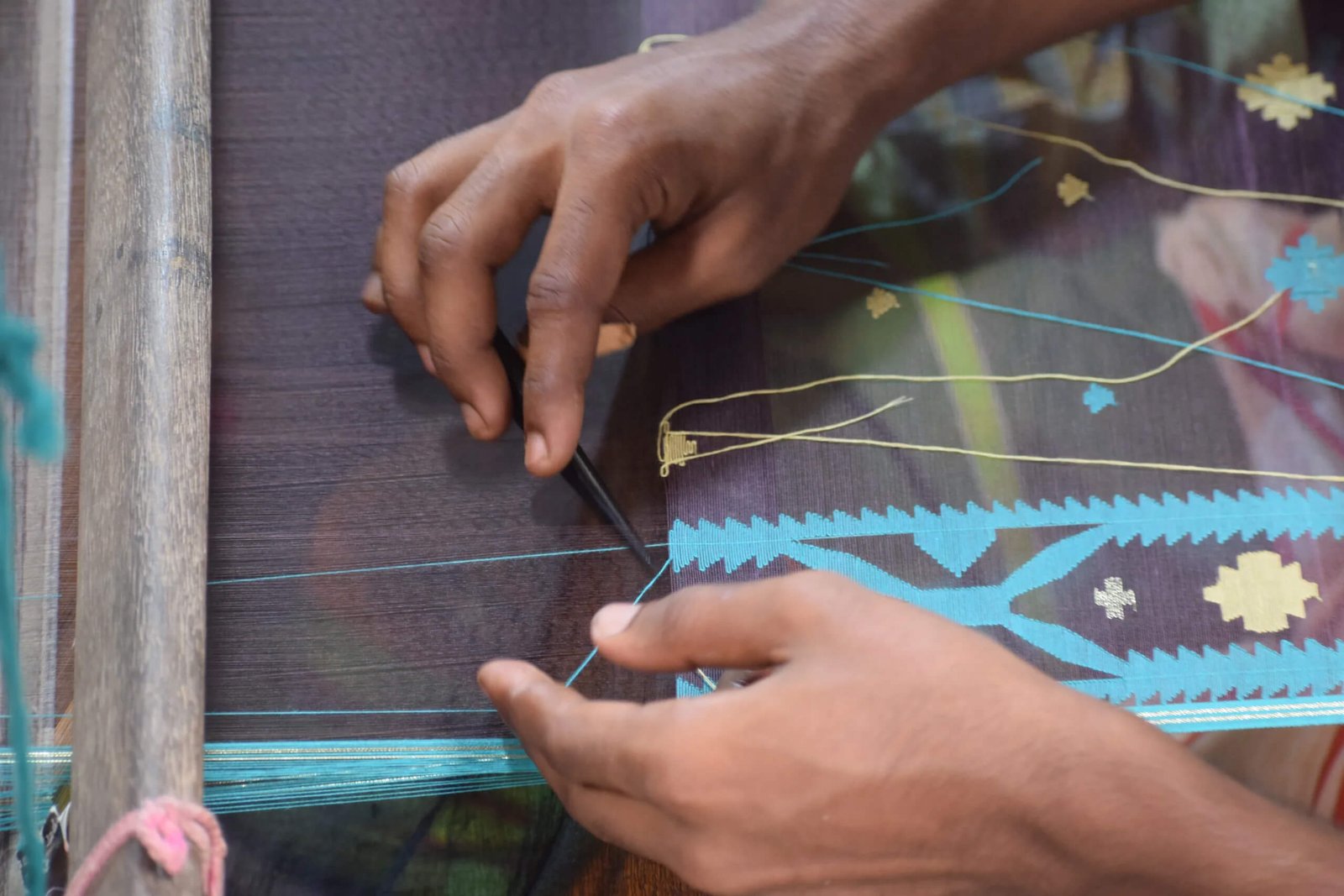
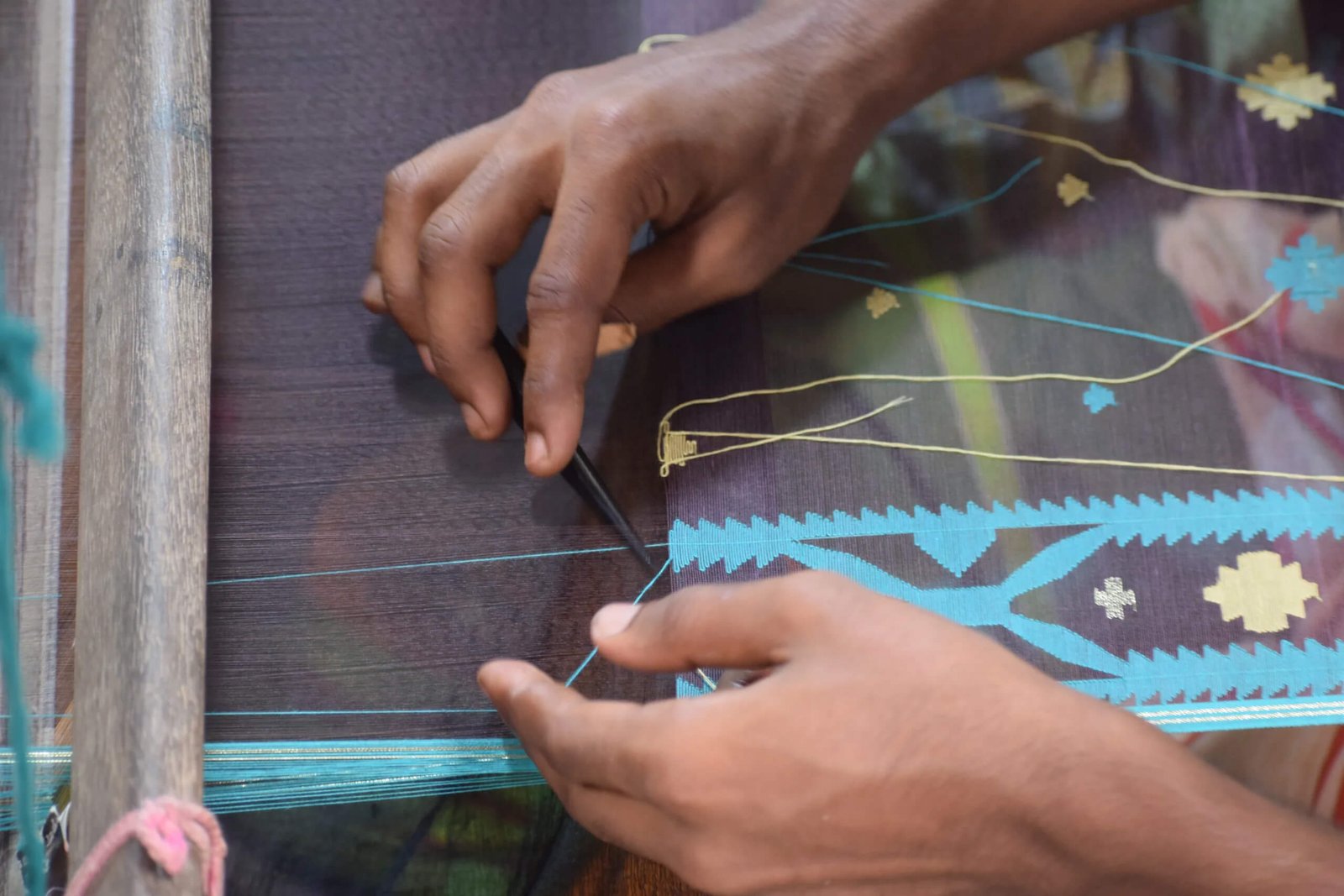
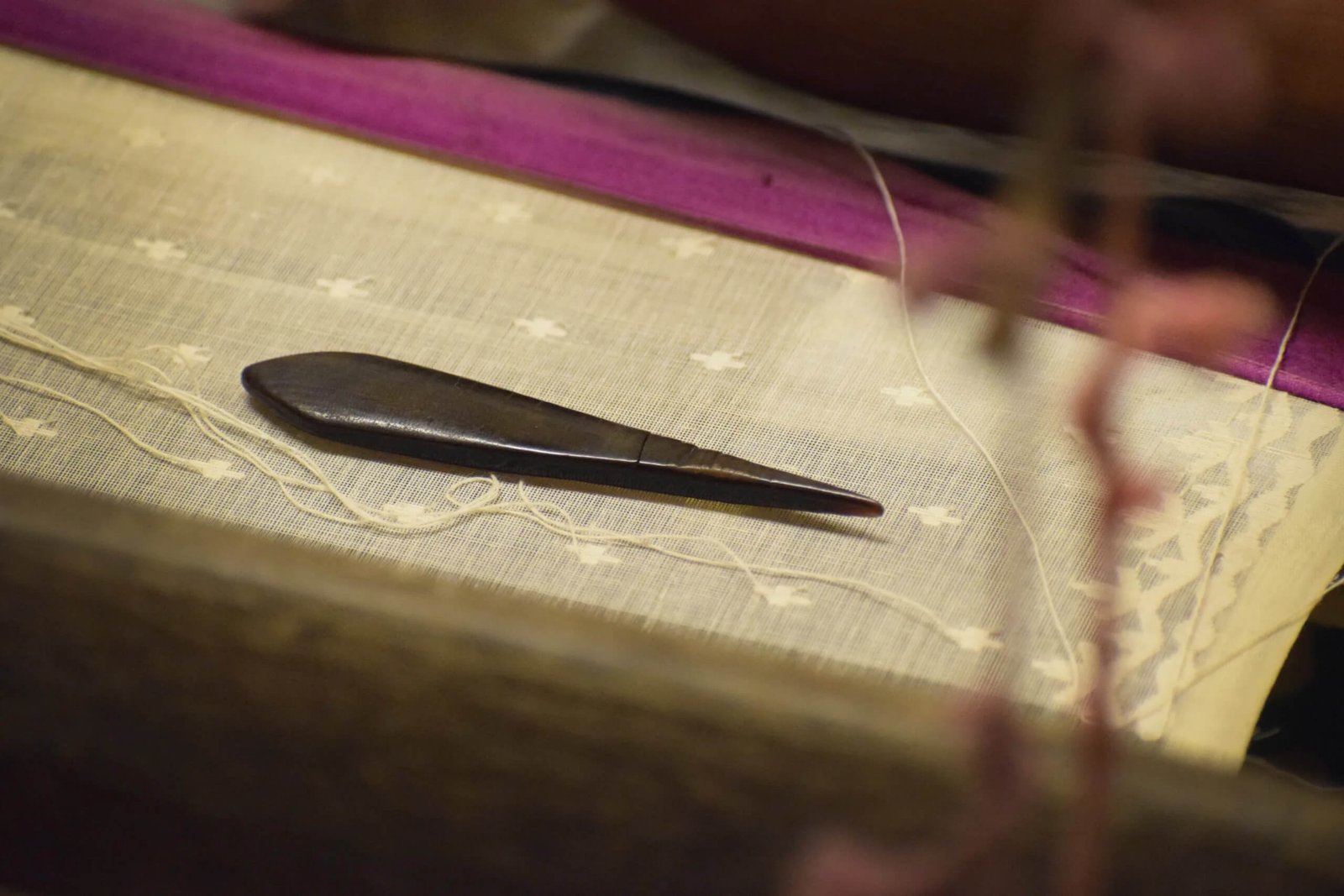
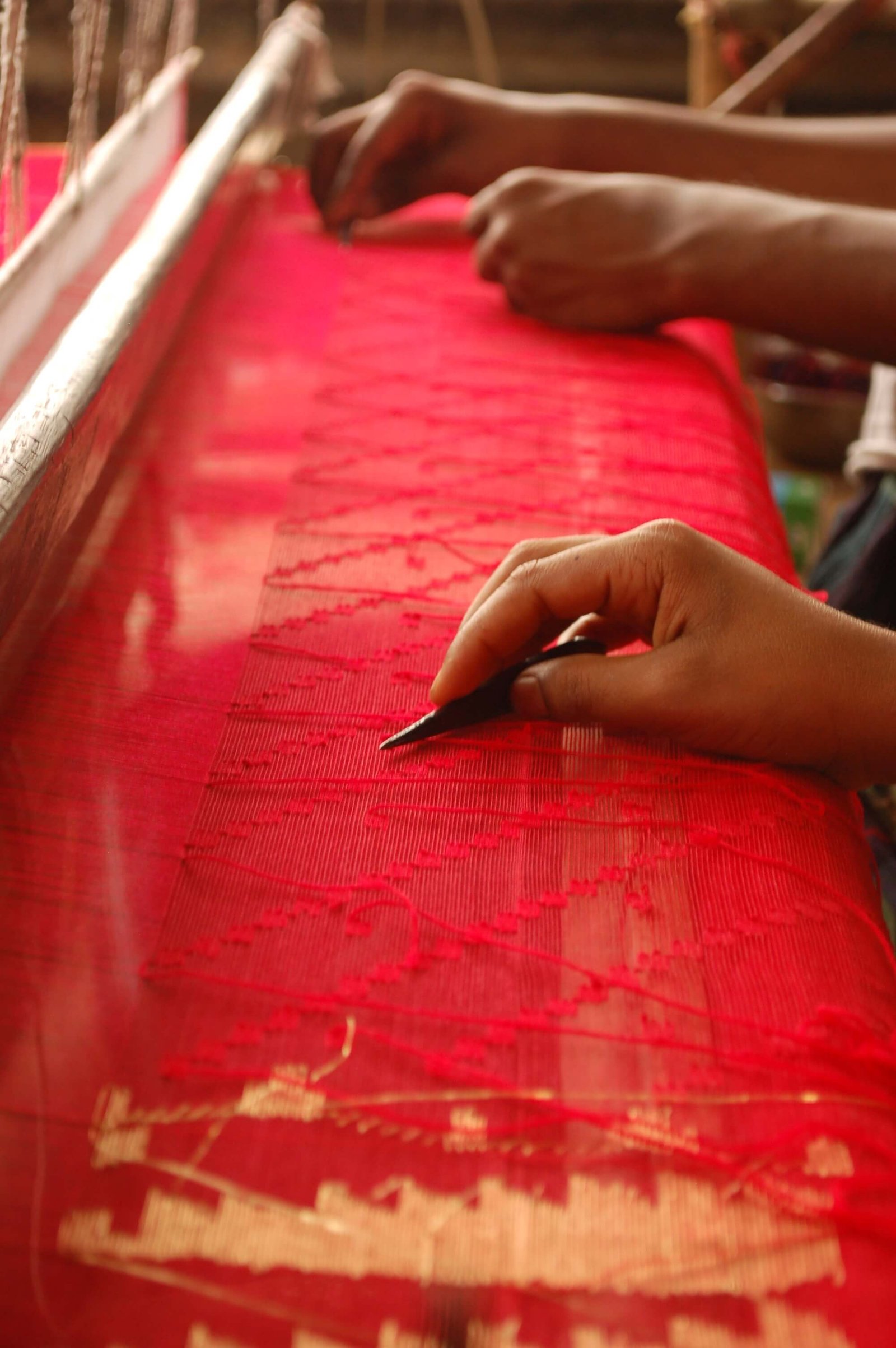
The technique demands exceptional concentration. Weavers create the motifs directly on the loom by introducing supplementary discontinuous weft threads into selected areas of the fabric. They build each floral, geometric, or abstract form gradually as the weaving progresses. This process makes complex Jamdani labor-intensive and time-consuming.
Families and workshops pass the knowledge from one generation to another. Master weavers preserve traditional motifs while introducing new arrangements, colors, and compositions for contemporary buyers.
UNESCO inscribed the Traditional Art of Jamdani Weaving on the Representative List of the Intangible Cultural Heritage of Humanity in 2013. The recognition highlights both the technical skill of the weavers and the social importance of the craft.
Bangladesh also registered Jamdani Saree as its first Geographical Indication product. This national recognition established Jamdani at the beginning of the country's formal GI register.
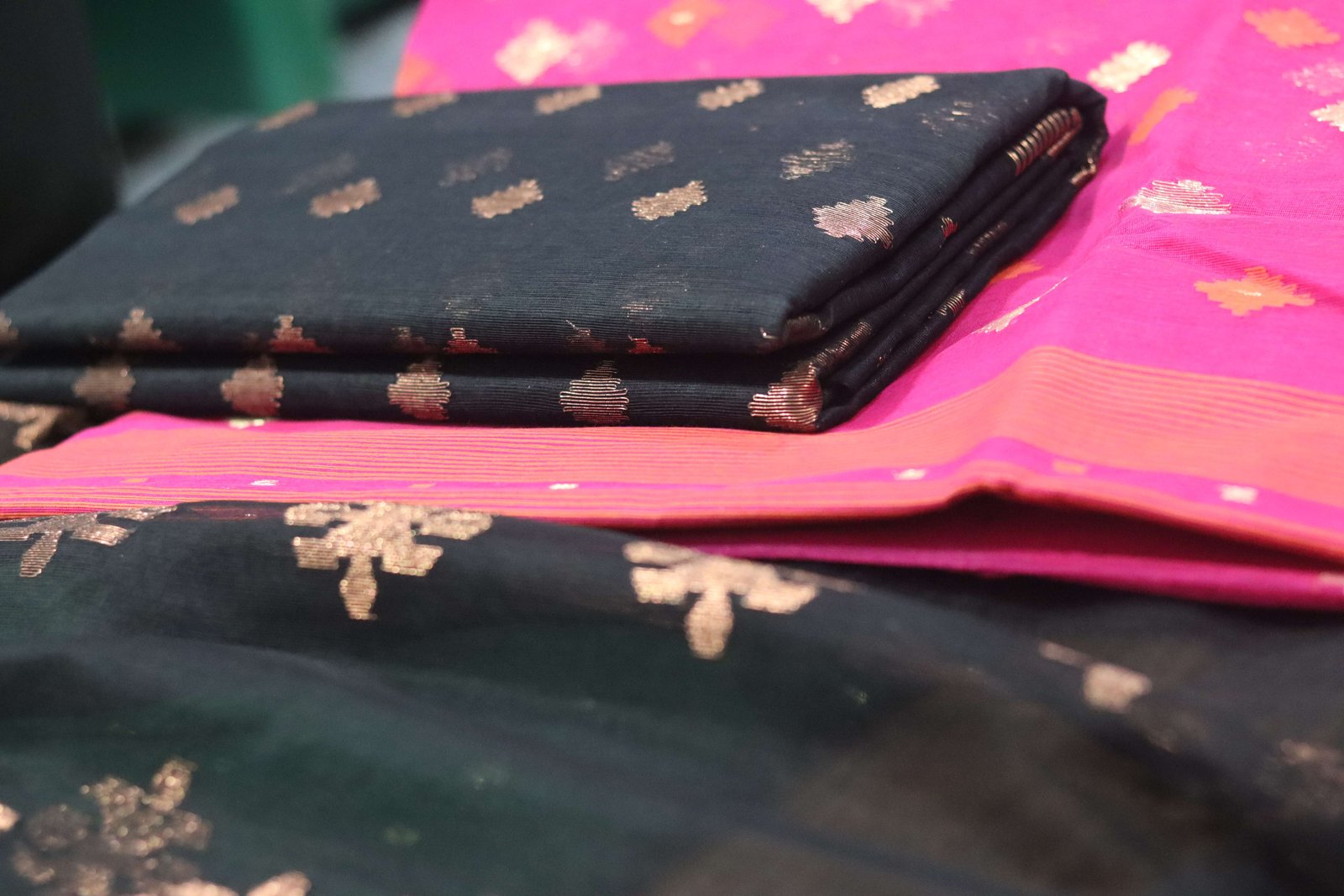
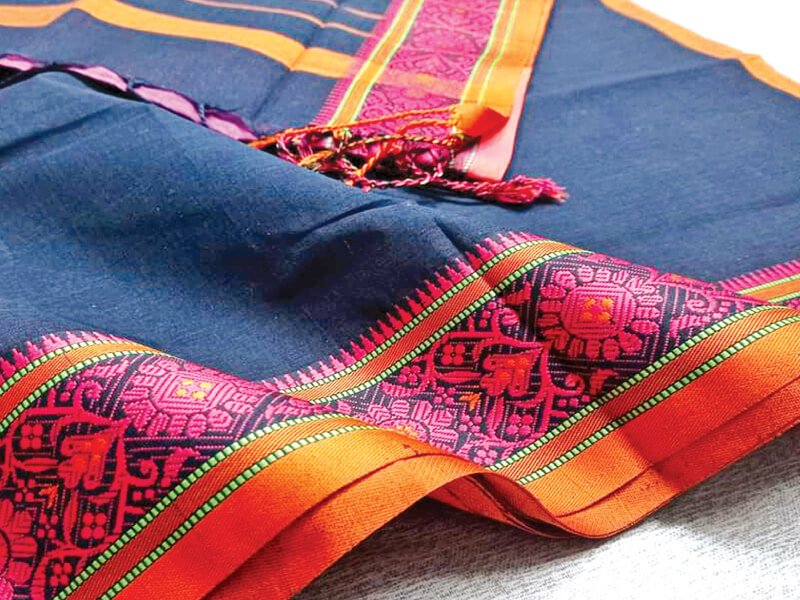
Today, Jamdani continues to thrive as ceremonial wear, fashion, and collectible textile art. The finest examples combine extraordinary technical discipline with an unmistakably light and elegant visual character.
Immersive Experience
No 360° Videos available
Destination Gallery