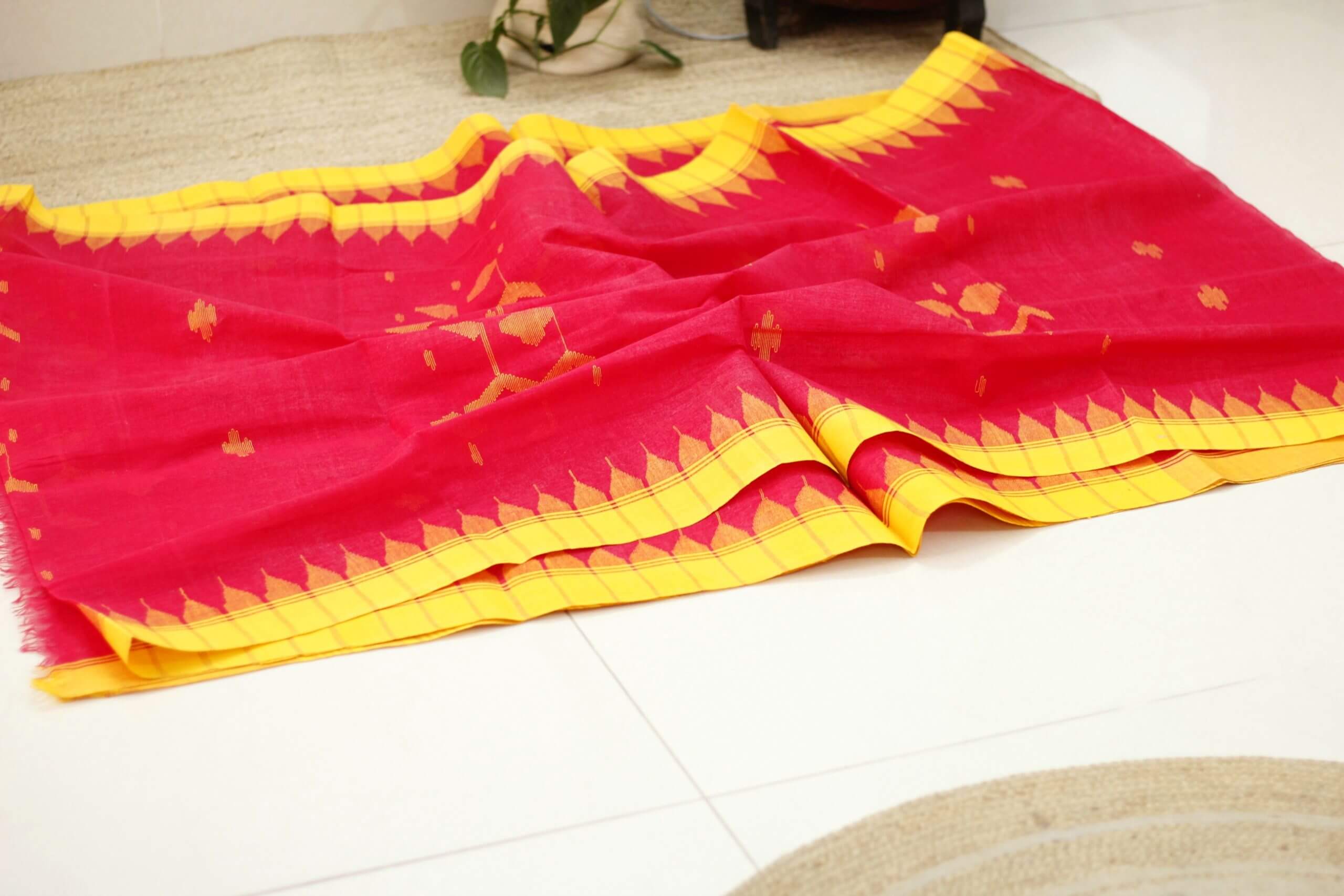

Manipuri Saree
A vibrant handloom tradition of the greater Sylhet region
Colors of Community. Heritage Woven in Every Household.
Manipuri weaving adds a distinctive Indigenous textile tradition to the cultural landscape of Bangladesh. Manipuri communities live mainly in Sylhet and parts of Moulvibazar and Habiganj, with important weaving centers in Kamalganj, Sreemangal, and surrounding areas.
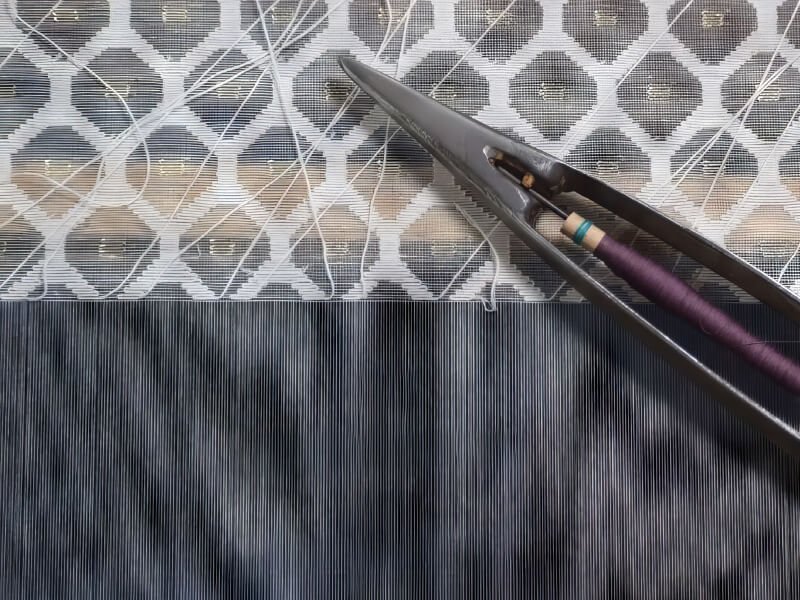
Weaving plays an important role in community life. Women traditionally develop their skills within families and often work from home on handlooms. Younger generations learn by observing experienced weavers and participating in the production process.
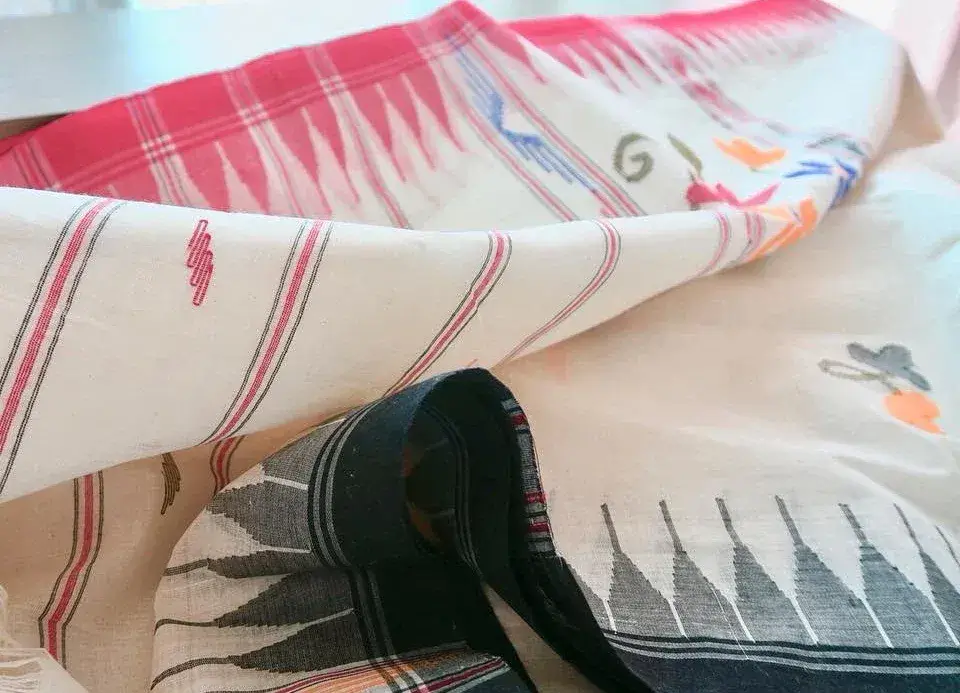
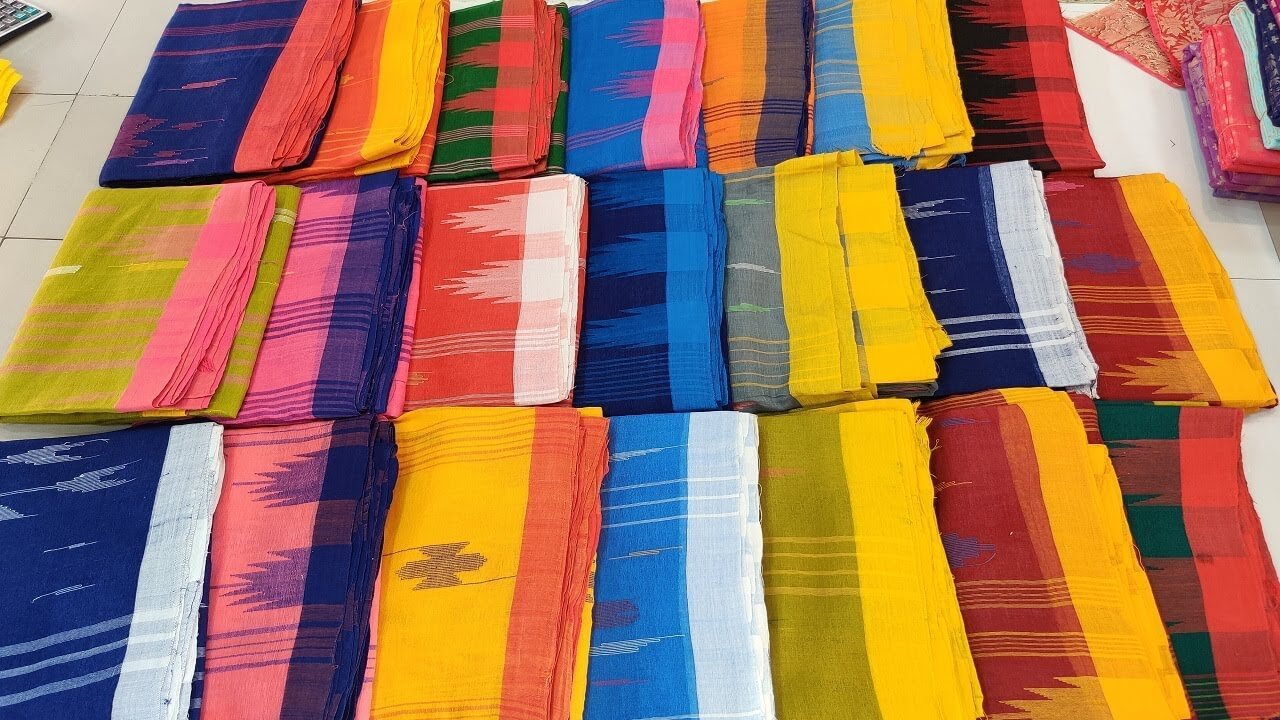
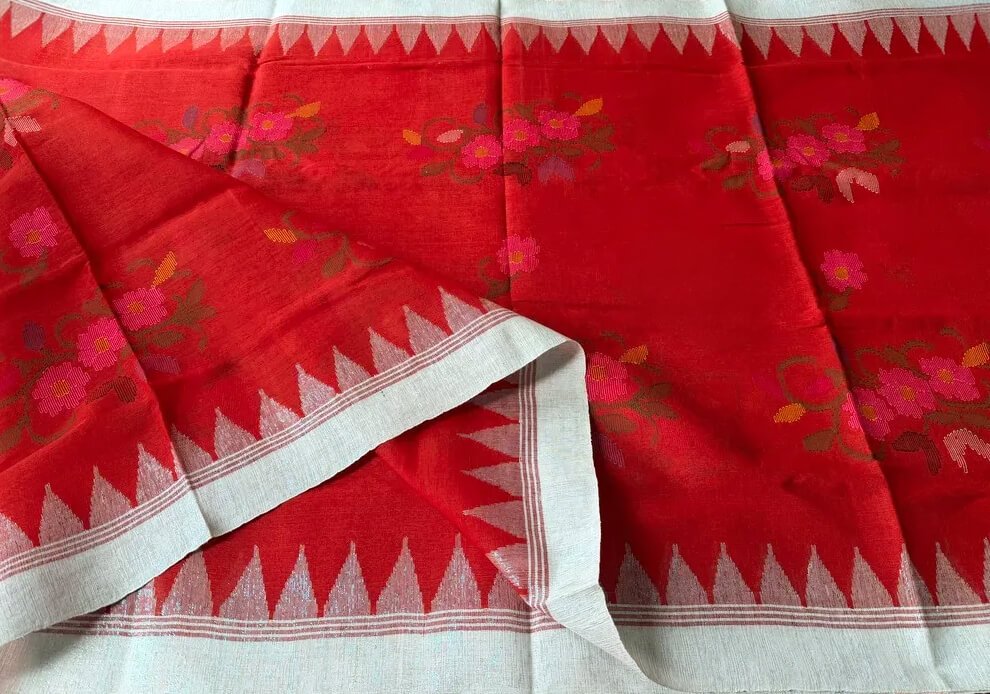
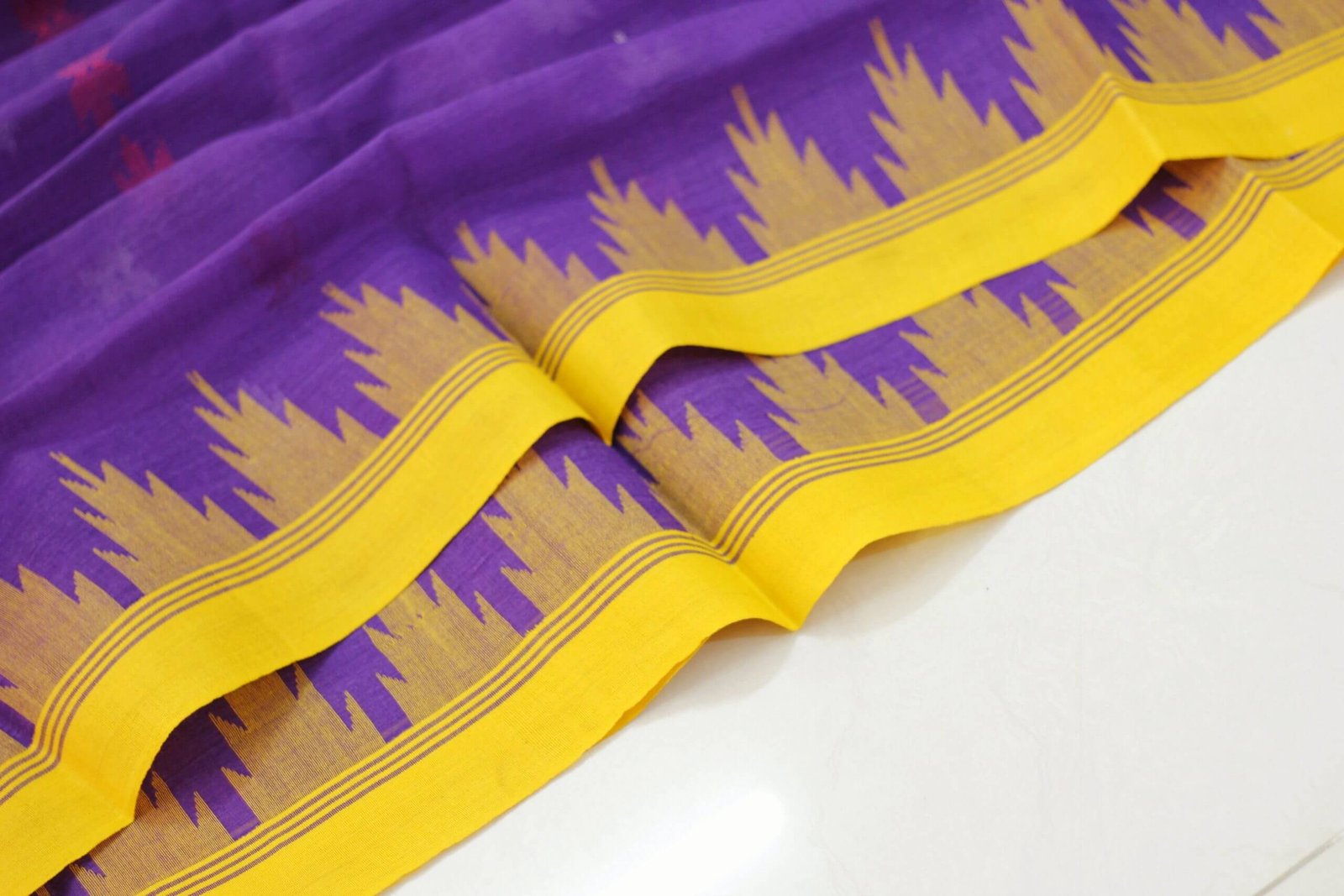
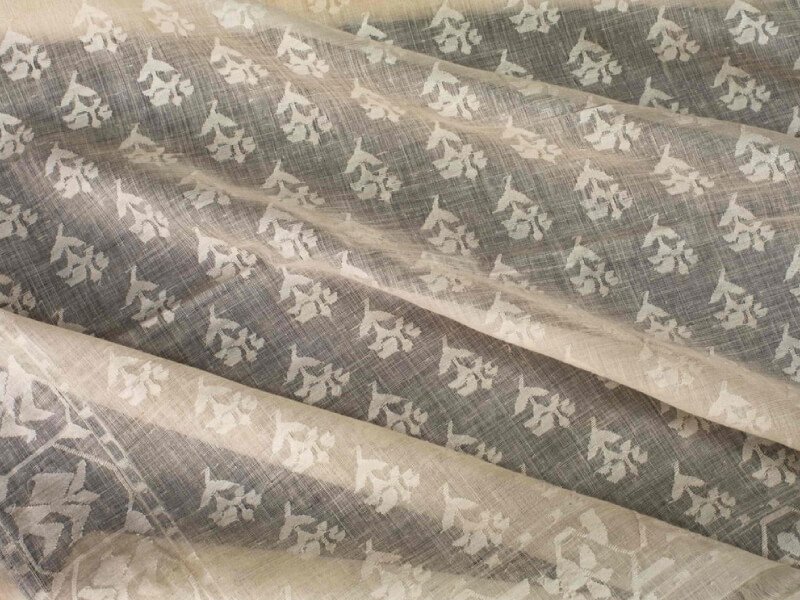
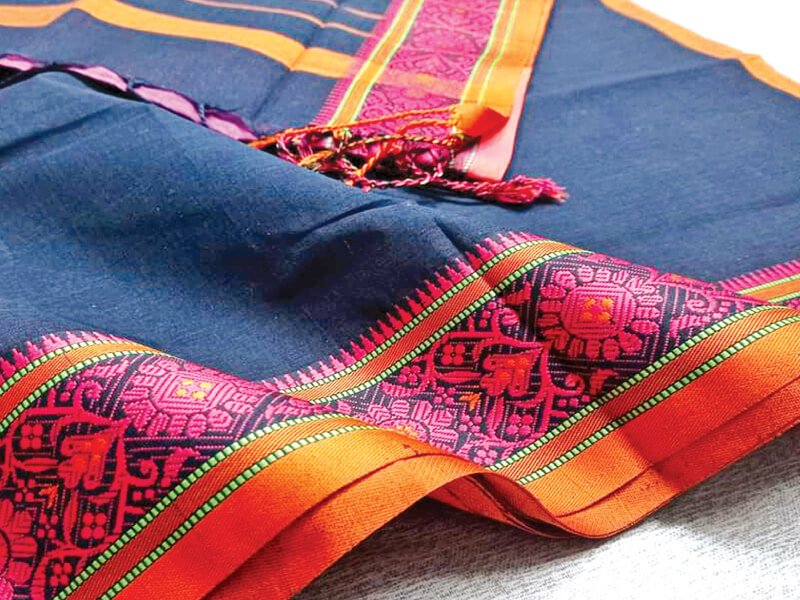
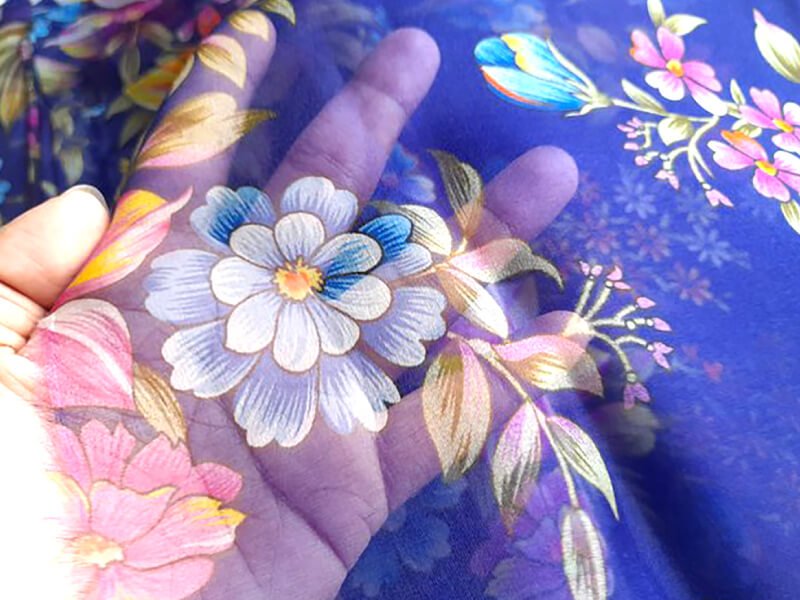
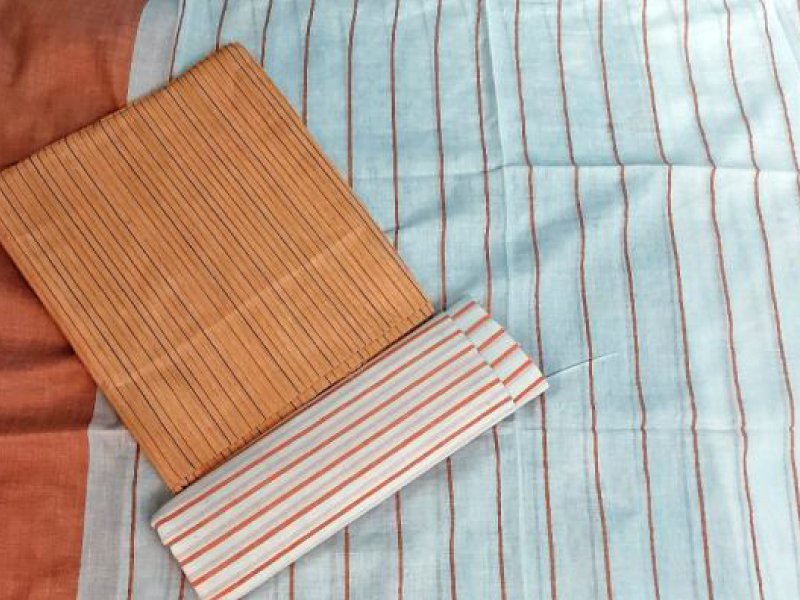
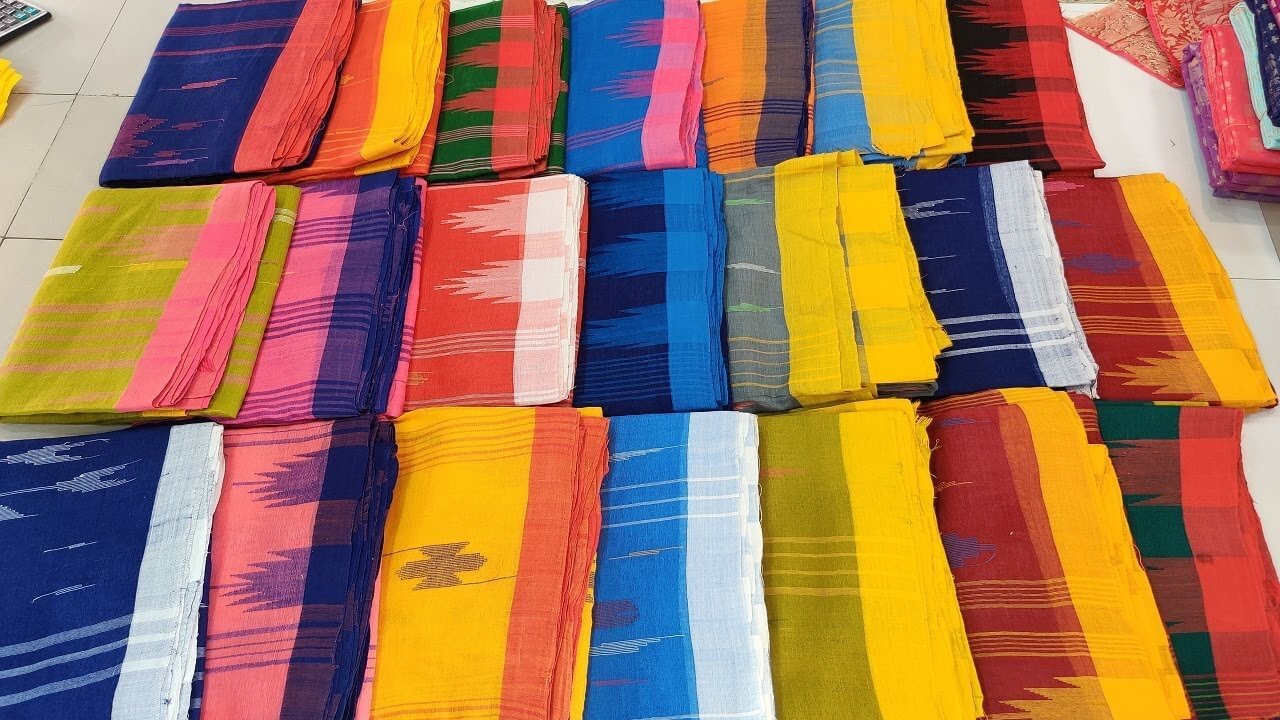
The textile tradition extends beyond sarees. Manipuri artisans also produce inafi, phanek, shawls, scarves, bedcovers, bags, and other handloom products. Their textiles often feature bold combinations of color, repeated geometric forms, and carefully arranged borders.
The saree has become one of the most commercially recognizable expressions of Manipuri weaving in Bangladesh. Weavers supply buyers in Sylhet and other parts of the country, while some producers also reach international customers.
The industry provides important household income, particularly for women. However, artisans face rising raw-material costs, competition from imitation products, limited capital, and pressure on profit margins. Many present-day weavers also depend on imported yarn and dyes.
Sylhet's Manipuri Saree received a Geographical Indication certificate in April 2025, strengthening official recognition of the craft's regional identity.
The continuing success of Manipuri weaving comes from its ability to connect everyday community life with a wider fashion market while retaining the visual character and knowledge of the traditional handloom.
Immersive Experience
No 360° Videos available
Destination Gallery