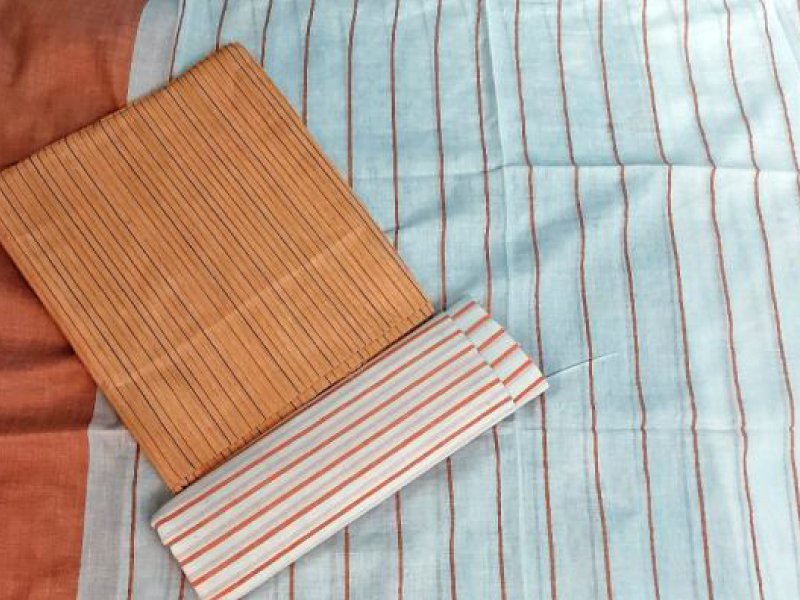
Dhakai Muslin
The legendary fine cotton of historic Dhaka
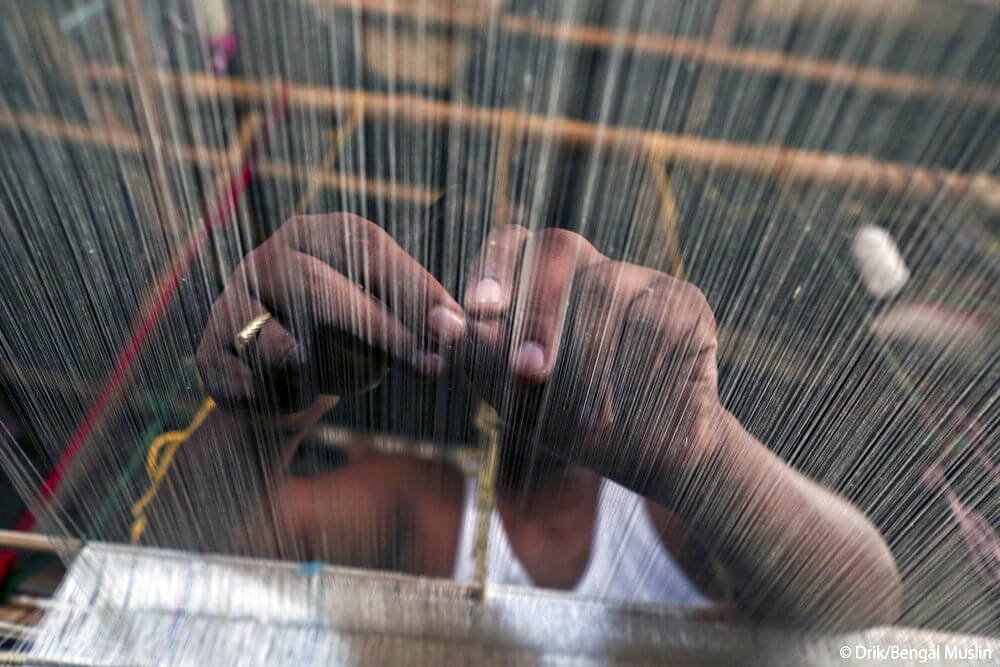
Woven Lightness of Bengal. A Lost Mastery Returning to the Loom.
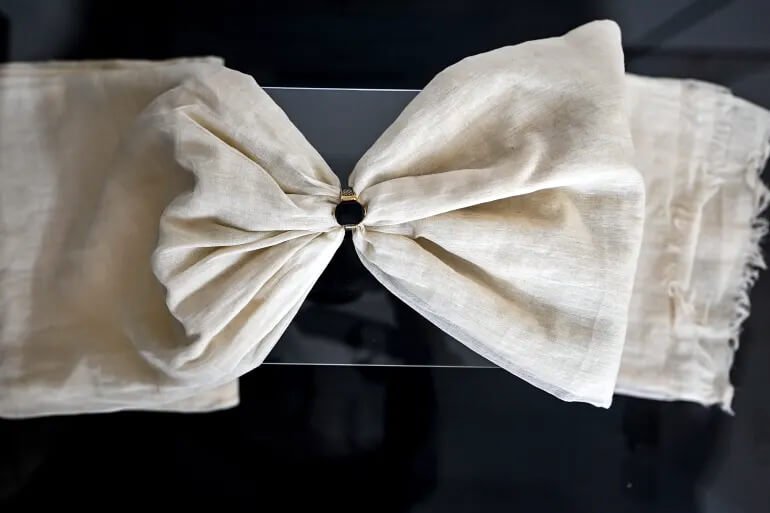
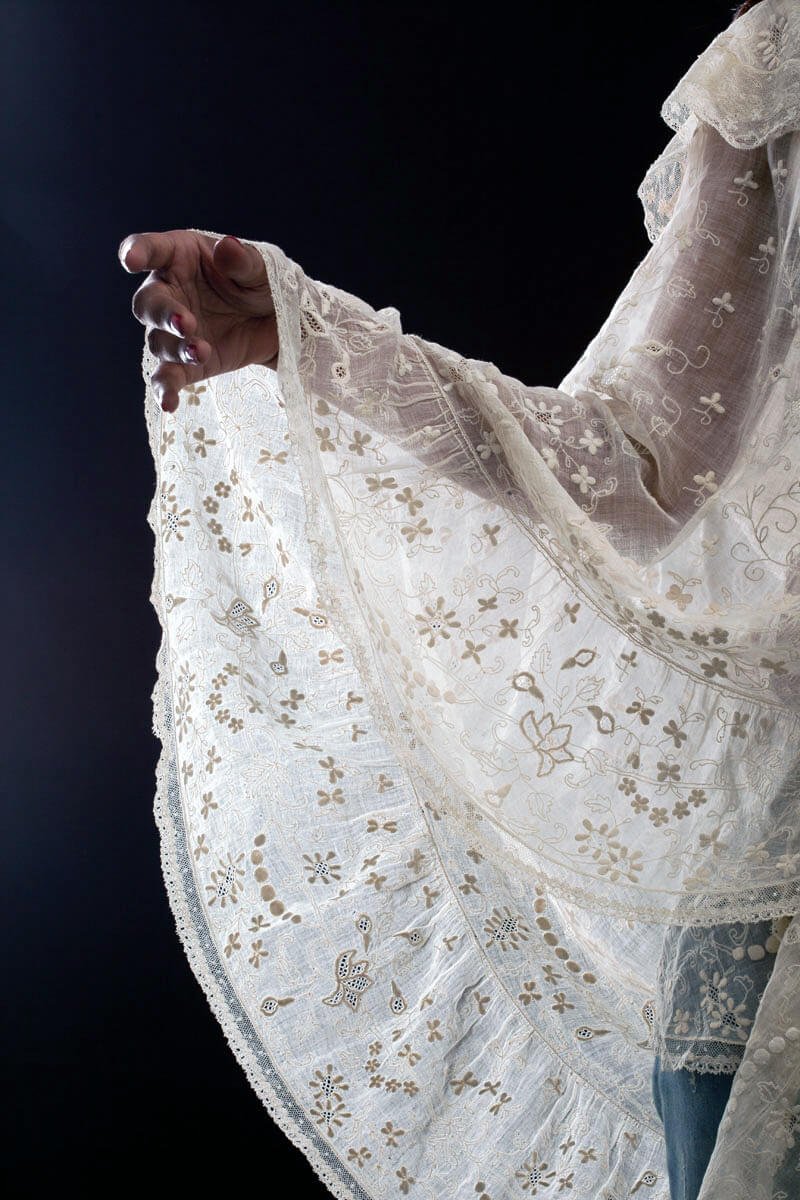
Dhakai Muslin once represented the highest achievement of Bengal's cotton weaving tradition. Artisans in Dhaka and surrounding weaving centers produced exceptionally fine cotton fabrics that gained international fame during the pre-colonial and Mughal periods.
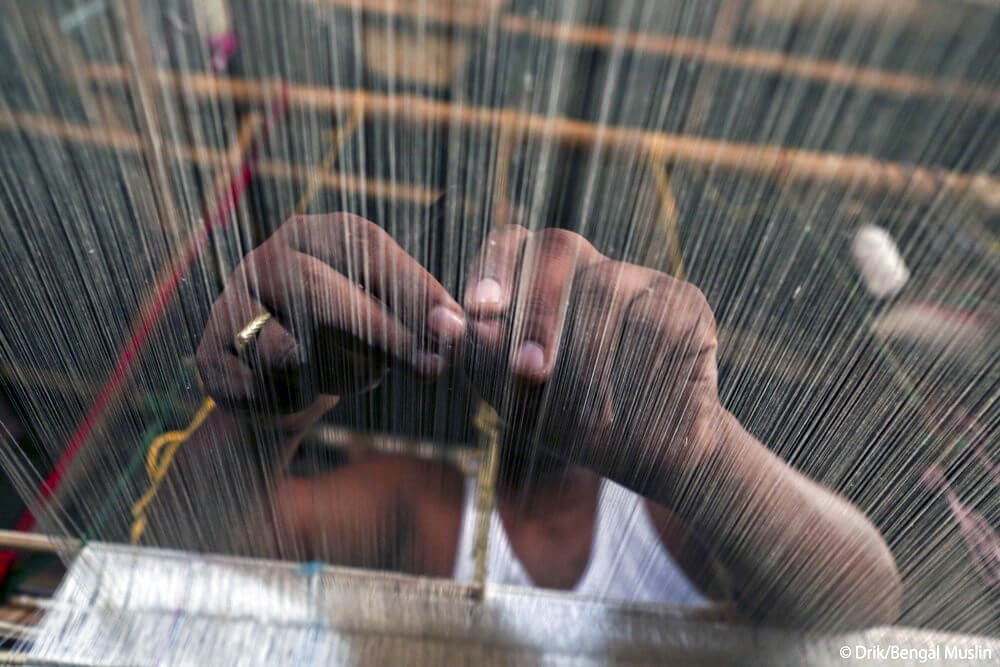
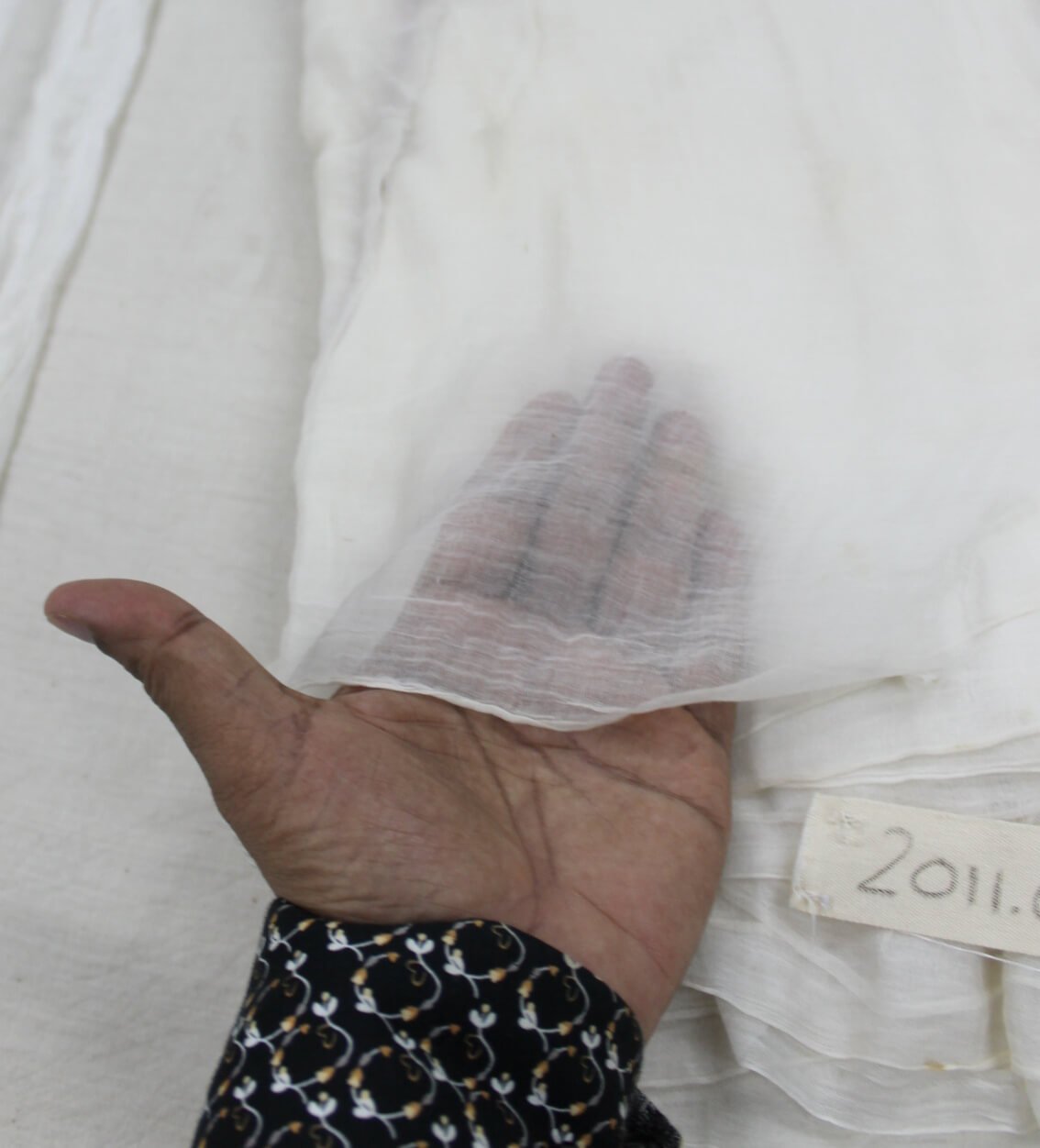
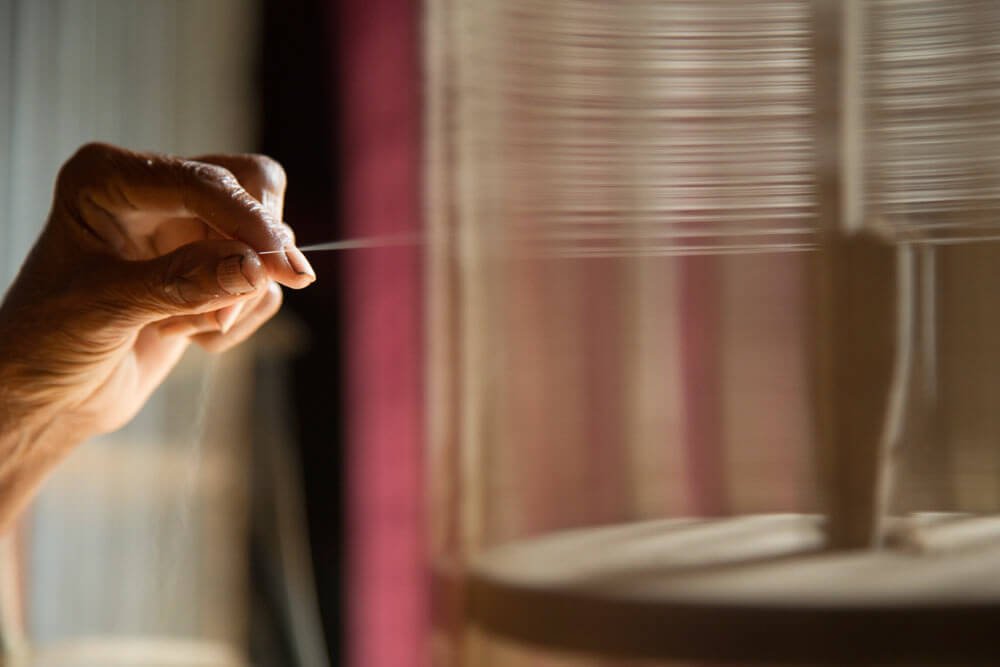
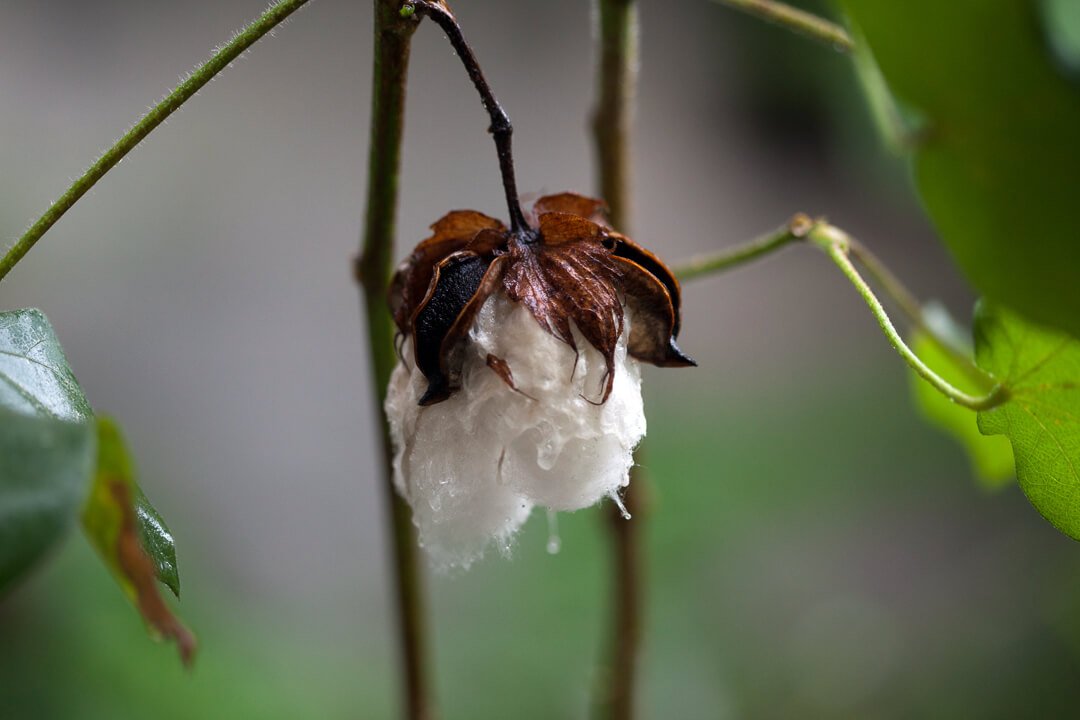
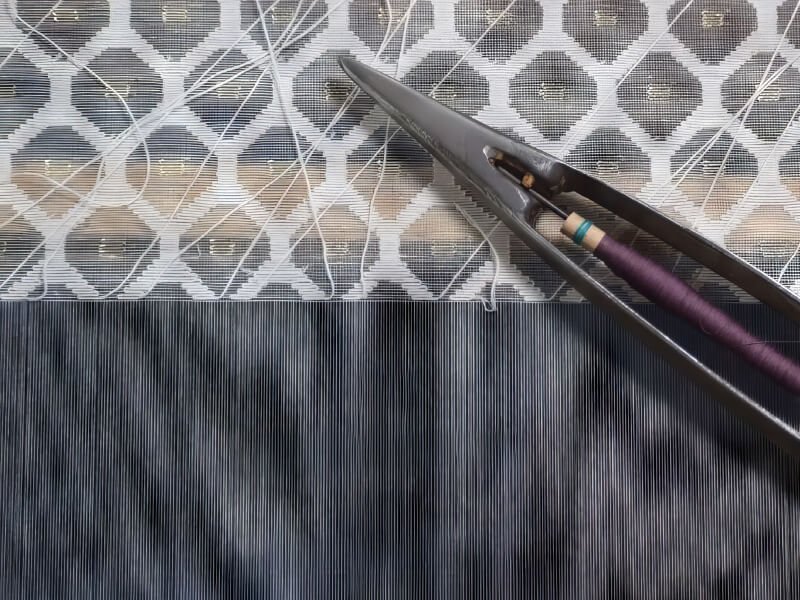
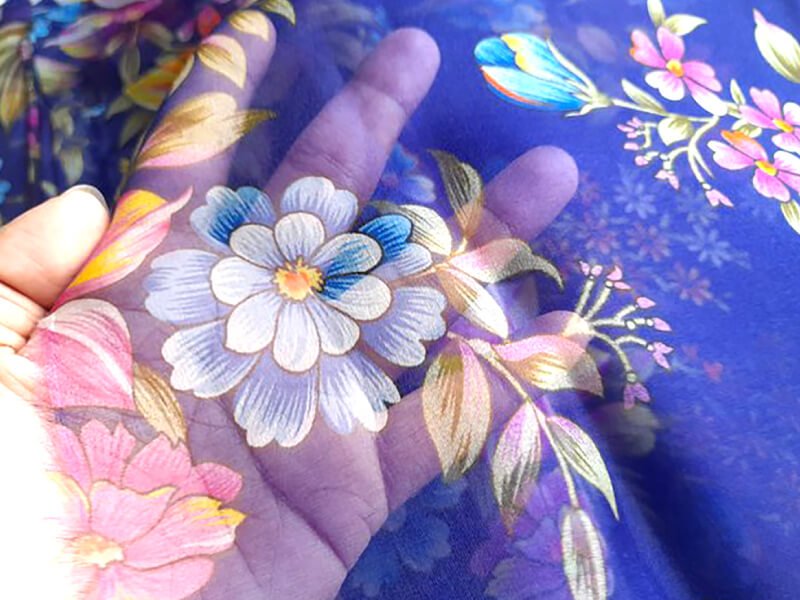
The finest varieties depended on extraordinary spinning and weaving skills. Historical sources associate the celebrated muslins of Dhaka with locally grown cotton, particularly the variety traditionally known as phuti karpas. Spinners produced extremely fine yarn, while highly skilled weavers transformed it into lightweight cloth of remarkable delicacy and transparency.
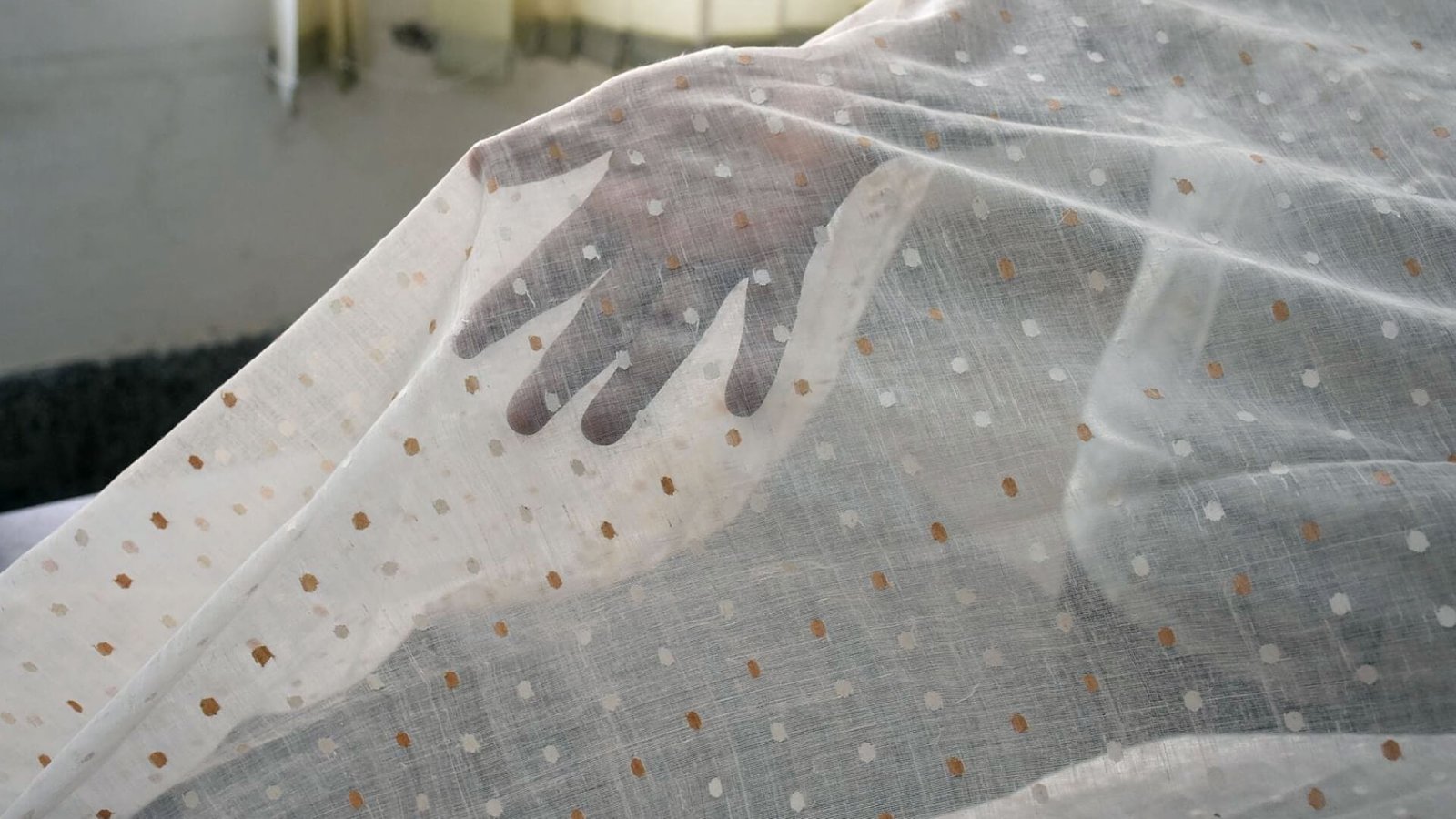
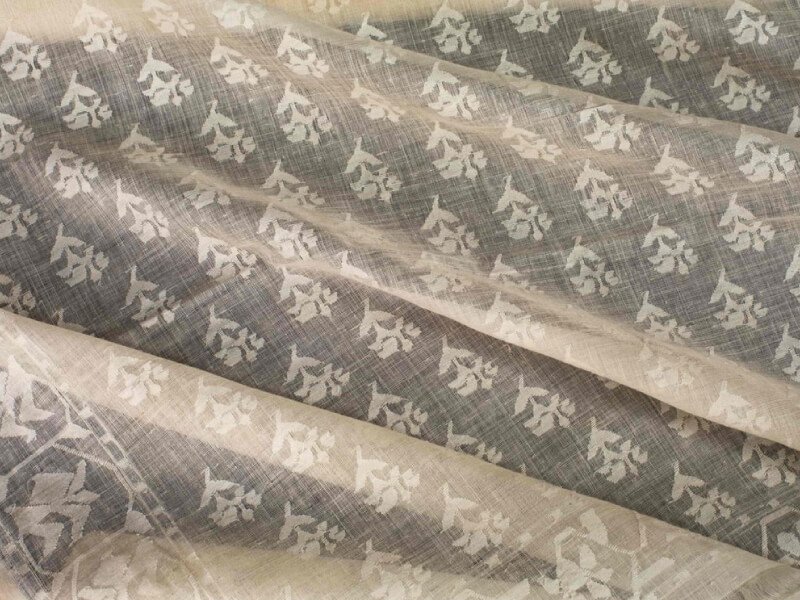
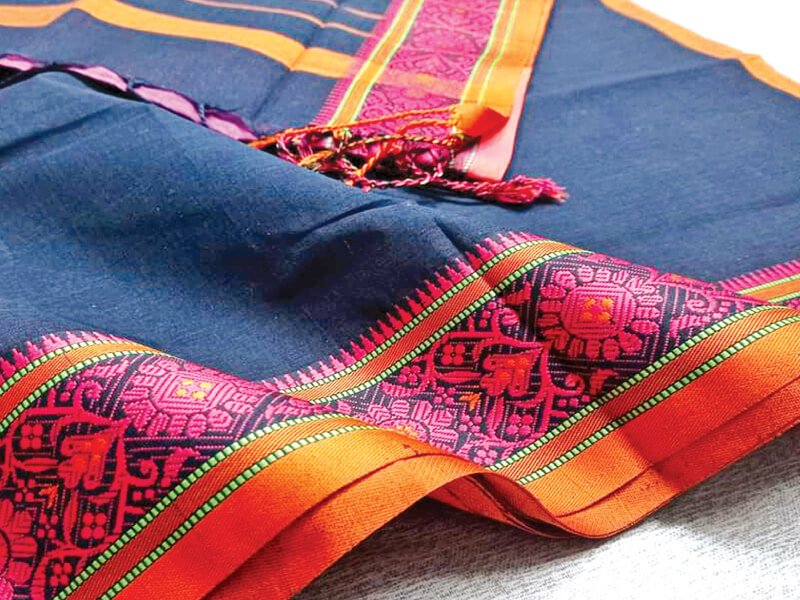
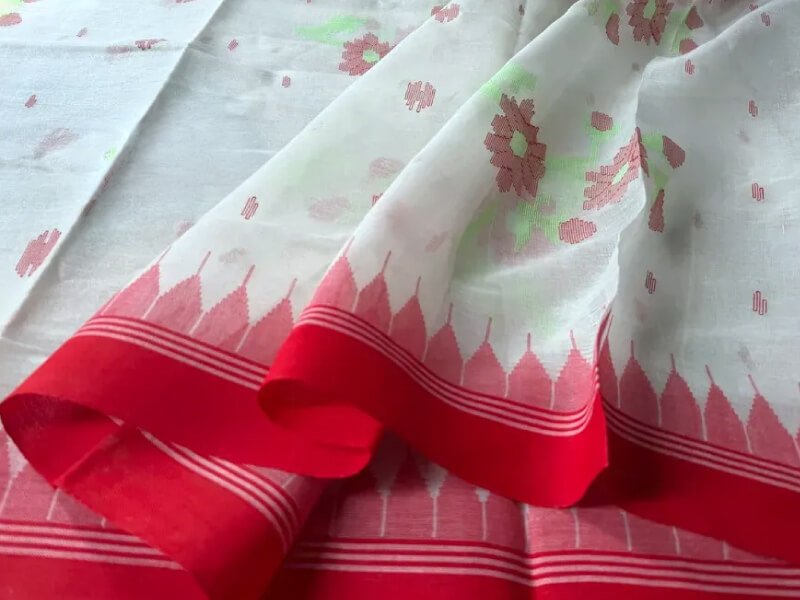
Muslin did not refer to a single design. Historical Dhaka produced numerous varieties that differed in fineness, texture, decoration, and use. Jamdani developed as one of the famous figured fabrics within the wider muslin tradition.
The industry declined sharply during the nineteenth century as royal patronage weakened, machine-made textiles expanded, and the specialized network of cotton cultivation, fine spinning, and hand weaving gradually disappeared.
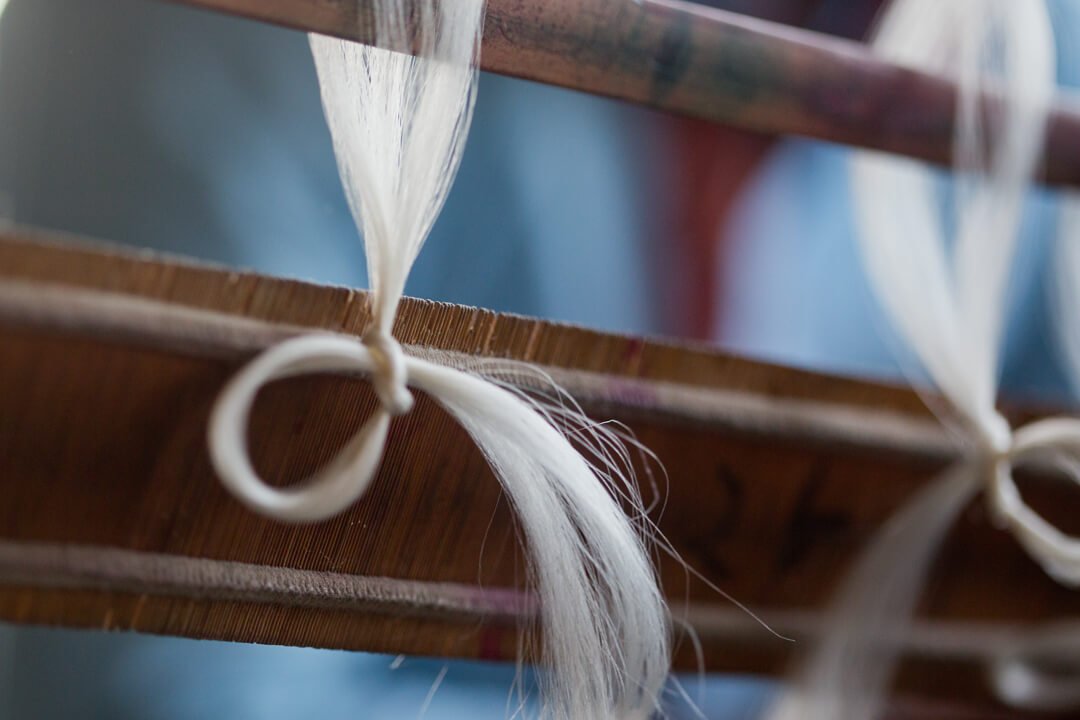
Bangladesh has now begun an ambitious effort to revive this lost textile knowledge. Government-led research started in the 2010s, and the Bangladesh Handloom Board later developed a formal revival program involving researchers, cotton specialists, spinners, and weavers. The project successfully recreated very fine hand-spun yarn and handwoven muslin.
The Dhakai Muslin House in Tarabo, Narayanganj, now serves as a production, research, training, and exhibition center. A new phase of the revival program began in 2025 and aims to improve cotton cultivation, spinning, weaving, and future commercial production.
Dhakai Muslin also appears on Bangladesh's official register of Geographical Indication products. The revival remains a developing process rather than a return to mass production, but it has restored one of the most important chapters in Bangladesh's textile history.
Immersive Experience
No 360° Videos available
Destination Gallery