Rajshahi Silk
The luxurious textile heritage of northern Bangladesh
The Golden Thread of the North. Sericulture Transformed into Textile Art.
Rajshahi has long served as the historic center of Bangladesh's sericulture and silk-weaving tradition. The region developed a close relationship between mulberry cultivation, silkworm rearing, silk processing, and textile production.
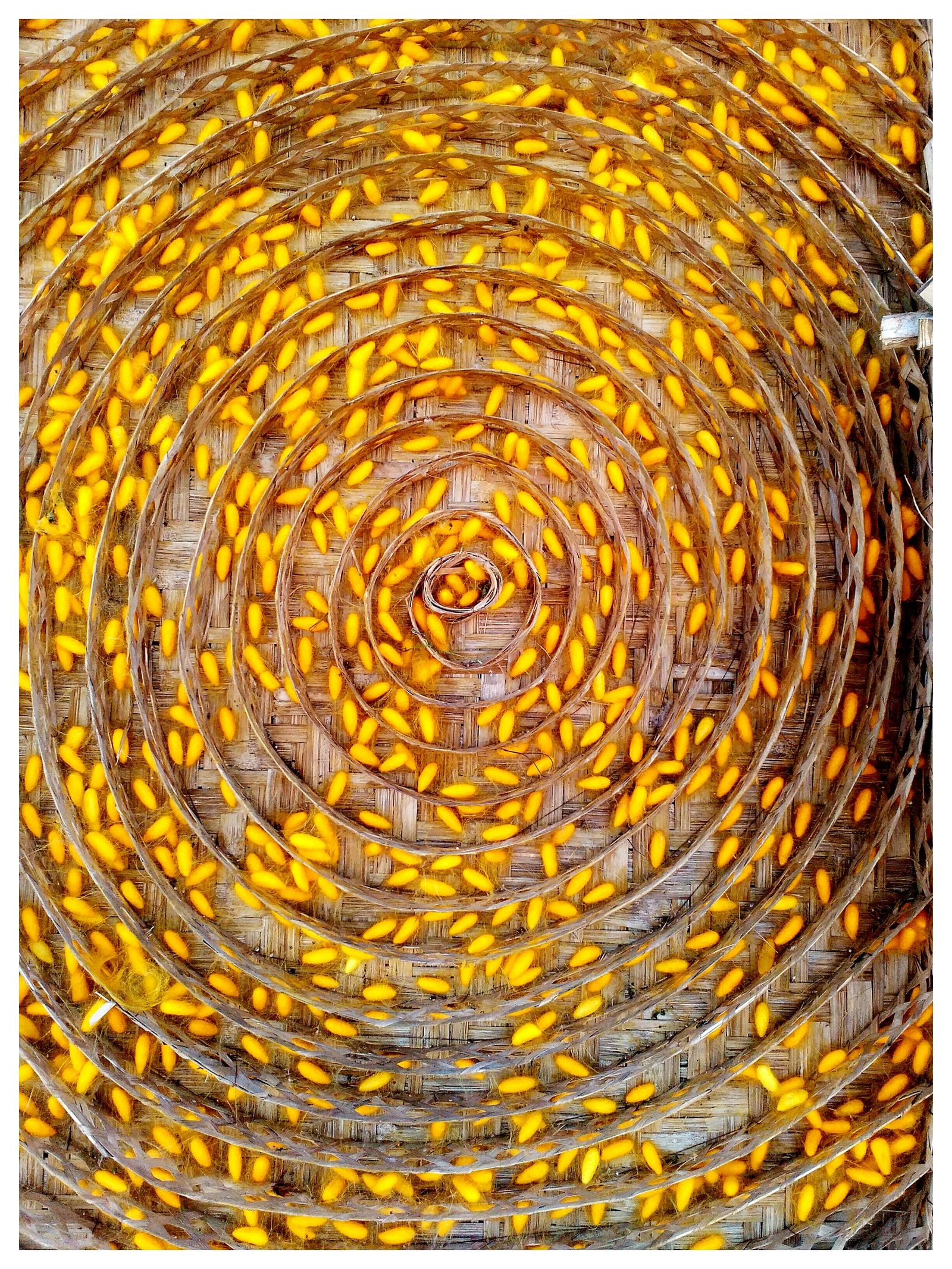
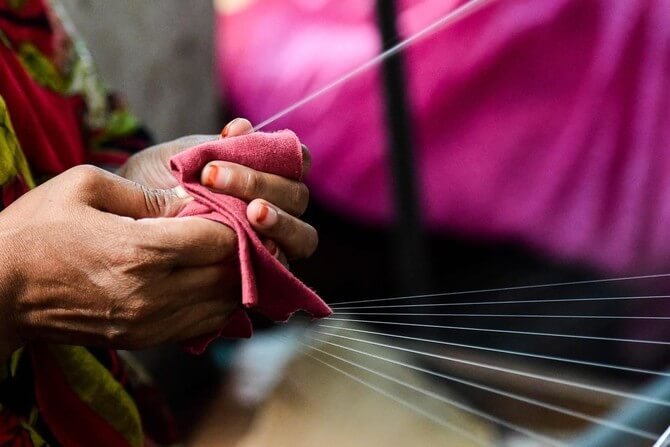
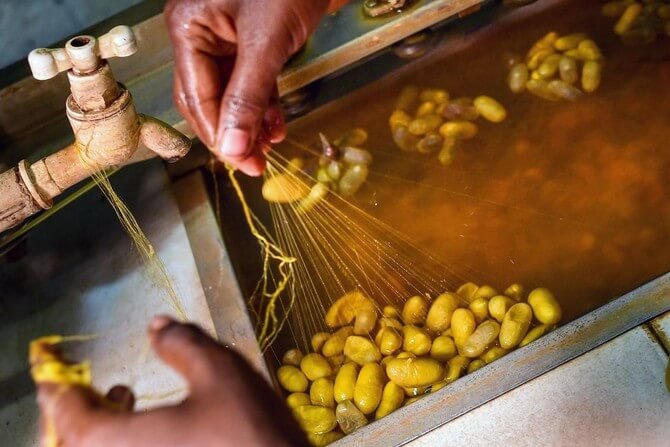
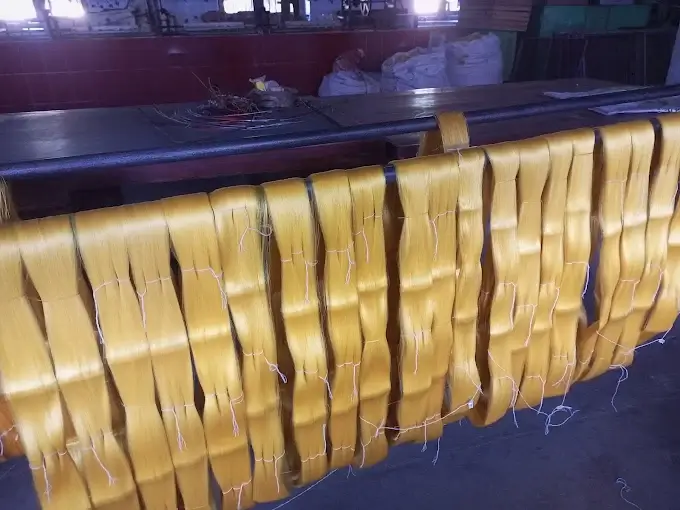
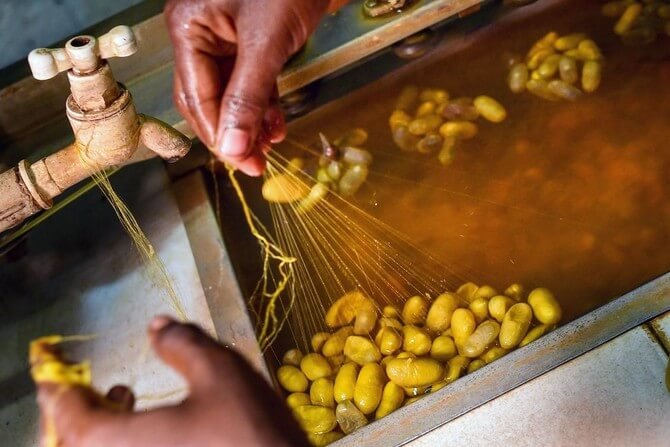
Traditional sericulture begins with mulberry plants. Farmers grow the leaves that feed silkworms, which produce cocoons from fine silk filaments. Workers collect the cocoons, reel the silk, prepare the yarn, and supply it to weavers.
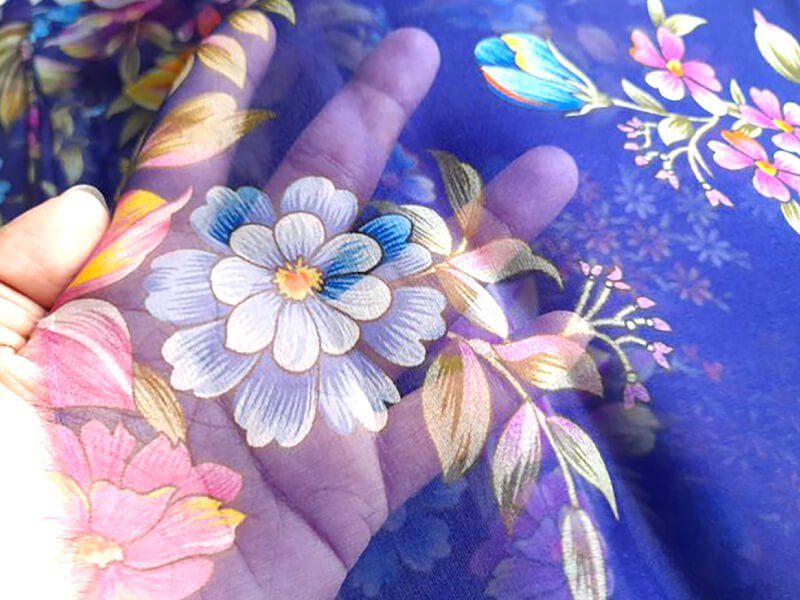
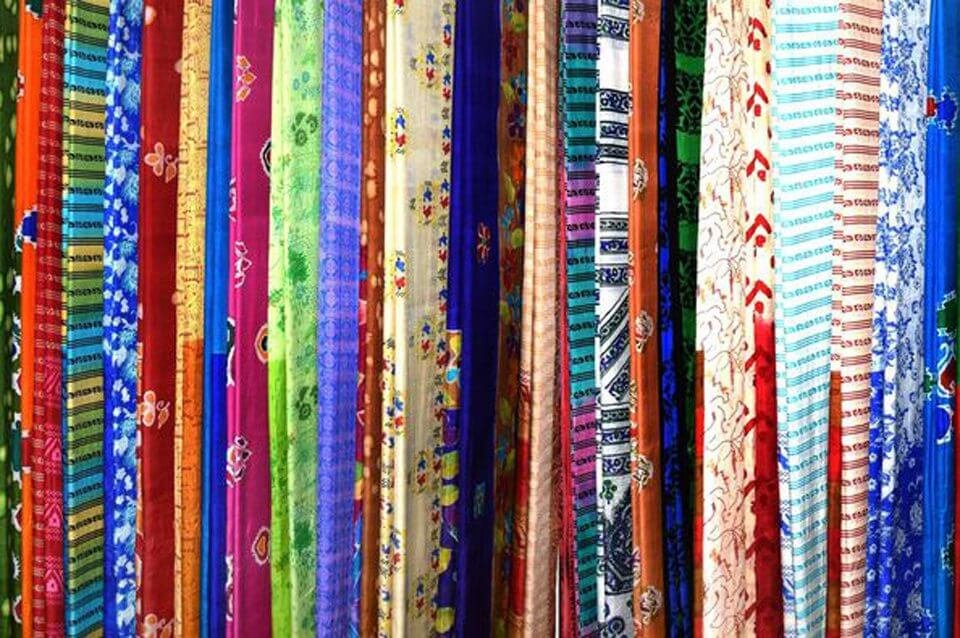
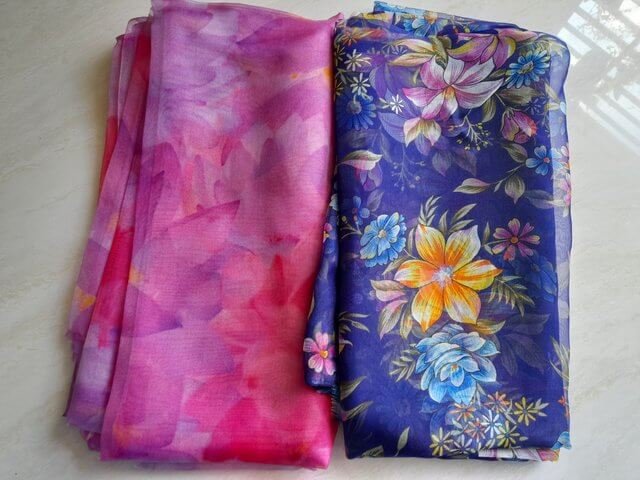
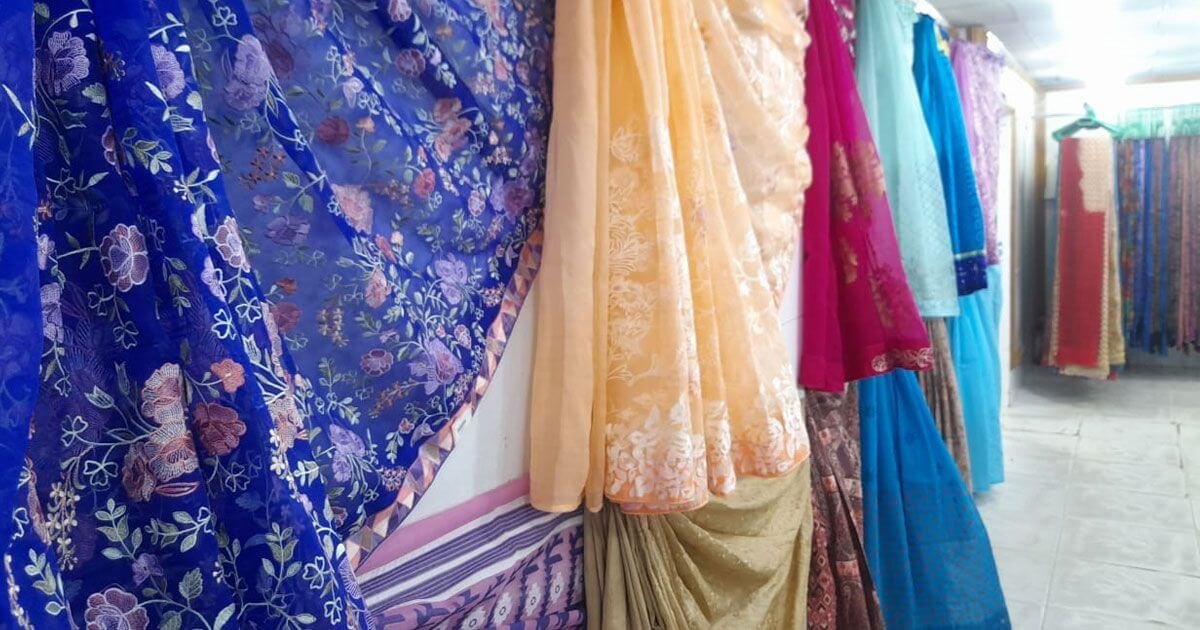
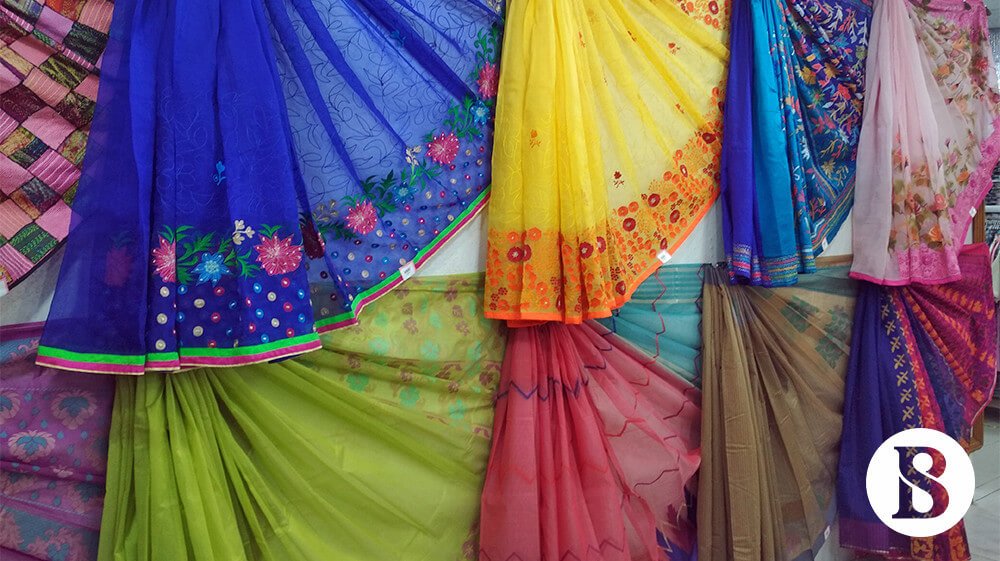
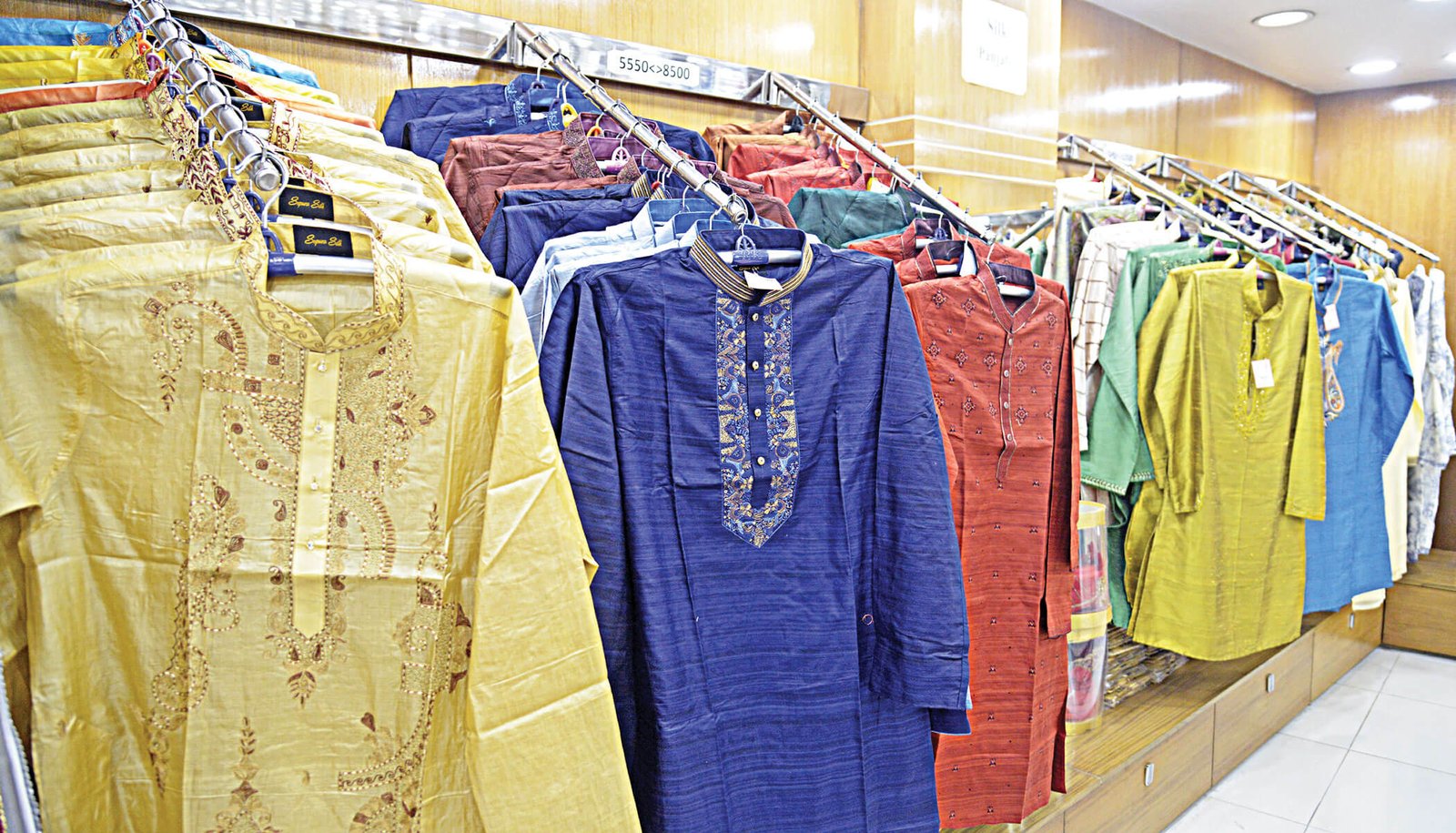
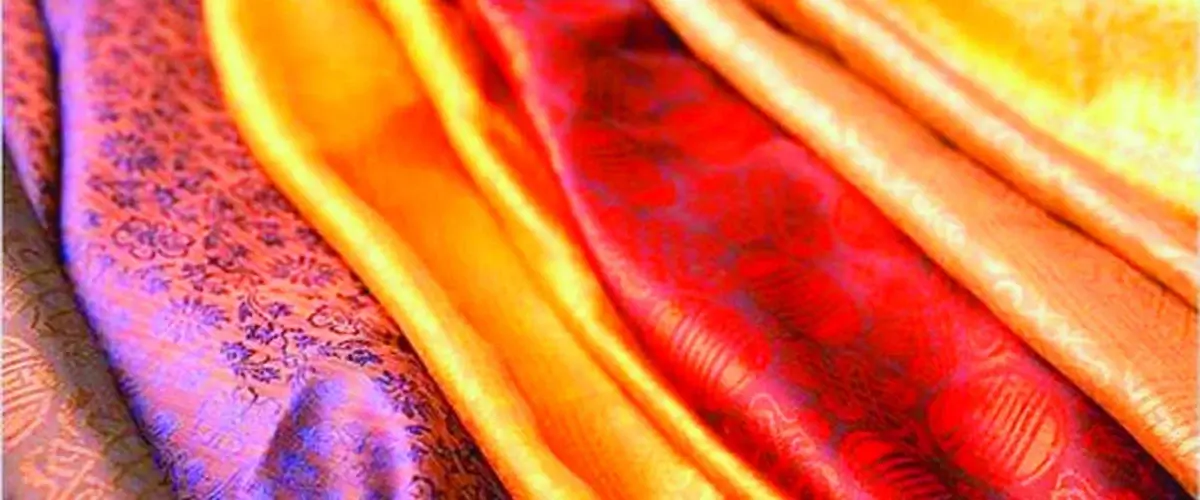
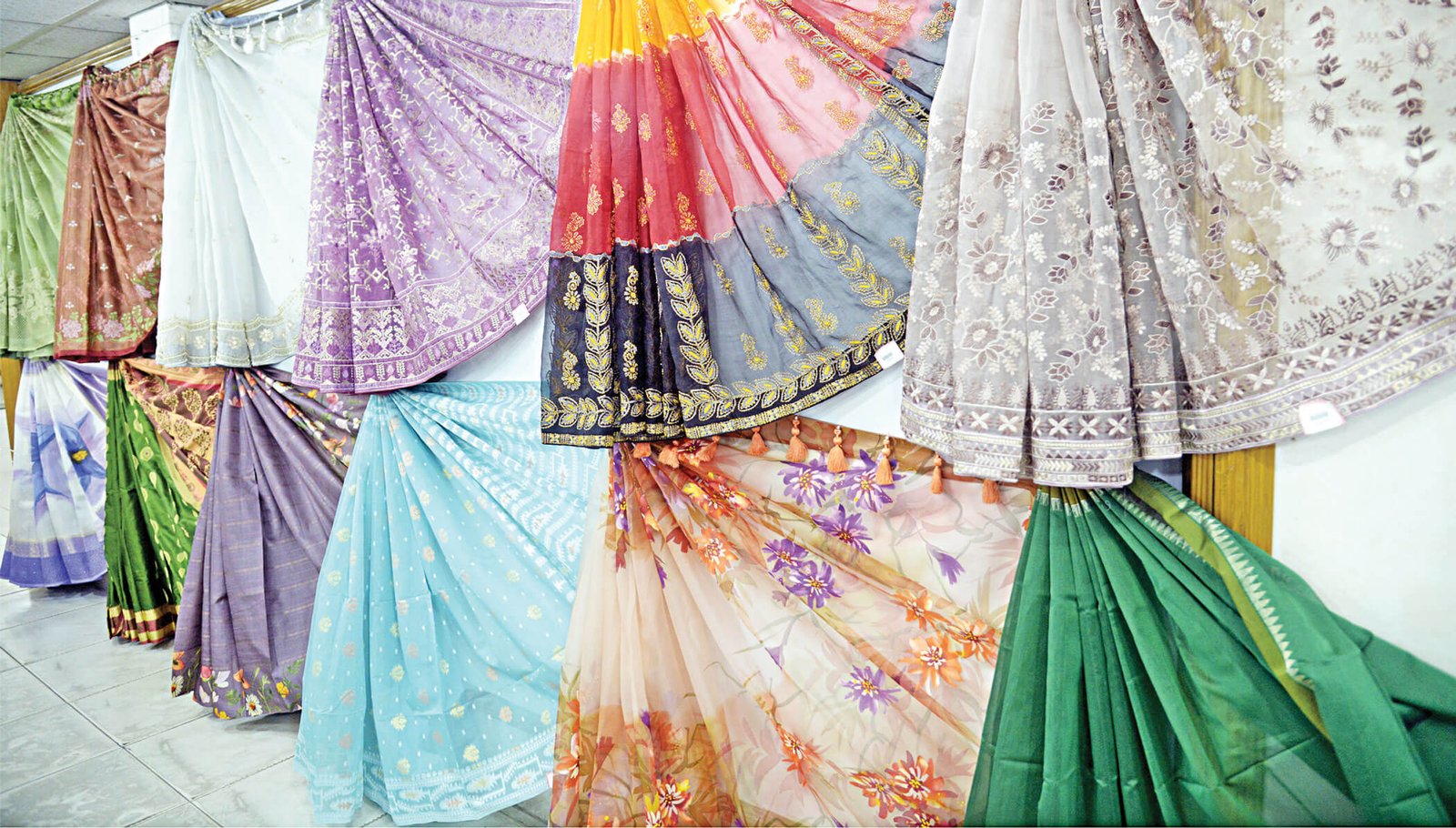
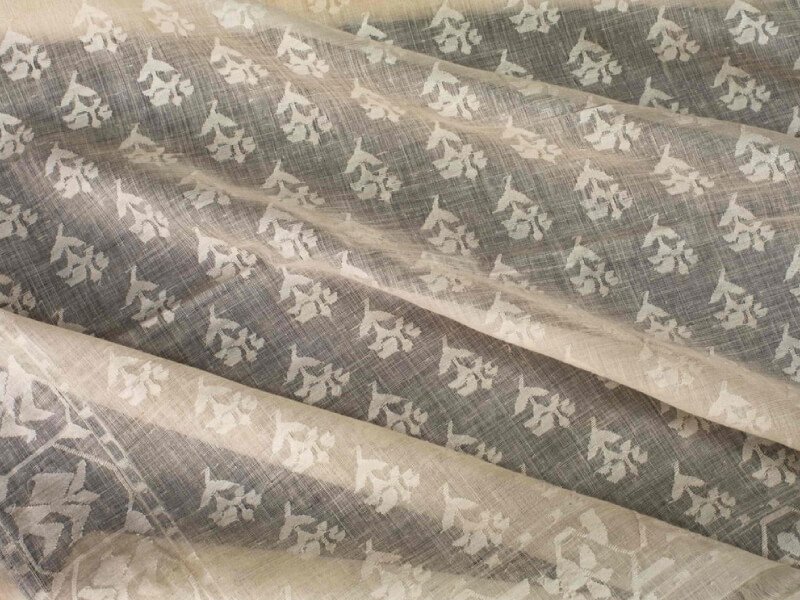
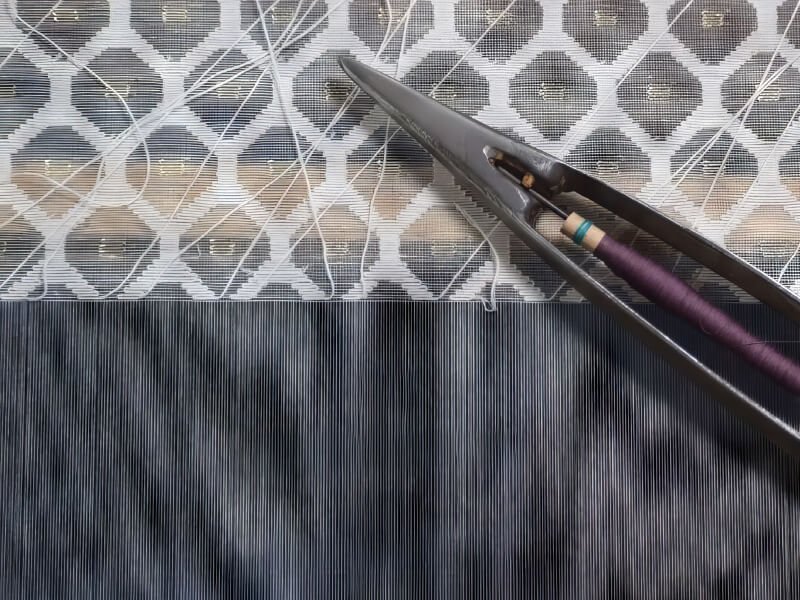
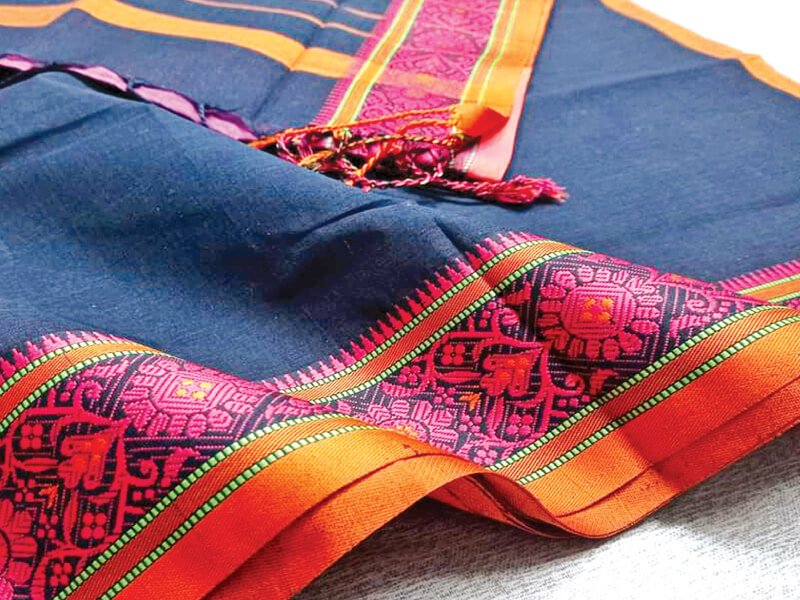
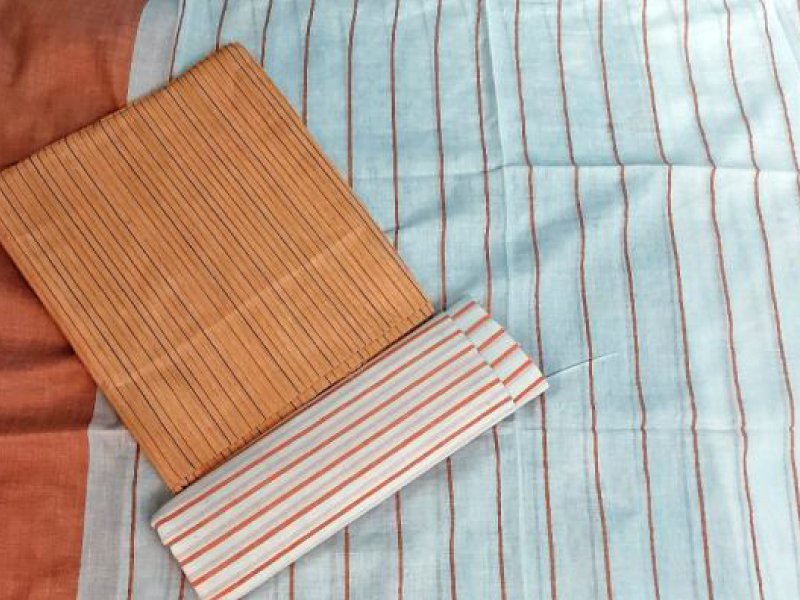
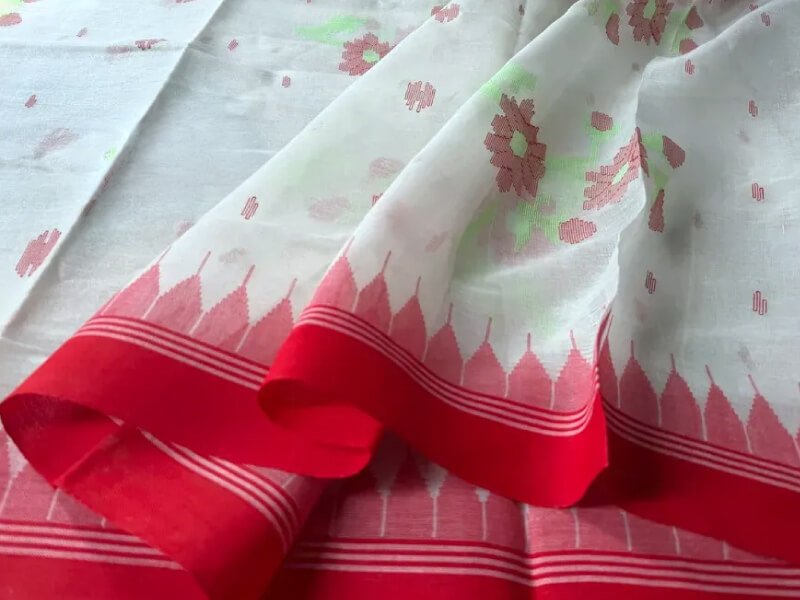
Artisans then transform silk yarn into sarees, scarves, panjabis, dress materials, and other garments. Rajshahi silk attracts buyers for its soft texture, natural sheen, lightweight feel, and suitability for formal and festive clothing.
Women have long participated in different parts of the sericulture economy, while government programs have promoted silk-related work as a source of rural employment.
Rajshahi Silk received Geographical Indication recognition in 2021 and remains on Bangladesh's official register of GI products.
The modern industry, however, differs from the traditional local production cycle. Bangladesh now produces only a small portion of the silk yarn that its industry consumes. Manufacturers rely heavily on imported yarn, while local mulberry cultivation and cocoon production have declined substantially.
Rajshahi therefore represents both a historic sericulture landscape and a contemporary silk-weaving center. Institutions such as the Bangladesh Sericulture Research and Training Institute continue to preserve technical knowledge and support research into the sector.
The survival of Rajshahi silk will depend not only on demand for finished garments but also on stronger support for local sericulture, skilled workers, research, and sustainable production.
Immersive Experience
No 360° Videos available
Destination Gallery