
Vasu Vihara
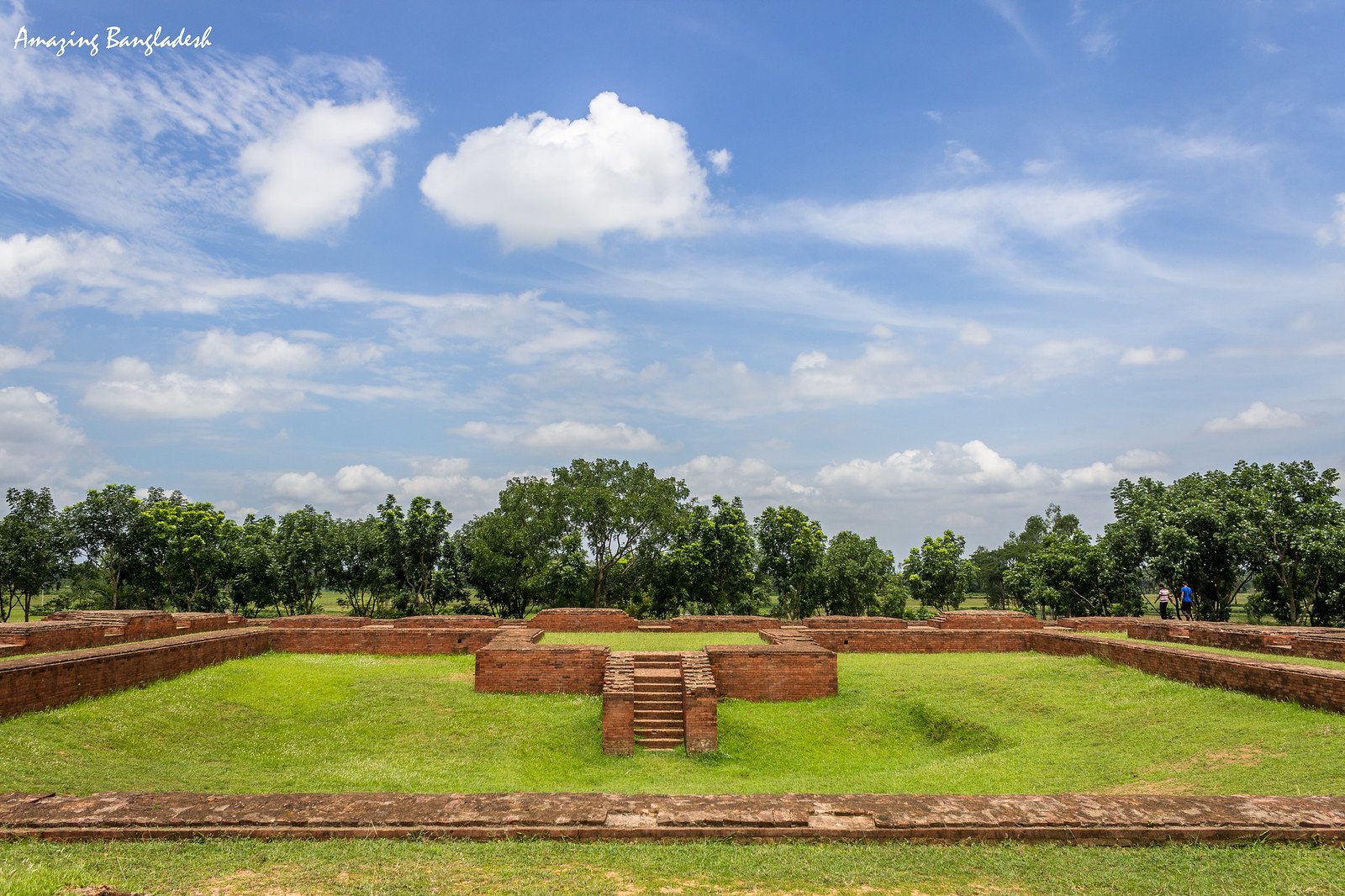
About six kilometers west of the
sprawling citadel of Mahasthangarh, the quiet countryside of Shibganj upazila
conceals the extensive remains of another major Buddhist monastic complex: Vasu
Vihara. It is an important early medieval Buddhist monastery dating back
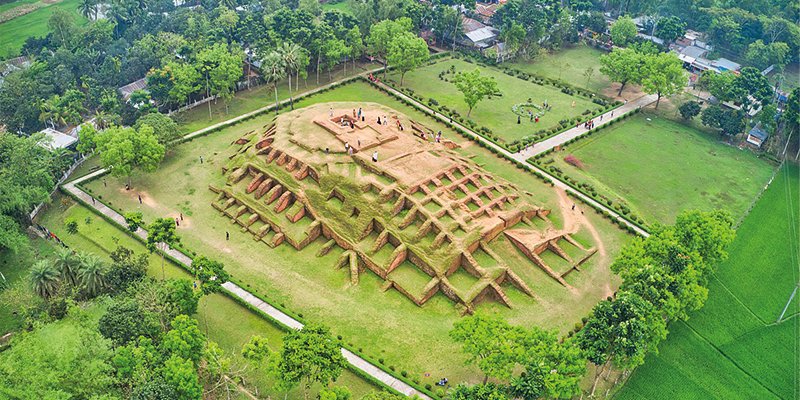
to the 8th century AD. Locally known as Narapatir Dhap, this ancient
site is one of the most significant, yet often overlooked, pieces of the
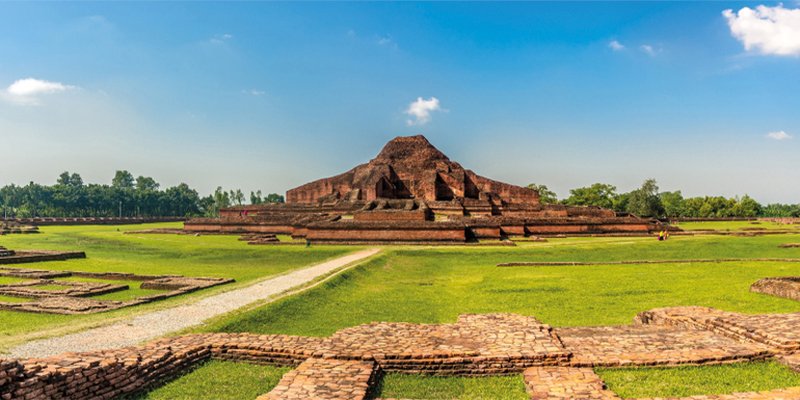
Pundravardhana puzzle. While it lacks the towering central stupa of Paharpur,
its value lies in the rich archaeological record it has yielded and the
sophisticated plan of its monastery.
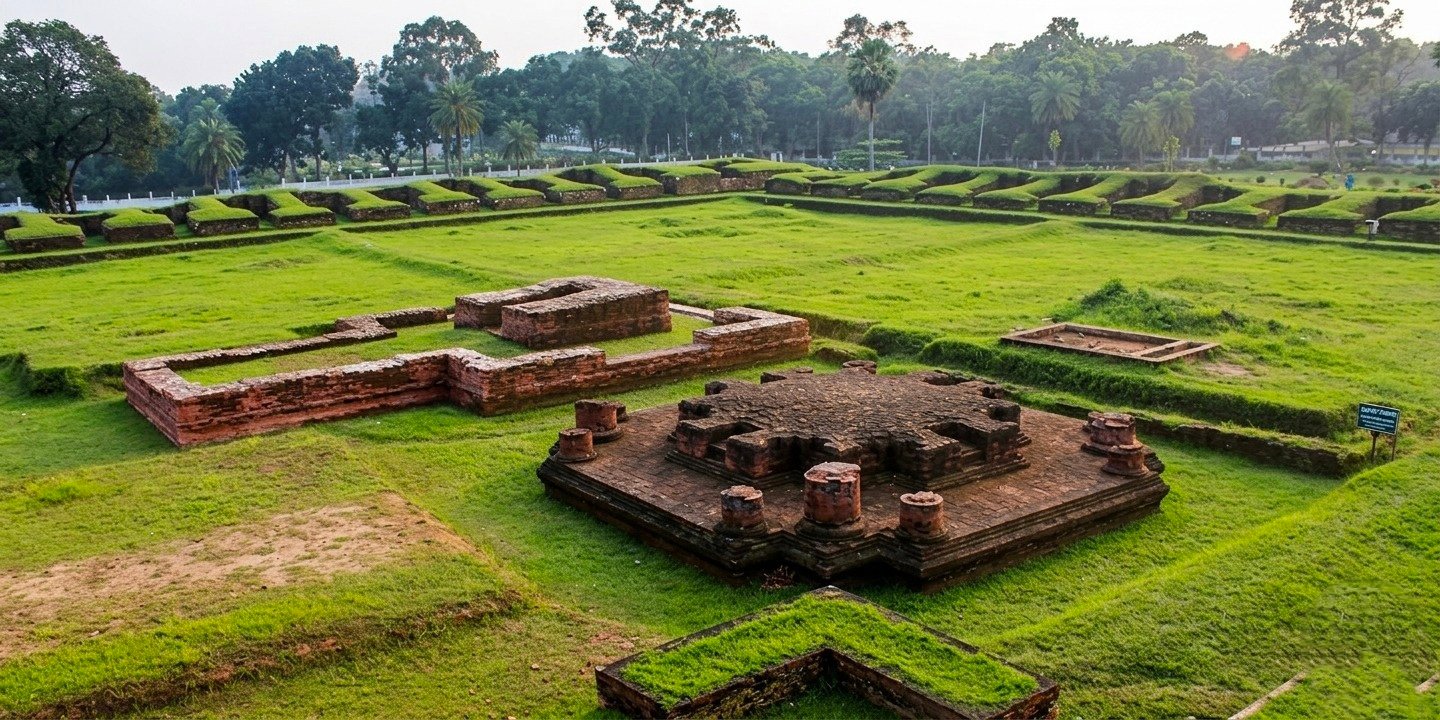
Excavations at Vasu Vihara have
unearthed a sprawling complex that once contained two large monasteries, with
monks' cells arranged neatly around central verandas for communal study and
meditation. The site has proven to be an archaeological treasure trove. Over
the years, teams have recovered an astonishing array of artifacts, including a
massive hoard of 800 objects that ranged from everyday pottery to exquisite
sculptures and, most importantly, huge clay seals bearing ancient inscriptions
that are still waiting to be fully deciphered. These seals offer a tantalizing
glimpse into the administration and spiritual life of the monastery, which was
likely a center of both religious learning and regional power. Walking through
the exposed brick foundations of the chambers and halls, with the gentle sounds
of rural life in the background, Vasu Vihara offers a more intimate and
scholarly perspective on the Buddhist civilization that once flourished across
the Varendra landscape
Immersive Experience
No 360° Videos available
Destination Gallery