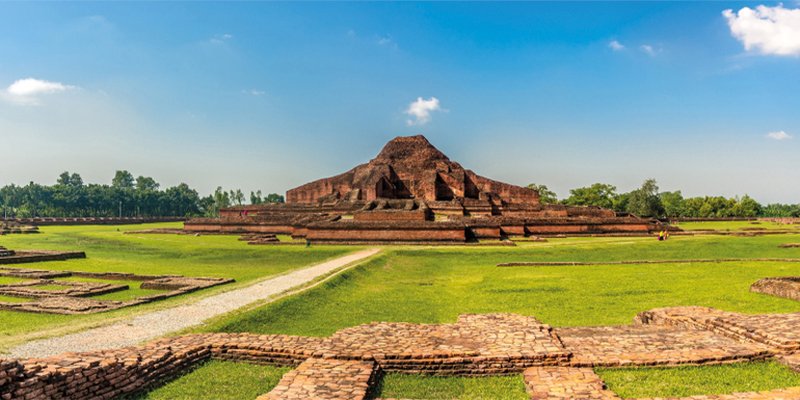

Dhakeshwari Temple
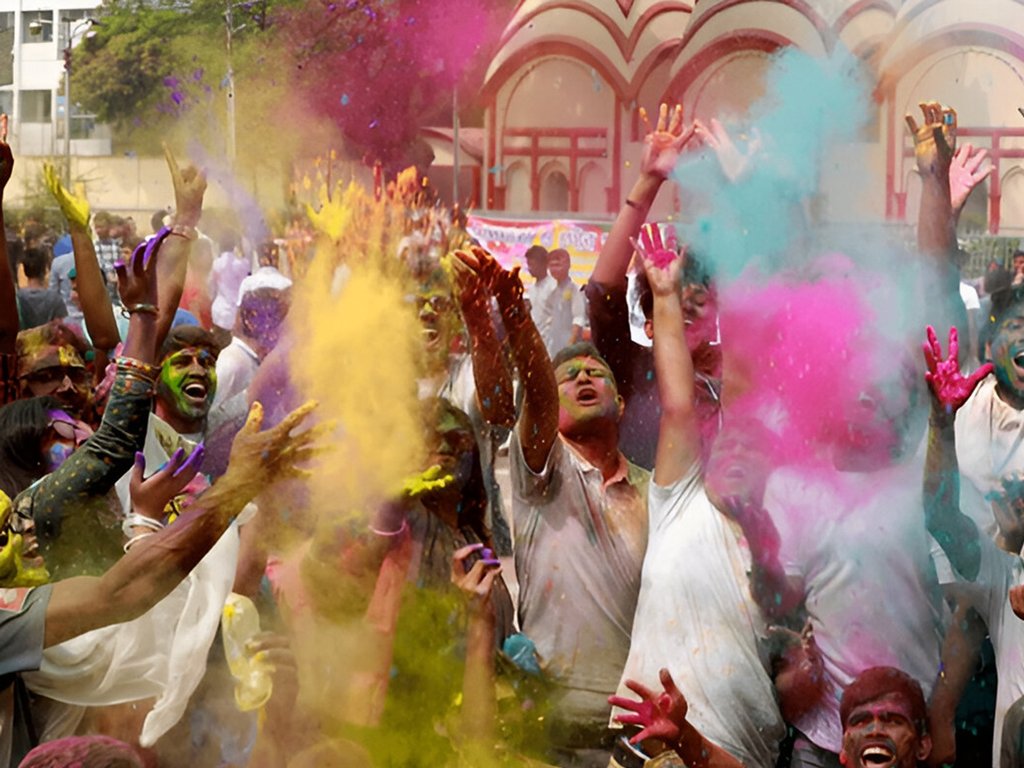
In the labyrinthine lanes of Old
Dhaka, far from the modern city's glittering malls, lies the spiritual heart of
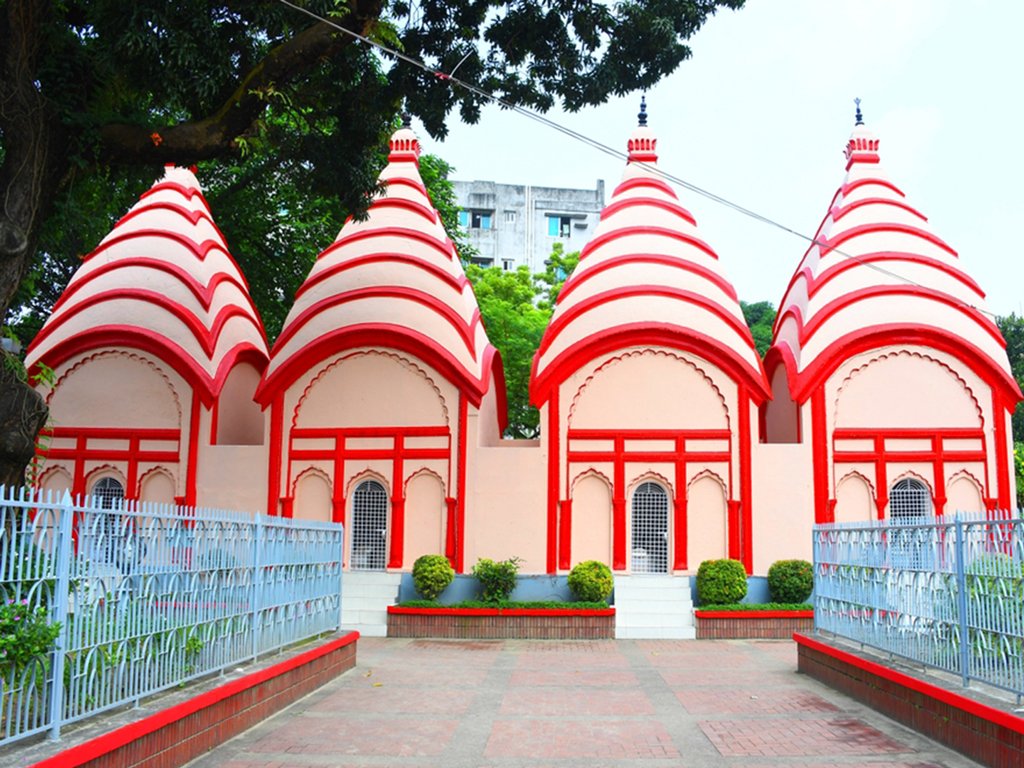
Bangladesh's Hindu community: the Dhakeshwari National Temple. Its name, which
means "Goddess of Dhaka," is more than just a title; according to
legend, it was this very temple that gave the city of Dhaka its name. Believed
to have been founded in the 12th century by Ballal Sen, a king of the Sena
dynasty, it is a profound symbol of a civilization that thrived long before the
Mughals and the British. The legend says that King Ballal Sen, guided by a
dream, discovered a statue of the Goddess Durga buried in the jungle and was
inspired to build a temple to house it, thus establishing the sacred site.
The temple you see today is a
layered palimpsest of history, having been repaired, renovated, and rebuilt
countless times over the centuries, meaning its current architectural form does
not reflect its ancient origins. It holds the unique distinction of being the
only state-owned Hindu temple in the world's only Muslim-majority country with
a national temple, a powerful testament to Bangladesh's commitment to its
pluralistic heritage. For devout Hindus, it is also revered as one of the
holiest Shakta Pithas, a site where a jewel from the crown of the Goddess Sati
is believed to have fallen. The atmosphere within its compound is a world away
from the surrounding city. The air is thick with the scent of incense and the
murmur of prayers, as throngs of devotees, both local and from afar, come to
pay their respects. The temple's significance grew further after the
destruction of the Ramna Kali Mandir in 1971, cementing its status as the
nation's most important place of Hindu worship.
Immersive Experience
No 360° Videos available
Destination Gallery