
Shalban Vihara
Set amidst the low, undulating
hills of the Lalmai range, the ruins of Shalban Vihara are the most impressive
and well-preserved relic of the once-great Buddhist civilization that
flourished here between the 7th and 8th centuries.
The name, meaning "Shal forest monastery," hints at a time when this
arid ridge was covered in dense, towering trees. This was not merely a place of
worship; it was a great center of learning and monastic discipline, a crucible
where the philosophies of Mahayana and Vajrayana Buddhism were studied and
debated, drawing scholars and monks from across the Buddhist world.
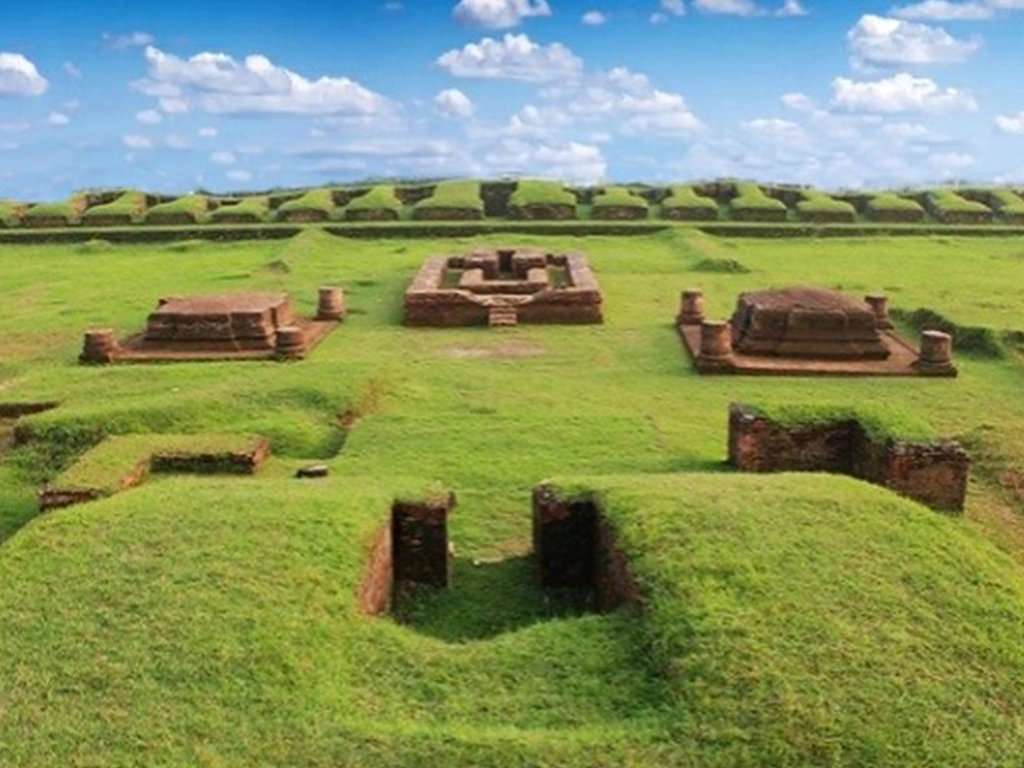
The site's genius lies in its
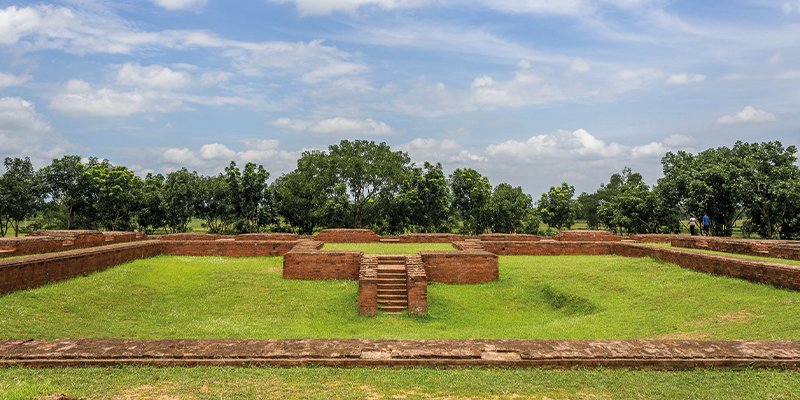
meticulous planning and formidable construction. At its heart is a spacious
central courtyard, around which the foundations of 115 monks' cells are
symmetrically arranged. The entire complex is enclosed by a massive,
five-meter-thick cruciform wall, giving it the imposing character of a fortress
as much as a sanctuary—a necessary defense in an era of shifting political
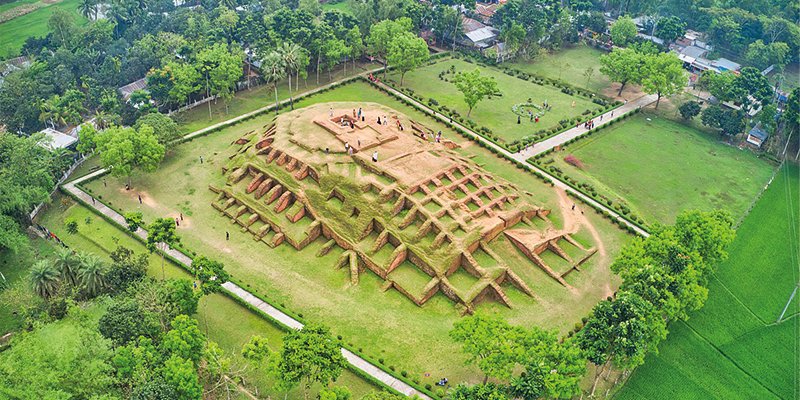
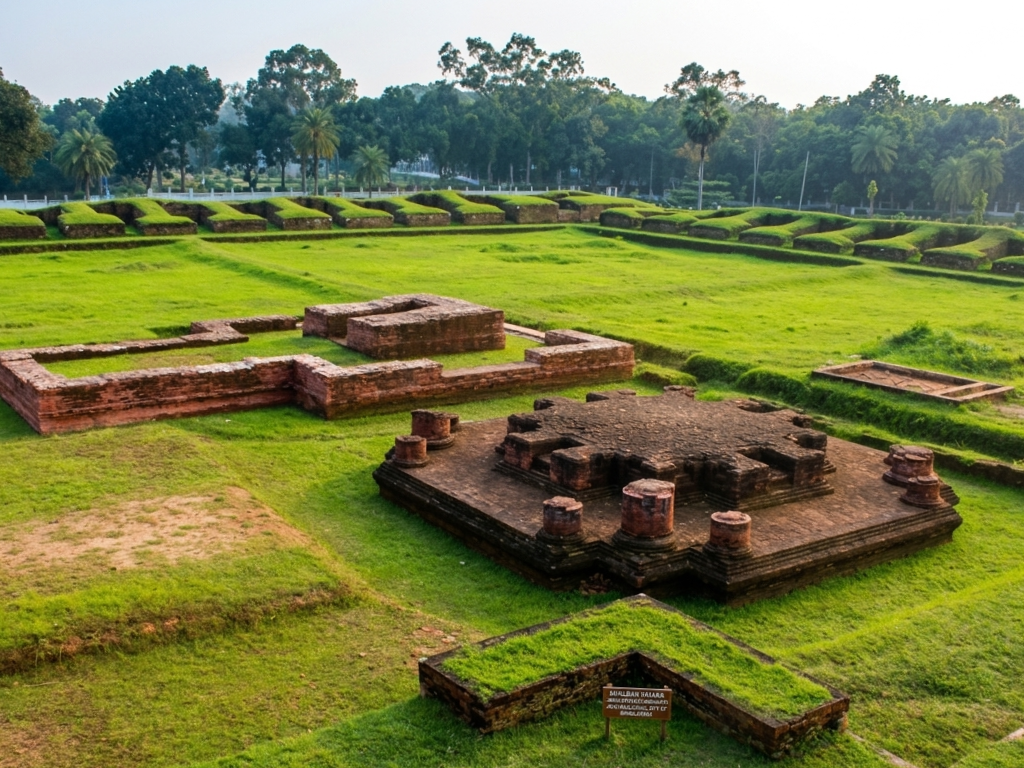
powers. The focal point of the courtyard is the central shrine, a structure
that reveals layers of architectural evolution. Excavations have shown that
this temple was built and rebuilt over centuries, transforming from a simple
stupa into a more complex cruciform temple, a physical timeline of changing Buddhist
architectural practice. The site yielded a treasure trove of artistic
masterpieces, including bronze statues and exquisitely carved terracotta
plaques depicting Buddhist deities and scenes from daily life, now housed in
the nearby Mainamati Museum. To walk among these orderly ruins is to feel the
disciplined, scholarly pulse of a monastery that was once a beacon of
enlightenment in ancient Bengal.
Surrounding sites
- Ananda Vihara- A short distance from the well-ordered ruins of Shalban Vihara lies a different kind of historical monument—one defined by absence rather than presence. Ananda Vihara, situated in the Mainamati hills near Cumilla, is one of the largest and most important Buddhist monasteries in Bangladesh. Dating back to the 7th–8th century AD, it thrived as a prominent center of Buddhist education and worship during the Deva and early Pala periods. The site features an expansive central stupa encircled by monastic cells arranged in a rectangular layout. Excavations have revealed impressive bronze sculptures, ornate terracotta plaques, and ancient inscriptions that reflect the rich artistic and spiritual heritage of the era. A key highlight of the Mainamati archaeological complex, Ananda Vihara offers visitors a tranquil and enriching journey into Bangladesh’s ancient Buddhist past.
- Rupban Mura- While the brick layout of
Shalban Vihara tells the story of a monastic community, the smaller, more
intimate site of Rupban Mura reveals the artistic and spiritual heart of
that same community. Rupban Mura, located in the Mainamati hills of
Cumilla, is a significant Buddhist archaeological site dating back to the
7th–8th century AD. Part of the renowned Mainamati-Moinamoti complex, it
is believed to have been a flourishing monastery during the early Pala
period. The site is famous for its large stupa and the remarkable
collection of artifacts discovered here, including exquisite terracotta
plaques, bronze statues, silver coins, and ornamental objects. The name
“Rupban Mura” is thought to refer to a royal lady associated with the
site. Quiet and historically rich, Rupban Mura offers visitors a
fascinating insight into the artistic and spiritual life of ancient
Buddhist Bengal.
Immersive Experience
No 360° Videos available
Destination Gallery