

Sylhet Monipuri Saree
Handmade heritage, patient skill and a living design tradition from Sylhet.
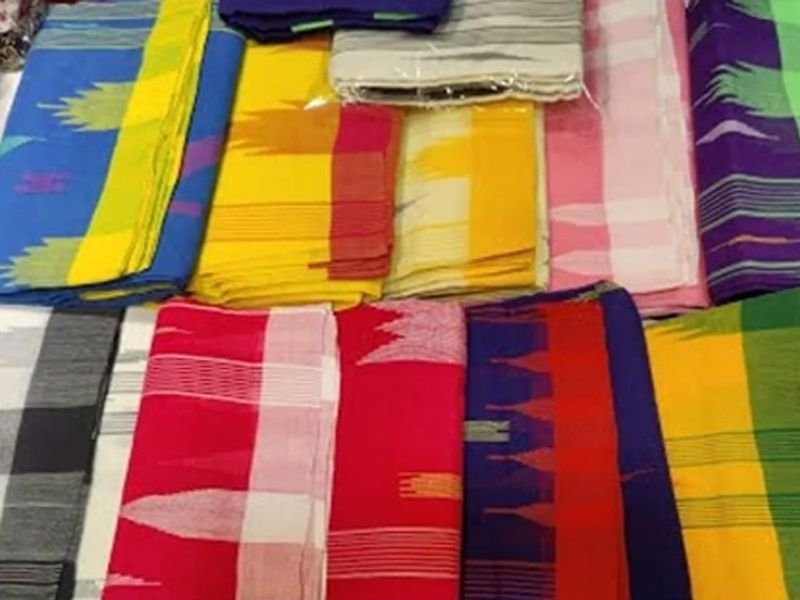
Follow the hands behind Sylhet Monipuri Saree and meet a craft that still moves to the rhythm of the loom.
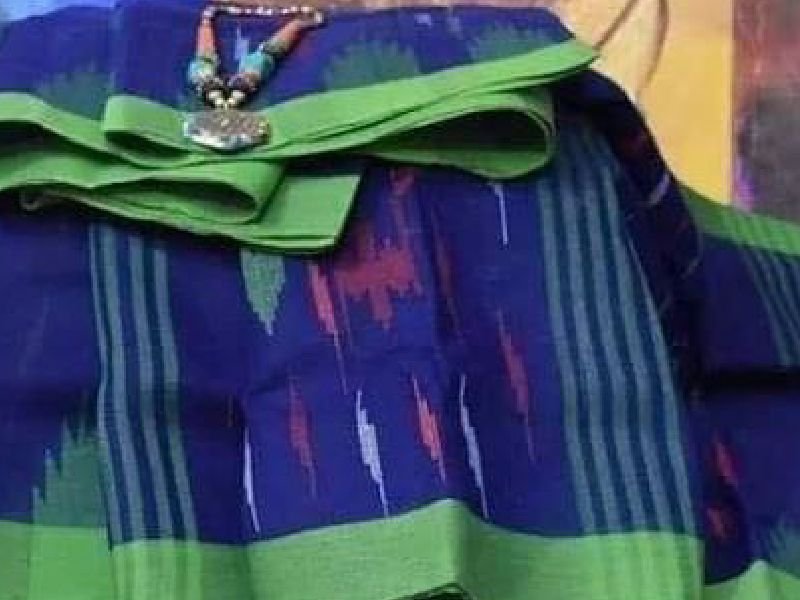
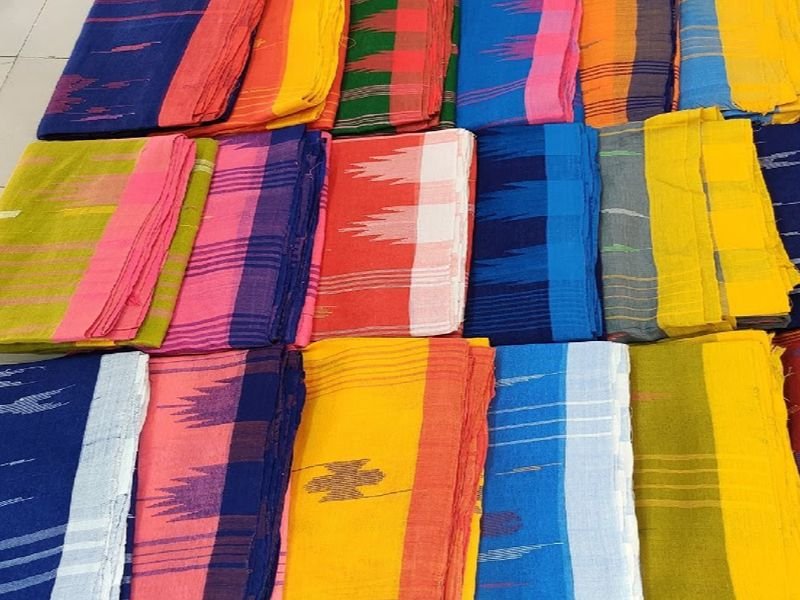
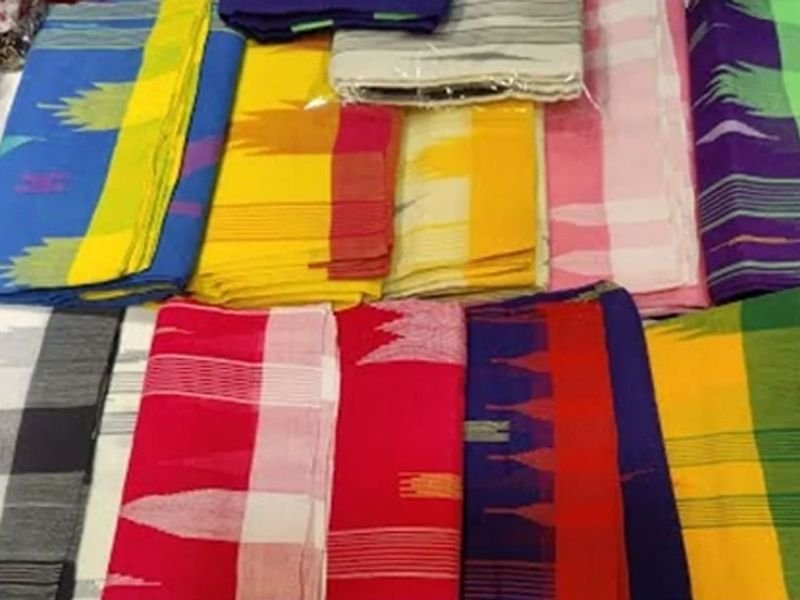
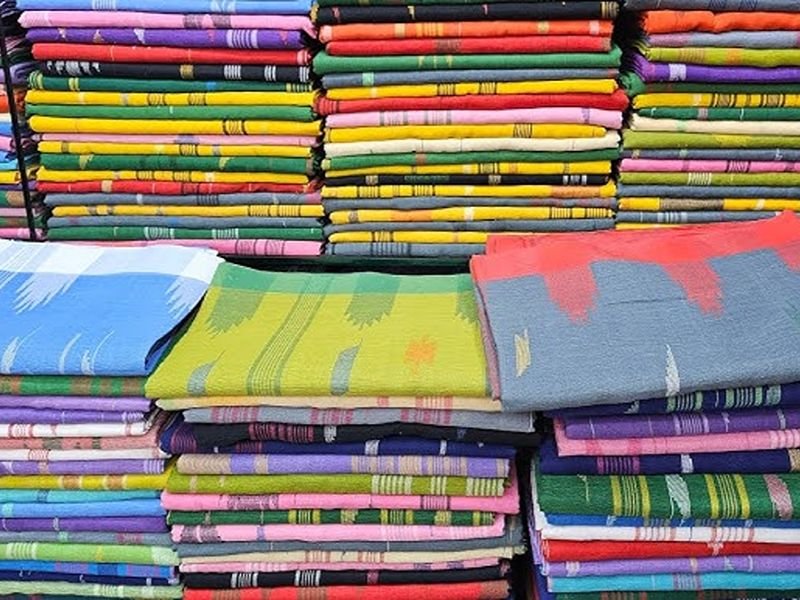
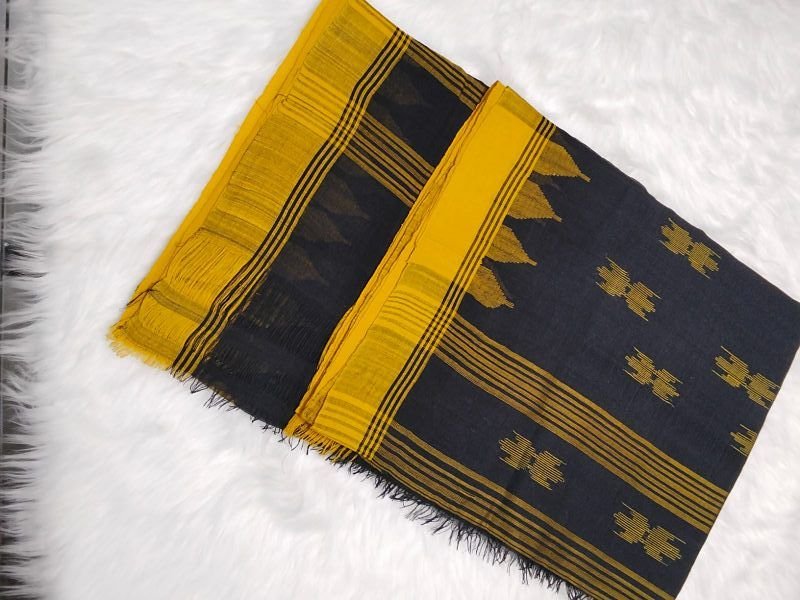
Amidst the rolling, emerald tea gardens of northeastern Bangladesh, a vibrant textile tradition is kept alive by the indigenous Manipuri community. For generations, the women of this ethnic group in the Sylhet region have transformed simple cotton and silk threads into wearable art. The Monipuri saree is not just a garment; it is a meticulously handwoven tapestry that reflects the rich heritage, folklore, and artistic spirit of its creators. The visual identity of a Monipuri saree is instantly recognizable. It is celebrated for its striking color contrasts; often featuring a dark, solid background illuminated by exceptionally bright, neon-like geometric patterns along the edges. The most iconic design element is the Moirang Phee border, a continuous series of interlocking, temple-shaped triangles that symbolize the protective deities of local mythology.
Woven directly into the fabric, these intricate floral and geometric motifs are never printed or embroidered afterward. Instead, they are masterfully integrated during the weaving process, resulting in a slightly raised, textured pattern that is identical on both sides of the cloth. This craft is an intimately domestic enterprise, entirely driven by women. In villages across Kamalganj and Moulvibazar, the rhythmic clatter of the traditional throw-shuttle loom, or taant, is a familiar sound echoing from almost every household. The weavers primarily use breathable, high-quality cotton yarns, making the saree exceptionally comfortable and perfectly suited for the humid local climate. In recent times, artisans have also begun blending fine silk, giving the fabric a luxurious, festive sheen while retaining its structural durability.
Beyond its aesthetic appeal, the saree holds profound social and economic significance. It is a mandatory attire during major cultural celebrations, most notably the vibrant Rash Mela festival, where dancers wear these striking garments to perform traditional routines. Economically, the handloom industry provides crucial financial independence for the women of the community, allowing them to support their families from the comfort of their own homes. To drape a Sylhet Monipuri saree is to wear a piece of living history. It is a bold, beautiful testament to the resilience of indigenous female artisans who continue to weave their cultural narratives into every colorful thread, ensuring their ancestral craft remains a prominent fixture in modern fashion.
Immersive Experience
No 360° Videos available
Destination Gallery
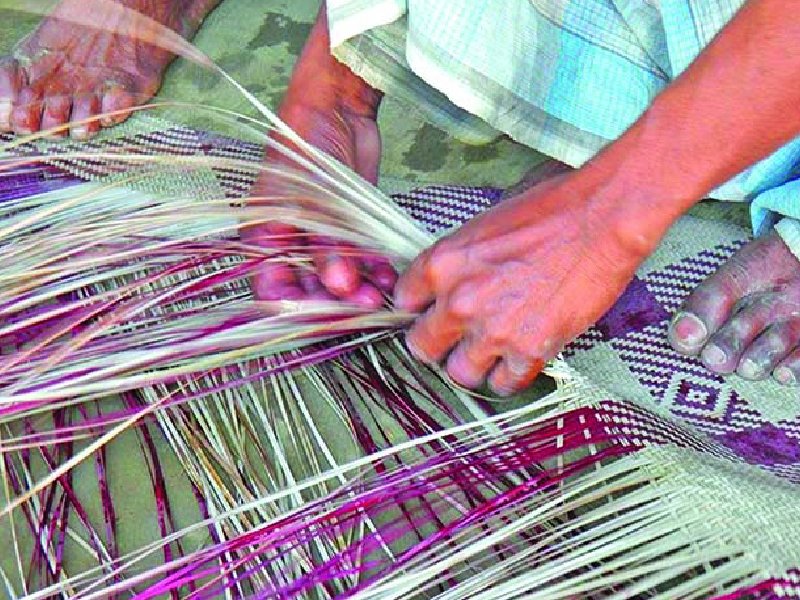
Shital Pati of Bangladesh
Handmade heritage, patient skill and a living design tradition from Sylhet region.
Explore More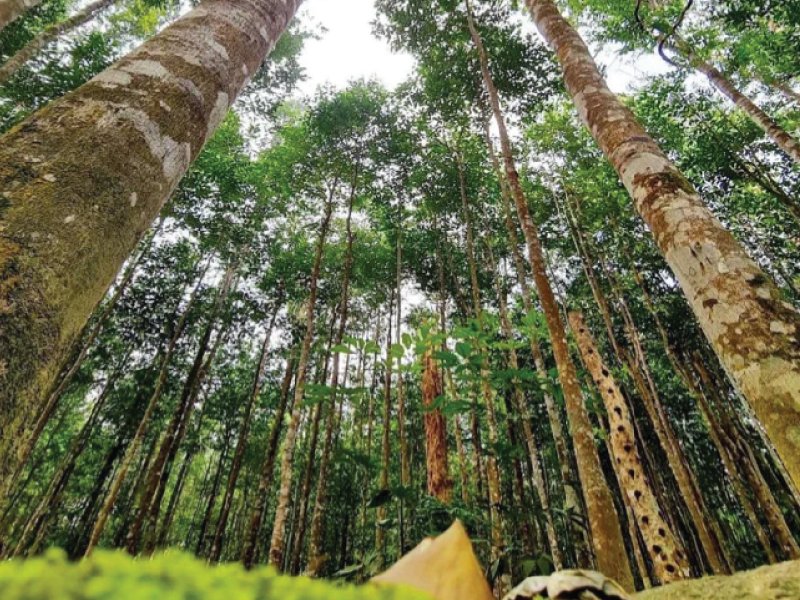
Moulvibazar Agar
A rare aromatic tradition rooted in the agar-growing landscape of Moulvibazar.
Explore More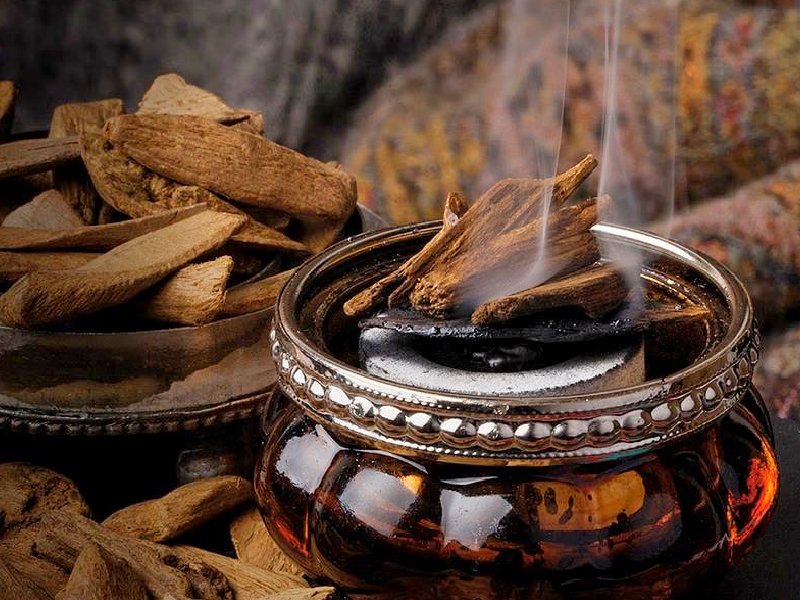
Moulvibazar Agar Attar
A rare aromatic tradition rooted in the agar-growing landscape of Moulvibazar.
Explore More
Muktagacha Monda
A celebrated local taste shaped by skilled makers and the food culture of Mymensingh.
Explore More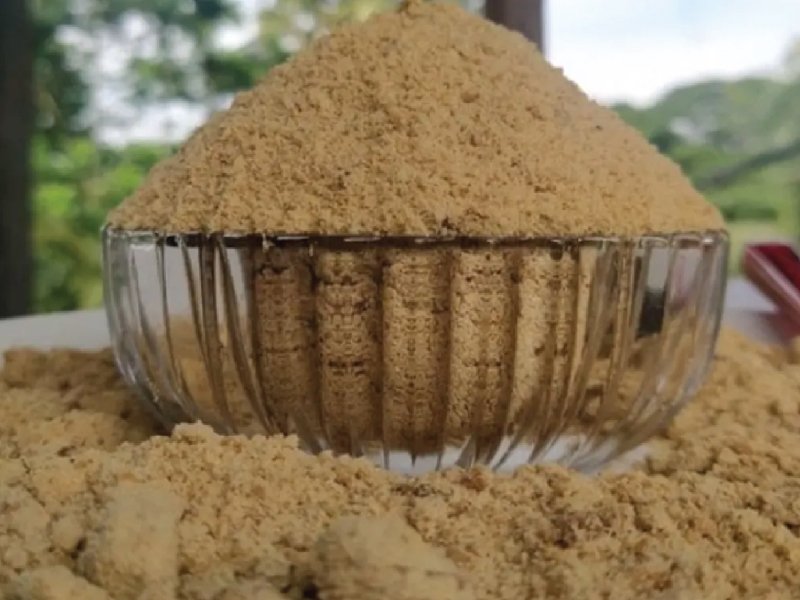
Fulbaria Lal Chini / Red Sugar
A recognised regional treasure shaped by the people and landscape of Mymensingh.
Explore More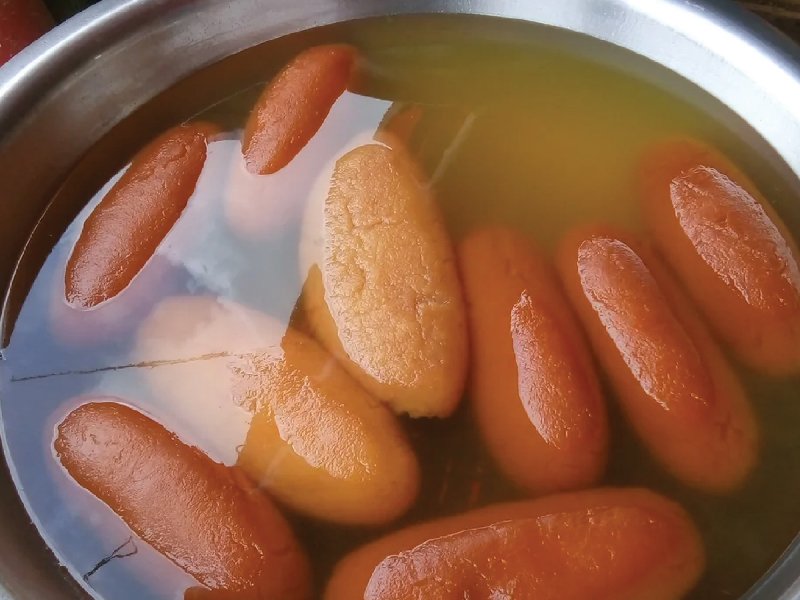
Netrokona Balish Mishti
A celebrated local taste shaped by skilled makers and the food culture of Netrokona.
Explore More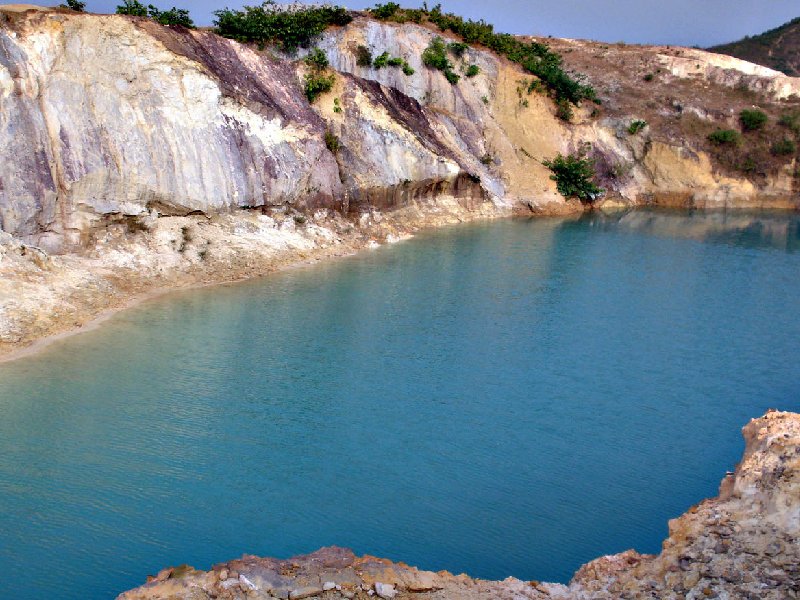
Bijoypur White Clay
A pale geological treasure found beside the blue-green frontier of northern Netrokona.
Explore More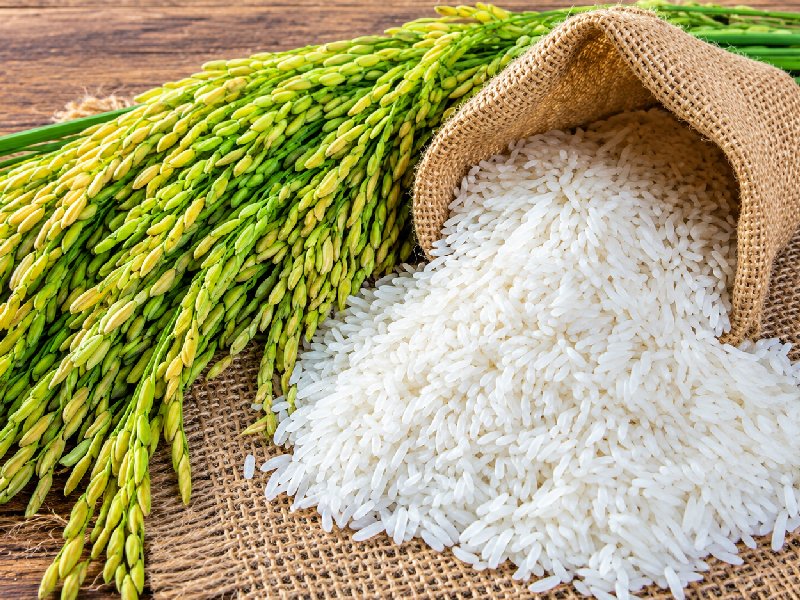
Sherpur Tulshimala Paddy
A distinctive crop shaped by local soil, farming knowledge and the seasons of Sherpur.
Explore More