

Shital Pati of Bangladesh
Handmade heritage, patient skill and a living design tradition from Sylhet region.
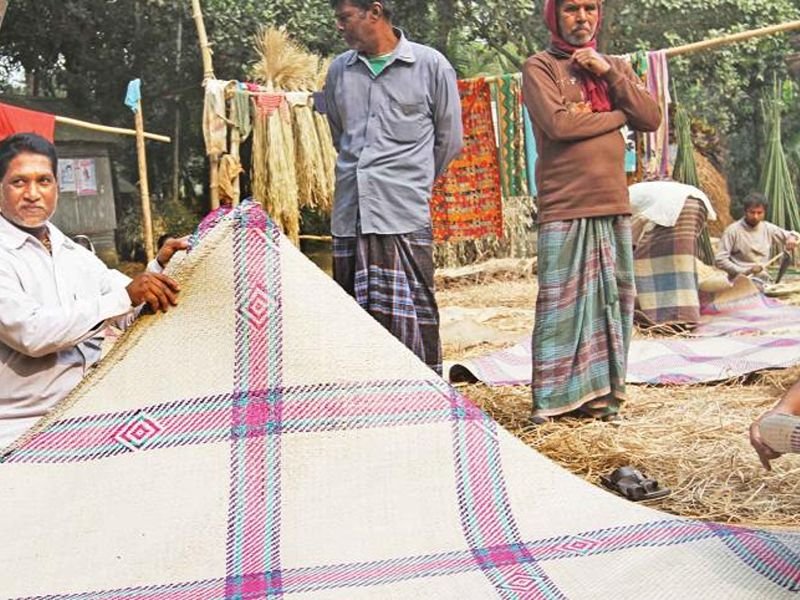
Follow the hands behind Shital Pati of Bangladesh and meet a craft that still moves to the rhythm of the loom.
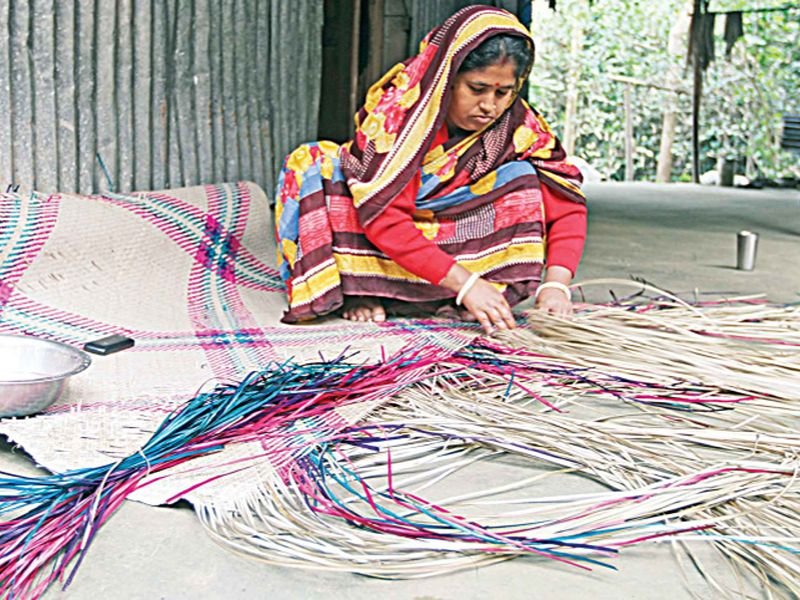
Long before the hum of electric fans and air conditioners became common, the people of the Bengal delta found a brilliant, natural way to escape the sweltering summer heat. From the wetland ecosystems of the Sylhet region comes the Shital Pati, which literally translates to "cool mat." Far more than a simple floor covering, this exquisite handwoven craft is a traditional lifesaver. When laid out on a bed or floor, the mat provides an incredibly smooth, naturally cold surface that draws heat away from the body, offering profound comfort during the most humid nights. The secret to this natural air conditioning lies in the raw material. The mats are exclusively woven from the Murta plant, a resilient reed that thrives in the marshy, waterlogged swamps of northeastern Bangladesh.
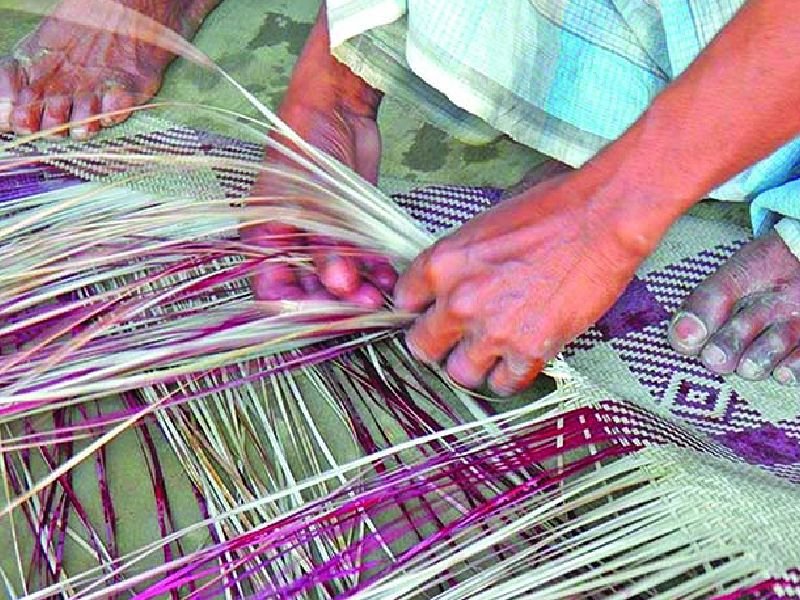
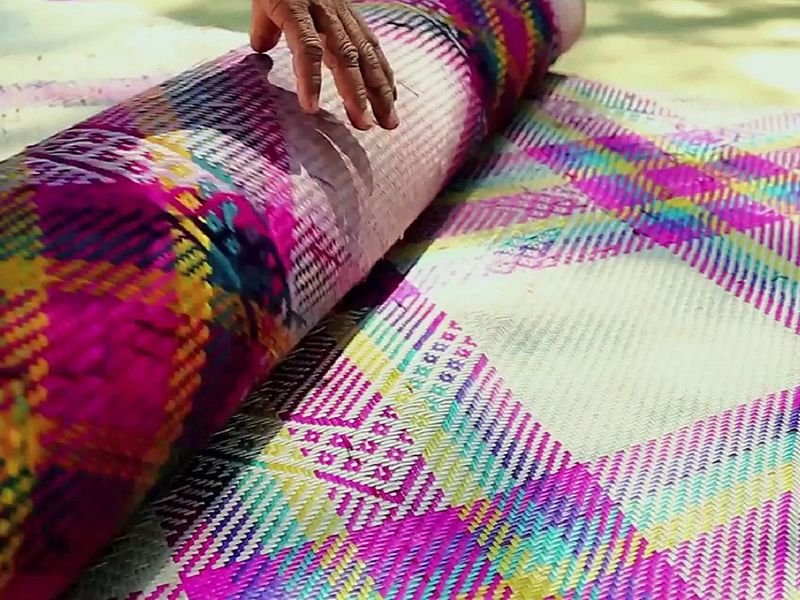
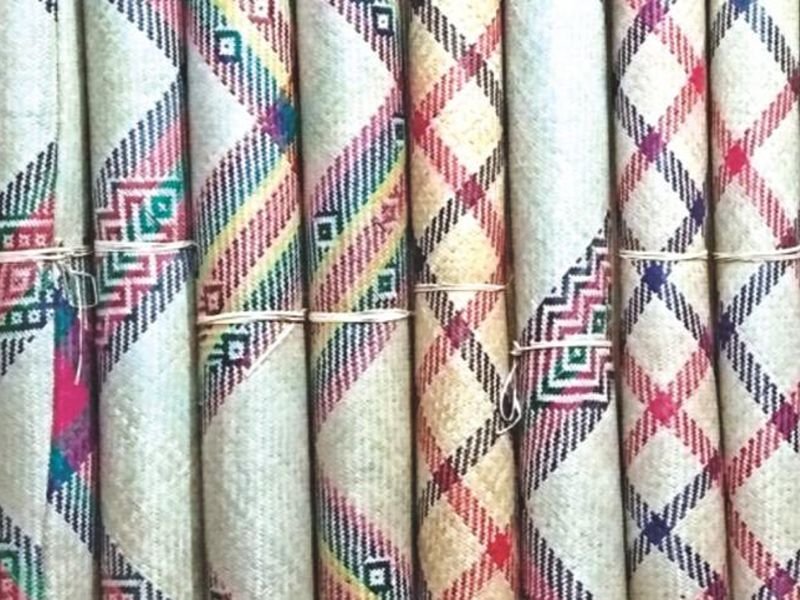
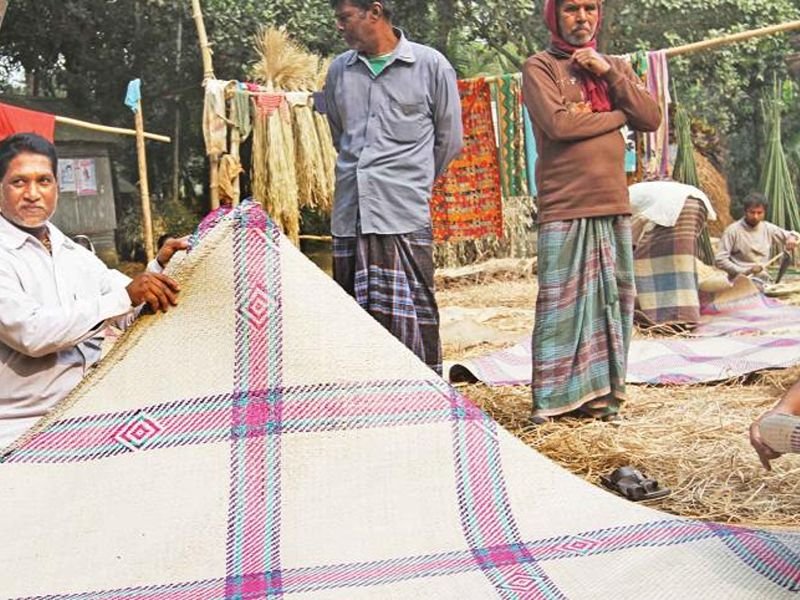
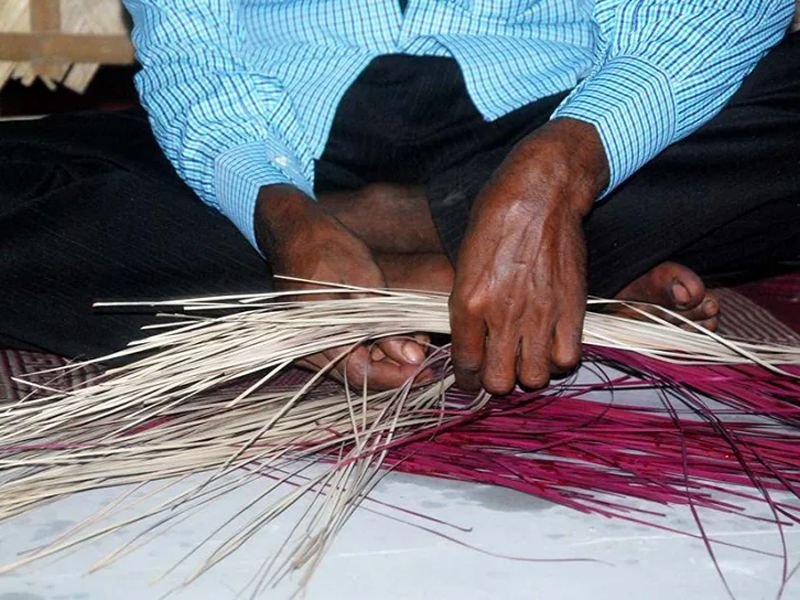
Harvesting and preparing this plant is an intensely demanding physical task. The local artisans, traditionally known as Patials, cut the green canes and carefully strip them into incredibly thin, uniform slices using sharp hand knives. These delicate strips are then boiled, washed, and dried in the sun. The glossy outer layer of the cane yields the finest strips, which are reserved for the highest quality mats. The actual weaving process is a masterclass in tactile precision. Sitting on the floor for hours, the artisans interlock the strips diagonally without the use of any mechanical looms. A standard mat takes several days to complete, while highly decorated versions can take months. Weavers often incorporate striking geometric patterns, local birds, or floral motifs by interweaving strips dyed in deep reds and blacks.
The true mark of a premium Shital Pati is its texture; the best mats are so finely woven and soft that they can be easily folded like a cotton bedsheet without the cane snapping or breaking. For centuries, owning a finely crafted Shital Pati was a mark of household pride. It was traditionally unrolled to welcome honored guests and formed an essential part of a bridal trousseau. While cheap, mass-produced plastic mats have flooded modern markets, the demand for this organic, breathable masterpiece remains steady among those who value authentic craftsmanship.
Immersive Experience
No 360° Videos available
Destination Gallery

Sylhet Monipuri Saree
Handmade heritage, patient skill and a living design tradition from Sylhet.
Explore More
Moulvibazar Agar
A rare aromatic tradition rooted in the agar-growing landscape of Moulvibazar.
Explore More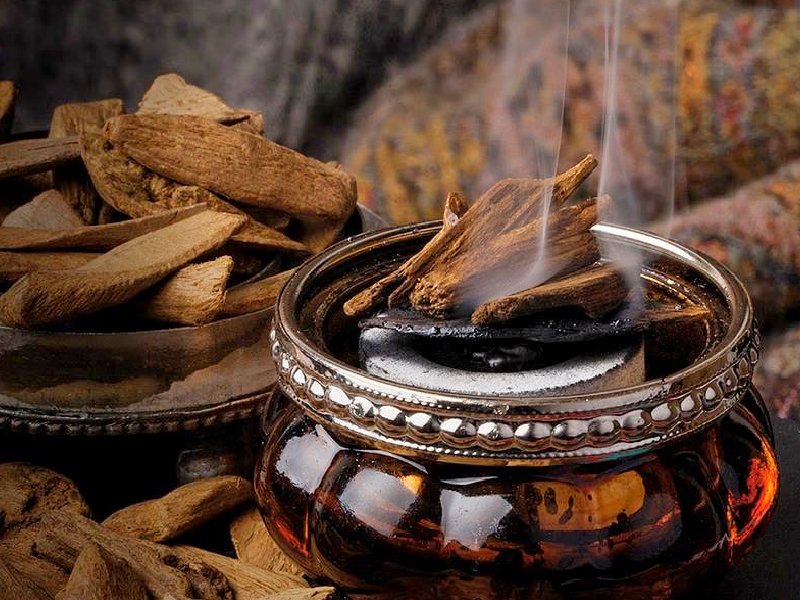
Moulvibazar Agar Attar
A rare aromatic tradition rooted in the agar-growing landscape of Moulvibazar.
Explore More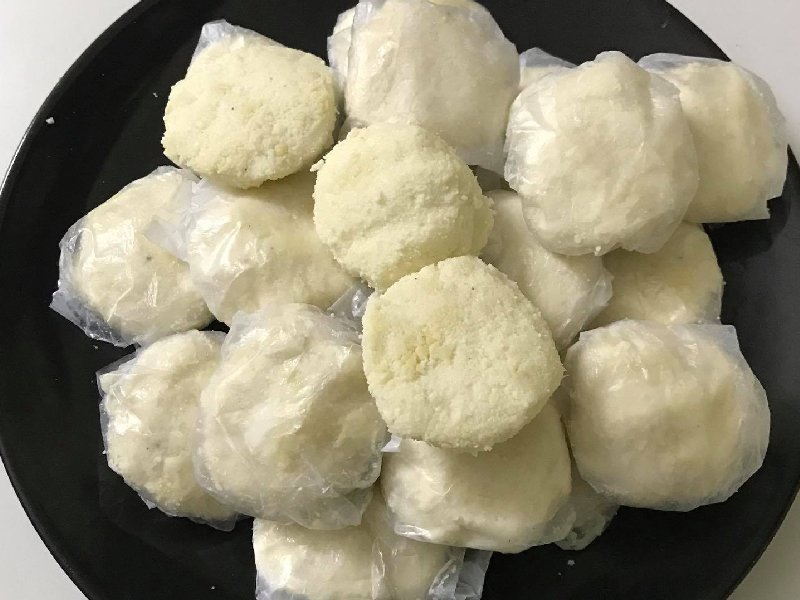
Muktagacha Monda
A celebrated local taste shaped by skilled makers and the food culture of Mymensingh.
Explore More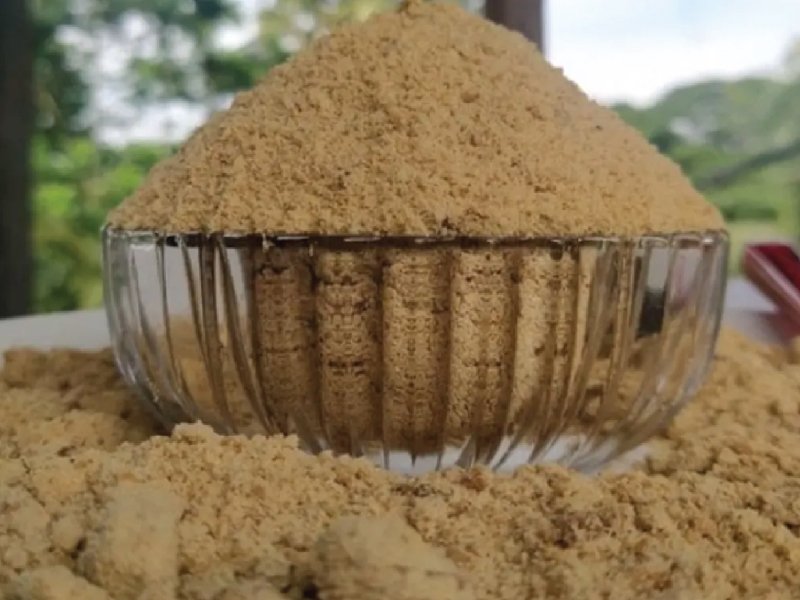
Fulbaria Lal Chini / Red Sugar
A recognised regional treasure shaped by the people and landscape of Mymensingh.
Explore More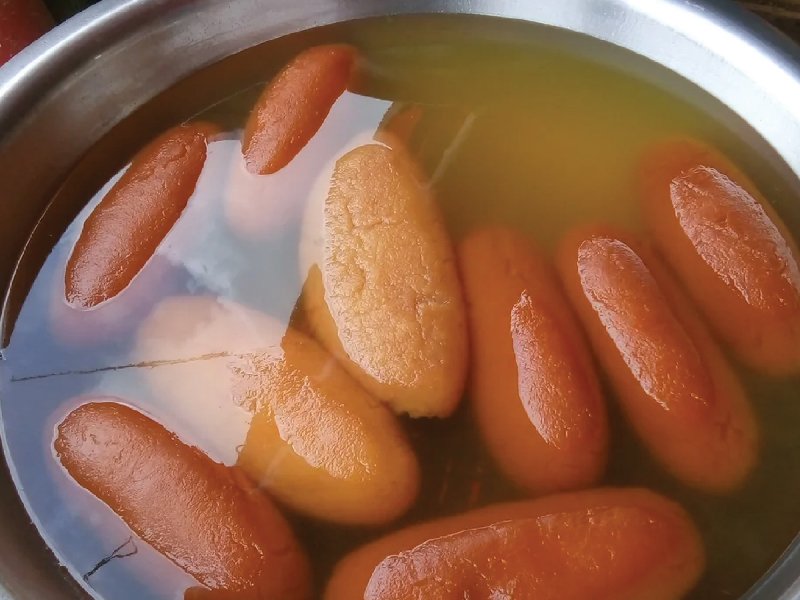
Netrokona Balish Mishti
A celebrated local taste shaped by skilled makers and the food culture of Netrokona.
Explore More
Bijoypur White Clay
A pale geological treasure found beside the blue-green frontier of northern Netrokona.
Explore More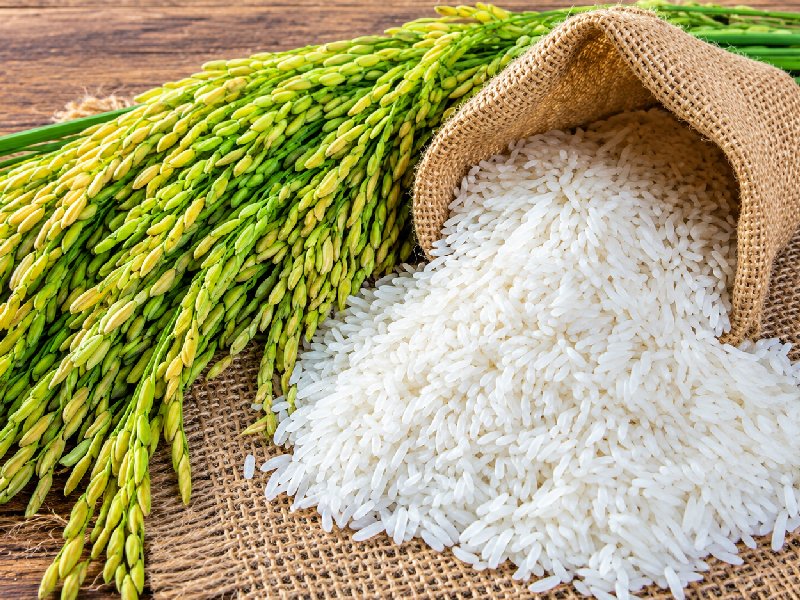
Sherpur Tulshimala Paddy
A distinctive crop shaped by local soil, farming knowledge and the seasons of Sherpur.
Explore More