

Moulvibazar Agar
A rare aromatic tradition rooted in the agar-growing landscape of Moulvibazar.
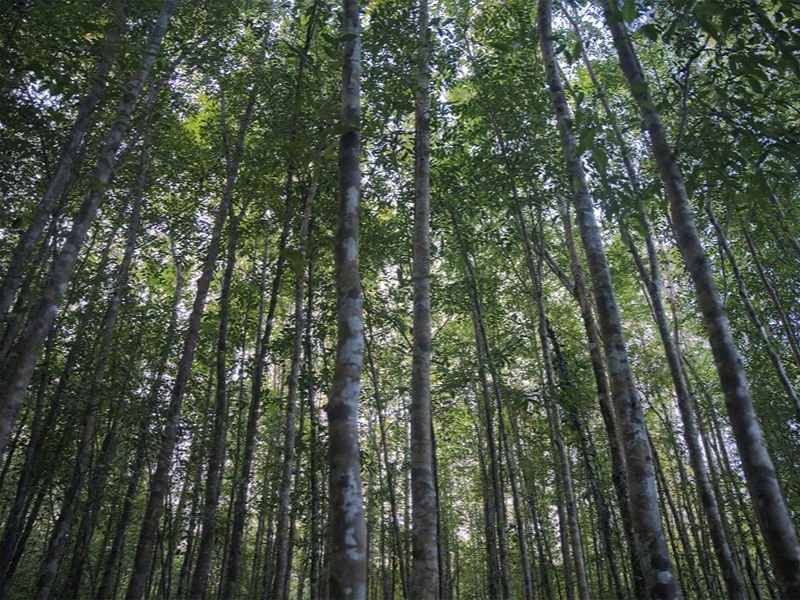
Enter the world of resin, smoke and scent behind Moulvibazar Agar.
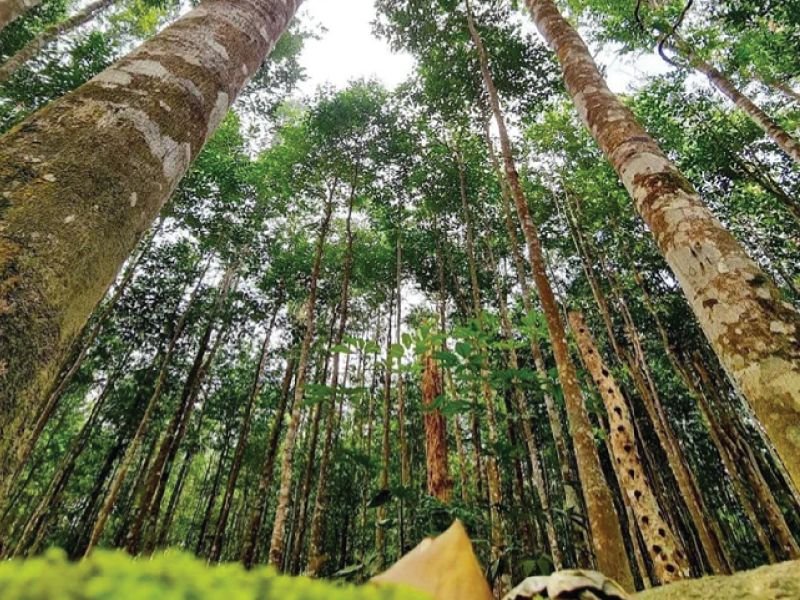
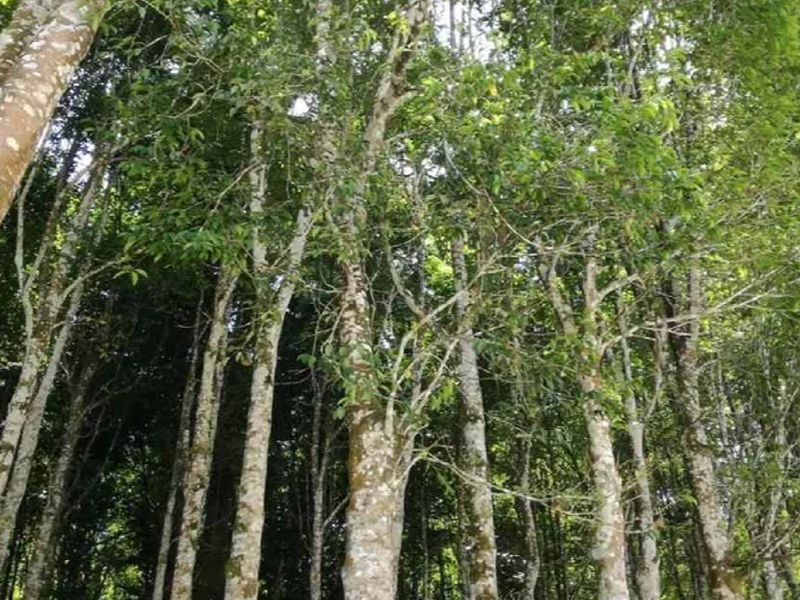
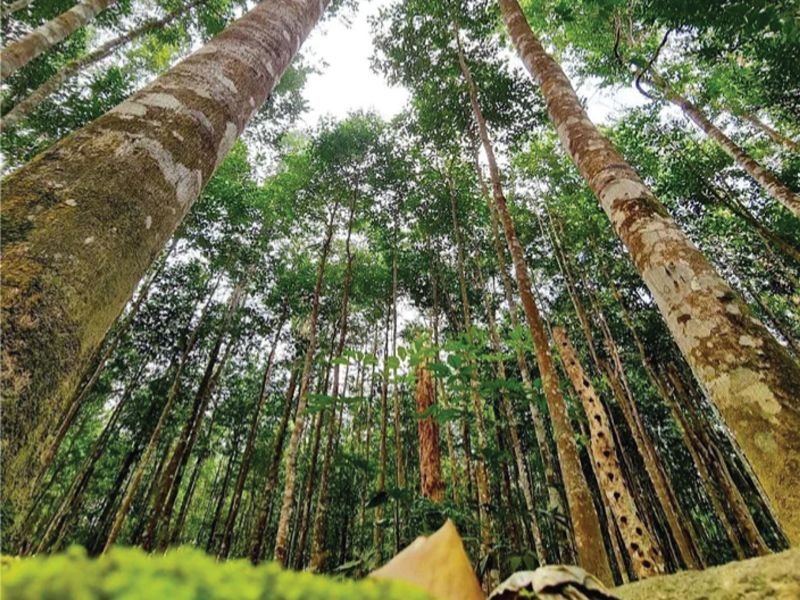
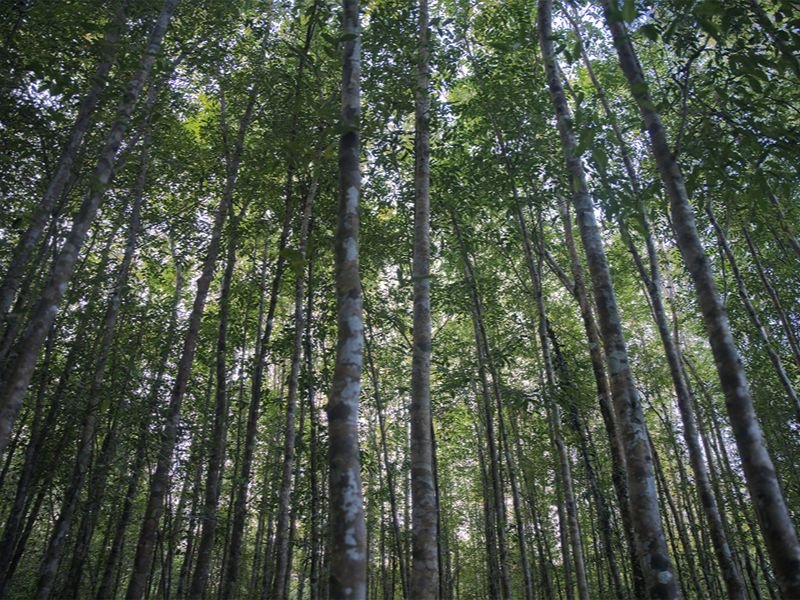
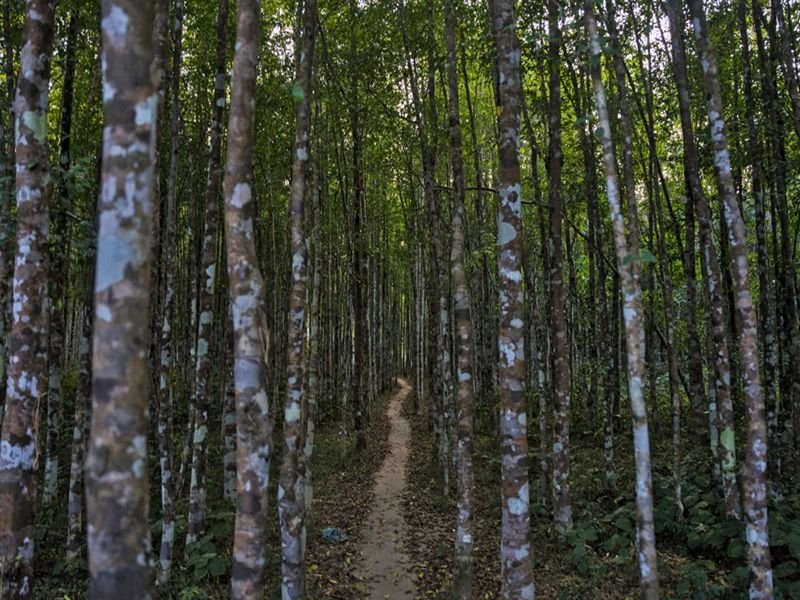
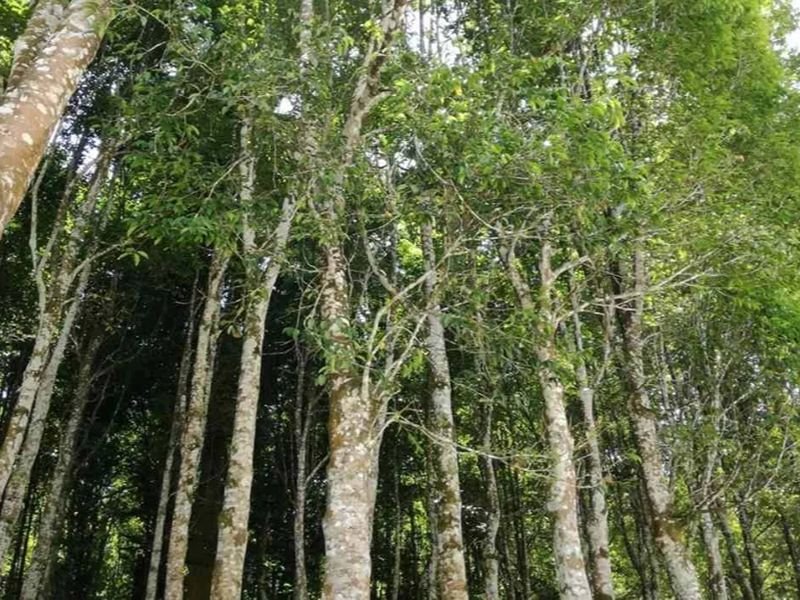
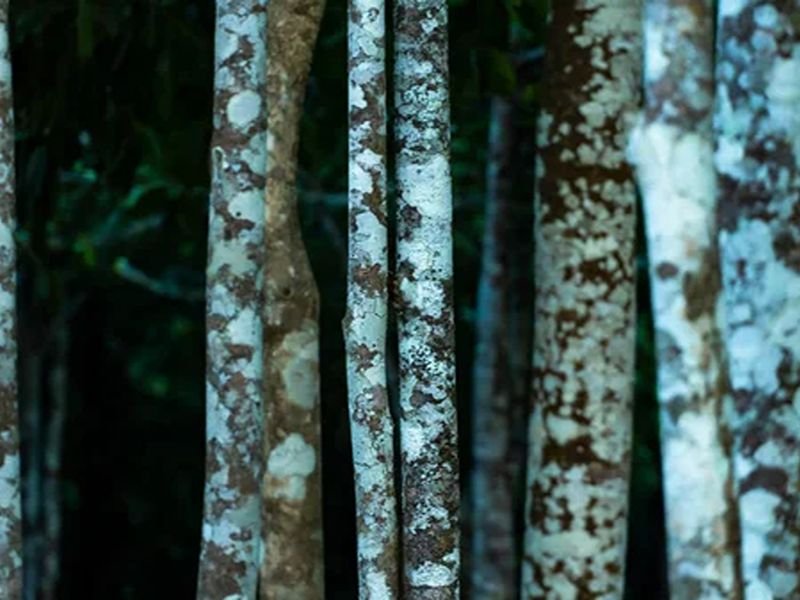
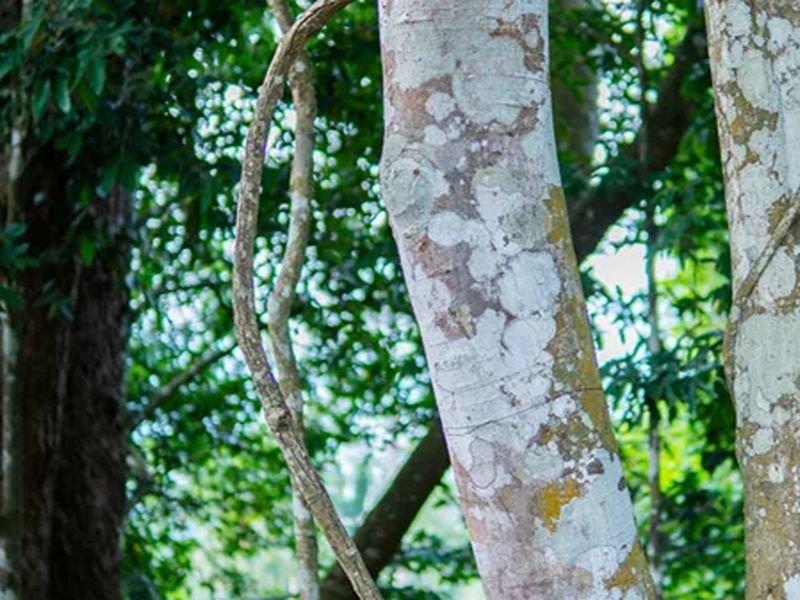
Moulvibazar’s registered agar identity begins with Aquilaria trees and the fragrant resinous wood that develops after injury or inoculation. The highest-value material is not ordinary timber; it is the dark, aromatic portion selected and graded by experienced growers and traders. In the rain-soaked upazilas of Moulvibazar, particularly within the village of Sujanagar in Barlekha, grows a rather unassuming tree that harbors a lucrative secret. For the Aquilaria malaccensis tree, agricultural value is not found in healthy growth, but rather in a deliberate, meticulously managed decay. This is the birthplace of Moulvibazar Agar, an aromatic timber that has been cultivated in the region for over four centuries and is highly revered across the Middle East and Asia.
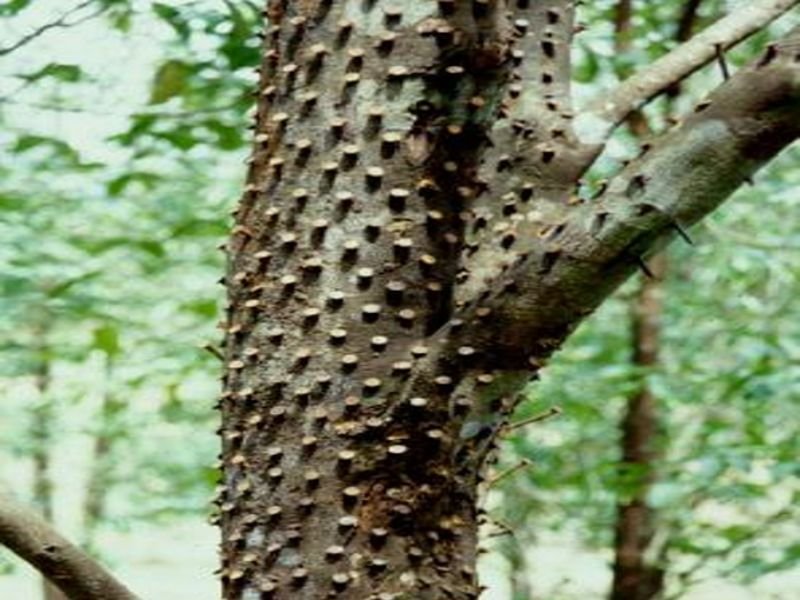
The biological process behind this prized wood is fascinating. When an Agar tree is perfectly healthy, its pale wood holds practically no commercial value. To trigger the creation of the fragrant resin, local artisans perform a delicate, centuries-old practice: they hammer hundreds of thick iron nails into the trunk. This deliberate wounding exposes the tree to a specific fungal infection. As a natural defense mechanism against the rot, the tree secretes a dense, dark, and intensely fragrant resin deep within its heartwood. It takes three to five years of patient waiting for this resin to fully mature. Once harvested, the nails are carefully extracted, and the dark, resin-streaked wood is chopped into irregular chips.
When gently heated over hot coals, these premium chips release a thick, intoxicating smoke that is woody, sweet, and deeply earthy. Traded globally and often referred to as "the wood of God," Moulvibazar Agar is a testament to the region’s unique forestry; a place where carefully managed rot transforms an ordinary tree into a highly sought-after aromatic treasure. For travellers, the most rewarding encounter is close to the source in Moulvibazar. Use recognised producer outlets, ask how origin and quality are identified, and request permission before entering any workshop, orchard, farm or processing space.
Immersive Experience
No 360° Videos available
Destination Gallery
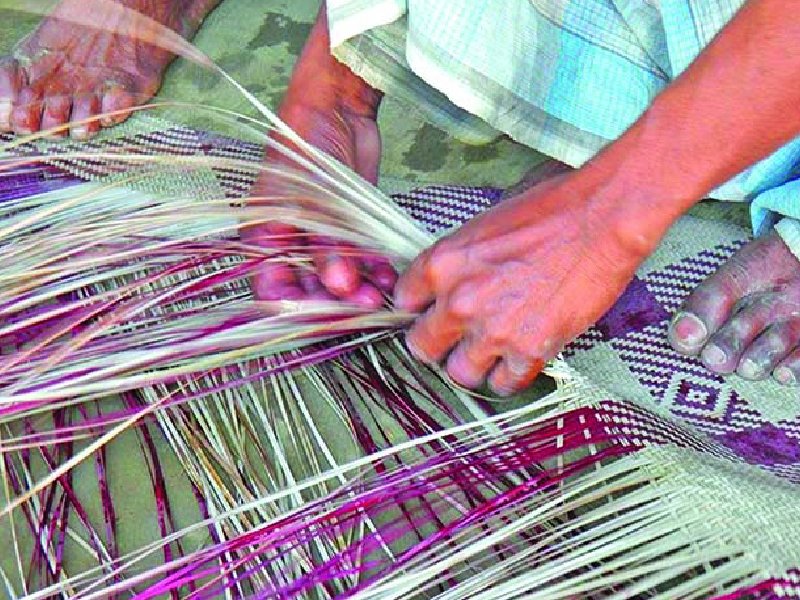
Shital Pati of Bangladesh
Handmade heritage, patient skill and a living design tradition from Sylhet region.
Explore More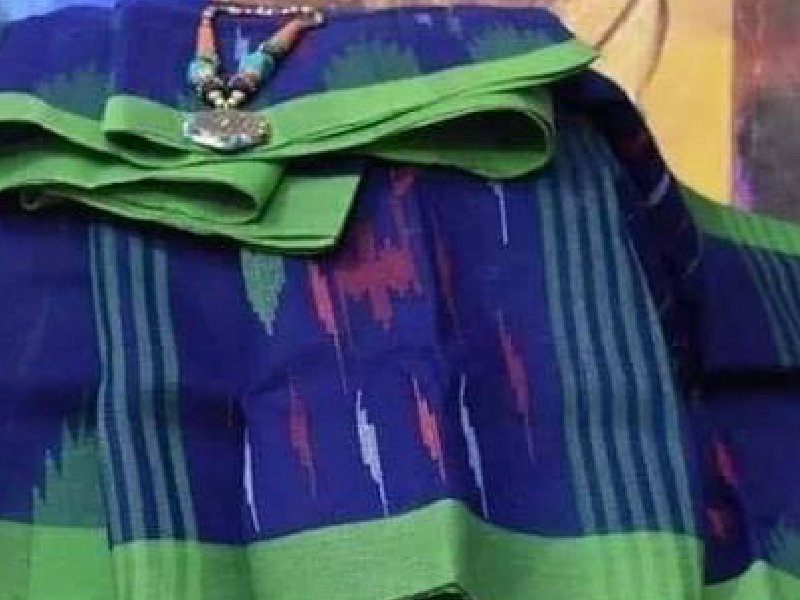
Sylhet Monipuri Saree
Handmade heritage, patient skill and a living design tradition from Sylhet.
Explore More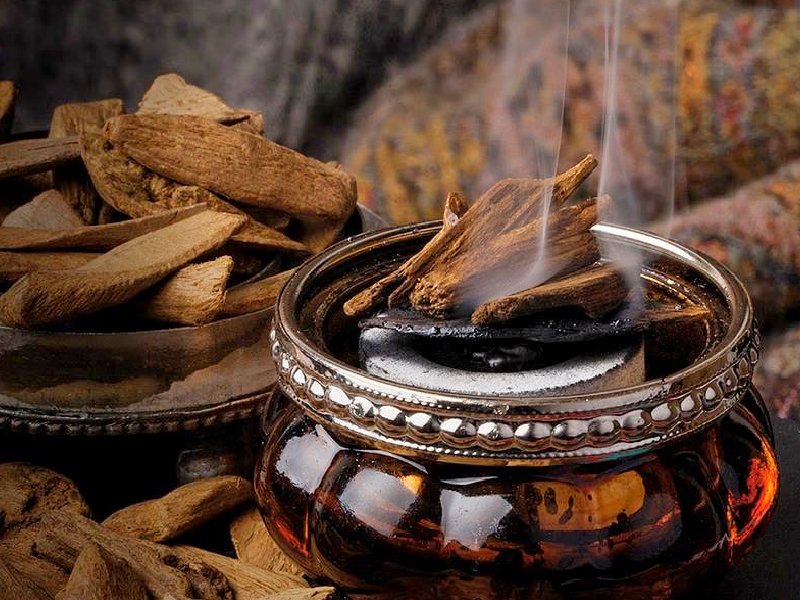
Moulvibazar Agar Attar
A rare aromatic tradition rooted in the agar-growing landscape of Moulvibazar.
Explore More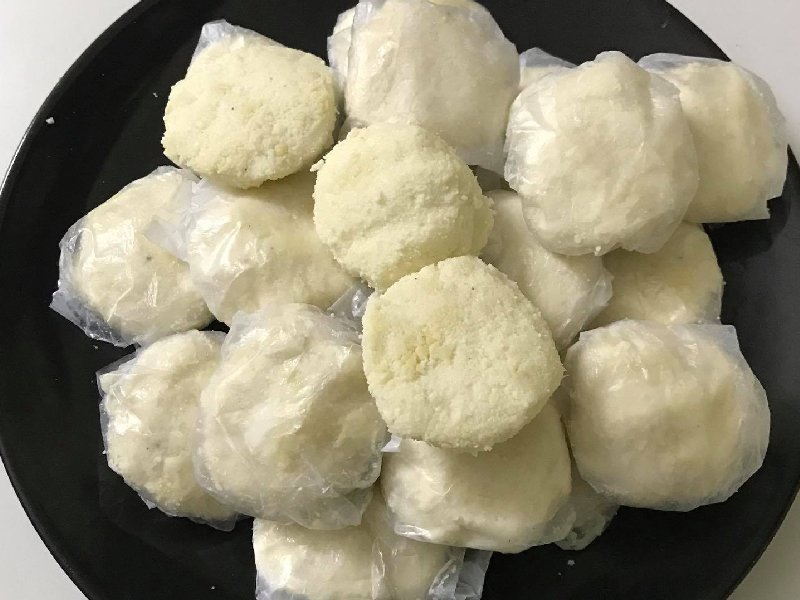
Muktagacha Monda
A celebrated local taste shaped by skilled makers and the food culture of Mymensingh.
Explore More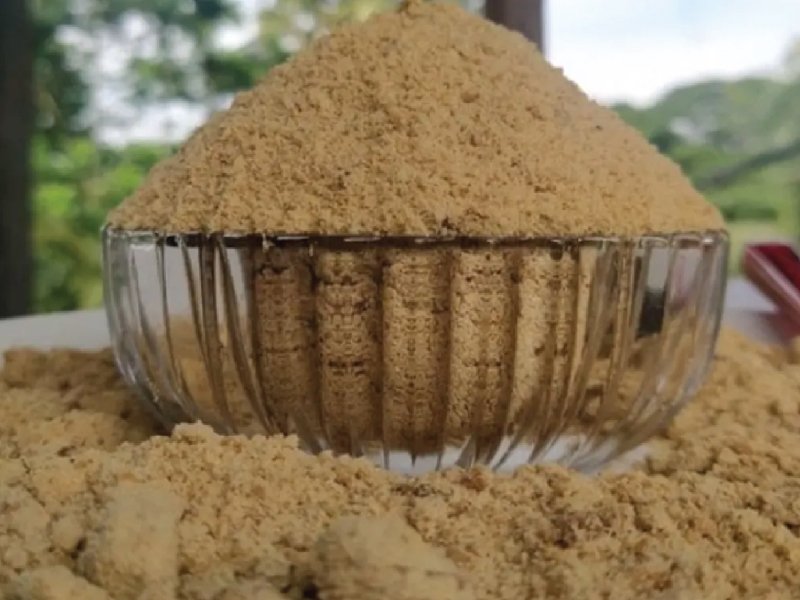
Fulbaria Lal Chini / Red Sugar
A recognised regional treasure shaped by the people and landscape of Mymensingh.
Explore More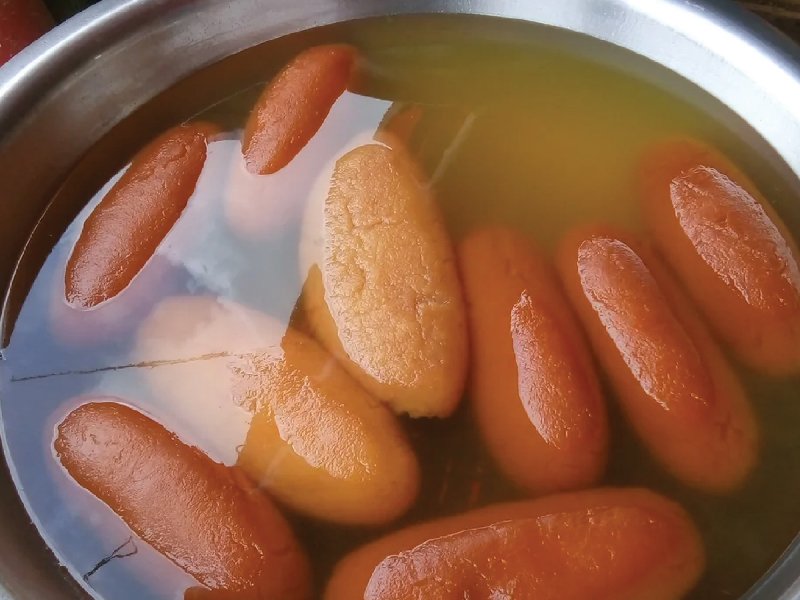
Netrokona Balish Mishti
A celebrated local taste shaped by skilled makers and the food culture of Netrokona.
Explore More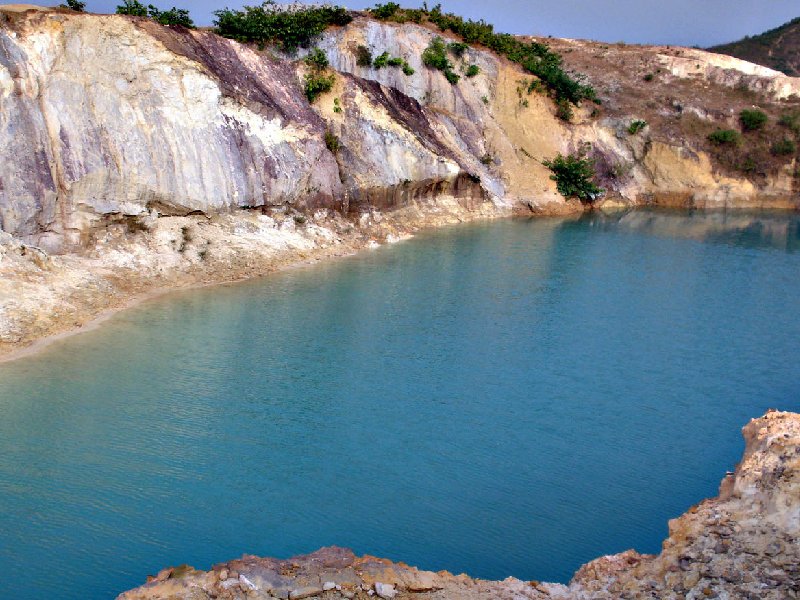
Bijoypur White Clay
A pale geological treasure found beside the blue-green frontier of northern Netrokona.
Explore More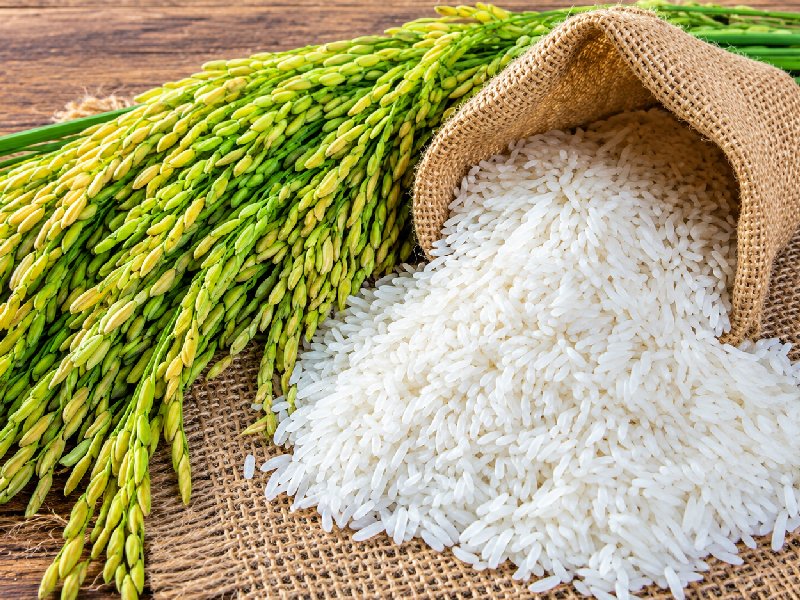
Sherpur Tulshimala Paddy
A distinctive crop shaped by local soil, farming knowledge and the seasons of Sherpur.
Explore More