

Bijoypur White Clay
A pale geological treasure found beside the blue-green frontier of northern Netrokona.
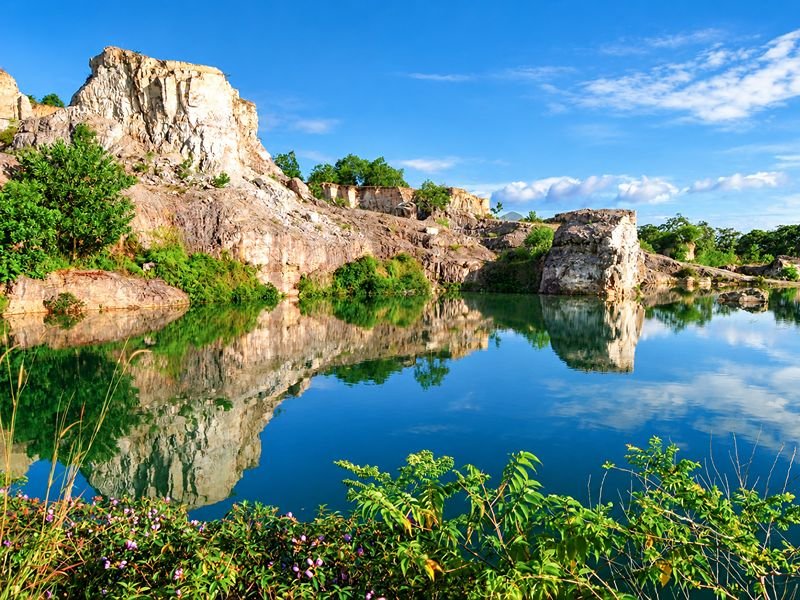
Journey to Bijoypur for the landscape—and leave its protected earth where it belongs.
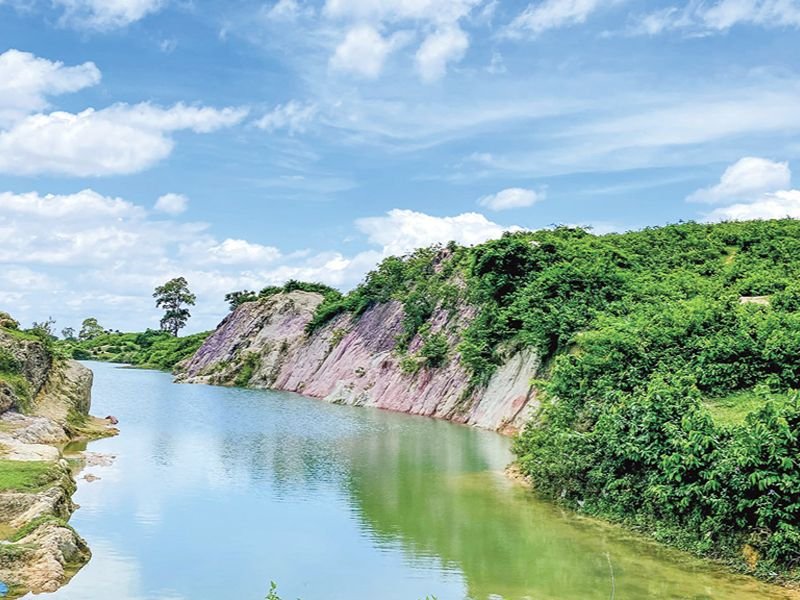
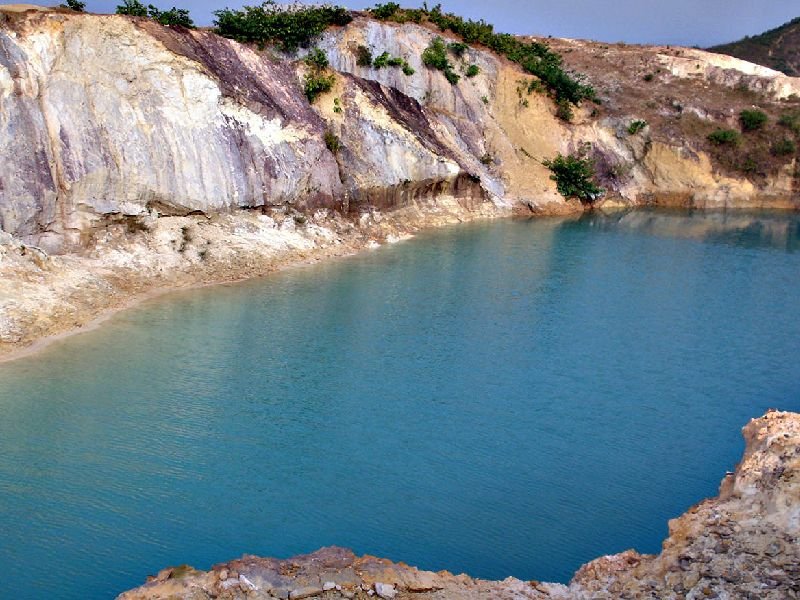
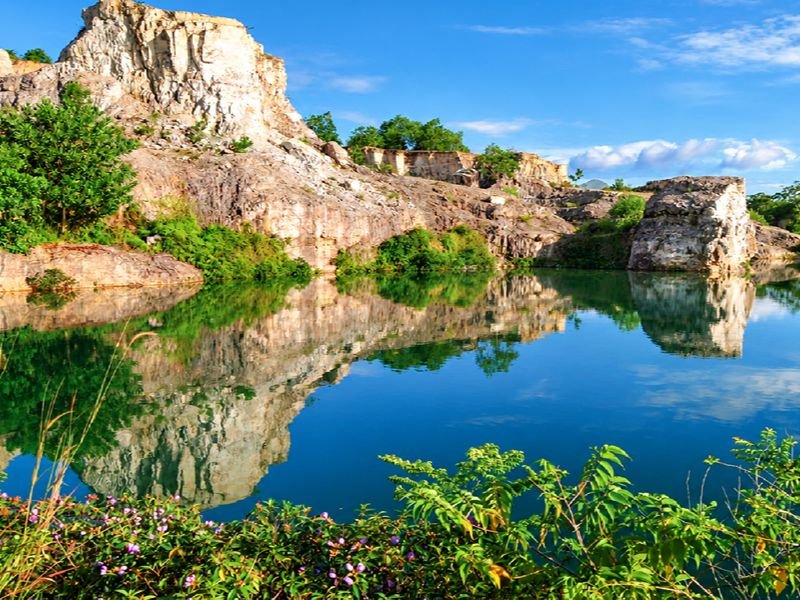
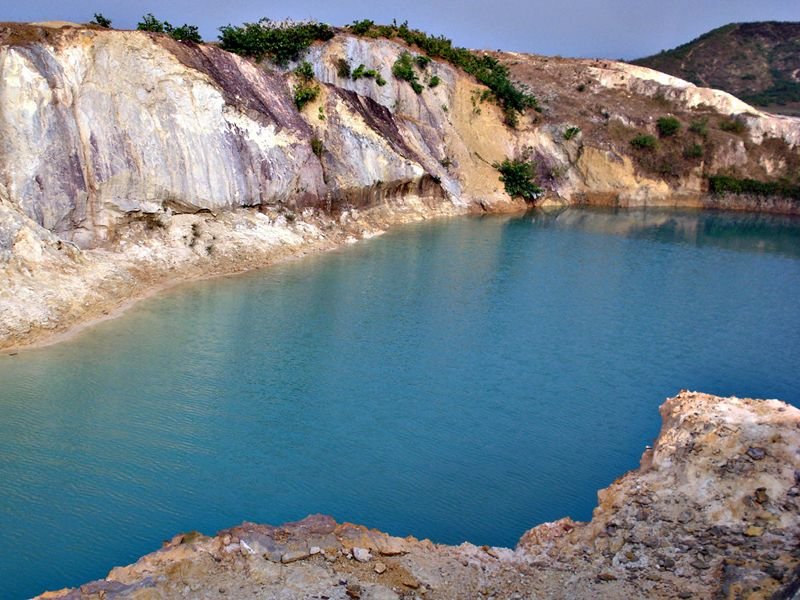
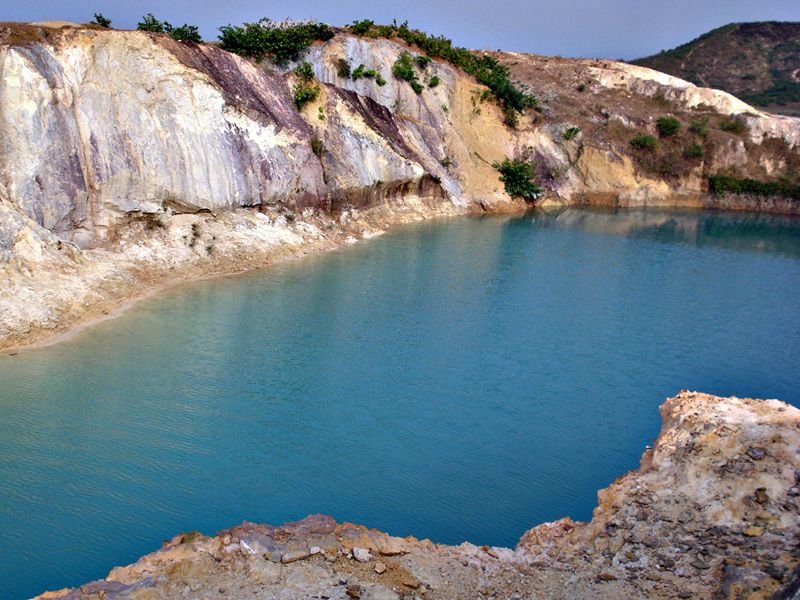
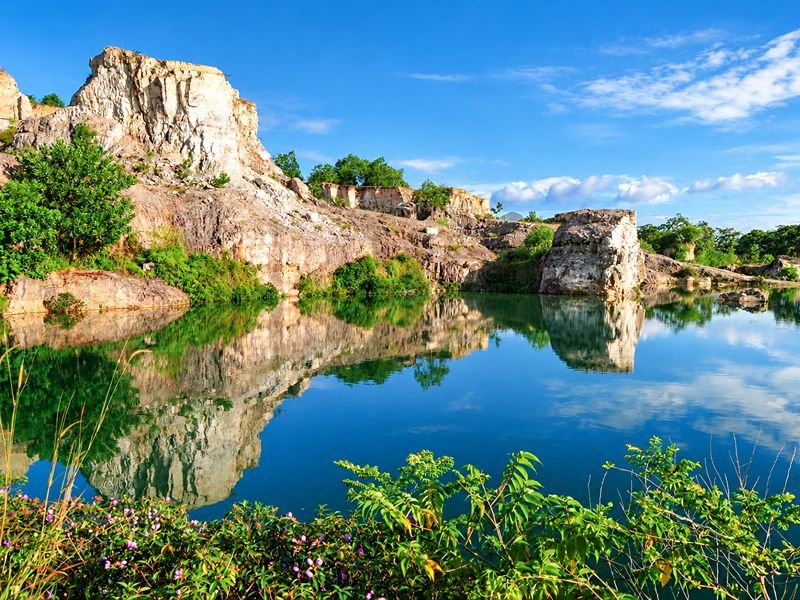
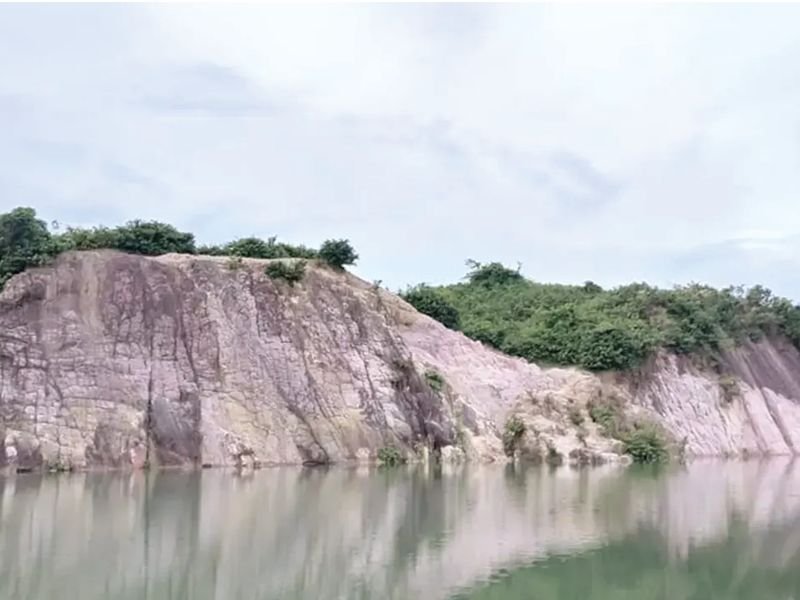
In the remote, serene landscapes of Netrokona, right near the Meghalayan border, lies a geological marvel known as Bijoypur White Clay. Locally referred to as Sada Mati, this pristine white and pink-hued earth creates a visual spectacle that stands in sharp contrast to the surrounding emerald green hills. The landscape itself feels completely otherworldly. Years of careful mineral extraction have left behind deep, terraced valleys that are now naturally filled with crystal-clear, turquoise rainwater. These striking blue lakes, bordered by the pale, chalky hills, have transformed the Durgapur upazila into one of the most picturesque and serene retreats in northern Bangladesh. The sheer quietness of the area only amplifies the beauty of this unique, colorful terrain.
Beyond its undeniable scenic charm, this white clay holds immense natural and economic value. Discovered during a geological survey in the late 1950s, the soil here is naturally rich in a rare mineral called kaolin. This high aluminum content makes the earth incredibly pure, strong, and remarkably heat-resistant. For decades, it has served as the foundational raw material for the nation's premium ceramics industry. The fine, smooth texture of the clay makes it the absolute perfect ingredient for crafting high-quality porcelain, delicate fine dining tableware, decorative tiles, and durable glass products. The pristine quality of this specific earth allows artisans and manufacturers to achieve a flawless, glossy finish that cannot easily be replicated with ordinary soil.
The geographical placement of this clay deposit makes it truly unique and deeply tied to the land. The mineral veins run deep beneath the rugged terrain of the Garo Hills, nurtured by the specific climate and geological shifts of the region over millions of years. The nearby Someshwari River, known for its beautiful, transparent waters and white sandy banks, further shapes the rich, mineral-heavy environment of the area. This specific combination of hilly topography and ancient river basins is what gives the Bijoypur clay its distinctive purity, soft texture, and bright, pale coloration. Today, the white clay hills serve a harmonious dual purpose, blending quiet natural tourism with profound geological importance.
Immersive Experience
No 360° Videos available
Destination Gallery
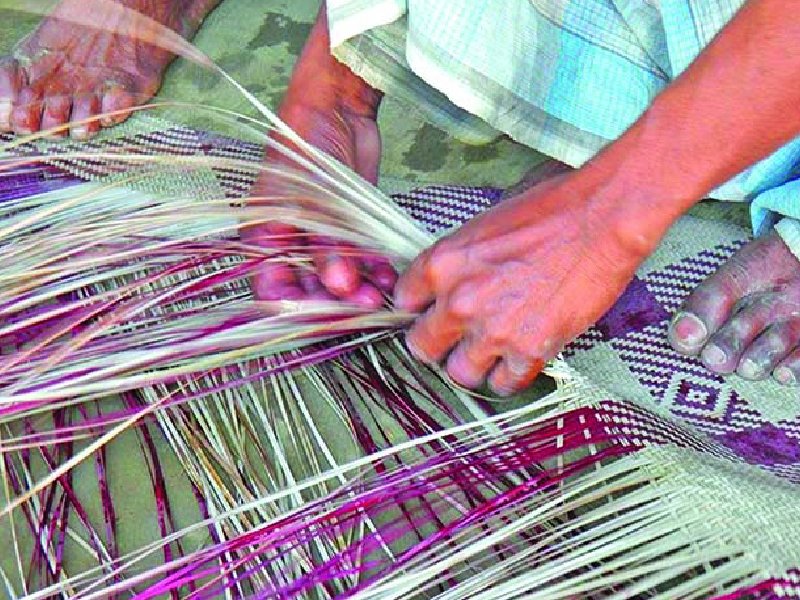
Shital Pati of Bangladesh
Handmade heritage, patient skill and a living design tradition from Sylhet region.
Explore More
Sylhet Monipuri Saree
Handmade heritage, patient skill and a living design tradition from Sylhet.
Explore More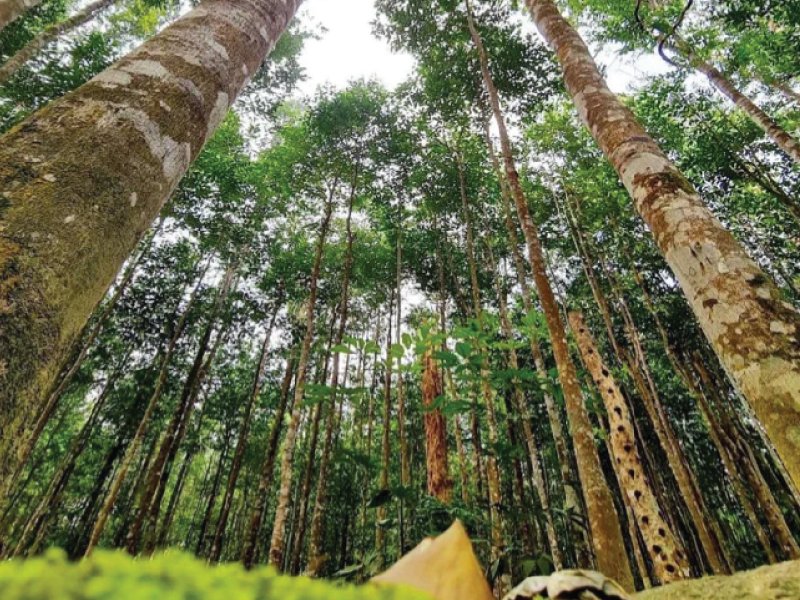
Moulvibazar Agar
A rare aromatic tradition rooted in the agar-growing landscape of Moulvibazar.
Explore More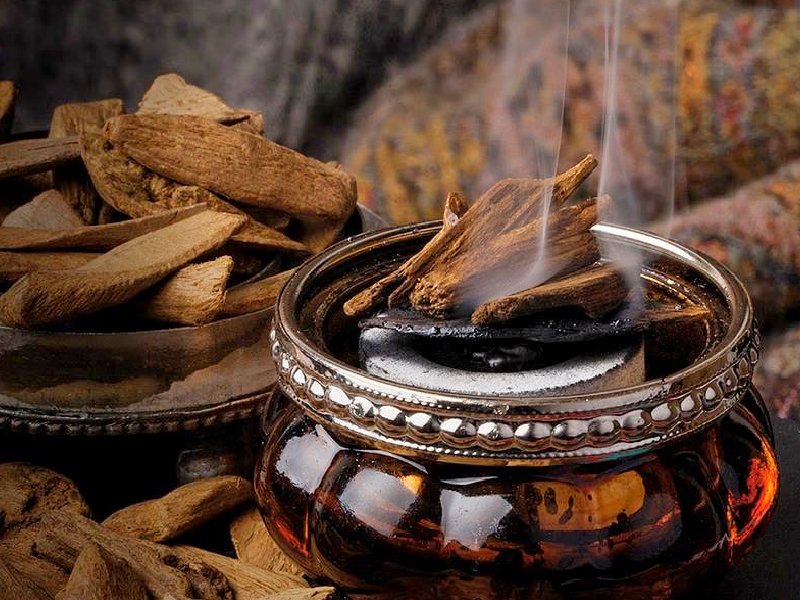
Moulvibazar Agar Attar
A rare aromatic tradition rooted in the agar-growing landscape of Moulvibazar.
Explore More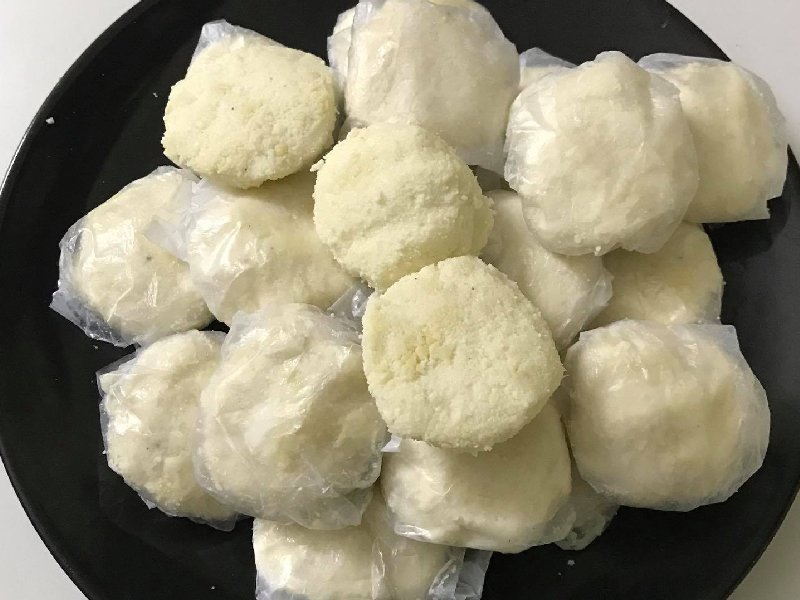
Muktagacha Monda
A celebrated local taste shaped by skilled makers and the food culture of Mymensingh.
Explore More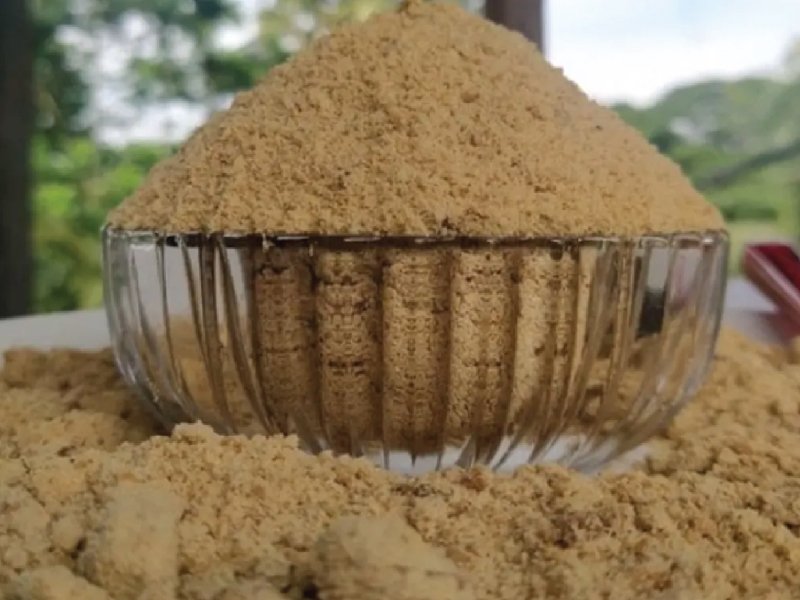
Fulbaria Lal Chini / Red Sugar
A recognised regional treasure shaped by the people and landscape of Mymensingh.
Explore More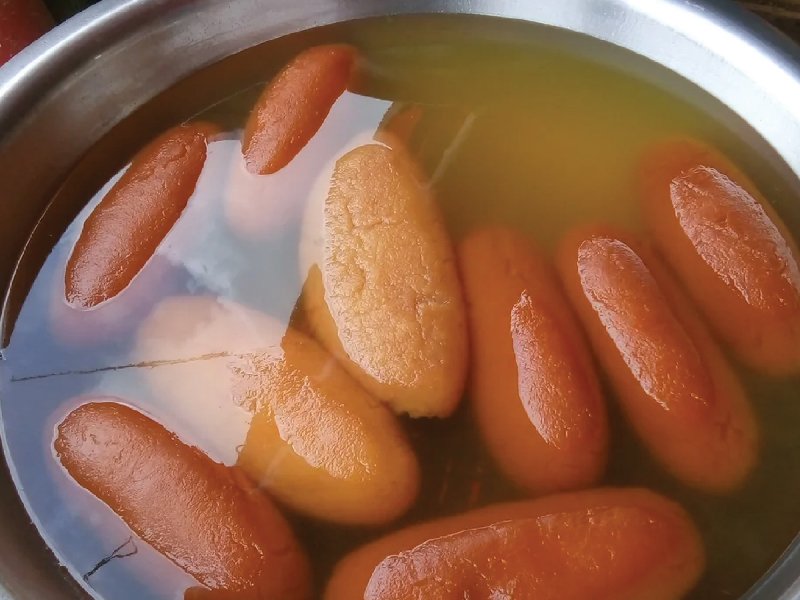
Netrokona Balish Mishti
A celebrated local taste shaped by skilled makers and the food culture of Netrokona.
Explore More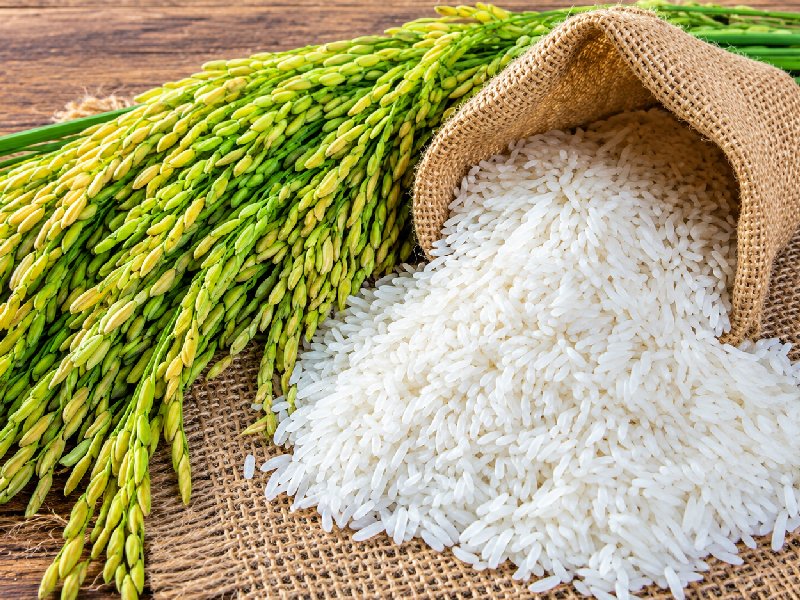
Sherpur Tulshimala Paddy
A distinctive crop shaped by local soil, farming knowledge and the seasons of Sherpur.
Explore More