

Sherpur Tulshimala Paddy
A distinctive crop shaped by local soil, farming knowledge and the seasons of Sherpur.
Leave the city behind and follow Sherpur Tulshimala Paddy into its working landscape.
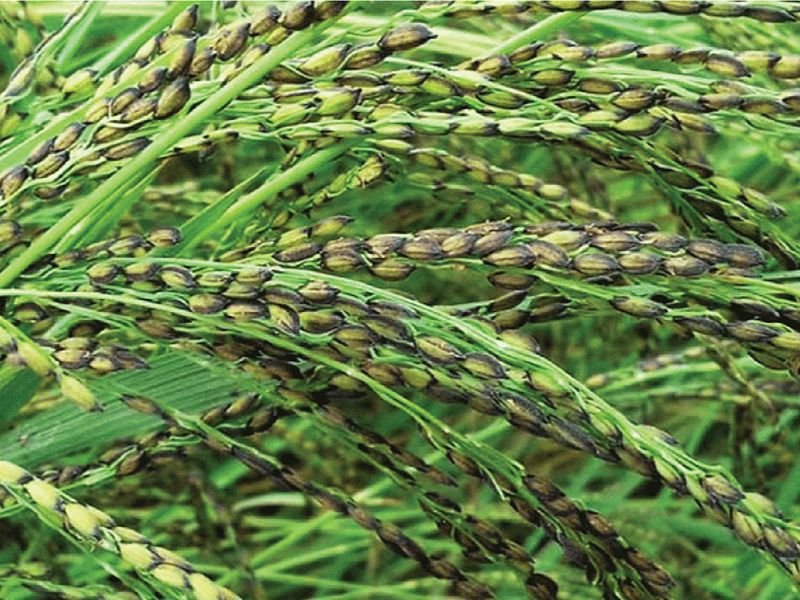
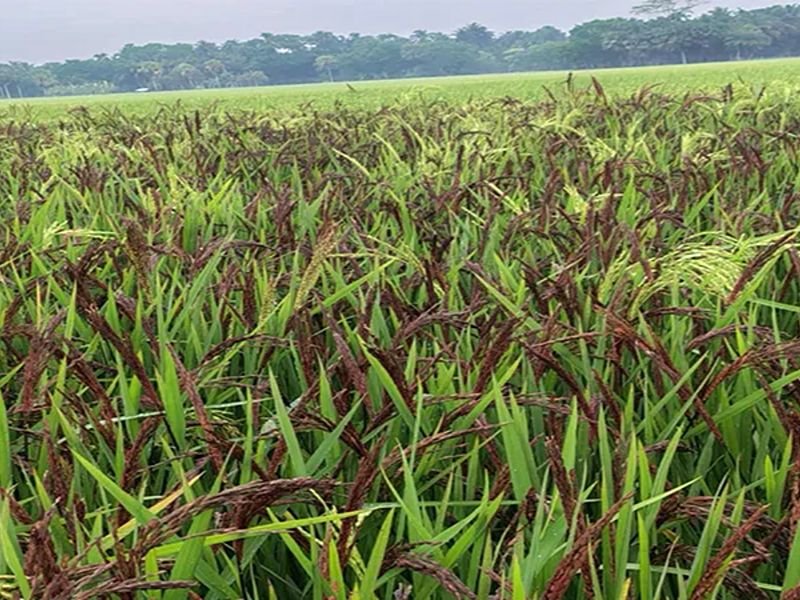
In the agricultural tapestry of northern Bangladesh, the district of Sherpur is home to a deeply cherished agrarian treasure known as Tulshimala rice. For generations, this slender, highly aromatic grain has been cultivated in the shadows of the Garo Hills, nourished by the rich, alluvial soils deposited by the Brahmaputra River. Long before modern farming techniques were introduced, local farmers carefully preserved the seeds of this photoperiod-sensitive Aman paddy, nurturing a crop that completely relies on the region's specific seasonal climate and fertile earth. It carries a charming local history, once presented as a premium tribute to visiting dignitaries by regional landlords, and remains affectionately known today as the traditional gift for a visiting son-in-law.
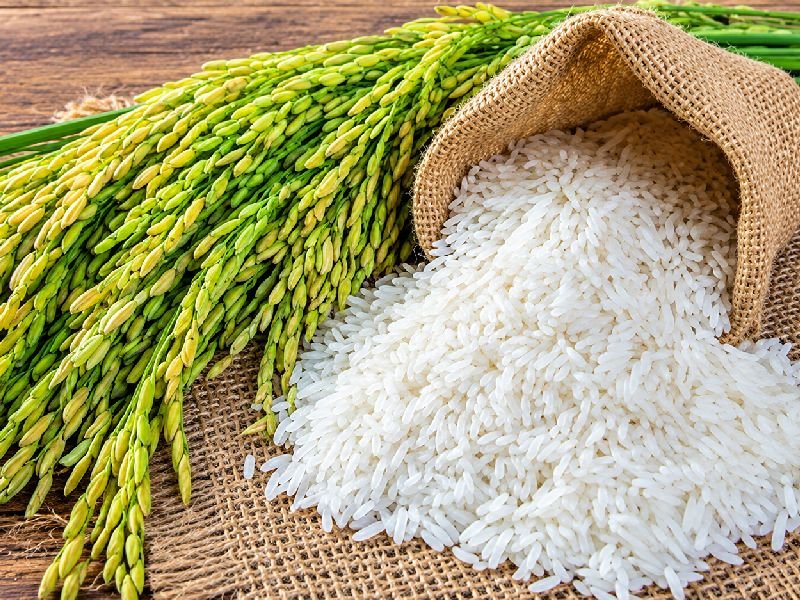
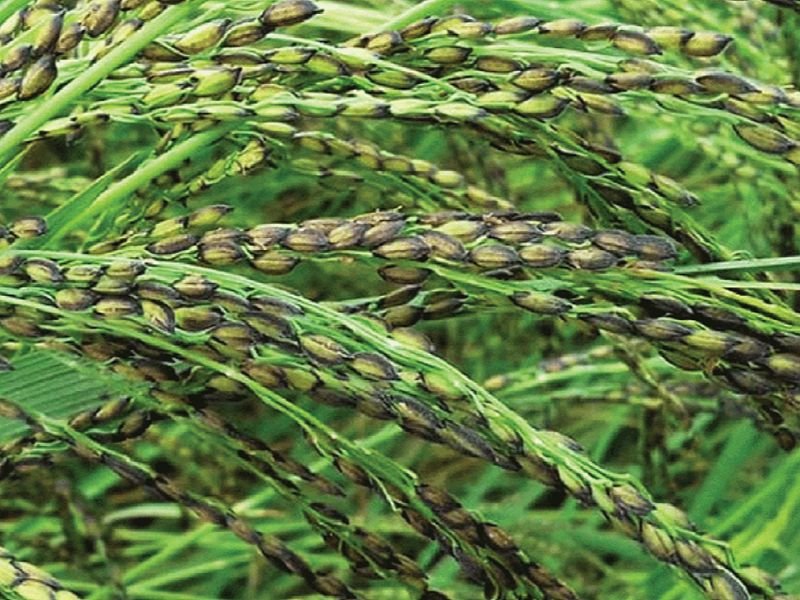
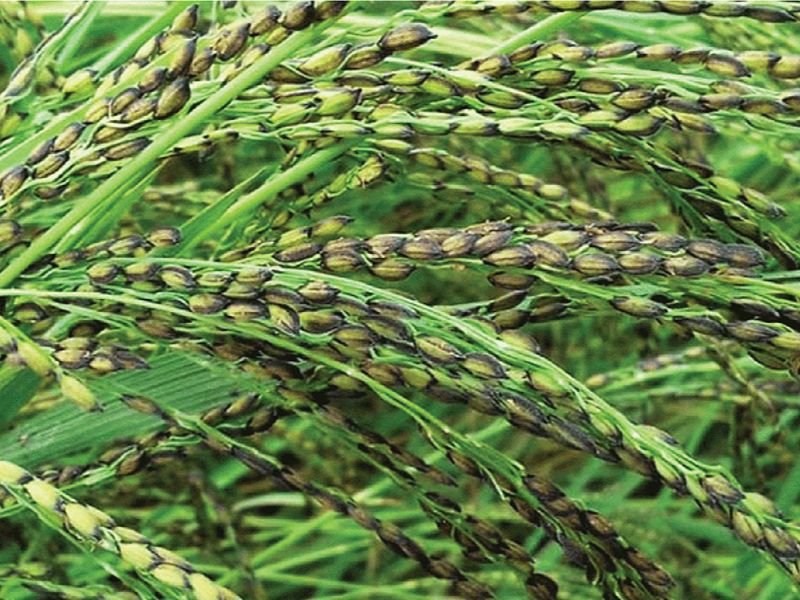
The physical appearance of Tulshimala is immediately distinct from standard commercial varieties. In the fields, the raw paddy features an unusual, dark grayish outer husk, yet the milled grains inside are brilliantly white, exceptionally small, and very fine. The cultivation process itself is a testament to traditional agrarian wisdom. Farmers often employ an ancient local technique called 'balling,' where seedlings are carefully uprooted and replanted to ensure stronger stalks and deeper roots. This organic, labor-intensive approach minimizes the need for chemical fertilizers and naturally boosts the crop's resilience against heavy monsoon rains, resulting in a harvest that remains beautifully pure and unadulterated. However, the true prestige of Tulshimala rice is revealed the moment it enters the kitchen.
When slowly simmered over a gentle fire, the grains release an intoxicating, floral aroma that effortlessly fills the surrounding air, signaling the preparation of a truly special feast. The cooked rice behaves quite uniquely compared to standard long-grain varieties. While the grains remain beautifully separate and fluffy, they develop a very subtle, natural stickiness that allows them to absorb rich spices and broths exceptionally well. Furthermore, this specific rice is widely celebrated for being remarkably light and easy to digest, making it a comforting choice for a wide variety of rich, festive meals. In Bengali culinary traditions, this fragrant harvest is reserved for moments of grand celebration.
Immersive Experience
No 360° Videos available
Destination Gallery
Shital Pati of Bangladesh
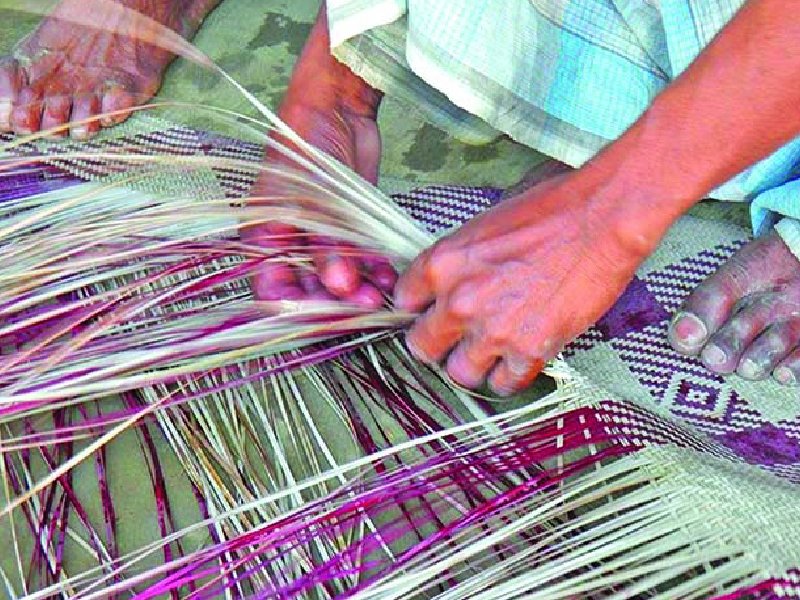
Handmade heritage, patient skill and a living design tradition from Sylhet region.
Explore More
Sylhet Monipuri Saree
Handmade heritage, patient skill and a living design tradition from Sylhet.
Explore More
Moulvibazar Agar
A rare aromatic tradition rooted in the agar-growing landscape of Moulvibazar.
Explore More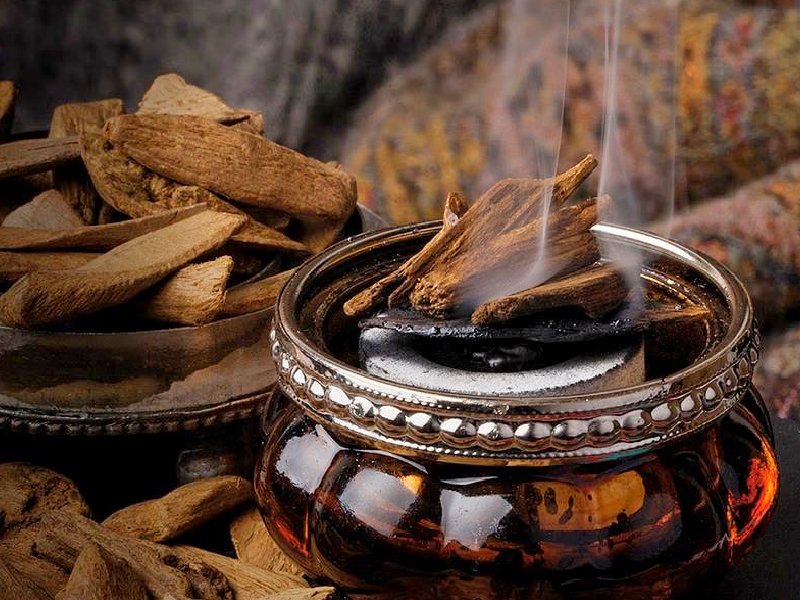
Moulvibazar Agar Attar
A rare aromatic tradition rooted in the agar-growing landscape of Moulvibazar.
Explore More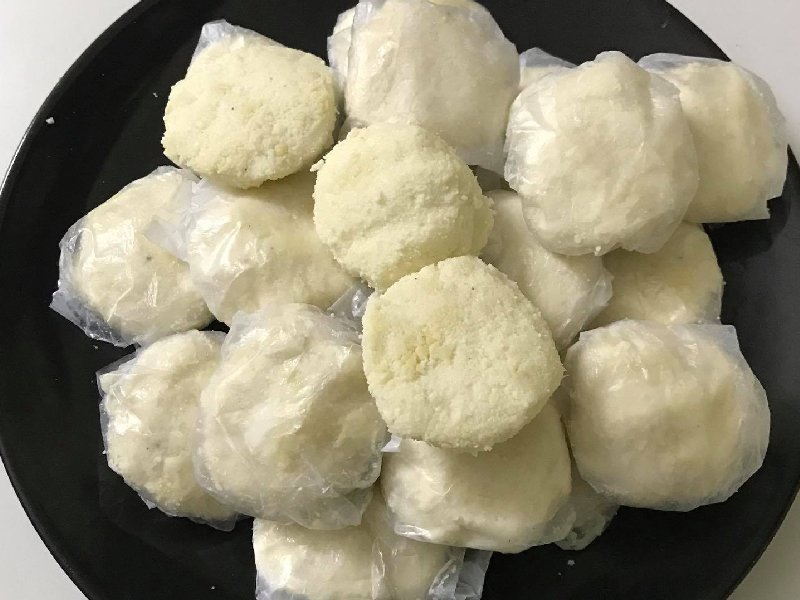
Muktagacha Monda
A celebrated local taste shaped by skilled makers and the food culture of Mymensingh.
Explore More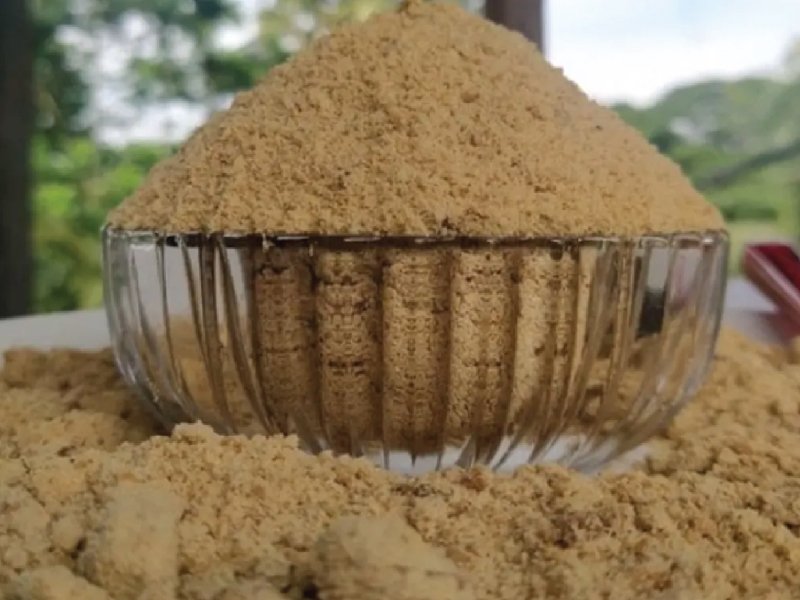
Fulbaria Lal Chini / Red Sugar
A recognised regional treasure shaped by the people and landscape of Mymensingh.
Explore More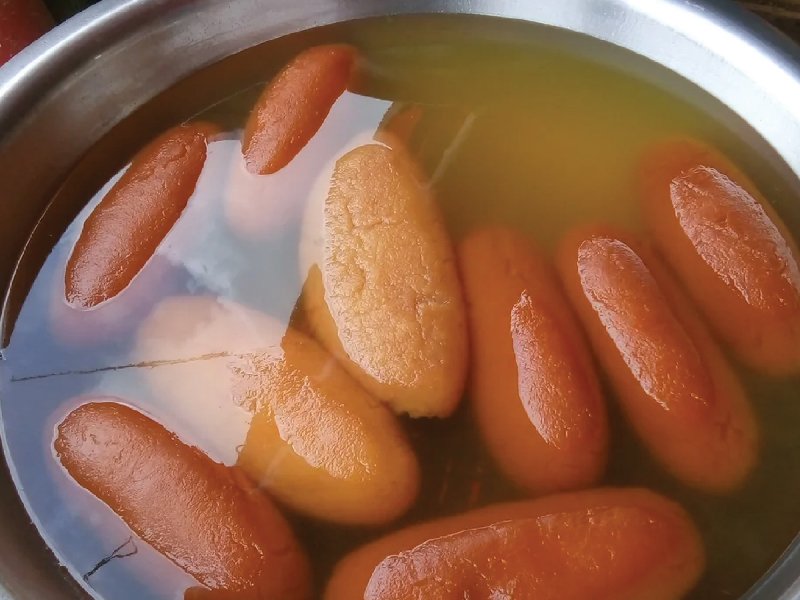
Netrokona Balish Mishti
A celebrated local taste shaped by skilled makers and the food culture of Netrokona.
Explore More
Bijoypur White Clay
A pale geological treasure found beside the blue-green frontier of northern Netrokona.
Explore More