
Mosque City of Bagerhat (Sixty Dome Mosque & Surroundings)
In the southwestern plains of
Bangladesh lies a city built of faith and fired brick, a place where history is
not just remembered but is etched into the very landscape. The Mosque City of
Bagerhat, historically known as Khalifatabad, is a 15th-century urban
masterpiece and a UNESCO World Heritage Site. It was founded by the enigmatic
Turkish warrior-saint, Khan Jahan Ali, who transformed this patch of the
Sundarbans frontier into a thriving center of Islamic culture and governance.
Spread across this serene landscape are the remains of what was once a planned
city of over 360 mosques, bridges, roads, and massive freshwater tanks. Walking
through Bagerhat is like stepping into a medieval blueprint, where every
structure tells a story of visionary leadership and a deep reverence for both
the divine and the natural environment.
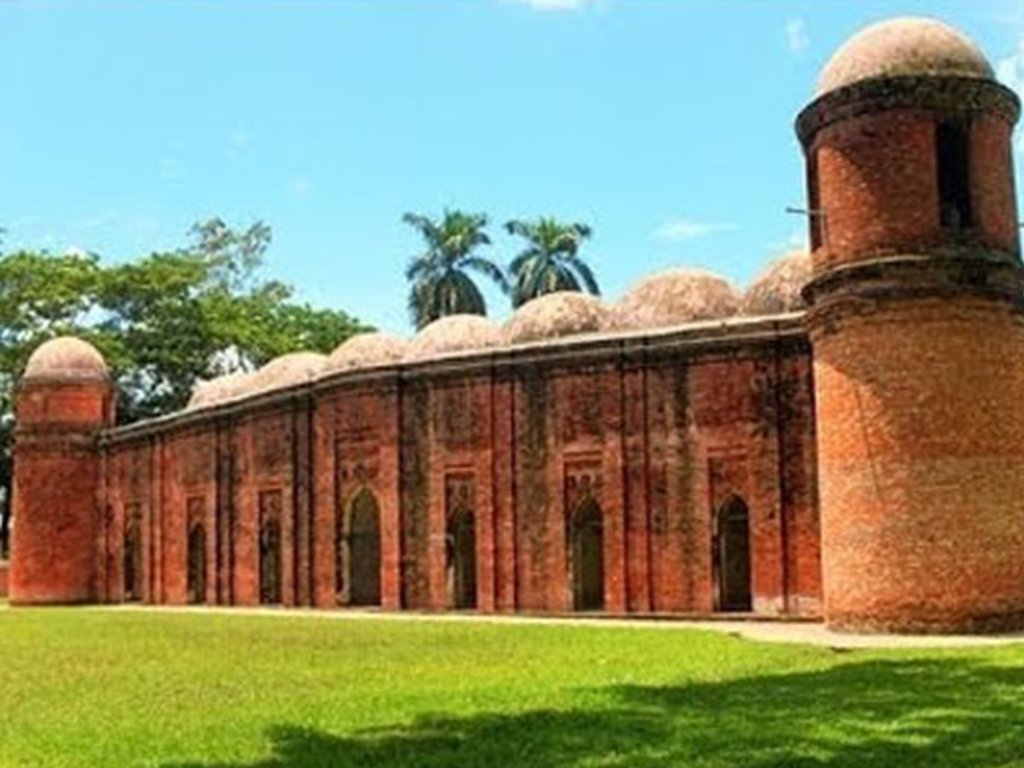
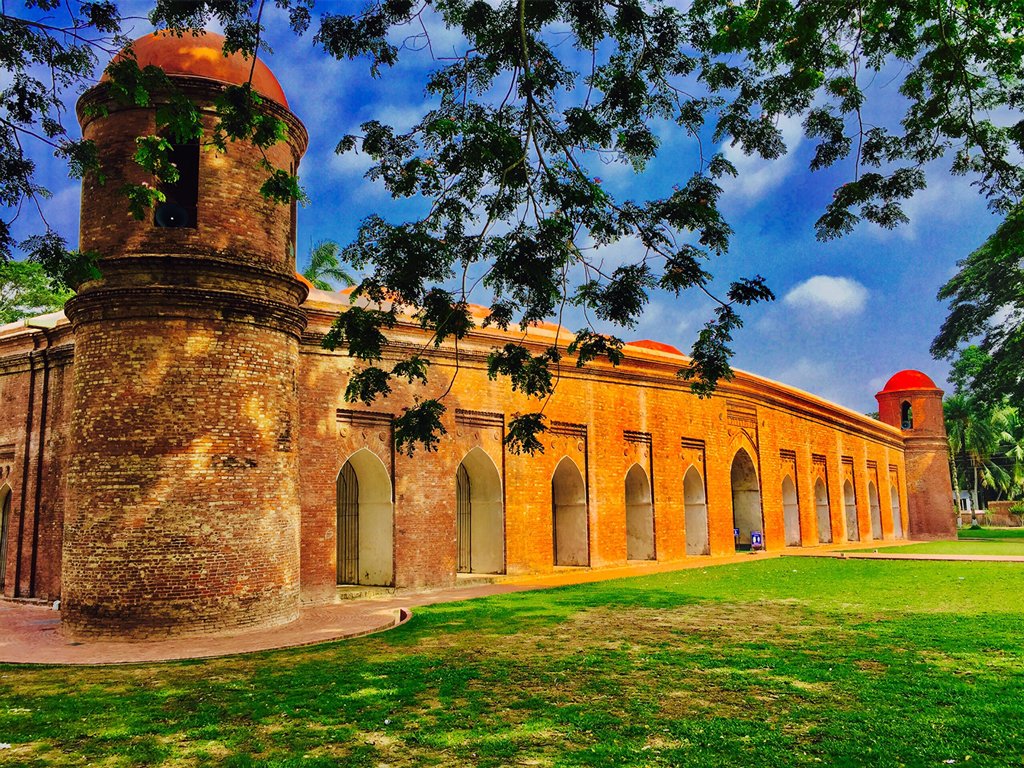
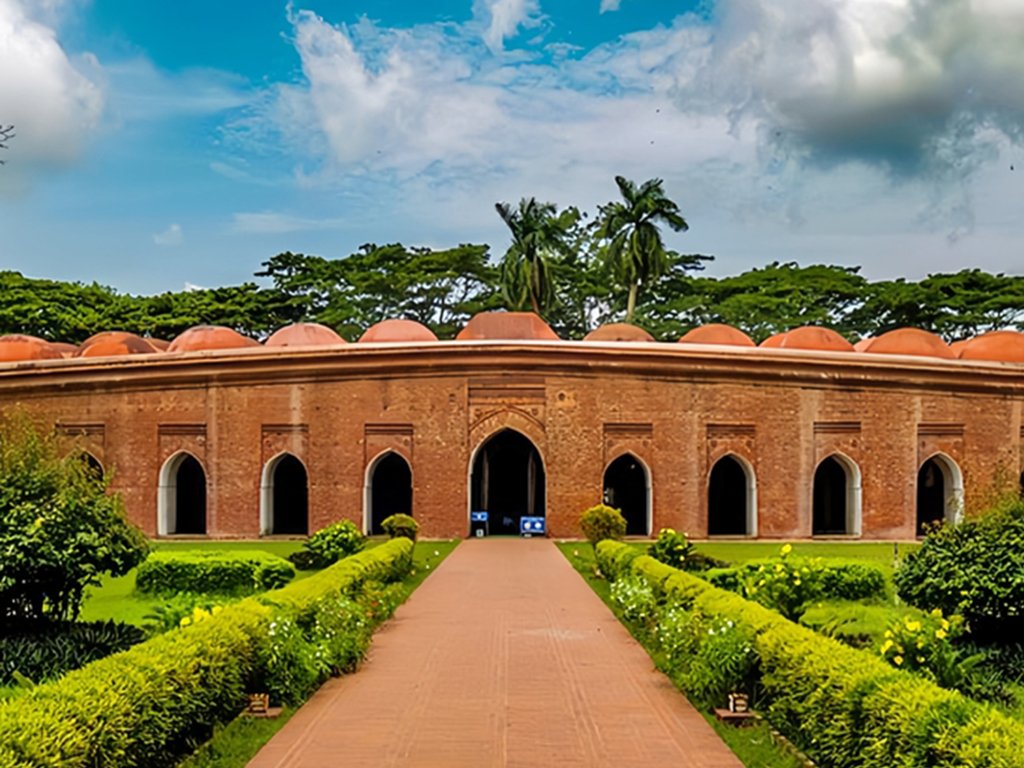
The crown jewel of this historic city is the magnificent Sixty Dome Mosque. Despite its name, the mosque is roofed by a staggering 81 domes—the eleven additional domes over the aisles giving it a unique, fortress-like grandeur. Built between 1442 and 1459, it is the largest mosque in Bangladesh from the Bengal Sultanate period and has been described as "one of the most impressive Muslim monuments in the whole of the Indian subcontinent". Its immense prayer hall, supported by 60 stone pillars, creates a forest of arches that play with light and shadow in a deeply spiritual and humbling way. Beyond its sheer size, the mosque's design is a masterclass in acoustics and ventilation, a testament to the advanced engineering of the Khan Jahan style. The entire complex is surrounded by tranquil ponds, including the large Ghora Dighi, whose placid waters reflect the ancient domes and create an atmosphere of profound peace, making it clear why Khan Jahan chose this spot to build his eternal legacy.
Exploring other mosques in
Bagerhat
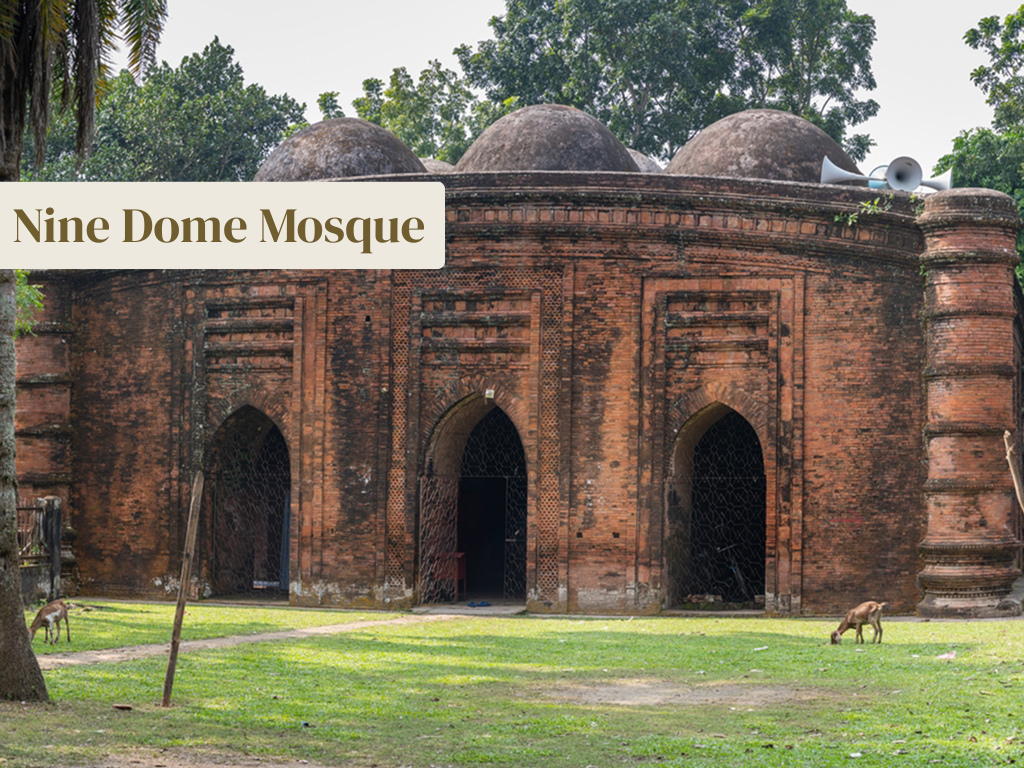
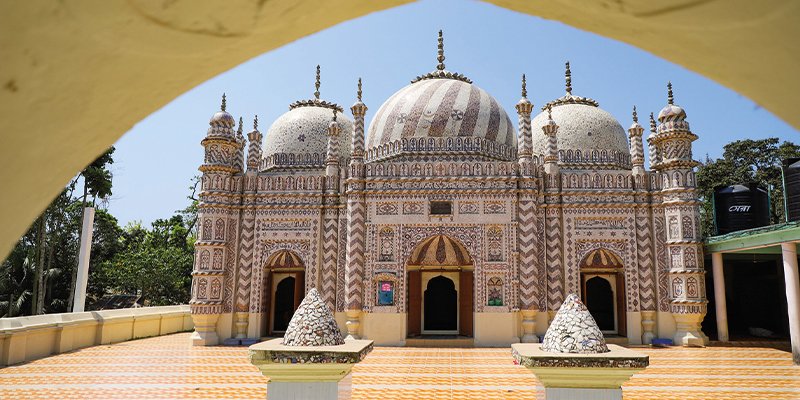
- Nine Dome Mosque- Just a short walk west from the serene waters of the Thakur Dighi tank, and close to the revered tomb of Khan Jahan Ali, lies a smaller but equally captivating jewel of the Mosque City of Bagerhat: the Nine Dome Mosque. It is a beautiful and well-preserved example of 15th-century Islamic architecture. Built by Khan Jahan Ali as part of his planned city, this elegant brick mosque features nine domes arranged in three rows of three. Despite its relatively small size, the mosque is celebrated for its perfect symmetry, graceful arches, and exceptional acoustics — a whisper from one corner can be heard clearly across the hall. Its simple yet sophisticated design reflects the distinctive Bengal Sultanate architectural style. A key attraction within the UNESCO World Heritage Site “Historic Mosque City of Bagerhat,” the Nine Dome Mosque offers visitors a peaceful and architecturally rewarding glimpse into medieval Bengal’s rich Islamic heritage.
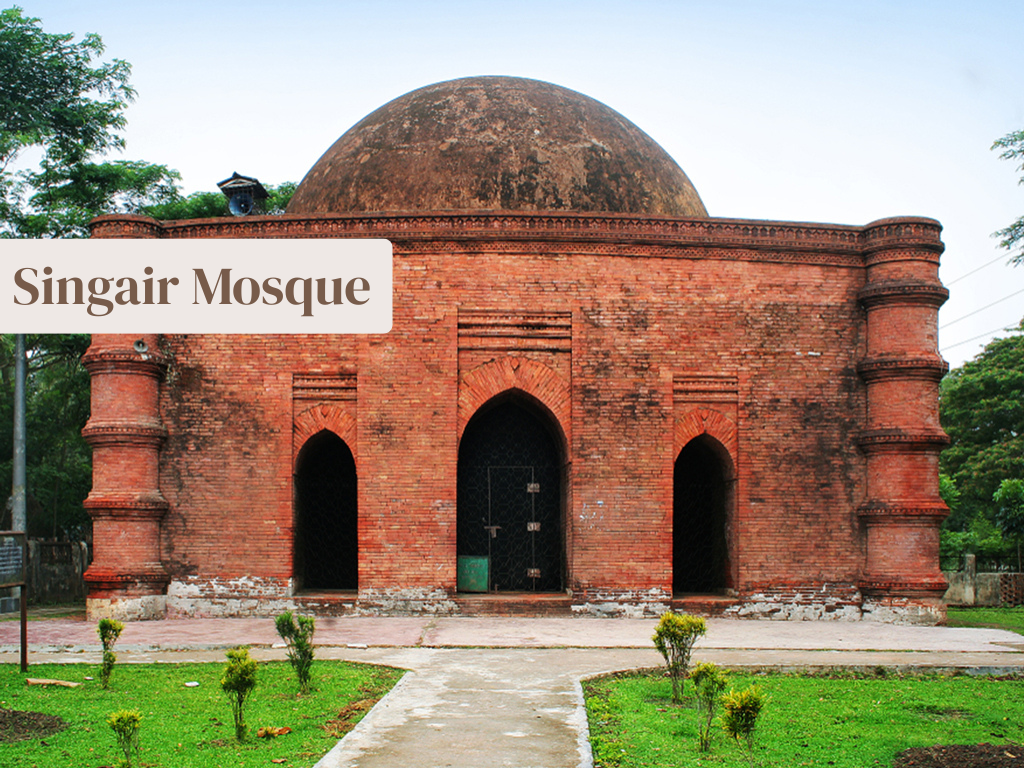
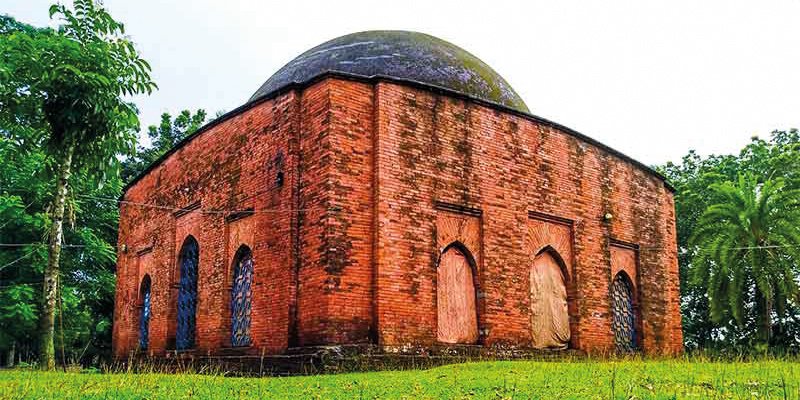
- Singair Mosque- The Singair Mosque, located within the Historic Mosque City of Bagerhat, is a charming and well-preserved 15th-century Islamic monument. Across the road from the grand silhouette of the Sixty Dome Mosque, in its very shadow, sits a humble yet historically profound structure: the Singair Mosque. Built by the Sufi saint and ruler Khan Jahan Ali, this small single-domed mosque exemplifies the distinctive architectural style developed in Bengal during the Sultanate period. Constructed entirely of brick, the mosque features elegant terracotta ornamentation, curved cornices, and a simple yet graceful interior. Its modest scale and refined details reflect the sophisticated town-planning and architectural vision that made Bagerhat one of the most important medieval cities in the region. As part of the UNESCO World Heritage Site, Singair Mosque offers visitors a peaceful and authentic experience of early Islamic architecture in Bangladesh.
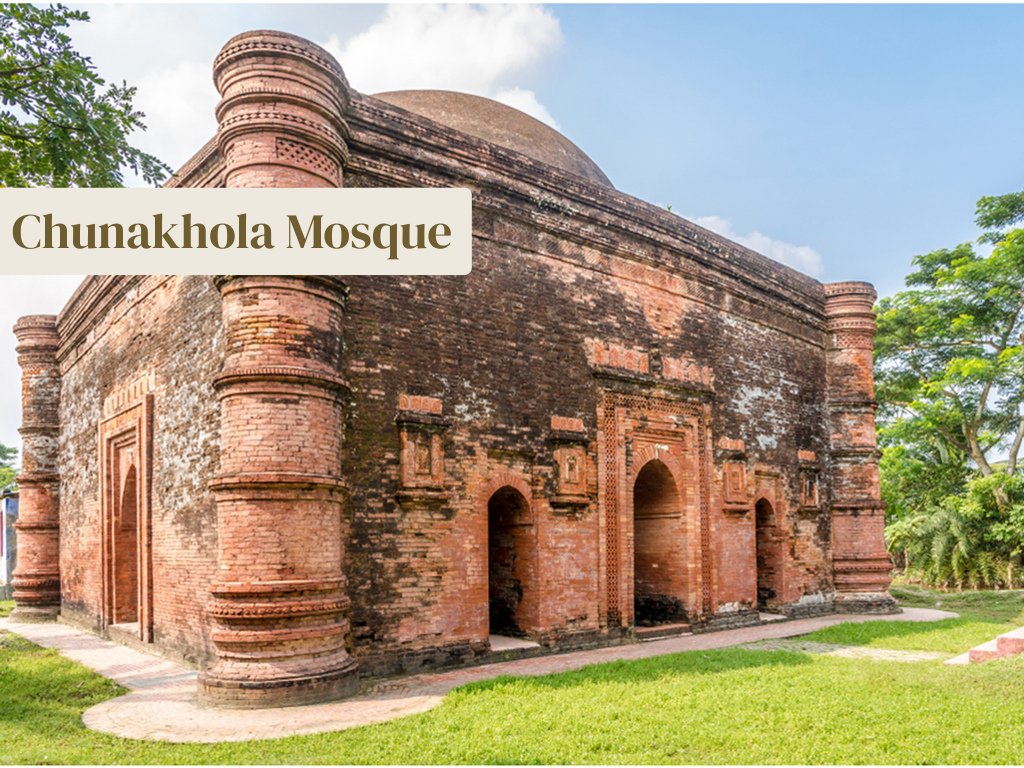
- Chunakhola Mosque- The Chunakhola Mosque is a small but elegant 15th-century Islamic monument located within the Historic Mosque City of Bagerhat, a UNESCO World Heritage Site. Built by Khan Jahan Ali, this single-aisle mosque features three graceful domes and fine terracotta decoration on its brick façade. Notable for its curved cornices and well-proportioned design, the mosque perfectly represents the unique architectural style developed in Bengal during the Sultanate period. Its name is believed to derive from the lime (“chuna”) traditionally used in its construction. Quiet and beautifully preserved, Chunakhola Mosque offers visitors a serene and authentic experience of the remarkable architectural legacy left by Khan Jahan Ali in southern Bangladesh.
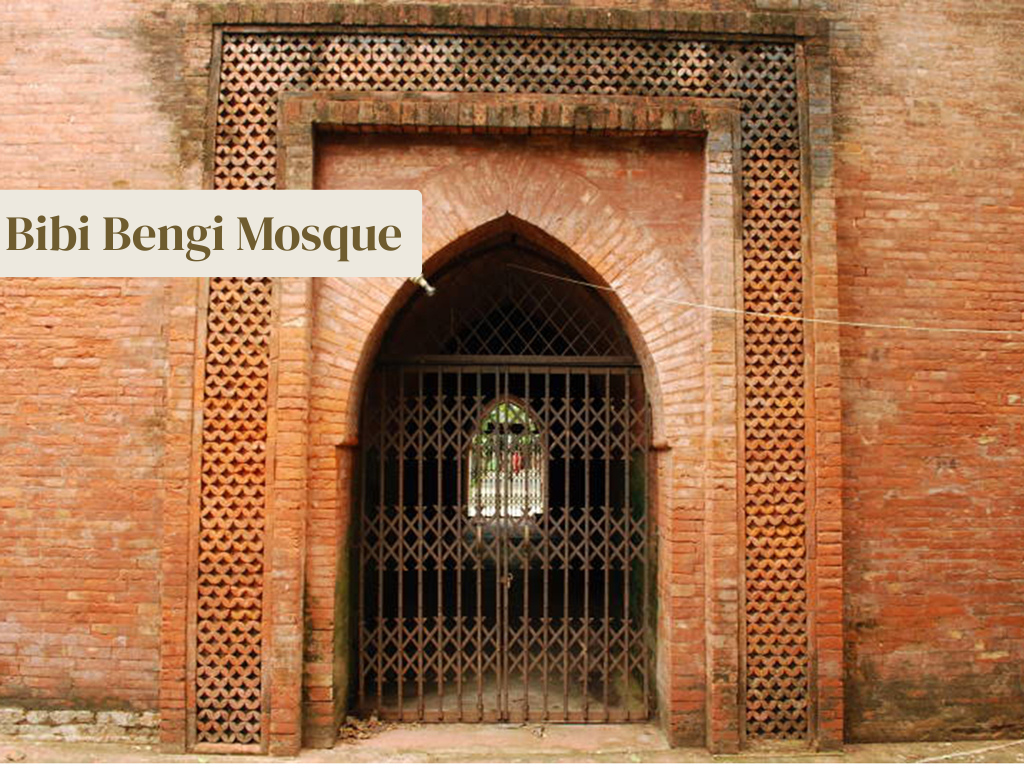
- Bibi Bengi Mosque- Less than half a kilometer to the west of the great Sixty Dome Mosque, on the tranquil west bank of the Ghora Dighi pond, stands a structure shrouded in local lore and feminine grace: the Bibi Begni Mosque. Bibi Begni Mosque is a 15th-century mosque located within the historic Mosque City of Bagerhat, a UNESCO World Heritage Site in southwestern Bangladesh. Built during the time of Khan Jahan Ali, the mosque reflects the distinctive architectural style of the Bengal Sultanate period. Constructed of brick with thick walls and corner towers, the mosque features multiple domes supported by interior pillars. Its simple yet harmonious design, along with elegant arches and minimal ornamentation, highlights the strength and symmetry typical of medieval Islamic architecture in Bengal. As part of the Bagerhat heritage complex, Bibi Begni Mosque contributes to the rich spiritual and architectural legacy of 15th-century Bangladesh.
Immersive Experience
No 360° Videos available
Destination Gallery