
Kantajew Temple
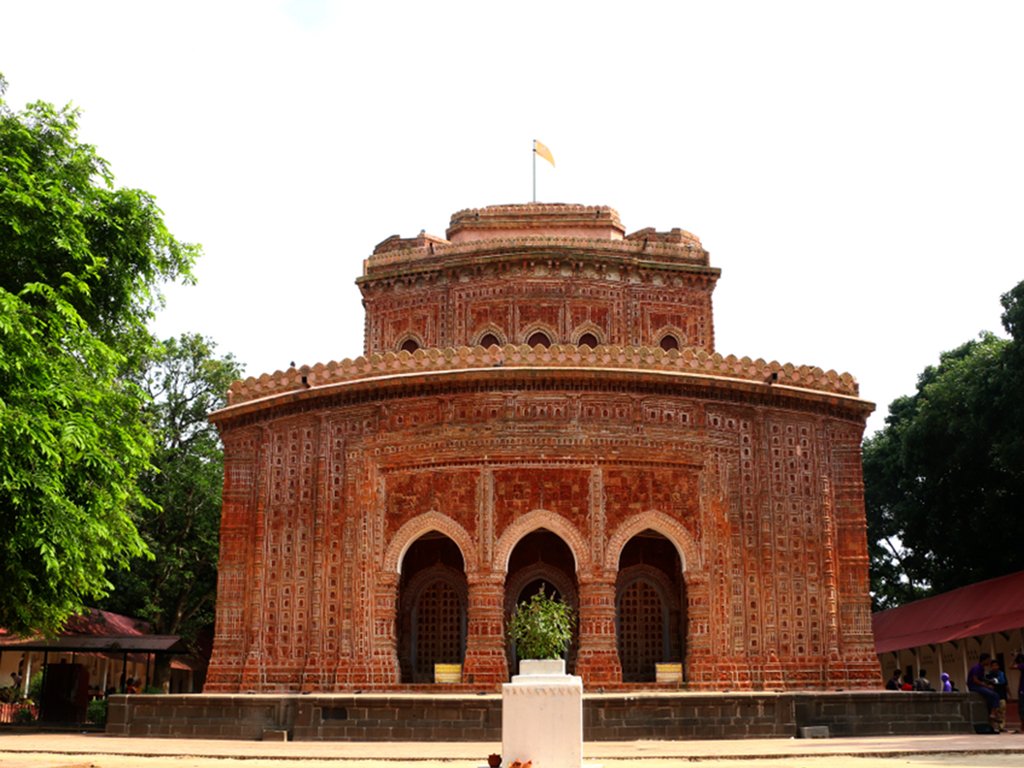
In the northern plains of
Bangladesh, beside the quiet flow of the Dhepa River, stands a monument that is
less a building and more a three-dimensional epic carved in burnt clay. The
Kantajew Temple, also known as Kantaji, is the undisputed crown jewel of
Bengal's terracotta architecture, a shrine where every inch of its surface
seems to hum with the stories of gods and mortals alike. Its construction began
in 1704 under Maharaja Pran Nath and was completed in 1722 by his son, Raja
Ramnath, a time when the region's wealthy zamindars expressed their devotion
through a remarkable fusion of piety and artistry. Originally designed in the
elegant Nava-ratna style, the temple once soared skyward with nine
ornate spires, an arrangement that gave it the appearance of a divine chariot.
Although those spires were tragically claimed by a devastating earthquake in
1897, the temple's soul—its breathtaking terracotta facade—remains gloriously
intact.
To walk around this three-storeyed edifice is to read a vast, visual encyclopedia of 18th-century Bengal. Approximately 15,000 individual terracotta plaques blanket the exterior walls, creating a riot of narrative that stretches from the heavens to the hearth. The friezes are a masterclass in storytelling, chronicling the grand dramas of the Ramayana and Mahabharata alongside intimate, charming scenes of contemporary life. Here, Krishna plays his flute for Radha; there, a royal procession of elephants and camels marches past aristocrats enjoying their hookahs, all rendered in astonishing detail. The sheer density of this artistry is staggering, a feat of human creativity that has rightly earned the temple a place on Bangladesh's currency, a fitting tribute to one of the subcontinent's most magnificent religious edifices.
Immersive Experience
No 360° Videos available
Destination Gallery