
Lalbagh Fort
The Lalbagh Fort is far more than
just an incomplete Mughal structure; it is a profound monument to unfulfilled
dreams and the poignant echoes of a love story lost to time. The tale begins in
1678, when Prince Muhammad Azam, the son of Emperor Aurangzeb, initiated the
construction of this grand fortress-palace, then known as Fort Aurangabad, on
the banks of the Buriganga River. However, his recall to Delhi to assist his
father in a war against the Marathas meant his dream was never realized. The
project was inherited by Subedar Shaista Khan, who continued the work until a
personal tragedy struck—the untimely death of his beloved daughter, Pari Bibi,
in 1684. Grief-stricken, Shaista Khan considered the fort ominous and abandoned
the construction, leaving it forever incomplete. It is for this reason that the
fort is widely regarded as a "monument of the unfulfilled dreams" of
the Mughal princes.
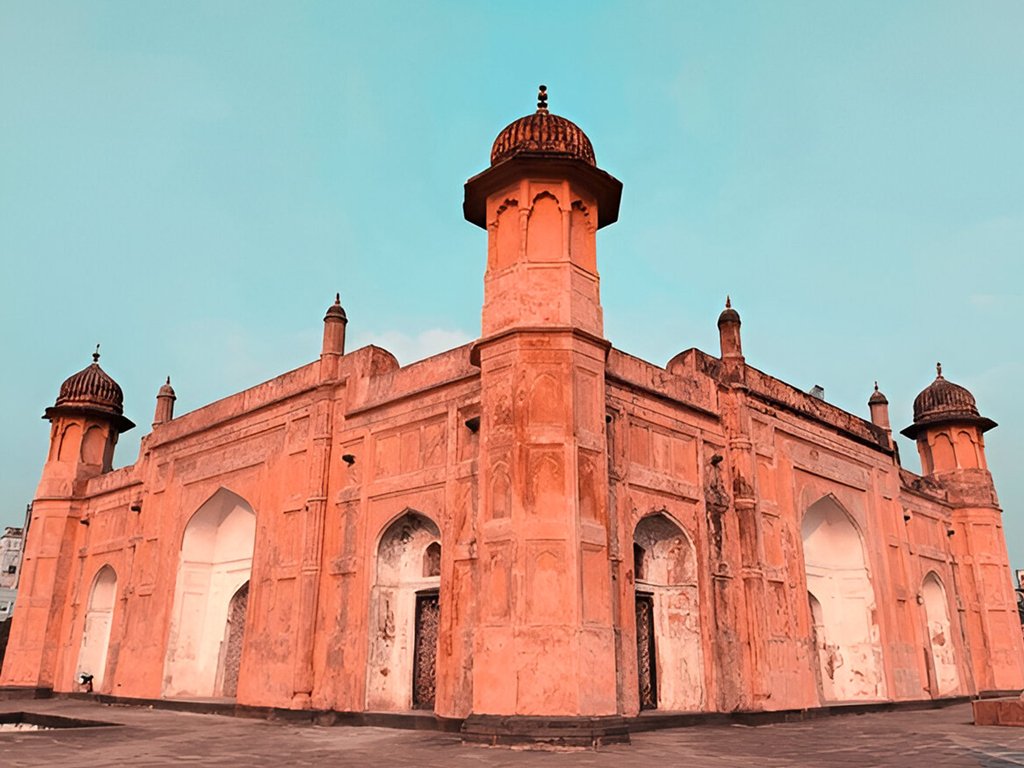
Stepping through the imposing
three-storeyed southern gateway, you enter a world of faded Mughal grandeur
spread across 18 acres. The complex is a symphony of three primary structures:
the elegant, three-domed mosque; the tomb of Pari Bibi, a square mausoleum
adorned with black basalt and white marble; and the Diwan-i-Aam (Hall of
Audience). Excavations have revealed a sophisticated network of water supply,
sewerage, and even roof gardens, testifying to the advanced planning of the
era. Local lore whispers of secret underground tunnels, or Shurongo Path,
supposedly connecting the fort to other parts of the river, adding an air of
mystery. Today, as you wander its manicured lawns and explore its silent halls,
you can almost hear the rustle of silk and the distant laughter of Pari Bibi,
for legend claims her spirit still graces the fort on every full moon.
Other historical forts
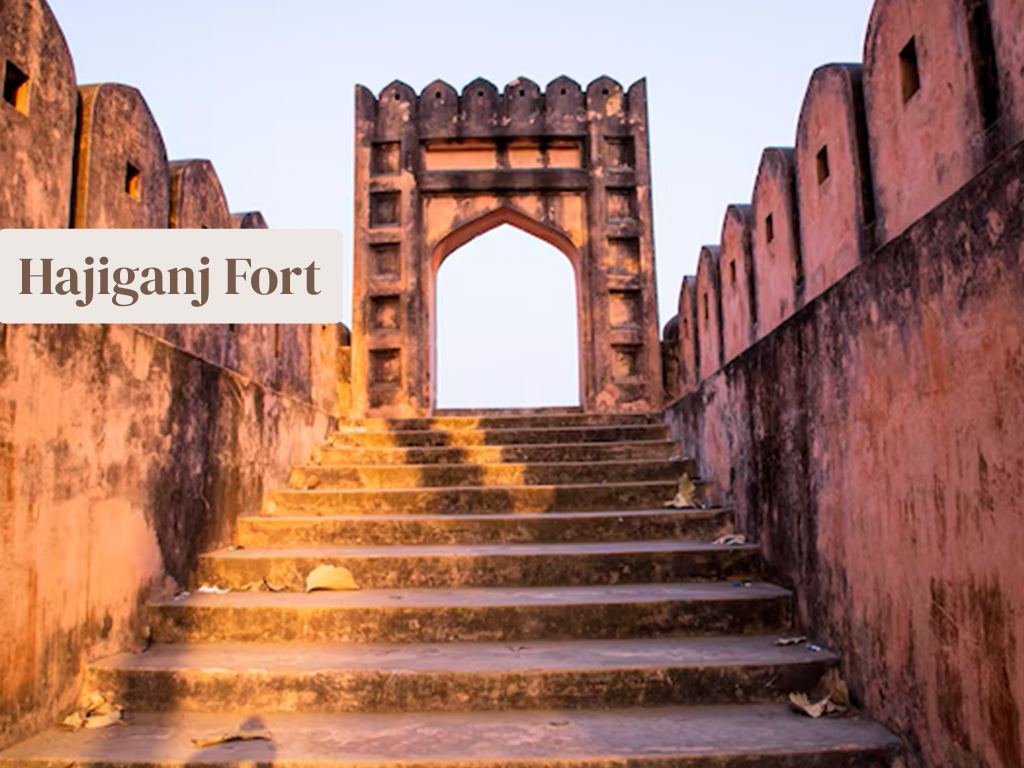
- Hajiganj Fort- Hajiganj Fort is a historic
17th-century Mughal river fort located on the banks of the Shitalakshya
River in Narayanganj. Built around 1660 AD, it is one of three
strategically positioned forts (along with Sonakanda and Idrakpur)
constructed to defend the prosperous trading city of Dhaka from Portuguese
and Arakanese pirates. The square-shaped fort features thick brick walls,
corner bastions, and a moat. Though it no longer has its original gateways
or internal structures, its imposing presence and riverside location offer
visitors a vivid sense of Mughal military architecture and Bengal’s
turbulent riverine history. Easily accessible from Dhaka, Hajiganj Fort is
a fascinating stop for those exploring the lesser-known Mughal heritage of
the region.
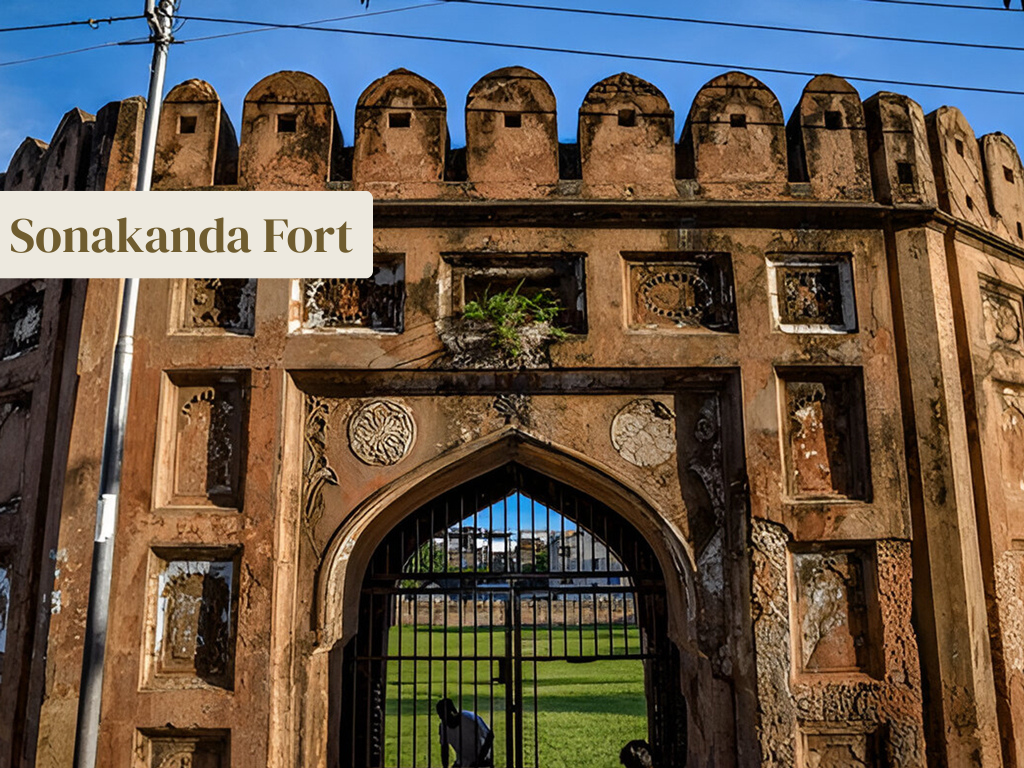
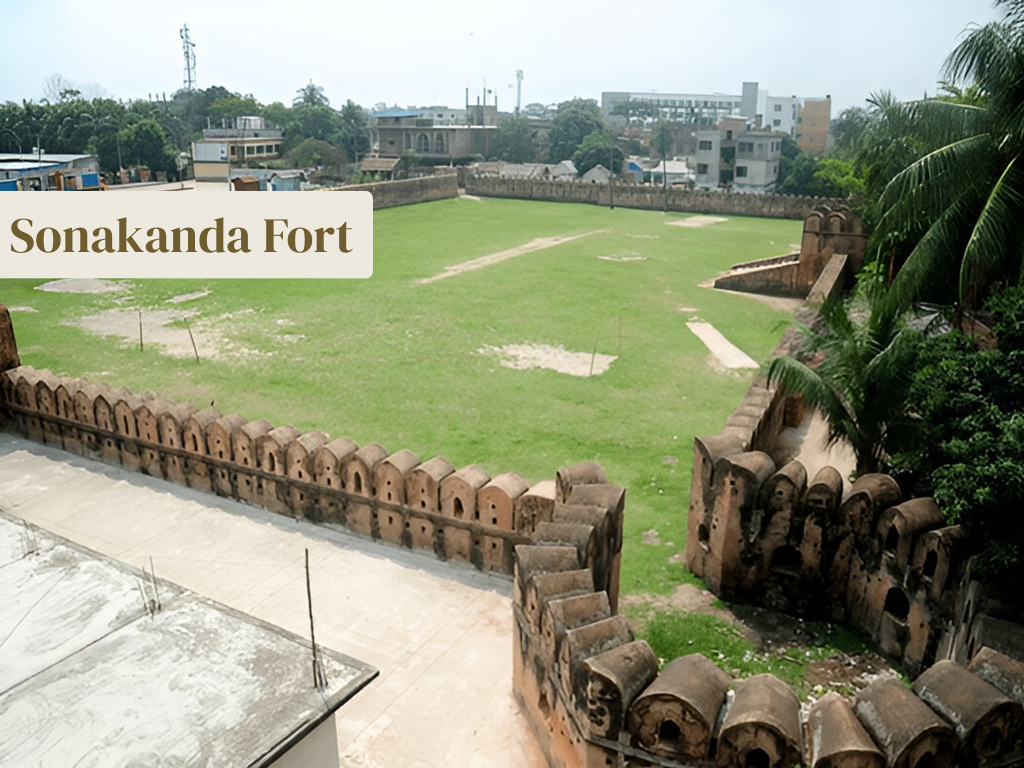
- Sonakanda Fort- Sonakanda Fort is a well-preserved
17th-century Mughal river fort situated on the banks of the Shitalakshya
River in Narayanganj. Built around the 1660s during the reign of Emperor
Aurangzeb, it formed part of a strategic defensive network — along with
Hajiganj and Idrakpur forts — to protect the wealthy trading city of Dhaka
from Portuguese and Arakanese pirates. The rectangular fort features thick
brick walls, prominent corner bastions, and a grand riverside gateway. Its
elevated position offers pleasant views over the river and the surrounding
countryside. Though simpler in design than Lalbagh Fort, Sonakanda Fort
remains an impressive example of Mughal military architecture and provides
visitors with a tangible link to Bengal’s river-based history and defense
systems of the Mughal era.
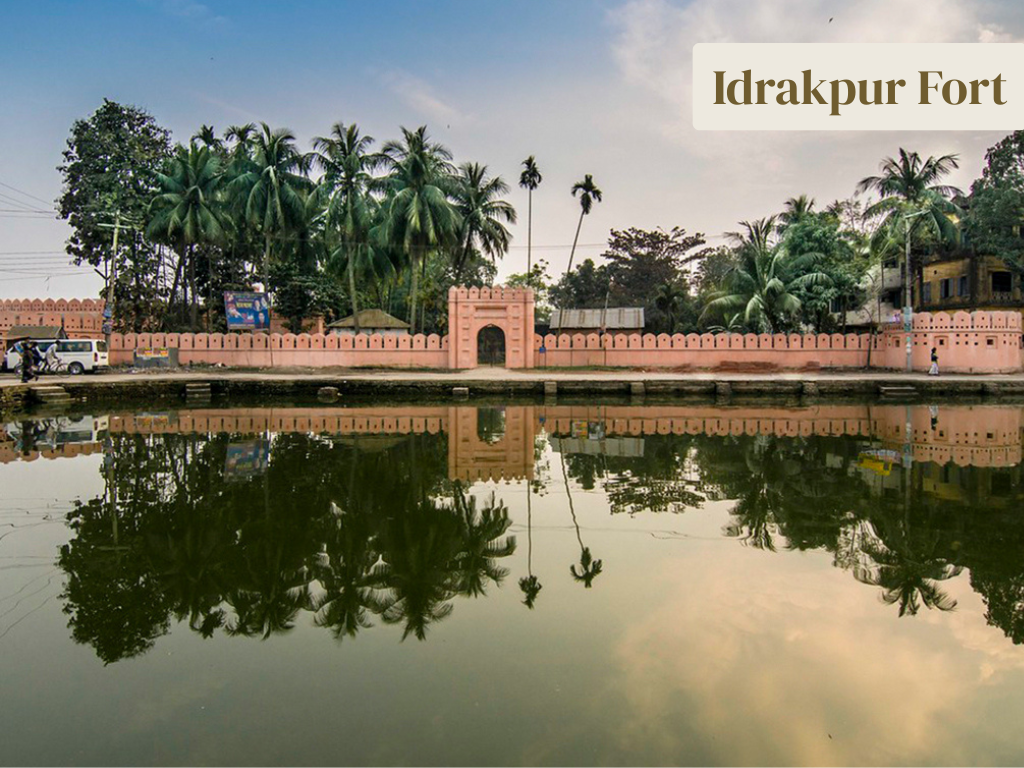
- Idrakpur Fort- Idrakpur Fort, located in Munshiganj,
is the earliest of the three famous Mughal river forts built to protect
Dhaka. Constructed in 1660 AD by Mir Jumla II, the Mughal governor of
Bengal, the fort was strategically positioned on the banks of the
Ichhamati River to defend against Portuguese and Arakanese pirate attacks.
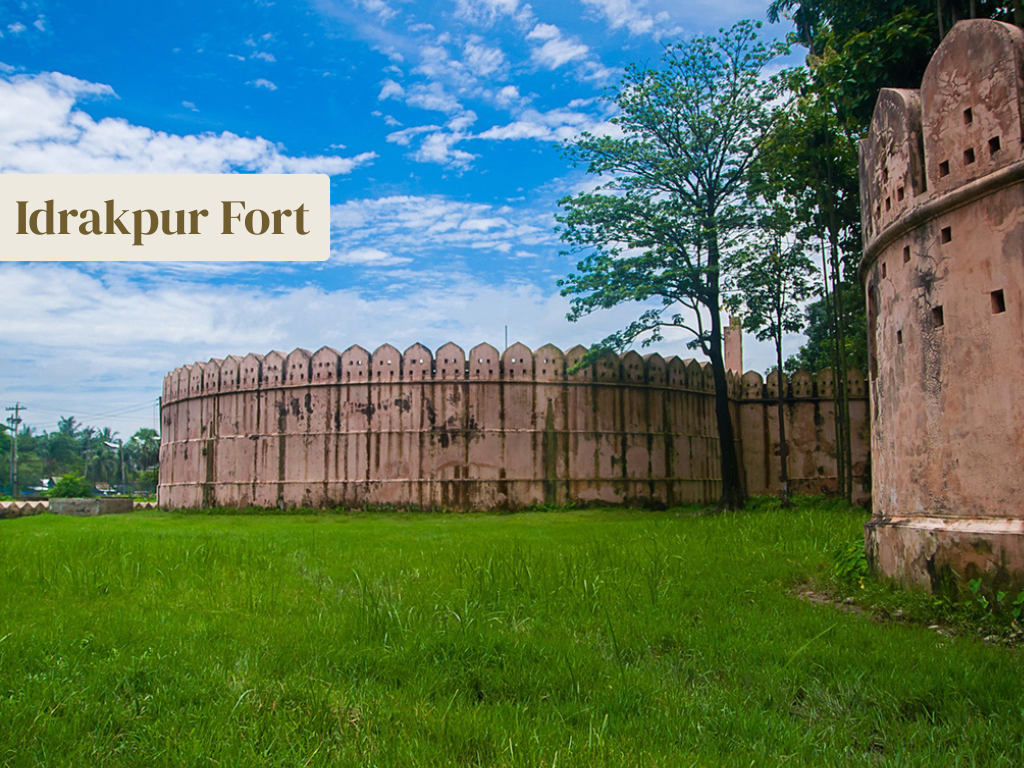
The square-shaped fort features thick brick walls, four prominent corner
bastions, and a strong riverside presence. Though it no longer has its
original internal buildings, its impressive fortifications remain largely
intact, offering a clear picture of 17th-century Mughal military
architecture. Idrakpur Fort is an important historical landmark that
reflects Bengal’s turbulent riverine past and the strategic defense
network of the Mughal Empire in the region.
Immersive Experience
No 360° Videos available
Destination Gallery