
Bibi Chini Mosque
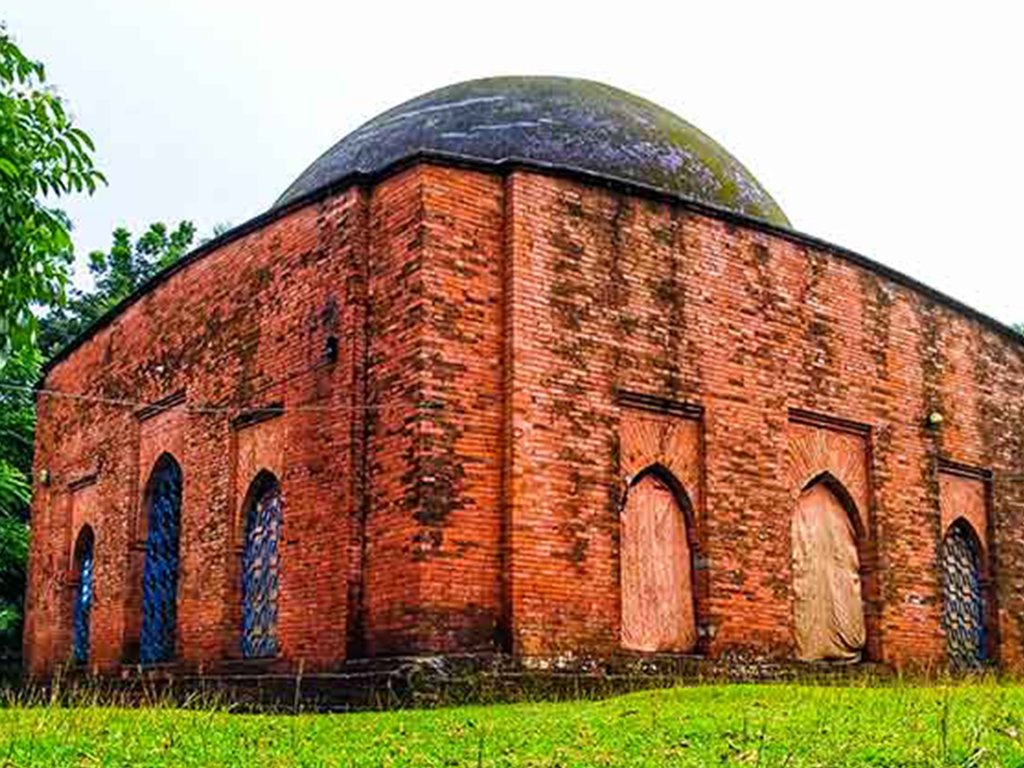
In the deep south of Bangladesh,
far from the grand Mughal capitals, a humble yet powerful story of faith is
etched into the landscape. The Bibi Chini Mosque, a 17th-century gem in
Barguna's Betagi upazila, is not a monument to an emperor, but a testament to a
father's love and a saint's devotion. It stands atop a 30-foot hillock, a
solitary sentinel of terracotta and brick surrounded by a sea of green foliage.
The mosque was founded in 1659 by the Islamic preacher Hazrat Shah Neyamat
Ullah, who is believed to have journeyed from Persia to spread the message of
Islam in this region during the governorship of Mughal prince Shah Shuja.
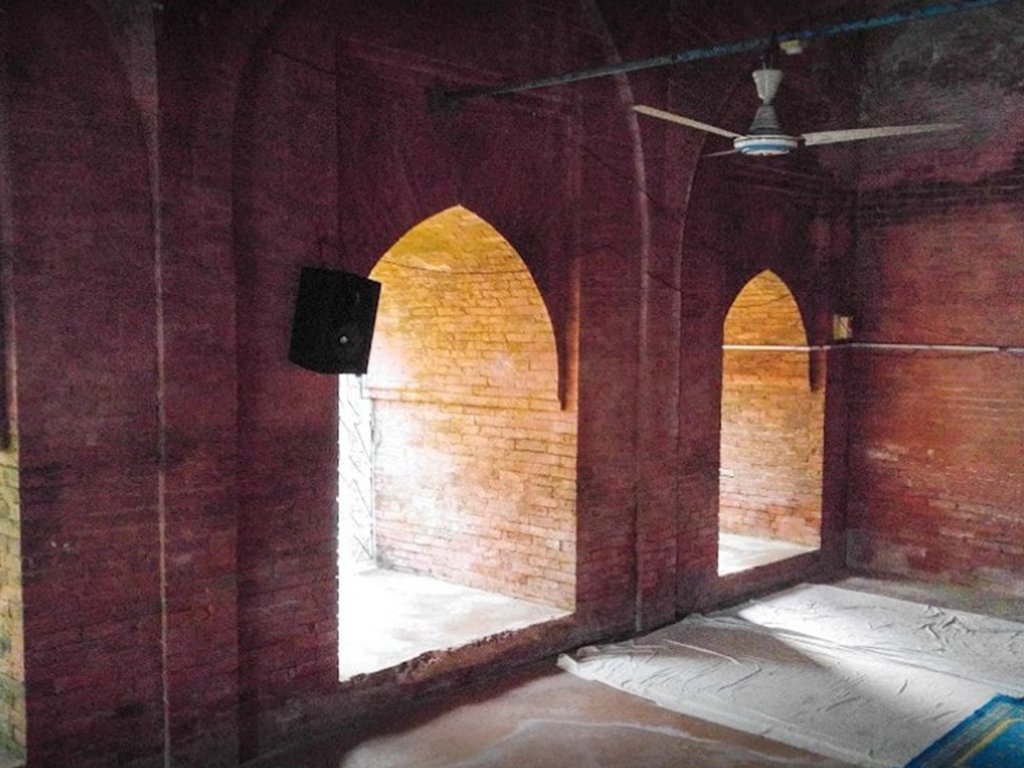
The mosque's name carries a touching personal story. The surrounding village, and eventually the mosque itself, was named after the saint's beloved daughter, Chini Bibi. This intimate connection lends the sturdy Mughal structure an unusual sense of tenderness. Architecturally, the mosque is a study in perfect proportion: it is a square building, exactly 33 feet long, 33 feet wide, and 33 feet high, with formidable walls six feet thick. Its three arched entrances lead to a simple, single-domed prayer hall, while three ancient graves lie in the quiet yard beside it—the final resting places of Shah Neyamat Ullah and his two daughters, Chini Bibi and Isa Bibi. The mosque is widely recognized as the epicenter from which Islam spread throughout the southern part of the country, making a quiet pilgrimage to the grassroots of Bengal's religious history.
Immersive Experience
No 360° Videos available
Destination Gallery