
Manipuri
The Poets of Classical Dance and Masters of the Wooden Loom
Echoes of the Sacred Mandap
Immerse yourself in the fluid grace of world-renowned classical dance, exquisite geometric handlooms, and the ethereal full-moon devotion of Bangladesh's Manipuri
The Manipuri people represent one of the most culturally vibrant and artistically distinguished small ethnic groups in Bangladesh. Residing primarily in the northeastern districts of the greater Sylhet region, with significant populations in Moulvibazar, Sylhet, Habiganj, and Sunamganj, the community brings an unparalleled aesthetic richness to the national heritage. Widely celebrated for their world renowned classical dance and exceptional handloom weaving, the Manipuri people have successfully preserved a lifestyle that beautifully intertwines deep spiritual devotion with daily artistic expression.
The historical roots of the Manipuri community in Bangladesh trace back to the eighteenth and nineteenth centuries when political turmoil and conflicts in their ancestral homeland of Manipur prompted migrations into the fertile plains and tea garden regions of Sylhet. Over the generations, they have established deeply rooted, peaceful agrarian settlements locally known as paras.
The Manipuri society is traditionally patriarchal, with family lineage and property inheritance passing through the male line. Their villages are exceptionally well organized and renowned for their immaculate cleanliness, often surrounded by lush green landscapes and agricultural fields.
At the heart of every Manipuri neighborhood lies a central temple pavilion called a mandap, which serves as the ultimate focal point for all social, cultural, and religious gatherings. The community places a profound emphasis on education, mutual cooperation, and the preservation of their ancestral customs, ensuring that their unique social fabric remains incredibly strong amidst modern societal changes.
The Manipuri community in Bangladesh is broadly composed of two distinct sub groups for language differences, known as the Meitei and the Bishnupriya. The Meitei speak a language belonging to the Sino Tibetan language family, while the Bishnupriya speak an Indo Aryan language. Despite this linguistic diversity, they are united by a shared cultural and spiritual heritage. The government and various cultural organizations actively promote the preservation of both languages through community based educational programs.
The vast majority of the Manipuri people are devout followers of Gaudiya Vaishnavism, a major tradition within Hinduism centered around the profound devotion to Lord Krishna and Radha. This spiritual dedication permeates every aspect of their lives. Their religious practices are uniquely characterized by the seamless integration of music, dance, and chanting into their daily worship, creating an atmosphere of deep reverence and joy.
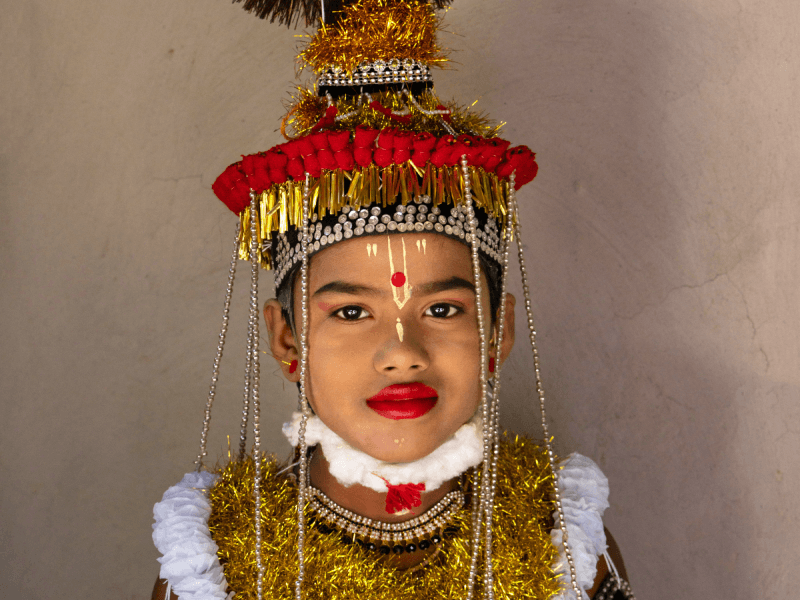
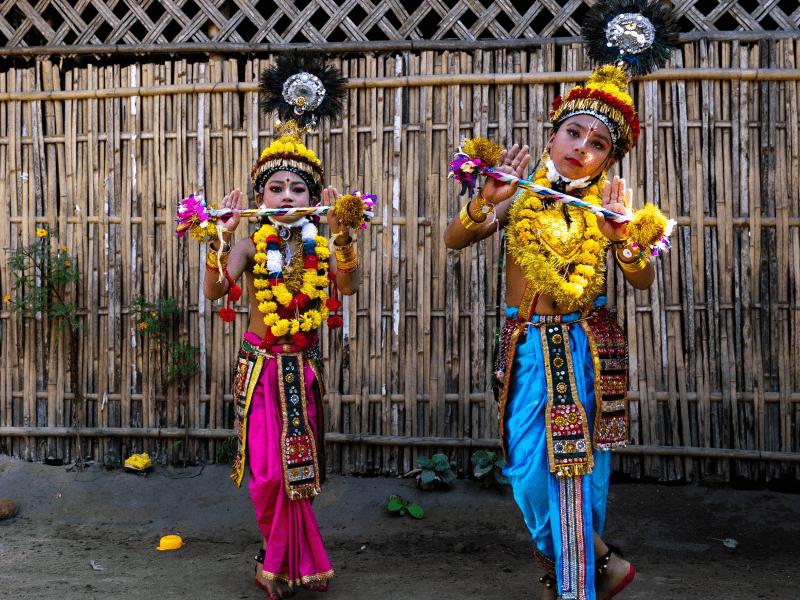
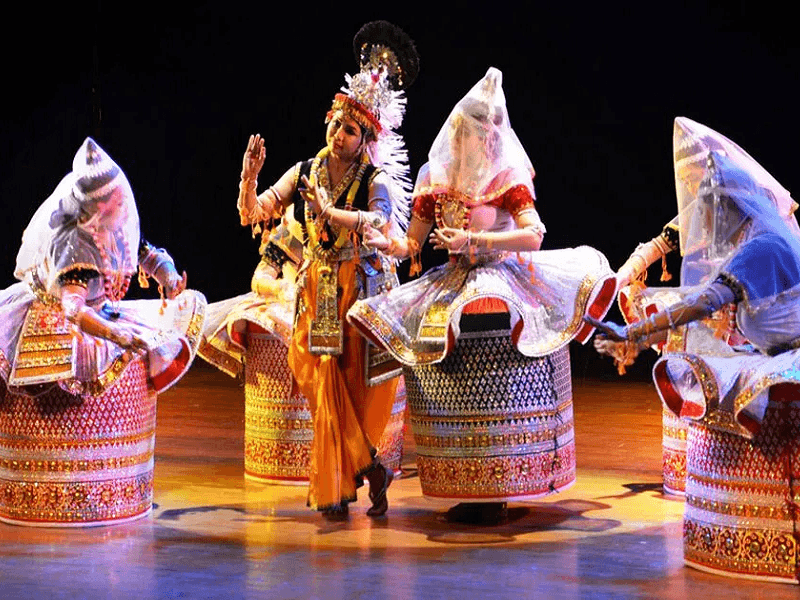
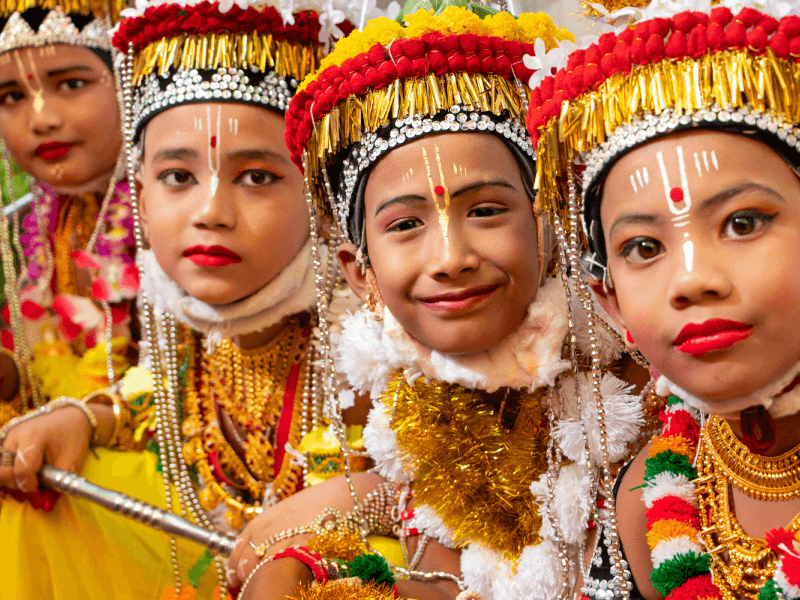
The artistic legacy of the Manipuri community is truly spectacular, most notably expressed through their world renowned classical Manipuri dance. Unlike many other classical forms, Manipuri dance is characterized by its exceptionally graceful, fluid, and gentle movements, reflecting profound spiritual devotion rather than aggressive rhythm. The absolute pinnacle of their cultural calendar is the mesmerizing Rash Mela festival, held annually during the full moon of the Bengali month of Kartik, usually in November.
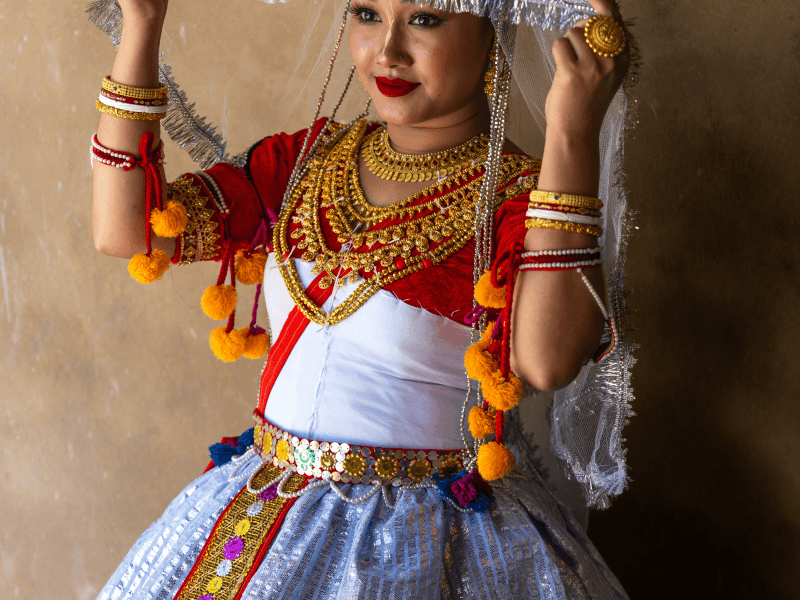
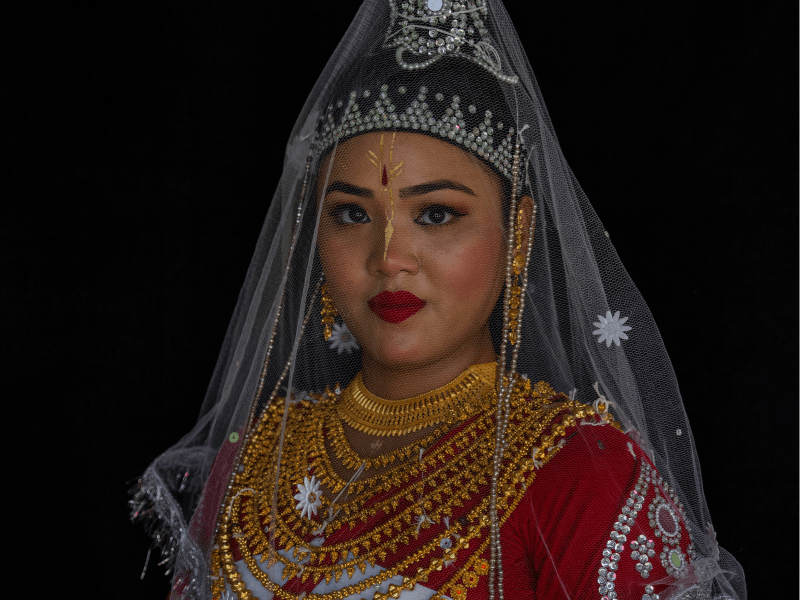
The Rash Mela in the Madhabpur area of Kamalganj is a breathtaking spiritual celebration depicting the divine love of Lord Krishna and Radha. During this festival, dancers wear the iconic Potloi, a stunning and stiff cylindrical skirt adorned with mirrors and golden embroidery, creating an ethereal visual spectacle that captivates attendees from all walks of life.
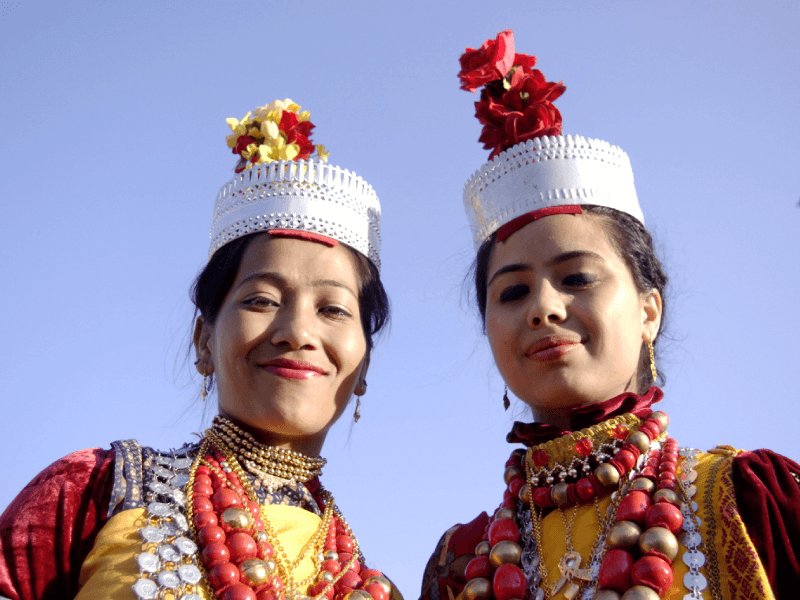
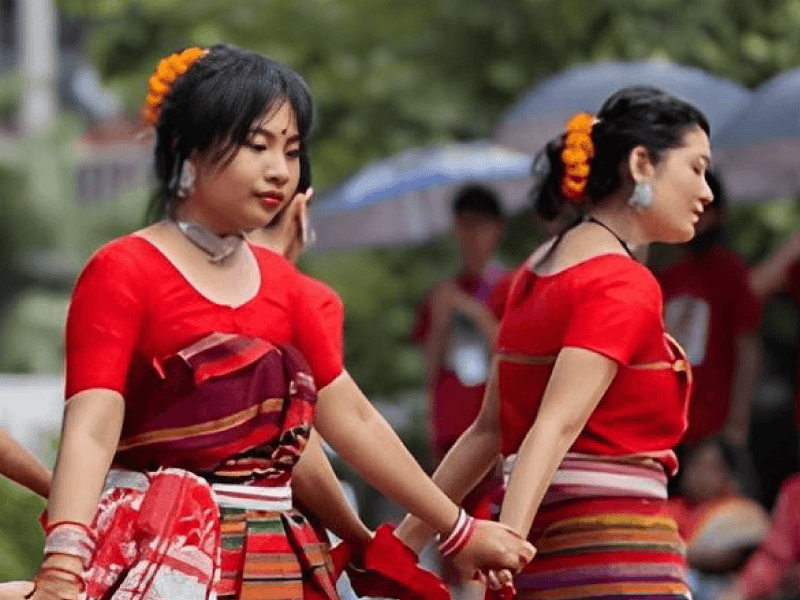
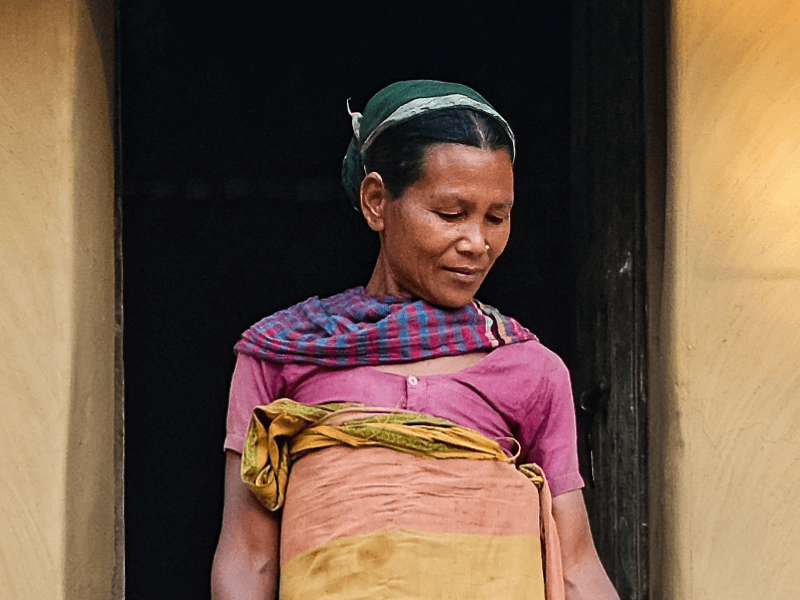
Equally impressive is their absolute mastery of handloom weaving. Almost every Manipuri household possesses a traditional wooden loom, and the women are exceptionally skilled artisans. They produce the famous Manipuri sarees, intricate shawls, and beautiful household linens that are highly sought after across the nation. The textiles are celebrated for their vibrant colors, durable texture, and distinctive geometric motifs that reflect their natural surroundings. The daily attire of Manipuri women includes the Phanek, an elegant wrap around lower garment, and the Inaphi, a delicate upper shawl. Through their enchanting classical dance, grand spiritual festivals, and masterful weaving traditions, the Manipuri people continue to stand as extraordinary custodians of cultural elegance in Bangladesh.
Immersive Experience
No 360° Videos available
Destination Gallery