
Explore Bangladesh
Garo
Matrilineal Keepers of the Shal Forests
An Ancestral Green Sanctuary in the Northeast Foothills
Discover the distinct social customs, forest-dependent livelihoods, and rich oral history of Bangladesh's resilient hill-plains community.
The Garo people, who also proudly identify as Mande, form one of the most prominent and culturally fascinating small ethnic groups in the northeastern region of Bangladesh. Primarily concentrated in the border districts of Mymensingh, Netrokona, Sherpur, Tangail, and parts of the greater Sylhet region, the community is deeply rooted in the lush forested landscapes located at the foothills of the Meghalaya range. Their unique societal structure, vibrant agricultural festivals, and enduring traditions provide a profound insight into the diverse cultural heritage of the nation. The Garo people represent an extraordinary model of cultural preservation.
The historical narrative of the Garo community is deeply tied to their ancestral migrations across the northeastern hills. What truly distinguishes the Garo society from most other communities in Bangladesh is their matrilineal social structure. In this unique system, lineage, family identity, and property rights are traced and passed down entirely through the female line.
The youngest daughter, known as the Nokna, traditionally inherits the ancestral home and assumes the responsibility of caring for her aging parents. Following marriage, a Garo man moves into the household of his wife. This deeply respected social organization grants women a central and highly empowered role in both family and community affairs.
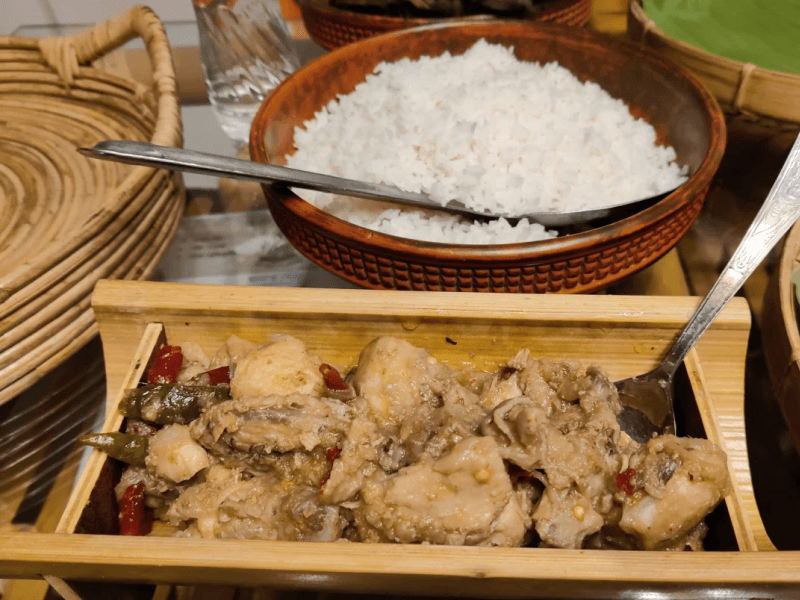
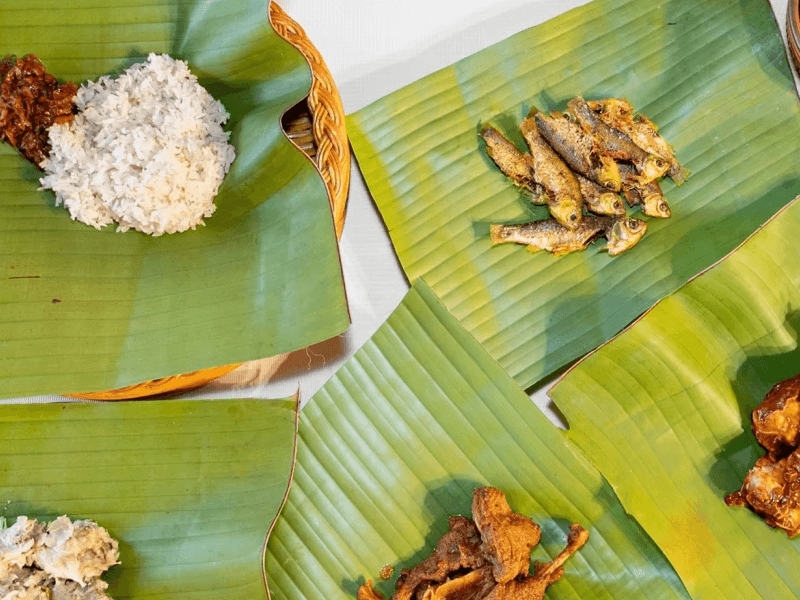
The community is further organized into distinct clans known as Mahari, which play a crucial role in maintaining social cohesion and guiding marriage alliances. Historically, the community relied extensively on shifting agriculture in the forested hills. Over the decades, as they settled into the plains and lower elevated areas, they successfully adapted to permanent wet rice cultivation and horticulture. By cultivating pineapples, bananas, and other seasonal crops, they established a strong agricultural foundation for their livelihood.
Linguistically, the Garo community speaks a language belonging to the Sino Tibetan language family. Their native tongue is commonly referred to as Achik. While the language possesses a rich oral tradition filled with ancient folklore, proverbs, and songs, it has adopted the Latin alphabet for written communication in modern times. The government and various cultural institutions are actively working to support the preservation of this language through primary education initiatives.
In terms of spiritual beliefs, the community has undergone a significant transformation. Historically, the Garo people practiced an indigenous animistic faith known as Songsarek. This ancient belief system centered around the worship of natural forces and deities, with Saljong, the sun and fertility god, holding a position of supreme importance.
Today, the vast majority of the Garo population in Bangladesh practices Christianity. Despite this widespread religious transition, the community has masterfully retained their ancestral cultural expressions. They beautifully integrate their historical agricultural rituals, traditional music, and vibrant dances into modern religious and communal gatherings, creating a unique cultural synthesis that honors both their current faith and their ancient roots.
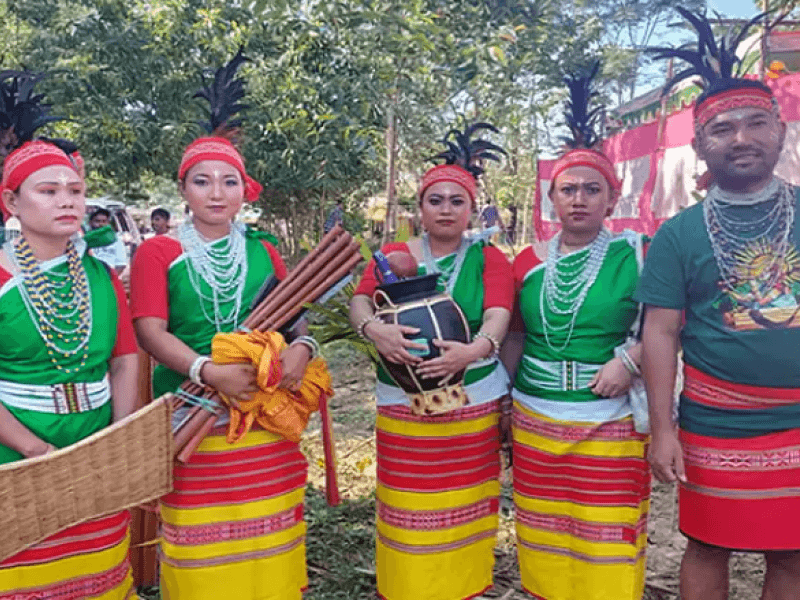
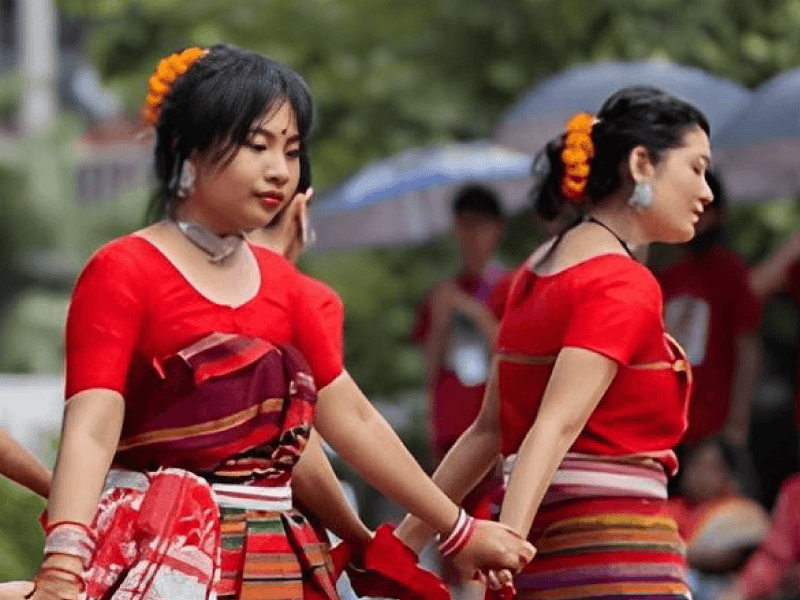
The artistic and cultural vitality of the Garo people is most spectacularly displayed during Wangala, their preeminent annual celebration. Also known as the hundred drum festival, Wangala is a grand post harvest thanksgiving event traditionally dedicated to the sun god Saljong to express gratitude for a bountiful harvest. The festival is characterized by the mesmerizing and rhythmic beating of long traditional drums called Dama, accompanied by the melodies of buffalo horn flutes. Men and women wearing beautiful traditional garments perform synchronized communal dances, creating a powerful visual and auditory experience that celebrates their agricultural heritage and communal solidarity.
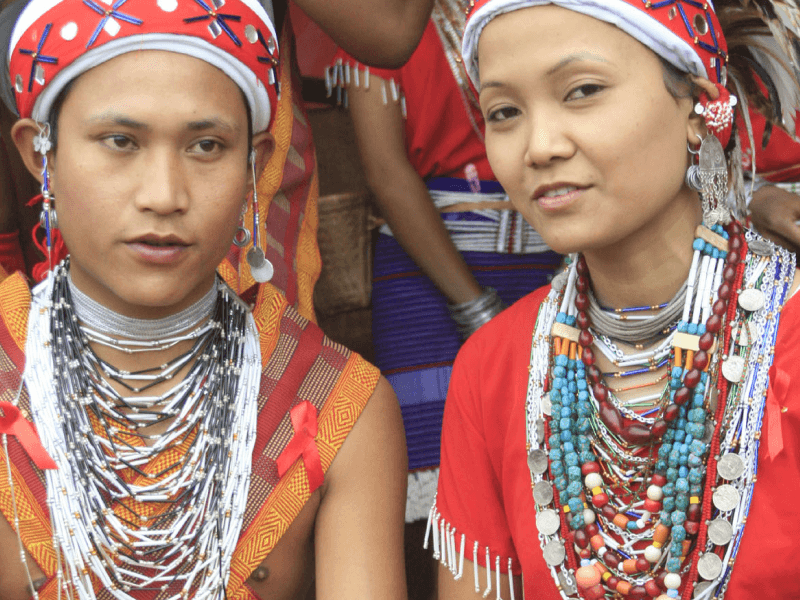
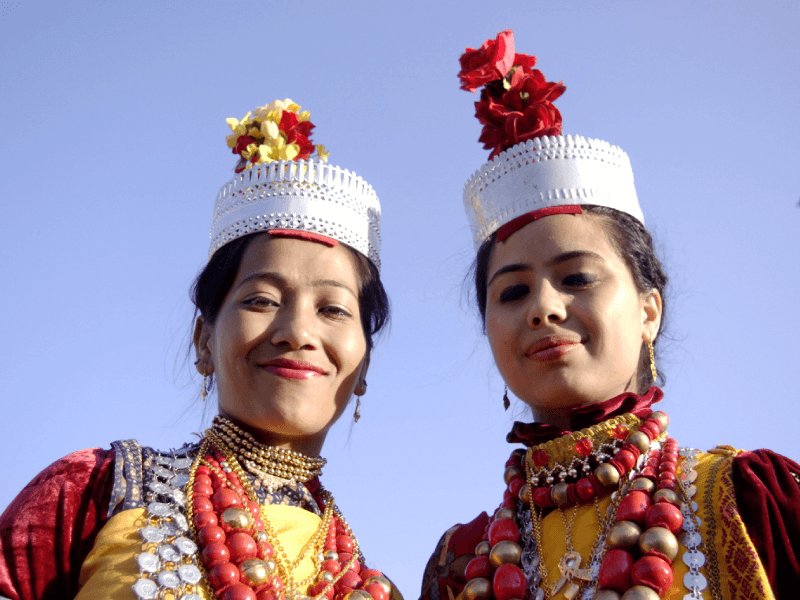
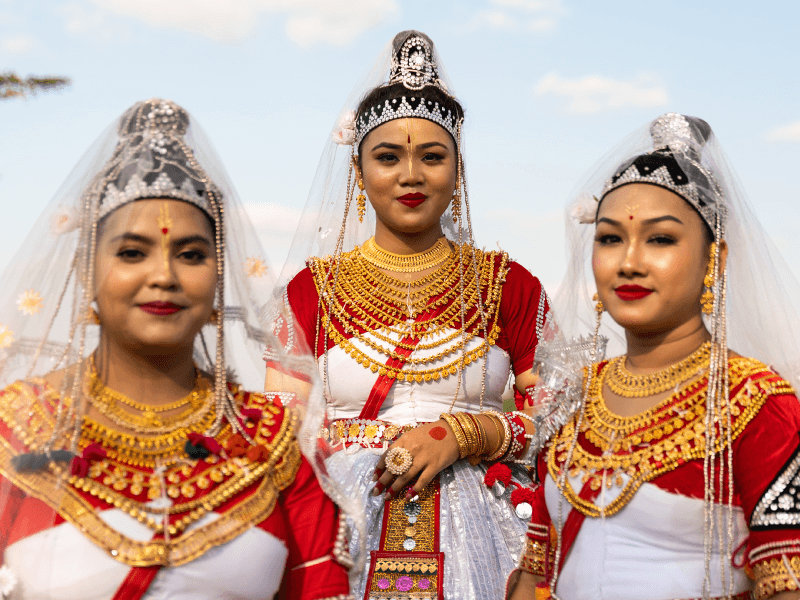
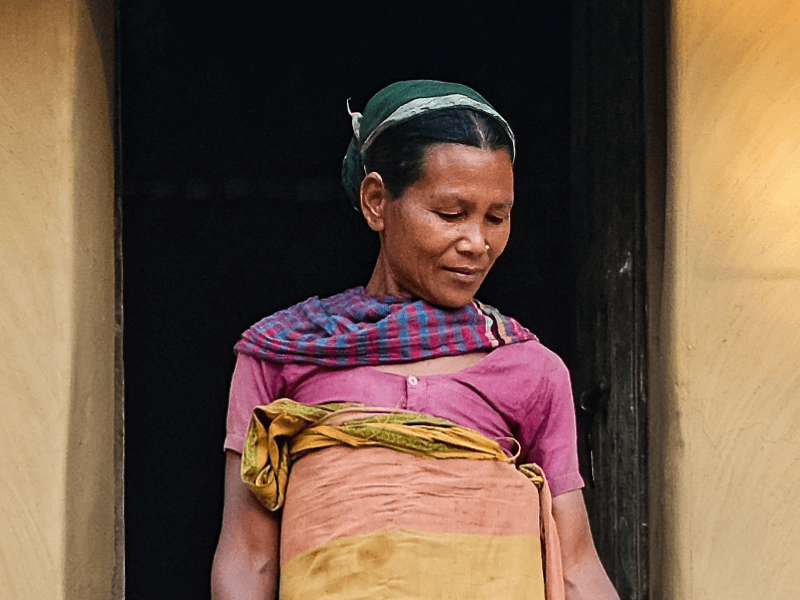
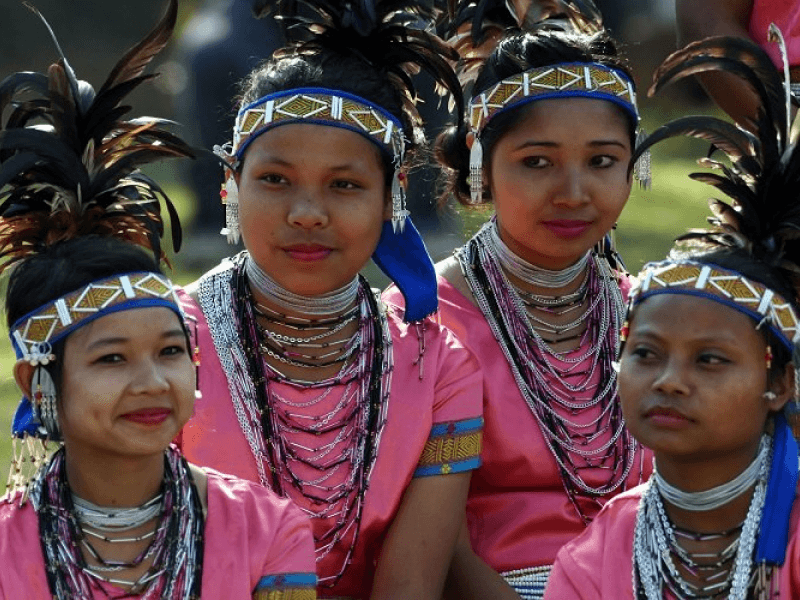
The traditional attire of Garo women is a major component of their artistic legacy. Their signature garment is the Dakmanda, a beautifully handwoven wrap around skirt. The Dakmanda is typically adorned with elaborate geometric shapes and vibrant floral patterns near the borders, representing their deep connection to the natural environment. Alongside their textile weaving, the community exhibits exceptional skill in bamboo and cane craftsmanship, producing durable baskets, agricultural tools, and musical instruments. These enduring artistic practices ensure that the rich cultural identity of the Garo people continues to thrive across generations.
Discover the distinct social customs, forest-dependent livelihoods, and rich oral history of Bangladesh's resilient hill-plains community.
The Garo people, who also proudly identify as Mande, form one of the most prominent and culturally fascinating small ethnic groups in the northeastern region of Bangladesh. Primarily concentrated in the border districts of Mymensingh, Netrokona, Sherpur, Tangail, and parts of the greater Sylhet region, the community is deeply rooted in the lush forested landscapes located at the foothills of the Meghalaya range. Their unique societal structure, vibrant agricultural festivals, and enduring traditions provide a profound insight into the diverse cultural heritage of the nation. The Garo people represent an extraordinary model of cultural preservation.
The historical narrative of the Garo community is deeply tied to their ancestral migrations across the northeastern hills. What truly distinguishes the Garo society from most other communities in Bangladesh is their matrilineal social structure. In this unique system, lineage, family identity, and property rights are traced and passed down entirely through the female line.
The youngest daughter, known as the Nokna, traditionally inherits the ancestral home and assumes the responsibility of caring for her aging parents. Following marriage, a Garo man moves into the household of his wife. This deeply respected social organization grants women a central and highly empowered role in both family and community affairs.
The community is further organized into distinct clans known as Mahari, which play a crucial role in maintaining social cohesion and guiding marriage alliances. Historically, the community relied extensively on shifting agriculture in the forested hills. Over the decades, as they settled into the plains and lower elevated areas, they successfully adapted to permanent wet rice cultivation and horticulture. By cultivating pineapples, bananas, and other seasonal crops, they established a strong agricultural foundation for their livelihood.
Linguistically, the Garo community speaks a language belonging to the Sino Tibetan language family. Their native tongue is commonly referred to as Achik. While the language possesses a rich oral tradition filled with ancient folklore, proverbs, and songs, it has adopted the Latin alphabet for written communication in modern times. The government and various cultural institutions are actively working to support the preservation of this language through primary education initiatives.
In terms of spiritual beliefs, the community has undergone a significant transformation. Historically, the Garo people practiced an indigenous animistic faith known as Songsarek. This ancient belief system centered around the worship of natural forces and deities, with Saljong, the sun and fertility god, holding a position of supreme importance.
Today, the vast majority of the Garo population in Bangladesh practices Christianity. Despite this widespread religious transition, the community has masterfully retained their ancestral cultural expressions. They beautifully integrate their historical agricultural rituals, traditional music, and vibrant dances into modern religious and communal gatherings, creating a unique cultural synthesis that honors both their current faith and their ancient roots.
The artistic and cultural vitality of the Garo people is most spectacularly displayed during Wangala, their preeminent annual celebration. Also known as the hundred drum festival, Wangala is a grand post harvest thanksgiving event traditionally dedicated to the sun god Saljong to express gratitude for a bountiful harvest. The festival is characterized by the mesmerizing and rhythmic beating of long traditional drums called Dama, accompanied by the melodies of buffalo horn flutes. Men and women wearing beautiful traditional garments perform synchronized communal dances, creating a powerful visual and auditory experience that celebrates their agricultural heritage and communal solidarity.
The traditional attire of Garo women is a major component of their artistic legacy. Their signature garment is the Dakmanda, a beautifully handwoven wrap around skirt. The Dakmanda is typically adorned with elaborate geometric shapes and vibrant floral patterns near the borders, representing their deep connection to the natural environment. Alongside their textile weaving, the community exhibits exceptional skill in bamboo and cane craftsmanship, producing durable baskets, agricultural tools, and musical instruments. These enduring artistic practices ensure that the rich cultural identity of the Garo people continues to thrive across generations.
Immersive Experience
No 360° Videos available
Photo Collection
Destination Gallery