
Koch
Syncretic Artisans of the Northern Borders
The Resilient Handloom Weavers of the Lowland Foothills
Discover a unique community balance where maternal clan titles coexist seamlessly with ancient nature worship and mainstream
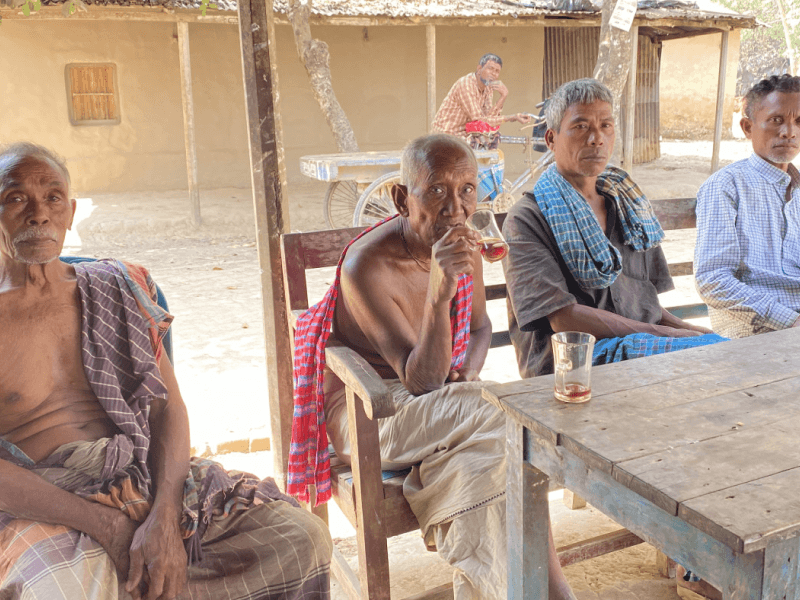
Occupying a fascinating space within the northern borderlands of Bangladesh, the Koch community stands as a proud and deeply rooted small ethnic group. Found primarily in the districts of Sherpur, Mymensingh, Netrokona, and Tangail, their settlements often skirt the lush fringes of the Garo hills. The story of the Koch is one of endurance, ecological harmony, and a profound connection to the ancient landscapes of the subcontinent. As an integral thread in the national cultural fabric, their way of life provides observers with a captivating view of ancestral wisdom adapting beautifully over centuries.
Tracing the ancestral journey of the Koch reveals a deep historical footprint spanning the dense forests and undulating terrains of the Garo hills. Centuries ago, their forebears navigated these vast hill tracts, eventually establishing settlements in the lower plains and foothills. This geographical transition heavily influenced their social organization and daily survival strategies, molding them into expert agriculturists who mastered the fertile lowlands.
Within their villages, social dynamics present a highly intriguing blend of customs. While modern Koch society largely functions under a patriarchal framework where the male head of the household directs daily affairs, they retain a unique clan system known as nikshi. Interestingly, clan descent and familial identity are traced through the mother, a lingering echo of their ancient hill dwelling days. This dual structure creates a highly balanced community environment where both men and women hold significant respect and distinct responsibilities. Their homesteads, typically built from locally sourced timber, earth, and thatch, reflect a modest yet incredibly functional architectural style perfectly suited to the tropical monsoon climate.
The religious and philosophical worldview of the Koch is a brilliant display of cultural syncretism. Rather than adhering to a single rigid doctrine, the community embraces a dynamic blend of mainstream Hinduism and ancient animistic traditions. In their daily lives, venerated Hindu deities such as Shiva, Kali, and Durga coexist seamlessly with indigenous forest spirits, river guardians, and ancestral forces. A central figure in their traditional pantheon is the supreme deity Rishi, whom they worship with immense devotion alongside the goddess Kamakhya. Rituals often take place in sacred groves or open village courtyards, where offerings of fruit, rice, and flowers are presented to ensure agricultural prosperity and protection from natural calamities.
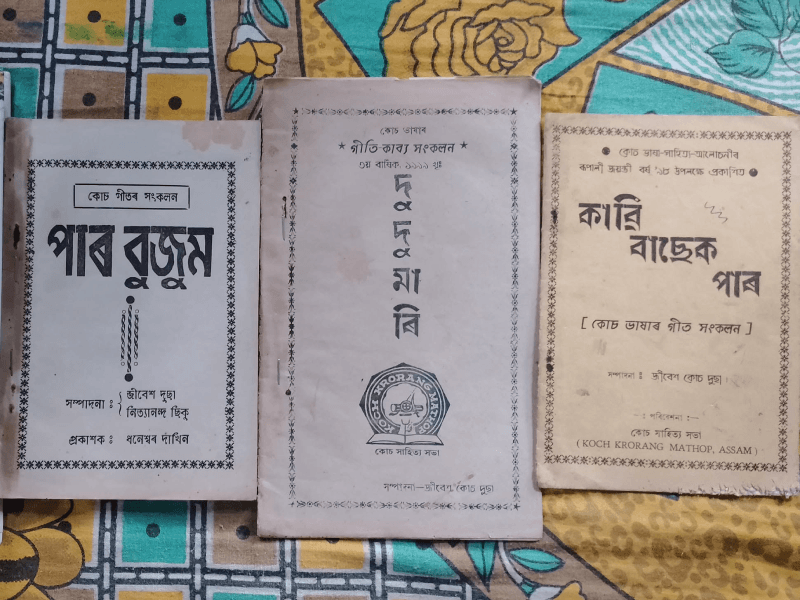
The native Koch language belongs to the Bodo Garo branch of the Sino Tibetan language family. While many members of the community have grown fluent in regional Bengali dialects to facilitate trade, education, and wider communication, their mother tongue remains a vital vessel for their indigenous knowledge. Community elders continue to pass down ancient proverbs, rhythmic lullabies, and mythological tales in their native dialect, ensuring that the younger generations retain a strong auditory link to their ancestral past.
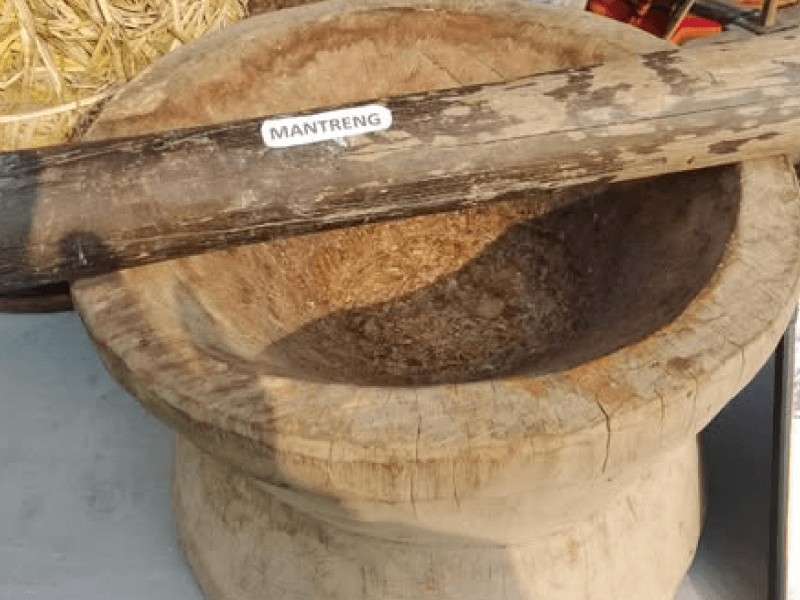
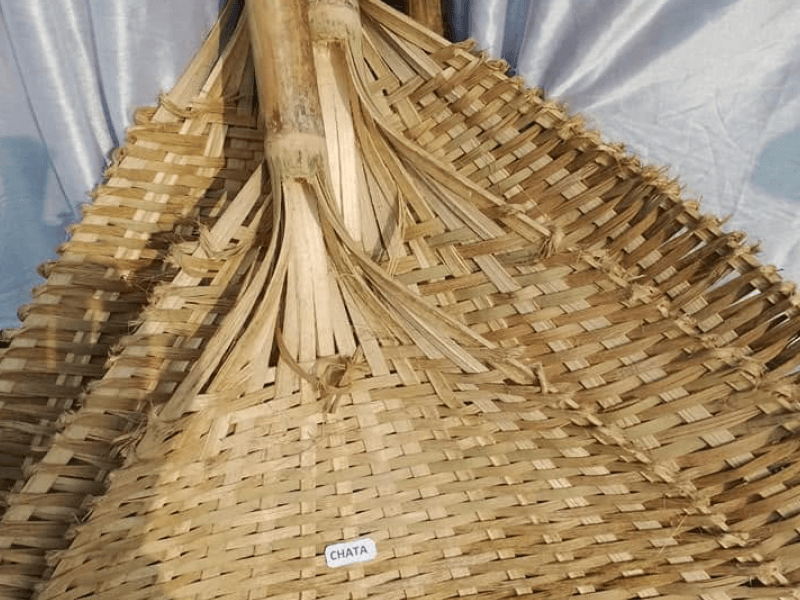
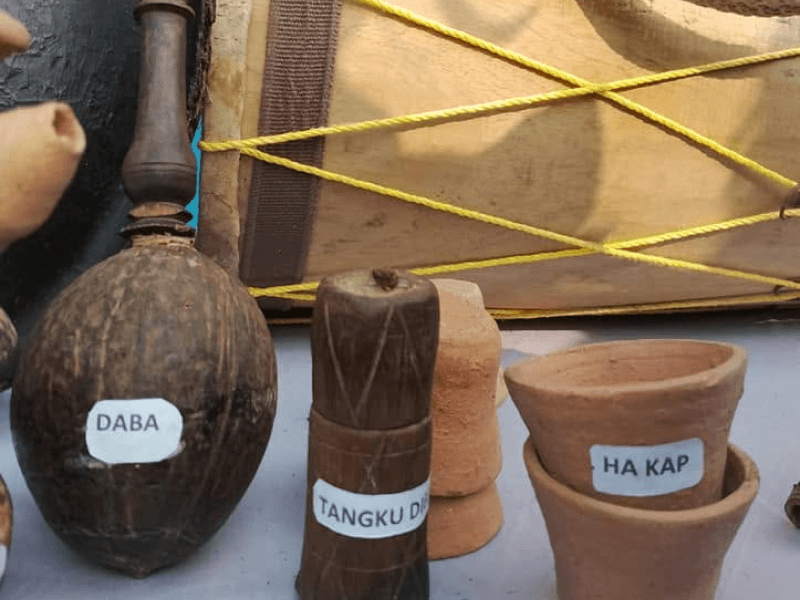
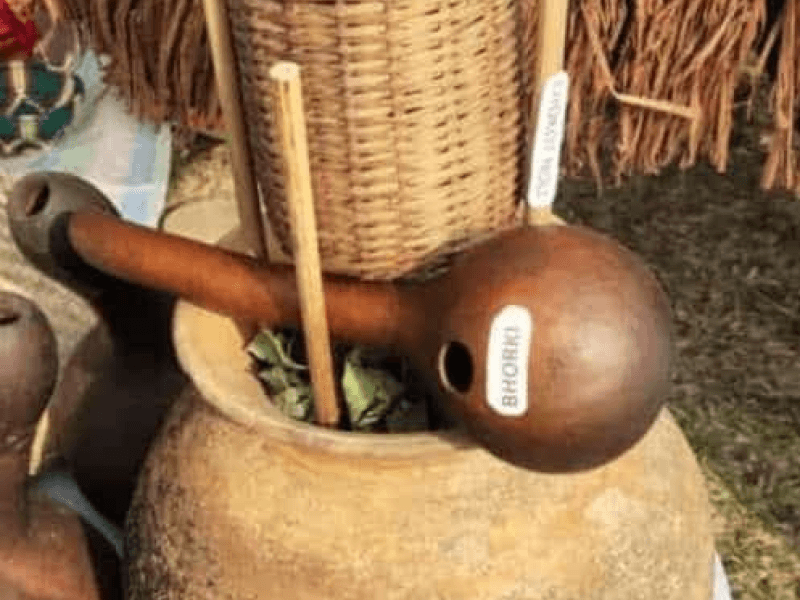
The Koch people are exceptionally gifted artisans, widely renowned across the region for their traditional bamboo and cane craftsmanship. Bamboo is not merely a building material for the community; it is an absolute cornerstone of their daily existence. Skilled hands weave intricate fishing traps, durable storage baskets, winnowing fans, and specialized agricultural tools. These handcrafted items are not only essential for their own agrarian livelihood but are also highly valued in local markets, showcasing their profound mastery over forest resources.
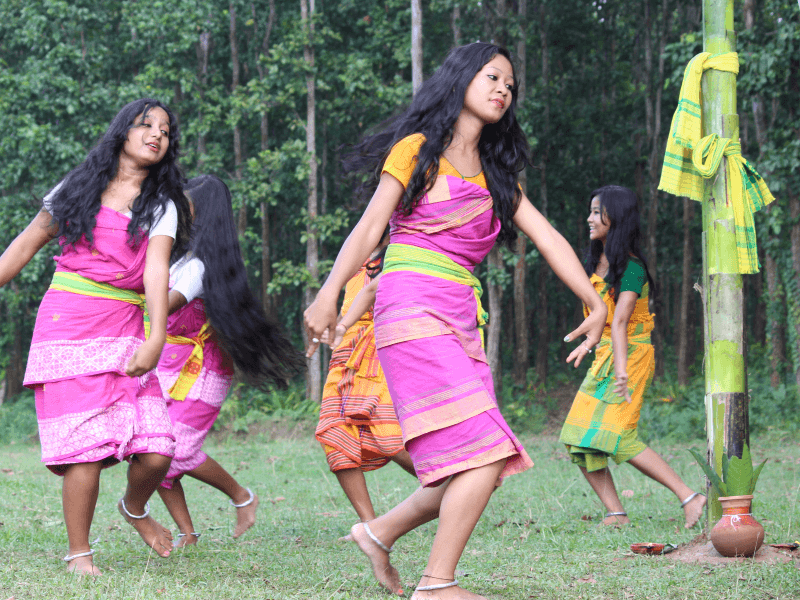
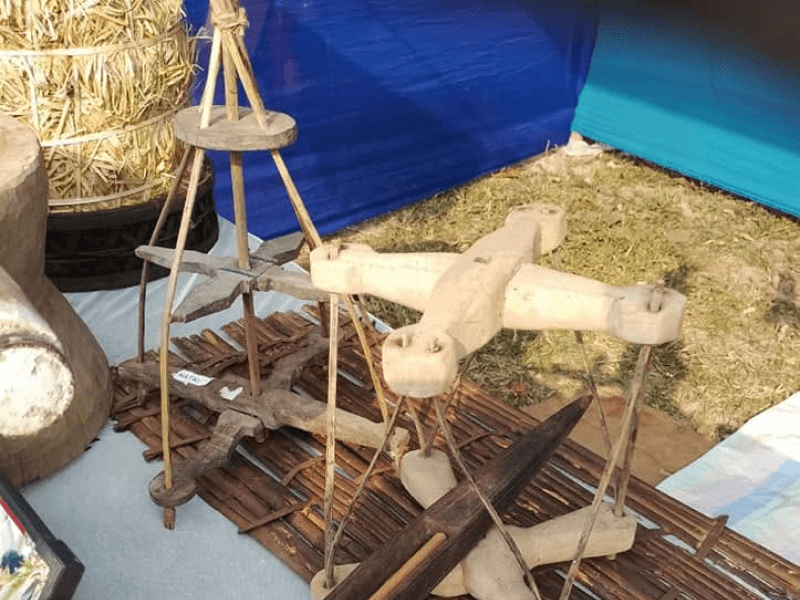
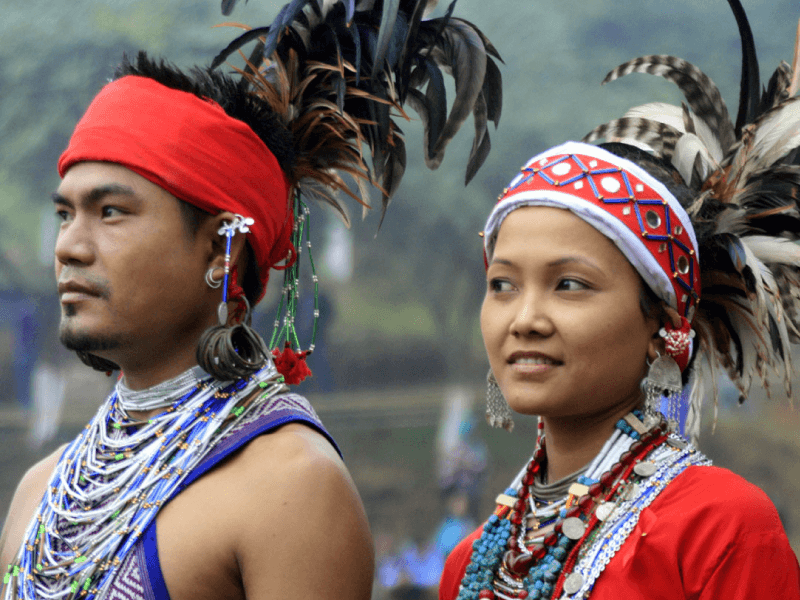
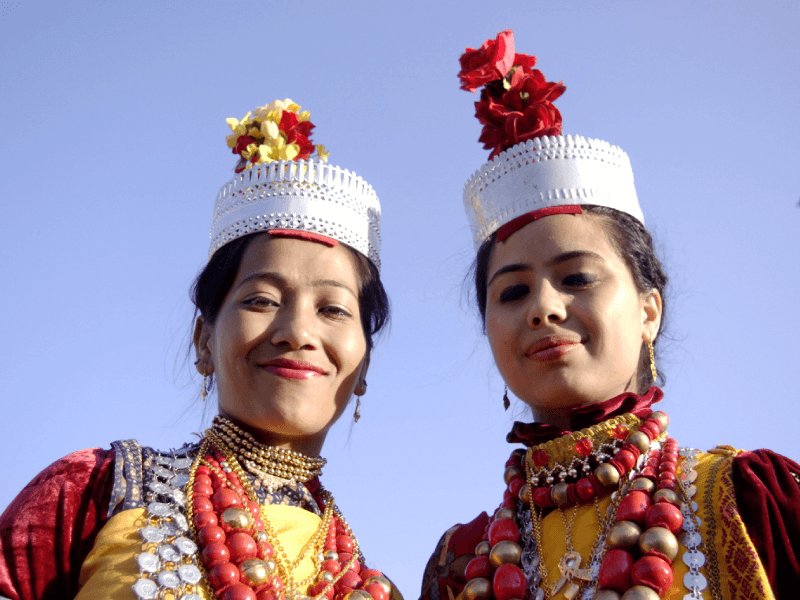
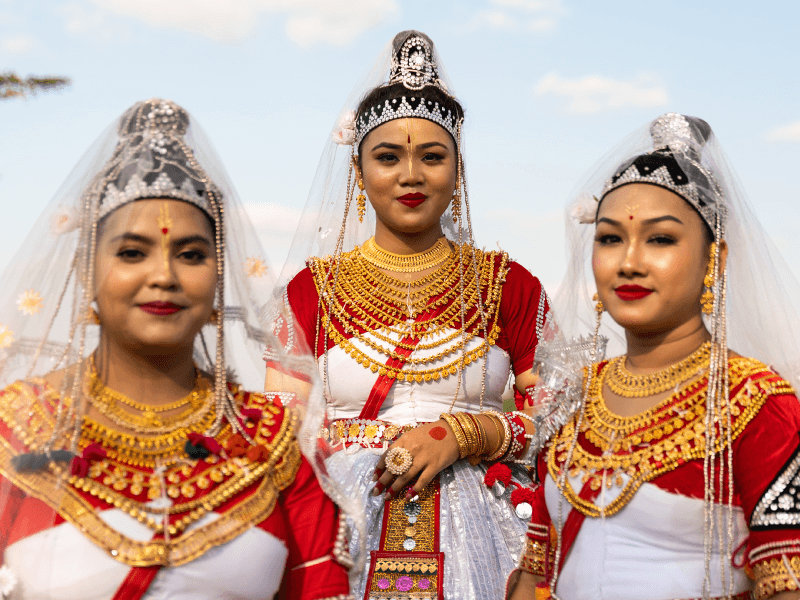
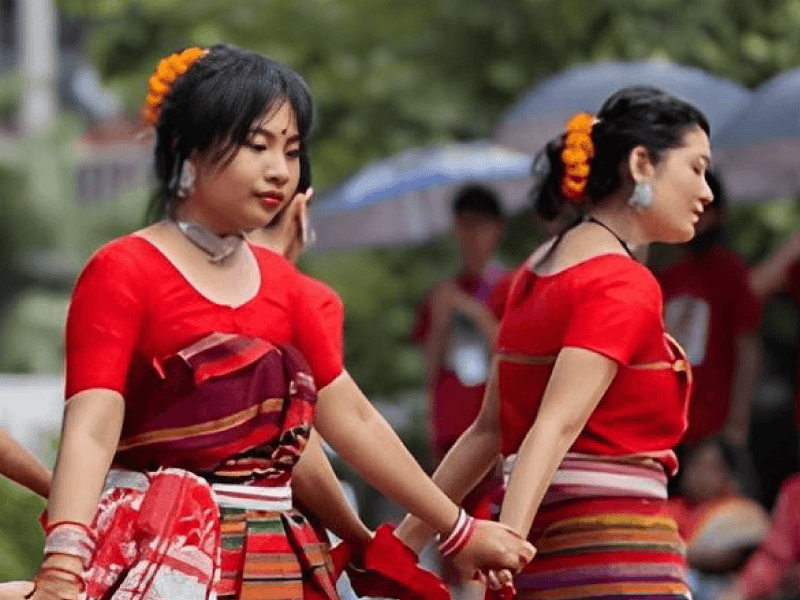
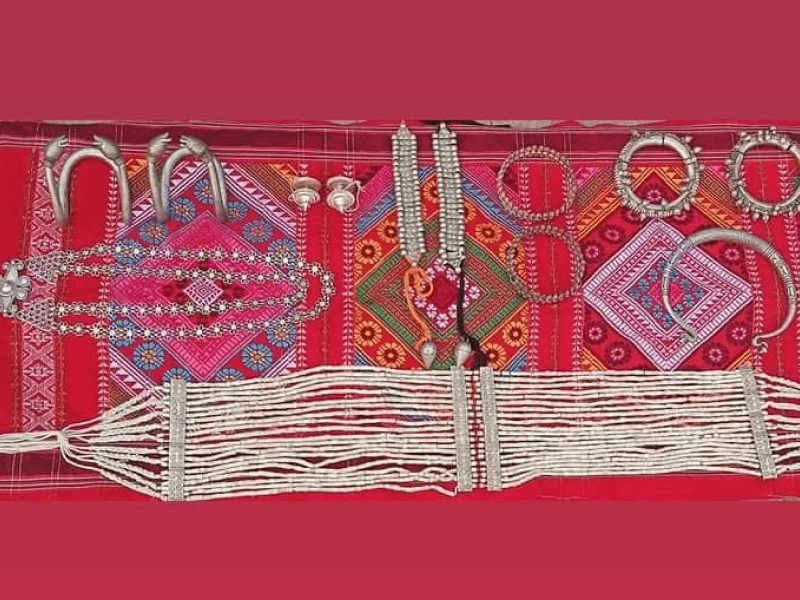
Creative expression flows naturally into their vibrant clothing and seasonal celebrations. The women of the community take great pride in their traditional attire, most notably the lefan or lafan, a brightly colored, handwoven garment wrapped elegantly around the body. Woven on indigenous wooden looms, these garments feature striking geometric patterns that mirror the natural beauty of their surroundings.
When the harvest season concludes, the villages erupt in joyous celebration. Festivals such as Pushna mark the bringing home of the winter crop, filling the air with the rhythmic beats of traditional drums and the melody of bamboo flutes. Community members gather to share special rice cakes, perform ancestral dances, and celebrate the bountiful yields. Through their exceptional craftsmanship, rich syncretic faith, and vibrant seasonal festivities, the Koch community continuously breathes life into the diverse heritage of the northern frontiers.
Immersive Experience
No 360° Videos available
Destination Gallery