
Hajong
Legacy Weavers of the Wet-Rice Lowlands
The Resilient Planters of the Northern Border Plains
Discover an enduring plain-land farming community defined by patrilineal traditions, rhythmic oral ballads, and vibrant handwoven attire.
The Hajong community is a distinct and resilient small ethnic group primarily settled in the northern border districts of Bangladesh, including Netrokona, Sherpur, Mymensingh, and Sunamganj. Living in close proximity to the Garo Hills, they have carved out a unique space within the broader demographic canvas of the region. Evolving through significant geographical and occupational transitions, the Hajong people offer an intriguing study of adaptation, resilience, and cultural endurance over the centuries. Their enduring presence significantly enriches the diverse cultural mosaic of the nation, providing a deep well of history for those exploring the roots of the northeastern borders.
Tracing the ancestral journey of this community reveals a fascinating story of environmental adaptation. Originally, the Hajong resided in the elevated terrains of the adjacent hill ranges, relying entirely on shifting slash and burn cultivation to grow their food. However, over the past few centuries, they migrated downward into the flatlands and foothills.
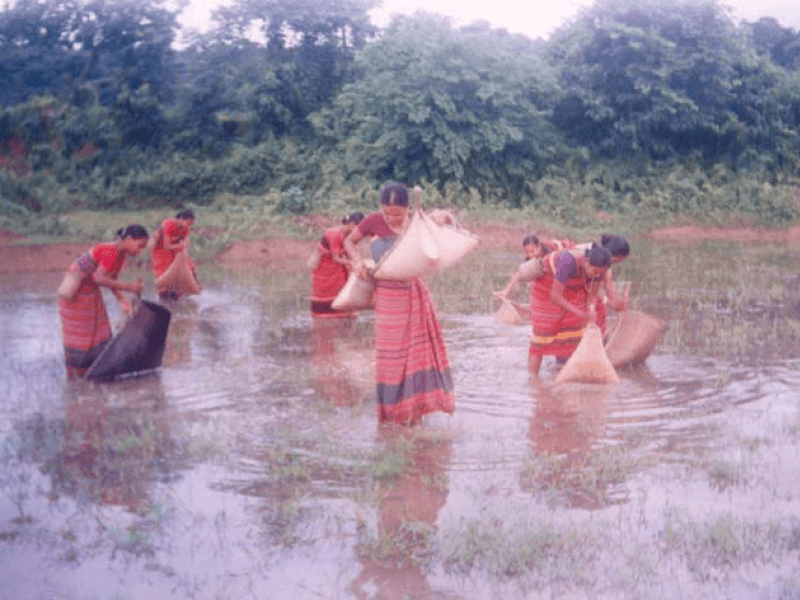
This geographical shift brought about a profound transformation in their way of life. They successfully transitioned from mountain foragers and hill planters to highly skilled plain land farmers. Today, they are renowned for their expertise in wet rice cultivation, harnessing the monsoon rains and fertile lowlands to sustain their growing communities.
In Hajong society, they follow a strict patriarchal system. Authority, property inheritance, and family surnames are channeled through the male members of the household. Their villages are closely knit and typically governed by a respected village head known as a Morol or Gaobura, who takes on the responsibility of resolving internal disputes and guiding communal affairs. Their homesteads perfectly reflect an agrarian lifestyle, usually featuring spacious earthen courtyards utilized for husking paddy, drying crops, and hosting neighborhood gatherings during the busy harvest season.
The spoken language of this group presents a captivating linguistic evolution. The modern Hajong dialect is an Indo Aryan language, heavily influenced by Assamese and Bengali, yet it remarkably retains a noticeable Tibeto Burman substrate from their historical mountain dwelling days. This linguistic blend gives their speech a very unique phonetic character that easily distinguishes them from their immediate neighbors.
A cornerstone of their heritage is their exceptionally rich oral tradition. For generations, wisdom, moral values, and historical accounts have been passed down through captivating folk tales, mythologies, and rhythmic ballads. These stories frequently feature animal fables, ancient tribal heroes, and protective nature spirits. Elders routinely gather the youth under the evening sky to narrate these legends, ensuring that the legacy of their hill origins is never forgotten despite their current lowland existence.
The community practices a form of syncretic Hinduism that is deeply intertwined with ancient animist rituals. While they worship mainstream Hindu deities such as Shiva, Kali, and Durga, they concurrently revere local nature gods and river spirits. This dual belief system beautifully honors their agrarian present as well as their forest dwelling past.
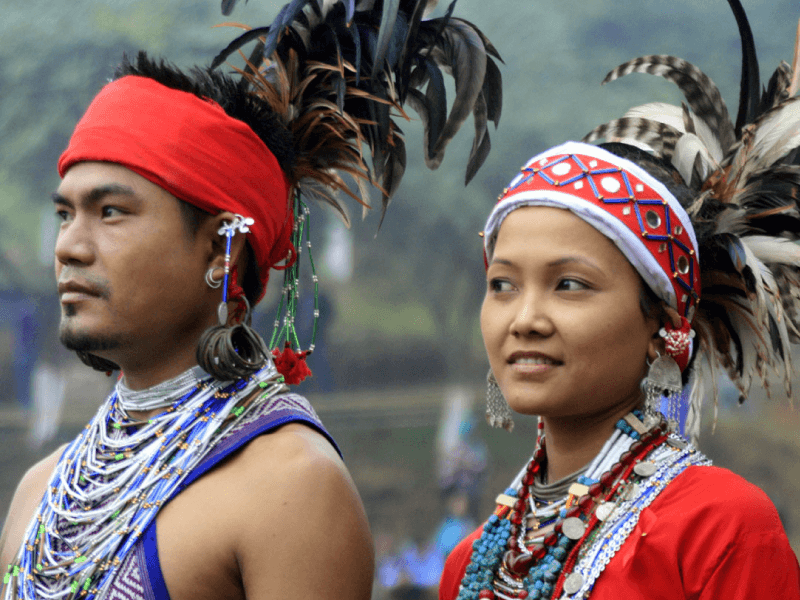
Creative expression among the Hajong is vibrant and deeply tied to the changing seasons and agricultural milestones. Their most celebrated festival is Bishu, marking the end of the Bengali calendar year. During this joyous time, villages come alive with communal feasts, traditional music, and vibrant processions where community members visit neighboring homes to share greetings and special foods. They also devotedly observe Padma Puran, a religious and cultural event dedicated to the snake goddess Manasa, which involves elaborate storytelling sessions and rhythmic chanting lasting late into the night.
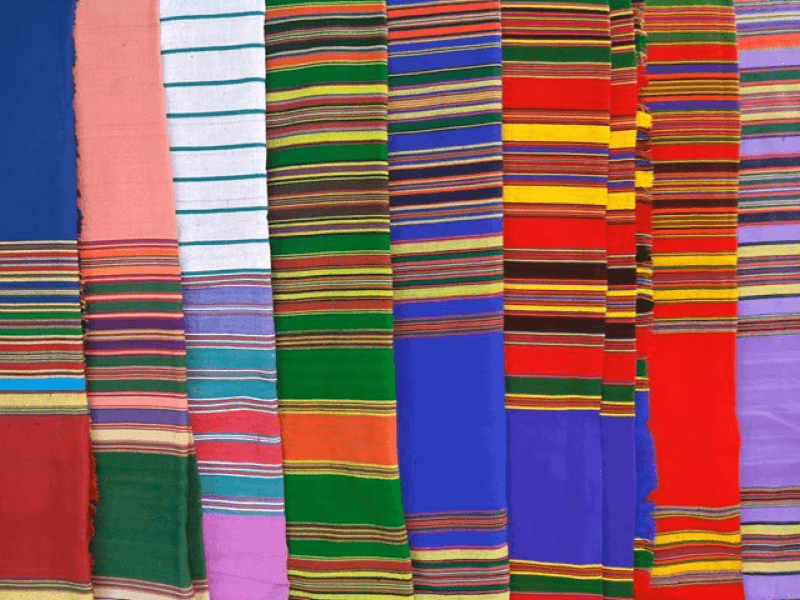
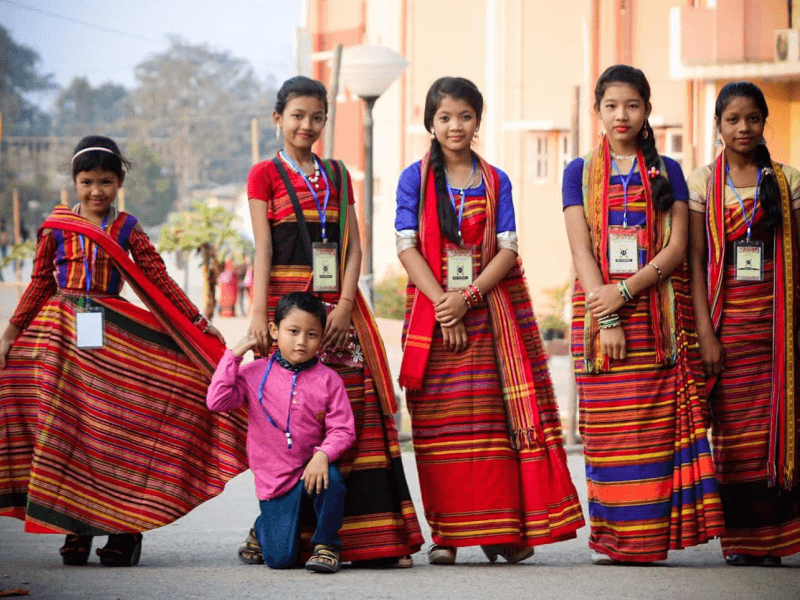
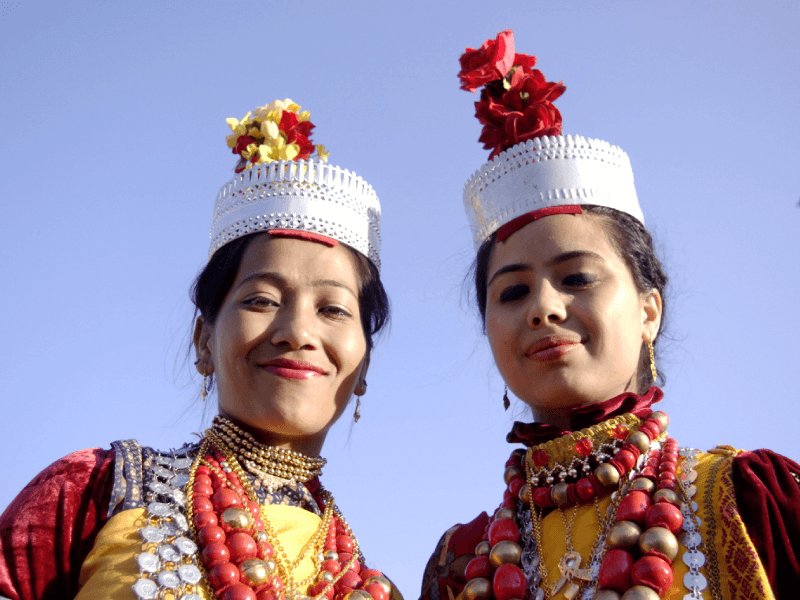
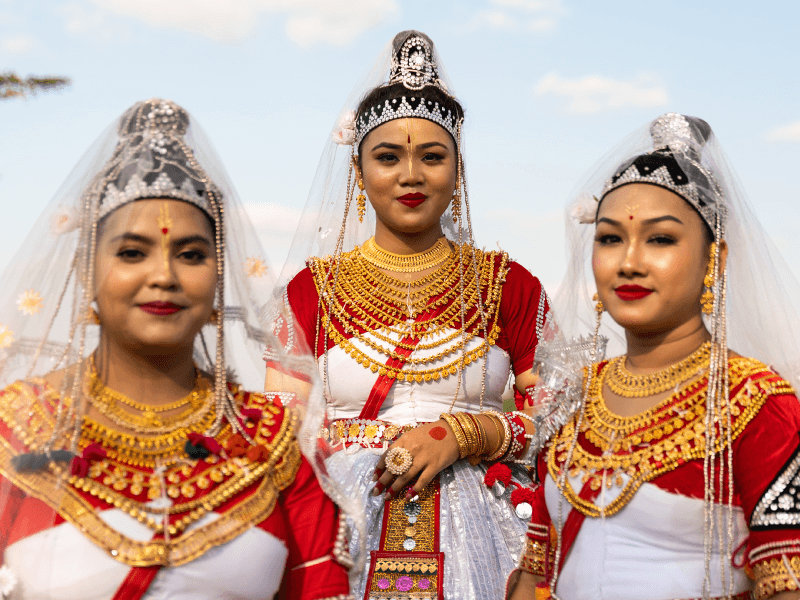
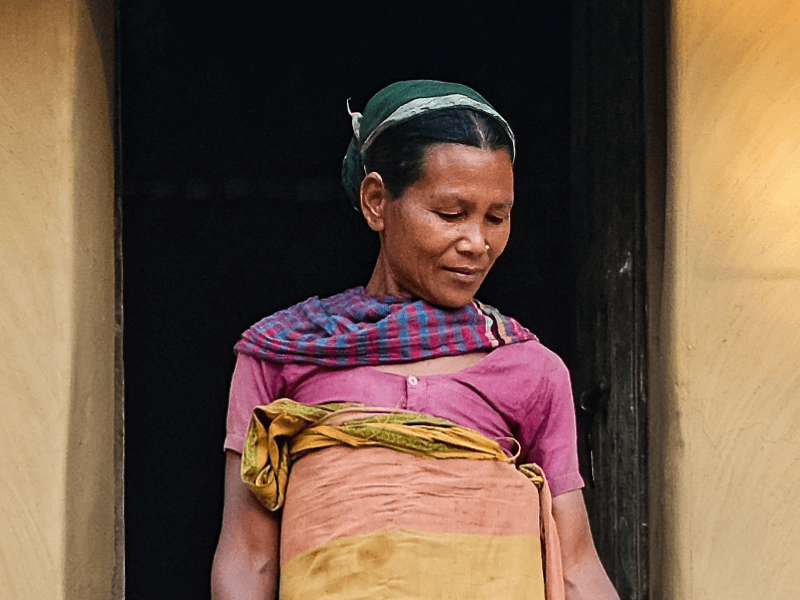
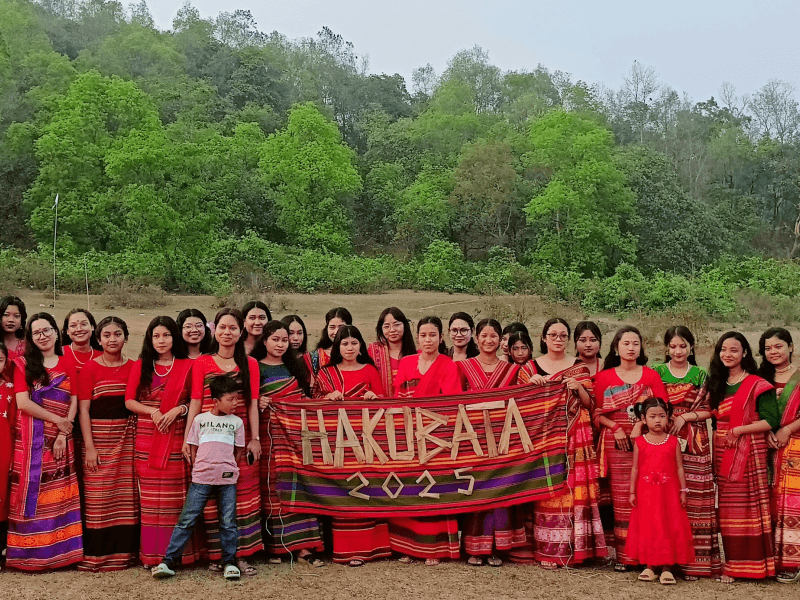
The women of the community are esteemed artisans, particularly in the realm of textile weaving. Operating traditional wooden looms, they produce their own vibrant clothing. The quintessential female attire consists of the Pathani, a wide piece of cloth wrapped around the body featuring striking horizontal stripes, and the Argon, an exquisitely embroidered scarf used for festive occasions. Men traditionally wore a simple woven garment called a Ningti, although modern clothing is now widely adopted across the villages. The weaving process itself is considered a sacred duty passed from mothers to daughters, utilizing bright red, yellow, and green threads that mirror the lush environment surrounding their homes. Furthermore, their craftsmanship extends to creating durable bamboo baskets and farming tools, reflecting a lifestyle beautifully synchronized with the natural resources of the plains.
Immersive Experience
No 360° Videos available
Destination Gallery