
Khasi (Khasia)
The Canopy Farmers of the Matrilineal Punjis
Guardians of the Ancient Eco-Forest Network
Step inside cooperative woodland villages sustained by maternal legacy and canopy farming.
The Khasi people, locally known as the Khasia, represent one of the most culturally distinct and ecologically harmonious small ethnic groups in the northeastern borderlands of Bangladesh. Residing primarily in the lush, rolling landscapes of Moulvibazar, Sylhet, Sunamganj, and Habiganj, this community is a living testament to sustainable forest living. Their unique societal norms, deep respect for nature, and specialized agricultural practices make them a fascinating subject for those looking to understand the diverse heritage of the nation.
The Khasi community provides a remarkable example of how ancestral traditions can thrive beautifully while maintaining a profound ecological balance.
The historical origins of the Khasi community trace back to the neighboring Meghalaya hills, from where they migrated to the forested areas of greater Sylhet centuries ago. One of the most defining characteristics of Khasi society is their matrilineal structure. In this deeply respected system, family lineage, clan identity, and property inheritance are passed exclusively through the female line. The youngest daughter, known as the Khadduh, holds the esteemed responsibility of inheriting the ancestral property, caring for her aging parents, and serving as the lifelong custodian of family rituals. Upon marriage, a Khasi man leaves his childhood home to live permanently with the family of his wife.
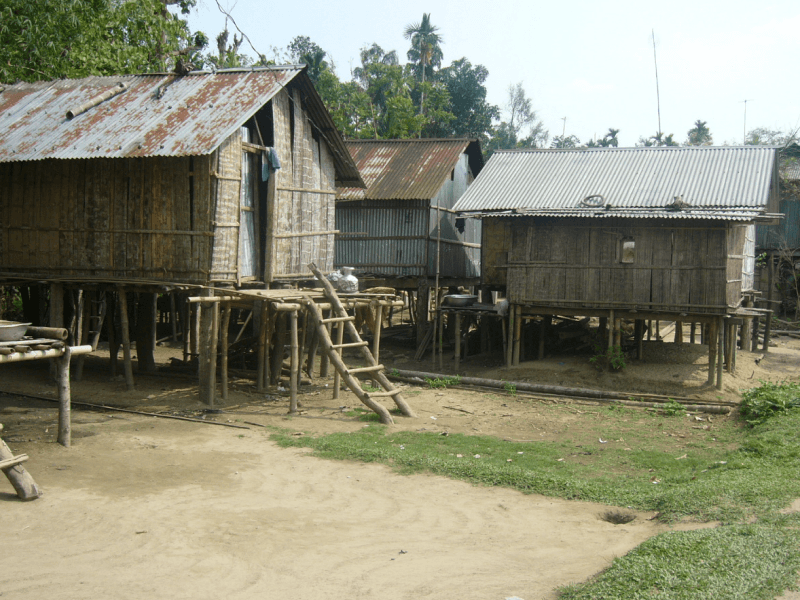
The community resides in uniquely organized village settlements known as Punjis. These Punjis are exclusively located in elevated, densely forested areas or within the green peripheries of expansive tea estates. A Punji is not merely a cluster of houses but a tightly knit cooperative society led by a designated headman called the Mantri. The Mantri, alongside village elders, governs the daily affairs of the settlement and ensures communal harmony. The architecture of a Punji is perfectly adapted to the forest environment, with houses traditionally built on elevated platforms using wood and bamboo, allowing them to blend seamlessly into the dense green canopy of the region.
Linguistically, the Khasi community belongs to the Austroasiatic language family, speaking the distinct and melodic Khasi language. This linguistic heritage sets them apart from many neighboring Sino Tibetan speaking groups and links them directly to ancient populations of the subcontinent. The language is incredibly rich in oral traditions, folklore, and nature based proverbs. Recognizing the vital importance of this linguistic diversity, national educational frameworks are actively supporting the preservation of the Khasi language through specialized early childhood education initiatives.
In terms of spirituality, the historical Khasi faith is deeply rooted in the veneration of a supreme creator and a profound respect for nature spirits dwelling in forests and rivers. Today, the vast majority of the Khasi population in Bangladesh has embraced Christianity. However, the transition in faith has not diminished their ancestral reverence for the environment. Their modern religious observances are beautifully infused with traditional cultural elements, creating a harmonious blend where community prayers and thanksgiving ceremonies heavily reflect their enduring bond with the natural world.
The most renowned cultural and agricultural art of the Khasi people is their traditional cultivation of premium betel leaf, locally known as Khasia Paan. This is a highly sophisticated ecological art form. The community cultivates betel vines that climb high into the natural forest canopies. By using the existing trees as natural trellises, they maintain the forest structure without clearing the land. This sustainable agroforestry yields betel leaves that are famous nationwide for their exceptional quality and taste, forming the absolute economic backbone of the Punjis.
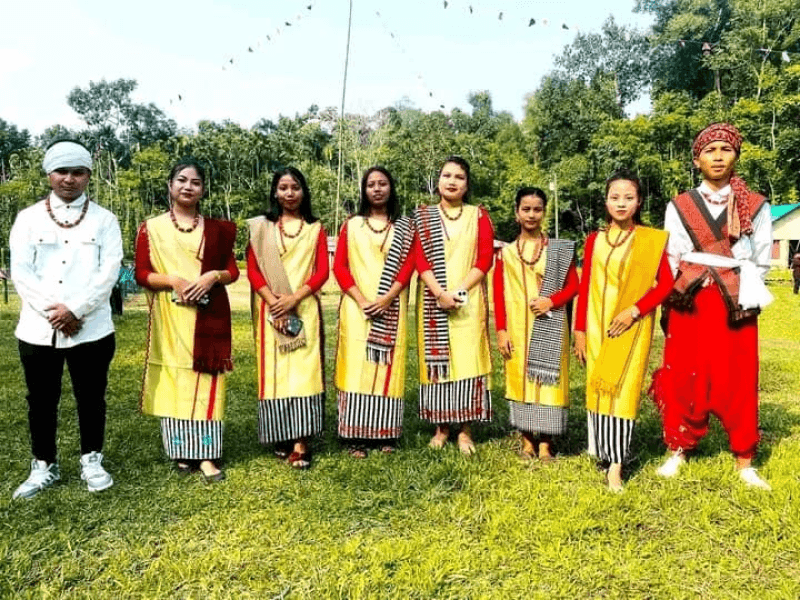
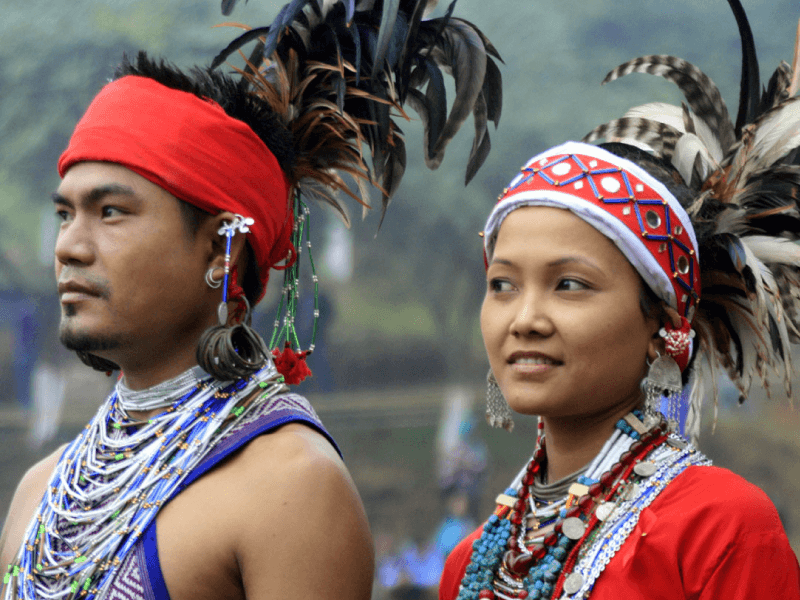
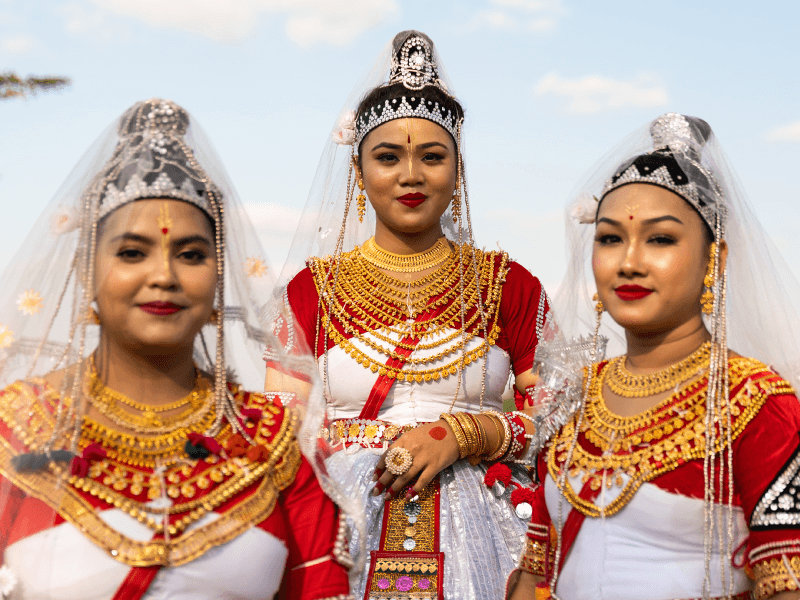
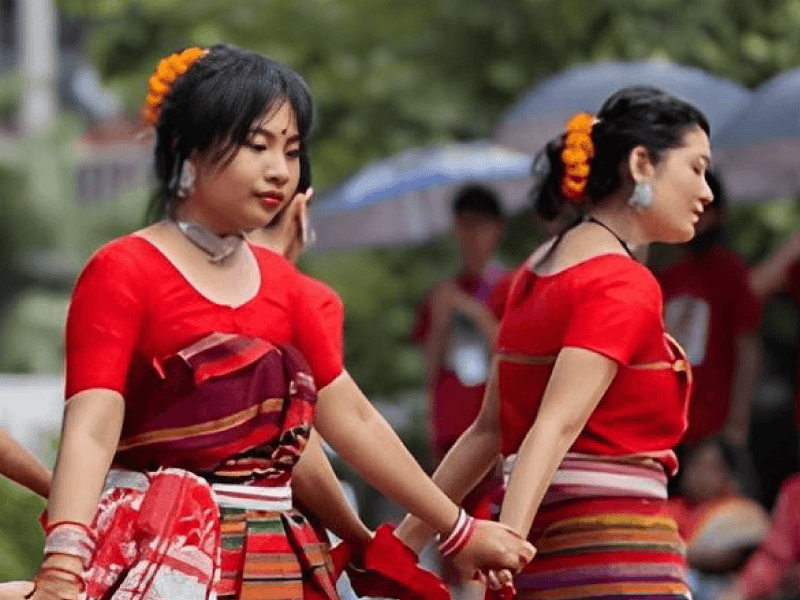
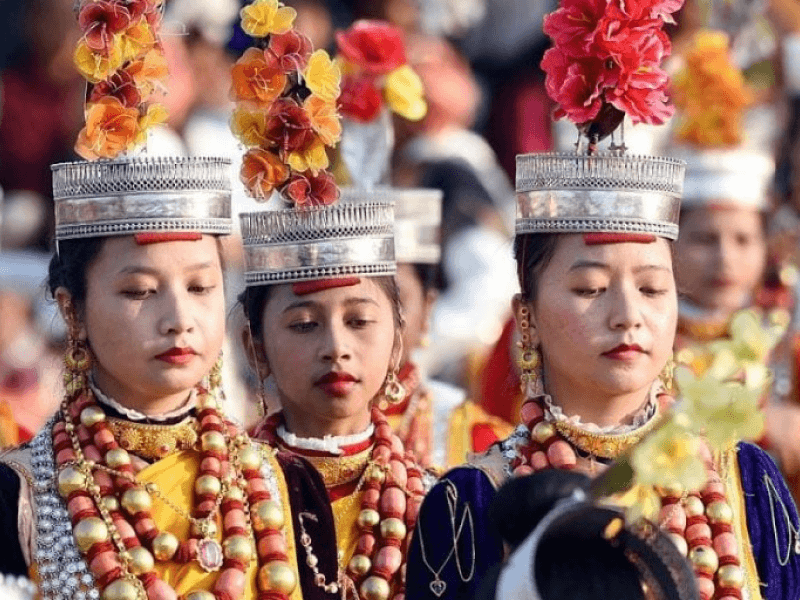
The cultural festivities of the Khasi people are deeply connected to this agricultural cycle and their communal solidarity. They celebrate Khasi Day and various harvest thanksgiving festivals with immense joy and vibrancy. During these celebrations, the community gathers for traditional music and graceful group dances.
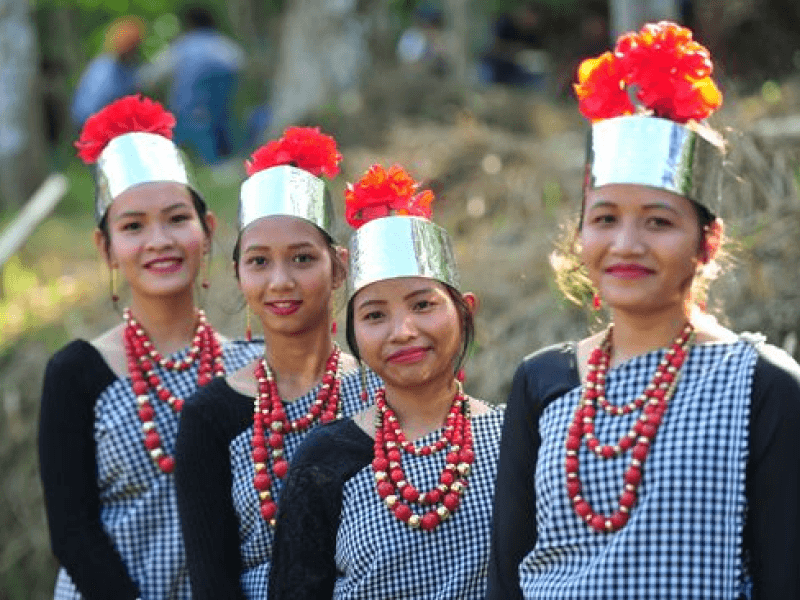
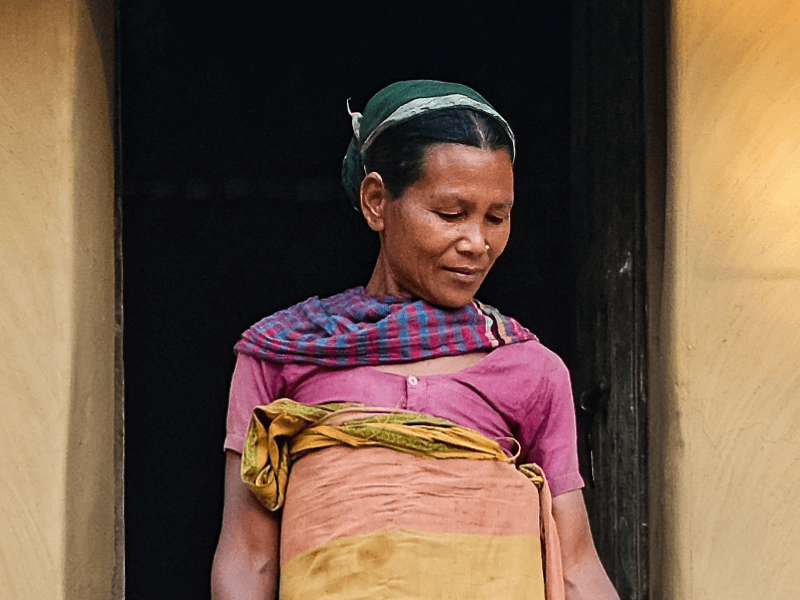
Khasi women wear their elegant traditional attire known as the Jainsem, an intricately draped silk or cotton garment that flows beautifully and is often paired with striking silver and coral jewelry. Through their sustainable canopy farming, matrilineal empowerment, and joyous cultural expressions, the Khasi people continue to enrich the vibrant cultural landscape of the northeastern region.
Immersive Experience
No 360° Videos available
Destination Gallery