
Malpahari
Dravidian Highlanders of the Barind Plains
The Resilient Custodians of Ancient Rajmahal Legacies
Discover a unique plain-land farming society that preserves old-growth mountain memories, ancestral home-blessings, and distinct Dravidian chants.
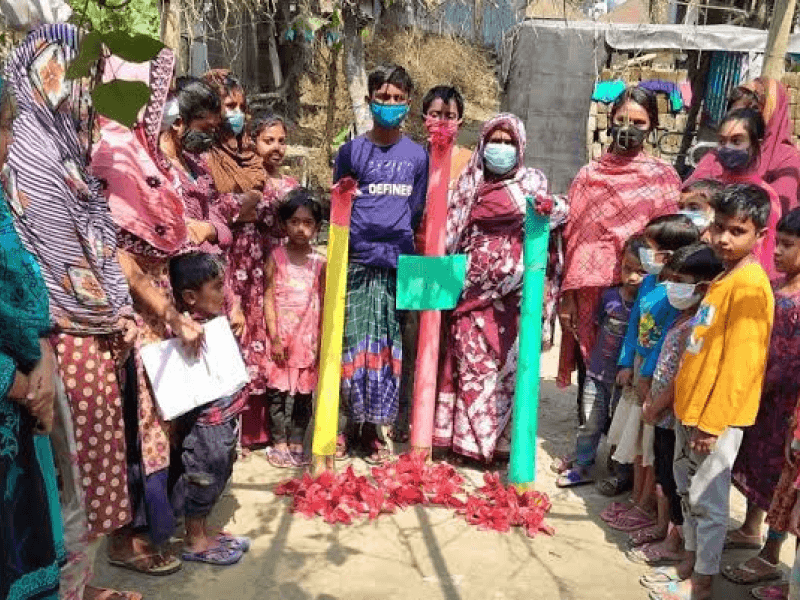
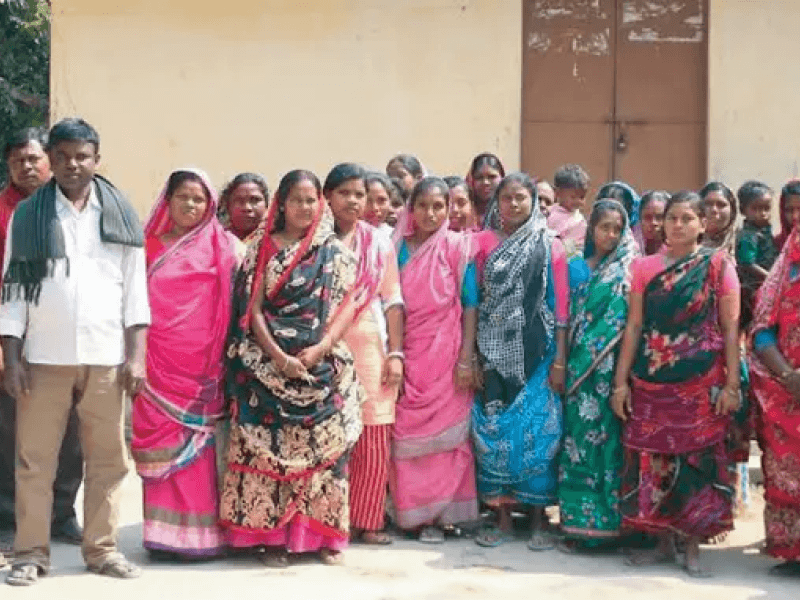
Tucked away in the serene northern districts of Rajshahi, Dinajpur, and Bogura, the Malpahari people offer a captivating story of movement and adaptation. As a recognized small ethnic group in Bangladesh, their presence enriches the vast agricultural tapestry of the region. Visitors exploring these rural landscapes will discover a resilient community that has beautifully preserved its ancient identity while embracing the rhythms of the flatlands. Their lifestyle provides a quiet yet profound glimpse into a heritage built entirely on survival, community strength, and an unbroken connection to the natural world.
The historical narrative of this community is a remarkable tale of migration. Centuries ago, the ancestors of the Malpahari resided in the rugged, forested terrains of the Rajmahal hills, located in present day Jharkhand, India. Over time, seeking better agricultural prospects and a more stable livelihood, they gradually descended from their mountainous highland homes and journeyed eastward. They eventually settled in the fertile, alluvial plains of Bengal. This dramatic shift in geography required immense resilience. They had to transform their traditional hunting and foraging skills into the demanding art of plain land farming.
Today, their villages reflect this deep agrarian focus. The society is organized under a patriarchal system where family decisions and property ownership are passed down through the male lineage. However, the true strength of a Malpahari settlement lies in its collective harmony. Every village operates like an extended family. Neighbors constantly share their daily workload, especially during the demanding planting and harvesting seasons. Their homes are modest, peaceful earthen structures built close together. The neatly swept courtyards serve as communal spaces where elders gather to share ancient memories of their highland origins, ensuring that the younger generation never forgets the journey of their ancestors.
The spiritual life of the Malpahari community is deeply fascinating. It presents a unique blend of ancestral nature worship intertwined with local regional practices. Having historically depended on the deep forests for survival, their religious worldview remains firmly anchored in the environment. They hold a profound belief in the absolute power of natural elements, actively worshiping the sun, the earth, and the ancient spirits of the wild. While a supreme creator is highly revered, everyday devotion is frequently directed toward protective deities that are believed to safeguard their vital crops and livestock from disease or unpredictable natural disasters.
Furthermore, the community places a heavy emphasis on honoring their direct ancestors. During major agricultural milestones, families perform specific rituals to invite the spirits of their forefathers into their homes, offering them the very first yields of the seasonal harvest. This sacred practice creates a beautiful, continuous bridge between the past and the present. Linguistically, their ancestral tongue is Malto, an ancient language belonging to the Dravidian family. While many community members have seamlessly adopted the local Bengali dialect for daily communication and regional trade, the historical echoes of Malto still survive beautifully in their sacred chants, traditional lullabies, and evening storytelling.
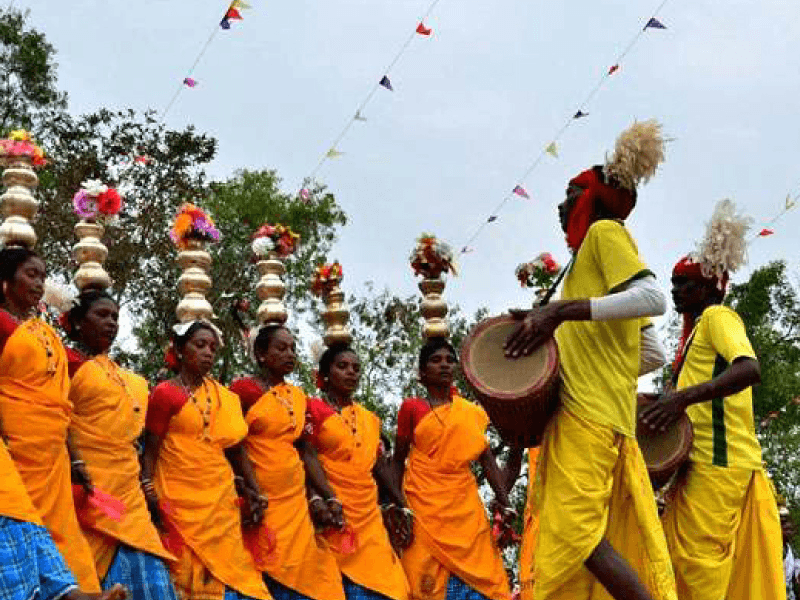
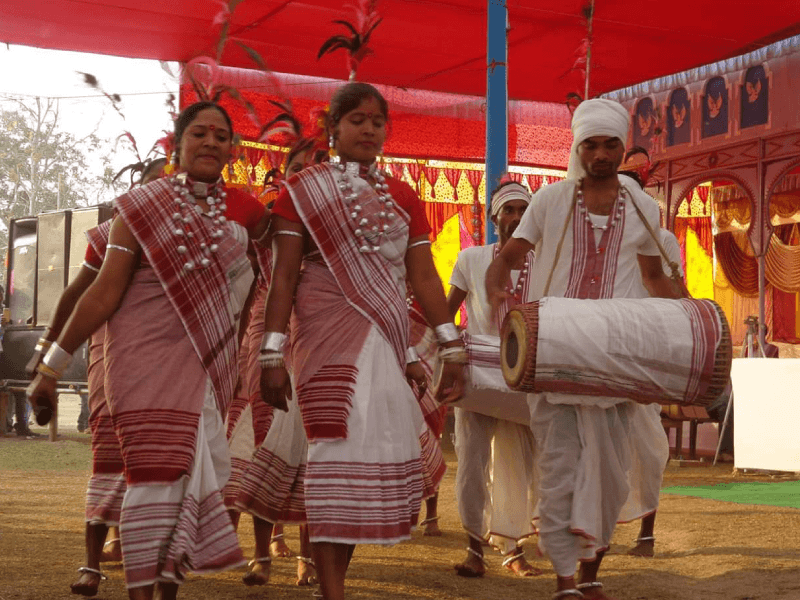
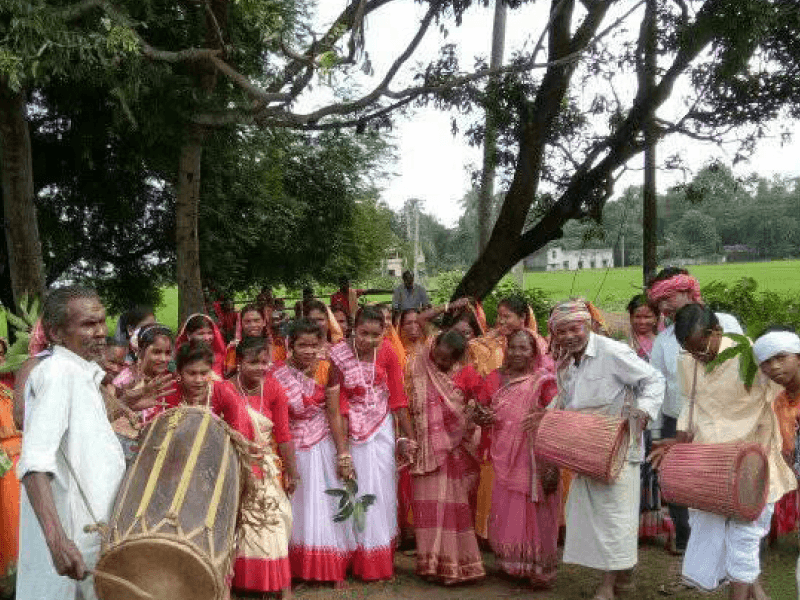
The cultural expressions of the Malpahari are intimately tied to the soil they cultivate. Their artistry is not found in grand monuments, but rather in the quiet beauty of their daily agricultural routines. Every season brings its own set of rituals and joyful gatherings. When the winter harvest is successfully brought into their earthen storage bins, the entire village erupts in celebration. These harvest festivals are marked by communal feasts, joyous singing, and rhythmic group dances. Men and women gather together under the open sky to celebrate the abundance provided by the earth.
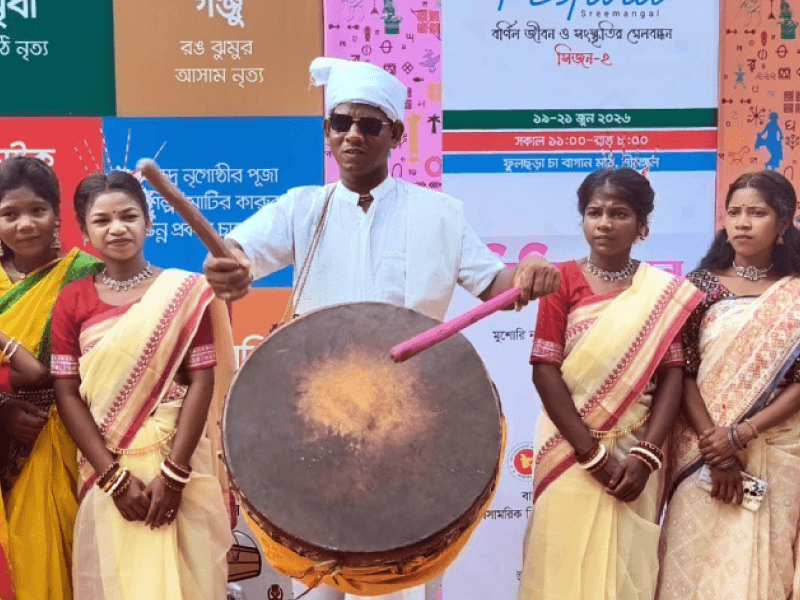
During these highly festive moments, the community plays traditional handmade drums and bamboo flutes, creating melodies that carry the distinct historical flavor of their hill dwelling past. The women wear simple, brightly colored saris adorned with wild flowers and cherished silver ornaments, while the men dress in comfortable woven garments suited for the celebratory dances. Through their deep respect for nature, their enduring agricultural spirit, and their rich oral histories, the Malpahari community continues to stand as a beautiful testament to the diverse and resilient heritage of the northern plains.
Immersive Experience
No 360° Videos available
Destination Gallery