
Mahali
Architects of the Woven Bamboo Groves
The Essential Crafting Guild of the Northern Plains
Discover an extraordinary artisan society that transforms raw forest timber into the structural backbone of the regional agrarian economy.
Spread across the fertile northern districts of Naogaon, Rajshahi, and Dinajpur, the Mahali people occupy a highly esteemed position among the small ethnic groups of Bangladesh. While many rural communities dedicate their lives entirely to tilling the soil, this vibrant group has woven a completely different destiny. They are universally recognized across the nation as unparalleled masters of bamboo and cane craftsmanship. Their extraordinary ability to transform simple forest materials into vital agricultural tools makes them a cornerstone of the regional farming economy. Observing their way of life offers a profound appreciation for traditional artistry and the quiet dignity of manual labor.
The relationship between the Mahali people and bamboo is wonderfully profound. To them, the bamboo grove is not merely a source of raw material; it is a vital life force that sustains their families and their heritage. The creation process is a mesmerizing display of generational skill.
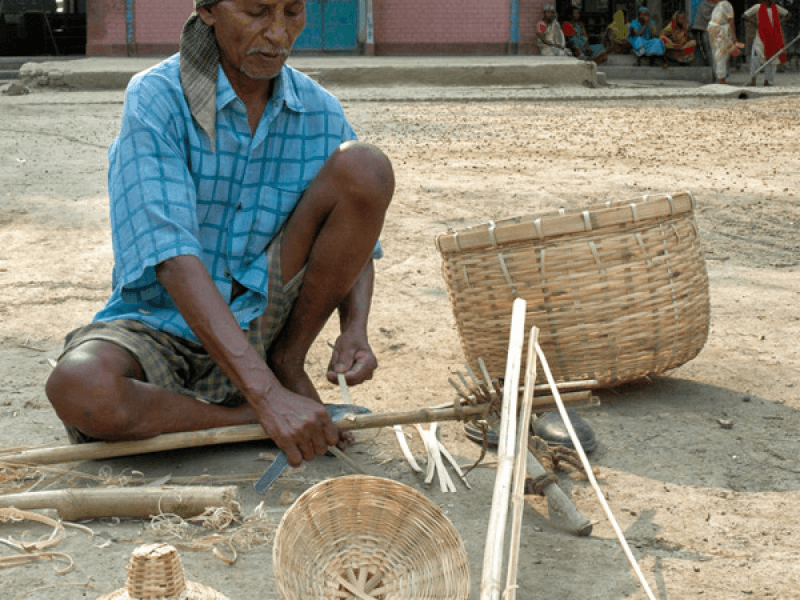
From a very young age, children observe their parents expertly slicing thick bamboo stalks into incredibly thin, pliable strips. Without the use of any modern machinery, these artisans rely entirely on specialized handmade knives and decades of muscle memory. They expertly weave these delicate strips into an impressive variety of highly functional items.
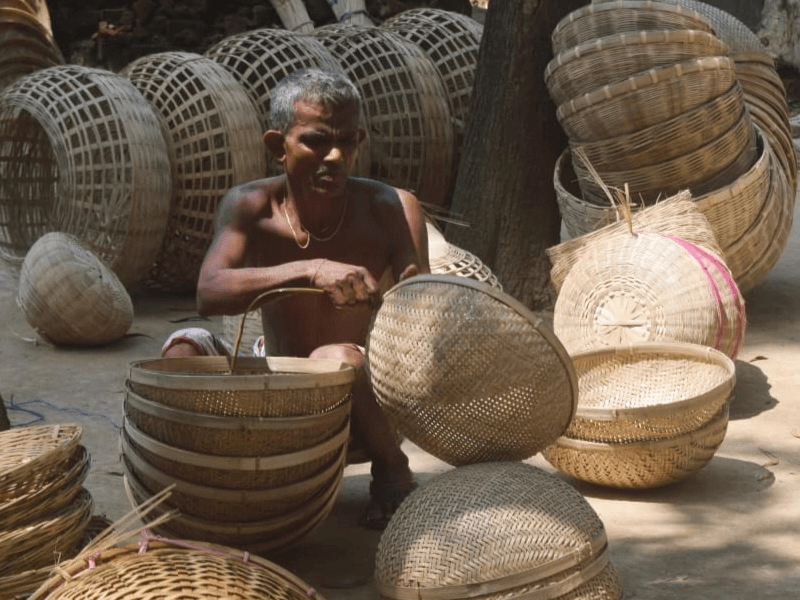
Farmers across the northern plains depend heavily on Mahali creations to process and protect their harvests. The artisans produce massive, durable storage baskets that keep harvested paddy safe from moisture and pests throughout the year. They weave wide, perfectly balanced winnowing fans used to separate golden grain from the chaff in the wind. Their intricately designed fishing traps are essential for local fishermen navigating the rivers and wetlands. The strength, longevity, and structural perfection of these handmade goods ensure that Mahali craftsmen are always in high demand at the bustling weekly village markets. Their artistic labor directly supports the broader agricultural success of the entire region.
Life within their settlements reflects a beautiful spirit of cooperation. A typical village is a hive of shared activity. Instead of working behind closed doors, families gather in open earthen courtyards under the warm sun to weave together. This communal work environment fosters deep social bonds among neighbors.
While the society is traditionally patriarchal, with inheritance passing through the male line, the vital economic contributions of women in the weaving process earn them immense respect and authority within the household. The men generally undertake the strenuous tasks of sourcing and transporting the heavy cane from distant groves, while women often excel at the intricate detailing and final finishing of the baskets. A local council led by a respected elder ensures that village life remains peaceful and collaborative.
The cultural identity of this community is also deeply rooted in their unique linguistic heritage. They speak the Mahali language, which belongs to the ancient Austroasiatic family and shares close phonetic ties with the Santali tongue. This native language acts as the vessel for their rich oral traditions. Even though they effortlessly converse in local Bengali dialects to conduct business in the markets, their mother tongue brings their folk songs, ancient myths, and evening storytelling to life around the courtyard fires.
Their spiritual beliefs beautifully mirror their reliance on the natural world. Practicing a harmonious blend of indigenous animism and regional Hinduism, the community holds a deep reverence for the earth. They believe that protective spirits reside within the forests and the very bamboo groves they harvest. It is a common practice to offer silent prayers of gratitude to nature before cutting down any materials, ensuring they maintain a respectful ecological balance.
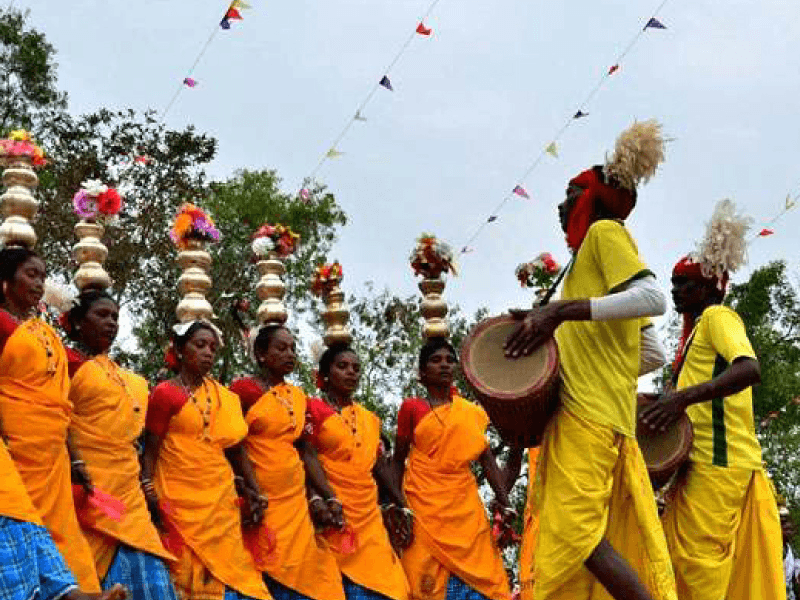
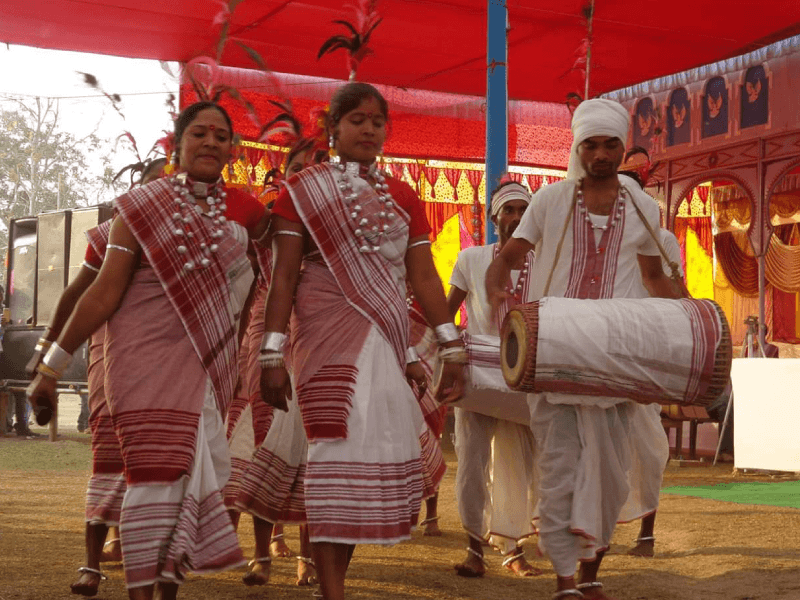
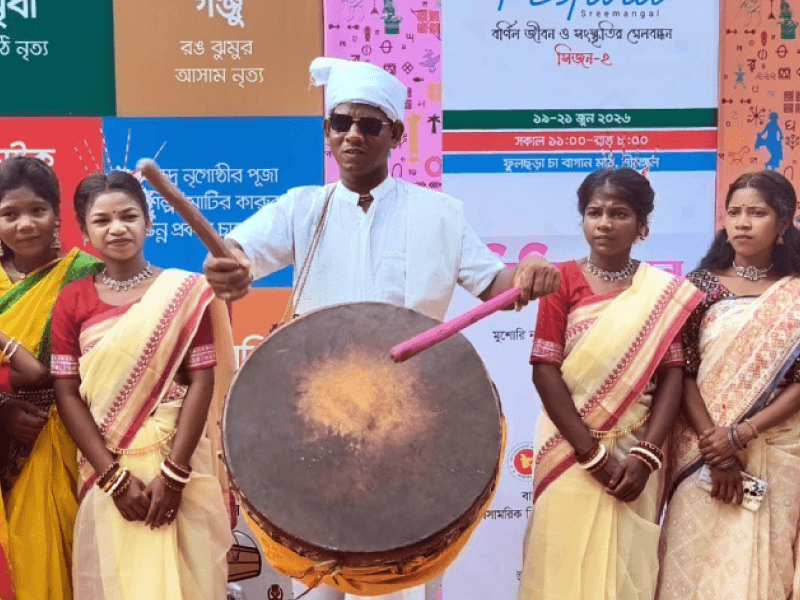
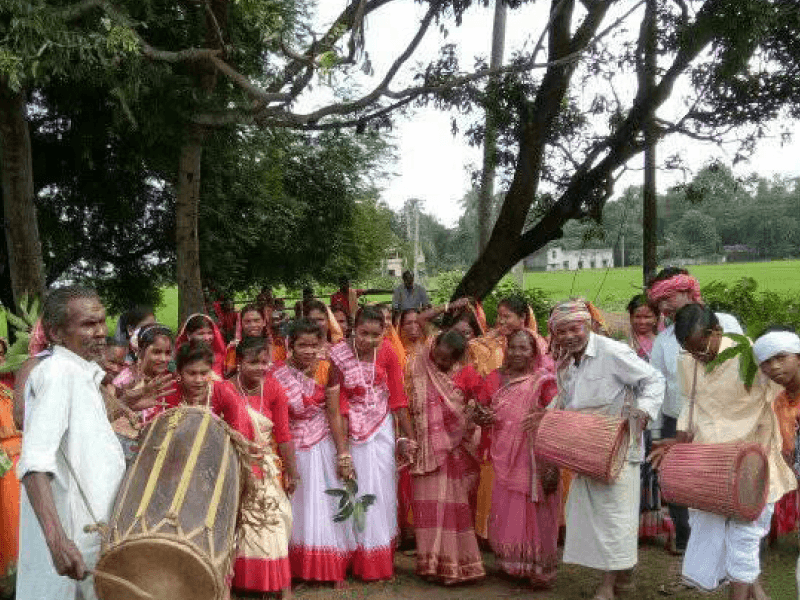
When the festive season arrives, especially during major celebrations like Durga Puja and their own traditional harvest thanksgiving, the weaving tools are finally set aside. The villages come alive with the deep, resonant sounds of traditional drums. Men and women dress in bright garments to perform joyous group dances, celebrating the blessings of the year. The Mahali people thus weave a legacy of resilience, ecological respect, and artistic brilliance that profoundly enriches the cultural landscape of the country.
Immersive Experience
No 360° Videos available
Destination Gallery