

Ashtagram Cheese / Paneer
A celebrated local taste shaped by skilled makers and the food culture of Kishoreganj.
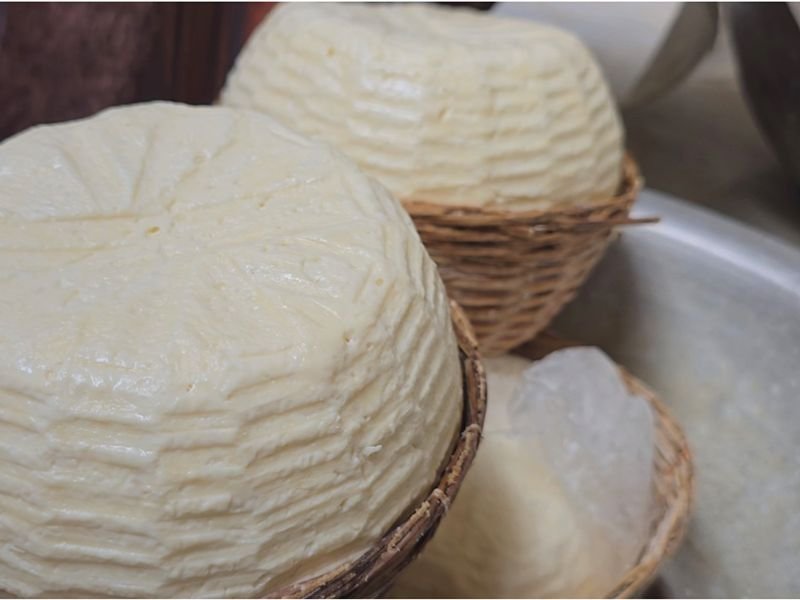
Go straight to the source in Kishoreganj and taste Ashtagram Cheese / Paneer fresh.
Deep within the vast, water-bound haor wetlands of Kishoreganj lies a remarkably unique dairy tradition known as Ashtagram Cheese, or local paneer. This distinctive white cheese has been crafted in the small, riverine town of Ashtagram for nearly four centuries. The history of this delicacy traces back to the Mughal era. Regional leaders recognized the incredible potential of the local cattle, which fed heavily on lush wetland pastures. For generations since, dedicated local artisan families have kept the original, handmade techniques alive. Today, this cheese stands as a magnificent symbol of Bangladesh's rural culinary heritage. It offers a taste profile that is completely different from ordinary dairy products. The production of Ashtagram Cheese is an entirely natural, unhurried process that rejects modern industrial shortcuts.
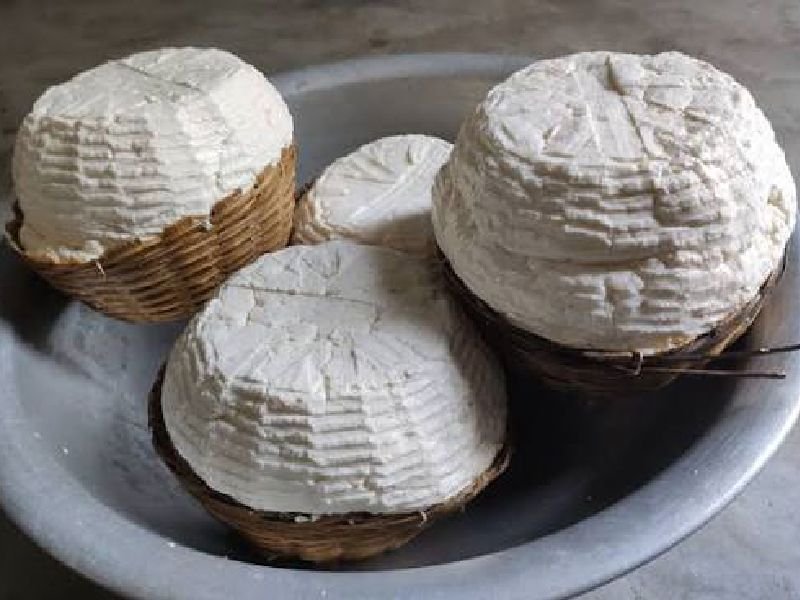
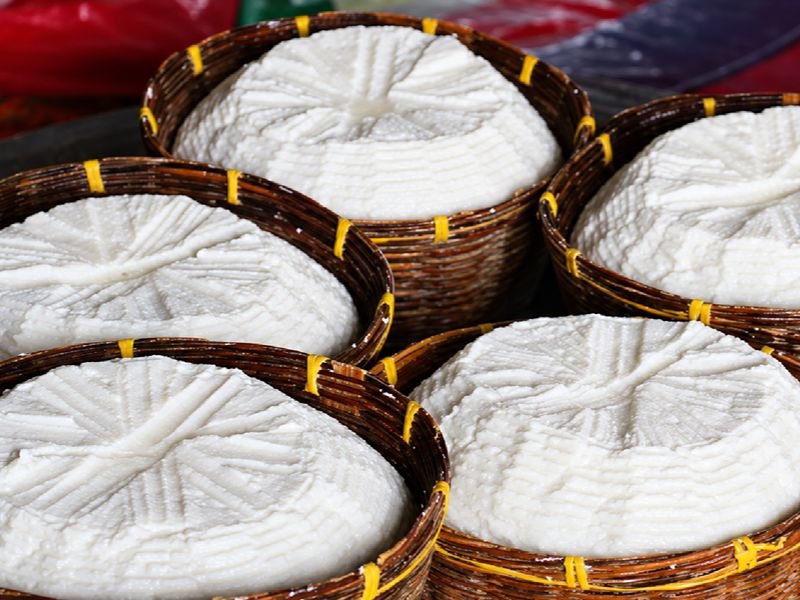
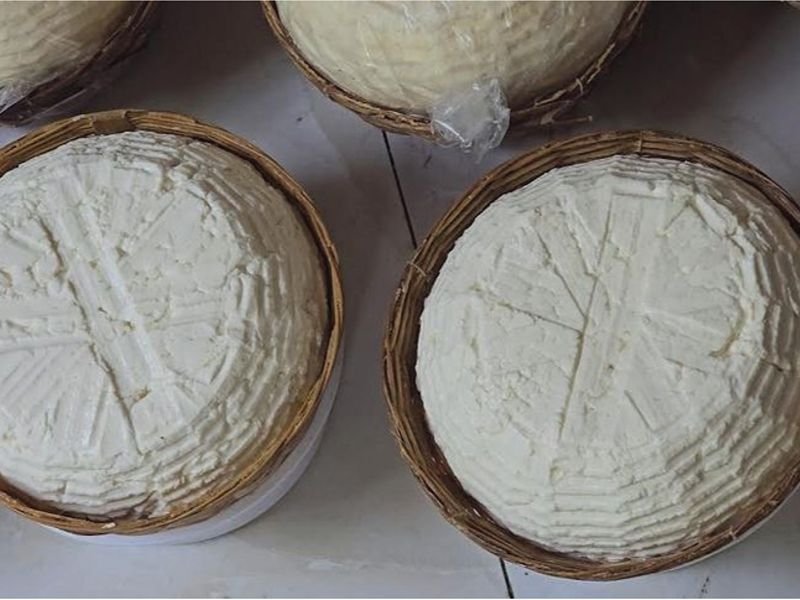
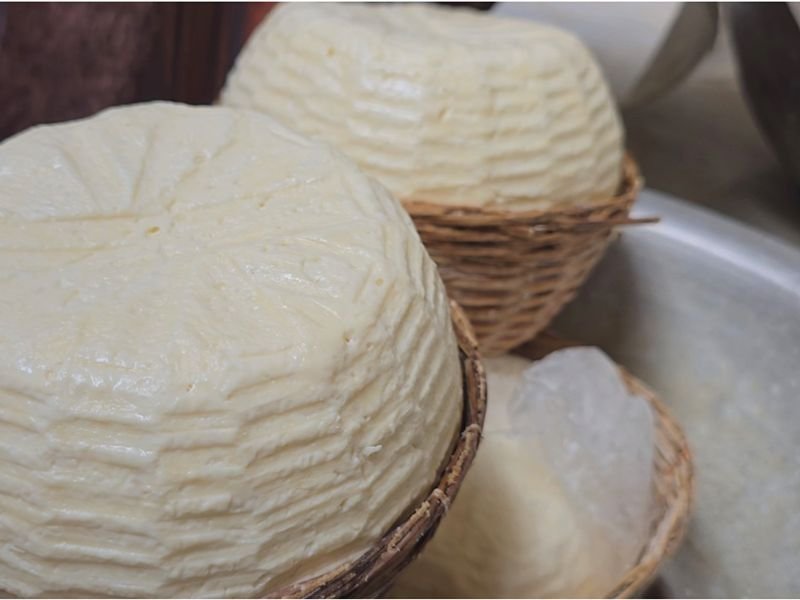
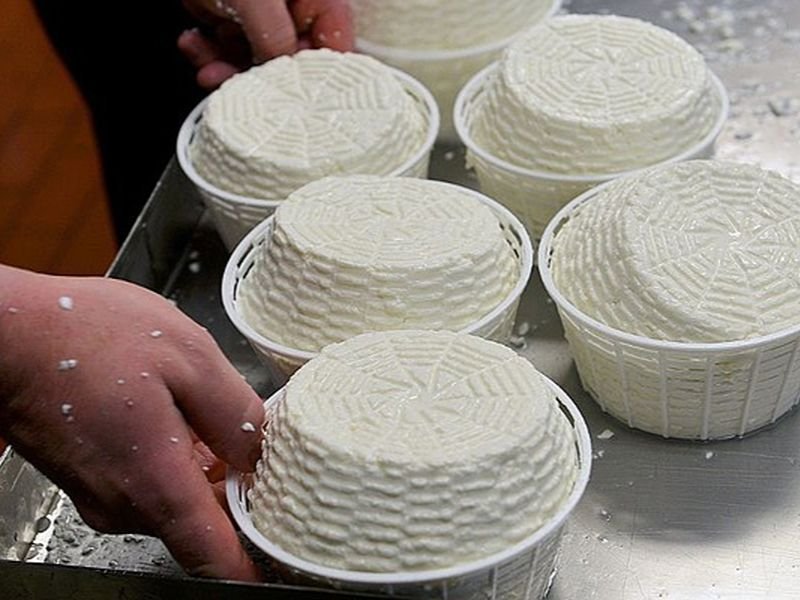
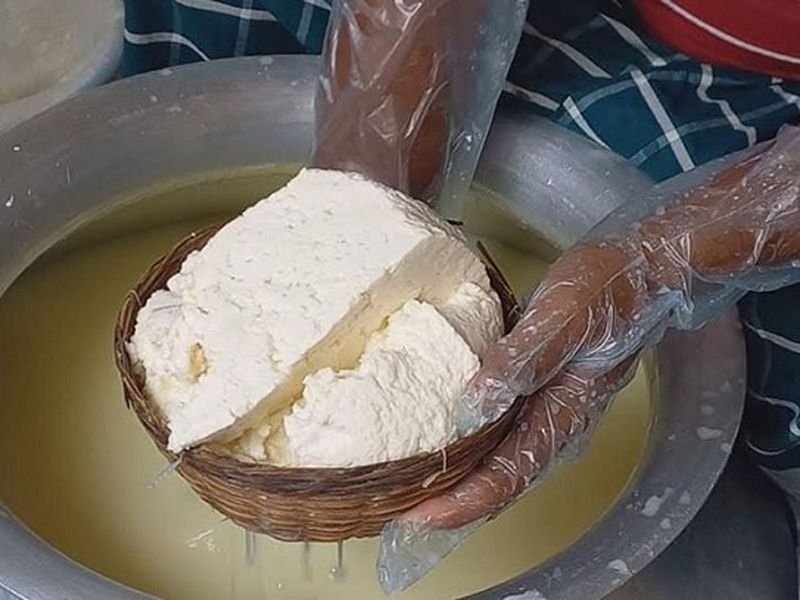
Artisans rely exclusively on the rich, full-fat milk provided by local cows and buffaloes grazing along the marshes. The fresh milk is gently curdled using natural, aged whey rather than synthetic acids. Once the milk separates, the soft cheese is carefully strained. It is then packed into specially woven bamboo molds. This traditional molding technique gives the cheese its classic round shape and allows the excess moisture to drain perfectly. A generous amount of salt is added during this stage. The salt acts as a natural preservative and develops the cheese's signature sharp flavor. Visually, this local paneer presents itself as a firm, white, semi-hard disc. Unlike the soft, melting cheeses of the West or the spongy, unsalted paneer commonly found in city supermarkets, Ashtagram Cheese carries a wonderfully dense, crumbly texture.
The flavor is deeply rich, slightly tangy, and distinctively salty. This robust profile makes it an incredibly versatile ingredient in Bengali kitchens. It can be crumbled over warm, flaky parathas, mixed into savory baked goods, or enjoyed in small pieces alongside a hot cup of evening tea. The high salt content ensures it can be stored for long periods without losing its quality. This was a practical necessity born out of the isolated wetland geography.
Immersive Experience
No 360° Videos available
Destination Gallery
Shital Pati of Bangladesh
Handmade heritage, patient skill and a living design tradition from Sylhet region.
Explore More
Sylhet Monipuri Saree
Handmade heritage, patient skill and a living design tradition from Sylhet.
Explore More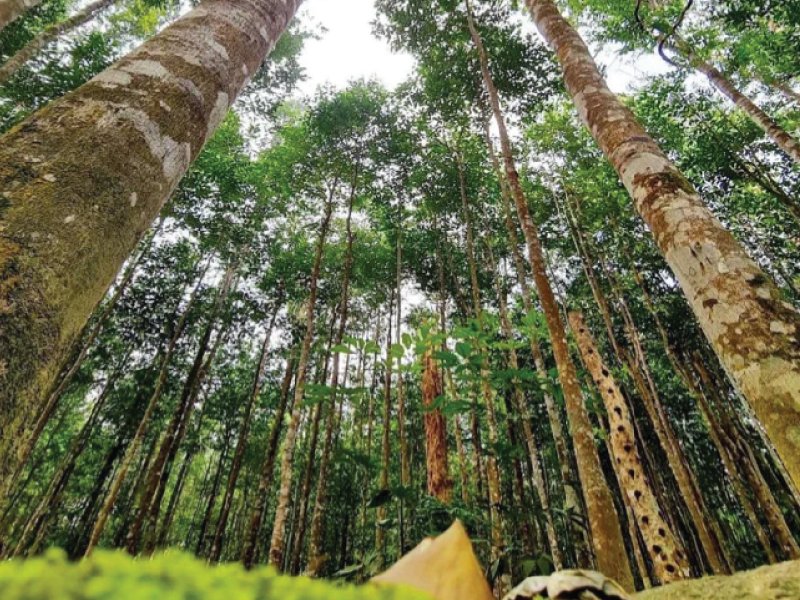
Moulvibazar Agar
A rare aromatic tradition rooted in the agar-growing landscape of Moulvibazar.
Explore More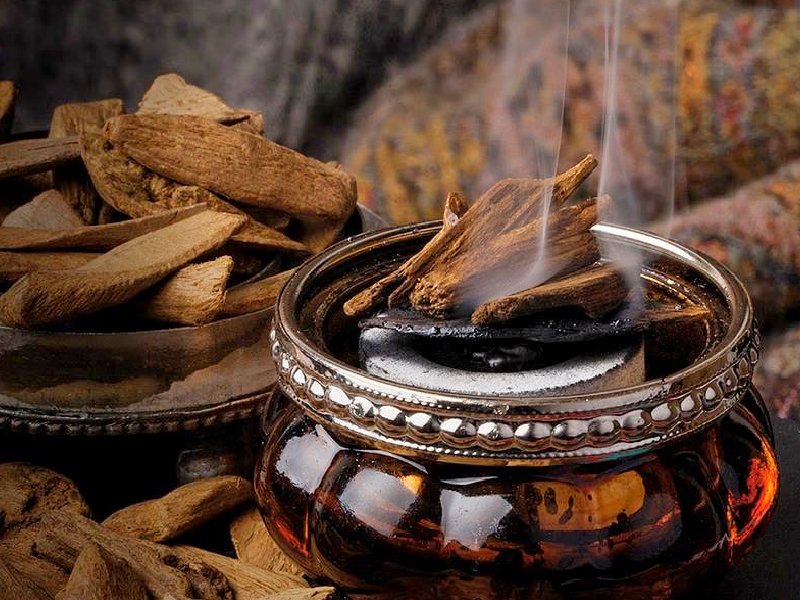
Moulvibazar Agar Attar
A rare aromatic tradition rooted in the agar-growing landscape of Moulvibazar.
Explore More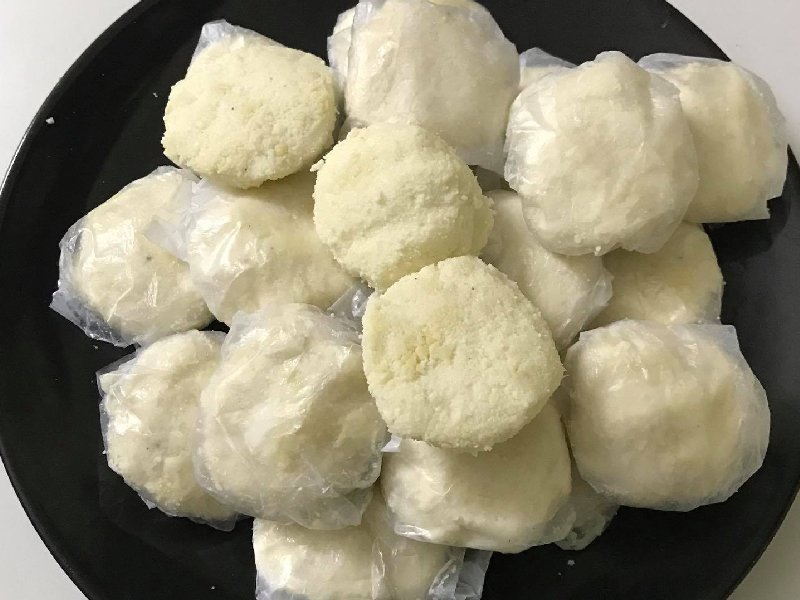
Muktagacha Monda
A celebrated local taste shaped by skilled makers and the food culture of Mymensingh.
Explore More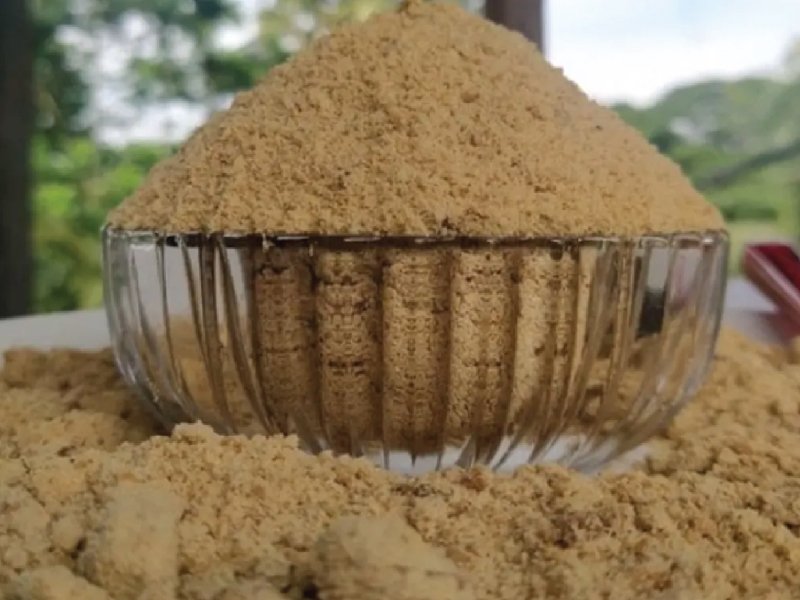
Fulbaria Lal Chini / Red Sugar
A recognised regional treasure shaped by the people and landscape of Mymensingh.
Explore More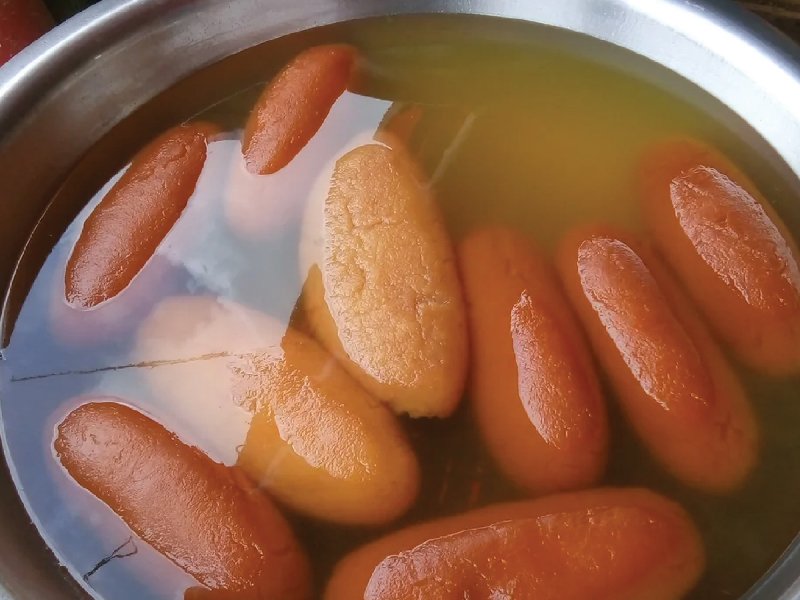
Netrokona Balish Mishti
A celebrated local taste shaped by skilled makers and the food culture of Netrokona.
Explore More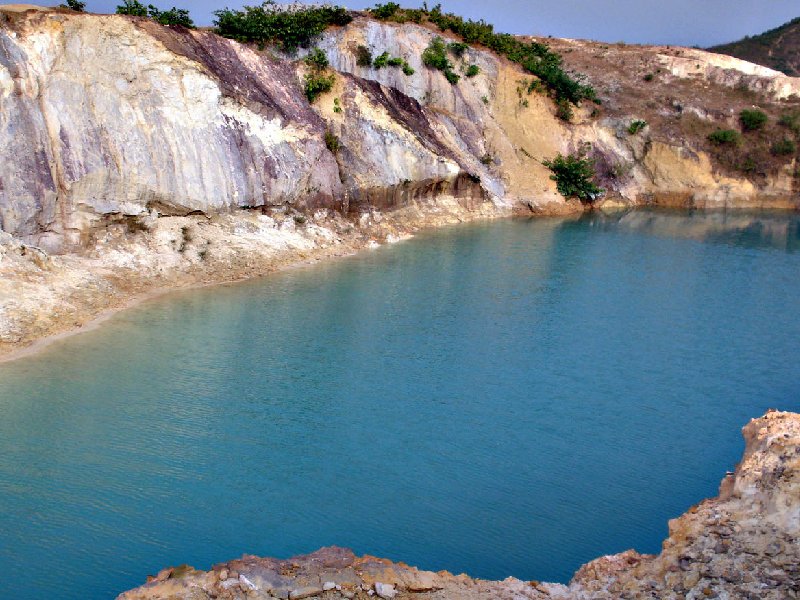
Bijoypur White Clay
A pale geological treasure found beside the blue-green frontier of northern Netrokona.
Explore More