Winter Date Palm Juice Extraction
The cold-season craft behind Bangladesh's date palm jaggery
Sweetness of Winter. Follow the Journey from Palm Sap to Golden Gur.
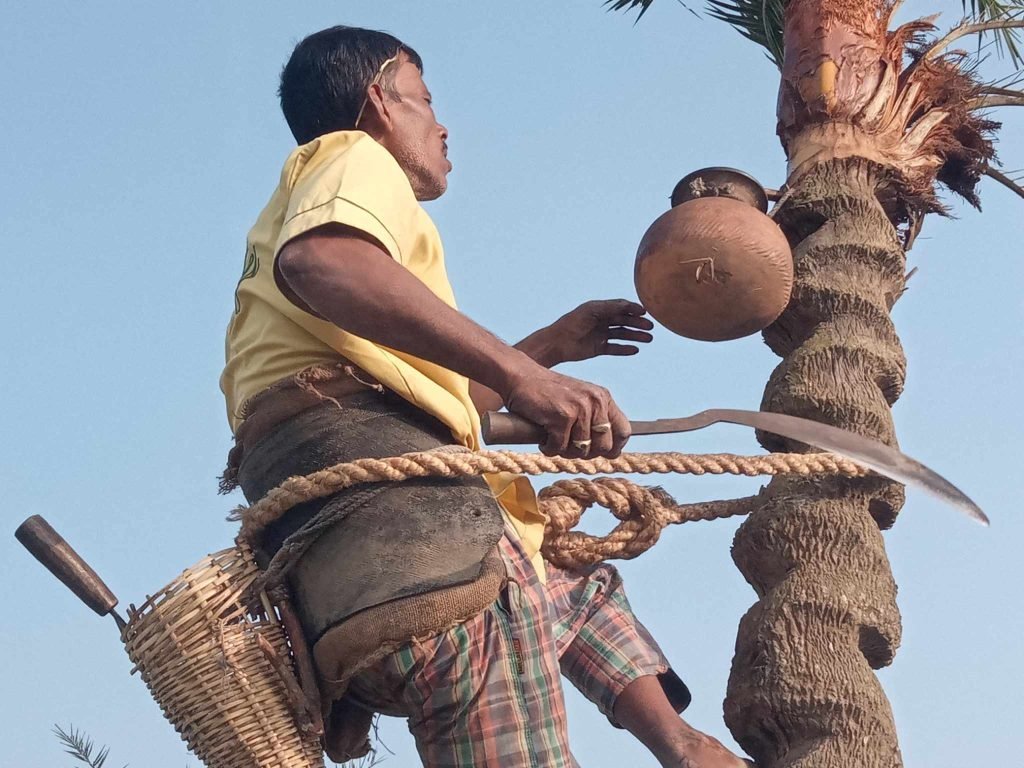
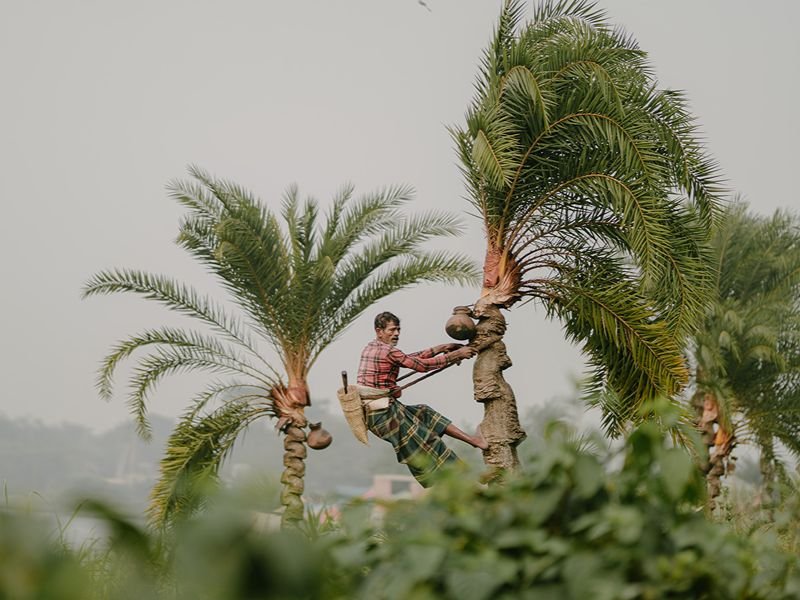
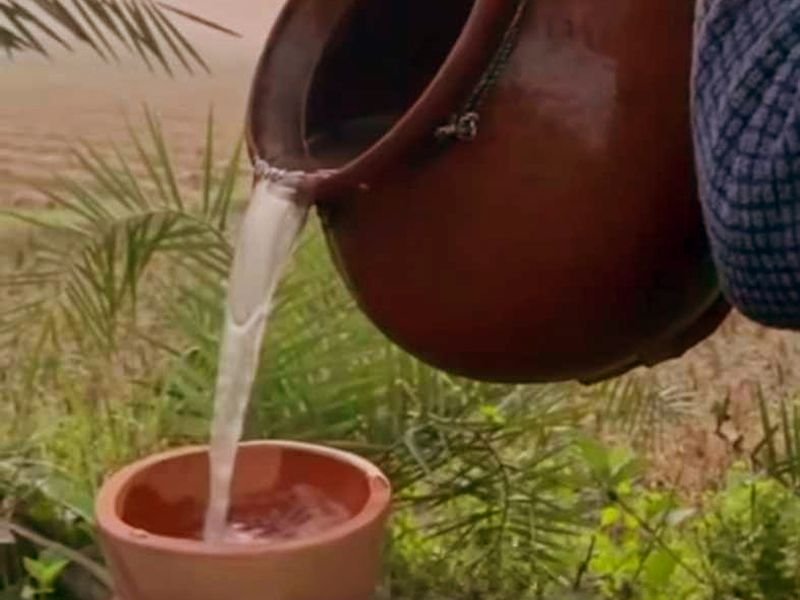
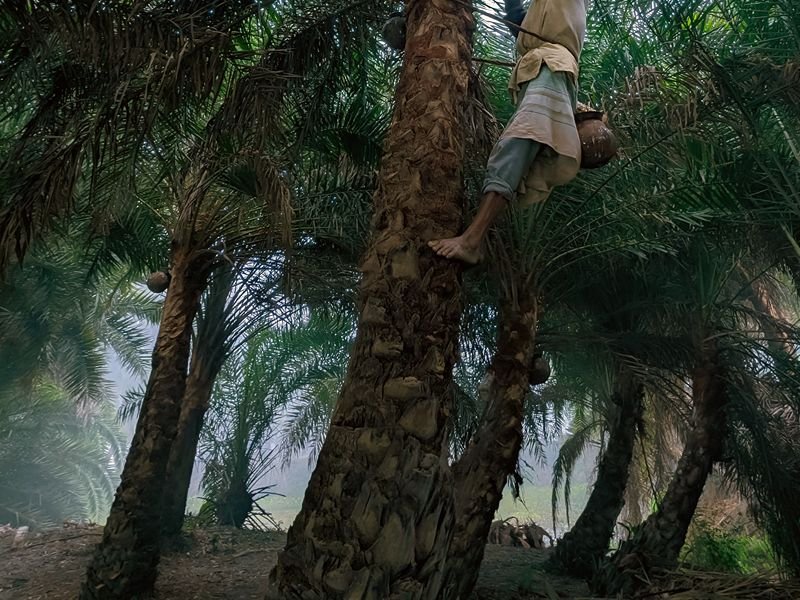
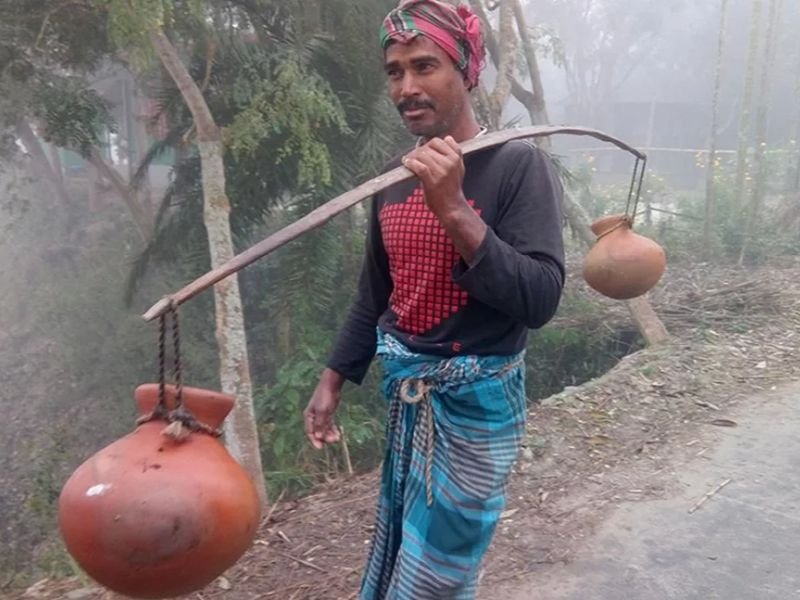
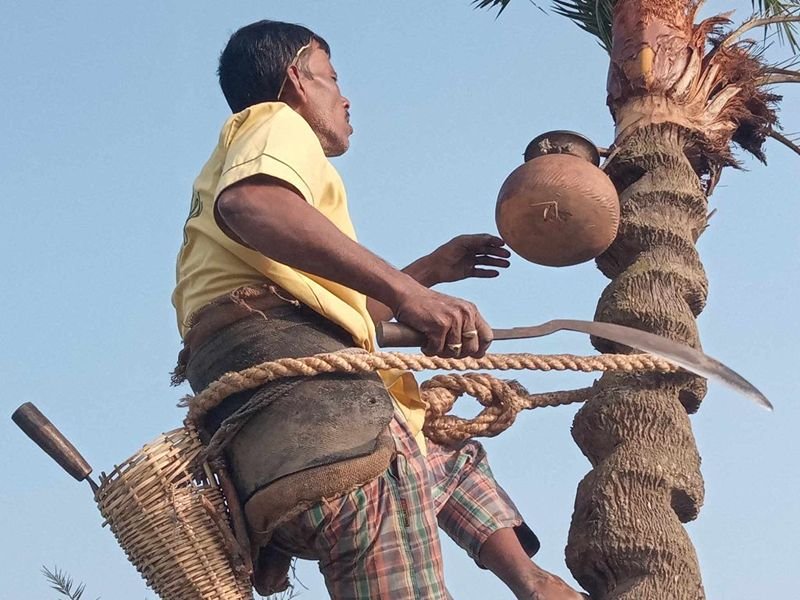
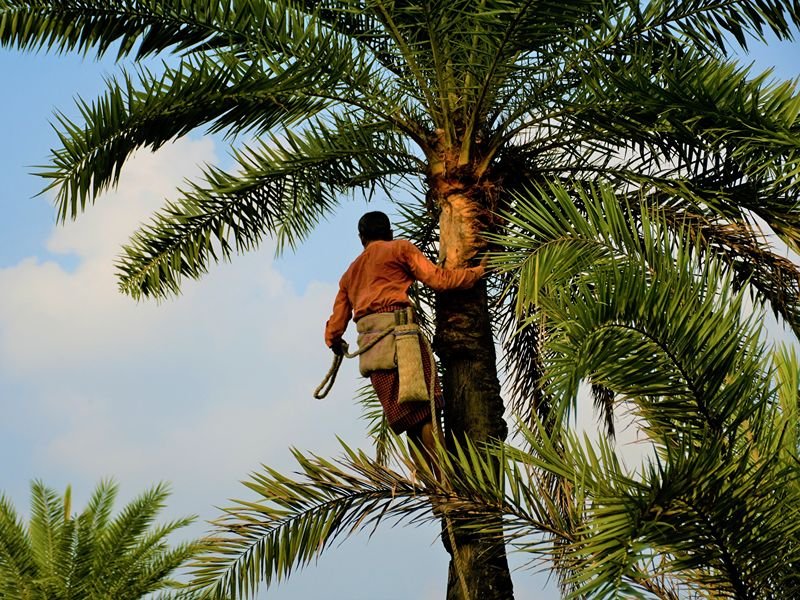
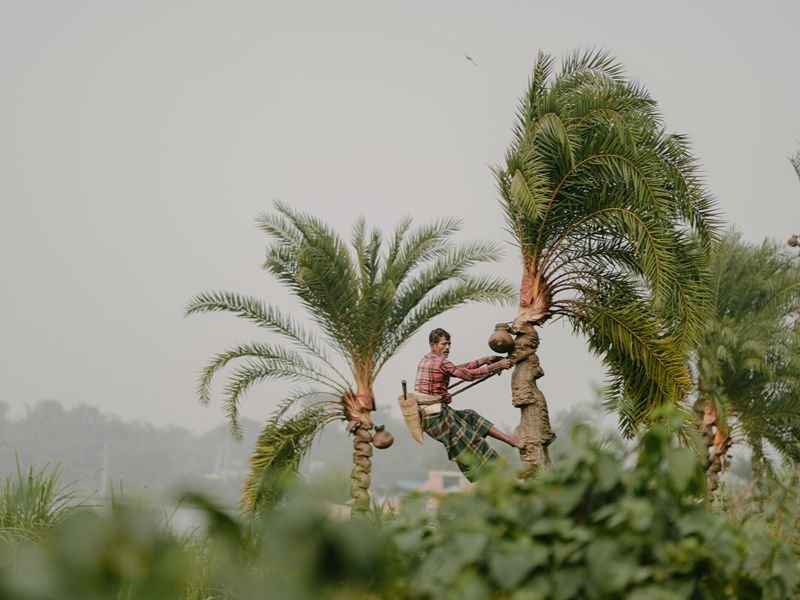
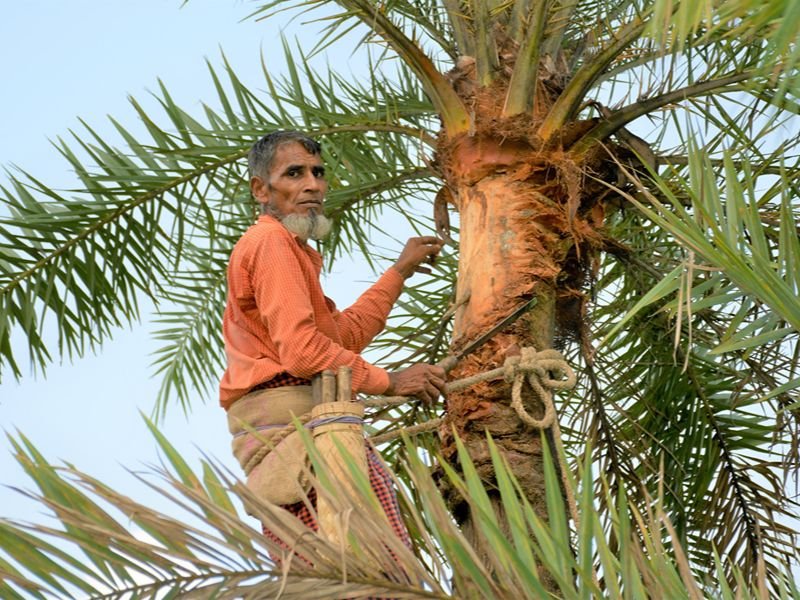
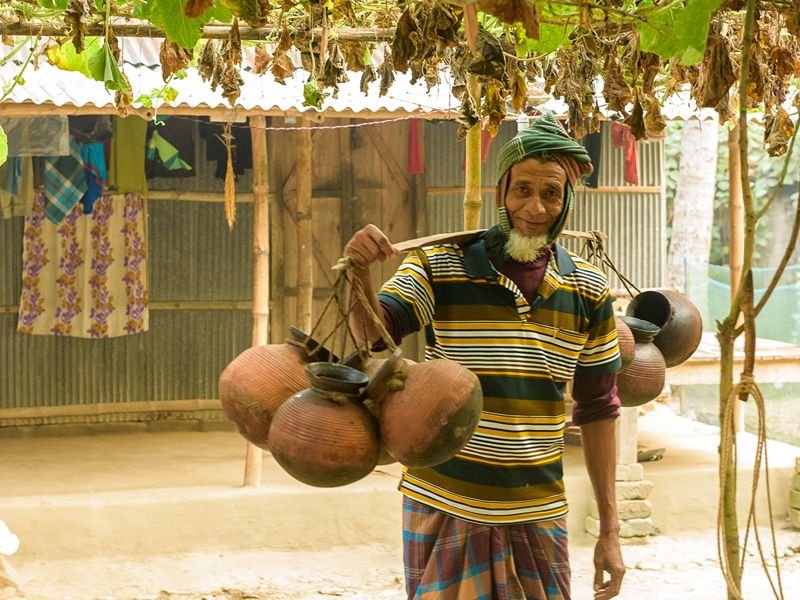
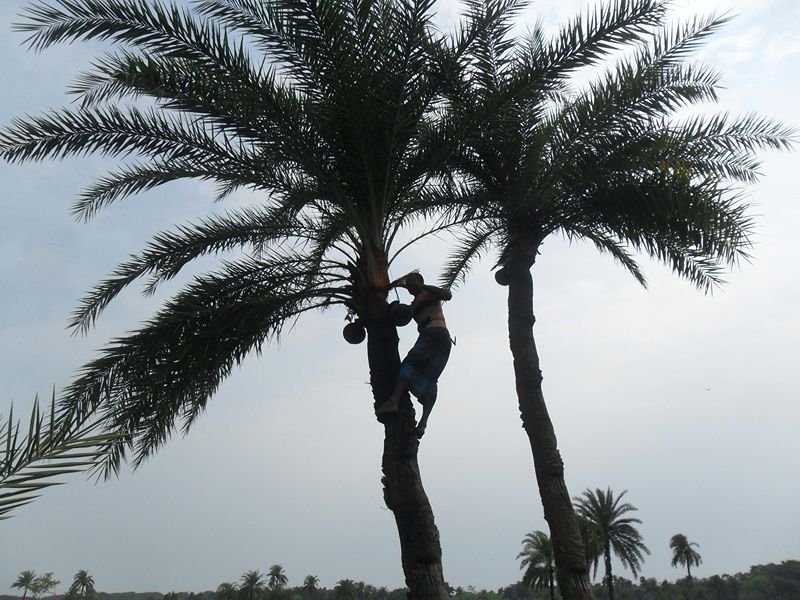
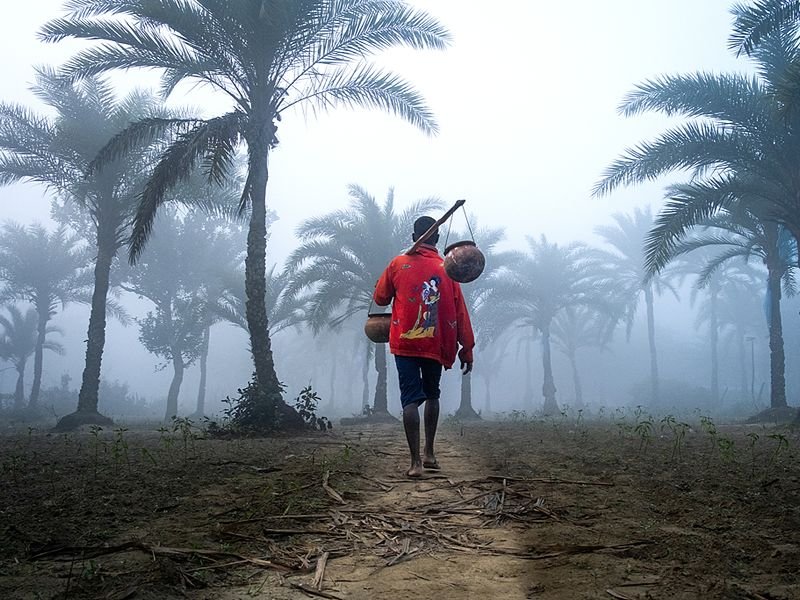
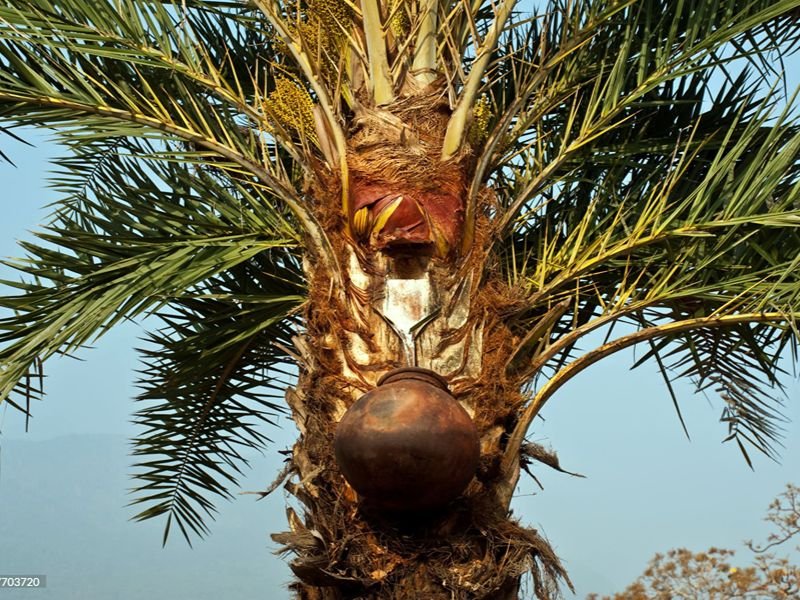
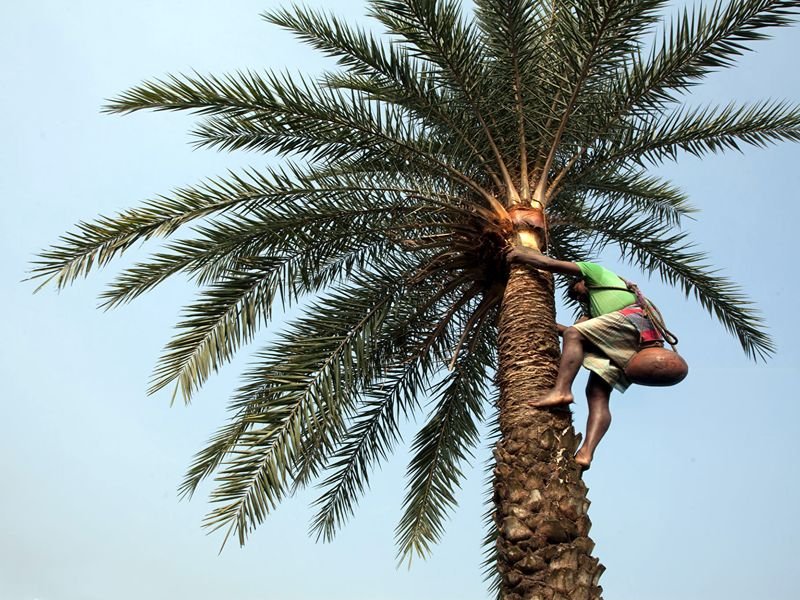
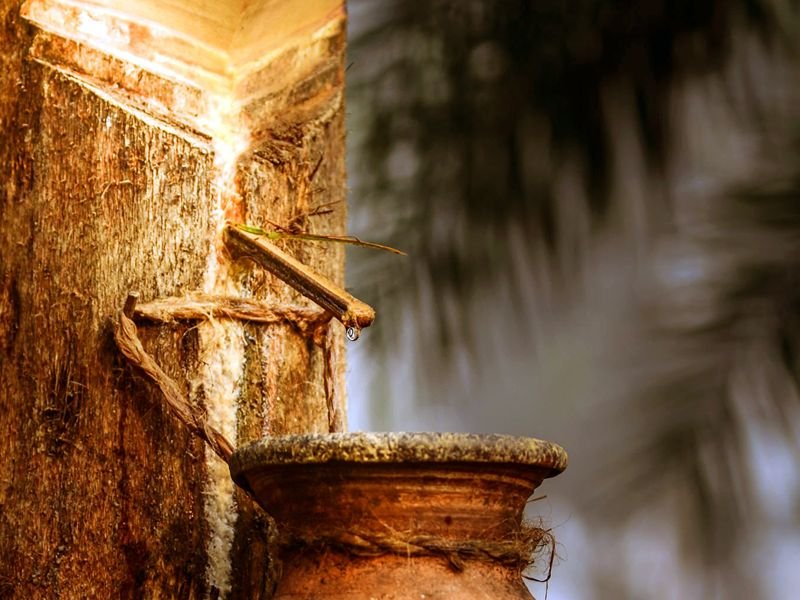
People call these workers gachhis. A skilled gachhi climbs the palm and carefully prepares a section near the crown. He creates a controlled cut, fits a small channel, and places a collection vessel below it so the sap can drip through the cool night.
The process requires experience. The collector must understand where to cut, how deeply to shave the tree, when to renew the surface, and how to keep a productive palm healthy across the tapping season.
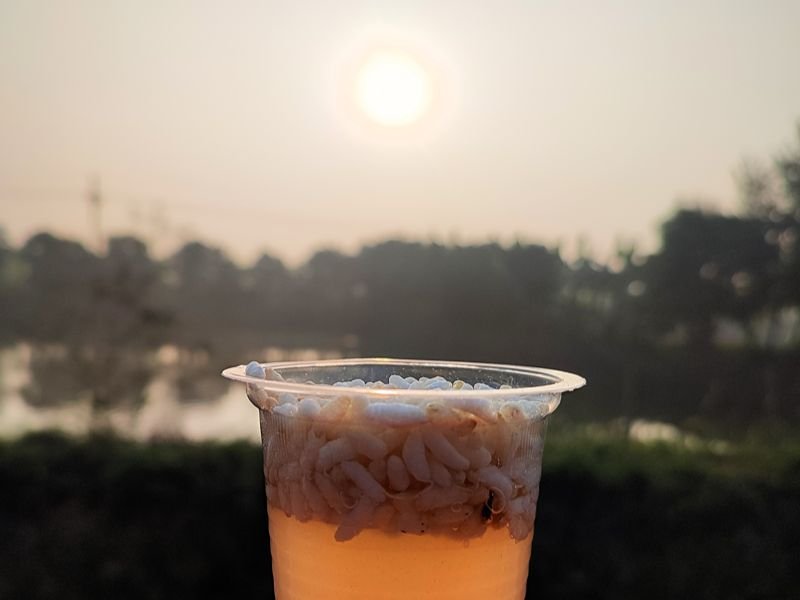
People have traditionally valued fresh date-palm sap for its delicate sweetness, but visitors must understand a serious health risk. Fruit bats can contaminate raw sap with Nipah virus. In February 2026, WHO confirmed a fatal Nipah case in Bangladesh involving repeated consumption of raw date-palm sap.
WHO specifically advises that freshly collected date-palm juice should be boiled before consumption. Visitors should therefore observe the collection process without drinking raw sap. Thoroughly boiled sap or properly prepared jaggery provides a much safer way to experience the tradition.
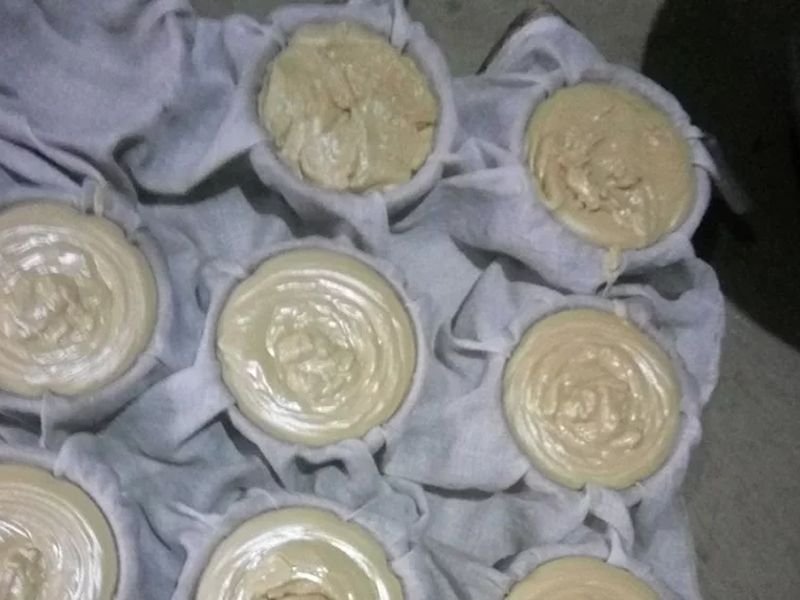
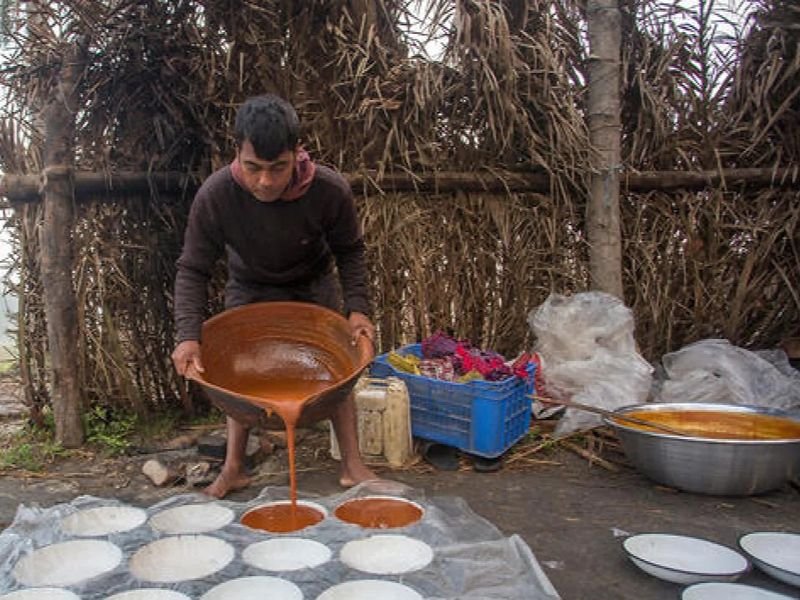
Jaggery making begins soon after collection. Producers pour the sap into wide pans and heat it until much of the water evaporates. As the liquid becomes concentrated, its color deepens and its flavor becomes richer.
Producers can keep the finished jaggery in liquid form as jhola gur, or pour the thick syrup into molds and allow it to set as patali gur. Winter kitchens use date-palm jaggery in pitha, payesh, and other seasonal foods.
The best visitor experience focuses on the gachhi's skill, early-morning collection, boiling, and jaggery making, while following current public-health guidance.
Immersive Experience
No 360° Videos available
Destination Gallery
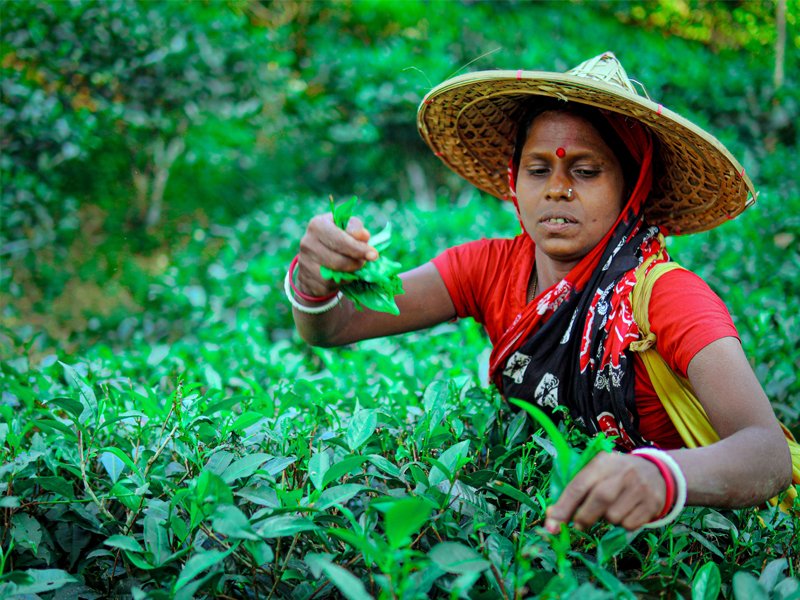
Tea Plucking and Estate Life
Rolling green estates and the living tea culture of Sreemangal
Explore More