

Betel Leaf Garden Cultivation
The shaded horticulture of Bangladesh's paan baroj
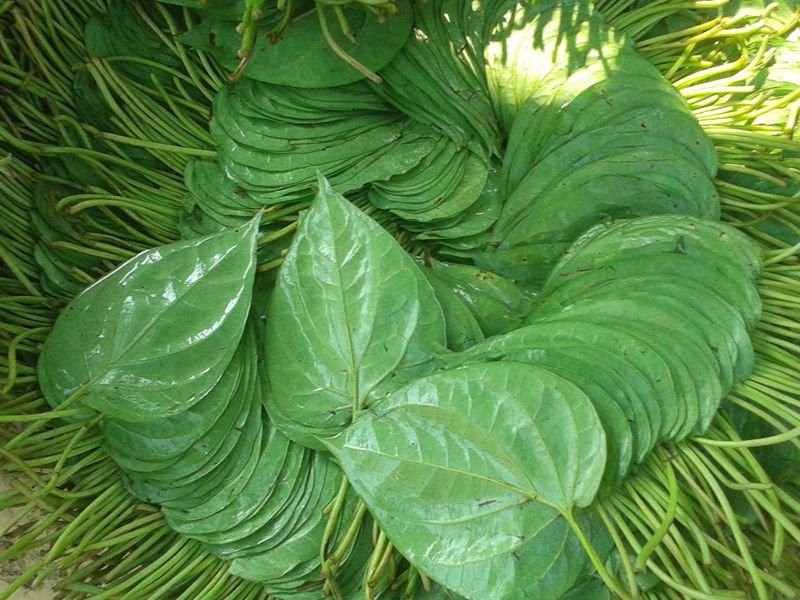
Inside the Green Baroj. Discover the Care Behind Betel Leaf Cultivation.
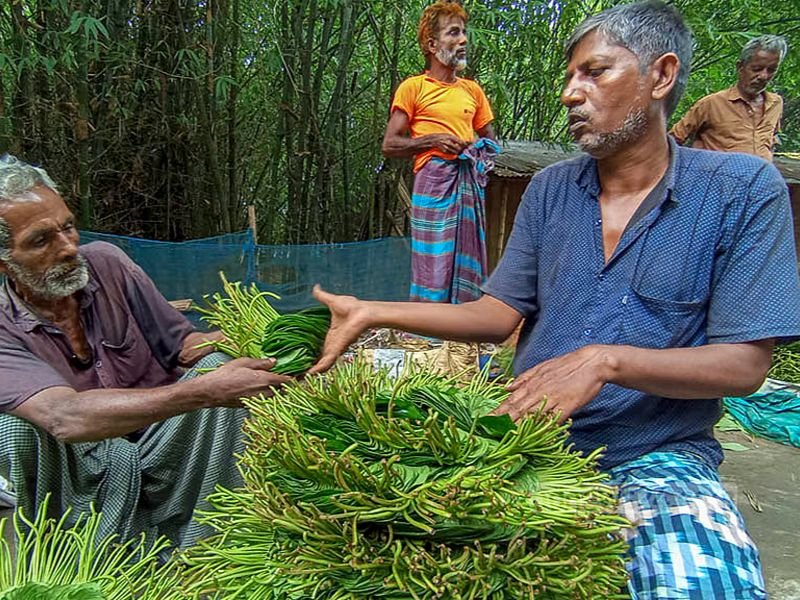
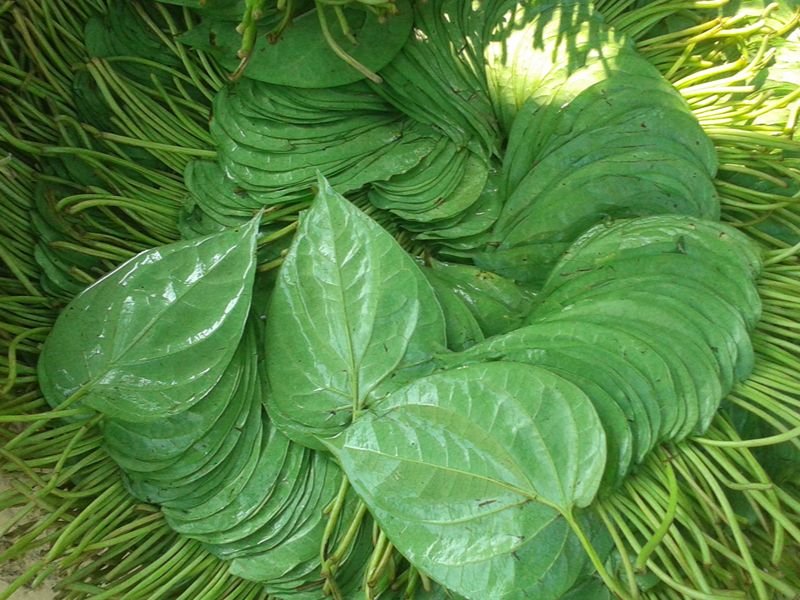
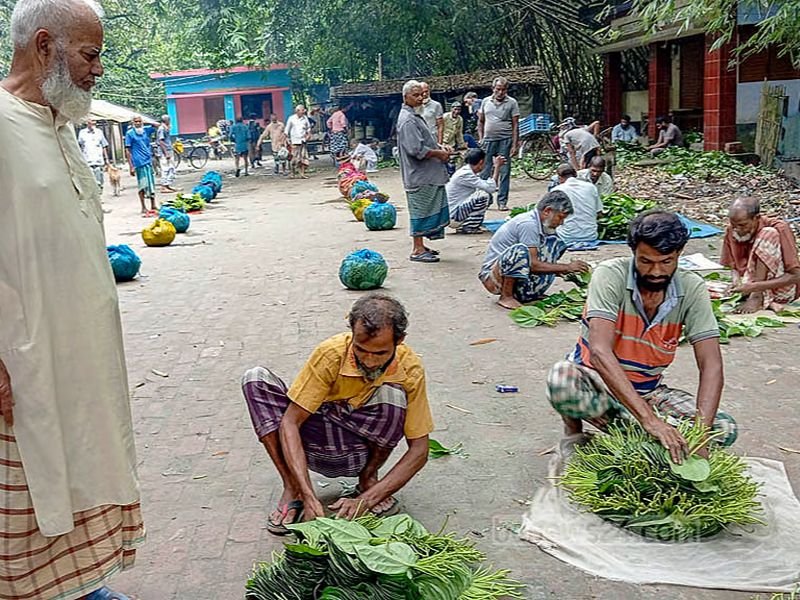
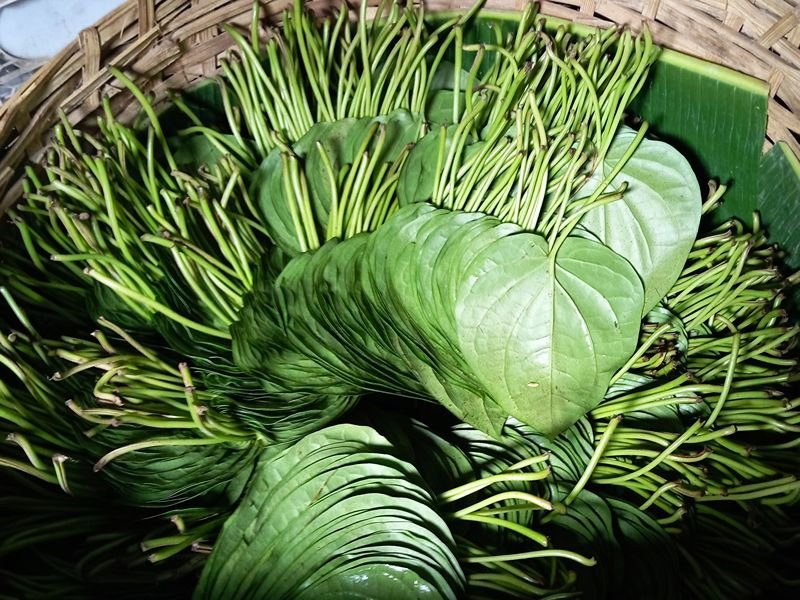
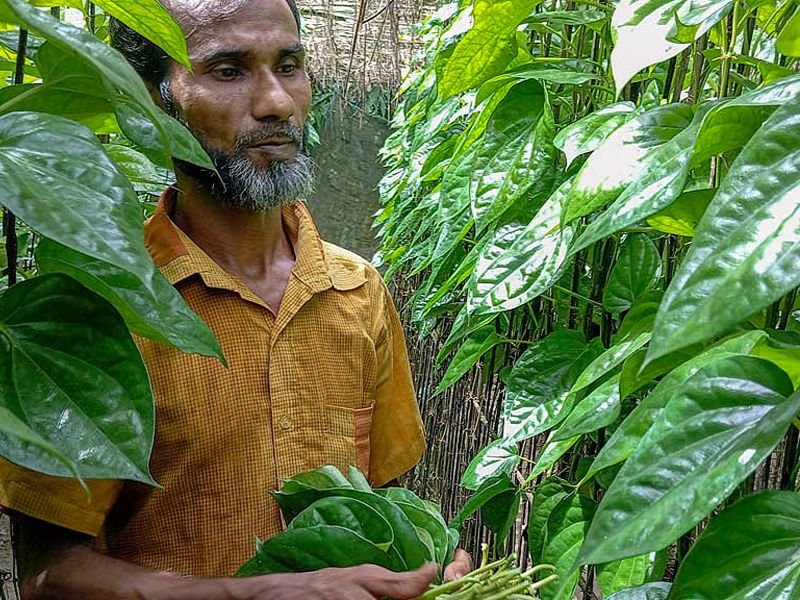
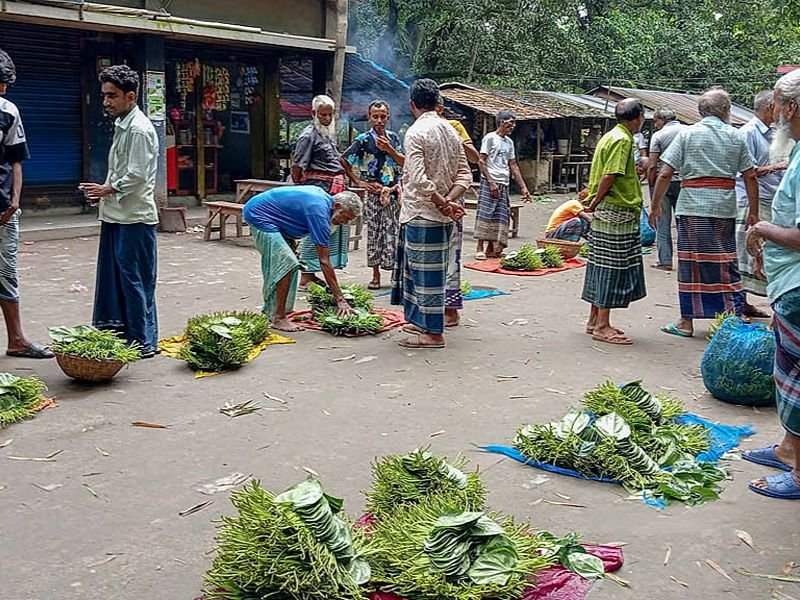
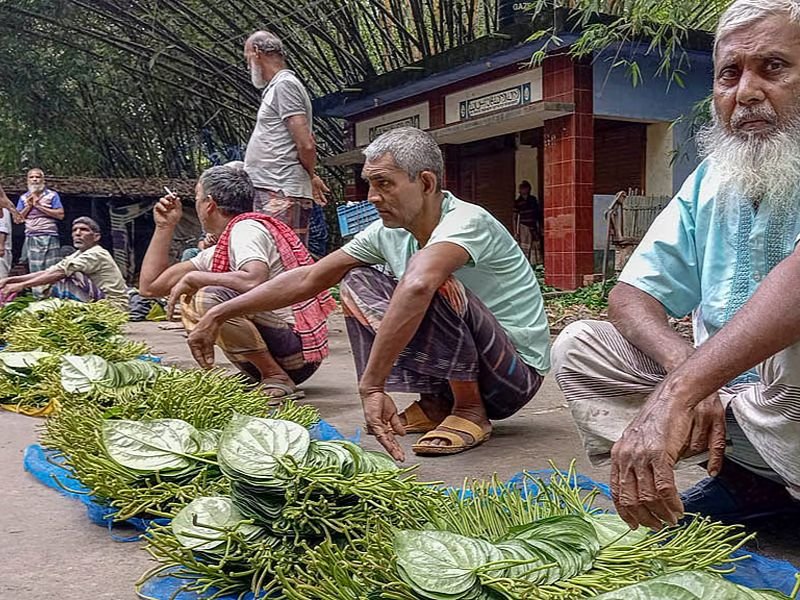
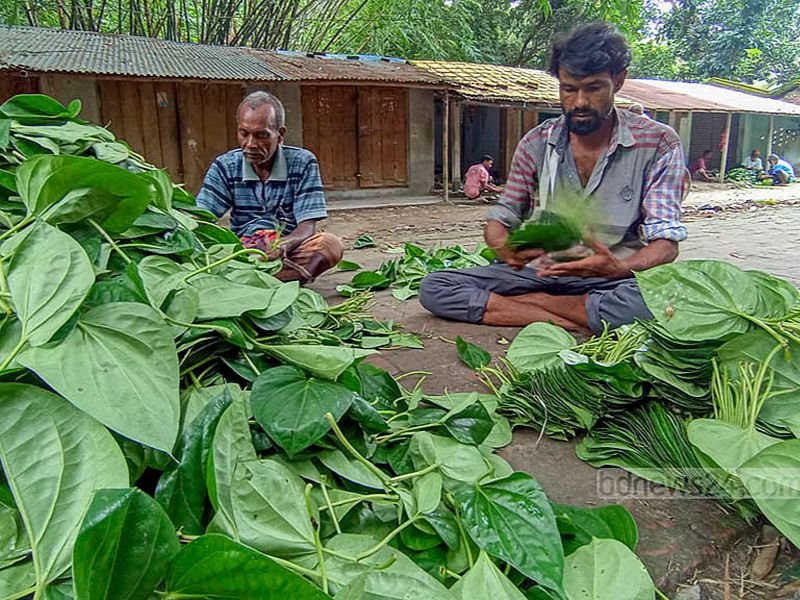
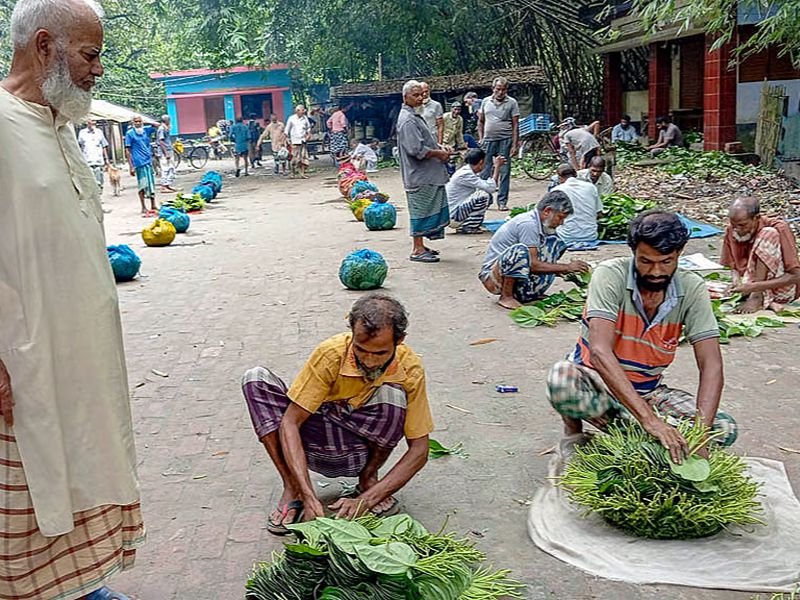
Betel leaf, or paan, has held a long place in the agricultural and social traditions of Bengal. Farmers cultivate the climbing vines in specialized enclosed gardens called baroj, where they manage shade, moisture, support, and airflow with considerable care.
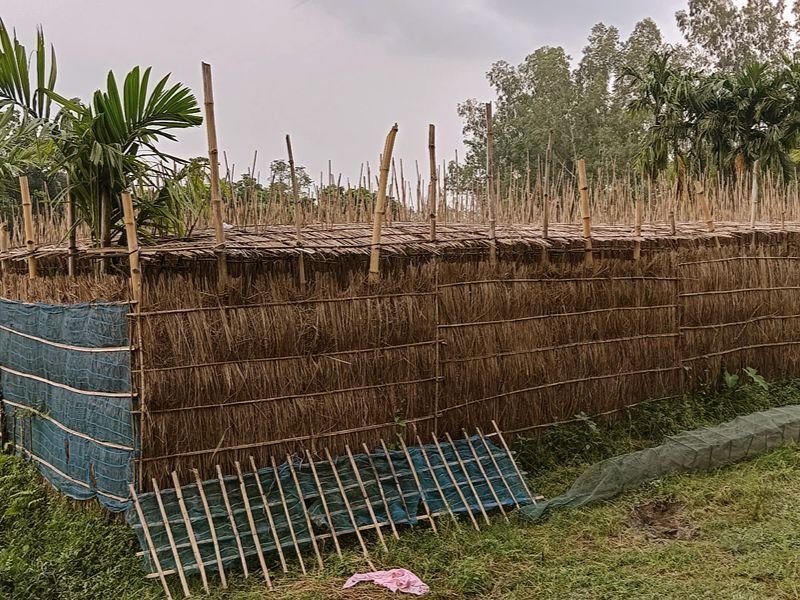
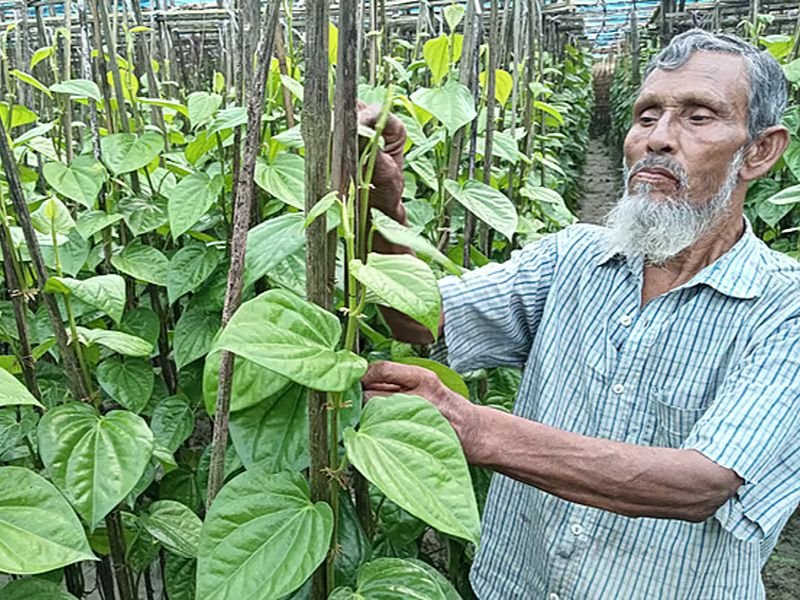
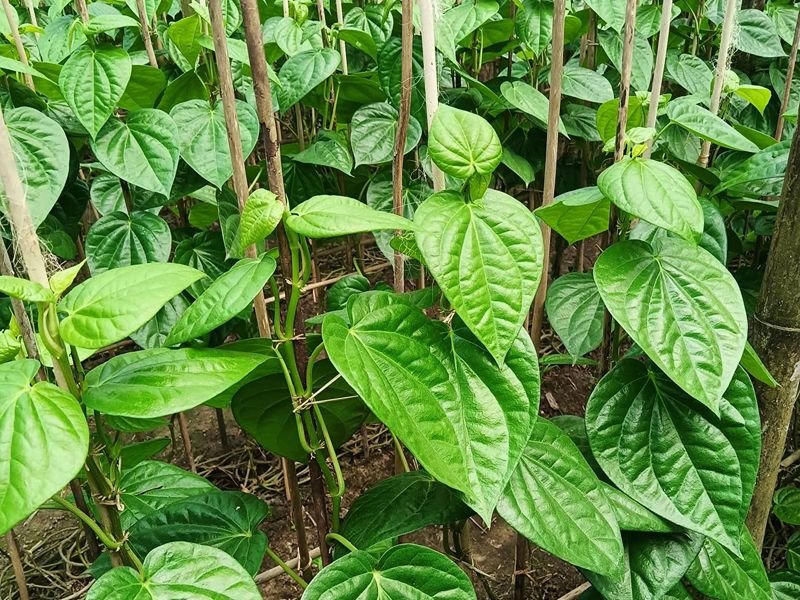
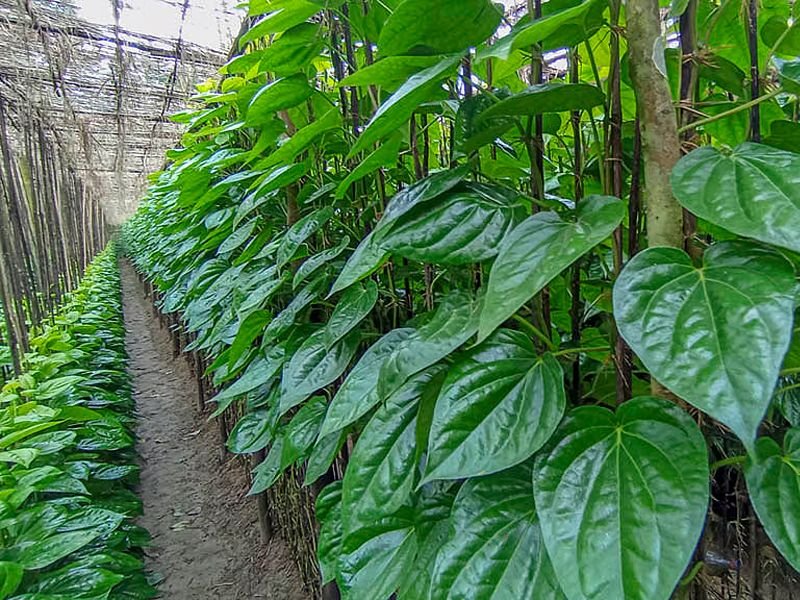
A traditional baroj creates a protected growing environment. Farmers build walls from bamboo and reeds and cover the structure with similar material to reduce exposure to harsh sunlight and protect the vines.
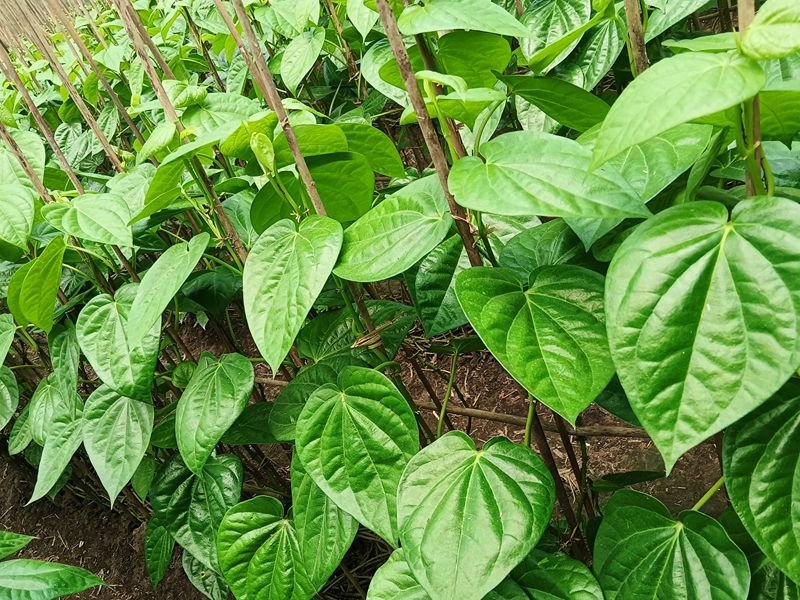
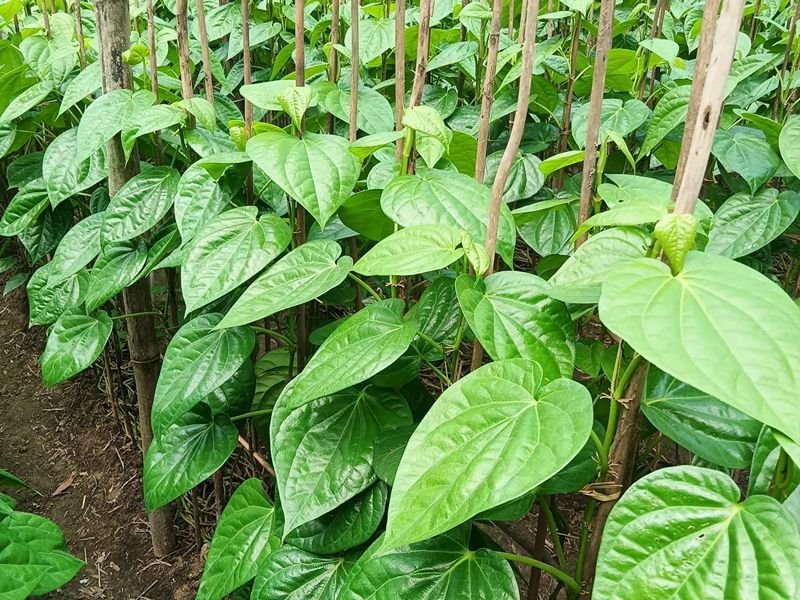
Inside the enclosure, farmers plant betel cuttings in rows and train them up upright bamboo or reed supports. Narrow paths allow growers to water the plants, inspect the leaves, guide the vines, and harvest mature foliage.
Traditional growers use cow dung and oil cake as manure. Modern producers may also use chemical fertilizers, so visitors should not assume that every baroj follows an organic production system.
Betel cultivation also has an important social history. The Barui occupational community historically played a major role in the production and marketing of paan. Banglapedia notes, however, that production in present-day Bangladesh is predominantly in the hands of Muslim farmers. Khasi communities in the Sylhet region also maintain their own important betel-leaf tradition, known as panjum.
Bangladesh grows many local varieties. Banglapedia records Bangla pan, also known by names including Mitha, Jhal, and Rajshahi pan, as well as Sanchi pan from the Chattogram Hill Tracts.
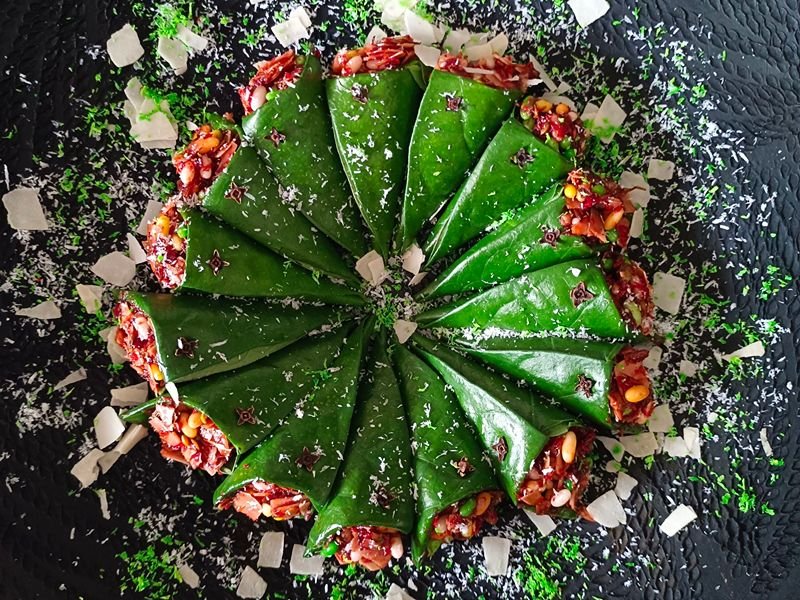
The leaf itself remains associated with etiquette, ceremonies, and hospitality. People often prepare paan with areca nut, lime, spices, and sometimes tobacco. Visitors should distinguish the cultural and agricultural importance of the leaf from the health risks of common chewing mixtures.
WHO's International Agency for Research on Cancer concludes that areca nut is carcinogenic to humans and that betel quid without tobacco can cause oral cancer. The brochure should therefore describe the cultural practice without promoting areca-nut chewing as a harmless digestive or tourism activity.
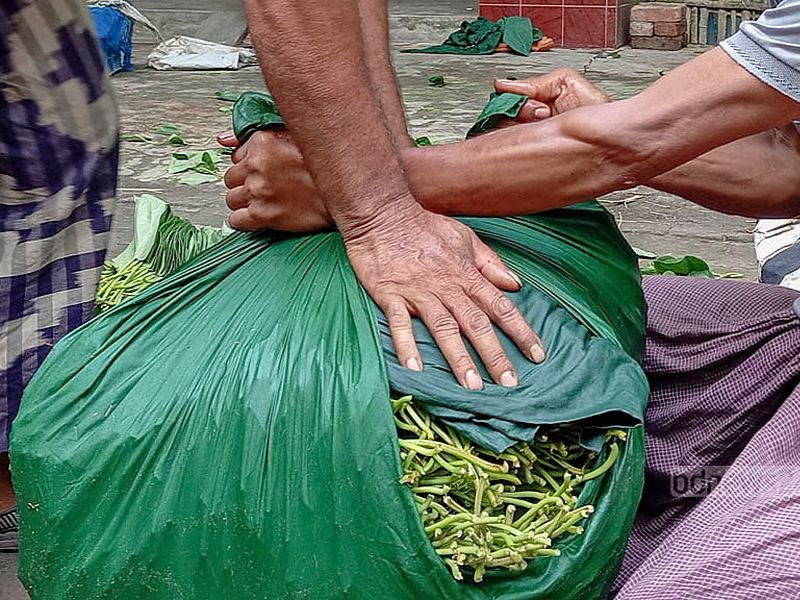
Bangladesh also exports betel leaf. Exports to European markets resumed in 2021 after authorities strengthened hygiene, testing, and food-safety controls following earlier Salmonella-related restrictions.
Immersive Experience
No 360° Videos available
Destination Gallery
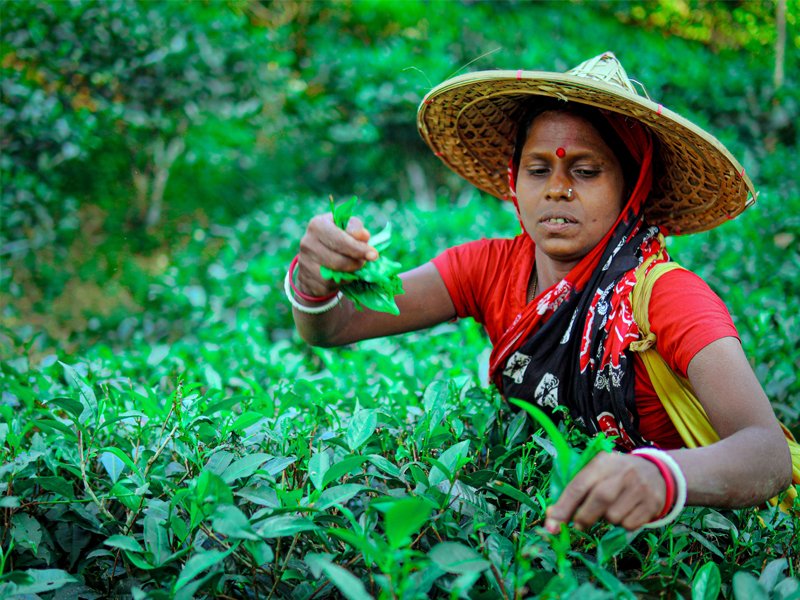
Tea Plucking and Estate Life
Rolling green estates and the living tea culture of Sreemangal
Explore More
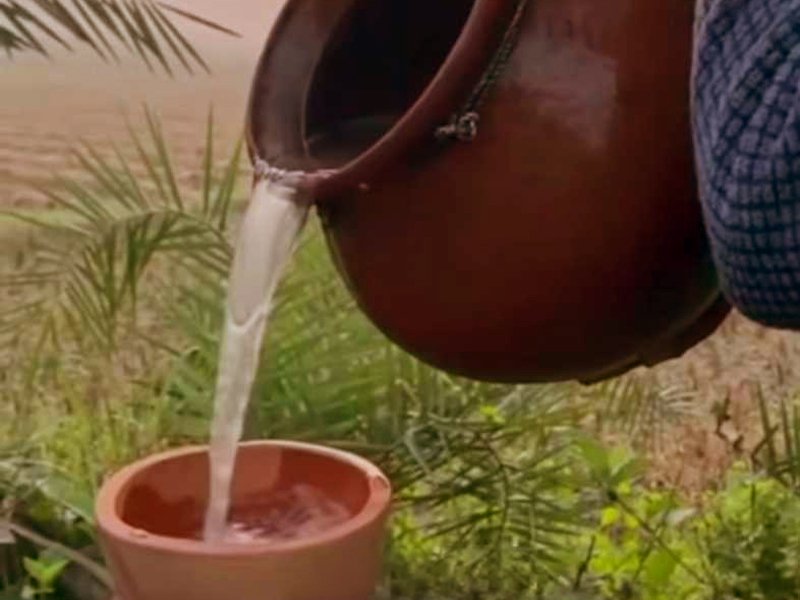
Winter Date Palm Juice Extraction
The cold-season craft behind Bangladesh's date palm jaggery
Explore More