Tea Plucking and Estate Life
Rolling green estates and the living tea culture of Sreemangal
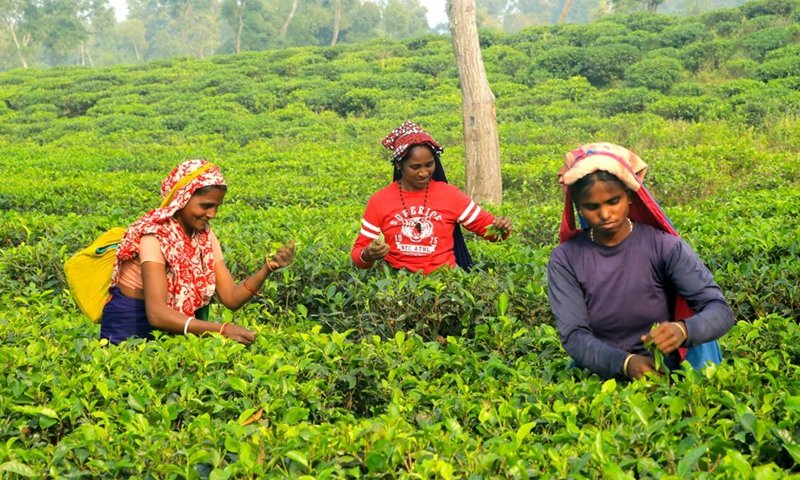
Two Leaves and a Bud. Discover the Landscape and People Behind Bangladesh Tea.
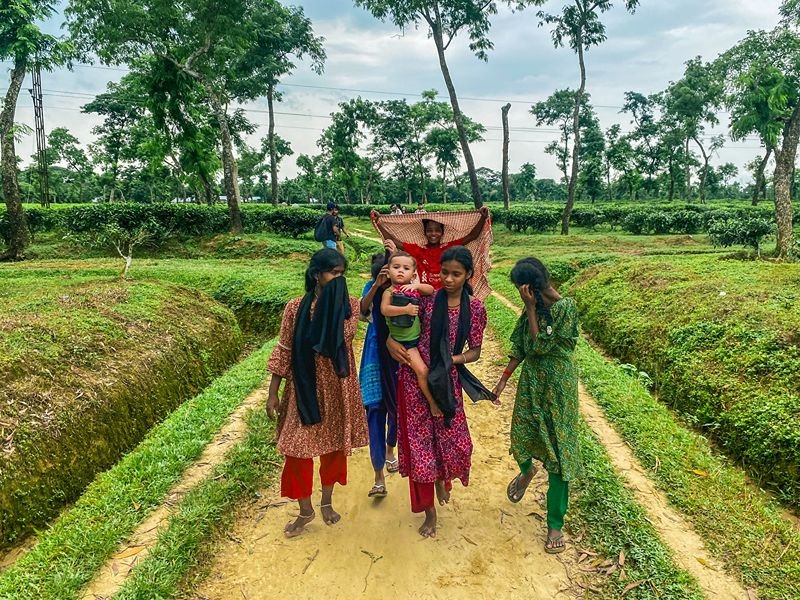
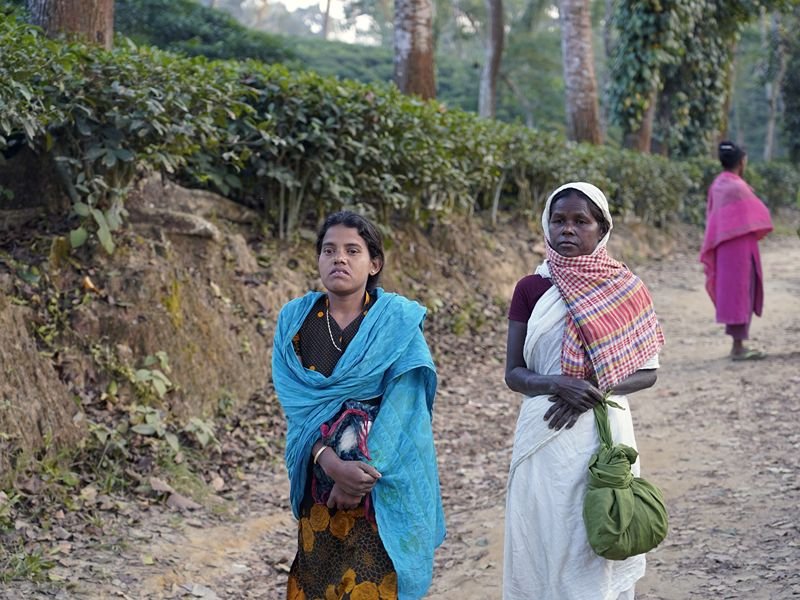
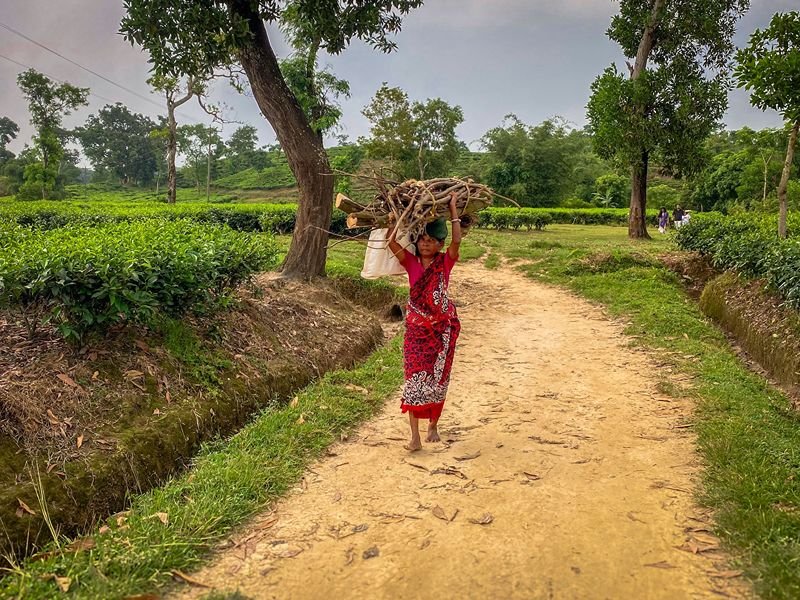
Commercial tea cultivation began in the wider Sylhet region during the nineteenth century under British colonial rule. The plantation industry expanded over generations and created large estate communities whose descendants continue to live and work in Bangladesh's tea-growing regions.
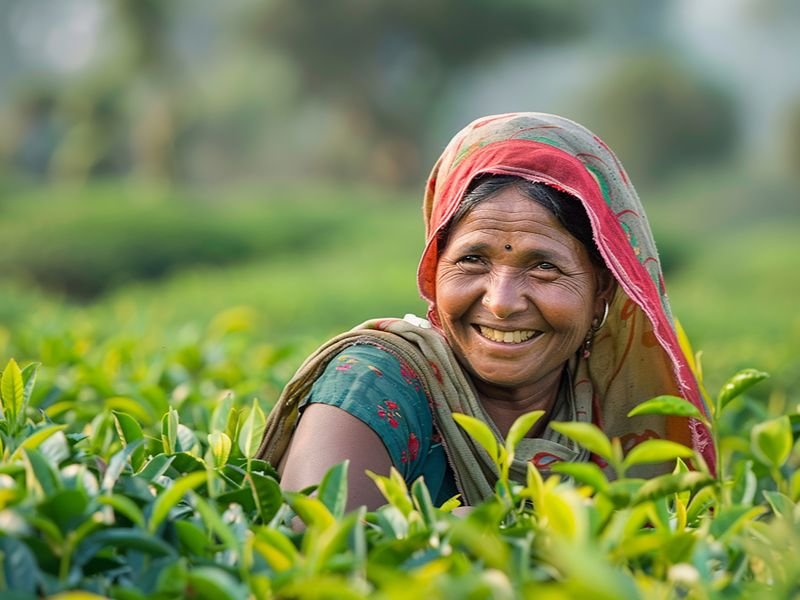
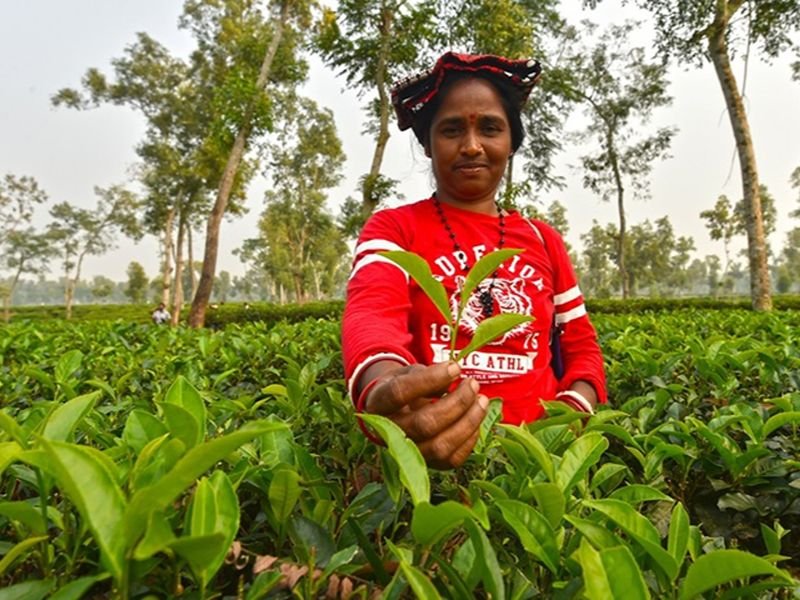
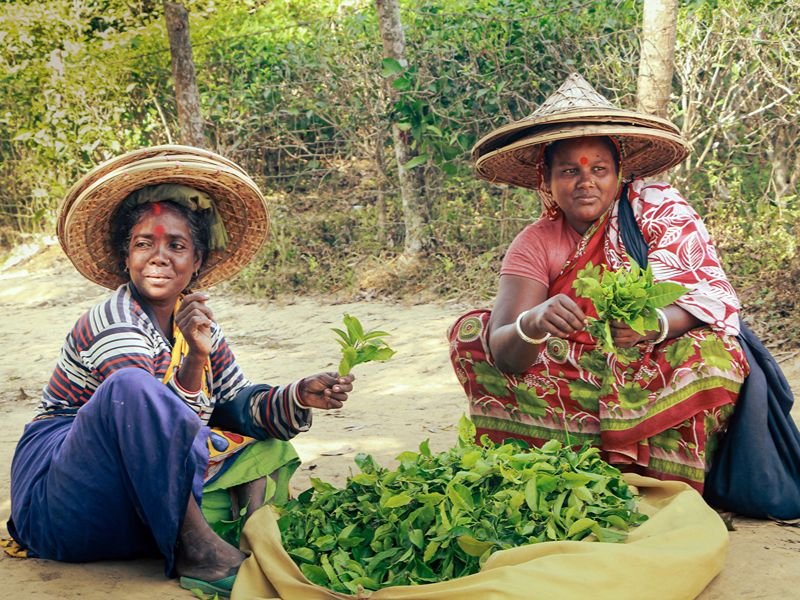
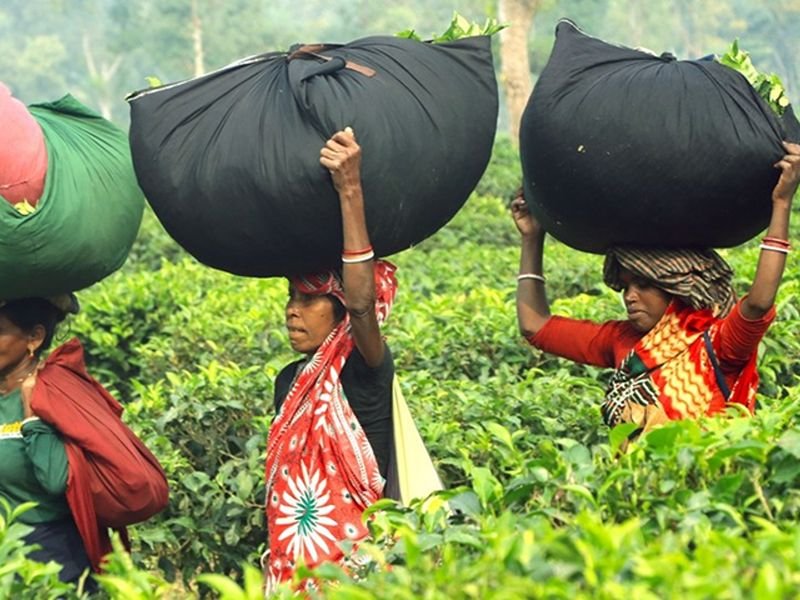
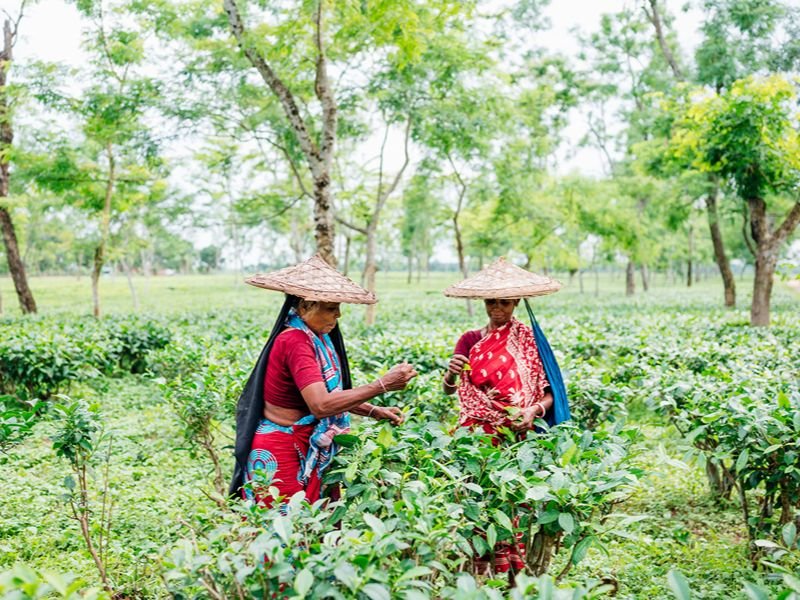
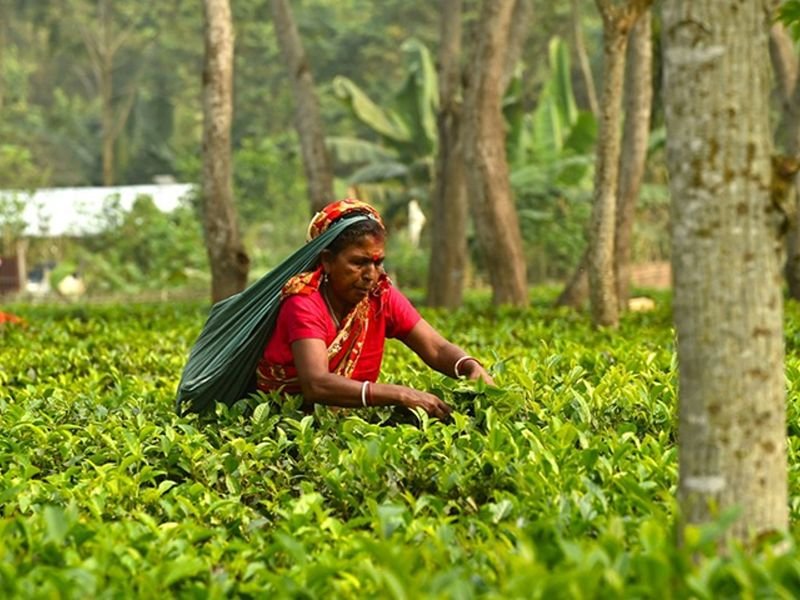
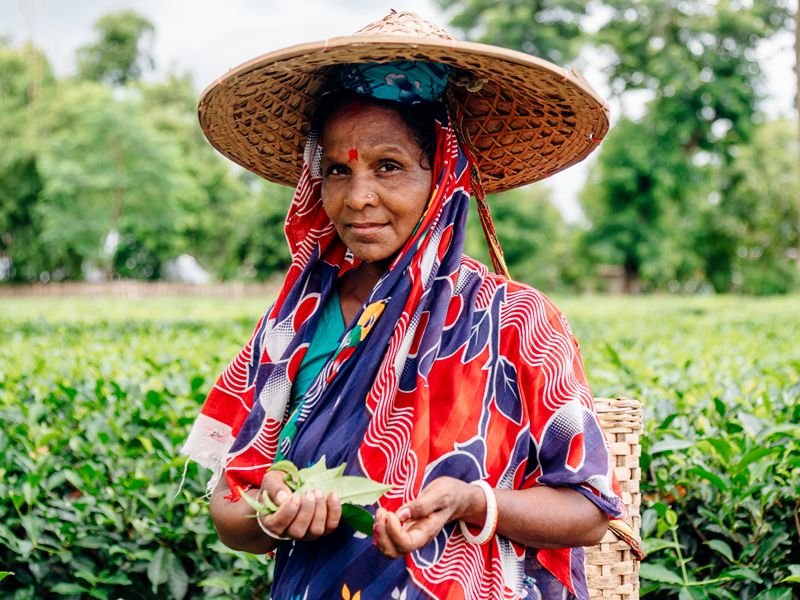
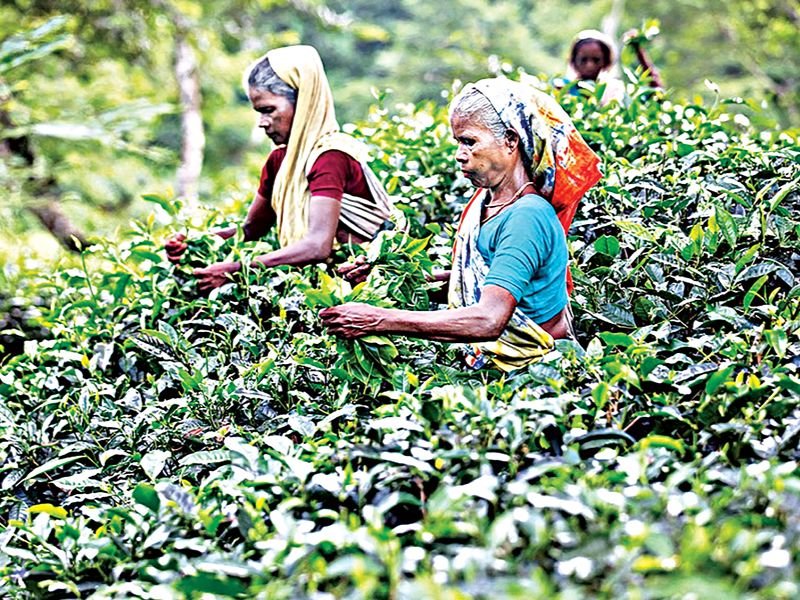
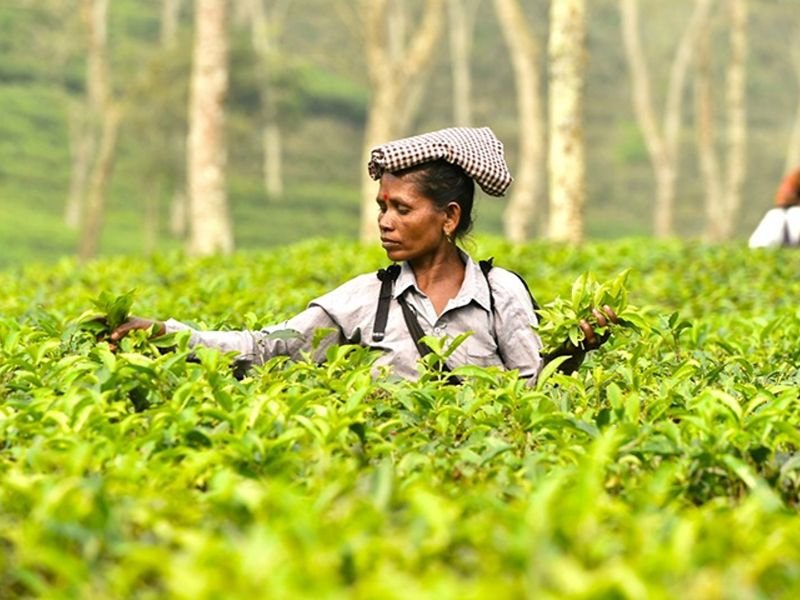
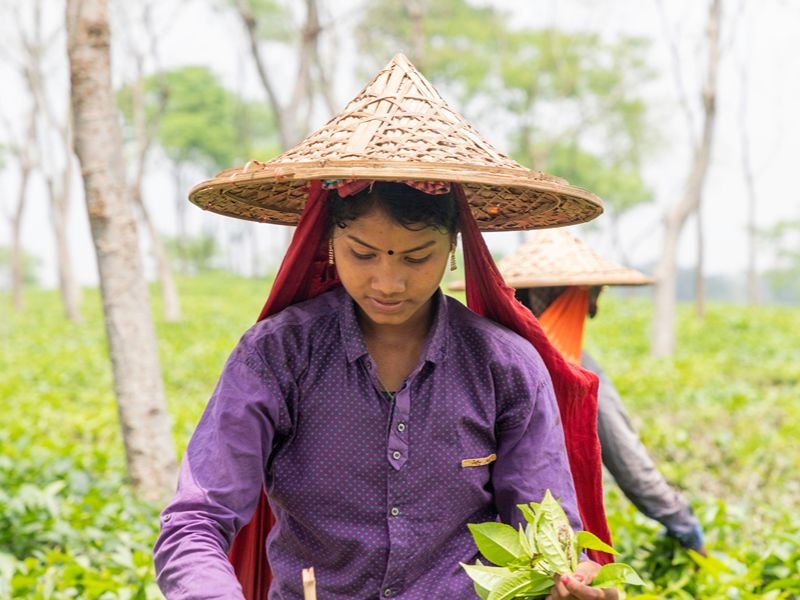
Women form a major part of the tea-plucking workforce. For fine-quality tea, workers often select tender shoots made up of two leaves and a bud. Actual plucking standards vary according to the product, season, and estate, so workers do not harvest every batch according to one identical rule.
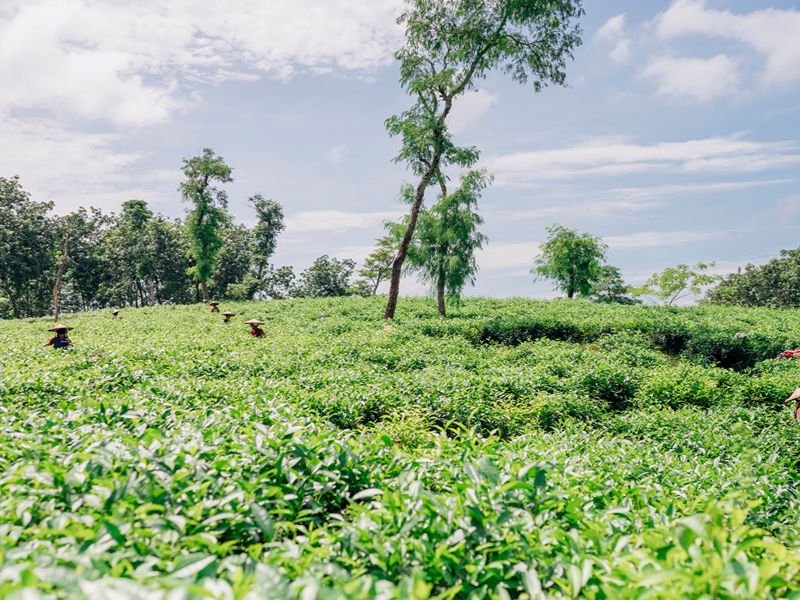
The work requires speed, experience, and careful judgment. Pluckers move through long rows of bushes, selecting suitable shoots and collecting substantial quantities of leaf during the working day. Visitors should remember that tea estates are workplaces. Guests should join plucking only when the estate and workers have explicitly arranged the experience.
Inside a tea factory, freshly collected leaves begin another process. Black tea production typically includes withering, rolling or maceration, oxidation, drying, sorting, and grading. Green, white, and specialty teas follow different processing paths.
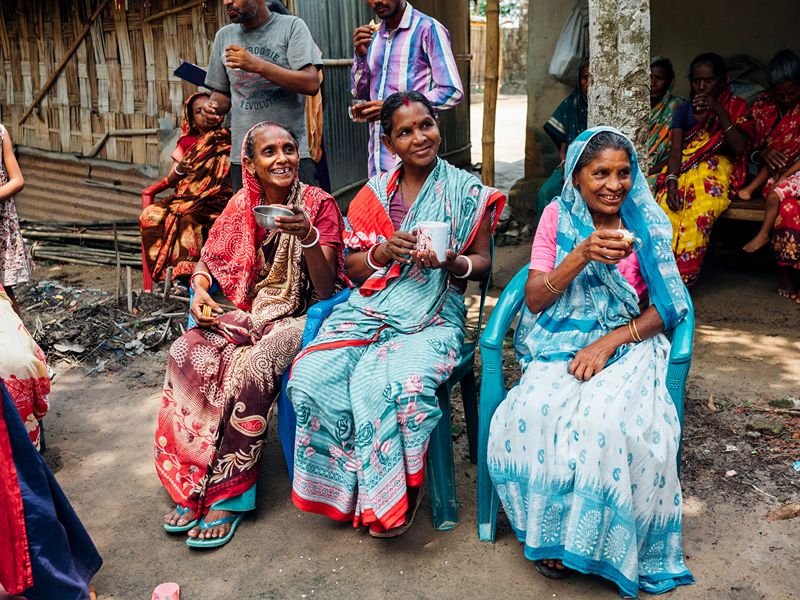
Estate life also carries a difficult social history. Generations of tea workers have contributed to the industry, but many communities continue to raise concerns about low wages, land rights, education, healthcare, and living conditions. Recent worker protests and reporting show that these issues remain current. A thoughtful tea-country experience should therefore recognize both the beauty of the landscape and the labor that sustains it.
Sreemangal also has a modern tea tradition of its own. Romesh Ram Gour introduced the layered tea associated with Nilkantha Tea Cabin, creating a glass with visibly separated layers of different colors and flavors. The drink has become one of Sreemangal's best-known local curiosities.
Immersive Experience
No 360° Videos available
Destination Gallery
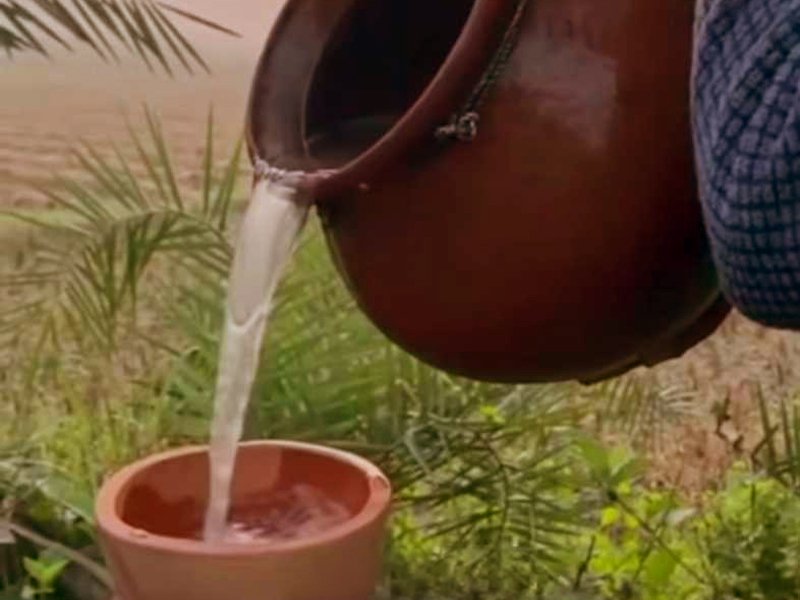
Winter Date Palm Juice Extraction
The cold-season craft behind Bangladesh's date palm jaggery
Explore More